
Abstract
Introduction: Bronchopulmonary dysplasia (BPD) is one of the major respiratory complications in very low birth weight infants and is associated with high neonatal morbidity and mortality. Objective: To identify perinatal and neonatal factors associated with the development of bronchopulmonary dysplasia during hospitalization in preterm infants born at 32 weeks of gestation or less and with birth weight below 1500 g, as well as to determine the incidence and severity of this disease. Materials and Methods: A retrospective study was conducted through the review of medical records of preterm infants admitted to the Ana Goitia Specialized Maternal and Child Acute Care Hospital between 2022 and 2024. Clinical and perinatal characteristics of patients with and without bronchopulmonary dysplasia (BPD) were analyzed. In addition, disease severity was assessed among infants who developed BPD in order to identify potential factors associated with its occurrence and progression. Results: Patients with bronchopulmonary dysplasia were more frequently treated with high-frequency mechanical ventilation, were exposed to higher FiO₂, required longer oxygen therapy, received pharmacological treatment for patent ductus arteriosus more often, and had longer hospitalizations. Conclusion: The incidence of bronchopulmonary dysplasia was 40.5%, with a predominance of moderate forms. Lower gestational age, the use of high-frequency mechanical ventilation, higher oxygen requirements, longer duration of oxygen therapy, and pharmacological treatment for patent ductus arteriosus were associated with the development of the disease. Among infants with bronchopulmonary dysplasia, a longer duration of oxygen therapy was associated with moderate-to-severe disease.
Keywords
Bronchopulmonary Dysplasia, Infant, Premature, Infant, Very Low Birth Weight, Oxygen Inhalation Therapy, Respiration, Artificial
INTRODUCTION
Bronchopulmonary dysplasia (BPD) is the most common chronic lung disease among very preterm infants and one of the leading causes of neonatal morbidity and mortality, as well as long-term respiratory sequelae. Its development is characterized by a complex, multifactorial pathophysiology in which alveolar and pulmonary vascular growth is disrupted as a result of prenatal and postnatal factors acting on an immature lung (1,2,4,9,11).
Lower gestational age and very low birth weight are the main risk factors for the development of BPD. Likewise, perinatal factors such as complete antenatal lung maturation and chorioamnionitis, together with postnatal factors such as mechanical ventilation, prolonged oxygen exposure, patent ductus arteriosus, suspected sepsis, and fluid balance, may influence the onset and course of the disease (3,7,10).
Despite advances in neonatal care, the incidence of BPD remains high among extremely preterm infants. Although various preventive strategies and risk-stratification models have been developed, evidence regarding the factors associated with its development and severity continues to evolve, making it essential to generate local evidence to guide prevention and treatment strategies (5,6,12).
BPD severity can be classified as mild, moderate, or severe according to the respiratory support required at 36 weeks postmenstrual age, which allows assessment not only of disease incidence but also of its clinical impact.
In Argentina, few studies have evaluated the factors associated with the development of BPD in preterm infants using local cohorts. Identifying these factors may help optimize preventive strategies and respiratory management in neonatal intensive care units.
OBJECTIVES
The general objective was to identify the perinatal and neonatal factors associated with the development of bronchopulmonary dysplasia during hospitalization in preterm infants with a gestational age of 32 weeks or less and a birth weight below 1500 g, as well as to determine the incidence and severity of this disease in the population studied.
The specific objectives were:
To describe prenatal factors (gestational age, lung maturation, antibiotics, and chorioamnionitis) and their effect on initial respiratory stability.
To compare the impact of different ventilatory methods (conventional versus high-frequency) on the total number of days of mechanical ventilation and the development of BPD.
To evaluate the association between the use of pharmacological therapies (surfactant and caffeine), maximum FiO₂ and MAP requirements, and the development of BPD.
To evaluate the association between postnatal comorbidities — such as suspected sepsis, pharmacological treatment of patent ductus arteriosus, and maximum fluid load during the first week of life — and the development of bronchopulmonary dysplasia.
MATERIALS AND METHODS
Study Design
An observational, analytical, retrospective study was conducted based on the medical records of newborns admitted to the Neonatal Intensive Care Unit (NICU) of the Ana Goitia Specialized Maternal and Child Acute Care Hospital (Province of Buenos Aires, Argentina) between January 2022 and December 2024. This institution serves as a regional referral center for high-complexity neonatal care. The target population consisted of preterm infants with a gestational age of 32 weeks or less and a birth weight below 1500 g. The final sample comprised 42 patients who met the selection criteria, of whom 17 developed the outcome variable.
Patient Selection: All preterm infants with a gestational age ≤32 weeks and birth weight <1500 g admitted between January 2022 and December 2024 who met the inclusion criteria were consecutively enrolled. Owing to the retrospective design, all eligible patients during the study period were included; therefore, no prior sample-size calculation was performed.
Inclusion and Exclusion Criteria. The inclusion criteria were: preterm infants with a gestational age ≤32 weeks and birth weight <1500 g, admitted to the institution during the study period, who survived to 36 weeks postmenstrual age (PMA). Exclusion criteria were: presence of major congenital malformations and medical records with insufficient clinical data to correctly identify or stage the primary outcome variable.
Study Variables
Variables collected from the medical records were classified according to their methodological nature:
Continuous quantitative variables: gestational age at birth (weeks), birth weight (grams), maximum fraction of inspired oxygen (maximum FiO₂), maximum mean airway pressure (maximum MAP, in cmH₂O), days of oxygen therapy, maximum volume of fluids administered during the first week of life (mL/kg/day), weight at 36 weeks PMA (grams), and total days of hospitalization.
Discrete quantitative variables: Apgar score at the first and fifth minutes of life, number of surfactant doses administered, and total days of mechanical ventilation (MV).
Dichotomous qualitative variables: sex, mode of delivery (vaginal/cesarean), antenatal lung maturation, chorioamnionitis, small-for-gestational-age (SGA) status, mechanical ventilation (yes/no), continuous positive airway pressure (CPAP), surfactant use, caffeine use, need for pharmacological treatment of patent ductus arteriosus (PDA), and suspected neonatal sepsis (operationally defined as the indication of antibiotic treatment for clinically suspected infection during hospitalization).
Polytomous qualitative variables: initial/main ventilatory modality (conventional ventilation or high-frequency ventilation [HFV]) and type of respiratory support required at 36 weeks PMA.
Definition of the Outcome Variable
The primary outcome variable was bronchopulmonary dysplasia (BPD). The initial screening diagnosis was established using the classic criterion (need for oxygen therapy for at least 28 days). Subsequently, the presence and severity grade of the disease at 36 weeks PMA were categorized using the criteria of the National Institutes of Health (NIH 2018) consensus workshop proposed by Higgins et al.
Statistical Analysis
Data were analyzed using IBM SPSS Statistics version 29.0 (IBM Corp., Armonk, NY, USA). A preliminary descriptive analysis was performed; quantitative variables were expressed as means and standard deviations (or medians and interquartile ranges, depending on distribution), whereas qualitative variables were reported as absolute frequencies and weighted percentages. For bivariate analysis and comparisons between groups (with and without BPD), parametric or non-parametric tests (Student's t-test, Pearson's chi-square test, or Fisher's exact test) were used as appropriate to the nature and distribution of the data. Statistical significance was set at p < 0.05.
Ethical Considerations
The study was conducted with prior authorization from the institutional authorities and the hospital's Teaching and Research Committee. Confidentiality and personal data protection were strictly ensured through the dissociation and anonymization of medical records, in strict compliance with current personal data protection regulations.
RESULTS
The demographic, perinatal, and clinical characteristics of the study population are presented in Table 1. Forty-two preterm infants were included, with a mean gestational age of 28.4 ± 2.1 weeks and a mean birth weight of 1088.3 ± 208.9 g. The incidence of BPD was 40.5% (17/42).
Variable | N | Mean (Min–Max) ± SD |
|---|---|---|
Gestational age (weeks) | 42 | 28.38 (25.00–32.00) ± 2.05 |
Birth weight (g) | 42 | 1088.33 (730.00–1480.00) ± 208.94 |
Female sex | 42 | 48% |
Cesarean delivery | 42 | 33.3% |
Apgar score at 1 min | 41 | 6.49 (2.00–9.00) ± 1.61 |
Apgar score at 5 min | 41 | 8.29 (7.00–10.00) ± 0.72 |
Complete antenatal lung maturation | 41 | 88% |
Chorioamnionitis | 41 | 7.3% |
Small for gestational age | 42 | 52.4% |
Mechanical ventilation | 42 | 69% |
High-frequency mechanical ventilation | 42 | 19% |
Total days of MV | 42 | 1.38 (0.00–17.00) ± 2.88 |
CPAP | 42 | 31% |
Surfactant | 42 | 78.6% |
Number of surfactant doses | 42 | 1.31 (0.00–3.00) ± 0.87 |
Maximum FiO₂ (%) | 42 | 27.19 (21.00–40.00) ± 5.92 |
Maximum peak MAP | 42 | 19.21 (10.00–27.00) ± 4.46 |
Days of oxygen therapy | 42 | 33.88 (1.00–136.00) ± 35.90 |
Caffeine | 42 | 92.9% |
PDA treatment | 42 | 26.2% |
Suspected sepsis | 42 | 92.9% |
Maximum fluids, 1st week (mL/kg/day) | 42 | 122.31 (80.00–160.00) ± 26.93 |
BPD | 42 | 40.5% |
Weight at 36 weeks (g) | 42 | 2022.98 (1460.00–2805.00) ± 311.40 |
Days of hospitalization | 41 | 74.56 (23.00–163.00) ± 33.35 |
SD: standard deviation; MV: mechanical ventilation; CPAP: continuous positive airway pressure; PDA: patent ductus arteriosus; BPD: bronchopulmonary dysplasia. Note: The number of observations varies among variables because of missing data in clinical records.
Comparison Between Patients With and Without Bronchopulmonary Dysplasia
The comparison of clinical and neonatal characteristics between patients who developed bronchopulmonary dysplasia (BPD) and those who did not develop this complication is summarized in Table 2.
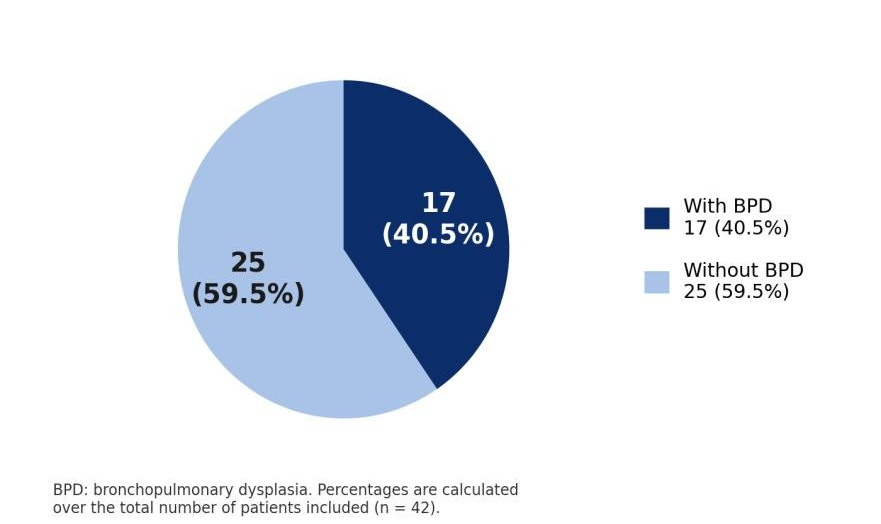
Table 2. Comparison between patients with and without BPD
Clinical variable | BPD = Yes (n = 17) | BPD = No (n = 25) | p value |
|---|---|---|---|
Gestational age (weeks) | 26.94 ± 1.78 | 29.36 ± 1.60 | <0.001*** |
Birth weight (g) | 940.29 ± 152.16 | 1189.00 ± 181.83 | <0.001*** |
Female sex | 10 (58.8%) | 10 (40.0%) | 0.241 |
Cesarean delivery | 8 (47.1%) | 6 (24.0%) | 0.140 |
Apgar score at 1 min | 6.31 ± 1.96 (n = 16) | 6.60 ± 1.38 | 0.585 |
Apgar score at 5 min | 8.31 ± 0.87 (n = 16) | 8.28 ± 0.61 | 0.889 |
Complete antenatal lung maturation | 13 (81.3%) (n = 16) | 23 (92.0%) | 0.359 |
Chorioamnionitis | 2 (12.5%) (n = 16) | 1 (4.0%) | 0.377 |
Small for gestational age | 10 (58.8%) | 12 (48.0%) | 0.539 |
Mechanical ventilation | 14 (82.4%) | 15 (60.0%) | 0.114 |
Conventional MV | 7 (41.2%) | 14 (56.0%) | 0.358 |
Clinical variable | BPD = Yes (n=17) | BPD = No (n=25) | p value |
High-frequency MV | 7 (41.2%) | 1 (4.0%) | 0.010* |
Total days of MV | 2.29 ± 4.01 | 0.76 ± 1.56 | 0.090 |
CPAP | 3 (17.6%) | 10 (40.0%) | 0.114 |
Surfactant | 15 (88.2%) | 18 (72.0%) | 0.191 |
Number of surfactant doses | 1.59 ± 0.80 | 1.12 ± 0.88 | 0.087 |
Maximum FiO₂ (%) | 30.88 ± 5.54 | 24.68 ± 4.81 | <0.001*** |
Maximum peak MAP | 19.65 ± 4.65 | 18.92 ± 4.40 | 0.610 |
Days of oxygen therapy | 68.47 ± 31.86 | 10.36 ± 10.07 | <0.001*** |
Caffeine | 17 (100.0%) | 22 (88.0%) | 0.083 |
PDA treatment | 9 (52.9%) | 2 (8.0%) | 0.003** |
Suspected sepsis | 17 (100.0%) | 22 (88.0%) | 0.083 |
Maximum fluids in the 1st week (mL/kg/day) | 125.29 ± 28.75 | 120.28 ± 26.02 | 0.560 |
Weight at 36 weeks (g) | 1994.12 ± 433.83 | 2042.60 ± 197.97 | 0.671 |
Days of hospitalization | 100.35 ± 31.03 | 56.29 ± 20.62 (n=24) | <0.001*** |
SD: standard deviation; MV: mechanical ventilation; CPAP: continuous positive airway pressure; PDA: patent ductus arteriosus. * p<0.05; ** p<0.01; *** p<0.001. Note: The number of observations varies among variables because of missing data in clinical records.
Patients with BPD had a significantly lower gestational age (26.9 ± 1.8 vs. 29.4 ± 1.6 weeks; p < 0.001) and a lower birth weight (940.3 ± 152.2 vs. 1189.0 ± 181.8 g; p < 0.001) compared with those who did not develop BPD (Table
2).
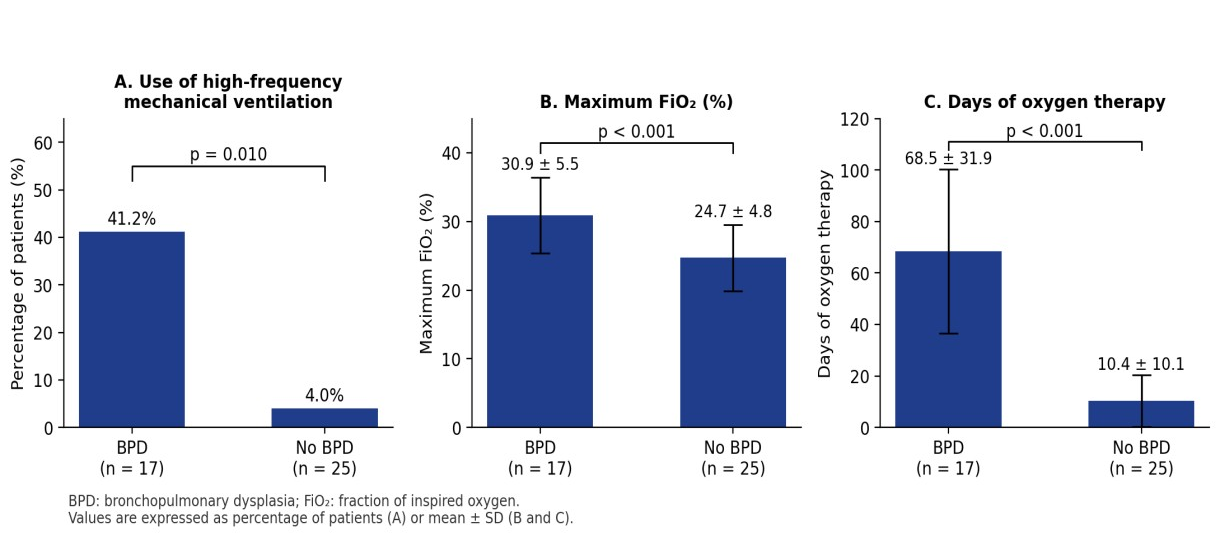
Regarding respiratory support, high-frequency mechanical ventilation was used significantly more frequently among patients with BPD (41.2% vs. 4.0%; p = 0.010) (Figure 2). This group also had a significantly higher maximum FiO₂ (30.9 ± 5.5% vs. 24.7 ± 4.8%; p < 0.001) and more days of oxygen therapy (68.5 ± 31.9 vs. 10.4 ± 10.1 days; p < 0.001) (Table 2).
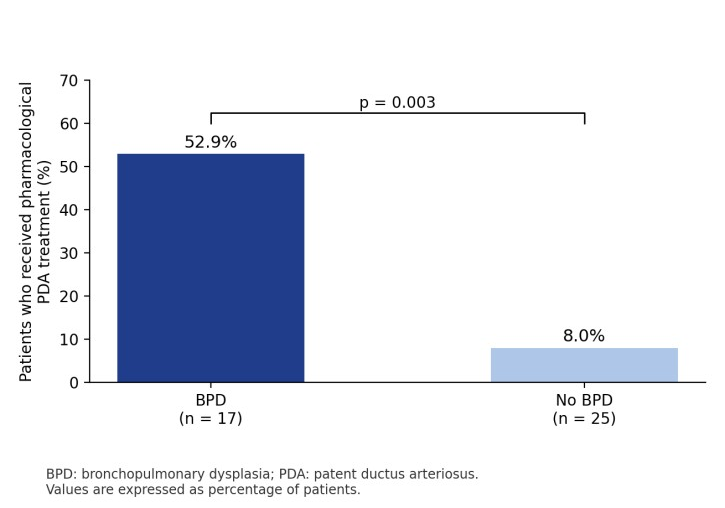
Regarding neonatal comorbidities, pharmacological treatment of patent ductus arteriosus was significantly more frequent in patients with BPD than in those without BPD (52.9% vs. 8.0%; p = 0.003) (Figure 3).
Finally, newborns who developed BPD had significantly longer hospital stays than those without BPD (100.4 ± 31.0 vs. 56.3 ± 20.6 days; p < 0.001) (Table 2).
No statistically significant differences were observed in the remaining perinatal and neonatal variables evaluated (Table 2).
Severity of Bronchopulmonary Dysplasia at 36 Weeks Postmenstrual Age
The clinical and perinatal characteristics of patients according to BPD severity are compared in Table 3.
Table 3. Comparison between patients with moderate/severe BPD and those with mild BPD
Clinical variable | BPD grades 2–3 (moderate–severe) (n=10) | BPD grade 1 (mild) (n=7) | p value |
|---|---|---|---|
Gestational age (weeks) | 27.30 | 26.43 | 0.338 |
Birth weight (g) | 945.50 | 932.86 | 0.872 |
Female sex | 5 (50.0%) | 5 (71.4%) | 0.409 |
Cesarean delivery | 5 (50.0%) | 3 (42.9%) | 0.788 |
Clinical variable | BPD grades 2–3 (moderate–severe) (n=10) | BPD grade 1 (mild) (n=7) | p value |
Apgar at 1 min | 6.44 (n=9) | 6.14 | 0.771 |
Apgar at 5 min | 8.44 (n=9) | 8.14 | 0.512 |
Complete antenatal lung maturation | 8 (88.9%) (n=9) | 5 (71.4%) | 0.409 |
Chorioamnionitis | 2 (22.2%) (n=9) | 0 (0.0%) | 0.169 |
Small for gestational age | 6 (60.0%) | 4 (57.1%) | 0.929 |
Mechanical ventilation | 9 (90.0%) | 5 (71.4%) | 0.354 |
Conventional MV | 3 (30.0%) | 4 (57.1%) | 0.292 |
High-frequency MV | 6 (60.0%) | 1 (14.3%) | 0.052‡ |
Total days of MV | 2.90 | 1.43 | 0.475 |
CPAP | 1 (10.0%) | 2 (28.6%) | 0.354 |
Surfactant | 9 (90.0%) | 6 (85.7%) | 0.803 |
Number of surfactant doses | 1.70 | 1.43 | 0.506 |
Maximum FiO₂ (%) | 31.60 | 29.86 | 0.541 |
Maximum peak MAP | 18.50 | 21.29 | 0.236 |
Days of oxygen therapy | 82.40 | 48.57 | 0.026* |
PDA treatment | 7 (70.0%) | 2 (28.6%) | 0.104 |
Maximum fluids in the 1st week (mL/kg/day) | 127.00 | 122.86 | 0.780 |
Respiratory support at 36 weeks | 10 (100.0%) | 0 (0.0%) | <0.001*** |
Weight at 36 weeks (g) | 1870.00 | 2171.43 | 0.165 |
Days of hospitalization | 110.20 | 86.29 | 0.121 |
SD: standard deviation; MV: mechanical ventilation; CPAP: continuous positive airway pressure; PDA: patent ductus arteriosus. *p < 0.05; ***p < 0.001. Note: The number of observations varies among variables because of missing data in clinical records.
The distribution of disease severity is shown in Figure 4. Of the 17 newborns who developed BPD, 7 (41.2%) were classified as having mild BPD and 10 (58.8%) as having moderate or severe BPD, according to the classification criteria at 36 weeks postmenstrual age.
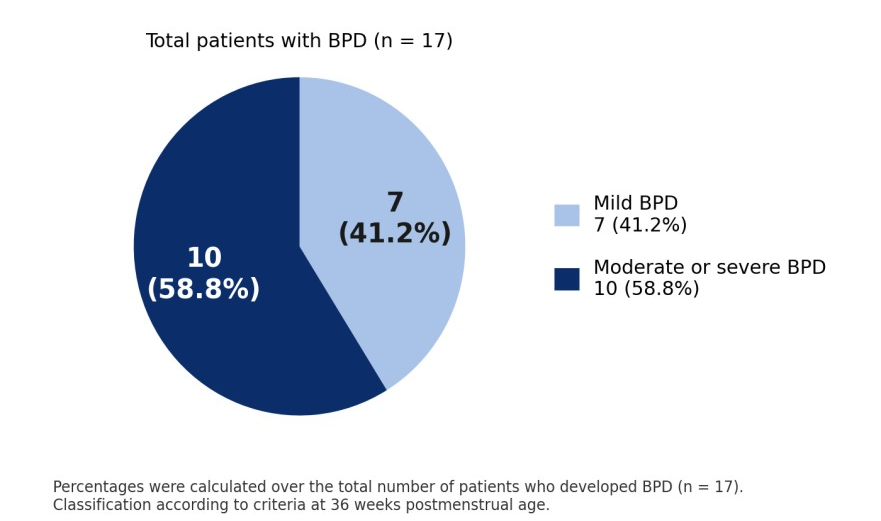
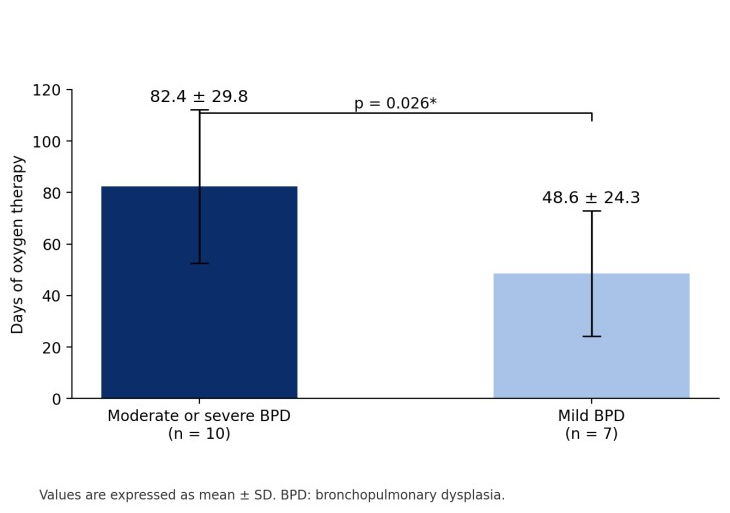
Table 3 presents the comparison between patients with mild BPD and those with moderate or severe BPD. No statistically significant differences were identified in perinatal characteristics or in most of the neonatal variables evaluated. The only significant difference was observed in the duration of oxygen therapy, which was longer in patients with moderate or severe BPD (82.4 ± 29.8 vs. 48.6 ± 24.3 days; p = 0.026) (Figure 5).
DISCUSSION
In the present cohort, the incidence of bronchopulmonary dysplasia (BPD) was 40.5%, with a predominance of moderate forms. This frequency falls within the range reported in contemporary studies of very low birth weight preterm infants, in which the incidence remains high despite advances in neonatal care. Reported incidences range from 23.5% in general cohorts of very low birth weight preterm infants to 44.9–68% in extremely preterm or extremely low birth weight infants, confirming that BPD remains one of the main respiratory complications associated with prematurity (13).
Patients who developed BPD had a lower gestational age and lower birth weight compared with those who did not develop the disease. These results are consistent with the available evidence, which identifies pulmonary immaturity as the main determinant of BPD development. Disruption of alveolar and vascular development during critical stages of lung growth favors the onset of this disease, particularly in extremely preterm and very low birth weight infants. Likewise, recent meta-analyses confirm that lower gestational age is one of the main factors associated with the development of BPD (1,4,7,11).
Regarding respiratory support, patients who developed BPD showed greater use of high-frequency mechanical ventilation, higher maximum FiO₂ requirements, and longer duration of oxygen therapy. Although high-frequency mechanical ventilation showed a statistically significant association with disease development, this finding probably reflects greater initial respiratory severity rather than an independent effect of the ventilatory modality. In this regard, current evidence supports that invasive ventilation and prolonged oxygen exposure are central mechanisms in BPD pathophysiology and, at the same time, represent markers of greater clinical severity (1,4,7).
Duration of oxygen therapy was the only factor significantly associated with disease severity in our cohort. Patients with moderate or severe BPD required a considerably longer duration of oxygen therapy than those with mild BPD. This finding is consistent with current knowledge about the so-called "new BPD," in which prolonged oxygen exposure favors oxidative stress, pulmonary inflammation, and impaired alveolar development. Several studies have also shown that both duration of oxygen therapy and prolonged mechanical ventilation are associated with a greater risk of developing moderate or severe forms of the disease (1,4,7,10).
In our population, antenatal lung maturation, chorioamnionitis, surfactant use, suspected neonatal sepsis, caffeine administration, and maximum fluid load during the first week of life showed no statistically significant associations with either the development or severity of the disease. Likewise, although chorioamnionitis, high-frequency mechanical ventilation, and pharmacological PDA treatment were more frequent among patients with moderate or severe BPD, these differences did not reach statistical significance. The absence of a statistically significant association does not rule out a possible clinical relationship between these variables and disease severity, particularly considering the small sample size of this cohort (n = 17), which limits the statistical power to detect differences between groups. Consequently, these findings should be confirmed through prospective studies with a larger number of patients (7).
The high frequency of suspected neonatal sepsis observed in this cohort is probably related to the operational definition used, based on the indication of antibiotic treatment for clinical suspicion rather than exclusively on microbiological confirmation. This criterion reflects standard clinical practice in neonatal intensive care units and should be taken into account when interpreting the results.
In Latin America, BPD continues to represent one of the main causes of respiratory morbidity among very low birth weight preterm infants. Regional collaborative networks, such as the NEOCOSUR Network, have demonstrated substantial variation in disease incidence across different South American centers, related to population characteristics, resource availability, and respiratory support strategies. In this context, the results obtained provide local evidence from an Argentine center and show a clinical behavior comparable to that described in other international cohorts.
The strengths of this study include the systematic evaluation of multiple perinatal, respiratory, and therapeutic variables in a homogeneous cohort of preterm infants with a gestational age of 32 weeks or less and birth weight below 1500 g. However, several limitations must be considered. The retrospective design limits control of confounding factors and depends on the quality of clinical records. In addition, the small sample size reduced statistical power and precluded multivariate analyses to identify independent factors associated with disease development. Finally, since only patients who survived to 36 weeks postmenstrual age were included, the presence of survivorship bias influencing the observed associations cannot be ruled out.
CONCLUSION
The incidence of bronchopulmonary dysplasia in the population studied was 40.5%, with a predominance of moderate forms. Patients who developed the disease had a lower gestational age, greater use of high-frequency mechanical ventilation, higher FiO₂ requirements, longer duration of oxygen therapy, and a higher frequency of pharmacological treatment for patent ductus arteriosus.
With regard to severity, patients with moderate or severe BPD required a significantly longer duration of oxygen therapy than those with mild BPD. No statistically significant associations were observed between disease severity and antenatal lung maturation, chorioamnionitis, surfactant use, caffeine administration, suspected neonatal sepsis, or maximum fluid load during the first week of life.
Given the retrospective design, single-center setting, and small sample size, the results should be interpreted as observed associations rather than causal relationships. These findings support the importance of early identification of newborns at higher risk of developing BPD to optimize prevention strategies and respiratory follow-up.
References
- 1 Ambalavanan N, Deutsch G, Pryhuber G, Travers CP, Willis KA. The evolving pathophysiology of bronchopulmonary dysplasia. Physiol Rev. 2026;106(1):1-66. doi:10.1152/physrev.00037.2024..
- 2 Higgins RD, Jobe AH, Koso-Thomas M, Bancalari E, Viscardi RM, Hartert TV, et al. Bronchopulmonary dysplasia:
- 3 executive summary of a workshop. J Pediatr. 2018;197:300-308. doi:10.1016/j.jpeds.2018.01.043..
- 4 Jensen EA, Dysart K, Gantz MG, McDonald S, Bamat NA, Keszler M, et al. The diagnosis of bronchopulmonary dysplasia in very preterm infants: an evidence-based approach. Am J Respir Crit Care Med. 2019;200(6):751-759. doi:10.1164/rccm.201812-2348OC..
- 5 Dankhara N, Holla I, Ramarao S, Kalikkot Thekkeveedu R. Bronchopulmonary dysplasia: pathogenesis and pathophysiology. J Clin Med. 2023;12(23):7342. doi:10.3390/jcm12237342..
- 6 O'Connor KL, Cracknell J, Cooper C, Davies MW. Macrolides for the prevention of bronchopulmonary dysplasia in preterm neonates. Cochrane Database Syst Rev. 2026;2(2):CD013652. doi:10.1002/14651858.CD013652.pub2..
- 7 Albertella M, Gentyala RR, Paraskevas T, et al. Superoxide dismutase for bronchopulmonary dysplasia in preterm infants. Cochrane Database Syst Rev. 2023;10(10):CD013232. doi:10.1002/14651858.CD013232.pub2..
- 8 Xiong P, Li L, Yu Z, Pu Y, Tang H. Risk factors for bronchopulmonary dysplasia in preterm infants: a systematic review and meta-analysis. PeerJ. 2025;13:e18699. doi:10.7717/peerj.18699..
- 9 Zhang Z, Wu W, Hou L, et al. Cytokines and exhaled nitric oxide are risk factors in preterm infants for bronchopulmonary dysplasia. Biomed Res Int. 2020;2020:8883887. doi:10.1155/2020/8883887..
- 10 Schmidt AR, Ramamoorthy C. Bronchopulmonary dysplasia. Paediatr Anaesth. 2022;32(2):174-180. doi:10.1111/pan.14394..
- 11 Menshykova AO, Dobryanskyy DO. Risk factors of bronchopulmonary dysplasia depending on the severity of the disease in very preterm infants. J Matern Fetal Neonatal Med. 2025;38(1):2450088. doi:10.1080/14767058.2024.2450088..
- 12 Baraldi E, Filippone M. Chronic lung disease after premature birth. N Engl J Med. 2007;357(19):1946-1955.
- 13 doi:10.1056/NEJMra067279..
- 14 Zhao T, An N, Zhu Y, et al. Dynamic risk-stratification models for bronchopulmonary dysplasia in extremely preterm very low birth weight infants. Pediatr Pulmonol. 2025;60(1):e27330. doi:10.1002/ppul.27330..
- 15 Lee SM, Sie L, Liu J, Profit J, Lee HC. Evaluation of trends in bronchopulmonary dysplasia and respiratory support practice for very low birth weight infants: a population-based cohort study. J Pediatr. 2022;247:66-71.e4. doi:10.1016/j.jpeds.2022.04.006..
- 16 Clyman RI, Hills NK, Cambonie G, et al. Patent ductus arteriosus, tracheal ventilation, and the risk of bronchopulmonary dysplasia. Pediatr Res. 2022;92(1):134-139. doi:10.1038/s41390-021-01663-6..
- 17 Clyman RI, Hills NK. Patent ductus arteriosus (PDA) and pulmonary morbidity: can early targeted pharmacologic PDA treatment decrease the risk of bronchopulmonary dysplasia? Semin Perinatol. 2023;47(3):151732.
- 18 doi:10.1016/j.semperi.2023.151732..
- 19 Hamrick SEG, Sallmon H, Rose AT, et al. Patent ductus arteriosus of the preterm infant. Pediatrics. 2020;146(5):e20201209. doi:10.1542/peds.2020-1209..
- 20 Clyman RI. Patent ductus arteriosus, its treatments, and the risks of pulmonary morbidity. Semin Perinatol. 2018;42(4):235242. doi:10.1053/j.semperi.2018.05.006..
- 21 Villamor E, van Westering-Kroon E, Gonzalez-Luis GE, Bartoš F, Abman SH, Huizing MJ. Patent ductus arteriosus and bronchopulmonary dysplasia-associated pulmonary hypertension: a Bayesian meta-analysis. JAMA Netw Open. 2023;6(11):e2345299. doi:10.1001/jamanetworkopen.2023.45299..
Declarations
Funding
No financing.
Conflict of interest
None.
Authorship contributions
Drafting – original draft: María Jesús Quintanilla, Carlos Juan Vidal.
Writing–review and editing: María Jesús Quintanilla, Carlos Juan Vidal.