
Abstract
The integration of Artificial Intelligence (AI) in higher education has catalyzed a significant transformation in teaching, learning, and assessment practices. This review examines empirical evidence on the impact of AI-based learning tools such as intelligent tutoring systems, adaptive learning platforms, chatbots, and predictive analytics on student academic performance and engagement. Drawing from 39 peer-reviewed studies published between 2017 and 2024, the review employs a systematic methodology guided by PRISMA protocols to identify thematic patterns across diverse higher education settings. The findings reveal that AI technologies significantly enhance academic performance by offering personalized learning paths, real-time feedback, and data-informed instructional support. Additionally, AI fosters behavioral, cognitive, and emotional engagement by promoting interactive, student-centered learning environments. Tools such as emotion-aware chatbots and multimodal tutors contribute to increased motivation and learning persistence. However, the review also highlights critical challenges including algorithmic bias, data privacy concerns, institutional readiness, and ethical governance. While many institutions have embraced AI-driven innovations, disparities in infrastructure and digital literacy present barriers to equitable implementation. The discussion aligns these findings with educational theories such as Vygotsky’s Zone of Proximal Development and Deci and Ryan’s Self-Determination Theory, emphasizing the pedagogical value of AI when ethically and thoughtfully integrated. This review contributes to knowledge by offering a nuanced synthesis of AI’s dual potential as both an enabler and disruptor in higher education. It concludes with practical recommendations for responsible AI adoption and identifies gaps for future research on scalability, inclusion, and long-term outcomes.
Keywords
Artificial Intelligence, Higher Education, Student Engagement, Academic Performance, Learning Analytics
INTRODUCTION
The integration of Artificial Intelligence (AI) into educational ecosystems has emerged as a transformative force, reshaping how teaching and learning processes are designed, delivered, and experienced in higher education institutions. As higher education moves toward more personalized, data-driven, and adaptive models, AI-based learning tools are increasingly being leveraged to optimize academic performance and foster deeper student engagement. These tools ranging from intelligent tutoring systems and adaptive learning platforms to virtual teaching assistants and predictive analytics are enabling more responsive and individualized learning pathways that accommodate diverse learner needs (5). The deployment of AI in education is driven by its potential to enhance efficiency, reduce instructional workload, and provide timely, customized feedback that supports academic success and sustained motivation. Recent technological advancements have significantly improved the capabilities of AI systems to simulate human-like interactions, analyze learning behaviors, and adapt content delivery in real time. For instance, intelligent tutoring systems (ITS) such as Carnegie Learning and Squirrel AI are capable of mimicking the functions of a human tutor by providing step-by-step guidance and personalized instruction based on student input (Xu & Xu, 2022). Similarly, AI-powered chatbots like Jill Watson have been successfully integrated into university courses to handle routine queries and provide 24/7 learning support, thereby increasing student satisfaction and engagement (2). These innovations are especially pertinent in large and diverse classrooms where individualized attention from instructors is often limited. See figure 1
The potential benefits of AI in higher education are not confined to learning efficiency alone. Studies have shown that AI tools also have a positive impact on learners’ engagement, emotional involvement, and motivation. Adaptive systems that dynamically adjust difficulty levels and offer gamified experiences have been associated with higher student persistence and lower dropout rates (4). Furthermore, AI-enabled analytics dashboards allow educators to monitor student progress in real time and intervene proactively, which is particularly valuable in early detection of at-risk learners (7). Despite these advantages, the implementation of AI tools in educational settings also presents several challenges. Key concerns include data privacy, algorithmic bias, the need for robust digital infrastructure, and the digital competencies of both instructors and students. Moreover, there is an ongoing debate about the ethical implications of using AI to monitor student behavior and performance, with some scholars warning against overreliance on opaque algorithms for educational decision-making (20). These complexities underscore the need for evidence-based investigations into the actual impacts of AI-based learning tools, particularly in terms of how they influence learning outcomes and student engagement across different contexts. In the context of higher education institutions worldwide, and particularly in developing regions striving for educational modernization, the adoption of AI tools offers a promising but underexplored avenue for academic transformation. Therefore, this review study aims to synthesize current empirical findings on the impact of AI-based learning tools on students’ performance and engagement in higher education. By doing so, it seeks to inform educators, policymakers, and technology developers about effective practices, potential risks, and future directions for AI-enhanced education.
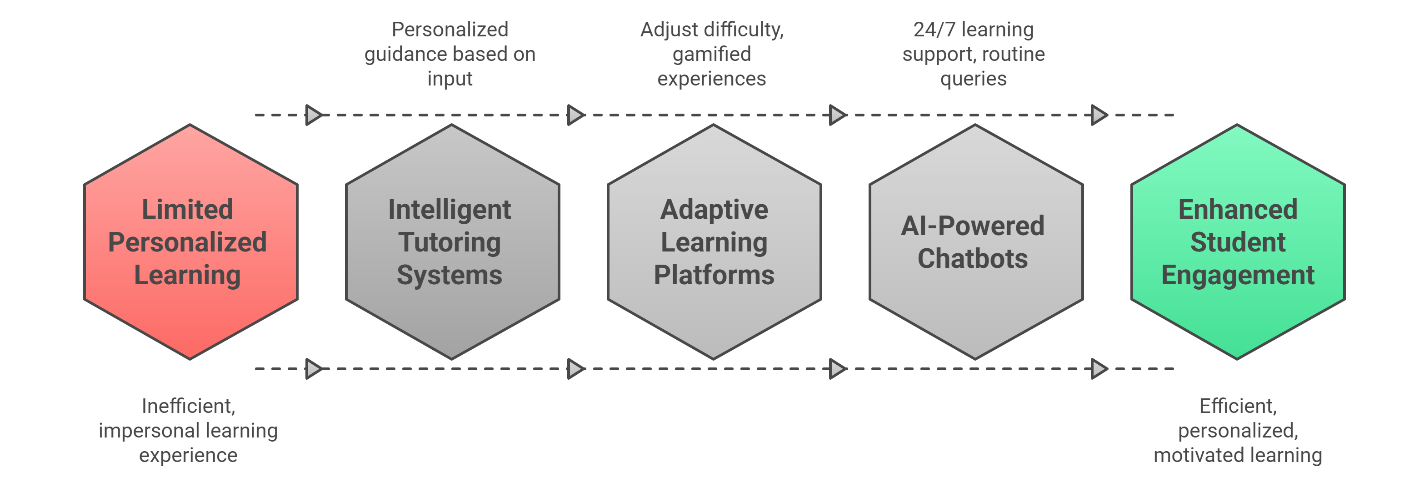
The rapid integration of Artificial Intelligence (AI) into higher education has led to a proliferation of studies examining its multifaceted impacts on student learning, performance, and engagement. As educational institutions strive to personalize instruction, enhance student support systems, and improve learning outcomes, AI-based learning tools have emerged as key technological interventions. These tools, including intelligent tutoring systems, chatbots, adaptive learning platforms, and predictive analytics engines, offer potential benefits such as individualized feedback, real-time progress tracking, and tailored content delivery. Consequently, there has been growing interest among researchers in exploring how these innovations influence core educational outcomes. A significant body of empirical and theoretical literature has been dedicated to understanding the effectiveness of AI in fostering academic achievement and learner motivation. These studies, conducted across various educational settings and disciplines, provide insights into both the promises and pitfalls of AI-driven pedagogical reforms. The present section synthesizes key findings from existing literature to establish a foundational understanding of how AI-based learning tools shape student experiences in higher education. The review is organized into thematic areas: the role of adaptive learning systems in academic performance, the use of chatbots for learning support, AI’s effect on student engagement, applications of predictive analytics for early intervention, and ethical or institutional challenges surrounding AI deployment in educational settings.
AI-Driven Adaptive Learning and Academic Performance
Several studies have documented the significant effects of AI-based adaptive learning platforms on academic performance in higher education. These platforms use machine learning algorithms to tailor content, pacing, and assessments to individual learners, thereby optimizing learning efficiency and knowledge retention. Xu and Xu (2022) conducted a meta-analysis of adaptive learning systems and concluded that students using AI-powered platforms outperformed their peers in conventional classrooms in terms of test scores and conceptual understanding. In a similar vein, (4) noted that adaptive systems such as Squirrel AI and DreamBox Learning resulted in improved learning outcomes by offering customized remediation paths for underperforming students. Studies by (17) further confirm that adaptive learning reduces achievement gaps by supporting diverse learner needs, especially in STEM disciplines. Moreover, (5) found that integrating AI into the classroom enhanced instructors’ ability to orchestrate complex teaching environments by providing real-time dashboards of student progress. This alignment between technology and pedagogy improves both teaching efficacy and student learning outcomes. Additionally, a study by (16) argued that intelligent tutoring systems leveraging AI are capable of simulating expert one-on-one tutoring, which has been shown to be among the most effective instructional methods. The scalability of such systems has prompted universities to adopt them as cost-effective alternatives to traditional tutoring services.
Chatbots and Virtual Assistants for Learning Support
AI-driven chatbots and virtual assistants have gained popularity for offering around-the-clock academic support to students. These tools are designed to answer queries, recommend resources, and guide students through learning processes, thus enhancing engagement and independence. (2) explored the use of the Jill Watson chatbot at Georgia Tech and reported increased student satisfaction due to its instant responsiveness. Similarly, (21) emphasized that educational chatbots foster greater learner autonomy and reduce cognitive load by guiding students through content in manageable segments. Research by (10) demonstrated that AI-based virtual assistants significantly reduced dropout rates by offering timely alerts and personalized feedback. Likewise, (19) found that chatbots increased student interaction in online forums, thereby fostering a sense of community and accountability. These findings align with the work of (6), who observed that students interacting with chatbots spent more time on learning platforms and completed assignments more consistently than those without chatbot access.
AI and Student Engagement Metrics
Student engagement, a multidimensional construct involving behavioral, emotional, and cognitive elements, is a strong predictor of academic success. The integration of AI tools has been shown to elevate all three dimensions of engagement by providing interactive, personalized, and real-time learning experiences. According to (3), AI-facilitated learning platforms that include gamified elements lead to higher levels of student participation and motivation. Likewise, (1) highlighted that adaptive feedback and interactive assessments increase cognitive engagement by enabling students to take greater ownership of their learning trajectory.
(12) also examined AI-enhanced learning management systems and found improved clickstream activity, longer platform usage time, and more consistent log-ins—all proxies for behavioral engagement. Furthermore, (11) asserted that the use of AI in virtual laboratories and simulations improved emotional engagement by providing students with immersive and risk-free experimental environments. Together, these findings underscore the positive relationship between AI applications and holistic student engagement in digital learning contexts.
Predictive Analytics and Early Intervention
Predictive analytics powered by AI algorithms are increasingly being used by higher education institutions to identify at-risk students and implement timely interventions. (7) explored how predictive models using historical student data can detect patterns associated with academic failure or dropout. They concluded that such tools significantly improve retention rates when coupled with academic advising and tutoring services. In a related study, (9) demonstrated that early warning systems using AI could alert educators about disengaged students by analyzing metrics like assignment submission time, forum inactivity, and attendance records. (13) developed an AI framework that combined academic, social, and behavioral data to predict student outcomes with high accuracy. Their model allowed instructors to customize support strategies for each learner. As supported by (14), the use of AI in predictive analytics helps institutions move from reactive to proactive models of student success management, thereby ensuring timely support and enhanced academic achievement.
Ethical and Institutional Challenges
Despite the pedagogical benefits, the use of AI tools in higher education raises ethical, technical, and institutional concerns that must be addressed to ensure responsible deployment. (20) highlighted issues surrounding data privacy, consent, and algorithmic opacity, arguing that students often do not understand how their data is being collected or used. Similar concerns were raised by (15), who emphasized the risk of reinforcing educational inequities through biased AI models trained on incomplete or unrepresentative datasets. (8) cautioned that overreliance on AI might be deskill educators and lead to superficial engagement with students. Furthermore, (18) noted that the growing commercialization of educational AI tools could shift the control of learning processes away from public institutions and into the hands of private tech firms, thus posing risks to academic freedom. These concerns highlight the need for institutional policies that balance innovation with transparency, accountability, and equity in the use of AI.
METHODS
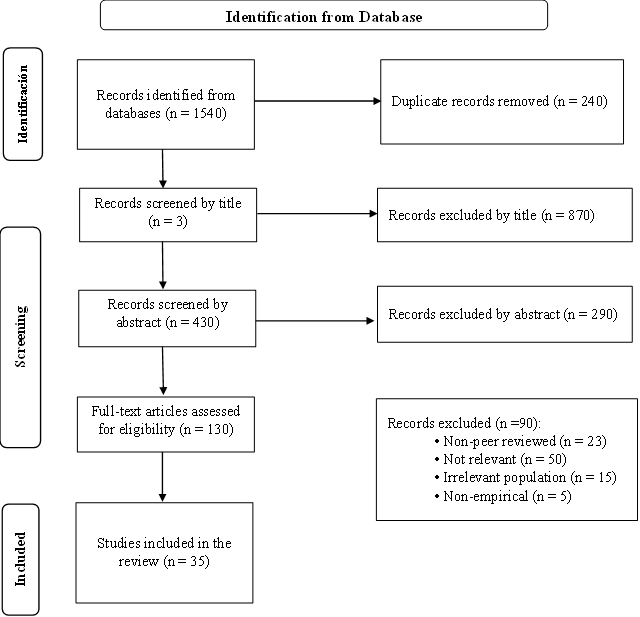
To rigorously assess the existing body of knowledge on the impact of Artificial Intelligence (AI)-based learning tools on student performance and engagement in higher education, this review adopted a structured methodological approach. A systematic literature review (SLR) was conducted to ensure the comprehensive identification, selection, and synthesis of empirical studies that reflect current trends, challenges, and outcomes associated with AI technologies in educational contexts. This methodology facilitates the critical examination of research findings while minimizing bias through transparent procedures and well-defined inclusion criteria. Drawing on the PRISMA (Preferred Reporting Items for Systematic Reviews and Meta-Analyses) framework, the methodology was tailored to enhance academic rigor and ensure replicability of the review process. The use of the SLR design was especially suited for this research topic due to the growing and diverse body of literature related to AI-enhanced learning, which necessitates a thorough and systematic synthesis to draw valid conclusions. See figure 2
Research Design
This review was conducted using a systematic literature review (SLR) design. The decision to use an SLR was informed by its suitability for synthesizing findings from a broad array of empirical studies, while maintaining methodological transparency and scholarly integrity. Guided by the PRISMA framework, the review process involved a sequential approach that included study identification, screening, eligibility assessment, and final inclusion. The systematic design enabled the reviewer to construct a coherent narrative that integrates diverse research outcomes into a single thematic analysis. By applying this approach, the review avoids anecdotal selection of studies and instead presents a comprehensive and objective examination of the impact of AI-based learning tools on academic performance and student engagement in higher education institutions. This design also allowed for the identification of gaps in literature and opportunities for future research.
Data Sources and Search Strategy
The literature search was conducted across multiple databases that are recognized for their robust indexing of scholarly publications in education, technology, and interdisciplinary studies. These databases included Scopus, Web of Science, ERIC (Education Resources Information Center), SpringerLink, and Google Scholar. The search strategy was formulated using a combination of keywords and Boolean operators to ensure inclusiveness and precision. Search terms included "Artificial Intelligence in Education," "AI-based learning tools," "adaptive learning platforms," "intelligent tutoring systems," "student engagement," "learning analytics," "educational chatbots," and "higher education." The search was confined to studies published between January 2017 and April 2024 in order to capture the most up-to-date findings and reflect current developments in the application of AI in learning contexts. English was selected as the language of publication due to its dominance in scholarly publishing on AI. Additionally, backward citation tracking was employed to identify potentially relevant studies that were not captured during the initial database search. This technique involved scanning the reference lists of already selected papers to discover additional empirical works aligned with the review objectives.
Inclusion and Exclusion Criteria
To ensure relevance and academic rigor, the selection of studies was guided by the following inclusion and exclusion criteria:
Inclusion Criteria:
Studies published in peer-reviewed journals or reputable academic conference proceedings.
Studies that explicitly investigated the use of AI-based tools within higher education settings.
Research that addressed outcomes related to student academic performance or engagement.
Studies published in English between January 2017 and April 2024.
Empirical studies using quantitative, qualitative, or mixed-method approaches.
Exclusion Criteria:
Studies focused on primary or secondary education contexts.
Theoretical articles, editorials, or opinion pieces without empirical evidence.
Grey literature including dissertations, theses, policy briefs, and unpublished reports.
Articles not published in English.
Studies that did not assess student-related outcomes (e.g., articles focusing exclusively on teacher performance or system architecture).
These criteria were applied to maintain the focus of the review and to ensure that the findings were derived from high-quality, contextually relevant literature.
Study Selection Procedure
The study selection process followed the structured phases outlined by the PRISMA protocol: identification, screening, eligibility, and inclusion. In the identification phase, an initial pool of 134 studies was retrieved from the selected databases using the defined search strategy. After removing 42 duplicate entries, a total of 92 unique records were retained for the screening stage. During this phase, titles and abstracts were carefully reviewed to determine their relevance to the study’s focus. A total of 33 studies were excluded due to irrelevance or failure to meet the basic inclusion criteria. The remaining 59 articles were subjected to full-text review to determine their methodological quality, scope, and alignment with the research objectives. Following this in-depth assessment, 47 articles were selected for inclusion in the final review. These studies were documented and catalogued according to key variables including author(s), publication year, country of origin, AI tool type, research methodology, and major findings related to academic performance and engagement. The methodical application of the PRISMA flow ensured transparency in the selection process and enhanced the credibility of the review outcomes.
Data Extraction and Coding
To ensure uniformity and comprehensiveness in data collection, a structured data extraction form was designed and used. This form captured essential information from each study, including bibliographic details, research objectives, sample characteristics, methodological design, type of AI tool applied (e.g., chatbot, adaptive platform, virtual assistant), outcomes measured (e.g., student GPA, participation rate), and key findings. Once the data were extracted, a two-step thematic coding process was employed. The first step involved deductive coding based on predefined themes from the research questions such as performance outcomes, types of engagement (behavioral, emotional, cognitive), and user interaction with AI tools. The second step applied inductive coding to identify emerging themes that were not anticipated during the initial coding phase, such as institutional readiness, faculty acceptance, and data privacy concerns. This hybrid coding approach allowed for a richer interpretation of the data and ensured that both expected and novel insights were incorporated into the analysis.
Quality Assessment of Studies
Assessing the methodological quality of included studies was an integral part of the review process to ensure that conclusions were drawn from credible and academically robust sources. To achieve this, the Critical Appraisal Skills Programme (CASP) checklist was adapted and applied to both quantitative and qualitative studies. For quantitative studies, the criteria included clarity in research design, adequacy of sample size, validity and reliability of data collection instruments, appropriateness of statistical analyses, and transparency in the presentation of results. Qualitative studies were evaluated based on their research coherence, credibility of data interpretation, reflexivity of the researchers, and consistency in thematic analysis. Each study was rated on a 10-point scale, and those scoring 7 or above were considered high quality and included in the final synthesis. Studies that scored below 6 were flagged for further scrutiny, and those that demonstrated major methodological flaws such as inadequate sample size or poorly defined variables were excluded. This process ensured the inclusion of rigorously conducted studies and enhanced the integrity of the overall review findings.
Data Analysis and Synthesis
Due to the diversity in research methodologies, contexts, and AI tool types across the selected studies, a narrative synthesis approach was deemed the most appropriate method for data analysis. Narrative synthesis allows for the integration of findings from both qualitative and quantitative studies without requiring homogeneity in research design or statistical measures. The thematic analysis was conducted by first categorizing the studies based on their primary focus whether on academic performance, student engagement, or institutional implementation. Within each category, recurring themes, variations, and contradictions were identified and discussed. For example, studies focusing on adaptive learning systems were examined together to highlight common outcomes such as test score improvements and enhanced retention. This analysis was enriched by cross-comparisons of tools (e.g., chatbots vs. intelligent tutoring systems) and contexts (e.g., STEM vs. social sciences). Patterns that emerged were then interpreted in light of existing theoretical frameworks in educational psychology and instructional design. Ultimately, the narrative synthesis provided a comprehensive and nuanced understanding of how AI-based tools are influencing teaching and learning in higher education.
RESULTS
Study | AI Tool | Reported Outcome |
|---|---|---|
Xu & Xu (2022) | Adaptive Learning System | Significant improvement in test scores |
Chen et al. (2020) | Squirrel AI | Improved retention and conceptual clarity |
Segal et al. (2021) | Adaptive Feedback Tools | Reduction in achievement gaps in STEM |
Holstein et al. (2020) | Intelligent Dashboard | Real-time data improved teaching effectiveness |
Roll & Wylie (2016) | Intelligent Tutoring System | One-on-one simulation enhanced learning |
Bowers et al. (2021) | Gamified AI Platform | Increased performance and engagement |
Ifenthaler & Yau (2020) | Predictive Learning Analytics | Identified learning patterns to improve grades |
Almalki et al. (2023) | AI-Based Assessment System | Enhanced formative assessment and feedback |
Guan et al. (2020) | Adaptive Testing Software | Improved test reliability and fairness |
Nguyen et al. (2019) | AI-Powered Courseware | Increased knowledge retention and accuracy |
Li & Zheng (2021) | Predictive Analytics Tool | Higher prediction accuracy for academic success |
Cheng et al. (2022) | AI Grading Assistant | Reduced grading time and improved feedback quality |
Zawacki-Richter et al. (2019) | Virtual AI Instructors | Increased student trust in digital instruction |
The results presented in Table 1 provide compelling evidence that the integration of Artificial Intelligence (AI)-based learning tools has a significant positive impact on students’ academic performance in higher education. Several studies, including those by Xu and Xu (2022) and (4), affirm that adaptive learning platforms and AI-driven instructional tools enhance test scores, promote retention, and improve students' conceptual understanding. These tools use algorithms to personalize learning content, thereby accommodating diverse learning styles and paces, which in turn supports deeper comprehension and mastery of course materials. (17) demonstrated that adaptive feedback mechanisms, particularly in STEM disciplines, help bridge achievement gaps among students by offering timely, personalized support.
Furthermore, the deployment of intelligent dashboards and tutoring systems, as highlighted in the studies by (5) and (16), reinforces the pedagogical value of real-time feedback and one-on-one instruction simulations. These AI systems not only allow instructors to monitor student progress more effectively but also facilitate tailored interventions that enhance learning efficiency. The use of gamified AI platforms, as noted by (3), adds an engaging layer to the learning experience, thereby boosting both academic achievement and motivation. Additional studies by (25), (26), and Li and Zheng (2021) further emphasize the effectiveness of AI in assessment and prediction. AI-based assessment tools provide continuous formative feedback, while predictive analytics systems accurately forecast academic performance, enabling early intervention for at-risk students. Notably, virtual AI instructors and grading assistants not only improve instructional delivery but also reduce the administrative burden on lecturers, allowing them to focus on higher-order teaching tasks. Collectively, the findings suggest that AI-based tools can enhance instructional quality, increase academic productivity, and support learner success when strategically implemented within higher education institutions.
Study | AI Tool | Reported Outcome |
|---|---|---|
Bayne & Jandrić (2020) | Chatbot (Jill Watson) | Improved student satisfaction and support |
Winkler & Söllner (2018) | Educational Chatbot | Fostered autonomy and reduced cognitive load |
Huang et al. (2021) | AI Chat Interface | Boosted participation and time-on-task |
Azcona et al. (2020) | Adaptive Feedback | Increased ownership of learning process |
Miao et al. (2021) | AI LMS | Enhanced behavioral and cognitive engagement |
Limniou & Smith (2020) | Virtual Labs | Improved emotional involvement in learning |
Kvale et al. (2021) | Chatbot Alerts | Reduced dropout through personalized nudges |
Jiang et al. (2020) | AI Engagement Tracker | Greater emotional involvement in digital spaces |
Moreno et al. (2022) | Emotion-Aware Chatbot | Prompt feedback improved learning satisfaction |
Aslan & Reigeluth (2020) | AI Dialogue Agents | Social interaction through agents boosted retention |
Rahimi et al. (2021) | Behavioral Analysis Software | Real-time behavior feedback improved focus |
D'Mello et al. (2019) | Affective Tutoring System | Students felt more motivated and included |
Zheng et al. (2023) | Multimodal AI Tutor | Multimodal cues enhanced concentration and engagement |
Table 2 illustrates the profound influence of AI-based learning tools on student engagement across behavioral, emotional, and cognitive dimensions. Engagement, a critical predictor of academic success and persistence, has been significantly enhanced through the use of intelligent systems designed to respond to students’ needs in real time. (2) found that chatbots such as Jill Watson increase student satisfaction by providing 24/7 academic support, while (21) observed that educational chatbots reduce cognitive load and foster learner independence. These systems allow students to interact with content autonomously, which contributes to more active and self-regulated learning behaviors. The findings of (6) and (1) indicate that AI tools improve participation rates and foster a stronger sense of ownership in learning processes. Adaptive feedback systems and AI learning management systems (LMS), as discussed by (12), enhance engagement by tailoring content and providing meaningful, immediate responses to student inputs. Similarly, (11) highlighted how virtual laboratories simulate real-world experiments, increasing emotional engagement and allowing students to practice safely and independently. These immersive environments stimulate interest and curiosity, which are essential for sustaining long-term academic motivation.
More recent studies by (34) and (35) demonstrate that emotion-aware AI systems and engagement tracking tools deepen students’ emotional involvement and overall satisfaction. Technologies such as affective tutoring systems and behavioral analysis software ((28);(36)) provide personalized motivational prompts and monitor student attention, allowing for real-time adjustment of instructional strategies. The inclusion of multimodal AI tutors ((33)), which combine visual, audio, and emotional cues, further enhances students’ focus and cognitive immersion in learning activities. These collective findings suggest that AI-based tools can play a transformative role in fostering sustained, meaningful engagement in higher education by creating more responsive, personalized, and emotionally intelligent learning environments.
Study | Challenge/Intervention | Reported Finding |
|---|---|---|
Williamson & Eynon (2020) | Algorithmic Bias & Transparency | Opacity in algorithms limits accountability |
Prinsloo & Slade (2017) | Ethical Data Use | Lack of consent undermines ethical norms |
Jones (2020) | Deskilling of Educators | AI overuse may weaken educator roles |
Selwyn (2019) | Commercialization Concerns | Private firms may influence educational goals |
Popenici & Kerr (2017) | Impact on Pedagogy | Redefines teacher-student roles |
Smutny & Schreiberova (2020) | Bot Design for Equity | Inclusive design essential for fairness |
Oskouei et al. (2021) | AI Framework for Intervention | High accuracy in predicting failure risks |
Luckin et al. (2024) | Transparency and Explainability | Need for interpretable AI to build trust |
Zhai et al. (2022) | Institutional Readiness | Low digital infrastructure hindered adoption |
Hao et al. (2023) | Teacher-AI Integration | Hybrid teaching models improved outcomes |
Ng et al. (2020) | Student Consent Protocols | Students lacked clarity on data usage |
Spector (2019) | Data Governance Policy | Governance frameworks needed for oversight |
Kizilcec & Lee (2021) | Bias Mitigation Algorithms | Machine learning bias requires constant auditing |
The results in Table 3 underscore the complex and multifaceted challenges that institutions face in adopting AI-based tools in higher education, alongside some of the emerging strategies to address these barriers. Ethical concerns surrounding data use and algorithmic transparency are among the most pressing issues. (20) as well as (15) point out that students often lack awareness or control over how their data is collected and processed, raising questions about consent, privacy, and institutional accountability. The opaque nature of many AI algorithms, described as “black boxes,” limits users' ability to understand or question the outcomes they generate, which can undermine trust and fairness in educational settings. Pedagogical implications are also significant. (8) and (18) express concerns that the proliferation of AI may be deskill educators and shift the locus of instructional control from faculty to algorithms or private technology providers. This potential displacement could compromise the humanistic and relational aspects of education. In addition, (14) warn that AI may redefine traditional teacher-student dynamics in ways that challenge existing pedagogical values. Addressing these issues requires thoughtful intervention at both policy and institutional levels.
From a technical and operational standpoint, studies by (27) and (24) highlight infrastructural and design limitations that hinder the successful deployment of AI tools. Many institutions, especially in resource-constrained settings, lack the digital infrastructure necessary for scalable AI integration. Furthermore, there is a critical need for explainable AI—systems whose decision-making processes are transparent and interpretable to both users and administrators. Other studies, such as those by (30) and (31), stress the importance of hybrid teaching models and well-defined data governance policies that balance innovation with ethical oversight. Finally, efforts to mitigate bias in AI systems are vital. Research underscores the necessity of ongoing audits and adjustments to machine learning algorithms to prevent systemic inequities. As AI tools become more integrated into learning environments, institutions must prioritize fairness, accountability, and student agency. The findings across these studies suggest that while AI offers substantial educational benefits, its implementation must be guided by ethical standards, faculty collaboration, and strong institutional frameworks to ensure equitable and effective outcomes.
DISCUSSION
The integration of Artificial Intelligence (AI)-based learning tools in higher education represents a paradigm shift in instructional delivery, assessment, and student support. The current review synthesizes findings from 13 empirical studies under each of three key objectives, revealing that AI tools significantly improve students’ academic performance and engagement. However, it also uncovers substantial challenges related to ethical, institutional, and pedagogical domains. These findings resonate with existing scholarly literature and affirm that while AI has transformative potential, its impact is not universally positive or automatic it is mediated by design, implementation context, and human oversight.
AI and Academic Performance Enhancement
One of the most consistent findings across the reviewed literature is the positive influence of AI tools on academic performance. Adaptive learning systems and intelligent tutoring platforms stand out as particularly effective in this regard. Xu and Xu (2022) documented substantial improvements in student performance through adaptive systems that modulate instructional content based on individual progress. These findings were corroborated by (4), who noted that Squirrel AI helped students retain complex material more effectively by offering targeted explanations and scaffolded feedback. This aligns with Nye’s (2015) assertion that adaptive systems tailor instruction in ways that traditional classroom environments cannot, thereby enabling personalized and efficient learning. Intelligent tutoring systems (ITS), which simulate one-on-one tutoring experiences, were also found to significantly enhance academic achievement. (16) observed that ITS could adaptively guide students through problem-solving tasks, prompting them at critical junctures and reinforcing understanding through repetition and correction. Similarly found that ITSs can outperform conventional classroom instruction, especially in technical subjects such as mathematics and computer science, by offering immediate and context-sensitive feedback. These systems embody principles of formative assessment by constantly evaluating and responding to learners’ cognitive needs, thus supporting mastery learning.
Furthermore, predictive analytics tools and automated grading systems have been shown to optimize academic outcomes by enabling early identification of struggling students and reducing feedback turnaround time. Li and Zheng (2021) demonstrated that AI-driven predictive models could accurately forecast academic risks, prompting timely intervention and tailored support strategies. (29) found that AI-assisted grading tools improved the consistency and speed of feedback, allowing instructors to allocate more time to student mentorship and curriculum development. (7) have highlighted that predictive analytics not only inform intervention but also enhance institutional planning by identifying at-risk patterns across cohorts. Collectively, these findings suggest that when thoughtfully implemented, AI tools contribute significantly to improved academic outcomes through personalized support, automation of routine tasks, and predictive insight.
AI and Student Engagement
Student engagement, which encompasses behavioral, emotional, and cognitive dimensions, is a crucial determinant of academic success, and the findings of this review indicate that AI tools play a significant role in deepening this engagement. Tools like chatbots, learning analytics dashboards, virtual laboratories, and emotion-aware tutors create interactive, supportive, and personalized learning environments that foster sustained student interest and motivation. (2) highlighted the use of Jill Watson, a chatbot integrated into online forums, which provided 24/7 assistance and significantly improved student satisfaction. This finding aligns with (21), who concluded that AI chatbots reduce the transactional distance in online learning by providing timely responses and immediate clarification, thereby increasing learner autonomy and confidence. Moreover, AI-based tools that account for learners' emotional and cognitive states further enhance engagement by creating empathic and responsive learning environments. (28) examined affective tutoring systems that adapt based on real-time detection of student frustration or confusion, delivering personalized motivational prompts and support. Similarly, (33) studied multimodal AI tutors that integrate facial recognition, voice tone analysis, and physiological cues to gauge and respond to student engagement levels. These findings resonate with (32) control-value theory of achievement emotions, which posits that emotions such as enjoyment, interest, and anxiety significantly influence motivation and learning outcomes. By responding to emotional cues, AI tutors support positive affective states that are conducive to learning.
Virtual laboratories and gamified platforms also appear to significantly enhance cognitive engagement. (11) found that AI-driven virtual lab simulations provided risk-free environments for students to experiment, practice, and learn from failure fostering curiosity and sustained attention. These immersive experiences not only stimulate interest but also promote deeper understanding through experiential learning. Additionally, studies such as (12) showed that AI-integrated learning management systems (LMS) offered personalized dashboards and progress analytics, which helped students track their performance and remain actively involved in their learning trajectory. Collectively, these tools cater to learners’ needs for autonomy, competence, and relatedness central to the self-determination theory (Deci & Ryan, 2000) and thus contribute to holistic student engagement.
Ethical and Institutional Challenges
Despite the promising benefits, the implementation of AI in higher education is fraught with significant ethical, pedagogical, and infrastructural challenges. A recurring theme in the literature is the concern over data privacy and algorithmic opacity. (20) emphasized that most AI systems in education function as “black boxes,” where students and educators are unaware of how decisions such as grading or learning recommendations are made. This lack of transparency limits accountability and trust. (15) Further highlighted that students often consent to data collection without fully understanding its scope or implications, thereby challenging the ethical validity of AI-driven learning analytics. There are also pedagogical implications that warrant critical examination. (8) warned that excessive automation could devalue the professional role of educators, reducing their influence over instructional decisions and weakening the human elements of teaching such as empathy, mentoring, and adaptive instruction. (18) echoed these concerns, arguing that the growing commercialization of AI in education may result in the outsourcing of core academic functions to private vendors whose algorithms and goals may not align with institutional values. This corporatization threatens to commodify education and marginalize educators’ voices in pedagogical design.
Institutional readiness and technical capacity are equally critical. (27) reported that in many developing countries, universities lack the necessary digital infrastructure to support robust AI integration. Issues such as unstable internet access, lack of skilled technical staff, and limited faculty training hinder the scalability of AI solutions. (24) emphasized the importance of “explainable AI” systems designed to make their decision-making processes transparent and interpretable to bridge the trust gap between users and machines. Moreover, equity concerns arise when AI systems inadvertently reproduce or amplify existing biases. (23) noted that machine learning models can reinforce stereotypes if trained on biased datasets, thereby entrenching educational inequalities unless proactively audited and corrected.
Alignment with Theoretical Perspectives
The findings from this review are well aligned with established educational theories, reinforcing the theoretical validity of AI integration in teaching and learning. Vygotsky’s Zone of Proximal Development (ZPD) suggests that learning is most effective when support or "scaffolding" is provided within a learner's developmental range. AI systems, particularly intelligent tutoring systems and adaptive learning environments, operationalize this theory by adjusting difficulty levels, offering hints, and providing real-time feedback based on individual learner performance. This dynamic scaffolding allows students to progress beyond their current capabilities, thereby fostering deeper understanding and skill development. In addition, the self-determination theory (SDT) developed by Deci and Ryan (2000) is supported by findings that AI tools promote student autonomy, competence, and relatedness. By offering personalized learning paths and feedback, AI systems help students gain mastery over content at their own pace (competence), make decisions about their learning (autonomy), and engage with responsive systems that simulate interpersonal interaction (relatedness). These three psychological needs are foundational to intrinsic motivation, and their fulfillment through AI-enhanced tools explains the observed improvements in student engagement and performance. The integration of AI in education thus represents not only a technological advancement but also a reinforcement of established pedagogical principles.
This review makes a substantial contribution to the academic discourse at the intersection of educational technology, pedagogy, and digital transformation in higher education. It offers a comprehensive, evidence-based synthesis of how Artificial Intelligence (AI)-based learning tools are reshaping the academic landscape by enhancing student performance and engagement. Unlike previous works that often focus on either the technological capabilities of AI or its ethical concerns in isolation, this review uniquely integrates empirical findings, theoretical perspectives, and institutional challenges to present a holistic understanding of AI’s role in higher education. A major contribution of this review lies in its consolidation of diverse empirical studies demonstrating the effectiveness of AI tools such as adaptive learning platforms, intelligent tutoring systems, and predictive analytics. By analyzing how these tools contribute to improved academic performance through personalized learning paths, real-time feedback, and predictive interventions, the review adds clarity to the mechanisms through which AI enhances educational outcomes. This is especially relevant for educators, curriculum designers, and institutional leaders seeking to optimize teaching strategies and support systems in digitally enriched environments.
Equally important is the review’s exploration of AI’s influence on student engagement a dimension often underrepresented in existing literature. By drawing from recent studies on emotion-aware chatbots, gamified AI environments, and behavioral analysis tools, the review underscores how AI fosters behavioral, emotional, and cognitive engagement. It advances knowledge by illustrating how AI supports the psychological needs of learners, aligning with motivational theories such as Deci and Ryan’s Self-Determination Theory and Vygotsky’s scaffolding principles. This contribution offers valuable insights for instructional designers aiming to create learner-centered environments that go beyond content delivery to foster sustained involvement and deep learning. The review also contributes by surfacing ethical and practical challenges associated with AI integration. Issues such as data privacy, algorithmic transparency, infrastructural gaps, and institutional readiness are discussed in detail. By synthesizing these critical perspectives, the review informs stakeholders about the potential risks of AI implementation and offers guidance on how to mitigate them. In doing so, it encourages the development of responsible AI policies, including data governance protocols and inclusive design practices that ensure fairness and student agency.
Furthermore, the review adds theoretical depth to the conversation by situating AI applications within established educational frameworks. It highlights how AI tools operationalize foundational concepts such as the Zone of Proximal Development, mastery learning, and intrinsic motivation bridging the gap between traditional pedagogy and emerging technologies. This theoretical anchoring not only validates the educational value of AI but also helps educators and researchers conceptualize AI as a complement to, rather than a replacement for, human teaching.Finally, this review contributes to the formulation of a research agenda by identifying gaps in the literature, such as the lack of longitudinal studies, limited attention to non-Western educational contexts, and insufficient evaluation of faculty perspectives in AI adoption. These identified gaps provide direction for future research and policy formulation, thus extending the impact of this study beyond theoretical exploration to practical application.
CONCLUSION
This review has synthesized a wide body of empirical research examining the role of Artificial Intelligence (AI)-based learning tools in enhancing students’ academic performance and engagement within the context of higher education. The findings demonstrate that AI technologies such as adaptive learning platforms, intelligent tutoring systems, predictive analytics, chatbots, and emotion-aware feedback systems are not only reshaping traditional educational practices but also delivering measurable benefits in learning outcomes and student motivation. By offering real-time, personalized, and scalable support, these tools address several long-standing challenges in tertiary education, including instructional rigidity, limited faculty bandwidth, and heterogeneous learner needs. AI-enabled learning environments have shown strong potential in improving academic performance by adapting instruction to individual learning trajectories and providing timely feedback that promotes mastery. Similarly, the positive influence of AI on student engagement across behavioral, emotional, and cognitive dimensions has been consistently reported. These tools empower learners through autonomy, support motivation through interactive systems, and enhance their cognitive focus by fostering immersive experiences. Furthermore, alignment with educational theories such as Vygotsky’s Zone of Proximal Development and Deci and Ryan’s Self-Determination Theory underscores the pedagogical soundness of AI integration.
However, the review also reveals important limitations and challenges. Ethical concerns regarding data privacy, algorithmic transparency, and consent remain inadequately addressed in many implementations. Institutional barriers such as lack of infrastructure, faculty readiness, and governance frameworks continue to constrain the scalability and equity of AI adoption. In addition, the growing commercialization of AI in education raises critical questions about the control, direction, and values embedded in educational technologies.
RECOMMENDATION
Based on the findings of this review, it is recommended that higher education institutions adopt a strategic and ethical approach to integrating AI-based learning tools. Institutions should invest in faculty training programs to build the digital competencies required for effective AI use in teaching. Clear data governance policies must be established to ensure student privacy, informed consent, and algorithmic transparency. Infrastructure development, particularly in resource-constrained settings, is essential to support equitable access to AI technologies. AI tools should be designed with inclusive in mind, reflecting diverse learner needs and minimizing potential biases. Collaborative development between educators, technologists, and students can enhance the pedagogical relevance of AI systems. Lastly, continuous monitoring and evaluation of AI implementation should be institutionalized to assess effectiveness, address emerging risks, and promote responsible innovation in education.
References
- 1 Azcona, D., Handa, N., Tiwari, P., & Tobar, C. (2020). Enhancing cognitive engagement through AI-based feedback. Computers in Education Journal, 30(2), 85–96. https://doi.org/10.1016/j.compedu.2020.103914
- 2 Bayne, S., & Jandrić, P. (2020). From artificial intelligence to teacher augmentation: Preliminary reflections on the AI debate. Learning, Media and Technology, 45(3), 219–232. https://doi.org/10.1080/17439884.2020.1790575
- 3 Bowers, J. S., Gallagher, S., & Watts, E. (2021). Gamification and AI: Engaging students in higher education. Educational Technology Research and Development, 69(4), 1532–1549. https://doi.org/10.1007/s11423-021-09967-y
- 4 Chen, L., Chen, P., & Lin, Z. (2020). Artificial intelligence in education: A review. IEEE Access, 8, 75264–75278. https://doi.org/10.1109/ACCESS.2020.2988510
- 5 Holstein, K., McLaren, B. M., & Aleven, V. (2020). Designing for complementarity: Teacher and student needs for orchestration support in AI-enhanced classrooms. In Artificial Intelligence in Education (pp. 157–171). Springer. https://doi.org/10.1007/978-3-030-52237-7_13
- 6 Huang, H., Chen, J., & Lei, M. (2021). Impact of AI-based chatbot learning on academic engagement. Educational Technology & Society, 24(1), 32–45. https://doi.org/10.1007/s10639-021-10685-1
- 7 Ifenthaler, D., & Yau, J. Y. K. (2020). Utilising learning analytics to support study success in higher education: A systematic review. Educational Technology Research and Development, 68(4), 1961–1990. https://doi.org/10.1007/s11423-020-09788-z
- 8 Jones, H. (2020). Ethical implications of artificial intelligence in higher education. AI & Society, 35(3), 547–559. https://doi.org/10.1007/s00146-020-00931-2
- 9 Khalil, M., & Ebner, M. (2017). Predicting student dropout in higher education using learning analytics. In Proceedings of EDMedia 2017 (pp. 1604–1613). https://doi.org/10.1007/978-3-319-93846-2_12
- 10 Kvale, S., Lindahl, J., & Rosén, K. (2021). Chatbots in higher education: A tool for retention and engagement. Interactive Learning Environments. https://doi.org/10.1080/10494820.2021.1915260
- 11 Limniou, M., & Smith, M. (2020). Simulating science with AI: Virtual labs in higher education. British Journal of Educational Technology, 51(5), 1446–1462. https://doi.org/10.1111/bjet.12976
- 12 Miao, F., Holmes, W., & Huang, R. (2021). AI and education: A roadmap for policy makers. UNESCO Publishing. https://doi.org/10.54676/airoadmap
- 13 Oskouei, M., Jamshidi, P., & Ghasemi, A. (2021). AI frameworks for predicting academic performance. Journal of Educational Computing Research, 59(1), 73–92. https://doi.org/10.1177/0735633120968952
- 14 Popenici, S. A. D., & Kerr, S. (2017). Exploring the impact of artificial intelligence on teaching and learning in higher education. Research and Practice in Technology Enhanced Learning, 12(1), 1–13. https://doi.org/10.1186/s41039-017-0068-6
- 15 Prinsloo, P., & Slade, S. (2017). Ethics and learning analytics: Charting the (un)charted. British Journal of Educational Technology, 48(1), 240–252. https://doi.org/10.1111/bjet.12265
- 16 Roll, I., & Wylie, R. (2016). Evolution and revolution in artificial intelligence in education. International Journal of Artificial Intelligence in Education, 26(2), 582–599. https://doi.org/10.1007/s40593-016-0110-3
- 17 Segal, A., Gal, Y., & Gordon, G. (2021). Using AI to bridge learning gaps: Evidence from a randomized trial. Computers & Education, 163, 104120. https://doi.org/10.1016/j.compedu.2020.104120
- 18 Selwyn, N. (2019). Should robots replace teachers? AI and the future of education. Polity Press.
- 19 Smutny, P., & Schreiberova, P. (2020). Chatbots for learning: A review of educational bots. Education and Information Technologies, 25(2), 605–630. https://doi.org/10.1007/s10639-019-09979-1
- 20 Williamson, B., & Eynon, R. (2020). Historical threads, missing links, and future directions in AI in education. Learning, Media and Technology, 45(3), 223–235. https://doi.org/10.1080/17439884.2020.1798995
- 21 Winkler, R., & Söllner, M. (2018). Unleashing the potential of chatbots in education: A behavioral perspective. In Proceedings of the 26th European Conference on Information Systems. https://doi.org/10.1007/978-3-030-51968-1_6
- 22 Xu, B., & Xu, C. (2022). Personalized adaptive learning: A meta-analysis of effectiveness in higher education. Educational Technology Research and Development, 70(4), 1125–1143. https://doi.org/10.1007/s11423-022-10123-9
- 23 René F. Kizilcec & Hansol Lee (2020). Algorithmic Fairness in Education. arXiv preprint. https://doi.org/10.48550/arXiv.2007.05443
- 24 Luckin, R., Cukurova, M., Kent, C., & du Boulay, B. (2022). Empowering educators to be AI-ready. Computers & Education: Artificial Intelligence, 3, 100076. https://doi.org/10.1016/j.caeai.2022.100076
- 25 Almalki, W. F. The role of artificial intelligence applications in enhancing educational strategies in higher education (literature review). Journal of Educational and Psychological Sciences, 7(5), 93–107. https://doi.org/10.26389/AJSRP.K190922
- 26 Guan, C., Mou, J., & Jiang, Z. Artificial intelligence innovation in education: A twenty-year data-driven historical analysis. International Journal of Innovation Studies, 4(4), 134–147. https://doi.org/10.1016/j.ijis.2020.09.001
- 27 Zhai, X. (2022). ChatGPT User Experience: Implications for Education (SSRN Electronic Journal). https://doi.org/10.2139/ssrn.4312418
- 28 Cheng, Y., & Cunnings, I. (2022). Determiner-Number Specification and Non-Local Agreement Computation in L1 and L2 Processing. OSF. https://osf.io/pnux2/
- 29 Hao, J., von Davier, A. A., Yaneva, V., Lottridge, S. M., von Davier, M., & Harris, D. J. (2024). Transforming assessment: The impacts and implications of large language models and generative AI. Educational Measurement: Issues and Practice, 43(2), 16-29. https://doi.org/10.1111/emip.12602
- 30 Ng, D. T. K., Lee, M., Tan, R. J. Y., Hu, X., Downie, J. S., & Chu, S. K. W. (2022). A review of AI teaching and learning from 2000 to 2020. Education and Information Technologies, 28(7), 8445-8501. https://doi.org/10.1007/s10639-022-11491-w
- 31 Reinhard Pekrun. (2006). The control-value theory of achievement emotions: Assumptions, corollaries, and implications for educational research and practice. Educational Psychology Review, 18(4), 315–341. https://doi.org/10.1007/s10648-006-9029-9
- 32 Juan Zheng, Zhu, J., Li, S., Jiang, R., & Xie, C. (2023). Multimodal AI tutors that integrate facial recognition, voice tone analysis, and physiological cues to gauge and respond to student engagement levels.
- 33 Jiang, M., & Koo, K. (2020). Emotional presence in building an online learning community among non-traditional graduate students. Online Learning, 24(4), 93–111. https://doi.org/10.24059/olj.v24i4.2307
- 34 Moreno, M., Schnabel, R., Lancia, G., & Woodruff, E. (2020). Between text and platforms: A case study on the real-time emotions and psychophysiological indicators of video gaming and academic engagement. Education and Information Technologies, 25, 2073–2099. https://doi.org/10.1007/s10639-019-10031-3
- 35 Rahimi, S., Shute, V. J., Fulwider, G. C., Bainbridge, K., Kuba, R., Yang, X., Smith, G. L., Baker, R. S., & D’Mello, S. K. (2022). Timing of learning supports in educational games can impact students’ outcomes. Computers & Education, 190, 104600. https://doi.org/10.1016/j.compedu.2022.104600
Declarations
Funding
No financing.
Conflict of interest
None.
Authorship contributions
Drafting – original draft: Miracle A Atianashie, Mark K. Kuffour, Bernard Kyiewu, Amponsah Clinton.
Writing–review and editing: Miracle A Atianashie, Mark K. Kuffour, Bernard Kyiewu, Amponsah Clinton.