

Abstract
Introduction: Hallux rigidus is the most common arthritic condition of the foot, and first metatarsophalangeal joint arthrodesis is regarded as the reference surgical treatment, at the cost of joint motion. Arthroplasty preserves motion but its durability remains uncertain. Methods: A PRISMA 2020 systematic review searched Scopus, PubMed, and OpenAlex from 2018 to 2026 for studies comparing or reporting arthrodesis and arthroplasty of the first metatarsophalangeal joint in adults with hallux rigidus. Screening was assisted by artificial intelligence and verified by a single reviewer. Risk of bias was assessed with the Newcastle-Ottawa Scale, and results were synthesized narratively by outcome. Results: Of 495 records identified, 223 were screened and 13 studies were included, comprising four head-to-head comparisons and nine single-cohort series. In comparative studies, pain and function improved to a similar degree after both procedures; one matched study favored arthrodesis for exertion pain (visual analog scale 11.8 versus 35.4) and revision rate (5.6% versus 16.6%). Arthrodesis nonunion ranged from 0% to 30%, and arthroplasty revision ranged from 0.9% to 16.6%. Conclusions: Arthrodesis offers the most durable and predictable outcome, whereas arthroplasty remains a motion-preserving alternative with acceptable function but a higher revision risk in selected patients.
Keywords
hallux rigidus, arthrodesis, arthroplasty, metatarsophalangeal joint, systematic review
INTRODUCTION
Hallux rigidus is the osteoarthritic degeneration of the first metatarsophalangeal joint, characterized by progressive cartilage loss, dorsal osteophyte formation, pain, and a reduction of dorsiflexion that alters the push-off phase of gait.(1) It is the most common arthritic condition of the foot, affecting approximately 2.5% of adults older than 50 years, with a prevalence that rises further in later decades and a clear predominance in women.(2,3) The etiology is multifactorial and includes trauma, an elongated or elevated first metatarsal, and a positive family history, although most cases are idiopathic, and the Coughlin and Shurnas classification grades the disease from mild dorsal osteophytes to end-stage loss of joint space.(1) The condition restricts footwear tolerance, limits activities that require hallux dorsiflexion, and measurably reduces health-related quality of life, which explains why surgical referral is common once nonoperative measures such as stiff-soled shoes, orthoses, and injections no longer control symptoms.(4)
Two surgical families dominate the treatment of moderate and advanced hallux rigidus. First metatarsophalangeal joint arthrodesis eliminates the painful articulation and has been considered the gold standard for decades because it reliably relieves pain and restores a stable, plantigrade first ray.(4,5) Its principal drawback is the permanent sacrifice of motion, which some patients perceive as a functional loss that affects footwear choice and sport. Arthroplasty, by contrast, aims to preserve motion and includes several distinct devices: interpositional arthroplasty with autograft or allograft tissue, silastic hinge implants, metallic hemiarthroplasty and total replacement, and the polyvinyl alcohol hydrogel implant marketed as Cartiva.(5,6) Each option carries a different profile of failure, bone loss, and revision burden. Resection and interposition arthroplasty avoid a permanent implant but can shorten or destabilize the joint; silastic hinges can fragment and provoke a particulate synovitis; metallic components can loosen at the bone interface; and the hydrogel device can subside into the metatarsal head and erode the opposing surface.(7,8) Arthrodesis, for its part, can fail by nonunion or malunion, and its result depends on precise positioning of the hallux in slight dorsiflexion and valgus.(5)
The existing literature does not settle the choice between these two families. Systematic reviews published in the last few years have reached partly conflicting conclusions: some report that arthrodesis and arthroplasty yield equivalent pain relief and function, whereas others document higher complication and revision rates after implant arthroplasty, particularly for the synthetic cartilage implant.(9-12) A comparative review of metallic hemiarthroplasty and arthrodesis found similar patient-reported outcomes but was limited by mostly retrospective, non-comparative evidence.(11) A broader synthesis concluded that arthrodesis retains the most consistent results while arthroplasty remains acceptable only in carefully selected patients.(13) These reviews are themselves constrained by the same weaknesses of the underlying studies: heterogeneous implant generations, variable outcome instruments, and short follow-up. The interposition arthroplasty literature, reviewed separately, suffers the additional problem of surgical technique heterogeneity, because the spacer can be autograft, allograft, or synthetic and the joint preparation differs between authors.(14,15) The synthetic cartilage implant, in turn, has generated divergent results in reviews, with early trials reporting equivalence to arthrodesis and later series reporting higher revision.(12)
Randomized evidence exists but is limited in scope and age. The MOTION trial demonstrated that a polyvinyl alcohol hydrogel hemiarthroplasty was noninferior to arthrodesis for a composite outcome at 24 months,(16) and an earlier randomized controlled trial found that total replacement arthroplasty and arthrodesis produced comparable outcomes at two years.(17) However, both trials predate the recent registry and device-surveillance reports that describe early implant subsidence, bone erosion, and conversion to arthrodesis.(8,18) In practice, the treating surgeon therefore needs an updated comparison that separates pain relief, function, complications, and revision, and that distinguishes comparative from single-cohort evidence. The practical question for the surgeon is not whether arthroplasty is technically possible, but whether it delivers durable pain relief and function without an unacceptable revision burden relative to arthrodesis, and motion preservation is the reason this question persists: the joint transmits loads of approximately 119% of body weight during gait, and its dorsiflexion is required for a normal push-off, so the loss of motion after arthrodesis is not a purely cosmetic concern.(2) Motion-preserving devices have evolved through several generations, from silastic hinges to metallic components and, most recently, to a polyvinyl alcohol hydrogel hemiarthroplasty designed to reproduce the viscoelastic properties of cartilage, yet the registry and device-surveillance data published since 2018 suggest that each generation has only partially solved the osteolysis, subsidence, and soft-tissue reaction that undermined its predecessors.(5,6,8)
Two gaps justify an updated synthesis. First, the most influential randomized evidence predates the current implant generation, and the single-surgeon series and registry reports published between 2023 and 2026 have changed the picture of arthroplasty durability without yet being integrated into a comparative review.(19,20) Second, most prior reviews treated arthroplasty as a single category, which obscures the differences between silastic, interpositional, metallic, and hydrogel devices that are apparent in the primary literature.(12,14) To address these gaps, the aim of this systematic review was to compare pain relief, functional outcomes, complications, and revision rates between first metatarsophalangeal joint arthrodesis and arthroplasty in adults with hallux rigidus, and to characterize the risk of bias of the available evidence.
METHODS
Protocol and registration
This systematic review followed the PRISMA 2020 statement.(21) The protocol was not registered in a prospective registry, and this is declared as a limitation. No amendments to the eligibility criteria or to the planned synthesis were introduced after the searches were completed.
Eligibility criteria
Eligibility was defined with a PICOS framework. The population comprised adults with primary or post-traumatic hallux rigidus of the first metatarsophalangeal joint, corresponding to Coughlin and Shurnas grades II to IV.(1) Studies of rheumatoid forefoot deformity or hallux valgus without hallux rigidus were excluded. The intervention was first metatarsophalangeal joint arthrodesis performed with any fixation method. The comparator was arthroplasty of the same joint, defined as interpositional arthroplasty, silastic implant arthroplasty, metallic hemiarthroplasty or total replacement, or polyvinyl alcohol hydrogel hemiarthroplasty. Outcomes of interest were pain measured with a visual analog scale, function measured with validated instruments such as the American Orthopaedic Foot and Ankle Society score, the Foot and Ankle Ability Measure, the Self-reported Foot and Ankle Score, the Manchester-Oxford Foot Questionnaire, or the European Foot and Ankle Society score, as well as complications, nonunion, and revision rates. Both head-to-head comparative studies and single-cohort series were eligible because the literature on this topic consists largely of non-comparative evidence, and the single-cohort series were used to describe the expected outcome of each procedure separately. Comparative studies with both arms and single-cohort studies reporting at least nine patients were eligible; case reports and technical notes were excluded. Publications from January 2018 to the search date, in English, Spanish, Portuguese, or Russian with an English abstract, were considered.
Information sources and search strategy
Scopus was searched first, followed by PubMed and OpenAlex. The Scopus core query combined title, abstract, and keyword fields with the publication year restriction: TITLE-ABS-KEY("hallux rigidus" AND arthrodesis AND arthroplasty) AND PUBYEAR > 2017 AND PUBYEAR < 2027. Three complementary Scopus queries were run to capture alternative terminology: TITLE-ABS-KEY("first metatarsophalangeal" AND arthrodesis AND arthroplasty), TITLE-ABS-KEY("hallux rigidus" AND fusion AND replacement), and TITLE-ABS-KEY("metatarsophalangeal joint" AND arthrodesis AND arthroplasty AND hallux), each with the same year restriction. The PubMed query was hallux rigidus AND (arthrodesis OR fusion) AND (arthroplasty OR replacement), and the OpenAlex query was hallux rigidus arthrodesis arthroplasty. Additional supporting searches for the introduction and discussion used Scopus without the lower year restriction to retrieve classic trials and methodological references. All queries were stored in the search log with the date and the number of records retrieved, and the exact strings are reported here to allow replication.
Data extraction
One reviewer extracted, into a structured table, the first author and year, country, design, sample size, procedure, comparator, follow-up, outcome instruments, and the main results with their estimates, complications, and revisions. The outcome instruments were recorded as reported, and no score was converted or imputed. For comparative studies, the between-group estimates and their statistical significance were extracted as published; for single-cohort series, the preoperative and postoperative values and the proportion of patients reaching a satisfactory result were extracted. Each value was located in the abstract, results, or tables of the source document, and missing fields were left blank rather than inferred.
Risk of bias assessment
Risk of bias was assessed with the Newcastle-Ottawa Scale for nonrandomized comparative studies, which scores selection, comparability, and outcome domains and assigns up to nine points.(22) Selection was judged on the representativeness of the exposed cohort, the selection of the nonexposed cohort, the ascertainment of the procedure, and the absence of the outcome at baseline. Comparability required control for age, sex, or disease severity. The outcome domain considered the objectivity of the assessment, the length of follow-up, and the completeness of follow-up. Single-cohort case series without a control group were classified as high risk of bias by design because they cannot distinguish the effect of the procedure from the natural history of the disease or from regression to the mean.
Synthesis methods
For the narrative synthesis, pain was reported as the change in visual analog scale score when available, and function was reported as the change in the instrument used by the source study; no attempt was made to convert one instrument to another.
A quantitative meta-analysis was not performed. The included studies used different outcome instruments, reported change scores and absolute scores inconsistently, and varied in follow-up from four months to six years; pooling under these conditions would have produced a spuriously precise estimate. Results were instead synthesized narratively and grouped by outcome: pain and function, complications, and revision, with comparative studies presented first and single-cohort series used to describe the expected outcome of each procedure. Subgroup synthesis by implant type was applied to the arthroplasty arm because silastic, interpositional, and hydrogel devices are not interchangeable. The certainty of the evidence was not formally graded, and the review therefore avoids quantitative claims about the magnitude of differences.
RESULTS
Study selection
The searches identified 495 records, of which 272 duplicates were removed and 223 records were screened by title and abstract (Figure 1). Scopus contributed 307 records, PubMed contributed 88, and OpenAlex contributed 100. After screening, 191 records were excluded and 32 reports were sought for retrieval. The most common reasons for exclusion at this stage were a study design that did not compare or report the two procedures, a population with rheumatoid forefoot deformity or hallux valgus rather than hallux rigidus, and narrative reviews or surgical technique papers. Full text could not be retrieved for 18 reports because they were behind a paywall, and 14 reports were assessed for eligibility. One record was excluded at full text because it described a single clinical case, leaving 13 studies included in the review.
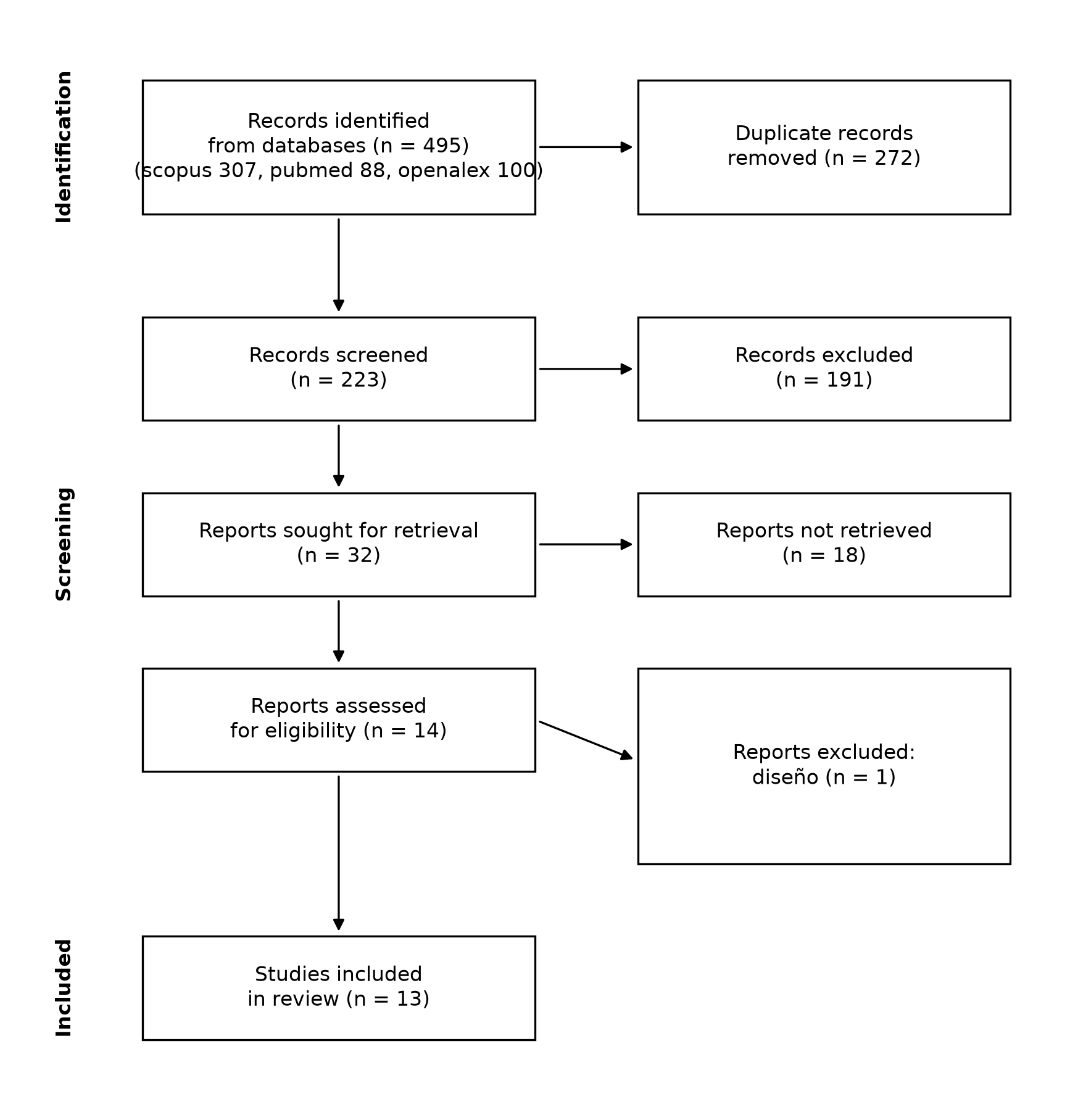
Figure 1. PRISMA 2020 flow diagram of study selection.
Note: PRISMA = Preferred Reporting Items for Systematic Reviews and Meta-Analyses. Source: Own elaboration.Study characteristics
The 13 included studies were published between 2018 and 2026 and are summarized in Table 1 (Table 1). Four studies were head-to-head comparisons of arthrodesis and arthroplasty: two retrospective cohorts, one comparative case series, and one propensity-matched case-control study. The remaining nine studies were single-cohort series, of which five reported arthrodesis alone and four reported arthroplasty alone. Sample sizes ranged from 9 to 419 patients, and follow-up ranged from 4 months to 6 years. The studies originated in Europe, North America, South America, and Central Asia, and the most frequent instruments were the visual analog scale and the American Orthopaedic Foot and Ankle Society score. Arthrodesis was performed with crossed screws, dorsal plates, or a combination of both, and one series used a percutaneous approach, whereas the arthroplasty arm mixed silastic, interpositional, and hydrogel devices, which prevents any single implant from being considered representative of the whole procedure category. Patients were predominantly female across the series, with mean ages from the mid-fifties to the late sixties, and grade III and IV disease predominated because both procedures are reserved for advanced arthritis after failed conservative care. The arthrodesis cohorts were on average older than the arthroplasty cohorts in the comparative studies, a difference that reflects deliberate selection of younger patients for motion-preserving procedures and that confounds the between-group comparison in the observational studies.(23)
Study | Country | Design | n | Procedure | Follow-up | Outcomes | RoB |
|---|---|---|---|---|---|---|---|
Rapolis 2023 | Lithuania | Retrospective cohort | 41 | Resection AP (20) vs AD (21) | 2-4 years | SEFAS, SF-12 | High |
Krumm 2022 | USA | Retrospective cohort | 48 | Allograft interpositional AP (24) vs AD (24) | 39-44 months | VAS, AOFAS | High |
Eastwood 2018 | UK | Comparative case series | 122 | Silastic AP (61) vs AD (61) | 6 months | VAS, MOXFQ | High |
Budde 2024 | Germany | Matched case-control | 36 | Cartiva SCI (18) vs AD (18) | 17.7-20 months | FAAM, EFAS, VAS | Moderate |
Sethi 2023 | UK | Case series | 112 | Silastic AP | 4 years | MOXFQ, VAS | High |
Anastasio 2024 | USA | Case series | 146 | PVA hydrogel AP | 14.5 months | VAS, ROM | High |
Correa 2026 | Brazil | Case series | 10 | Interpositional AP | 4 months | VAS, AOFAS | High |
Tazhin 2024 | Kazakhstan | Case series | 99 | AD | 1-6 years | VAS, AOFAS | High |
Ilchenko 2020 | Russia | Case series | 19 | AD | 5 years | AOFAS, VAS, FAAM | High |
Coster 2023 | Sweden | Registry cohort | 419 | AD | 1 year | SEFAS, EQ-5D | Moderate |
Deniz 2025 | Turkey | Case series | 19 | AD | 9.2 months | Union, HVA | High |
Nogueira 2018 | Brazil | Case series | 9 | AD | Postoperative | Union, pain | High |
Lara 2021 | Brazil | Case series | 27 | AD | 30.7 months | AOFAS, VAS | High |
Note: AD = arthrodesis; AP = arthroplasty; AOFAS = American Orthopaedic Foot and Ankle Society; EFAS = European Foot and Ankle Society; EQ-5D = EuroQol five-dimension index; FAAM = Foot and Ankle Ability Measure; HVA = hallux valgus angle; MOXFQ = Manchester-Oxford Foot Questionnaire; NOS = Newcastle-Ottawa Scale; PVA = polyvinyl alcohol; RoB = risk of bias; SEFAS = Self-reported Foot and Ankle Score; SF-12 = Short Form-12; VAS = visual analog scale; ROM = range of motion. Source: Prepared by the author based on the included studies.
Risk of bias
No randomized trial published within the search window met the eligibility criteria, and the randomized evidence that exists falls outside the window and is considered only as background. The four comparative studies were retrospective, and three of them scored poorly on the Newcastle-Ottawa Scale because the treatment was assigned by surgeon preference without adjustment for confounders, so any difference between the arms could reflect the characteristics of the patients rather than the procedures. One matched case-control study controlled for age, sex, body mass index, and osteoarthritis grade and was judged at moderate risk of bias. The nine single-cohort series were classified as high risk of bias because they lacked a control group, which is an inherent limitation of describing the outcome of a single procedure.
Pain and function
In the comparative studies, both procedures produced clinically meaningful reductions in pain. The largest comparison, with 61 arthrodesis and 61 silastic arthroplasty procedures, reported greater mean improvement after arthrodesis on both the visual analog scale (44 versus 24 points) and the Manchester-Oxford Foot Questionnaire (38 versus 18 points).(24) A 48-patient cohort found no difference in the improvement of visual analog scale scores (4.08 versus 4.54 points) or American Orthopaedic Foot and Ankle Society scores (28 versus 29 points) between allograft interpositional arthroplasty and arthrodesis.(25) A Lithuanian comparison of resection arthroplasty and arthrodesis reported similar Self-reported Foot and Ankle Score values but better physical quality of life and one month faster recovery after arthroplasty.(23) The matched study of Cartiva hemiarthroplasty and arthrodesis found equivalent Foot and Ankle Ability Measure scores but significantly lower exertion pain after arthrodesis (visual analog scale 11.8 versus 35.4).(26)
Taken together, three of the four head-to-head studies found no statistically significant difference in the main function score between arthrodesis and arthroplasty, whereas the largest comparison favored arthrodesis on pain and on the Manchester-Oxford Foot Questionnaire, and the matched study favored arthrodesis only on exertion pain. The overall pattern is therefore one of broadly equivalent pain relief, with a modest and inconsistent advantage for arthrodesis in the studies with the largest samples.
The single-cohort series confirm that both families relieve pain. Arthrodesis series reported visual analog scale reductions from 8.7 to 0.5 and from 6 to 1, with American Orthopaedic Foot and Ankle Society score gains from 34 to 87 and from 43 to 85.(27,28) The Swedish registry series documented a mean improvement in the Self-reported Foot and Ankle Score from 22 to 38 and in the EuroQol index from 0.56 to 0.81 one year after arthrodesis.(19) Arthroplasty series reported a Manchester-Oxford Foot Questionnaire improvement from 81 to 13 after silastic arthroplasty,(29) and an American Orthopaedic Foot and Ankle Society score gain from 52 to 84 after interpositional arthroplasty.(30) The polyvinyl alcohol hydrogel series likewise documented a significant reduction in visual analog scale pain and an increase in hallux dorsiflexion at a mean follow-up of 14.5 months.(20)
Satisfaction followed the same pattern as the score gains. Satisfaction reached 90.1% after silastic arthroplasty,(29) 80% in both arms of the Lithuanian comparative cohort,(23) and 87% after arthrodesis against 73% after silastic arthroplasty in the United Kingdom series.(24) Range of motion was preserved after arthroplasty, with every patient in the interpositional series achieving more than 30 degrees of dorsiflexion,(30) whereas arthrodesis necessarily eliminated joint motion in exchange for a stable first ray.(27)
Range of motion
Motion preservation was documented but not uniform across arthroplasty devices. Every patient in the interpositional series exceeded 30 degrees of first metatarsophalangeal dorsiflexion at final follow-up,(30) and the polyvinyl alcohol hydrogel series recorded a significant gain in hallux dorsiflexion from baseline.(20) The matched study, by contrast, measured a decrease in maximum dorsiflexion after Cartiva hemiarthroplasty, from 32.5 degrees preoperatively to 21.1 degrees postoperatively, which indicates that the implant does not always restore the motion it is intended to preserve.(26) Arthrodesis eliminated joint motion by design, and its success was therefore judged on alignment and pain rather than on range of motion.(27)
Complications
Nonunion was specific to arthrodesis and ranged from 0% to 30% across the series, with the highest rate reported in a percutaneous technique performed in nine patients.(31) Plate fixation was associated with all five complications in one arthrodesis series, which reported a 5.1% overall complication rate,(27) whereas a smaller Turkish series reported a 31.6% complication rate with one nonunion.(32) Two further arthrodesis series documented no nonunion.(28,33) Among arthroplasty series, the complication rate was 8.9% after silastic arthroplasty, driven mostly by minor events that responded to simple measures,(29) and 15.1% after polyvinyl alcohol hydrogel hemiarthroplasty, driven by implant subsidence in 10.3% of cases and deep infection in 4.1%.(20) The radiographic signal in the matched study was more pronounced than the clinical signal, with erosive changes around the implant documented in 61.1% of hydrogel cases even though most function scores remained acceptable.(26) The complication profiles therefore differ in kind rather than only in frequency: arthrodesis fails through a problem of healing, whereas arthroplasty fails through a problem of the implant and the surrounding bone.
Revision
Revision burden was concentrated in arthroplasty (Table 2). The matched comparison recorded a 16.6% revision rate after Cartiva hemiarthroplasty against 5.6% after arthrodesis.(26) The polyvinyl alcohol hydrogel series reported 12.3% revision at a mean of 9.4 months and a two-year survival of 86.3% before conversion to arthrodesis.(20) Silastic arthroplasty showed the most favorable durability profile among arthroplasty options, with 99.1% survivorship at four years and a 0.9% revision rate.(29) In the comparative series, reoperation was required in 9.8% of arthrodesis patients, largely for removal of prominent metalwork, against 1.6% of silastic arthroplasty patients,(24) and no revision was recorded in the Lithuanian cohort.(23) The distinction between removal of symptomatic hardware and revision for failure of the index procedure matters for interpretation, because the first is a minor secondary procedure whereas the second represents failure of the treatment itself.
Table 2 lists the main outcomes by study (Table 2). Nonunion was specific to arthrodesis and ranged from 0% to 30% across the series, with the highest rate reported in a percutaneous technique.(31) Plate fixation was associated with all complications in one arthrodesis series, which reported a 5.1% overall complication rate,(27) whereas another reported a 31.6% complication rate with one nonunion.(32) Two other arthrodesis series reported no nonunion.(28,33)
Revision burden was concentrated in arthroplasty. The matched comparison recorded a 16.6% revision rate after Cartiva hemiarthroplasty against 5.6% after arthrodesis.(26) The polyvinyl alcohol hydrogel series reported 12.3% revision at a mean of 9.4 months, driven by implant subsidence in 10.3% of cases, and a two-year survival of 86.3% before conversion to arthrodesis.(20) Silastic arthroplasty showed the most favorable durability profile, with 99.1% survivorship at four years and a 0.9% revision rate.(29)
Study | Procedure | Pain and function result | Complication or nonunion | Revision |
|---|---|---|---|---|
Rapolis 2023 | AP vs AD | SEFAS 3.71 vs 3.38 (p = 0.14); SF-12 physical 49.77 vs 39.89 (p = 0.02) | None | 0% vs 0% |
Krumm 2022 | AP vs AD | VAS change 4.08 vs 4.54 (p = 0.592); AOFAS change 28 vs 29 (p = 0.969) | Not quantified | Not reported |
Eastwood 2018 | AP vs AD | VAS change 24 vs 44 (p = 0.002); MOXFQ change 18 vs 38 (p = 0.0004) | Nonunion 0% vs 1.6% | 1.6% vs 9.8% |
Budde 2024 | Cartiva SCI vs AD | FAAM 83.4 vs 82.3 (p = 0.584); VAS exertion 35.4 vs 11.8 (p = 0.004) | Radiographic erosion 61.1% (SCI) | 16.6% vs 5.6% |
Sethi 2023 | Silastic AP | MOXFQ 81 to 13; VAS 7.2 to 1.5 | 8.9% complications | 0.9% |
Anastasio 2024 | PVA hydrogel AP | VAS improved (p < 0.0001) | 15.1% complications; subsidence 10.3% | 12.3% |
Correa 2026 | Interpositional AP | VAS 7.0 to 1.5; AOFAS 52 to 84 | None reported | 0% |
Tazhin 2024 | AD | VAS 8.7 to 0.5; AOFAS 34 to 87 | 5.1% complications | Not reported |
Ilchenko 2020 | AD | AOFAS 43 to 85; VAS 6 to 1 | Not detailed | Not reported |
Coster 2023 | AD | SEFAS 22 to 38; EQ-5D 0.56 to 0.81 | Not reported | Not reported |
Deniz 2025 | AD | Union at 8.4 weeks | 31.6% complications; 1 nonunion | Not reported |
Nogueira 2018 | AD | Pain improved; union 70% | 30% nonunion | Not reported |
Lara 2021 | AD | AOFAS +50.9; VAS -7.4 | No nonunion | Not reported |
Note: AD = arthrodesis; AP = arthroplasty; AOFAS = American Orthopaedic Foot and Ankle Society; EQ-5D = EuroQol five-dimension index; FAAM = Foot and Ankle Ability Measure; MOXFQ = Manchester-Oxford Foot Questionnaire; SEFAS = Self-reported Foot and Ankle Score; VAS = visual analog scale; vs = versus. Source: Prepared by the authors based on the included studies.
Across the thirteen studies, both procedures produced large and consistent within-group improvements in pain and function, and the between-group differences, where measured, were small for function and inconsistent for pain. The clearest and most consistent difference was in revision: arthrodesis revisions were predominantly for nonunion or removal of metalwork, whereas arthroplasty revisions represented failure of the index implant and tended to occur earlier.
DISCUSSION
For practitioners, the principal implication is that arthrodesis remains the most durable option when the priority is a single definitive procedure, and this should be stated plainly when consenting patients. The comparative evidence showed that arthrodesis and arthroplasty reduce pain to a comparable degree in most studies, but the revision and radiographic failure signal was consistently higher for implant arthroplasty, particularly the polyvinyl alcohol hydrogel device.(20,26) This implies that a surgeon who recommends arthroplasty is accepting a meaningful probability of later conversion to arthrodesis, which is itself a more demanding operation in the presence of bone loss.(18,34)
The four head-to-head comparisons, taken at face value, also suggest that the choice between the procedures cannot be resolved on pain and function alone. The two studies that found no difference used modest samples and short or intermediate follow-up, so a true but small advantage of arthrodesis could easily have been missed.(23,25) The largest comparison, with 122 patients, detected an advantage for arthrodesis on both the visual analog scale and the Manchester-Oxford Foot Questionnaire, and the matched study detected an advantage only on exertion pain, which indicates that the difference, when present, is concentrated in load-related symptoms rather than in resting pain.(24,26) A clinician should therefore not promise that arthroplasty equals arthrodesis for pain; the most defensible statement is that arthroplasty approaches arthrodesis for most patients but leaves a subset with residual exertion pain.
These findings align with the most recent systematic reviews. A review of arthrodesis versus arthroplasty for moderate and severe hallux rigidus concluded that the two procedures achieve similar clinical scores but that implant-related complications and reoperations are more frequent after arthroplasty.(9) A meta-analysis of comparative studies reached the same conclusion for implant arthroplasty,(10) and a review focused on the Cartiva device found that fusion remains the standard while the synthetic cartilage implant retains an uncertain role.(12) The present review adds registry and single-surgeon series that postdate several of those syntheses and reinforce the revision concern.(19,20)
Adjacent reviews converge on the same reading. A systematic review of interposition arthroplasty found that the procedure relieves pain and preserves motion but rests on heterogeneous techniques and modest follow-up,(14) a conclusion repeated by a later synthesis of the same procedure.(15) A review written from a biomechanical perspective noted that arthrodesis and total arthroplasty are both acceptable for end-stage disease without severe angular deformity, and that arthroplasty may restore a more physiological gait pattern.(35) Reviews of complications emphasize that arthrodesis carries nonunion and malunion as its characteristic failures, whereas arthroplasty fails through instability, loosening, and bone loss that complicates salvage.(7) The return-to-sport literature adds a practical dimension: arthrodesis reliably returns patients to activity, while motion-preserving implants are advocated for the active patient despite weaker long-term data.(36)
The randomized evidence must be read in context. The MOTION trial reported noninferiority of polyvinyl alcohol hemiarthroplasty at 24 months,(16) and the earlier randomized controlled trial found equivalence between total replacement and arthrodesis at two years.(17) Those results describe short-term and midterm outcomes in selected patients, whereas the single-cohort and matched studies summarized here describe subsidence, erosion, and conversion to arthrodesis over longer observation.(8,20,26) The discrepancy is more likely explained by follow-up length and implant generation than by any single methodological error.
A second set of comparative studies published within the search window but not retrievable in full text reinforces the central trade-off. A Brazilian comparison of appropriately selected patients reported higher American Orthopaedic Foot and Ankle Society scores after arthroplasty than after arthrodesis, the main discrepant signal in the literature, which probably reflects deliberate patient selection.(37) A silicone arthroplasty series was compared against arthrodesis in osteoarthritis of the first metatarsophalangeal joint,(38) and a short-term Turkish study compared two total joint replacements with arthrodesis.(39) Database work contributes the revision denominator that single-center series lack: a national administrative cohort characterized trends in arthrodesis and arthroplasty for hallux rigidus and identified patient factors associated with revision of arthroplasty to arthrodesis.(40) Long-term studies of cheilectomy, Keller arthroplasty, and arthrodesis indicate that arthrodesis maintains durable patient-reported and radiographic results beyond a decade,(41) and capsular interposition arthroplasty was compared with arthrodesis at fifteen years in one cohort.(42) Kinematic and gait comparisons, although small, suggest that arthroplasty preserves a more physiological loading pattern, which is the principal functional argument in its favor.(43,44)
Heterogeneity in this evidence base has identifiable sources. The arthroplasty arm in the included studies encompassed resection, interpositional, silastic, and hydrogel devices, which are biomechanically dissimilar and should not be treated as one intervention. Silastic implants showed the lowest revision rate among arthroplasty options,(29) while the hydrogel implant showed the highest,(20) and metallic hemiarthroplasty was associated with less favorable results than arthrodesis in earlier comparisons.(45,46) Outcome instruments also differed, with the American Orthopaedic Foot and Ankle Society score, the Foot and Ankle Ability Measure, the Manchester-Oxford Foot Questionnaire, and the Self-reported Foot and Ankle Score all represented, which prevented pooling.
The measurement of success also differs across studies in ways that affect interpretation. The American Orthopaedic Foot and Ankle Society hallux score was used most often, but it mixes examiner-rated alignment with patient-reported pain and has a known ceiling effect, and some arthrodesis series rescaled its maximum because a fused joint cannot earn motion points.(27) The Manchester-Oxford Foot Questionnaire, the Self-reported Foot and Ankle Score, the Foot and Ankle Ability Measure, and the PROMIS instrument are psychometrically stronger but were each used by only one or two studies, so they cannot be compared directly across procedures.(19,47) Nonunion was defined heterogeneously, with some series reporting only symptomatic nonunion and others counting radiographic gaps, which partly explains the wide range of 0% to 30%.(31,33) These measurement differences, more than any clinical difference, are likely responsible for the apparent spread in reported complication rates.
The Swefoot registry series illustrates what registries add to this question. It captured 419 consecutive arthrodesis procedures with a standardized patient-reported outcome set and showed that the one-year Self-reported Foot and Ankle Score approached the population norm, a stronger statement about the external validity of arthrodesis than any single-center series can make.(19) Registries could answer the comparative question more efficiently than a trial if they recorded arthroplasty procedures in the same data model, and the HARD trial protocol shows that a pragmatic randomized comparison is feasible in this population.(48) The present review found no equivalent registry infrastructure for arthroplasty outcomes, which is a gap that limits the precision of the arthroplasty arm.
Device-specific and activity-related studies complete the picture. A comparison of the Cartiva implant, allograft interposition arthroplasty, and arthrodesis compared pain relief across the three procedures,(49) and a matched cohort described comparable outcomes among Cartiva, cheilectomy, and fusion.(50) Sports participation after capsular interposition arthroplasty and arthrodesis was compared in one retrospective cohort.(51) Patient-reported outcomes measured with the PROMIS instrument were compared between arthrodesis and polyvinyl alcohol hemiarthroplasty.(47) A comparative analysis of the randomized cohort documented differences in operative and recovery time between implant hemiarthroplasty and arthrodesis, a logistic consideration for scheduling and rehabilitation that does not offset the durability difference.(52)
The choice is also not strictly binary, because joint-preserving procedures such as cheilectomy and decompression osteotomy remain options for earlier disease and were present among the retrieved records.(2,41) This review focused on arthrodesis and arthroplasty, but a surgeon treating grade II disease should still weigh cheilectomy before either destructive procedure, and the long-term comparison of cheilectomy, Keller arthroplasty, and arthrodesis indicates that arthrodesis becomes the more reliable choice as disease severity advances.(41)
Several strengths of this review should be weighed against its limitations. The search was performed in Scopus as the primary source and covered the full publication window through 2026, and every included study was verified against its DOI. The synthesis separated comparative from single-cohort evidence, and the arthroplasty arm was reported by implant type, which most prior reviews did not do. The review also reports the screening method transparently and avoids inflating the certainty of its conclusions beyond what retrospective and uncontrolled evidence can support.
Several limitations condition the interpretation of this review:
Only 14 of 32 potentially eligible reports had retrievable open-access full text, so 18 reports, including several comparative series, could not be assessed beyond their abstracts; a future update with institutional access would strengthen the comparison.(53,54)
All included studies were observational and most were single-arm, which restricts causal claims; this limitation is best overcome with a registry-based or randomized comparison such as the HARD trial design.(48)
Follow-up was short in several series, which underestimates late implant failure; registries with prolonged surveillance are the appropriate corrective measure.(19)
Publication and language restrictions, although limited to four languages, may exclude nonindexed evidence.
The included studies came from a limited set of health systems, and the fixation methods and implant choices reflect local practice, so the revision rates reported here may not transfer to settings with different surgical training or implant availability.
For the treating surgeon, the practical reading is that arthrodesis should remain the default recommendation for end-stage hallux rigidus, and arthroplasty should be reserved for the patient who explicitly prioritizes motion and accepts revision risk.(5,13) For the podiatrist and the primary care provider, the implications are narrower but concrete: patients who report persistent pain, swelling, or progressive stiffness after implant arthroplasty should be referred for early radiographs, because subsidence and osteolysis can precede clinical failure.(8,20) For researchers, the priority is a comparative study with a common outcome set and at least five years of follow-up, because the current literature cannot yet distinguish equivalent pain relief from durable pain relief.
Patient selection therefore becomes the operative variable. Younger and more active patients who place a premium on footwear and sport are the group for whom motion preservation is most attractive, and they are also the group in whom a failed implant is least acceptable, because salvage arthrodesis in the presence of bone loss is technically more demanding and carries a higher nonunion rate.(18,34) The kinematic and gait evidence supports the functional rationale for motion preservation but does not yet demonstrate that this advantage survives to the long term.(35,43) For the older or less active patient, in whom the priority is a single operation and early return to weight bearing, arthrodesis is the more defensible choice.(37,41) The phrase selected patients, which appears throughout the arthroplasty literature, deserves a concrete definition: a candidate with no inflammatory arthropathy, no hallux valgus beyond mild deformity, intact bone stock, and realistic expectations about the possibility of conversion to arthrodesis.(5,13) When those conditions are not met, the motion-preserving advantage of arthroplasty is outweighed by the risk of early failure and a more difficult salvage.
These trade-offs translate directly into a concrete consent script for the outpatient consultation. A patient offered arthrodesis should be told that pain relief and satisfaction are high and durable, that the procedure stiffens the joint permanently, that metalwork removal is sometimes needed, and that nonunion occurs in a minority of cases. A patient offered arthroplasty should be told that motion may be preserved but that pain relief is no better than arthrodesis in the available comparisons, that the implant can fail within the first two years, and that revision usually means conversion to arthrodesis with the added difficulty of bone loss.(20,26,34) Device surveillance data support this caution, because adverse-event reports for first metatarsophalangeal implants concentrate in loosening, fracture, and revision.(8)
A common outcome set would amplify the value of any future study, because the current fragmentation of instruments is a direct obstacle to pooling and to comparison across implants. Pain on a visual analog scale, one validated patient-reported function measure, a standardized definition of nonunion and of implant failure, and a minimum follow-up of five years would together provide the denominator that this review could not reconstruct from the primary literature.
A definitive answer will require a comparative design that the current evidence lacks. A randomized comparison of a single modern arthroplasty device against arthrodesis, with a common patient-reported outcome set, blinded radiographic adjudication of nonunion and subsidence, and a minimum follow-up of five years, would settle the question of durability. Until such evidence exists, registries that capture both procedures under one data model offer the most efficient route to long-term revision denominators.(19,48)
CONCLUSIONS
Arthrodesis of the first metatarsophalangeal joint achieves predictable pain relief, restores a stable first ray, and carries the lowest revision burden among the options reviewed, with nonunion as its main specific complication. Arthroplasty preserves motion and produces pain and function gains comparable to arthrodesis in the short term, but implant arthroplasty, and the polyvinyl alcohol hydrogel device in particular, carries a higher and earlier revision risk.
The choice between the two procedures is therefore a decision about trade-offs rather than superiority: arthrodesis for durability, and arthroplasty for the selected patient who accepts revision risk in exchange for preserved motion. Evidence of higher certainty, ideally a randomized or registry-based comparison with a common outcome set and long follow-up, is still required to refine patient selection.
References
- 1 Coughlin MJ, Shurnas PS. Hallux Rigidus: Demographics, Etiology, and Radiographic Assessment. Foot Ankle Int. 2003;24(10):731-743. doi: 10.1177/107110070302401002
- 2 Anderson MR, Ho BS, Baumhauer JF. Republication of “Current Concepts Review: Hallux Rigidus”. Foot & Ankle Orthopaedics. 2023;8(3):24730114231188123. doi: 10.1177/24730114231188123
- 3 Galois L, Hemmer J, Ray V, Sirveaux F. Surgical options for hallux rigidus: state of the art and review of the literature. Eur J Orthop Surg Traumatol. 2020;30(1):57-65. doi: 10.1007/s00590-019-02528-x
- 4 Massimi S, Caravelli S, Fuiano M, Pungetti C, Mosca M, Zaffagnini S. Management of high-grade hallux rigidus: a narrative review of the literature. Musculoskelet Surg. 2020;104(3):237-243. doi: 10.1007/s12306-020-00646-y
- 5 Grimm MPD, Irwin TA. Complications of Hallux Rigidus Surgery. Foot and Ankle Clinics. 2022;27(2):253-269. doi: 10.1016/j.fcl.2021.11.016
- 6 Stibolt RD, Patel HA, Lehtonen EJ, DeBell HA, Moon AS, Naranje S, et al. Hemiarthroplasty Versus Total Joint Arthroplasty for Hallux Rigidus: A Systematic Review and Meta-analysis. Foot & Ankle Specialist. 2019;12(2):181-193. doi: 10.1177/1938640018791017
- 7 Lunati M, Mahmoud K, Kadakia R, Coleman M, Bariteau J. Complications Associated with the Surgical Management of Hallux Rigidus. Orthopedic Clinics of North America. 2021;52(3):291-296. doi: 10.1016/j.ocl.2021.03.003
- 8 Akoh CC, Chen J, Kadakia R, Park YU, Kim H, Adams SB. Adverse events involving hallux metatarsophalangeal joint implants: Analysis of the United States Food and Drug Administration data from 2010 to 2018. Foot and Ankle Surgery. 2021;27(4):381-388. doi: 10.1016/j.fas.2020.05.002
- 9 Sánchez Guzmán J, Gallo Oropeza R, Reyes Donado M, Martin Oliva X, Díaz Sánchez T. Arthrodesis vs arthroplasty for moderate and severe Hallux rigidus: Systematic review. Foot and Ankle Surgery. 2024;30(3):174-180. doi: 10.1016/j.fas.2023.12.002
- 10 Park YH, Jung JH, Kang SH, Choi GW, Kim HJ. Implant Arthroplasty versus Arthrodesis for the Treatment of Advanced Hallux Rigidus: A Meta-analysis of Comparative Studies. The Journal of Foot and Ankle Surgery. 2019;58(1):137-143. doi: 10.1053/j.jfas.2018.08.045
- 11 de Bot RTAL, Veldman HD, Eurlings R, Stevens J, Hermus JPS, Witlox AM. Metallic hemiarthroplasty or arthrodesis of the first metatarsophalangeal joint as treatment for hallux rigidus: A systematic review and meta-analysis. Foot and Ankle Surgery. 2022;28(2):139-152. doi: 10.1016/j.fas.2021.03.004
- 12 Jeremic A, Abussa R. Cartiva or fusion for Hallux Rigidus? A systematic review and meta-analysis. The Journal of Foot and Ankle Surgery. 2026;65(4):138.e1-138.e6. doi: 10.1053/j.jfas.2026.03.003
- 13 França G, Nunes J, Pinho P, Freitas D, Andrade R, Espregueira-Mendes J, et al. Is arthrodesis still the best treatment option for first metatarsophalangeal joint arthritis?—a systematic review of arthrodesis and arthroplasty outcomes. Ann Joint. 2021;6:5-5. doi: 10.21037/aoj-20-88
- 14 Patel HA, Kalra R, Johnson JL, Huntley SR, Lehtonen EJ, McGwin G, et al. Is interposition arthroplasty a viable option for treatment of moderate to severe hallux rigidus? — A systematic review and meta-analysis. Foot and Ankle Surgery. 2019;25(5):571-579. doi: 10.1016/j.fas.2018.07.006
- 15 Di Caprio F, Mosca M, Ceccarelli F, Caravelli S, Di Ponte M, Zaffagnini S, et al. Interposition Arthroplasty in the Treatment of End-Stage Hallux Rigidus: A Systematic Review. Foot & Ankle Specialist. 2023;16(6):547-557. doi: 10.1177/19386400211053947
- 16 Baumhauer JF, Singh D, Glazebrook M, Blundell C, De Vries G, Le ILD, et al. Prospective, Randomized, Multi-centered Clinical Trial Assessing Safety and Efficacy of a Synthetic Cartilage Implant Versus First Metatarsophalangeal Arthrodesis in Advanced Hallux Rigidus. Foot Ankle Int. 2016;37(5):457-469. doi: 10.1177/1071100716635560
- 17 Gibson JNA, Thomson CE. Arthrodesis or Total Replacement Arthroplasty for Hallux Rigidus: A Randomized Controlled Trial. Foot Ankle Int. 2005;26(9):680-690. doi: 10.1177/107110070502600904
- 18 So E, Wilson M, Chu AK, Thompson JM, Prissel MA. Incidence of Nonunion of the First Metatarsophalangeal Joint Arthrodesis After Failed Implant Arthroplasty: A Systematic Review. Foot & Ankle Specialist. 2024;17(1):78-86. doi: 10.1177/19386400231169364
- 19 Cöster MC, Osbeck I, Montgomery F, Cöster-Stoij ME. Baseline and 1-Year Follow-Up Data of Patients with End-Stage Hallux Rigidus Treated with an Arthrodesis Reported to Swefoot. MRAJ. 2023;11(6). doi: 10.18103/mra.v11i6.3929
- 20 Anastasio AT, Chopra A, Madi NM, Tabarestani TQ, Fletcher AN, Parekh SG. Polyvinyl Alcohol Hydrogel Hemiarthroplasty of First Metatarsophalangeal Joint Hallux Rigidus. Cureus. 2024;16(4):e58583-e58583. doi: 10.7759/cureus.58583
- 21 Page MJ, McKenzie JE, Bossuyt PM, Boutron I, Hoffmann TC, Mulrow CD, et al. The PRISMA 2020 statement: an updated guideline for reporting systematic reviews. BMJ. 2021:n71. doi: 10.1136/bmj.n71
- 22 Stang A. Critical evaluation of the Newcastle-Ottawa scale for the assessment of the quality of nonrandomized studies in meta-analyses. Eur J Epidemiol. 2010;25(9):603-605. doi: 10.1007/s10654-010-9491-z
- 23 Rapolis D, Urmanavičius M, Makulavičius A, Uvarovas V. Surgical treatment of Hallux Rigidus – arthrodesis or resection arthroplasty? Retrospective observational study. LS. 2023;22(4):206-212. doi: 10.15388/lietchirur.2023.22(4).1
- 24 Eastwood Sarah E, Kingman A, Gray William K, Kakwani R, Townshend D. First Metatarsophalangeal Arthrodesis or Silastic Arthroplasty in the Management of End-Stage Hallux Rigidus: A Comparison of Outcomes Including Proms. Int J Foot Ankle. 2018;2(2). doi: 10.23937/ijfa-2017/1710012
- 25 Bennett Krumm D, Jonathan Patton D, Scott Madden T, Gregory Anderson J, Maskill JD, Raymond Bohay D, et al. Treatment of hallux rigidus: allograft interpositional arthroplasty vs arthrodesis. J Foot Ankle. 2022;16(1):35-40. doi: 10.30795/jfootankle.2022.v16.1626
- 26 Budde K, Claassen L, Plaass C, Stukenborg-Colsman C, Daniilidis K, Yao D. Synthetic cartilage implant vs. first metatarsophalangeal arthrodesis for the treatment of hallux rigidus. Arch Orthop Trauma Surg. 2024;144(9):4343-4354. doi: 10.1007/s00402-024-05534-9
- 27 National Scientific Center Traumatology and Orthopedic named after Academician N.D. Batpenov, Tazhin K, Nurakhmetov A, Samara State Medical University, Dossanova A, Аstana Medical University. Arthrodesis of the I Metatarsophalangeal Joint in the Treatment of Hallux Rigidus. J Trauma Ortho Kaz. 2024;3(74):26-31. doi: 10.52889/1684-9280-2023-3-74-26-31
- 28 European Clinic of Sports Traumatology and Orthopaedics (ECSTO), Moscow, Russian Federation, Ilchenko DV, Korolev AV, European Clinic of Sports Traumatology and Orthopaedics (ECSTO), Moscow, Russian Federation, Peoples’ Friendship University of Russia, Moscow, Russian Federation, Kardanov AA, et al. Long-term functional results of first metatarsophalangeal joint arthrodesis for hallux rigidus. GO. 2020;26(1):30-36. doi: 10.18019/1028-4427-2020-26-1-30-36
- 29 Sethi M, Limaye N, Alderton E, Limaye R, Kulkarni A. Silastic Joint Arthroplasty as a Joint-Preserving Alternative for End-Stage Hallux Rigidus: Outcomes From 112 First Metatarsophalangeal Joint Arthroplasties. Cureus. 2023;15(10):e46561. doi: 10.7759/cureus.46561
- 30 Gonzalez Correa F, Sousa de Moraes Castro Í, Ambrósio Carillo G, Szejnfeld Mann T, Souza Maciel E, Furtado da Fonseca L, et al. Clinical outcomes following interpositional arthroplasty for advanced hallux rigidus: A retrospective case series. J Foot Ankle. 2026;20(2):7. doi: 10.30795/jfootankle.2026.v20.2137
- 31 Nogueira VB, Pereira Filho MV, Mattos e Dinato MC, Freitas MDF, Pagnano RG. Treatment of hallux rigidus with percutaneous arthrodesis. Sci J Foot Ankle. 2018;12(2):90-95. doi: 10.30795/scijfootankle.2018.v12.756
- 32 Deniz F, Bozkurt S, İştahlı M, Örgü H. Arthrodesis of the first metatarsophalangeal joint by locking plate in patients with hallux rigidus. J Multidiscip Orthop Surg. 2025;1(3):55-58. doi: 10.64575/yv0wb214
- 33 Lara LCR, Torres Filho LCDA, Cervone GLDF, Grajales JA, Bordignon G, Lancia LF, et al. Metatarsophalangeal arthrodesis of the hallux using a minimally invasive technique. J Foot Ankle. 2021;15(3):208-212. doi: 10.30795/jfootankle.2021.v15.1565
- 34 Mao DW, Zheng C, Amatullah NN, Kam C, Kon Kam King C. Salvage arthrodesis for failed first metatarsophalangeal joint arthroplasty: A network meta-analysis. Foot and Ankle Surgery. 2020;26(6):614-623. doi: 10.1016/j.fas.2019.07.014
- 35 Rajan R, Mishra A. A systematic review of total arthroplasty and arthrodesis for end-stage hallux rigidus: A biomechanical perspective. The Foot. 2021;49:101838. doi: 10.1016/j.foot.2021.101838
- 36 Stumpner T, Obermayr S, Abdel-Nour G, Recheis S, Gruber MS, Ortmaier R. Return to sport after arthrodesis and implant arthroplasty for hallux rigidus : a systematic review. Arch Orthop Trauma Surg. 2025;145(1):471. doi: 10.1007/s00402-025-06082-6
- 37 Santos Silva M, Rodrigues-Pinto R, Barros LH, Sousa A, Muras J. Artrodese versus artroplastia da primeira articulação metatarsofalângica no tratamento do hallux rigidus – Estudo comparativo de pacientes selecionados apropriadamente. Rev Bras Ortop. 2020;55(01):040-047. doi: 10.1055/s-0039-1700815
- 38 Lesman J, Wojna J, Szkutnik P, Tomasik B, Domżalski M, Łaganowski P. Silicone Arthroplasty as an Alternative to Arthrodesis in the Metatarsophalangeal Degenerative Disease of Hallux Valgus—A 5-Year Observational Study. JCM. 2024;13(13):3677. doi: 10.3390/jcm13133677
- 39 Dülgeroğlu T. COMPARISON OF TWO DIFFERENT TOTAL JOINT REPLACEMENT AND ARTHRODESIS TREATMENTS FOR ADVANCED HALLUX RIGIDUS: SHORT-TERM FUNCTIONAL OUTCOMES. Ann Med Res. 2019;(0):1. doi: 10.5455/annalsmedres.2019.02.103
- 40 Althoff AD, Ramamurti P, Vennitti C, Kamalapathy P, Park JS, Werner BC, et al. Preoperative Risk Factors for Primary Metatarsophalangeal Arthroplasty Revision to MTP Arthrodesis for Hallux Rigidus. Foot Ankle Int. 2022;43(9):1242-1249. doi: 10.1177/10711007221094837
- 41 Stevens J, de Bot RTAL, Witlox AM, Borghans R, Smeets T, Beertema W, et al. Long-term Effects of Cheilectomy, Keller’s Arthroplasty, and Arthrodesis for Symptomatic Hallux Rigidus on Patient-Reported and Radiologic Outcome. Foot Ankle Int. 2020;41(7):775-783. doi: 10.1177/1071100720919681
- 42 Johnson JE, Phinney AR, Hastings MK, Jeong HJ, Chen L, Thome AP, et al. Fifteen-Year Follow-up of the Modified Oblique Keller Capsular Interposition Arthroplasty Compared to Arthrodesis for Treatment of Advanced First Metatarsophalangeal Joint Arthritis. Foot & Ankle Orthopaedics. 2025;10(1):24730114251322766. doi: 10.1177/24730114251322766
- 43 Rajan RA, Kerr M, Hafesji-Wade A, Osler CJ, Outram T. Arthrodesis or arthroplasty for end stage hallux rigidus: A comparison of 3D kinematic and plantar pressure gait metrics and PROMs. The Foot. 2026;69:102300. doi: 10.1016/j.foot.2026.102300
- 44 de Bot R, Stevens J, Smeets T, Witlox A, Beertema W, Hendrickx R, et al. Gait and dynamic pedobarographic analyses in hallux rigidus patients treated with Keller’s arthroplasty, arthrodesis or cheilectomy 22 years after surgery. PeerJ. 2023;11:e16296. doi: 10.7717/peerj.16296
- 45 Raikin SM, Ahmad J, Pour AE, Abidi N. Comparison of Arthrodesis and Metallic Hemiarthroplasty of the Hallux Metatarsophalangeal Joint. The Journal of Bone & Joint Surgery. 2007;89(9):1979-1985. doi: 10.2106/jbjs.f.01385
- 46 Beekhuizen SR, Voskuijl T, Onstenk R. Long-Term Results of Hemiarthroplasty Compared With Arthrodesis for Osteoarthritis of the First Metatarsophalangeal Joint. The Journal of Foot and Ankle Surgery. 2018;57(3):445-450. doi: 10.1053/j.jfas.2017.10.013
- 47 El Masry S, Boden AL, DiGiovanni GM, Cororaton AD, Ellis SJ, on behalf of the HSS Orthopaedic Foot and Ankle Surgery Group. A Comparison of PROMIS Scores of Metatarsophalangeal Joint Arthrodesis and Polyvinyl Alcohol Hydrogel Implant Hemiarthroplasty for Hallux Rigidus. JBJS Open Access. 2024;9(3). doi: 10.2106/jbjs.oa.23.00158
- 48 Miettinen M, Rämö L, Lähdeoja T, Sirola T, Sandelin H, Ponkilainen V, et al. Treatment of hallux rigidus (HARD trial): study protocol of a prospective, randomised, controlled trial of arthrodesis versus watchful waiting in the treatment of a painful osteoarthritic first metatarsophalangeal joint. BMJ Open. 2021;11(8):e049298. doi: 10.1136/bmjopen-2021-049298
- 49 Sanii R, Phan K, Krumm D, Patton DJ, Madden T, Anderson JG, et al. Treatment of Hallux Rigidus: Comparison of Hemiarthroplasty with Cartiva Implant, Allograft Interpositional Arthroplasty, and Arthrodesis. Foot & Ankle Orthopaedics. 2025;10(1):24730114251324184. doi: 10.1177/24730114251324184
- 50 Comfort SM, Marchetti D, Duncan P, Dornan GJ, Haytmanek CT, Clanton TO. Comparable Outcomes of Cartiva Implant, Cheilectomy, and Fusion for Hallux Rigidus of the 1st Metatarsophalangeal Joint: A Matched Cohort Study. Foot & Ankle Orthopaedics. 2023;8(4):2473011423S00135. doi: 10.1177/2473011423s00135
- 51 Thome AP, Backus JD, Jeong HJ, McCormick JJ, Johnson JE. Long-term Return to Sports After Modified Oblique Keller Capsular Interposition Arthroplasty vs Arthrodesis for Advanced Hallux Rigidus: A Retrospective Cohort. Foot & Ankle Orthopaedics. 2025;10(4):24730114251386022. doi: 10.1177/24730114251386022
- 52 Glazebrook M, Younger ASE, Daniels TR, Singh D, Blundell C, de Vries G, et al. Treatment of first metatarsophalangeal joint arthritis using hemiarthroplasty with a synthetic cartilage implant or arthrodesis: A comparison of operative and recovery time. Foot and Ankle Surgery. 2018;24(5):440-447. doi: 10.1016/j.fas.2017.05.002
- 53 Lewis TL, Trowbridge S, Franklin S, Lau B, Shehata R, Lyle S, et al. Cartiva interpositional arthroplasty versus arthrodesis in the treatment of Hallux rigidus: A retrospective comparative study with mean 2 year follow up. Foot and Ankle Surgery. 2024;30(7):587-593. doi: 10.1016/j.fas.2024.05.003
- 54 Richter M, Zech S, Meissner SA, Naef I. Comparison of Total Joint Replacement With Arthrodesis of the First Metatarsophalangeal Joint. Foot Ankle Int. 2023;44(1):32-39. doi: 10.1177/10711007221125219
Declarations
Funding
No financing
Conflict of interest
None
Authorship contributions
Drafting – original draft: Maria Carla Hernández Martínez.
Writing–review and editing: Maria Carla Hernández Martínez.