

Abstract
Introduction: Acute Achilles tendon rupture is a common injury whose incidence continues to rise, yet the choice between surgical repair and functional conservative treatment remains unresolved. Methods: Scopus, PubMed, OpenAlex and Crossref were searched for randomized and comparative studies published from 2018 to 2026 that compared surgical repair with conservative treatment of acute Achilles tendon rupture in adults. Results: A total of 973 records were identified and 572 were screened, leaving 12 studies (four randomized trials and eight comparative cohorts) with samples ranging from 18 to 17,996 participants. Re-rupture was consistently lower after surgery (0.6% to 3%) than after conservative treatment (up to 11% to 13%) in most studies, whereas functional scores (ATRS and PROMIS) were comparable between strategies. Surgical treatment carried more wound and sural nerve complications. Conclusions: Surgical repair reduces the risk of re-rupture but does not improve functional recovery and adds surgical complications, so functional conservative treatment is a valid alternative and the choice should be individualized.
Keywords
Achilles tendon, rupture, tendon injuries, orthopedic procedures, conservative treatment, return to sport
INTRODUCTION
Acute Achilles tendon rupture is the most frequent rupture of a lower limb tendon in adults, and the population-based evidence shows that its incidence has not stopped increasing. A nationwide Swedish register of 53,688 ruptures recorded between 2002 and 2021 documented sustained growth in incidence together with a steady decline in the proportion managed surgically and a prolonged delay to surgery, while United States emergency department data covering 2012 to 2016 estimated more than 350,000 injuries across the period.(1,2) Parallel increases have been reported in South Korea, Italy and Japan, and more recent United States figures confirm that the trend continued between 2019 and 2024, which marks the injury as a growing burden on active and aging populations.(3-6) The incidence rises most steeply in middle-aged recreational athletes, and re-rupture itself is concentrated in men, in younger patients and in those managed with traditional immobilizing rehabilitation, three features that matter for how the treatment decision is framed.(7) National registers in Scandinavia and Italy show the same demographic gradient, with surgery increasingly reserved for younger patients while older adults are managed conservatively, a shift that reflects both the epidemiology and the evolving preference for less invasive care.(1,4)
The rupture classically occurs during sudden forced dorsiflexion of a plantar-flexed ankle, often in racket or ball sports, and it compromises plantarflexion strength, walking tolerance and the capacity to return to previous activity for many months after the injury.(2) Although the diagnosis is usually clinical, ultrasound is increasingly used to measure the tendon gap and to guide whether a rupture qualifies for nonoperative care, a practice that the individualized treatment algorithm of the Copenhagen trial has formalized.(8) Because the tendon heals with elongation and thickening regardless of treatment, patients frequently retain a measurable deficit in strength and high-impact function even when their symptoms improve, and the morphology of the healed tendon diverges from the uninjured side.(9,10) Prospective imaging shows that the ruptured tendon lengthens and thickens in both operated and conservatively managed patients, while the gastrocnemius atrophies and angle-specific plantarflexor torque remains reduced, which explains why patient-reported scores and performance measures do not always move together.(9,11) The injury therefore carries consequences that extend well beyond the acute episode, and the treatment choice has to account for both the early risk of failure and this longer horizon of incomplete recovery. The economic burden runs in parallel: operative care costs more in the months after the injury and this difference only dissipates years later, while the functional and reoperation outcomes that would justify the higher initial cost do not materialize.( 12) Against this background the persistence of wide variation in practice, with surgical rates declining in Scandinavia but remaining stable in the United States, reflects genuine uncertainty rather than the absence of evidence.( 1,13)
For decades the management debate opposed open surgical suture against cast immobilization. Surgical repair was favored because it restored tendon apposition and appeared to reduce the re-rupture rate, whereas conservative care avoided wound and nerve problems at the cost of a higher failure rate.( 14) The trials that established this trade-off largely treated the conservative arm with several weeks of rigid cast, and it is precisely in that comparison that surgery earned its re-rupture advantage. That balance began to shift when early functional rehabilitation, defined as immediate or early weight bearing with controlled ankle motion inside a brace or orthosis, was introduced for both strategies.(15) A blinded randomized comparison showed that early weight bearing within nonoperative treatment did not alter the midterm outcome, which supported the safety of functional loading after the rupture.(16) When both groups receive the same functional aftercare, the gap in re-rupture between surgery and conservative treatment narrows, and several modern randomized trials have reported equivalent functional scores at one year.(17,18) Rehabilitation after operative treatment has itself been systematized, which removes part of the historical advantage attributed to surgery and makes the aftercare protocol at least as important as the index decision.(19) The older randomized trials that established the re-rupture benefit of surgery, from Canada, Sweden and the United Kingdom, all compared repair against prolonged cast immobilization, and their conservative arms would now be considered outdated; this single difference in the comparator explains much of the apparent drift in the evidence across decades.(14)
Existing syntheses still disagree on the net effect of surgery, and the disagreement extends beyond statistics. Some meta-analyses concluded that operative treatment lowers re-rupture while preserving comparable function, whereas others, restricted to trials that applied early functional rehabilitation, found no meaningful difference and drew attention to the added surgical complications.(20-22) A further meta-analysis of randomized trials and a long-term synthesis of muscular performance reached the same guarded conclusion, that surgery offers a modest re-rupture advantage without a functional gain.(23-25) Fragility analyses add another caveat: many of the statistically significant differences in favor of surgery can be overturned by very few additional events, which weakens the confidence that should be placed in those pooled estimates.(26) Return to sport, the outcome that matters most to active patients, is reported inconsistently and appears incomplete in both strategies, which leaves clinicians without a clear benchmark.(27) The disagreement persists because the reviews pooled different conservative protocols, mixed immobilization with functional treatment, and included few of the recent randomized and registry-based comparisons published between 2018 and 2026.(28)
The objective of this systematic review is to synthesize the evidence on re-rupture, functional recovery and complications after surgical repair versus functional conservative treatment of acute Achilles tendon rupture in adults, and to organize that evidence into a treatment decision framework. The review is deliberately narrow in scope: it does not adjudicate between surgical techniques, nor does it assess biological augmentation, but it offers a current answer to the single question that a patient with a fresh rupture actually asks. The review question follows the PICO format: in adults with acute Achilles tendon rupture, does surgical repair reduce re-rupture and improve function compared with functional conservative treatment?
METHODS
Study design and eligibility criteria
A systematic review was undertaken following the PRISMA 2020 reporting framework.(29) The review focused on comparative evidence concerning the management of acute Achilles tendon rupture in adults. Eligible investigations included randomized controlled trials and prospective or retrospective comparative cohort studies evaluating operative treatment, including open, minimally invasive and percutaneous repair, against nonoperative approaches involving cast immobilization or functional rehabilitation. The assessment covered tendon re-rupture, functional recovery measured through patient-reported or performance-based outcomes, treatment-related complications and return to activity.
Studies addressing chronic or neglected injuries, insertional tendinopathy, recurrent ruptures or biological augmentation were not eligible. Animal and cadaveric investigations, review articles, study protocols and clinical series without a comparison group were also excluded. The review was limited to English-language publications issued between 2018 and 2026, consistent with the bibliographic period established by the target journal.
Information sources and search strategy
The literature search incorporated Scopus, PubMed, OpenAlex and Crossref, with Scopus serving as the principal database for the structured retrieval process. Its field-specific search functionality allowed the use of predefined combinations of terms, while the other three sources provided supplementary bibliographic coverage.
Five primary searches were performed in Scopus, applying the publication-year restriction PUBYEAR > 2017 AND PUBYEAR < 2027. The main search expression was TITLE-ABS-KEY("Achilles tendon rupture" AND (surgical OR surgery OR operative OR repair) AND (conservative OR nonoperative OR non-surgical OR functional)). Additional searches examined functional treatment, re-rupture in relation to treatment, randomized study designs, and minimally invasive or percutaneous procedures. Four complementary searches addressed epidemiological characteristics, return to sport, rehabilitation protocols and complications.
In accordance with PRISMA-S recommendations, the complete syntax, execution date and retrieval count were documented for each primary Scopus search. Across the four sources, 973 records were identified, comprising 590 from Scopus, 183 from PubMed, 100 from OpenAlex and 100 from Crossref. Removal of duplicate entries reduced the dataset to 572 unique records for screening. All databases were accessible and returned results without search failures. A common final search date was established across the sources to define a consistent temporal reference for the review. The sequential search process prioritized Scopus-indexed literature while extending retrieval to potentially relevant records available through the supplementary sources.
Data extraction and outcome measures
Study-level information was collected directly from the original reports, preserving the values provided by the investigators. Extracted variables included re-rupture rates, functional assessment scores and complication counts. Each entry was linked to the corresponding section of its source document, and information not explicitly reported was left uncompleted rather than inferred.
Functional recovery was assessed using the instruments available in the included studies. These principally comprised the Achilles tendon Total Rupture Score (ATRS), a ten-item patient-reported measure specifically developed for Achilles tendon injuries and supported by evidence of responsiveness in validated translations, together with the PROMIS measures of physical function and pain interference.(30-32) When reported, objective functional assessments were also collected, including heel-rise performance, dynamometric strength measurements and hop or jump testing.
RESULTS
Study selection
The searches identified 973 records, of which 401 were duplicates, leaving 572 records screened by title and abstract (Figure 1). Screening excluded 560 records, and 12 reports were assessed for eligibility; all 12 were included, comprising four randomized trials and eight comparative cohort studies. No report was excluded after eligibility assessment. The 560 excluded records were removed principally for design reasons, such as reviews, case reports, technique articles and protocols, followed by population reasons such as chronic or insertional ruptures and animal or cadaveric models, and by intervention reasons, chiefly surgical technique comparisons that lacked a conservative arm. In approximate terms the exclusions were distributed as 339 design records, 115 population records and 93 intervention records, with the remainder divided among outcome, language and duplicate report reasons.
Characteristics of included studies
The 12 included studies enrolled samples that ranged from 18 to 17,996 participants, with follow-up between six months and five years (Table 1). Four were randomized controlled trials. A three-arm Norwegian multicenter trial allocated 554 adults to nonoperative treatment, open repair or minimally invasive surgery and reported the change in the Achilles tendon Total Rupture Score at twelve months as its primary outcome.(17) A three-arm German trial randomized 90 adults to open suture, minimally invasive suture or conservative treatment and compared dynamometric plantarflexion force and the American Orthopaedic Foot and Ankle Society score at two years.(35) The three-arm Copenhagen trial randomized 300 adults to an individualized treatment algorithm, routine operative or routine nonoperative care, with the heel-rise work test at twelve months as the primary outcome.(8) A randomized study of 30 adults compared surgical and non-surgical treatment in which both groups received early weight bearing and early range of motion.(18) The remaining eight were comparative cohorts conducted in the United States, Canada, Austria, France, Pakistan and India.(9-11,13,36-39) The conservative arms were not uniform across the included studies: the randomized trials mostly used functional weight bearing, while several comparative cohorts immobilized the conservative group before rehabilitation, and this variation conditions the interpretation of every outcome that follows. The participants reflected the known demographic of the injury, with a predominance of men in their fourth and fifth decades, and the two United States cohorts reported the operative group to be younger than the nonoperative group, a difference that illustrates the confounding by indication that affects the observational evidence.(36,37) The outcome instruments also differed: the randomized trials used the Achilles tendon Total Rupture Score or the heel-rise work test, the United States cohorts used PROMIS, and the Pakistani cohort used the American Orthopaedic Foot and Ankle Society score, which prevented pooling and forced the narrative synthesis reported here.
Risk of bias
The two large randomized trials were judged at low risk of bias, and the two smaller trials raised some concerns, mainly from sample size and the absence of blinding.(8,17,18,35) The eight non-randomized comparative studies were rated at moderate to serious risk of bias with ROBINS-I. In these studies treatment was assigned by surgeon or patient preference rather than randomization, confounding by age, activity demand and rupture characteristics was not controlled in most analyses, and several cohorts lost a large proportion of participants to follow-up. The propensity-matched registry study was the strongest of the observational group because matching addressed measured confounders, but it still cannot control unmeasured indications for surgery.( 13) The remaining cohorts were small, single-center and did not report blinding, so their estimates are better read as supporting evidence than as independent confirmation.
Re-rupture risk
The first component, re-rupture risk, defines the probability that the repaired tendon fails again within the follow-up period. The strongest evidence rests on the randomized comparisons, in which re-rupture after surgery remained rare while conservative treatment carried a measurable residual risk. Myhrvold and colleagues reported re-rupture in 6.2% of the nonoperative group against 0.6% in each surgical group, and the Copenhagen individualized algorithm trial reduced re-rupture by 73% relative to nonoperative treatment, from 11% to 3% with a probability of 0.03.(8,17) The Norwegian estimate is the most precise of the component because it was derived from more than 500 patients with blinded outcome adjudication, and it establishes the reference magnitude of the surgical advantage under functional aftercare.(17) The German trial, with 69 patients available at two years, recorded two re-ruptures in the conservative group and one in each surgical group, a difference too small to be conclusive.(35) The early functional rehabilitation trial reported re-rupture in 7% of surgical and 13% of non-surgical patients, again without statistical significance in a sample of 30.(18) The pattern persisted in the smaller comparative series: a Pakistani cohort reported re-rupture in 2.3% after surgery and 9.5% after conservative care, and the Indian comparative study likewise found a higher conservative re-rupture rate.(38,39) The young adult cohort found no difference, with re-rupture in 3.0% of operative and 2.7% of nonoperative patients, and the Austrian pilot recorded no re-rupture in either group.(10,37) A large propensity-matched United States database found no difference in reoperation at one or two years, 1.1% versus 1.3% and 1.9% versus 2.0%, which indicates that the advantage of surgery attenuates when reoperation rather than re-rupture is the endpoint.(13) Read together, the component shows a consistent direction, fewer failures after surgery, whose magnitude shrinks when both arms receive functional aftercare and when the endpoint is reoperation rather than re-rupture. The variation in the conservative re-rupture rate, from 2.7% in a functional young adult cohort to 13% in a small immobilized sample, is itself informative, because it shows that the conservative protocol, not the choice of surgery, sets the upper bound of the failure risk.( 18,37)
Functional recovery
Functional recovery constitutes the second component and captures patient-reported and performance-based function after each strategy. Within this framework, the randomized evidence indicates that function converges once both groups receive the same functional aftercare. The three-arm Norwegian trial recorded changes in the Achilles tendon Total Rupture Score of 17.0, 16.0 and 14.7 points in the nonoperative, open and minimally invasive groups, with no evidence of a between-group difference.(17) The early functional rehabilitation trial reported twelve-month scores of 86 after surgery and 84 after conservative care, and the German trial found no significant differences between groups after two years on dynamometry or the American Orthopaedic Foot and Ankle Society score.(18,35) The Copenhagen trial found no between-group difference in the heel-rise work test at twelve months, although the individualized arm improved the Achilles tendon Total Rupture Score by eight points, with a confidence interval from 1 to 15, and reduced the resting angle by two degrees relative to nonoperative care.(8) The German trial is the only included study that measured force with a dynamometer, and its finding of comparable plantarflexion between the three arms after two years provides the performance-based counterpart to the patient-reported equivalence reported elsewhere.(35) Cohort studies reproduce the same convergence, with comparable PROMIS physical function and pain interference in young adults and in a prospectively followed United States sample, and comparable clinical scores in the Austrian pilot and the French sonographic series.(10,11,36,37) Two studies detected isolated advantages, higher American Orthopaedic Foot and Ankle Society scores and a higher drop vertical jump after surgery, but these estimates come from non-randomized samples at serious risk of bias and should be read with caution.(9,38) The Canadian cohort, the only one to measure high-impact maneuvers, found the single-leg drop vertical jump higher after operative treatment with a probability of 0.015, while hop and horizontal jump tests did not differ, and it recorded reduced angle-specific plantarflexor torque at 120 degrees per second in 20 degrees of plantar flexion across the whole sample.(9) The morphological findings are consistent with this clinical convergence, since tendon elongation, thickening and gastrocnemius atrophy were documented in both arms, which suggests that the healing process, rather than the index treatment, governs the long-term structural outcome.(9-11) A further nuance is that patient-reported scores and performance measures do not always track one another: the Canadian cohort found hop performance preserved alongside weakness and atrophy, and the German trial found dynamometric force to correlate with the clinical score in all groups without separating the arms, which implies that neither instrument alone fully captures the residual deficit.(9,35)
Complications
The third component defines the adverse events added by each strategy. The profile separates the two arms cleanly: surgery adds wound and nerve problems, whereas conservative treatment concentrates its risk in re-rupture and, in immobilized patients, venous thromboembolism. In the randomized Norwegian trial, nerve injuries occurred in 5.2% of minimally invasive, 2.8% of open and 0.6% of nonoperative patients, and the early functional rehabilitation trial counted 15 complications in the surgical group against 8 in the non-surgical group.(17,18) The propensity-matched United States cohort showed 1026 complications within 30 days in operative patients versus 917 in nonoperative patients, an absolute increase of 1.2% and a number needed to harm of 83.(13) Wound infection, sural nerve irritation and adhesions recurred in the surgical arms of the comparative series, while deep venous thrombosis was similar between arms in the young adult cohort, at 6.1% and 5.4%.(37-39) The Pakistani cohort quantified these surgical risks directly, with wound infection in 6.8% and sural nerve irritation in 4.5% of operated patients, values that sit close to the nerve injury rates observed in the randomized Norwegian trial.(17,38) The component therefore attributes a distinct and predictable complication set to each strategy rather than locating all risk in one arm, and the number needed to harm quantifies how modest the surgical excess actually is. The deep venous thrombosis figures are relevant here because they show that the nonoperative arm is not free of systemic risk, even though that risk is tied to the period of immobilization rather than to the rupture itself, and it can be reduced by the same early loading that narrows the re-rupture gap.( 37)
Return to activity
Return to activity is the fourth component and addresses the time and capacity to resume sport and daily demand. The evidence here is thinner and more variable than for the previous components. The Pakistani comparative study reported a faster return across activity levels after surgery, 14.2 weeks against 17.5 weeks, while the Canadian cohort found that hop performance was largely preserved despite plantarflexion weakness, gastrocnemius atrophy and tendon elongation in both groups.(9,38) The latter result matters because it suggests that patients compensate for a persisting strength deficit, a pattern that would be missed by patient-reported scores alone.(9) No other included study quantified return to sport directly, which leaves this component dependent on two non-randomized samples and therefore the least certain element of the framework. The absence of consistent return-to-sport data across the remaining studies is itself a finding, since it prevents any robust claim that one strategy restores participation faster or more completely.
Treatment decision framework
The fifth component integrates the preceding elements into a shared decision structure rather than a single preferred treatment (Figure 2). The framework rests on the finding that surgical repair lowers re-rupture but does not improve function and adds surgical complications, whereas functional conservative treatment avoids wound and nerve risk at the price of a higher, though attenuated, re-rupture rate (Table 2). It follows that the choice should be individualized: surgery is better justified for younger, high-demand patients and for ruptures with a large tendon gap or delayed presentation, where apposition and tendon length matter, while functional conservative treatment is a valid default for patients who accept the residual re-rupture risk and wish to avoid surgical complications.(13,17) The individualized Copenhagen algorithm demonstrates that a rule-based approach can steer roughly two thirds of patients toward surgery while still reducing re-rupture relative to routine nonoperative care, which supports treating the decision as a graded rather than a binary one.(8) In that trial surgery was indicated when ultrasound showed less than 25% tendon overlap or at least 7% elongation, which operationalizes the two characteristics, gap size and tendon lengthening, that the framework singles out as the main indications for repair.(8) Put differently, the components relate to patient preference and to the specific rupture characteristics rather than to a universal rule.
Certainty of the evidence
The sixth component grades the confidence that the framework deserves. The re-rupture and functional components rest on two large low-risk randomized trials and are therefore the most trustworthy, whereas the complication component draws additionally on a large propensity-matched registry and the return-to-activity component on two small non-randomized samples.(8,13,17,38) The certainty of the overall conclusion is moderate: the direction of effect is consistent, but the observational studies are confounded by indication, several small trials could not exclude a clinically relevant difference, and abstract-based extraction for paywalled reports introduced imprecision that a full-text review would reduce. A formal grading of the body of evidence was not performed, so the certainty described here is a qualitative judgment rather than a GRADE rating. Within this framework, the components carry different weights, and the decision should lean most heavily on the low-risk randomized evidence for re-rupture and function.
Consistency across designs
The seventh component examines whether the randomized and observational evidence point in the same direction, since agreement across study designs is itself a meaningful form of corroboration. The randomized trials and the propensity-matched registry agree that surgery does not improve function and that its benefit is confined to a lower failure rate, and they agree that surgery adds a measurable complication excess.(8,13,17) The smaller comparative cohorts diverge in magnitude, reporting larger surgical advantages in function and return to activity, but those estimates are the ones most exposed to confounding by indication, in which younger and higher-demand patients are selected for surgery.(36,38) The consistency across the strongest designs therefore reinforces the framework, while the divergence of the weakest designs illustrates why their estimates should not drive the decision.
Study | Country | Design | Sample | Surgical arm | Conservative arm | Follow-up |
|---|---|---|---|---|---|---|
Myhrvold 2022(17) | Norway | RCT, 3 arms | 554 | Open repair; MIS | Functional, early weight bearing | 12 months |
Fischer 2021(35) | Germany | RCT, 3 arms | 90 | Open suture; MIS | Conservative, same aftercare | 24 months |
Toft (CARTA) 2026(8) | Denmark | RCT, 3 arms | 300 | Operative; individualized CARTA | Nonoperative | 12 months |
Channareddy 2021(18) | India | RCT | 30 | Surgical, functional rehab | Non-surgical, functional rehab | 12 months |
Crook 2023(13) | United States | Propensity matched registry | 17,996 | Operative | Nonoperative | up to 5 years |
Burger 2025(36) | United States | Prospective comparative | 216 | Surgical repair | Functional nonoperative | final follow-up |
Ge 2023(37) | United States | Retrospective cohort | 103 | Operative | Nonoperative | midterm |
Ilyas 2023(38) | Pakistan | Prospective comparative | 86 | Surgical repair | Immobilization + functional rehab | 6 months |
Agrawal 2024(39) | India | Comparative | 20 | Open repair | Conservative | 12 months |
Kosiol 2022(10) | Austria | Retrospective pilot | 18 | Operative | Conservative, functional | 26 months |
Zhu 2024(9) | Canada | Retrospective cohort | 24 | Operative | Nonoperative | minimum 20 months |
Braccagni 2021(11) | France | Prospective series | 30 | Surgical | Nonoperative | 24 months |
Note: RCT = randomized controlled trial; ATRS = Achilles tendon Total Rupture Score; PROMIS = Patient-Reported Outcomes Measurement Information System; AOFAS = American Orthopaedic Foot and Ankle Society score; MIS = minimally invasive surgery.
Component | Surgical repair | Functional conservative treatment | Supporting studies |
|---|---|---|---|
Re-rupture | 0.6% to 3% | up to 11% to 13% | Myhrvold 2022; Toft 2026; Ilyas 2023 |
Function (ATRS, PROMIS) | comparable scores | comparable scores | Myhrvold 2022; Channareddy 2021; Ge 2023 |
Complications | wound and sural nerve | re-rupture and thromboembolism | Myhrvold 2022; Crook 2023; Ilyas 2023 |
Return to activity | faster in one series | slower in one series | Ilyas 2023; Zhu 2024 |
Decision | individualized by demand and gap | valid default | Crook 2023; Myhrvold 2022 |
Note: Estimates are representative values extracted from the included studies and are not pooled. ATRS = Achilles tendon Total Rupture Score; PROMIS = Patient-Reported Outcomes Measurement Information System.
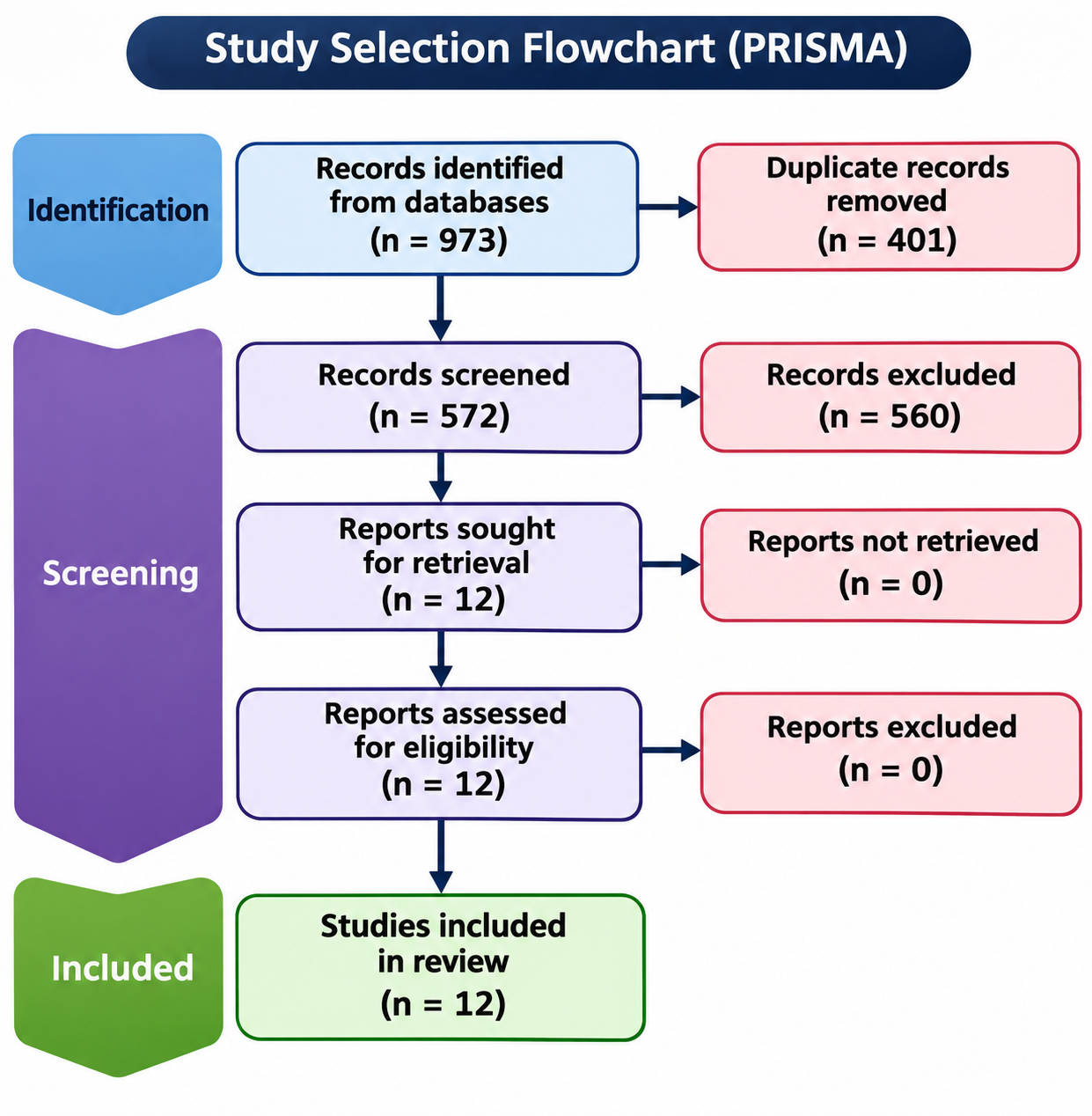
Figure 1. PRISMA 2020 flow diagram of study selection.
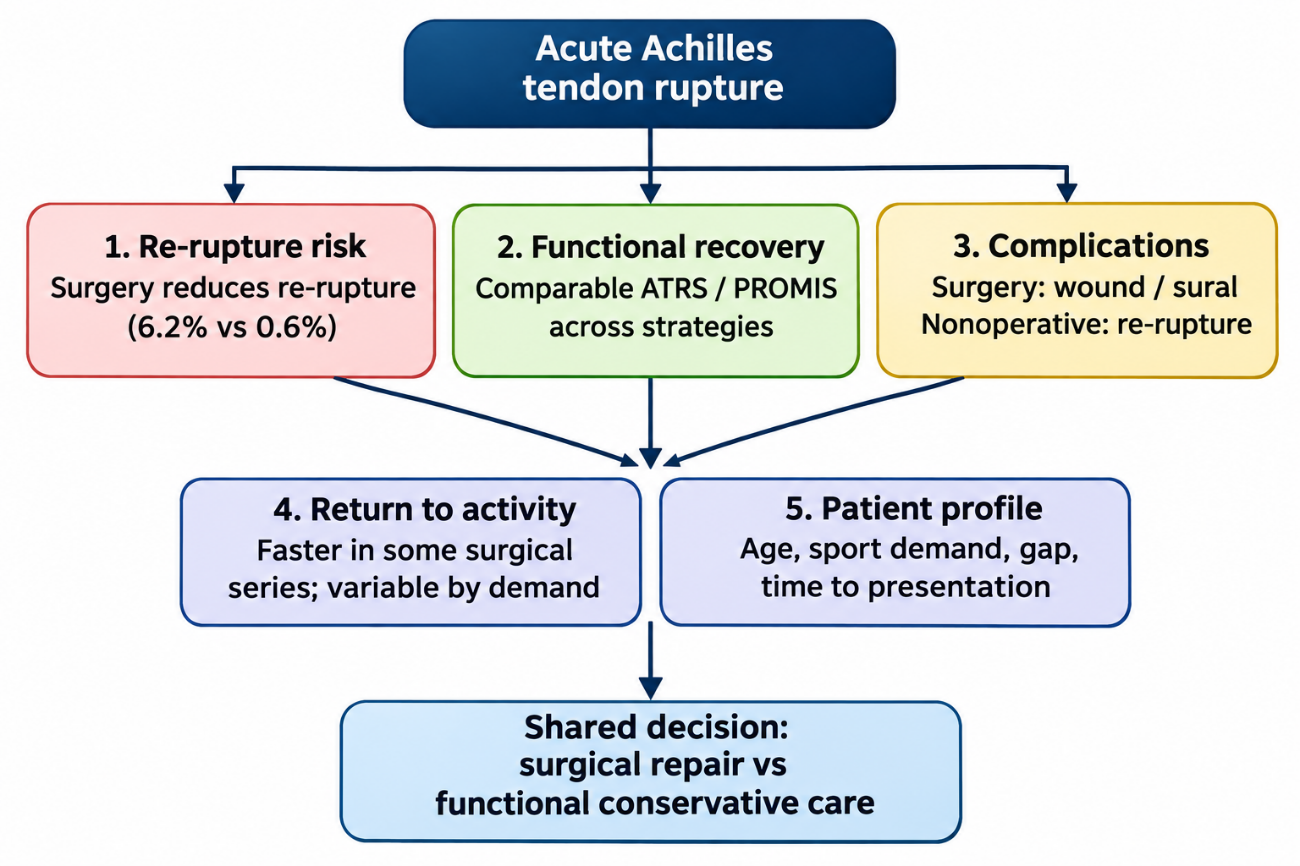
Figure 2. Conceptual framework for the treatment decision in acute Achilles tendon rupture.
DISCUSSION
The objective of this review was to establish whether surgical repair reduces re-rupture and improves function relative to functional conservative treatment, and the evidence answers the two parts of that question separately. Re-rupture is consistently lower after surgery, with rates of 0.6% to 3% against 9.5% to 13% in the conservative arms that did not use early functional rehabilitation, but the randomized trials that applied functional aftercare to both groups found no difference in function and a substantially narrower re-rupture gap. The principal finding is therefore that surgery buys a lower re-rupture risk without a measurable gain in function, and it pays for that reduction with wound and nerve complications. Expressed in the terms a clinician needs at the bedside, the functional aftercare protocols reduced the surgical re-rupture advantage to a difference of just over five percentage points in the largest trial, which means that roughly one re-rupture is prevented for every eighteen or so patients operated on, a modest yield against the complication excess that the same trial documented.(17) The two halves of the PICO question therefore receive different answers, and treating the question as if it had a single answer is the main error that the decision framework is designed to prevent.
This conclusion agrees with the direction of the older literature while qualifying its magnitude. The landmark meta-analysis by Ochen and colleagues found a lower re-rupture rate after operative treatment and comparable functional scores, but the advantage was driven largely by trials that immobilized conservative patients in casts rather than treating them functionally.(14) More recent syntheses restricted to early functional rehabilitation reach the same endpoint, reporting no meaningful difference in function and a residual re-rupture advantage for surgery that fragility analysis shows can be overturned by very few events.(20-22,26) The discrepancy with reviews that still favor surgery is explained by the conservative comparator: studies using immobilization inflate the conservative re-rupture rate, whereas functional protocols close most of the gap, as the rehabilitation cohorts from Scandinavia also suggest.(15,16,19) A network meta-analysis of the randomized evidence reached the same reading, finding that the benefit attributed to surgery depends on which comparator sits in the conservative arm.(28) The included randomized trials reproduce exactly this contrast, since the Norwegian and Copenhagen trials, which used functional conservative care, reported re-rupture gaps far narrower than the immobilized cohorts reported in the Pakistani and Indian series.(8,17,38,39)
The complication profile provides the strongest argument for individualization rather than a default operation. Registry and database comparisons show that operative treatment adds complications within the first month and higher early cost that dissipates by five years, and the wound and sural nerve problems reported across the included series are absent from functional conservative care.(13,40,41) The conservative arm carries its own risks, however, principally re-rupture and the venous thromboembolism associated with lower-leg immobilization, so the trade-off is between different adverse events rather than between risk and safety.(7,42) Return to sport, the outcome most valued by active patients, is incomplete in both strategies and appears to depend more on the quality of rehabilitation than on the initial treatment decision, which further weakens the case for a routine operation.(27) The plausible mechanism behind the functional convergence is that tendon elongation and muscle atrophy develop in both arms and drive the residual strength deficit, while the surgical advantage operates only on the rare event of re-rupture, an explanation consistent with the imaging cohorts that documented elongation in operated and conservatively managed tendons alike.(9,10,25)
The findings also explain the observed drift in practice across health systems. Scandinavian registers show a sustained decline in the proportion of patients managed surgically over two decades, whereas United States administrative data show surgical rates that barely changed, a divergence that mirrors the difference between a system that adopted functional nonoperative protocols early and one in which surgical repair remained the default.(1,13) For podiatric practice, which sees the injury at first presentation and supervises much of the subsequent rehabilitation, the practical consequence is that the initial consultation should frame the decision around the patient's risk tolerance rather than around a presumed superiority of repair, and the podiatrist is well placed to deliver the functional bracing and loading schedule that the evidence shows to be the operative part of either pathway.(15,19) That division of labor, with the decision individualized and the rehabilitation standardized, is the clearest practical translation of the framework into daily care. It also means that the podiatrist need not choose between being an advocate for surgery or for conservative care, but can instead present both arms honestly with their respective risks, which is exactly what the component structure of this review is intended to make possible.
The synthesis has concrete limits that temper its conclusions. The evidence base is dominated by small comparative cohorts at serious risk of bias, and only four randomized trials could be included, two of them small and two large; the non-randomized studies assign treatment by preference, which confounds age, activity demand and rupture characteristics.(34) Paywalled full texts forced abstract-based extraction for several studies, and the two open-access landmark reports could not be downloaded by automated tools, so some outcome details rest on structured abstracts. The search was restricted to English and to four databases, and grey literature and trial registries were not screened beyond the registration cited in one report. The heterogeneity of conservative protocols, from cast immobilization to immediate weight bearing, prevented a meta-analysis, and the functional outcome instruments differed across studies. The surgical arm was itself heterogeneous, spanning open, minimally invasive and percutaneous techniques whose complication profiles are not identical, and the review treated them as a single category because too few studies separated them. Each of these limits can be overcome: future reviews should pool individual participant data, stratify by the conservative protocol actually delivered and by the surgical technique, and retrieve full texts through institutional access before concluding that the residual re-rupture difference is real.
The review also has strengths that deserve mention. It restricts the comparison to the modern era, in which functional rehabilitation is standard, it includes a large propensity-matched registry alongside the randomized trials, and it reports the searches verbatim so that the synthesis can be reproduced and updated.( 29) The evidence was extracted from primary studies rather than from previous reviews, and each estimate was traced to its source, which limits the risk of propagating pooled figures whose provenance is no longer clear. The decision framework is deliberately modest: rather than recommending one strategy, it maps each component of the trade-off to the evidence that supports it, which is the appropriate response to a question whose answer depends on patient preference.
For clinical practice, the framework supports a shared decision. Surgery remains reasonable for the young high-demand athlete and for ruptures with a large gap or delayed presentation, where apposition and tendon length matter, whereas functional conservative treatment is a defensible default for the typical recreational patient who accepts a slightly higher re-rupture risk to avoid wound and nerve complications.(8,13,17) When surgery is chosen, the technique is not neutral: minimally invasive repair carried the highest nerve injury rate in the Norwegian trial, so the choice of approach should be weighed alongside the decision to operate at all.(17) The economic evidence points in the same direction, since operative care costs more early without a lasting functional or reoperation advantage.(12) Research should now measure long-term tendon elongation and muscle performance in both strategies, because morphology and high-impact function appear to diverge even when patient-reported scores converge.(9,25) Trials should also standardize return-to-sport reporting, since that outcome remains the least documented of the framework and the one most likely to sway active patients. Until such data exist, the clinician can rely on the two components that are well supported, the re-rupture and function estimates from the large randomized trials, and treat the rest of the framework as context for a conversation rather than as measured fact.( 8,17)
CONCLUSIONS
Surgical repair of acute Achilles tendon rupture reduces the risk of re-rupture relative to conservative treatment, with rates from 0.6% to 3% against up to 13% in studies that immobilized the conservative arm, but the randomized trials that applied early functional rehabilitation to both groups found no difference in function and a substantially narrower re-rupture gap.
Functional recovery, measured with the Achilles tendon Total Rupture Score and PROMIS instruments, is comparable between strategies, whereas surgery adds wound, sural nerve and early complication risk. The decision should therefore be individualized within the proposed framework rather than governed by a universal preference for surgery.
References
- 1 Svedman S, Marcano A, Ackermann PW, Felländer-Tsai L, Berg HE. Acute Achilles tendon ruptures between 2002–2021: sustained increased incidence, surgical decline and prolonged delay to surgery—a nationwide study of 53 688 ruptures in Sweden. BMJ Open Sport Exerc Med. 2024;10(3):e001960. doi: 10.1136/bmjsem-2024-001960
- 2 Lemme NJ, Li NY, DeFroda SF, Kleiner J, Owens BD. Epidemiology of Achilles Tendon Ruptures in the United States: Athletic and Nonathletic Injuries From 2012 to 2016. Orthopaedic Journal of Sports Medicine. 2018;6(11):2325967118808238. doi: 10.1177/2325967118808238
- 3 Park HG, Youn D, Baik JM, Hwang JH. Epidemiology of Achilles Tendon Rupture in South Korea: Claims Data of the National Health Insurance Service from 2009 to 2017. Clin Orthop Surg. 2021;13(4):539. doi: 10.4055/cios20255
- 4 Longo UG, Salvatore G, Risi Ambrogioni L, Cella E, Candela V, Carnevale A, et al. Epidemiology of Achilles tendon surgery in Italy: a nationwide registry study, from 2001 through 2015. BMC Musculoskelet Disord. 2020;21(1):687. doi: 10.1186/s12891-020-03688-2
- 5 Yamaguchi S, Kimura S, Akagi R, Yoshimura K, Kawasaki Y, Shiko Y, et al. Increase in Achilles Tendon Rupture Surgery in Japan: Results From a Nationwide Health Care Database. Orthopaedic Journal of Sports Medicine. 2021;9(10):23259671211034128. doi: 10.1177/23259671211034128
- 6 Burke OC, Milano ME, Onor GI, Hetznecker L, Megafu M, Justice WL, et al. Epidemiology of Achilles tendon ruptures in the United States: 2019 to 2024. The Physician and Sportsmedicine. 2026:1-8. doi: 10.1080/00913847.2026.2710601
- 7 Maempel JF, White TO, Mackenzie SP, McCann C, Clement ND. The epidemiology of Achilles tendon re‐rupture and associated risk factors: male gender, younger age and traditional immobilising rehabilitation are risk factors. Knee surg sports traumatol arthrosc. 2022;30(7):2457-2469. doi: 10.1007/s00167-021-06824-0
- 8 Toft M, Hansen MS, Vestergaard JD, Jenlar J, Pramming AK, Møller S, et al. Randomised three-armed trial investigation of the Copenhagen Achilles tendon Rupture Treatment Algorithm (CARTA) for individualised treatment of acute Achilles tendon rupture. Br J Sports Med. 2026;60(12):848-855. doi: 10.1136/bjsports-2025-110210
- 9 Zhu S, Garofalo J, Abuhantash M, McRae S, MacDonald P, Longstaffe R, et al. Functional Performance and Tendon Morphology After Operative or Nonoperative Treatment of Achilles Tendon Ruptures. Int J Sports Phys Ther. 2024;19(6):670-680. doi: 10.26603/001c.117549
- 10 Kosiol J, Keiler A, Loizides A, Gruber H, Henninger B, Bölderl A, et al. Operative versus conservative treatment of acute Achilles tendon ruptures: preliminary results of clinical outcome, kinematic MRI and contrast-enhanced ultrasound. Arch Orthop Trauma Surg. 2022;143(5):2455-2465. doi: 10.1007/s00402-022-04457-7
- 11 Braccagni M, Grange S, Arcade A, Klasan A, Boyer B, Farizon F. What Are the Sonographic Outcomes of Acute Achilles Tendon Rupture? Nonoperative Versus Surgical Repair? [Internet]. 2021 [cited 2026 Oct 28]. Available from: https://pubmed.ncbi.nlm.nih.gov/34647315/
- 12 Westin O, Svensson M, Nilsson Helander K, Samuelsson K, Grävare Silbernagel K, Olsson N, et al. Cost-effectiveness analysis of surgical versus non-surgical management of acute Achilles tendon ruptures. Knee Surg Sports Traumatol Arthrosc. 2018;26(10):3074-3082. doi: 10.1007/s00167-018-4953-z
- 13 Crook BS, Varshneya K, Meyer LE, Anastasio A, Cullen MM, Lau BC. Operative Versus Nonoperative Treatment of Acute Achilles Tendon Rupture: A Propensity Score–Matched Analysis of a Large National Dataset. Orthopaedic Journal of Sports Medicine. 2023;11(2):23259671231152904. doi: 10.1177/23259671231152904
- 14 Ochen Y, Beks RB, van Heijl M, Hietbrink F, Leenen LPH, van der Velde D, et al. Operative treatment versus nonoperative treatment of Achilles tendon ruptures: systematic review and meta-analysis. BMJ. 2019;364:k5120. doi: 10.1136/bmj.k5120
- 15 Dai W, Leng X, Wang J, Hu X, Ao Y. Rehabilitation regimen for non-surgical treatment of Achilles tendon rupture: A systematic review and meta-analysis of randomised controlled trials. Journal of Science and Medicine in Sport. 2021;24(6):536-543. doi: 10.1016/j.jsams.2020.12.005
- 16 Kastoft R, Bencke J, Speedtsberg MB, Penny JØ, Barfod K. Early weight-bearing in nonoperative treatment of acute Achilles tendon rupture did not influence mid-term outcome: a blinded, randomised controlled trial. Knee Surg Sports Traumatol Arthrosc. 2019;27(9):2781-2788. doi: 10.1007/s00167-018-5058-4
- 17 Myhrvold SB, Brouwer EF, Andresen TKM, Rydevik K, Amundsen M, Grün W, et al. Nonoperative or Surgical Treatment of Acute Achilles’ Tendon Rupture. N Engl J Med. 2022;386(15):1409-1420. doi: 10.1056/nejmoa2108447
- 18 H DC, L DP, G DP. Acute Achilles tendon ruptures: Surgical versus non-surgical treatment using early functional rehabilitation: A randomized controlled study. Int J Orthop Sci. 2021;7(4):643-646. doi: 10.22271/ortho.2021.v7.i4i.2946
- 19 Massen FK, Shoap S, Vosseller JT, Fan W, Usseglio J, Boecker W, et al. Rehabilitation following operative treatment of acute Achilles tendon ruptures: a systematic review and meta-analysis. EFORT Open Reviews. 2022;7(10):680-691. doi: 10.1530/eor-22-0072
- 20 She G, Teng Q, Li J, Zheng X, Chen L, Hou H. Comparing Surgical and Conservative Treatment on Achilles Tendon Rupture: A Comprehensive Meta-Analysis of RCTs. Front Surg. 2021;8:607743. doi: 10.3389/fsurg.2021.607743
- 21 Seow D, Islam W, Randall GW, Azam MT, Duenes ML, Hui J, et al. Lower re‐rupture rates but higher complication rates following surgical versus conservative treatment of acute achilles tendon ruptures: a systematic review of overlapping meta‐analyses. Knee surg sports traumatol arthrosc. 2023;31(8):3528-3540. doi: 10.1007/s00167-023-07411-1
- 22 Yang Z, Ge Z, Zheng J, Zhang L, Yang Z. Surgical treatment versus conservative management for acute Achilles tendon rupture: a systematic review and meta-analysis. J Orthop Surg Res. 2025;20(1):626. doi: 10.1186/s13018-025-05990-y
- 23 Xu S, Xiao J, Li Y, Liu E, Qin Y, Shen X. Operative versus nonoperative management of acute Achilles tendon rupture: a systematic review and meta-analysis of clinical outcomes from randomized controlled trials. Annals of Medicine. 2025;57(1):2537349. doi: 10.1080/07853890.2025.2537349
- 24 Moraes de Oliveira G, Neves Ferreira JS, De César Netto C, Loiola Magalhães Alves M, Medina G, Barbachan Mansur NS. Operative versus nonoperative treatment for acute Achilles tendon rupture: a meta-analysis of randomized controlled trials. J Foot Ankle. 2026;20(Suppl 1). doi: 10.30795/jfootankle.2026.v20.2033
- 25 Moss K, Moulson A, Cairns M, Stevens L. Long-term muscular performance and functional outcomes following Achilles tendon rupture: A systematic review of surgical vs non-surgical management. Physiotherapy. 2024;123:e4-e5. doi: 10.1016/j.physio.2024.04.006
- 26 Bragg JT, Ruelos VCB, McIntyre JA, Puzzitiello RN, Pagani NR, Menendez ME, et al. Reverse Fragility Index Comparing Rates of Rerupture After Open Achilles Tendon Repair Versus Early Functional Rehabilitation: A Systematic Review of Randomized Controlled Trials. Am J Sports Med. 2024;52(4):1116-1121. doi: 10.1177/03635465231178831
- 27 Fada L, Mazzorana A, Grand ZA, Jacobs G. Return to Play After Achilles Tendon Rupture: Comparing Operative and Nonoperative Approaches in Athletes. Cureus. 2025;17(11):e96783-e96783. doi: 10.7759/cureus.96783
- 28 Meulenkamp B, Woolnough T, Cheng W, Shorr R, Stacey D, Richards M, et al. What Is the Best Evidence to Guide Management of Acute Achilles Tendon Ruptures? A Systematic Review and Network Meta-Analysis of Randomized Controlled Trials. Clin Orthop Relat Res. 2021;479(10):2119-2131. doi: 10.1097/corr.0000000000001861
- 29 Page MJ, McKenzie JE, Bossuyt PM, Boutron I, Hoffmann TC, Mulrow CD, et al. The PRISMA 2020 statement: an updated guideline for reporting systematic reviews. BMJ. 2021:n71. doi: 10.1136/bmj.n71
- 30 Nilsson-Helander K, Thomeé R, Grävare-Silbernagel K, Thomeé P, Faxén E, Eriksson BI, et al. The Achilles Tendon Total Rupture Score (ATRS). Am J Sports Med. 2007;35(3):421-426. doi: 10.1177/0363546506294856
- 31 Dams OC, Reininga IHF, Zwerver J, Diercks RL, van den Akker-Scheek I. The Achilles tendon Total Rupture Score is a responsive primary outcome measure: an evaluation of the Dutch version including minimally important change. Knee Surg Sports Traumatol Arthrosc. 2020;28(10):3330-3338. doi: 10.1007/s00167-020-05924-7
- 32 Calleja-Rodríguez A, Ruiz-Ruiz B, González-de-la-Flor Á, García Arrabé M. Translation, cultural adaptation and validation of the Achilles Tendon Total Rupture Score (ATRS) into Spanish: a study protocol. BMJ Open Sport Exerc Med. 2025;11(1):e002423. doi: 10.1136/bmjsem-2024-002423
- 33 Sterne JAC, Savović J, Page MJ, Elbers RG, Blencowe NS, Boutron I, et al. RoB 2: a revised tool for assessing risk of bias in randomised trials. BMJ. 2019:l4898. doi: 10.1136/bmj.l4898
- 34 Sterne JA, Hernán MA, Reeves BC, Savović J, Berkman ND, Viswanathan M, et al. ROBINS-I: a tool for assessing risk of bias in non-randomised studies of interventions. BMJ. 2016:i4919. doi: 10.1136/bmj.i4919
- 35 Fischer S, Colcuc C, Gramlich Y, Stein T, Abdulazim A, von Welck S, et al. Prospective randomized clinical trial of open operative, minimally invasive and conservative treatments of acute Achilles tendon tear. Arch Orthop Trauma Surg. 2021;141(5):751-760. doi: 10.1007/s00402-020-03461-z
- 36 Burger P, Botros M, El-Zein Z, Holleran A, Ketz J, Flemister AS, et al. PROMIS Outcomes After Operative vs Nonoperative Treatment of Achilles Rupture. Foot Ankle Int. 2025;46(7):715-722. doi: 10.1177/10711007251336756
- 37 Ge L, Saunders N, Betts D, Holmes JR, Walton DM, Talusan PG. Midterm Outcomes of Operatively and Nonoperatively Managed Achilles Tendon Ruptures in Young Adults. Foot & Ankle Orthopaedics. 2023;8(3):24730114231198849. doi: 10.1177/24730114231198849
- 38 Ilyas MS, Khalid Z, Rashid U, Irfan A, Abubakar M, Nazir F. Comparative Effectiveness of Surgical Vs. Conservative Treatment in Managing Acute Achilles Tendon Ruptures. Pak J Med Health Sci. 2023;17(10):211-213. doi: 10.53350/pjmhs20231710211
- 39 Agrawal P. To compare the functional outcome of role of conservative versus operative management in acute tendoachilles tendonrupture. Int J Orthop Sci. 2024;10(3):277-283. doi: 10.22271/ortho.2024.v10.i3d.3610
- 40 Hendriks JRH, Sharma S, Peiffer M, de Groot TM, Waryasz G, Kerkhoffs GMMJ, et al. Postoperative Complications After Acute Achilles Tendon Rupture Repair: A Survival Analysis of Minimally Invasive vs Open Techniques. Foot Ankle Int. 2025;46(7):707-714. doi: 10.1177/10711007251333777
- 41 Zhou Y, Zhong M, Long J, Zhou G, Luo X, Zhang Q. Risk Factors for Surgical Site Infections Following Achilles Tendon Rupture Surgery: A Systematic Review and Meta-analysis. Journal of Surgical Research. 2025;315:48-58. doi: 10.1016/j.jss.2025.07.054
- 42 Nemeth B, Cannegieter SC. Venous thrombosis following lower-leg cast immobilization and knee arthroscopy: From a population-based approach to individualized therapy. Thrombosis Research. 2019;174:62-75. doi: 10.1016/j.thromres.2018.11.030
Declarations
Funding
No financing
Conflict of interest
None
Authorship contributions
Drafting – original draft: Leodanis Hernández Cabrera, Eirina Pernas Cano, Gabriela González Pernas, Mariam Alejandra González González.
Writing–review and editing: Leodanis Hernández Cabrera, Eirina Pernas Cano, Gabriela González Pernas, Mariam Alejandra González González.