

Abstract
Introduction: Plantar heel pain is a common cause of foot disability, and dry needling is increasingly used when first-line conservative care is insufficient. The comparative effectiveness of dry needling against sham needling or other conservative treatments remains unclear. Methods: This systematic review followed PRISMA 2020. Results: Of 242 records identified and 127 screened, 12 randomized trials with 680 participants were included. Dry needling added to conventional care produced greater reductions in pain and greater functional gains than conventional care alone in most trials, and dry needling reached outcomes comparable to those of corticosteroid injection, extracorporeal shock wave therapy and percutaneous needle electrolysis. Risk of bias was high in eight trials and of some concern in four. Conclusions: Dry needling reduces pain and improves foot function in plantar heel pain, principally as an adjunct to conventional treatment, but the certainty of the evidence is low and the clinical advantage over other active comparators is small and inconsistent.
Keywords
dry needling, plantar fasciitis, heel pain, trigger points, pain management
INTRODUCTION
Plantar heel pain, most commonly labelled plantar fasciitis, is the leading cause of inferior heel pain in adults and accounts for a substantial share of foot-related consultations in primary care and musculoskeletal practice.(1,2) The condition affects roughly one in ten people across the lifespan, produces pain that is typically worst with the first steps in the morning, and reduces health-related quality of life below that of the general population.(3,4) The clinical label is itself imprecise, because the plantar fascia shows degenerative rather than inflammatory changes on histology, yet the term plantar fasciitis remains entrenched in both the clinical and the research literature.(1,5) Obesity, prolonged standing, limited ankle dorsiflexion, high training loads and a tight gastrocnemius-soleus complex are the risk factors most consistently associated with the disorder, which explains its concentration in workers who stand for long periods and in runners.(3,6) The diagnosis is clinical and rests on the history of pain with the first steps after rest, on tenderness at the medial calcaneal tubercle and on the exclusion of competing causes of heel pain, so imaging is reserved for atypical or refractory presentations.(1,2) Although the natural course is favourable in many patients, a meaningful proportion develop persistent symptoms that interfere with walking, standing and occupational activity, and this chronicity is what drives the search for effective interventions.(4,7)
Conservative treatment is the mainstay, and it spans stretching, orthoses, taping, manual therapy, electrotherapy and injection, with stretching and load modification forming the core of most guideline recommendations.(2,7) The evidence base for these options is uneven: stretching and orthoses are supported by trials of moderate quality, whereas the effect of many electrotherapy modalities is smaller and less certain, which leaves room for disagreement about the best sequence of care.(7,8) Systematic reviews have repeatedly concluded that no single conservative intervention is clearly superior, and that most comparisons rest on small trials with short follow-up, which is precisely the gap that the present review addresses for dry needling.(7-9) Corticosteroid injection produces rapid but frequently short-lived relief, whereas other options such as extracorporeal shock wave therapy, platelet-rich plasma and autologous blood injection are reserved for symptoms that do not respond to first-line care.(10,11) The choice among second-line treatments therefore depends as much on availability, cost and patient preference as on demonstrated superiority, because direct comparisons have rarely shown one option to be clearly better than the alternatives.(8) Within this range of available treatments, dry needling has grown rapidly in physiotherapy practice because it is inexpensive, requires minimal equipment and targets the myofascial trigger points in the calf and intrinsic foot muscles that are thought to maintain heel pain.(12) The procedure inserts a fine filament needle into a trigger point without injecting any substance, with the aim of mechanically disrupting the taut band and producing a local twitch response, and the same needle can be used with electrical stimulation to prolong the stimulus.(9,13)
The rationale for dry needling is attractive in a condition in which the fascia itself is degenerative and in which adjacent muscles such as the gastrocnemius, soleus, quadratus plantae and abductor hallucis frequently harbour trigger points whose referral pattern reproduces the heel complaint.(14) The proposed mechanisms include mechanical disruption of the taut band, a local twitch response that normalizes muscle activity, and segmental and descending modulation of pain processing, effects that are plausible but that have been demonstrated more convincingly in the laboratory than in the clinic.(9,12) Because the needle also produces a strong sensory stimulus, the distinction between specific trigger point effects and nonspecific needle effects remains a central problem in the field, and it is exactly this distinction that sham-controlled and head-to-head trials are designed to address.(13) Previous syntheses have examined dry needling for plantar heel pain, yet they relied on searches that closed several years ago, mixed needle-based techniques such as acupuncture and percutaneous electrolysis with dry needling, and predated a wave of randomized trials published between 2023 and 2026.(15-17) The comparative question that matters to clinicians, whether dry needling is better than sham needling or than another conservative treatment, has therefore not been answered with the most recent trial evidence. The wave of trials published after 2023 is timely, because it permits the first synthesis in which dry needling is compared against a broad set of conservative and invasive options within a single framework. The objective of this review was to synthesize randomized trials published between 2018 and 2026 that compared dry needling with sham needling, placebo or another conservative treatment, and to estimate its effects on pain and foot function in adults with plantar heel pain.
METHODS
This review was reported in accordance with the PRISMA 2020 statement.( 18)
Eligible studies were randomized controlled trials that enrolled adults with a clinical diagnosis of plantar heel pain, plantar fasciitis or plantar fasciopathy and that allocated at least one group to trigger point dry needling, with or without electrical stimulation. Comparators were sham needling, placebo, no dry needling or another conservative treatment such as stretching, exercise, taping, ultrasound, extracorporeal shock wave therapy, injection therapy, cupping or percutaneous needle electrolysis. Outcomes of interest were pain intensity, foot-related function or disability, quality of life and plantar fascia thickness measured by ultrasonography. Sham needling was defined as any procedure intended to mimic the needle stimulus without penetrating a trigger point, and sham-controlled trials were sought explicitly because they are the design best able to isolate the specific effect of the intervention. Studies were restricted to the publication window from 2018 to 2026, in line with the bibliographic scope of the review, and to English-language reports. Conference abstracts, case reports, protocols, secondary or economic analyses and non-randomized designs were excluded.
Information sources and search
Scopus, PubMed, OpenAlex and Crossref were searched. The Scopus strategy combined title, abstract and keyword terms for dry needling and for plantar heel pain within the publication window, as follows: TITLE-ABS-KEY("dry needling" AND ("plantar heel pain" OR "plantar fasciitis" OR "plantar fasciopathy" OR "heel pain")) AND PUBYEAR > 2017 AND PUBYEAR < 2027. In PubMed the equivalent query was (dry needling) AND (plantar fasciitis OR plantar fasciopathy OR plantar heel pain OR heel pain). The records retrieved from the four sources were merged and deduplicated into a single screening set, and the counts for each source were recorded in the PRISMA flow. Each query string, the date on which it was run and the number of records it returned were stored in the search log, in line with the PRISMA-S extension for search reporting, so that the strategy can be reproduced.
Because the included trials used heterogeneous comparators, dosing protocols, outcome instruments and follow-up points, results were synthesized narratively and grouped into thematic axes rather than pooled quantitatively. Pain was reported on a visual analogue scale or a numeric pain rating scale from 0 to 10, and function on instruments such as the Foot Function Index, the Foot and Ankle Outcome Score and the Lower Extremity Functional Scale, which prevented a single pooled estimate.
RESULTS
Selection of studies
The searches identified 242 records, of which 115 were duplicates and 127 were screened by title and abstract (Figure 1). After 104 records were excluded, 23 reports were sought for retrieval; 10 could not be retrieved from open access, and 13 were assessed in full text. One report was excluded at full text because the allocation method was not randomized, leaving 12 randomized trials with 680 participants in the synthesis (Table 1). The direction and magnitude of the effects within each thematic axis are summarized in (Table 2).
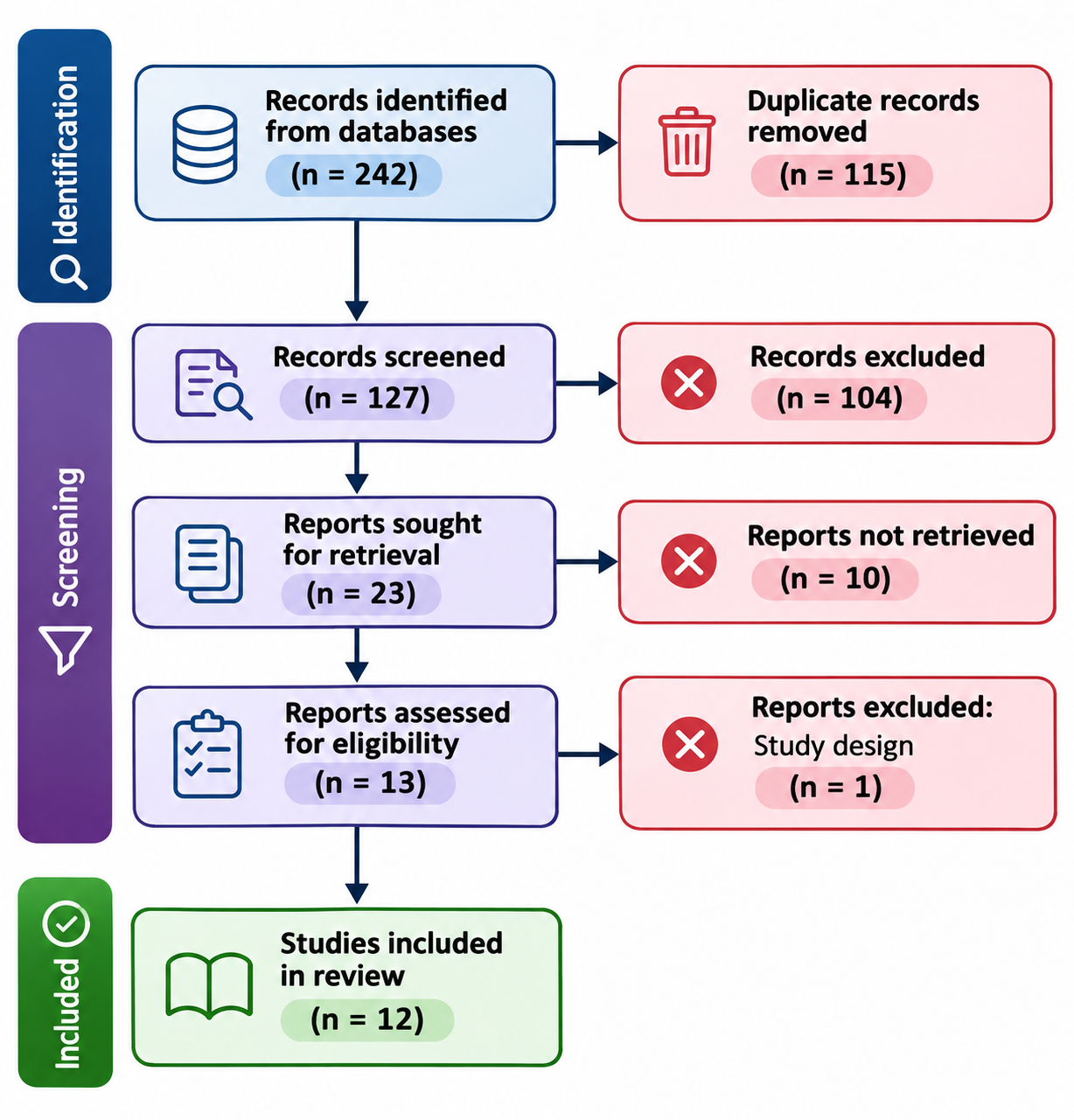
Figure 1. PRISMA 2020 flow diagram of study selection.
Study (year) | Country | n | Dry needling arm | Comparator | Main finding |
|---|---|---|---|---|---|
Dunning 2018 | United States | 111 | Electrical DN plus manual therapy, exercise and ultrasound | Manual therapy, exercise and ultrasound | Greater first-step pain and function at 3 months |
Al-Boloushi 2020 | Kuwait | 102 | DN plus stretching, four sessions | PNE plus stretching | Equivalent foot pain; DN better for pain at 4 weeks |
Singh 2023 | India | 50 | DN of gastrocnemius and soleus plus conventional care | Conventional care | Greater pain and function gains at 4 weeks |
Jain 2024 | India | 50 | DN plus ankle exercises | Ultrasound plus ankle exercises | Greater pain and range of motion |
Mahakul 2024 | India | 30 | DN plus ultrasound and stretching | Ultrasound and stretching | Better pain and disability |
Karabulut 2025 | Turkey | 75 | DN | Corticosteroid or PRP injection | Comparable to corticosteroid at 6 months |
Mahmoodi 2025 | Iran | 40 | DN of quadratus plantae plus massage and stretching | Massage and stretching | Similar pain; greater thickness reduction |
Ashraf 2025 | Pakistan | 60 | DN plus conventional physiotherapy | Kinesiology taping plus conventional physiotherapy | Lower VAS and higher FAOS at 6 weeks |
Basu 2025 | India | 30 | DN of calf muscles plus conventional therapy | Dry cupping plus conventional therapy | Greater pain relief and function |
Rahim 2026 | Pakistan | 46 | DN plus conventional treatment | Conventional treatment | Greater pain and function at 4 weeks |
Sumanth 2026 | India | 20 | Electrical DN | DN plus laser acupuncture | Equivalent pain and function |
Iqbal 2026 | India | 66 | DN three times weekly | Dynamic cupping plus IASTM | Cupping superior on VAS and FFI |
Note: DN = dry needling; PNE = percutaneous needle electrolysis; PRP = platelet-rich plasma; VAS = visual analogue scale; FFI = Foot Function Index; FAOS = Foot and Ankle Outcome Score; IASTM = instrument-assisted soft tissue mobilisation.
Axis | Studies | Comparators | Direction of effect | Representative estimate |
|---|---|---|---|---|
Dry needling as an adjunct to conventional care | 6 | Conventional care alone | Pain and function favour dry needling | First-step pain F = 22.021, P < 0.001; between-group pain difference 2.4 points at 4 weeks |
Dry needling versus needle-based or injectable interventions | 3 | PNE, corticosteroid, PRP, laser | Equivalent to superior | Foot pain change 29.7 points; comparable to corticosteroid at 6 months |
Dry needling versus taping and soft-tissue comparators | 3 | Kinesiology taping, cupping | Mixed; cupping superior in one trial | VAS 1.83 versus 1.97 at 6 weeks; cupping VAS 3.26 versus 4.82 |
Note: Direction reflects the dry needling arm relative to the comparator arm.
Characteristics of the included studies
The 12 included trials were published between 2018 and 2026 and were conducted in Kuwait, Turkey, Iran, Pakistan, India and the United States. Sample sizes ranged from 20 to 111 participants, and the pooled enrolment was 680 participants, with a predominance of women in the trials that reported sex and mean ages clustered in the fifth decade of life. The population was heterogeneous: most trials recruited adults with a clinical diagnosis of plantar fasciitis, one trial restricted enrolment to plantar heel pain provoked by myofascial trigger points, one enrolled athletes with runner's heel pain, and one required symptoms unresponsive to three months of conservative care. The gastrocnemius and soleus were the predominant needling targets across trials, followed by the intrinsic foot muscles, the quadratus plantae and the abductor hallucis, and two trials applied electrical stimulation through the needle. The number of sessions ranged from three to ten over two to six weeks, and the session frequency varied from once weekly to three times weekly. Six trials evaluated dry needling added to conventional care against conventional care alone, three compared dry needling with another needle-based or injectable intervention, and three compared dry needling with a physical modality such as taping or cupping. Follow-up ranged from two weeks to twelve months, although most trials reported outcomes within the first three months, and the longest trial assessed participants at four, eight, twelve, twenty-six and fifty-two weeks.
The trials measured pain on the visual analogue scale or the numeric pain rating scale and function on the Foot Function Index, the Foot and Ankle Outcome Score or the Lower Extremity Functional Scale, which limits direct comparison between instruments. Four trials added an imaging outcome by measuring plantar fascia thickness with ultrasonography, and one trial recorded the American Orthopaedic Foot and Ankle Society hindfoot score as a clinician-reported measure of function. Quality of life was assessed in two trials, with the EuroQol instrument in one and the SF-12 in the other, and neither was powered to detect between-group differences in that domain.
Risk of bias
Risk of bias was of some concern in four trials and high in eight, and no trial was judged to be at low risk overall (Table 3). The principal limitations were absent or unreported allocation concealment, the impossibility of blinding the therapist and, in most trials, the participants in a needling intervention, and incomplete reporting of outcome data. The largest and longest trial, which blinded the outcome assessor, was nevertheless at some concern because participants and the therapist were not blinded and attrition reached one third at twelve months.( 20) The three-arm trial that compared dry needling with two injections was also at some concern because blinding was not described, whereas the remaining trials were at high risk because they reported neither allocation concealment nor blinding in sufficient detail. The two trials that used a computer-generated sequence were nevertheless limited by the absence of blinding, which illustrates that adequate randomization alone does not protect a trial from performance and detection bias in this context.
Study (year) | Randomisation process | Blinding | Overall risk |
|---|---|---|---|
Dunning 2018 | Some concerns | Some concerns | Some concerns |
Al-Boloushi 2020 | Low | Some concerns | Some concerns |
Singh 2023 | Some concerns | High | High |
Jain 2024 | Low | High | High |
Mahakul 2024 | Some concerns | High | High |
Karabulut 2025 | Some concerns | Some concerns | Some concerns |
Mahmoodi 2025 | Some concerns | Some concerns | Some concerns |
Ashraf 2025 | Some concerns | High | High |
Basu 2025 | Some concerns | High | High |
Rahim 2026 | Some concerns | High | High |
Sumanth 2026 | Some concerns | High | High |
Iqbal 2026 | Some concerns | High | High |
Note: Judgements reflect the information reported in each publication. No trial was judged at low overall risk of bias.
Dry needling as an adjunct to conventional care
Six trials tested whether adding dry needling to stretching, exercise, manual therapy, ultrasound or a combination of these produced greater benefit than the same programme without needling. Across studies, the effect on pain converged on a consistent pattern in which the needling groups reported larger reductions in first-step, resting and activity pain than the control groups.(21-26) The largest of these trials, a multicenter study of 111 participants, found that electrical dry needling added to manual therapy, exercise and ultrasound produced greater improvements in first-step morning pain (F = 22.021; P < 0.001), in resting pain (F = 23.931; P < 0.001), in pain during activity (F = 7.629; P = 0.007), in lower extremity function (F = 13.081; P < 0.001) and in the pain and disability subscales of the Foot Function Index, and a successful outcome in 78 percent of participants against 21 percent in the control group at three months, with effect sizes between 0.53 and 0.85.(21) A larger proportion of participants in the electrical dry needling group also stopped taking analgesic medication for their pain by three months, which adds a functional dimension to the self-reported outcomes.(21) A trial of 46 participants reported a mean between-group difference of 2.4 points on the 0 to 10 pain scale in favour of dry needling at four weeks (95% CI 3.1 to 1.7), a larger difference of 18.4 points in the Foot Function Index, and 78 percent against 39 percent reaching the minimal clinically important difference at three months.(22) In 50 athletes with runner's heel pain, dry needling of the gastrocnemius and soleus produced larger mean reductions in pain (4.24 against 2.84), foot function (40.56 against 28.44) and lower extremity function (24.52 against 19.84) than conventional treatment alone, although range of motion did not differ.(23) Two further trials documented the same direction of effect, with dry needling plus ankle exercises superior to ultrasound plus ankle exercises on pain and range of motion in one, and dry needling combined with ultrasound and stretching better than ultrasound and stretching alone on pain and disability in the other.(24,25) The remaining trial reported that the between-group difference in pain did not reach statistical significance (P = 0.077) despite a greater reduction in plantar fascia thickness in the needling group.(26) The convergence of these estimates across studies that used different needling doses, session counts and comparator programmes indicates that the added effect is not confined to a single protocol, although no trial varied the dose systematically enough to isolate the contribution of each component. This axis is supported by six studies.
Dry needling against other needle-based and injectable interventions
Three trials positioned dry needling against another invasive treatment. In 102 participants with plantar heel pain provoked by trigger points, dry needling and percutaneous needle electrolysis both improved foot pain over twelve months, with a mean change of 29.7 points in the dry needling group and no significant difference between the two techniques, while dry needling was superior for pain at four weeks and electrolysis was superior for quality of life at fifty-two weeks.(20) Mean pain on the visual analogue scale fell in the dry needling group by 2.6 points (95% CI -4.0 to -1.2) at fifty-two weeks, and foot function improved in both groups, with the electrolysis group showing larger gains at eight and fifty-two weeks without a between-group difference.(20) In a three-arm trial of 75 patients with plantar fasciitis unresponsive to conservative care, dry needling, corticosteroid injection and platelet-rich plasma all improved pain, the American Orthopaedic Foot and Ankle Society score and the Roles and Maudsley satisfaction score at six months (P < 0.001), with platelet-rich plasma superior in the long term, corticosteroid providing faster early relief, and dry needling reaching outcomes comparable to those of corticosteroid.(27) A pilot trial of 20 participants found that electrical dry needling and dry needling combined with laser acupuncture both reduced pain and improved the Foot Function Index, without a significant difference between the two arms.(28) Irrespective of the comparator, the estimates agree that dry needling is not inferior to other invasive options, although the trials were too small to establish equivalence. The absence of a sham arm in all three trials means that the equivalence observed could reflect a shared contextual response rather than true non-inferiority, a caveat that applies to the axis as a whole. This axis is supported by three studies.
Dry needling against taping, shockwave and soft-tissue comparators
Three trials compared dry needling with a non-needling physical modality. Against kinesiology taping in 60 participants, dry needling produced lower pain at six weeks (visual analogue scale 1.83 against 1.97; P = 0.004), a higher Foot and Ankle Outcome Score (78.9 against 70.3; P = 0.001) and higher physical and mental component scores on the SF-12, which indicates that the advantage extended beyond pain and foot-specific function to generic health status.(29) Against dry cupping added to conventional therapy in 30 participants, dry needling yielded greater pain relief and larger functional gains over two weeks.(30) The pattern diverges in one direction only: a trial of 66 participants found that dynamic cupping with instrument-assisted soft tissue mobilisation reduced pain (7.35 to 3.26) and the Foot Function Index (73.94 to 43.33) more than dry needling (7.62 to 4.82 and 73.85 to 49.27, respectively; P < 0.001), which places dry needling behind a manual soft-tissue comparator in that single study.(31) Apart from this exception, the evidence documents that dry needling is at least as effective as taping and cupping for short-term relief. The exception in favour of cupping with instrument-assisted mobilisation should be read with caution, because that trial was at high risk of bias and the result was not replicated. This axis is supported by three studies.
Consistency across time points
The time course of the effect was reported inconsistently. Where short-term and medium-term outcomes were both measured, the advantage of dry needling appeared within the first two to four weeks and was maintained at three months in the two trials that extended follow-up to that point.(21,22) The longest trial showed that the within-group improvement in foot pain was sustained to fifty-two weeks in both the dry needling and the electrolysis arms, without a between-group difference, which indicates that the early benefit does not necessarily decay over the first year.(20) Beyond twelve months no trial reported data, so the durability of the effect in the long term remains unknown.
Adverse events
Two of the twelve trials reported adverse events. In the comparison of dry needling with percutaneous needle electrolysis, two small haematomas occurred in the electrolysis group and one in the dry needling group, and no serious adverse events were recorded.(20) In the trial that added dry needling to conventional treatment, transient post-needling soreness was reported in five participants in the dry needling group, and no serious adverse events occurred.(22) The remaining ten trials did not report adverse events in sufficient detail to judge safety, which is itself a limitation of the reporting in this literature.
Plantar fascia thickness
Two trials measured plantar fascia thickness with ultrasound as a structural outcome. Dry needling of the quadratus plantae reduced thickness more than massage and stretching alone (P < 0.001, moderate effect 0.33), and dry needling of the calf muscles reduced thickness more than dry cupping, in parallel with the symptomatic improvements.(26,30) The estimates suggest that the mechanical effect of the needle is accompanied by a measurable change in the tissue, although the clinical relevance of the change in thickness was not established in either study.
DISCUSSION
The main implication of this synthesis is that dry needling is a reasonable adjunct rather than a standalone cure for plantar heel pain, and that its advantage over other active treatments is small and frequently inconsistent. Across the twelve trials the most reproducible finding was the added benefit of needling when it was combined with stretching, exercise or electrotherapy, whereas comparisons against shock wave, injection or electrolysis showed equivalence more often than superiority. The practical reading of this pattern is that clinicians may add dry needling to a structured conservative programme when trigger points are identifiable, but should not expect it to outperform other invasive or physical options on its own.( 20,21,27)
The findings agree with earlier meta-analyses that reported short-term reductions in pain after dry needling for plantar heel pain, and they extend those estimates with trials published after the earlier searches closed.(9,15,17) The most recent of those meta-analyses pooled twelve randomized trials with 781 participants and concluded that dry needling reduced pain relative to several control conditions, a conclusion the present review confirms while noting that its authors also judged the underlying evidence to be limited, which mirrors the risk of bias profile observed here.(17) The landmark trial by Cotchett and colleagues, which lies outside the review window, likewise found that dry needling reduced pain more than sham needling at two weeks, an effect direction consistent with the studies added here.(13) Convergent evidence from trials that compared dry needling with corticosteroid injection is also relevant, because those studies reported that corticosteroid relieved pain faster while dry needling provided comparable or better outcomes in the longer term, a pattern reproduced by the three-arm trial included in this review.(27,32,33) The comparison with extracorporeal shock wave therapy is less settled: two trials published within the window reported that combined shock wave and dry needling was superior to shock wave alone, while later trials found dry needling comparable or superior to shock wave on pain and function, which suggests the two techniques overlap substantially rather than compete.(34-36) In the direct comparison of the two treatments, dry needling produced a significantly greater improvement in activity pain and in the disability subscale of the Foot Function Index than shock wave therapy, with the remaining domains showing no difference, and a further trial that measured balance, proprioception and quality of life found dry needling more effective than shock wave on those outcomes.(35,36) The pattern is therefore one of approximate equivalence on pain with sporadic advantages for dry needling on function, rather than a consistent hierarchy favouring either technique. In parallel, trials that compared dry needling with autologous blood injection, with stretching alone or with cross friction massage reported similar or greater benefit in the needling arms, although the differences were small and inconsistently significant.(37-39) A recent trial that compared dry needling, kinesiology taping and a control group likewise reported that all interventions reduced pain, with a greater improvement in the dry needling group relative to control rather than to taping, which reinforces the view that dry needling adds to, but does not clearly exceed, other active modalities.(40)
Several sources of heterogeneity can explain the inconsistencies between trials. The dry needling protocols differed in the muscles treated, the number and frequency of sessions, and the use of electrical stimulation, and the dose of needling was rarely standardized, a problem documented across the dry needling literature.( 12) The comparator programmes also varied from passive stretching to fully supervised multimodal rehabilitation, which changes the room left for an added effect. Participants ranged from athletes to patients with refractory chronic symptoms, and the outcome instruments mixed the Foot Function Index, the Foot and Ankle Outcome Score and the Lower Extremity Functional Scale, so the estimates are not directly interchangeable. The setting also varied from secondary and tertiary hospitals in Kuwait and Turkey to private physiotherapy clinics and university departments in South Asia, and the baseline severity, symptom duration and access to alternative treatments differed accordingly, which limits the transportability of any single estimate. Irrespective of these differences, the direction of effect was consistent for pain, which argues that the signal is real even if its magnitude is imprecise.
The plausibility of the mechanism also deserves attention when interpreting the estimates. Dry needling is proposed to act through mechanical disruption of the trigger point, a local twitch response, and segmental and descending modulation of pain, yet these mechanisms do not depend on the condition being fasciitis rather than fasciopathy, and they overlap with the effects attributed to acupuncture and to other needle-based techniques.(9,12) This mechanistic overlap helps to explain why dry needling, percutaneous electrolysis and sham needling produce similar symptomatic trajectories in several trials, and why the specific effect of the needle beyond its nonspecific sensory stimulus is difficult to isolate.(13,20) The structural change in plantar fascia thickness observed in two included trials is consistent with a local mechanical action, and an earlier trial that measured the same outcome likewise reported that dry needling reduced pain and plantar fascia thickness without changing ankle range of motion, which suggests the effect is tissue-specific rather than a general improvement in mobility.(14,26,41) The correlation between thickness and symptoms was not established, so the imaging finding should be interpreted as a marker of tissue response rather than as proof of a causal pathway.
For clinical decision-making, the practical questions are when to needle, which muscles to target and how many sessions to provide, and the included trials offer only partial answers. The most consistent protocols needled the gastrocnemius and soleus together with the intrinsic foot muscles, delivered three to six sessions over two to six weeks, and reported that the additional benefit appeared within the first month and was maintained to three months in the trials that measured that point.(21,22) The trials that found equivalence with electrolysis or injection used fewer sessions and still observed improvement, which suggests that the dose-response relationship is flat across the range tested rather than absent.(20,27) Clinicians should therefore select the muscles by palpation for trigger points rather than by a fixed recipe, and should set expectations that one or two sessions are unlikely to be sufficient.
Eight of the twelve trials were at high risk of bias and none was at low risk, allocation concealment was frequently unreported, and the inability to blind therapists and participants in a needling trial inflates the apparent effect of the active intervention.(19) Attrition reached one third in the longest trial, and the majority of trials reported post-intervention outcomes only, which leaves the durability of the effect uncertain beyond three to six months.(20) Publication bias is also plausible in a field dominated by small trials from physiotherapy groups with an interest in the technique, and the absence of pre-registration in most included trials raises the possibility that unfavourable outcomes went unreported.(13,15)
For practice, the results support offering dry needling as an adjunct to exercise and stretching in patients with palpable trigger points who have not responded to first-line care, while counselling that sham-controlled advantages are small and that injection or shock wave alternatives are not clearly inferior.(5,8) In podiatry practice, where the scope of intervention overlaps with physiotherapy but often emphasizes mechanical offloading and footwear, dry needling occupies a niche for patients whose heel pain persists after orthoses, taping and load modification have been optimized. The evidence reviewed here does not position needling as a replacement for those measures, because every trial delivered it alongside a structured programme and none isolated the needle against a true no-treatment control. Podiatrists who add dry needling to their scope should therefore present it as an adjunct with a modest expected effect, should confine it to patients with identifiable trigger points in the calf and foot, and should document the muscles treated and the response in the same way the trials did, so that outcomes can be audited. Corticosteroid injection remains the fastest option when rapid relief is the priority, and dry needling is a reasonable needle-based alternative when corticosteroid is contraindicated or when longer-term relief is sought.(10,11) The safety profile observed in the trials was benign, with transient soreness and small haematomas the only events reported, which supports dry needling as a low-risk option once contraindications such as anticoagulation and needle phobia have been excluded.(20,22) Whether specific subgroups benefit more is unresolved, because the trials did not stratify by symptom duration, trigger point count or fascial thickness, so the selection of patients remains based on clinical judgement rather than on predictive markers.(9) For research, the agenda should prioritize sham-controlled trials with standardized needling dosage, blinded outcome assessment and follow-up beyond six months, and trials should report the number of needles, the muscles treated and adverse events so that dosing can be compared across studies.(9) Plantar fascia thickness measured with ultrasound deserves further study as a candidate surrogate, because two included trials reported structural change that paralleled symptom relief.(14) The inconsistency of the head-to-head comparisons also argues for network meta-analysis once a sufficient number of trials with comparable outcomes has accumulated, so that the relative ranking of dry needling, injection and shock wave therapies can be estimated with precision rather than by narrative juxtaposition.(8)
Against these limitations, the review has strengths that support the credibility of its conclusions. The search combined four sources with Scopus as the primary index, the screening was fully documented in a PRISMA flow, and the eligibility criteria were narrow enough to exclude acupuncture and other needle-based techniques that are often confused with dry needling. The inclusion of trials from six countries across the Middle East, South Asia, Europe and North America provides a wider geographic base than earlier syntheses, which drew mainly on European and Australian studies. The extraction recorded the location of every datum and did not impute missing values, and the risk of bias judgements were deliberately conservative, so the low certainty assigned to the evidence reflects the state of the literature rather than the strictness of this review.
The research agenda that follows from these gaps is concrete. Sham-controlled trials should use a needle inserted away from the trigger point or a sham device, because only that design can separate the specific trigger point effect from the nonspecific sensory effect of the needle, and none of the included trials approached that comparison. Dose-finding is overdue, because the number of needles, the number of sessions and the use of electrical stimulation were confounded with one another, and a factorial or dose-response design would resolve whether more needling is better. Trials should adopt a core outcome set that includes pain, the Foot Function Index and a quality of life measure, report means and standard deviations at each time point rather than P values alone, and follow participants to at least twelve months. Adverse events should be collected systematically and reported by group, because the present review found that ten of twelve trials were silent on safety. Progress on each of these fronts would move the field from repeated small trials toward the sham-controlled, dose-defined evidence that clinical guidance requires.
CONCLUSIONS
Dry needling reduces pain and improves foot function in adults with plantar heel pain, principally when it is added to conventional care, and it reaches outcomes comparable to those of corticosteroid injection, extracorporeal shock wave therapy and percutaneous needle electrolysis. The certainty of this conclusion is low because most included trials were at high risk of bias, the effect against sham or no needling was small, and the advantage over other active comparators was inconsistent. The recommendation to add dry needling to conventional care is therefore conditional rather than strong, and shared decision-making should reflect the small expected benefit, the benign safety profile and the availability of alternatives.
References
- 1 Buchbinder R. Plantar Fasciitis. N Engl J Med. 2004;350(21):2159-2166. doi: 10.1056/nejmcp032745
- 2 Martin RL, Davenport TE, Reischl SF, McPoil TG, Matheson JW, Wukich DK, et al. Heel Pain—Plantar Fasciitis: Revision 2014. Journal of Orthopaedic & Sports Physical Therapy. 2014;44(11):A1-A33. doi: 10.2519/jospt.2014.0303
- 3 Xu J, Saliba S, Fraser J. Burden and risk factors for plantar fasciopathy in the military population from 2006 to 2015: a retrospective cohort study. BMJ Mil Health. 2026;172(3):236-241. doi: 10.1136/military-2024-002869
- 4 Lau B, Little Z, Robertson K, Lewis TL, Francis R, Latif A, et al. Health-related quality of life in patients with plantar fasciopathy: Comparison to the general population of the United Kingdom. The Foot. 2026;67:102230. doi: 10.1016/j.foot.2026.102230
- 5 TEDESCHI R. Plantar fasciopathy: a comprehensive, evidence-based guide for diagnosis and treatment. J Sports Med Phys Fitness. 2026;66(1):92-96. doi: 10.23736/s0022-4707.25.16993-4
- 6 RIDDLE DL, PULISIC M, PIDCOE P, JOHNSON RE. RISK FACTORS FOR PLANTAR FASCIITIS. The Journal of Bone and Joint Surgery-American Volume. 2003;85(5):872-877. doi: 10.2106/00004623-200305000-00015
- 7 Salvioli S, Guidi M, Marcotulli G. The effectiveness of conservative, non-pharmacological treatment, of plantar heel pain: A systematic review with meta-analysis. The Foot. 2017;33:57-67. doi: 10.1016/j.foot.2017.05.004
- 8 Guimarães JDS, Arcanjo FL, Leporace G, Metsavaht LF, Conceição CS, Moreno MVMG, et al. Effects of therapeutic interventions on pain due to plantar fasciitis: A systematic review and meta-analysis. Clin Rehabil. 2023;37(6):727-746. doi: 10.1177/02692155221143865
- 9 Llurda-Almuzara L, Labata-Lezaun N, Meca-Rivera T, Navarro-Santana MJ, Cleland JA, Fernández-de-las-Peñas C, et al. Is Dry Needling Effective for the Management of Plantar Heel Pain or Plantar Fasciitis? An Updated Systematic Review and Meta-Analysis. Pain Med. 2021;22(7):1630-1641. doi: 10.1093/pm/pnab114
- 10 David JA, Sankarapandian V, Christopher PR, Chatterjee A, Macaden AS. Injected corticosteroids for treating plantar heel pain in adults. Cochrane Database of Systematic Reviews. 2017;2017(6):CD009348. doi: 10.1002/14651858.cd009348.pub2
- 11 Whittaker GA, Munteanu SE, Menz HB, Bonanno DR, Gerrard JM, Landorf KB. Corticosteroid injection for plantar heel pain: a systematic review and meta-analysis. BMC Musculoskelet Disord. 2019;20(1):378. doi: 10.1186/s12891-019-2749-z
- 12 Cotchett MP, Landorf KB, Munteanu SE. Effectiveness of dry needling and injections of myofascial trigger points associated with plantar heel pain: a systematic review. Journal of Foot and Ankle Research. 2010;3(1):18. doi: 10.1186/1757-1146-3-18
- 13 Cotchett MP, Munteanu SE, Landorf KB. Effectiveness of Trigger Point Dry Needling for Plantar Heel Pain: A Randomized Controlled Trial. Physical Therapy. 2014;94(8):1083-1094. doi: 10.2522/ptj.20130255
- 14 Khammas ASA, Mahmud R, Hassan HA, Ibrahim I, Mohammed SS. An assessment of plantar fascia with ultrasound findings in patients with plantar fasciitis: a systematic review. J Ultrasound. 2022;26(1):13-38. doi: 10.1007/s40477-022-00712-0
- 15 He C, Ma H. Effectiveness of trigger point dry needling for plantar heel pain: a meta-analysis of seven randomized controlled trials. JPR. 2017;Volume 10:1933-1942. doi: 10.2147/jpr.s141607
- 16 Sousa Filho LF, Barbosa Santos MM, dos Santos GHF, da Silva Júnior WM. Corticosteroid injection or dry needling for musculoskeletal pain and disability? A systematic review and GRADE evidence synthesis. Chiropr Man Therap. 2021;29(1):49. doi: 10.1186/s12998-021-00408-y
- 17 Yang A, Lin R, Xia M, Su H, He Y. The effectiveness of dry needling for plantar fasciitis: a systematic review and meta-analysis. Front Neurol. 2024;15:1520585. doi: 10.3389/fneur.2024.1520585
- 18 Page MJ, McKenzie JE, Bossuyt PM, Boutron I, Hoffmann TC, Mulrow CD, et al. The PRISMA 2020 statement: an updated guideline for reporting systematic reviews. BMJ. 2021:n71. doi: 10.1136/bmj.n71
- 19 Sterne JAC, Savović J, Page MJ, Elbers RG, Blencowe NS, Boutron I, et al. RoB 2: a revised tool for assessing risk of bias in randomised trials. BMJ. 2019:l4898. doi: 10.1136/bmj.l4898
- 20 Al-Boloushi Z, Gómez-Trullén EM, Arian M, Fernández D, Herrero P, Bellosta-López P. Comparing two dry needling interventions for plantar heel pain: a randomised controlled trial. BMJ Open. 2020;10(8):e038033. doi: 10.1136/bmjopen-2020-038033
- 21 Dunning J, Butts R, Henry N, Mourad F, Brannon A, Rodriguez H, et al. Electrical dry needling as an adjunct to exercise, manual therapy and ultrasound for plantar fasciitis: A multi-center randomized clinical trial. PLoS ONE. 2018;13(10):e0205405. doi: 10.1371/journal.pone.0205405
- 22 Rahim M, Rahim H, Maham A, Jutt J, Rehmat S, Shah SM, et al. Effects of Dry Needling on Heel Pain and Function in Patients with Plantar Fasciitis: A Randomized Controlled Trial: https://doi.org/10.5281/zenodo.19942011 [Internet]. Pakistan Journal of Medical & Cardiological Review; 2026. Available from: https://pakjmcr.com/index.php/1/article/view/906
- 23 Singh DNSDN, Chhonker DKCDK, Srivastava DNSDN, Jain DKJDK, Shukla DGSDG. Athletes with Runner's Heel Pain: Dry Needling's Effects and Conventional Treatment vs Conventional Treatment: Comparing the Effectiveness of Dry Needling and Conventional Treatment for Runner's Heel Pain [Internet]. Journal of Advances and Scholarly Researches in Allied Education; 2023. Available from: https://www.ignited.in/index.php/jasrae/article/view/14256
- 24 Astha Jain, Muthukumaran Jothilingam. Effect of Dry Needling in Patients with Plantar Fasciitis in Reducing Pain Compared to Ultrasound Therapy. IJPOT. 2024;18:424-429. doi: 10.37506/nrwxja86
- 25 Mahakul DB, (PT) DA, (PT) DPD, (PT) DSPR. Effectiveness of dry needling combined with ultrasound and stretching on pain and disability in plantar fasciitis. Int J Orthop Sci. 2024;10(2):262-264. doi: 10.22271/ortho.2024.v10.i2d.3563
- 26 Mahmoudi Z, Mohammadi R, Paknazar F. The Impact of Quadratus Plantae Muscle Dry Needling on Pain and Thickness of the Plantar Fascia in Individuals With Plantar Fasciitis. PTJ. 2025;15(2):131-140. doi: 10.32598/ptj.15.2.619.1
- 27 Karabulut Ç, Kılınçoğlu V, Tekin SB, Gönder N. A Prospective Randomized Comparison of Platelet-Rich Plasma, Corticosteroid, and Dry Needling Therapies for Plantar Fasciitis: Clinical Outcomes at 6 Months. Eur J Ther. 2025. doi: 10.58600/eurjther2733
- 28 Gunneri Sumanth, Pinky Dutta, Shwetha Sasidharan. A Pilot Study on the Comparative Effect of Electrical Dry Needling and Dry Needling Combined with Laser Acupuncture in Patients with Plantar Fasciitis. Int J of Allied Med Sci and Clin Res. 2026;14(2):743-752. doi: 10.61096/ijamscr.v14.iss2.2026.743-752
- 29 Ashraf A, Arshad K. EFFECT OF DRY NEEDLING VERSUS KINESIOLOGY TAPING IN PATIENT WITH PLANTAR FASCIITIS [Internet]. International Research Journal of Arts, Humanities and Social Sciences; 2025. Available from: https://irjahss.com/index.php/ir/article/view/192
- 30 Basu S, Mulchandani K, Palekar TJ, Tandon V, Kuber RS. Efficacy Of Added Effect Of Dry Needling Versus Dry Cupping On Calf Muscles With Conventional Therapy In The Treatment Of Plantar Fascitis [Internet]. Journal of Neonatal Surgery; 2025. Available from: https://www.jneonatalsurg.com/index.php/jns/article/view/6418/5475
- 31 Iqbal R, Jain K, Shringi DG, Naqvi DSA, Verma DG, Goyal DB. “COMPARATIVE EFFECTIVENESS OF DRY NEEDLING AND DYNAMIC CUPPING WITH INSTRUMENT-ASSISTED SOFT TISSUE MOBILISATION (IASTM) ON PAIN AND FUNCTIONAL DISABILITY IN PATIENTS WITH PLANTAR FASCIITIS: A RANDOMISED CONTROLLED TRIAL”. Genetics and Mol Res. 2026. doi: 10.4238/zfz7yb66
- 32 Rastegar S, Baradaran Mahdavi S, Hoseinzadeh B, Badiei S. Comparison of dry needling and steroid injection in the treatment of plantar fasciitis: a single-blind randomized clinical trial. International Orthopaedics (SICOT). 2018;42(1):109-116. doi: 10.1007/s00264-017-3681-1
- 33 Uygur E, Aktaş B, Eceviz E, Yilmazoğlu EG, Poyanli O. Preliminary Report on the Role of Dry Needling Versus Corticosteroid Injection, an Effective Treatment Method for Plantar Fasciitis: A Randomized Controlled Trial. The Journal of Foot and Ankle Surgery. 2019;58(2):301-305. doi: 10.1053/j.jfas.2018.08.058
- 34 Bagcier F, Yilmaz N. The Impact of Extracorporeal Shock Wave Therapy and Dry Needling Combination on Pain and Functionality in the Patients Diagnosed with Plantar Fasciitis. The Journal of Foot and Ankle Surgery. 2020;59(4):689-693. doi: 10.1053/j.jfas.2019.09.038
- 35 Arpacı MF, Doğru F, Deniz MA, Çiçek İB, Baykara RA, Erdem C, et al. Comparison of the efficacy of extracorporeal shock wave therapy and trigger point dry needling in the treatment of Calcaneal Epin- A randomized trial. Journal of Back and Musculoskeletal Rehabilitation. 2025;38(4):865-875. doi: 10.1177/10538127251317864
- 36 Dede BT, Ada A, Oğuz M, Bulut B, Bagcıer F, Aytekin E. Comparing Myofascial Pain Syndrome Treatment with Dry Needling Versus Extracorporeal Shock Wave Therapy for Plantar Fasciitis on Pain and Function of the Heel. The Journal of Foot and Ankle Surgery. 2024;63(4):477-481. doi: 10.1053/j.jfas.2024.02.008
- 37 Wheeler PC, Dudson C, Gregory KM, Singh H, Boyd KT. Autologous Blood Injection With Dry-Needling vs Dry-Needling Alone Treatment for Chronic Plantar Fasciitis: A Randomized Controlled Trial. Foot Ankle Int. 2022;43(5):646-657. doi: 10.1177/10711007211061365
- 38 Salehi S, Shadmehr A, Olyaei G, Bashardoust S, Mir SM. Effects of dry needling and stretching exercise versus stretching exercise only on pain intensity, function, and sonographic characteristics of plantar fascia in the subjects with plantar fasciitis: a parallel single-blinded randomized controlled trial. Physiotherapy Theory and Practice. 2023;39(3):490-503. doi: 10.1080/09593985.2021.2023930
- 39 K. Z. Comparative effects of dry needing and cross friction massage on pain, mobility and functional status in plantar fasciitis: a randomized clinical trial. KMUJ. 2024;16(4):302-307. doi: 10.35845/kmuj.2024.23448
- 40 Mokhtari M, Ehsani F, Mokhtarinia HR, Bagheri R, Mahmoudi S. Effects of kinesio-tape and dry needling on pain, performance, and plantar fascia thickness in patients with plantar fasciitis: a randomized controlled trial. Journal of Manual & Manipulative Therapy. 2026;34(1):28-39. doi: 10.1080/10669817.2025.2514128
- 41 Moosaei Saein A, Safavi-Farokhi Z, Aminianfar A, Mortezanejad M. The Effect of Dry Needling on Pain, Range of Motion of Ankle Joint, and Ultrasonographic Changes of Plantar Fascia in Patients With Plantar Fasciitis. J Sport Rehabil. 2022;31(3):299-304. doi: 10.1123/jsr.2021-0156
Declarations
Funding
No financing
Conflict of interest
None
Authorship contributions
Drafting – original draft: Nancy Lorely Granados Mercado, Dulce Aleli Modesto de la Rosa.
Writing–review and editing: Nancy Lorely Granados Mercado, Dulce Aleli Modesto de la Rosa.