
Abstract
Introduction: Morton's neuroma is a compressive neuropathy of the interdigital nerve for which conservative and surgical options coexist without consensus on which treatment achieves the best pain relief and the lowest recurrence. Methods: Scopus, PubMed, OpenAlex and Crossref were searched for studies published between 2016 and 2025 reporting pain, function, recurrence or complications after treatment of Morton's neuroma. Selection followed PRISMA 2020. Risk of bias was assessed with RoB 2 and the Newcastle-Ottawa Scale. Results: From 800 records, 47 studies were included: 8 randomized trials and 38 observational studies. Reported success rates in 20 single-arm series ranged from 59.10% to 95%. High risk of bias predominated (39 of 47 studies). Corticosteroid injections produced short-term relief but up to half of patients required further injection or surgery, and ultrasound-guided injection outperformed blind injection in two trials. Sclerosing injections and radiofrequency ablation achieved satisfaction between 82% and 92.5%. Neurectomy yielded good or excellent results in 74% to 94% of feet, whereas decompression without resection carried the highest recurrence (47.5%). Conclusions: No single treatment was clearly superior; the choice depends on neuroma size, symptom duration and patient preference. Confidence is limited by predominantly retrospective, high risk of bias designs.
Keywords
Morton neuroma, interdigital neuroma, neurectomy, sclerotherapy, radiofrequency ablation, systematic review
INTRODUCTION
Morton's neuroma is a perineural fibrosis of a common plantar digital nerve, most often in the third intermetatarsal web space, that presents with burning or shooting forefoot pain, paresthesia of the adjacent toes and a sensation of walking on a pebble.(1,2) The condition predominates in middle-aged women, is aggravated by narrow or high-heeled footwear and by activities that load the forefoot, and the clinical diagnosis rests on the history, web space tenderness and a palpable click known as Mulder's sign.(3,4) The accepted mechanism is compressive: the nerve is repeatedly irritated against the deep transverse intermetatarsal ligament and between the metatarsal heads, which produces perineural fibrosis rather than a true tumour.(2) Ultrasonography and magnetic resonance imaging confirm the lesion, measure its size and exclude the main differential diagnoses, plantar plate tears and intermetatarsal bursitis, which can mimic the presentation and change management.(3,5) Although the condition is rarely disabling in itself, pain limits weight-bearing activity and footwear choice, and it accounts for a substantial share of referrals to foot and ankle clinics.(1) The range of options has widened over the past decade, with image-guided ablation and nerve-sparing procedures joining the classical injection and neurectomy pathways, yet the order in which they should be offered still rests more on local preference than on comparative evidence.(4)
The range of available treatments follows a predictable gradient, and so does the pattern of their reported outcomes. The first rung is noninvasive: footwear modification, metatarsal pads and customized insoles, alone or combined with injections of corticosteroid, hyaluronic acid, alcohol or phenol.(2) The second rung adds image-guided ablative procedures, radiofrequency ablation and cryoneurolysis, that aim to interrupt the nerve without an incision.(4) The final rung is surgical and splits between neurectomy through dorsal, plantar or minimally invasive approaches and nerve-sparing procedures such as decompression, transposition and metatarsal osteotomy.(3) The pattern reported across these categories is consistent: conservative measures relieve pain quickly with low morbidity but their effect decays over time, whereas surgery is more durable but adds numbness, scar problems and the risk of a stump neuroma.(2) This review set out to test whether that gradient is supported by the evidence of the past decade.
Several systematic reviews have summarized parts of this literature, but each leaves the comparative question open. Early syntheses catalogued conservative, infiltrative and surgical options without a decisive ranking,(6,7) a meta-analysis of non-surgical interventions found small effects drawn from heterogeneous trials,(8) and a pooled analysis of injection, neurolysis and neurectomy reported high satisfaction but very low certainty.(9) More recent reviews are narrow, covering corticosteroid injections alone,(10,11) sclerosing alcohol,(12) radiofrequency ablation(13) or the surgical approach,(14,15) and the Cochrane review judged the whole evidence base to be of very low certainty.(16) The objective of this review was to compare the pain relief and recurrence outcomes of conservative and surgical treatments for Morton's neuroma reported in studies published between 2016 and 2025, and to appraise the certainty of that evidence. Unlike its predecessors, which examined one modality or one approach in isolation, this synthesis holds the conservative and surgical options side by side, so that the trade between durability and morbidity can be read directly from a single evidence base.
METHODS
This systematic review followed the PRISMA 2020 statement( 17) and PRISMA-S for the reporting of literature searches.( 18) The review question followed the PICO structure: adults with Morton's neuroma (population), any conservative, infiltrative, ablative or surgical treatment (intervention), any other treatment, sham or no treatment (comparison), and pain relief, function, recurrence and complications (outcomes). The working definition of Morton's neuroma was the one used by the included studies, namely a clinical or imaging diagnosis of interdigital or intermetatarsal neuroma.
Studies were eligible if they were published between 2016 and 2025, in PubMed, OpenAlex, Scopus and Crossref enrolled adults with a clinical or imaging diagnosis of Morton's neuroma or interdigital neuroma, and reported at least one outcome of interest after a clearly named conservative, infiltrative, ablative or surgical treatment. Randomized trials, prospective and retrospective cohorts and case series were eligible. Narrative reviews, editorials, letters, case reports, cadaveric or purely diagnostic studies, trial protocols and reports without extractable numeric outcomes were excluded.
For each included study one reviewer extracted design, country, sample size, treatment, comparator, outcome measures, follow-up, and the main quantitative result for pain, function, satisfaction, recurrence and complications into a structured table. Country was recorded only when the report stated it. No field was completed when the retrieved record did not state the value, and no estimate was imputed from other studies. Success and satisfaction rates were recorded as reported, without harmonizing their definitions, and where a study reported both a satisfaction proportion and a pain-free proportion the distinction was preserved so that the two were not combined in the synthesis.
Randomized trials were assessed with the Cochrane RoB 2 tool( 19) and observational studies with the Newcastle-Ottawa Scale.( 20) Four domains were summarized across designs: selection and allocation, comparability and blinding, outcome measurement, and completeness of follow-up. Each study was rated as low risk, some concerns or high risk according to its worst domain, following the RoB 2 convention, and no study was rated low risk merely because information was missing. The domain judgments were aggregated into a summary figure rather than a per-study traffic light plot because the corpus mixes randomized and observational designs and a study-by-study plot of forty-seven rows would not be readable.
RESULTS
The selection flow identified 800 records, removed 384 duplicate records and screened 416 unique records (Figure 1); Scopus contributed 400 records, PubMed 200, and OpenAlex and Crossref 100 each. Of these, 362 were excluded on title and abstract and 54 reports were sought for eligibility; 7 were excluded at full-text assessment, three for lack of extractable numeric outcomes, one cadaveric study, one seven-case series, one single case report and one technical report. A total of 47 studies were finally included in the review. The exclusion reasons at full text were few and specific, and no study was excluded at that stage for its result; the most common reason for exclusion at title and abstract was that the record was a review, an imaging or diagnostic study, or a report of a different pathology, which reflects the breadth of the initial search.
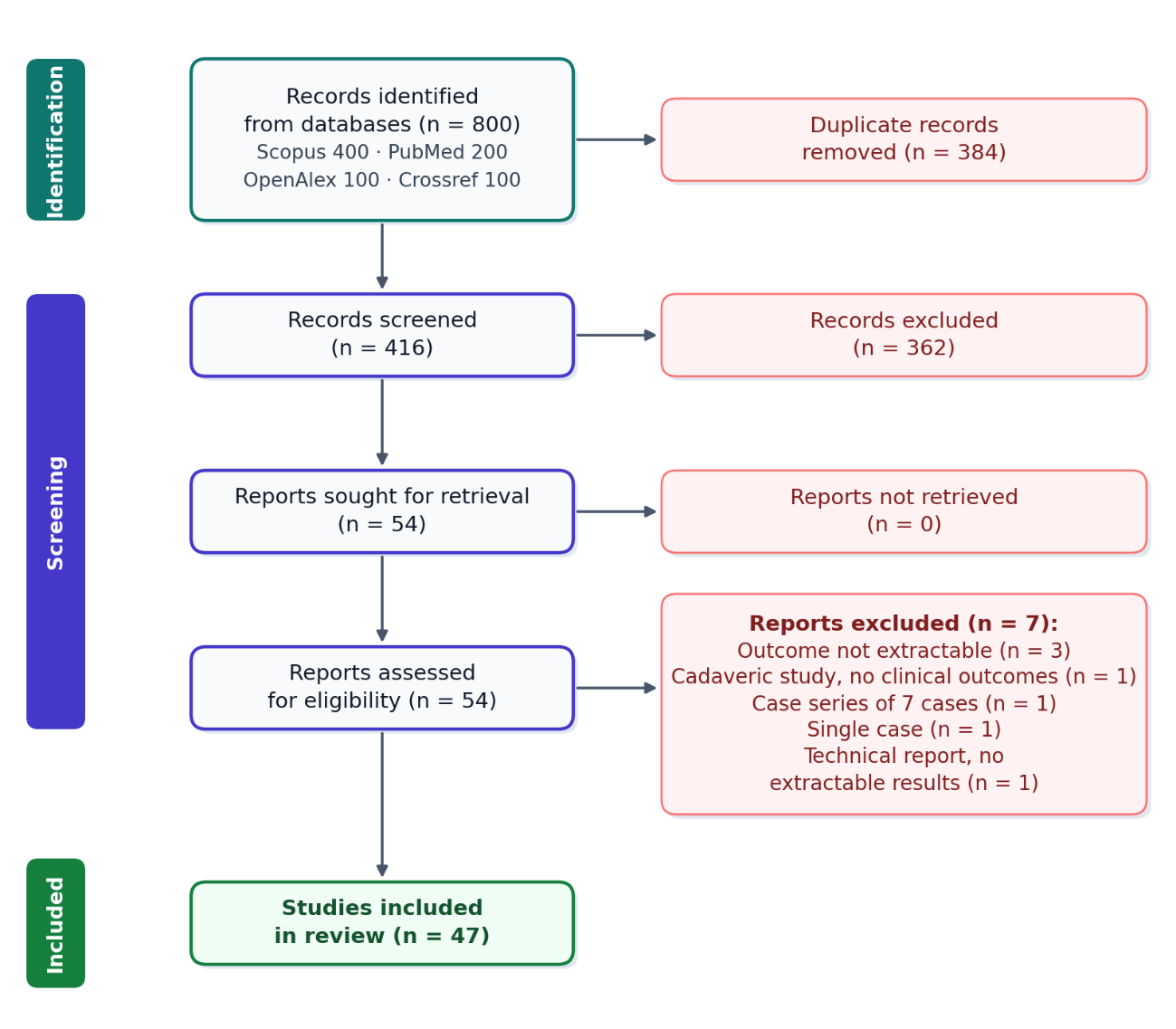
Figure 1. PRISMA 2020 flow diagram of study selection.
The distribution of designs and sample sizes was broad. Eight of the 47 included studies were randomized controlled clinical trials,( 21-28) 38 were prospective or retrospective observational studies, and one was an ex vivo histological study of radiofrequency.( 29) Sample sizes ranged from five( 30) to 201 patients,( 31) and follow-up from four weeks(26,27) to a mean of 121 months.(32) The treatments were conservative in 23 studies, surgical in 23, and one compared nonoperative with operative management (33) (Table 1). The country of enrolment was stated in only a minority of records, among them the United Kingdom, China and Turkey, so the geographic distribution cannot be characterized precisely. The most frequent outcome instruments were the visual analog scale and the AOFAS family of scores, with the Foot Function Index, the Manchester-Oxford Foot Questionnaire, PROMIS, SEFAS and FAAM used in smaller subsets, and this plurality of instruments is itself a source of heterogeneity in the synthesis.
Study | Design | Sample (n) | Treatment | Comparator | Outcome measure |
|---|---|---|---|---|---|
Lee et al., 2025 (United Kingdom) | Retrospective cohort | 20 | Ultrasound-guided corticosteroid injection | None (single arm) | VAS, duration of relief |
Seiça et al., 2025 | Retrospective cohort | 46 | Open excision | Percutaneous intermetatarsal ligament release | VAS, FAAM, satisfaction |
deMeireles et al., 2025 | Retrospective cohort | 25 | Single metatarsal DMMO with DTML release | None (single arm) | VAS, FFI |
Camuñas-Nieves et al., 2025 | Laboratory/histological | 2 | Continuous radiofrequency ex vivo | None | Histological ablation depth |
Ferreira et al., 2024 | RCT | 45 | Corticosteroid (triamcinolone) | Hyaluronic acid | VAS, AOFAS, complications |
Moulin et al., 2024 | Retrospective cohort | 54 | Ultrasound-guided cryoneurolysis | None (single arm) | pNRS, complications |
Ghandour et al., 2024 | Retrospective cohort | 127 | IML release with neurolysis | Interdigital neurectomy | Recurrence, revision, infection |
Suh et al., 2024 | Retrospective cohort | 40 | Metatarsal sliding osteotomy of 3rd metatarsal | None (single arm) | AOFAS-LMIS, FFI, VAS |
Rajan et al., 2024 | Retrospective cohort | 10 | Revision neuroma excision via dorsal approach | None (single arm) | PROMIS |
Giarda et al., 2023 | Prospective cohort | 5 | Type I porcine collagen injections (x3) | None (single arm) | AOFAS, VNS |
Santiago et al., 2022 | RCT | 71 | Corticosteroid under US guidance | Blind injection | VAS, MFPDI, satisfaction |
Elghazy et al., 2022 | Retrospective cohort | 12 | Isolated intermetatarsal ligament release | None (single arm) | VAS |
Xu et al., 2022 (China) | Retrospective cohort | 20 | Neurectomy plantar vs dorsal approach | Between approaches | VAS, AOFAS, FAAM |
Soldati et al., 2022 | Retrospective cohort | 24 | Excision via longitudinal plantar approach | None (single arm) | AOFAS |
Sato et al., 2022 | Retrospective cohort | 27 | DMMO and percutaneous DTML release | None (single arm) | VAS, AOFAS, satisfaction |
Ettehadi et al., 2022 | Retrospective cohort | 23 | Revision neurectomy via dorsal approach | None (single arm) | SEFAS |
Koti et al., 2022 (United Kingdom) | Retrospective cohort | 39 | Dorsal nerve transposition | None (single arm) | Giannini score, satisfaction |
Faulkner et al., 2021 | Prospective cohort | 138 | Nonoperative vs operative management | Between management | MOXFQ, EQ-TTO, EQ-VAS |
Hau et al., 2021 | Prospective cohort | 36 | Single corticosteroid injection | None (pooled follow-up) | VAS, MOXFQ, satisfaction, surgery |
Masaragian et al., 2021 | Retrospective cohort | 83 | Minimally invasive interdigital neurectomy | None (single arm) | AOFAS, VAS |
Benjamin et al., 2021 | Retrospective cohort | 62 | Excision of single vs two adjacent neuromas | Between groups | SEFAS, satisfaction |
Archuleta et al., 2020 | Retrospective cohort | 25 | Minimally invasive intermetatarsal nerve decompression | None (single arm) | Satisfaction, revision |
Mischitz et al., 2020 | Retrospective cohort | 12 | Nerve decompression (Dellon technique) | None (single arm) | VAS, foot function index |
Yañez Arauz, 2020 | Retrospective cohort | 108 | Excision via interdigital commissural approach | None (single arm) | VAS, satisfaction, complications |
Ngo et al., 2020 | Retrospective cohort | 49 | Excision via distal transverse plantar approach | Neurectomy alone vs with additional surgery | FAAM, Vancouver Scar Scale |
Connors et al., 2020 | Retrospective cohort | 32 | Radiofrequency ablation | None (single arm) | Satisfaction |
Pabinger et al., 2020 | Prospective cohort | 33 | 2.5 mL 70% ethanol under fluoroscopy/electroneurography | None (single arm) | Success rate, VAS, AOFAS |
Samaila et al., 2020 | Retrospective cohort | 115 | Percutaneous phenol alcoholization | None (single arm) | VAS, AOFAS |
Koti et al., 2020 (United Kingdom) | Retrospective cohort | 47 | Dorsal nerve relocation | Dorsal neurectomy | Coughlin criterion, complications |
Park et al., 2019 | Prospective cohort | 136 | Corticosteroid injection | None (single arm) | Response/failure |
Ruiz Santiago et al., 2019 | RCT | 56 | Corticosteroid under US guidance | Blind (landmark) injection | VAS, MFPDS |
ÇELİK et al., 2019 (Turkey) | Retrospective cohort | 27 | Excision via dorsal approach | None (single arm) | Interdigital neuroma score |
de Oliveira et al., 2019 | RCT | 72 | Customized insole with metatarsal and arch support | Flat insole (same material) | VAS walking pain, FFI, FHSQ, SF-36 |
Shah et al., 2019 | Prospective cohort | 22 | Ultrasound-guided RFA | None (single arm) | VAS, MOXFQ, satisfaction |
Song et al., 2019 | Retrospective cohort | NR | Dorsal suspension | Neurectomy | VAS, FAAM, satisfaction, complications |
Park et al., 2018 | Retrospective cohort | 201 | Corticosteroid injection | Responders vs failures | Failure of injection |
Lee et al., 2018 | Retrospective cohort | 83 | Ultrasound-guided hyaluronic acid injections (weekly x3) | None (single arm) | VAS, AOFAS forefoot |
Masala et al., 2018 | Prospective cohort | 52 | Continuous radiofrequency (85 C, 90 s) | None (single arm) | VAS, FHSQ |
Brooks et al., 2018 | Comparative cohort | 28 | RFA 2 vs 3 cycles | Between cycle counts | NPRS, satisfaction |
Lorenzon et al., 2018 | Retrospective cohort | 104 | Ultrasound-guided alcohol injection | Isolated vs with metatarsalgia | VAS, AOFAS, satisfaction, recurrence |
Lizano-Díez et al., 2017 | RCT | 41 | Corticosteroid plus local anaesthetic (3 injections) | Local anaesthetic alone | VAS, AOFAS |
Lee et al., 2017 | Retrospective cohort | 65 | Metatarsal sliding osteotomy | None (single arm) | AOFAS-LMIS, FFI |
Mahadevan et al., 2016 (United Kingdom) | RCT | 45 | Corticosteroid 40 mg with US guidance | Corticosteroid without US guidance | Pain (VAS), MOXFQ, failure rate |
Bucknall et al., 2016 | Prospective cohort | 99 | Excision of interdigital neuroma | None (single arm) | MOXFQ, SF-12, satisfaction |
Reichert et al., 2016 | Retrospective cohort | 41 | Neurectomy via dorsal approach | None (single arm) | AOFAS, VAS |
Campbell et al., 2016 | RCT | 58 | Injected capsaicin 0.1 mg | Placebo | Pain (NPRS) |
Seok et al., 2016 | RCT | NR | Extracorporeal shockwave therapy | Sham | Pain (VAS), AOFAS |
Note: NR = not reported in the retrieved record; VAS = visual analog scale; AOFAS = American Orthopaedic Foot and Ankle Society; RCT = randomized controlled trial.
The pattern of risk of bias was markedly skewed toward the high category (Figure 2). Because the randomized evidence was confined to conservative treatments, every surgical estimate in this review rests on observational designs, and the surgical comparisons should be read with that caveat in mind. Low risk was assigned to 3 studies, some concerns to 5 and high risk to 39 of 47. The randomized trials clustered in the low and some concerns categories, driven by adequate randomization and blinding, whereas the observational series concentrated in the high category because they were retrospective, single-arm and without a comparison group. Outcome measurement was the least affected domain, since most studies used the visual analog scale or validated foot and ankle instruments. Completeness of follow-up was the next most affected, because several series reported short or unstated observation periods, and comparability was the weakest domain of all, which reflected the scarcity of controlled comparisons beyond the eight randomized trials. This concentration of high risk of bias constrains every between-category comparison that follows, and it is the main reason the certainty of the evidence remains low.
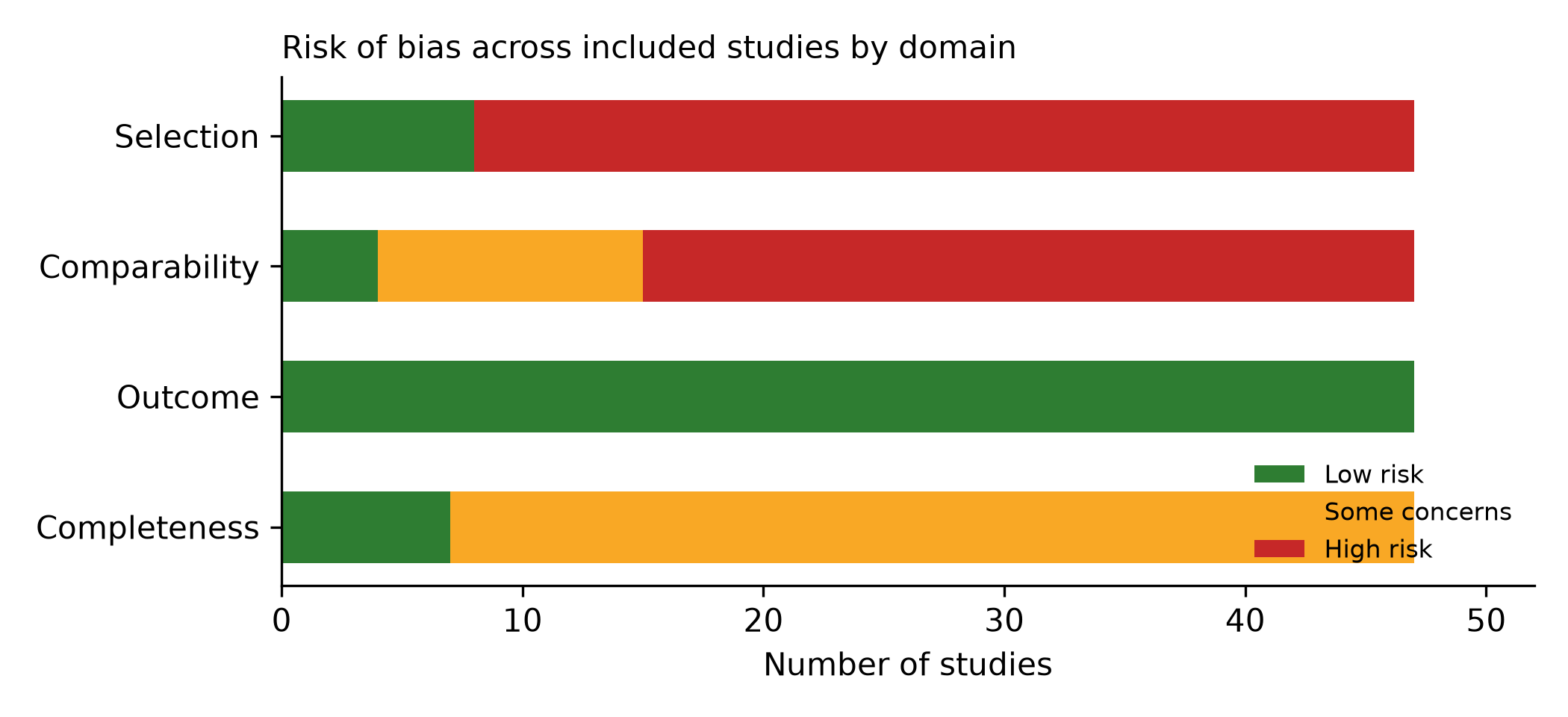
Figure 2. Risk of bias across the 47 included studies by domain.
Note: Domains: selection, comparability, outcome measurement and completeness of follow-up. Studies were rated low, some concerns or high by the worst domain.The distribution of reported success rates separated the treatment categories into two clusters (Figure 3). Across 20 single-arm series that stated a success or satisfaction rate, values ranged from 59.10% to 95%. Sclerosing injections, radiofrequency ablation, neurectomy and osteotomy clustered between 82% and 95%, whereas decompression without nerve resection sat at the lower edge, with one series reporting only 59.1% good or excellent satisfaction.(34) The cluster boundaries should be read cautiously, because each study defined success in its own terms, some as satisfaction and others as freedom from pain, and the estimates come from single-arm series with a publication bias toward favourable results. Follow-up was equally uneven, from a single month to a decade, and the studies with the longest observation, such as the ten-year commissural series( 32) and the eight-year phenol series,( 35) were also those in which durability could be judged most fairly.
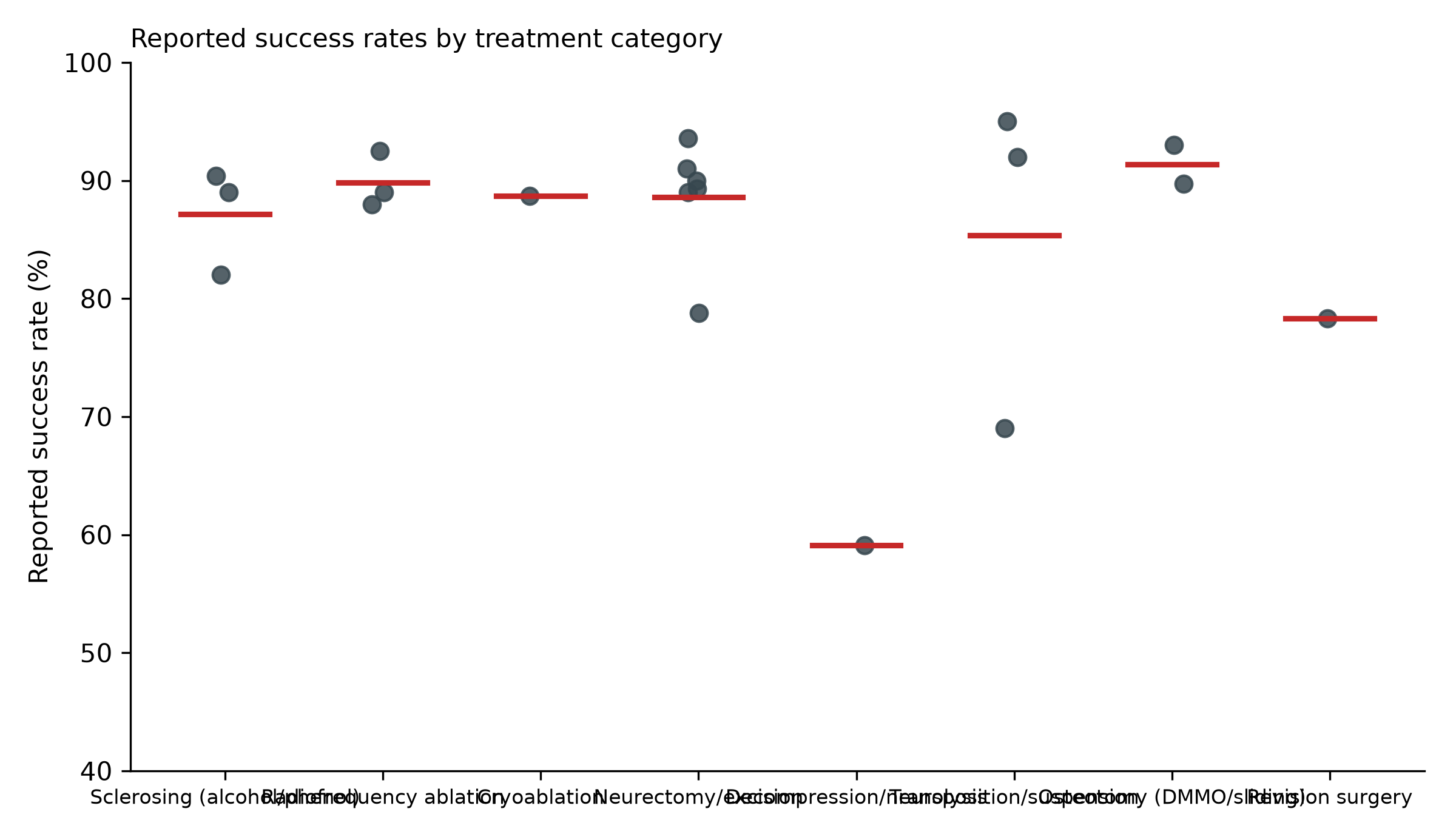
Figure 3. Reported success rates by treatment category.
Note: Each point is one single-arm series that stated a success or satisfaction rate; horizontal lines mark the category mean. Success definitions differ across studies.Corticosteroid injection was the most studied conservative option. Ultrasound guidance improved outcomes over blind injection in two randomized trials: at six months the ultrasound-guided group reported greater symptomatic relief at 45 days, two and three months,(23) and at three years satisfaction reached 87% against 59.1% for blind injection.(22) Against placebo, however, corticosteroid plus local anesthetic was not superior to local anesthetic alone, and 48.5% of patients requested surgical excision by six months.(24) Guidance did not change 12-month failure in a further trial, which reached 48% with ultrasound and 55% without it.(25) Corticosteroid remained effective in 36% of neuromas at 4.8 years, by which time 44% of the cohort had undergone excision.(36) In one 2025 cohort, 85% of 20 patients improved and the median duration of relief was 17 months, but 30% still required surgery.(37) Larger neuroma size, with a cutoff of 6.3 mm, and younger age predicted failure in two cohorts.(31,38) The direction was therefore consistent even where the magnitude varied: corticosteroids reliably lowered pain in the first weeks to months, but the proportion needing a second intervention climbed with time, and larger neuromas accounted for most of the eventual failures. The raw trial values illustrate the size of the effect: pain fell from 64 to 29 mm with ultrasound guidance and from 69 to 37 mm without it in one double-blind trial,( 25) and the head-to-head comparison with hyaluronic acid found no patient in either arm proceeding to excision.( 21) In the medium-term follow-up, a positive response at one year was reasonably predictive of a prolonged effect,( 36) which offers clinicians a practical early marker of who will avoid surgery. Among the neuromas that received a second injection, 55% remained asymptomatic in the medium term, so a repeat injection is not futile before considering excision.( 36)
Hyaluronic acid, sclerosing agents and other injectates behaved differently. Hyaluronic acid reduced pain from a mean VAS of 73.1 to 23.0 at 12 months in 83 patients,(39) but corticosteroid was superior at one, three and six months in a head-to-head trial, with no difference at 12 months.(21) Ethanol under fluoroscopic and electroneurographic guidance achieved success above 82% per injection with no recurrence over five years,(40) phenol alcoholization improved 90.4% of 125 neuromas over a mean 8.3 years,(35) and alcohol injection satisfied 89% of 104 cases with 6% recurrence, which was associated with mechanical metatarsalgia.(41) Injected capsaicin reduced pain more than placebo at one and four weeks,(26) and a five-patient series of type I collagen injections reported progressive improvement to six months.(30) Extracorporeal shockwave therapy lowered pain versus sham over four weeks,(27) and a customized insole with metatarsal and arch support relieved walking pain more than a flat insole of identical material (p = 0.048).(28) These non-surgical alternatives shared the profile of low morbidity and variable durability, which makes them attractive before any procedure that divides or destroys the nerve. The sclerosing series were the largest of the conservative group: phenol alcoholization reduced the mean VAS from 85.8 to 28.9 at a mean follow-up of 8.3 years, with an overall AOFAS of 85.1,(35) and the ethanol series required a mean of only 1.2 injections to reach its endpoint.(40) The collagen and capsaicin studies were far smaller, but their controlled design for capsaicin and their absence of adverse events for collagen make them reasonable options when corticosteroid is contraindicated.(26,30)
Radiofrequency ablation and cryoneurolysis produced relief consistent with the upper cluster. Continuous radiofrequency lowered the mean VAS from 9.0 to 2.0 at 12 months,(42) 88% of patients were very or moderately satisfied and three cycles reduced pain more than two,(43) ultrasound-guided ablation satisfied 89% at eight months,(44) and the median satisfaction reached 92.5 of 100 at more than 2.5 years.(45) An ex vivo study nevertheless showed that continuous radiofrequency leaves intact nerve tissue at the lesion periphery, which may explain the reported 15% to 20% failure rates.(29) Cryoneurolysis reduced the pain numeric rating scale from 7.1 to 2.7 at six months with complete relief in 60.4% and partial relief in a further 28.3%.(46) Both modalities are outpatient procedures with a short recovery, and the reported complications were minor, which positions them between injection and open surgery in the treatment gradient. Cryoneurolysis achieved technical success in 98.1% of 55 procedures with a mean duration of 47 minutes and same-day discharge, and its three grade 2 complications consisted of two chilblain-type lesions and one bone insufficiency fracture.(46) Radiofrequency likewise reported no major complications across the included series, and the three-cycle regimen added a dose-response signal that a randomized trial could confirm.(43) The main unanswered question for both is durability beyond twelve months, since only the radiofrequency series extended past two years,(45) and none of the ablative studies reported a randomized comparison against injection or surgery.
Neurectomy and its variants delivered the most consistent surgical results. Excision produced good or excellent satisfaction in 78.8% of a prospective 99-patient series(47) and in 91% of a long-term series with a mean 7.4 years of follow-up.(48) The interdigital commissural approach achieved 93.6% excellent or good outcomes with a 3% complication rate,(32) the longitudinal plantar approach 89.3% with no recurrence,(49) and the dorsal approach 89% excellent or well with 70% pain-free.(50) A minimally invasive interdigital neurectomy improved AOFAS and VAS scores at a mean 49 months.(51) Plantar and dorsal approaches did not differ in pain or function,(52) single and two adjacent neuroma excisions produced similar satisfaction, 90% against 74.2%,(53) and the distal transverse plantar approach returned a mean FAAM of 84.8 at a mean 7.9 years.(54) Across these series the good-to-excellent proportion stayed within a narrow band of roughly 74% to 94%, and the choice of incision appeared to matter less for pain than for scar appearance, shoe comfort and the risk of a stump neuroma. The long-term neurectomy data also carried prognostic detail: the best results followed single neuromas larger than 3 mm resected within twelve months of symptom onset,(48) whereas the prospective series found that outcomes were acceptable but worse than earlier retrospective studies had suggested, with 8.1% of patients reporting a worsened score.(47) The commissural and transverse plantar series added that scar quality and footwear tolerance, rather than pain alone, determine the patient's final verdict, with a mean Vancouver Scar Scale of 1.6 and no procedure requiring reoperation in the transverse plantar cohort.(32,54) The prospective estimate was therefore lower than the satisfaction proportions reported by most of the retrospective surgical series in this review.
Nerve-sparing procedures showed the widest dispersion. Isolated intermetatarsal ligament release lowered the mean VAS from 6.4 to 2.0,(55) Dellon decompression improved pain under strain and function,(56) and dorsal nerve transposition left 64% of patients pain-free but 19% regretted the operation.(57) Dorsal suspension matched neurectomy with 95% against 77.7% good or excellent satisfaction and fewer numbness (5% against 61.1%),(58) and dorsal nerve relocation was effective in 92% against 82%.(59) Decompression without resection, however, carried the highest recurrence: 47.5% after intermetatarsal ligament release with neurolysis against 24.1% after neurectomy,(60) and a minimally invasive decompression series reported poor satisfaction in 40.9% with 18.5% requiring neurectomy.(34) Open excision outperformed percutaneous ligament release for neuromas larger than 7.4 mm.(61) Metatarsal osteotomy avoided nerve resection with pain resolved in 93% of feet,(62) AOFAS improvement from 52.8 to 88.8,(63) a VAS fall from 7.35 to 0.41 after distal metatarsal osteotomy,(64) and 89.7% satisfaction.(65) Revision surgery through a dorsal approach improved pain interference and intensity(66) with 78.3% excellent or good outcomes.(67) In the only direct comparison of nonoperative and operative management, both improved pain at 52 weeks, with a larger health utility gain in the operative group.(33) The dispersion among nerve-sparing techniques was wider than in any other surgical category: dorsal nerve relocation was effective in 92%,(59) whereas recurrence after ligament release with neurolysis reached 47.5% against 24.1% after neurectomy.(60) The transposition series quantified the residual sensory trade-off: 66% of patients had numbness after dorsal nerve transposition even though 64% were pain-free,(57) and dorsal suspension cut numbness to 5% against 61.1% after neurectomy.(58) The osteotomy data complete this picture by showing that changing the bony geometry, rather than touching the nerve, can match neurectomy-level relief while the plantar pressure distribution remains unaltered.(62,63)
Recurrence and complication patterns completed the picture (Table 2). Recurrence after alcohol injection reached 6% and concentrated in feet with mechanical metatarsalgia,(41) ethanol and plantar neurectomy reported no recurrence at five and nine years respectively,(40,49) and one of ten revision cases recurred at four years.(66) Numbness after neurectomy affected 61.1% against 5% after dorsal suspension,(58) minor skin discoloration followed corticosteroid in 25%,(21) and cryoneurolysis produced three grade 2 complications with no grade 3 to 5 events.(46) The overall complication burden was modest in every category, but the type of complication differed by mechanism: sensory loss with nerve division, skin and soft tissue events with injections and ablations, and wound problems with open surgery. Two additional observations deserve emphasis. First, the decompression series with the worst satisfaction also had the highest crossover to neurectomy, 18.5%,( 34) so an initially less invasive operation can still end in nerve resection. Second, the complication rates in the largest series were low enough that safety does not discriminate between the major options, and the clinical decision therefore rests on durability, sensory loss and the patient's tolerance for staged treatment. Across the surgical series the complication proportion stayed below 10% wherever it was reported, with wound and infection events the most frequent and no category showing a safety signal that would rule it out of routine use.
Study | Category | Pain or function result | Recurrence or complications |
|---|---|---|---|
Lee et al., 2025 | Corticosteroid injection | 85% effective; VAS 7.7 to 2.2; median relief 17 months; 30% required surgery | 30% required downstream surgery |
Seiça et al., 2025 | Decompression or ligament release | Open better for neuromas >7.4 mm (VAS 2.3 vs 3.9) | NR |
deMeireles et al., 2025 | Distal metatarsal osteotomy | VAS 7.35 to 0.41; FFI 57.5 to 17.2 (p<0.001) | NR |
Camuñas-Nieves et al., 2025 | Radiofrequency ablation | Focal necrosis 2.4-3.18 mm with intact peripheral nerve (incomplete ablation) | Incomplete ablation (intact peripheral nerve) |
Ferreira et al., 2024 | Corticosteroid injection | Corticosteroid better at 1, 3 and 6 months; no difference at 12 months | No excision; 25% minor skin discoloration (corticosteroid) |
Moulin et al., 2024 | Cryoneurolysis | pNRS 7.1 to 2.7; complete relief 60.4%, partial 28.3% | Three grade 2 complications; no grade 3-5 |
Ghandour et al., 2024 | Decompression or ligament release | Recurrence 47.5% (IML) vs 24.1% (neurectomy) | Recurrence 47.5% (IML release) vs 24.1% (neurectomy) |
Suh et al., 2024 | Metatarsal sliding osteotomy | AOFAS 52.8 to 88.8; FFI 61.8 to 32.2; pressure unchanged | NR |
Rajan et al., 2024 | Revision surgery | Improvement in pain interference (p=0.026), intensity (p=0.008) | One recurrence 4 years after surgery |
Giarda et al., 2023 | Collagen injection | Progressive improvement in pain and function to 6 months | NR |
Santiago et al., 2022 | Corticosteroid injection | US-guided superior to 3 years; satisfaction 87% vs 59.1% | NR |
Elghazy et al., 2022 | Decompression or ligament release | VAS 6.4 to 2.0 (p=0.002) | NR |
Xu et al., 2022 | Neurectomy or excision | No significant difference in pain or function; fewer shoe complications dorsal | NR |
Soldati et al., 2022 | Neurectomy or excision | 89.3% good-to-excellent; no recurrence | No recurrence or reoperation |
Sato et al., 2022 | Distal metatarsal osteotomy | VAS decreased 5.7 points; AOFAS increased 19.9; 89.7% satisfied | NR |
Ettehadi et al., 2022 | Revision surgery | 73.9% excellent and 4.3% good outcomes | NR |
Koti et al., 2022 | Nerve transposition or suspension | Giannini 13 to 61; 64% pain-free; 19% regretted surgery | NR |
Faulkner et al., 2021 | Nonoperative vs operative | Both improved MOXFQ pain at 52 weeks (p=0.02 and p<0.001) | NR |
Hau et al., 2021 | Corticosteroid injection | Injection remained effective in 36% at 4.8 years; 44% underwent excision | 44% underwent surgical excision by 4.8 years |
Masaragian et al., 2021 | Neurectomy or excision | Significant improvement in AOFAS and VAS at mean 49 months | NR |
Benjamin et al., 2021 | Neurectomy or excision | 90% good/excellent (single) vs 74.2% (adjacent); no significant difference | NR |
Archuleta et al., 2020 | Decompression or ligament release | Excellent 50%, good 9.1%, poor 40.9%; 18.5% required neurectomy | 18.5% required neurectomy; poor satisfaction 40.9% |
Mischitz et al., 2020 | Decompression or ligament release | Significant improvement in VAS at strain (p=0.0021) and function (p=0.0022) | NR |
Yañez Arauz, 2020 | Neurectomy or excision | VAS 5.4 to 0.2; 93.6% excellent/good; complications 3% | Complications 3% |
Ngo et al., 2020 | Neurectomy or excision | Mean FAAM 84.8; no complication requiring further procedure | NR |
Connors et al., 2020 | Radiofrequency ablation | Median satisfaction 92.5/100 at >2.5 years | One patient with no relief after 3 procedures |
Pabinger et al., 2020 | Alcohol sclerosing injection | Success >82% per injection; no recurrence at 5 years | No recurrence over 5 years |
Samaila et al., 2020 | Phenol alcoholization | VAS 85.8 to 28.9; improvement in 90.4%; success (>50% VAS reduction) 71.2% | Low complication rate |
Koti et al., 2020 | Nerve transposition or suspension | DNR effective in 92% vs 82% for neurectomy (not significant) | NR |
Park et al., 2019 | Corticosteroid injection | 15% required surgery; neuroma size sole predictor of failure (p=0.002) | 15% required surgery |
Ruiz Santiago et al., 2019 | Corticosteroid injection | US-guided superior at 45 days, 2 and 3 months | NR |
ÇELİK et al., 2019 | Neurectomy or excision | Score 20 to 62; 89% excellent/well; 70% pain-free | NR |
de Oliveira et al., 2019 | Customized insoles | Customized insole superior for walking pain (p=0.048) and function | NR |
Shah et al., 2019 | Radiofrequency ablation | VAS lower at 8 weeks and 8 months; 89% satisfied at 8 months | No significant adverse effects |
Song et al., 2019 | Nerve transposition or suspension | Satisfaction excellent/good 95% vs 77.7%; fewer numbness (5% vs 61.1%) | NR |
Park et al., 2018 | Corticosteroid injection | Neuroma size >6.3 mm predicted failure (sensitivity 81%, specificity 95%) | NR |
Lee et al., 2018 | Hyaluronic acid injection | VAS 73.1 to 23.0 at 12 months; AOFAS 32.2 to 86.5 | NR |
Masala et al., 2018 | Radiofrequency ablation | VAS 9.0 to 2.0 at 12 months; improved QoL; no complications | No complications |
Brooks et al., 2018 | Radiofrequency ablation | 88% very/moderately satisfied; 3 cycles lower pain (1.5 vs 3.4, p=0.011) | 4 patients progressed to excision |
Lorenzon et al., 2018 | Alcohol sclerosing injection | 89% satisfied; recurrence 6%, associated with mechanical metatarsalgia (p=0.0269) | Recurrence 6%, associated with mechanical metatarsalgia |
Lizano-Díez et al., 2017 | Corticosteroid injection | No significant between-group difference; 48.5% requested surgical excision | NR |
Lee et al., 2017 | Metatarsal sliding osteotomy | AOFAS-LMIS 52.1 to 74.2; FFI 62.4 to 31.3; pain resolved in 93% of feet | NR |
Mahadevan et al., 2016 | Corticosteroid injection | VAS improved in both groups with no between-group difference; 12-month failure 48% (US) vs 55% (blind) | 12-month failure 48% (US) vs 55% (blind) |
Bucknall et al., 2016 | Neurectomy or excision | 49.5% excellent and 29.3% good satisfaction; 63% pain-free at follow-up | 63% pain-free; 8.1% worsened MOXFQ |
Reichert et al., 2016 | Neurectomy or excision | AOFAS 39.4 to 83.4; VAS 7.04 to 1.4; 76% very good results | NR |
Campbell et al., 2016 | Capsaicin injection | Greater pain reduction with capsaicin at weeks 1 and 4 (p=0.021 and p=0.019) | NR |
Seok et al., 2016 | Shockwave therapy | ESWT reduced VAS at 1 and 4 weeks and improved AOFAS at 4 weeks vs sham | NR |
Note: Values are reported as in the retrieved records; success and satisfaction definitions differ across studies. pNRS = pain numeric rating scale; PROMIS = Patient-Reported Outcomes Measurement Information System. Source: Prepared by the authors based on the included studies.
DISCUSSION
The main finding is that no single treatment for Morton's neuroma was clearly superior: every category produced meaningful pain relief, but the durability of that relief and the burden of complications differed in a way that maps onto the treatment gradient. Conservative options relieved pain quickly with low morbidity but a substantial proportion of patients crossed over to surgery, whereas neurectomy and osteotomy delivered the most durable results at the cost of numbness and a small risk of stump neuroma. The evidence behind this pattern remains low certainty, because 39 of 47 studies carried high risk of bias and the randomized comparisons were few and small.
The corticosteroid results align with prior syntheses and add a quantitative frame that was missing from them. Reviews of corticosteroid injection concluded that it provides short-term relief that decays over months,(10,11) and the Cochrane review judged the evidence of very low certainty.(16) The present data show that roughly one third of patients remain well at five years, that up to half require a further injection or surgery, and that neuroma size above 6 mm predicts failure.(31,38) A focused review of single corticosteroid injections similarly concluded that the effect is real but time-limited,(10) so the practical question is not whether corticosteroid works but for how long and in whom, and the answer appears to be months for the average patient and years for the minority with small neuromas. The superiority of ultrasound guidance over blind injection, reported here and in imaging-focused syntheses,( 5) supports the routine use of imaging guidance when an injection is planned. The placebo-controlled trial deserves particular weight because it found no advantage of corticosteroid over local anesthetic alone,( 24) a reminder that part of the short-term benefit of any injection may be mechanical and volume-related rather than pharmacological. The advantage of ultrasound guidance most plausibly reflects accurate delivery into the web space rather than into the metatarsal fat pad, since the diagnostic step of imaging also rules out the bursitis and plantar plate mimics that would not respond to a corticosteroid at all.(3,5) This dual diagnostic and therapeutic role of imaging is the strongest argument for performing the first injection under ultrasound even when a blind injection is quicker.
For ablative and sclerosing options, the pattern matched the recent meta-analysis of radiofrequency ablation, which reported high satisfaction with a low complication rate and pooled success in the region of ninety percent while identifying follow-up beyond one year and predictors of success as the outstanding gaps,(13) and the earlier review of non-surgical treatments that placed these procedures between injection and surgery in efficacy.(68) The ex vivo demonstration of incomplete nerve ablation offers a mechanistic explanation for the recurrences observed after continuous radiofrequency,(29) and the association between alcohol-injection relapse and mechanical metatarsalgia(41) suggests that recurrence is often driven by the underlying biomechanics rather than by the injectate itself, a point echoed by earlier sclerosing reviews.(12) Cryoneurolysis produced comparable relief with a favourable safety profile,(46) although its follow-up was the shortest among the ablative series.
Surgical results were consistent with the historical literature and extend it in two directions. Earlier reviews already reported good-to-excellent outcomes after neurectomy in the region of 70% to 90%, without a decisive advantage of one incision over another,(6,7,14,15) and a review of multiple adjacent neuromas found no penalty for excising two lesions in one session,(69) which the single-versus-double comparison reproduced.(53) The plantar and dorsal meta-analyses framed the same equipoise in terms of their specific trade-offs, the plantar scar against the dorsal stump neuroma,(14,15) and the primary studies included here echo it, with plantar incisions favouring appearance and dorsal incisions favouring shoe comfort.(52) The present review adds the observation that nerve-sparing decompression carries the highest recurrence of any surgical category,(34,60) in line with a review of operative options other than neurectomy that found limited and heterogeneous evidence.(70) The head-to-head observation that open excision outperforms percutaneous ligament release for larger neuromas(61) refines the selection of technique by lesion size, and the osteotomy series offer an alternative that decompresses the space without dividing the nerve.(62-64)
The economic and guideline context reinforces the practical reading. A cost-effectiveness analysis concluded that ultrasound-guided injection followed by neurectomy only when needed was the most efficient pathway,(71) and a European consensus on image-guided interventions assigned the highest utility to precisely those procedures that the present data place at the top of the gradient.(72) These sources are consistent with a stepwise strategy in which the most invasive option is reserved for the failures of the least invasive one, a strategy the present recurrence data support. The only study that measured nonoperative and operative management in parallel found that both improved pain at twelve months, with a slightly larger health utility gain in the operative group,( 33) which cautions against presenting surgery as categorically better; it is the failures of conservative care, not its average effect, that justify an operation. A stepwise reading also fits the observation that many crossover events occur early, within the first year after an injection,(24,25) so patients who do not respond to a first injection can be identified and escalated without prolonged delay.
The heterogeneity of the outcome instruments deserves attention because it is the principal barrier to quantitative synthesis. Studies used the visual analog scale, AOFAS and its lesser metatarsophalangeal-interphalangeal variant, the Foot Function Index, the Manchester-Oxford Foot Questionnaire, PROMIS, SEFAS, FAAM and several ad hoc satisfaction scales, often without a common anchor for what counts as success. This dispersion, together with follow-up that ranged from four weeks to ten years, means that the category means plotted in the outcome figure are indicative rather than directly comparable, and it is the single most tractable target for future standardization through a core outcome set.
Several mechanisms plausibly explain the dispersion across categories. The size of the neuroma repeatedly emerged as a predictor of failure, with cutoffs around 6 to 7 mm,(31,38,61) which is compatible with the compressive theory of the disease in which a bulkier nerve responds less to chemical or thermal neurolysis.(3) Residual mechanical metatarsalgia after alcohol injection(41) and the persistence of intact nerve tissue after radiofrequency(29) both point to incomplete ablation of the pain generator as a common mechanism of recurrence, and they explain why decompression without resection recurs more often than neurectomy: the entrapment is relieved but the fibrotic nerve remains in situ. Numbness after neurectomy reflects the unavoidable division of a sensory nerve, and the lower numbness reported after transposition and suspension procedures explains their appeal despite technically demanding dissection.(57,58) The osteotomy results sit on a different conceptual axis altogether: by shortening or shifting the metatarsal, they widen the intermetatarsal space and relieve the entrapment without touching the nerve, which is why the pedobarographic studies that found no increase in transfer pressure are important.(63) This shift from removing the nerve to decompressing the space mirrors the evolution of the field over the past decade and explains why osteotomy now rivals neurectomy in the most recent series,(64,65) although its evidence remains entirely retrospective.
The implications for practice follow the gradient that the data describe. Corticosteroid injection under ultrasound guidance remains a reasonable first intervention, with the expectation that a large minority will need a second procedure. Sclerosing and radiofrequency ablation are valid second-line options for patients who wish to avoid surgery, and neurectomy or metatarsal osteotomy should be offered when conservative measures fail or when the neuroma is large. Decompression without resection should be reserved for small neuromas, given its higher recurrence, and patients should be counselled that numbness after neurectomy is common but rarely disabling. Shared decision-making should therefore present a stepped sequence rather than a single choice, with the size of the neuroma and the duration of symptoms as the two facts that most reliably steer the decision toward earlier surgery. The diagnostic step deserves the same weight as the therapeutic step, because the plantar plate tears and intermetatarsal bursitis that mimic Morton's neuroma do not respond to its treatments and are the likeliest explanation when a well-executed first-line intervention fails.(3,5) A structured assessment that confirms the diagnosis before escalating therapy therefore protects patients from unnecessary surgery more effectively than any single technical refinement. For research, the priorities that emerge are a core outcome set, prospective comparative registries with mandated reporting of recurrence and complications, and randomized trials of the three-cycle radiofrequency regimen and of osteotomy against neurectomy, the two comparisons for which the present data show genuine equipoise.
CONCLUSIONS
The included studies were predominantly retrospective cohorts and small randomized trials that spanned conservative, infiltrative, ablative and surgical treatments for Morton's neuroma. Conservative treatments, led by corticosteroid injection and image-guided ablation, relieved pain in most patients but up to half required further treatment, while neurectomy and metatarsal osteotomy achieved good or excellent outcomes in 74% to 94% of feet. Recurrence was lowest after neurectomy and sclerosing alcohol and highest after decompression without nerve resection, and complications were modest but included numbness after neurectomy. The certainty of this evidence is limited by a preponderance of high risk of bias designs.
References
- 1 Cooper MT. Common Painful Foot and Ankle Conditions. JAMA. 2023;330(23):2285. doi: 10.1001/jama.2023.23906
- 2 Bhatia M, Thomson L. Morton’s neuroma – Current concepts review. Journal of Clinical Orthopaedics and Trauma. 2020;11(3):406-409. doi: 10.1016/j.jcot.2020.03.024
- 3 Mak MS, Chowdhury R, Johnson R. Morton's neuroma: review of anatomy, pathomechanism, and imaging. Clinical Radiology. 2021;76(3):235.e15-235.e23. doi: 10.1016/j.crad.2020.10.006
- 4 Gougoulias N, Lampridis V, Sakellariou A. Morton’s interdigital neuroma: instructional review. EFORT Open Rev. 2019;4(1):14-24. doi: 10.1302/2058-5241.4.180025
- 5 Santiago FR, Muñoz PT, Pryest P, Martínez AM, Olleta NP. Role of imaging methods in diagnosis and treatment of Morton’s neuroma. WJR. 2018;10(9):91-99. doi: 10.4329/wjr.v10.i9.91
- 6 Valisena S, Petri GJ, Ferrero A. Treatment of Morton’s neuroma: A systematic review. Foot and Ankle Surgery. 2018;24(4):271-281. doi: 10.1016/j.fas.2017.03.010
- 7 Di Caprio F, Meringolo R, Shehab Eddine M, Ponziani L. Morton’s interdigital neuroma of the foot. Foot and Ankle Surgery. 2018;24(2):92-98. doi: 10.1016/j.fas.2017.01.007
- 8 Matthews BG, Hurn SE, Harding MP, Henry RA, Ware RS. The effectiveness of non‐surgical interventions for common plantar digital compressive neuropathy (Morton's neuroma): a systematic review and meta‐analysis. Journal of Foot and Ankle Research. 2019;12(1):12. doi: 10.1186/s13047-019-0320-7
- 9 Lu VM, Puffer RC, Everson MC, Gilder HE, Burks SS, Spinner RJ. Treating Morton’s neuroma by injection, neurolysis, or neurectomy: a systematic review and meta-analysis of pain and satisfaction outcomes. Acta Neurochir. 2021;163(2):531-543. doi: 10.1007/s00701-020-04241-9
- 10 Edwards SR, Fleming S, Landorf KB. Efficacy of a Single Corticosteroid Injection for Morton's Neuroma in Adults: A Systematic Review. J Am Podiatr Med Assoc. 2021;111(4):13. doi: 10.7547/20-151
- 11 Choi JY, Lee HI, Hong WH, Suh JS, Hur JW. Corticosteroid Injection for Morton's Interdigital Neuroma: A Systematic Review. Clin Orthop Surg. 2021;13(2):266. doi: 10.4055/cios20256
- 12 Santos D, Morrison G, Coda A. Sclerosing alcohol injections for the management of intermetatarsal neuromas: A systematic review. The Foot. 2018;35:36-47. doi: 10.1016/j.foot.2017.12.003
- 13 Llombart-Blanco R, Mariscal G, Benlloch M, Barrios C, Llombart-Ais R. Systematic Review and Meta-analysis of Radiofrequency Ablation for Morton’s Neuroma. Am J Phys Med Rehabil. 2025;104(5):465-472. doi: 10.1097/phm.0000000000002668
- 14 Lee W, McDonald J, Azam M, Lachance AD. The comparison of postoperative outcomes in Morton's neuroma excision between plantar versus dorsal approach: A systematic review and meta-analysis. Foot and Ankle Surgery. 2024;30(8):621-629. doi: 10.1016/j.fas.2024.05.018
- 15 Zhang J, Li J, Cai W, Zheng K, Huang X, Rong X, et al. Effect of surgical approach on the treatment of Morton's neuroma: a systematic review and meta‐analysis. Journal of Foot and Ankle Research. 2023;16(1):57. doi: 10.1186/s13047-023-00660-w
- 16 Matthews BG, Thomson CE, Harding MP, McKinley JC, Ware RS. Treatments for Morton's neuroma. Cochrane Database Syst Rev. 2024;2024(2):CD014687. doi: 10.1002/14651858.cd014687.pub2
- 17 Page MJ, McKenzie JE, Bossuyt PM, Boutron I, Hoffmann TC, Mulrow CD, et al. The PRISMA 2020 statement: an updated guideline for reporting systematic reviews. BMJ. 2021:n71. doi: 10.1136/bmj.n71
- 18 Rethlefsen ML, Kirtley S, Waffenschmidt S, Ayala AP, Moher D, Page MJ, et al. PRISMA-S: an extension to the PRISMA Statement for Reporting Literature Searches in Systematic Reviews. Syst Rev. 2021;10(1):39. doi: 10.1186/s13643-020-01542-z
- 19 Sterne JAC, Savović J, Page MJ, Elbers RG, Blencowe NS, Boutron I, et al. RoB 2: a revised tool for assessing risk of bias in randomised trials. BMJ. 2019:l4898. doi: 10.1136/bmj.l4898
- 20 Wells GA, Shea B, O'Connell D, Peterson J, Welch V, Losos M, Tugwell P. The Newcastle-Ottawa Scale (NOS) for assessing the quality of nonrandomised studies in meta-analyses [Internet]. 2000 [cited 2026 Oct 28]. Available from: https://www.ohri.ca/programs/clinical_epidemiology/oxford.asp
- 21 Ferreira GF, Lewis TL, Fernandes TD, Pedroso JP, Arliani GG, Ray R, et al. Ultrasound-guided infiltration with hyaluronic acid compared with corticosteroid for the treatment of Morton’s neuroma. Bone Joint J. 2024;106-B (10):1093-1099. doi: 10.1302/0301-620x.106b10.bjj-2024-0342.r2
- 22 Santiago FR, Muñoz PT, Ramos-Bossini AJL, Martínez AM, Olleta NP. Long-term comparison between blind and ultrasound-guided corticoid injections in Morton neuroma. Eur Radiol. 2022;32(12):8414-8422. doi: 10.1007/s00330-022-08932-y
- 23 Ruiz Santiago F, Prados Olleta N, Tomás Muñoz P, Guzmán Álvarez L, Martínez Martínez A. Short term comparison between blind and ultrasound guided injection in morton neuroma. Eur Radiol. 2019;29(2):620-627. doi: 10.1007/s00330-018-5670-1
- 24 Lizano-Díez X, Ginés-Cespedosa A, Alentorn-Geli E, Pérez-Prieto D, González-Lucena G, Gamba C, et al. Corticosteroid Injection for the Treatment of Morton’s Neuroma: A Prospective, Double-Blinded, Randomized, Placebo-Controlled Trial. Foot Ankle Int. 2017;38(9):944-951. doi: 10.1177/1071100717709569
- 25 Mahadevan D, Attwal M, Bhatt R, Bhatia M. Corticosteroid injection for Morton’s neuroma with or without ultrasound guidance. The Bone & Joint Journal. 2016;98-B (4):498-503. doi: 10.1302/0301-620x.98b4.36880
- 26 Campbell CM, Diamond E, Schmidt WK, Kelly M, Allen R, Houghton W, et al. A randomized, double-blind, placebo-controlled trial of injected capsaicin for pain in Morton's neuroma. Pain. 2016;157(6):1297-1304. doi: 10.1097/j.pain.0000000000000544
- 27 Seok H, Kim SH, Lee SY, Park SW. Extracorporeal Shockwave Therapy in Patients with Morton's Neuroma. Journal of the American Podiatric Medical Association. 2016;106(2):93-99. doi: 10.7547/14-131
- 28 de Oliveira HAV, Natour J, Vassalli M, Rosenfeld A, Jennings F, Jones A. Effectiveness of customized insoles in patients with Morton’s neuroma: a randomized, controlled, double-blind clinical trial. Clin Rehabil. 2019;33(12):1898-1907. doi: 10.1177/0269215519873949
- 29 Camuñas-Nieves G, Fernández-Gibello A, Moroni S, Galluccio F, Fajardo-Pérez M, Martínez-Pérez F, et al. Continuous Radiofrequency for Morton’s Neuroma: Is There Complete Ablation? A Preliminary Report. Healthcare. 2025;13(15):1838. doi: 10.3390/healthcare13151838
- 30 Giarda F, Agostini A, Colonna S, Sciumè L, Meroni A, Beretta G, et al. Infiltrative Type I Collagen in the Treatment of Morton’s Neuroma: A Mini-Series. JCM. 2023;12(14):4640. doi: 10.3390/jcm12144640
- 31 Park YH, Lee JW, Choi GW, Kim HJ. Risk factors and the associated cutoff values for failure of corticosteroid injection in treatment of Morton’s neuroma. International Orthopaedics (SICOT). 2018;42(2):323-329. doi: 10.1007/s00264-017-3707-8
- 32 Yañez Arauz JM. Interdigital Commissural Approach for Morton’s Neuroma. Foot Ankle Int. 2020;41(10):1226-1233. doi: 10.1177/1071100720936599
- 33 Faulkner A, Mayne A, Davies P, Ridley D, Harrold F. Patient-Related Outcome Measures (PROMs) With Nonoperative and Operative Management of Morton’s Neuroma. Foot Ankle Int. 2021;42(2):151-156. doi: 10.1177/1071100720961069
- 34 Archuleta AF, Darbinian J, West T, Weintraub MLR, Pollard JD. Minimally Invasive Intermetatarsal Nerve Decompression for Morton's Neuroma: A Review of 27 Cases. The Journal of Foot and Ankle Surgery. 2020;59(6):1186-1191. doi: 10.1053/j.jfas.2020.05.011
- 35 Samaila EM, Ambrosini C, Negri S, Maluta T, Valentini R, Magnan B. Can percutaneous alcoholization of Morton’s neuroma with phenol by electrostimulation guidance be an alternative to surgical excision? Long-term results. Foot and Ankle Surgery. 2020;26(3):314-319. doi: 10.1016/j.fas.2019.04.004
- 36 Hau MYT, Thomson L, Aujla R, Madhadevan D, Bhatia M. Medium-Term Results of Corticosteroid Injections for Morton’s Neuroma. Foot Ankle Int. 2021;42(4):464-468. doi: 10.1177/1071100720966332
- 37 Lee CH, Rana B, Lee E, Zainy A, Scarborough OM, Websper M, et al. Efficacy of Ultrasound-Guided Steroid Injections in the Management of Morton’s Neuroma: A Retrospective Cohort Study. Cureus. 2025;17(11):e96217. doi: 10.7759/cureus.96217
- 38 Park YH, Kim TJ, Choi GW, Kim HJ. Prediction of Clinical Prognosis according to Intermetatarsal Distance and Neuroma Size on Ultrasonography in Morton Neuroma: A Prospective Observational Study. J of Ultrasound Medicine. 2019;38(4):1009-1014. doi: 10.1002/jum.14787
- 39 Lee K, Hwang IY, Ryu CH, Lee JW, Kang SW. Ultrasound-Guided Hyaluronic Acid Injection for the Management of Morton’s Neuroma. Foot Ankle Int. 2018;39(2):201-204. doi: 10.1177/1071100717739578
- 40 Pabinger C, Malaj I, Lothaller H, Samaila E, Magnan B. Improved Injection Technique of Ethanol for Morton’s Neuroma. Foot Ankle Int. 2020;41(5):590-595. doi: 10.1177/1071100720903096
- 41 Lorenzon P, Rettore C. Mechanical Metatarsalgia as a Risk Factor for Relapse of Morton's Neuroma After Ultrasound-Guided Alcohol Injection. The Journal of Foot and Ankle Surgery. 2018;57(5):870-875. doi: 10.1053/j.jfas.2018.03.003
- 42 Masala S, Cuzzolino A, Morini M, Raguso M, Fiori R. Ultrasound-Guided Percutaneous Radiofrequency for the Treatment of Morton’s Neuroma. Cardiovasc Intervent Radiol. 2018;41(1):137-144. doi: 10.1007/s00270-017-1786-y
- 43 Brooks D, Parr A, Bryceson W. Three Cycles of Radiofrequency Ablation Are More Efficacious Than Two in the Management of Morton’s Neuroma. Foot & Ankle Specialist. 2018;11(2):107-111. doi: 10.1177/1938640017709905
- 44 Shah R, Ahmad M, Hanu-Cernat D, Choudhary S. Ultrasound-guided radiofrequency ablation for treatment of Morton's neuroma: initial experience. Clinical Radiology. 2019;74(10):815.e9-815.e13. doi: 10.1016/j.crad.2019.07.002
- 45 Connors JC, Boike AM, Rao N, Kingsley JD. Radiofrequency Ablation for the Treatment of Painful Neuroma. The Journal of Foot and Ankle Surgery. 2020;59(3):457-461. doi: 10.1053/j.jfas.2019.09.003
- 46 Moulin B, Angelopoulos G, Sarrazin JL, Romano S, Vignaux O, Guenoun T, et al. Safety and Efficacy of Percutaneous Morton Neuroma Cryoneurolysis Under Ultrasound Guidance. Cardiovasc Intervent Radiol. 2024;47(6):795-800. doi: 10.1007/s00270-024-03669-1
- 47 Bucknall V, Rutherford D, MacDonald D, Shalaby H, McKinley J, Breusch SJ. Outcomes following excision of Morton’s interdigital neuroma. The Bone & Joint Journal. 2016;98-B (10):1376-1381. doi: 10.1302/0301-620x.98b10.37610
- 48 Reichert P, Zimmer K, Witkowski J, Wnukiewicz W, Kuliński S, Gosk J. Long-Term Results of Neurectomy Through a Dorsal Approach in the Treatment of Morton’s Neuroma. Adv Clin Exp Med. 2016;25(2):295-302. doi: 10.17219/acem/60249
- 49 Soldati F, Klaue K. Longitudinal Plantar Approach for Excision of Morton's Neuroma: Long-Term Results. The Journal of Foot and Ankle Surgery. 2022;61(6):1145-1151. doi: 10.1053/j.jfas.2021.10.010
- 50 ÇELİK H, UZUN M. Dorsal approach for excision of Morton’s interdigital neuroma: A mid-term follow-up study. Archives of Clinical and Experimental Medicine. 2019;4(1):14-16. doi: 10.25000/acem.486816
- 51 Masaragian HJ, Perin F, Rega L, Ameriso N, Mizdraji L, Coria H, et al. Minimally invasive neurectomy for Morton’s neuroma with interdigital approach. Long term results. The Foot. 2021;47:101808. doi: 10.1016/j.foot.2021.101808
- 52 Xu W, Zhang N, Li Z, Wang Y, Li X, Wang Y, et al. Plantar and dorsal approaches for excision of morton’s neuroma: a comparison study. BMC Musculoskelet Disord. 2022;23(1):898. doi: 10.1186/s12891-022-05858-w
- 53 Benjamin KB, Saragas N, Ferrão P. One versus two adjacent interdigital neuroma excision: a patient outcome study. J Foot Ankle. 2021;15(3):236-240. doi: 10.30795/jfootankle.2021.v15.1582
- 54 Ngo THN, Traverso A, Chopra S, Hassani H, Crevoisier X. Long-term evaluation of the distal transverse plantar approach for Morton’s neuroma excision. Swiss Med Wkly. 2020;150(3940):w20347. doi: 10.4414/smw.2020.20347
- 55 Elghazy MA, Whitelaw KC, Waryasz GR, Guss D, Johnson AH, DiGiovanni CW. Isolated Intermetatarsal Ligament Release as Primary Operative Management for Morton’s Neuroma: Short-term Results. Foot & Ankle Specialist. 2022;15(4):338-345. doi: 10.1177/1938640020957851
- 56 Mischitz M, Zeitlinger S, Mischlinger J, Rab M. Nerve decompression according to A.L. Dellon in Morton's neuroma - A retrospective analysis. Journal of Plastic, Reconstructive & Aesthetic Surgery. 2020;73(6):1099-1104. doi: 10.1016/j.bjps.2020.01.008
- 57 Koti M, Maffulli N, Al-Shoaibi M, Hughes M, McAllister J. Long-term results of dorsal neuroma/nerve transposition in the surgical management of Morton’s neuroma and correlation with intraoperative anatomical variations. J Orthop Surg Res. 2022;17(1):22. doi: 10.1186/s13018-022-02910-2
- 58 Song JH, Kang C, Hwang DS, Kang DH, Kim YH. Dorsal suspension for Morton’s neuroma: A comparison with neurectomy. Foot and Ankle Surgery. 2019;25(6):748-754. doi: 10.1016/j.fas.2018.09.004
- 59 Koti M, Sharma H, Parikh M, Edwards M, McAllister J. Comparative Analysis of Dorsal Nerve Relocation versus Dorsal Neurectomy in the Surgical Management of Morton's Neuroma. The Journal of Foot and Ankle Surgery. 2020;59(6):1148-1155. doi: 10.1053/j.jfas.2020.04.001
- 60 Ghandour S, Suyama ER, Sirls E, Ahn J, Burgesson B, Ashkani-Esfahani S, et al. Factors Associated With Symptom Recurrence After Surgical Treatment of Interdigital Neuroma: A Retrospective Chart Review of 127 Patients. J Am Acad Orthop Surg. 2024;32(16):e807-e815. doi: 10.5435/jaaos-d-23-01194
- 61 Seiça EC, Seixas J, Buruian A, Peixoto D, Potocnik P, Vide J. Open excision vs. percutaneous intermetatarsal ligament release for Morton's neuroma: A comparative analysis – Is width important?. Foot and Ankle Surgery. 2025;31(7):587-593. doi: 10.1016/j.fas.2025.02.016
- 62 Lee J, Kim J, Lee M, Chu I, Lee S, Gwak H. Morton’s Neuroma (Interdigital Neuralgia) Treated with Metatarsal Sliding Osteotomy. IJOO. 2017;51(6):692-696. doi: 10.4103/0019-5413.217678
- 63 Suh JW, Jang HS, Kim KB, Kim JH, Choi SJ, Kim KR, et al. Metatarsal sliding osteotomy is effective without altering plantar pressure in Morton's neuroma. Journal of Orthopaedic Science. 2024;29(6):1423-1429. doi: 10.1016/j.jos.2023.10.012
- 64 deMeireles AJ, de Prado M, Confino J, Malempati M, Vulcano E. Single metatarsal percutaneous distal metatarsal osteotomy (DMMO) for 3rd space morton neuroma is safe and efficacious. Arch Orthop Trauma Surg. 2025;145(1):161. doi: 10.1007/s00402-025-05779-y
- 65 Sato G, Ferreira GF, Sevilla D, Oliveira CN, Lewis TL, Dinato MCME, et al. Treatment of Morton’s neuroma with minimally invasive distal metatarsal metaphyseal osteotomy (DMMO) and percutaneous release of the deep transverse metatarsal ligament (DTML): a case series with minimum two-year follow-up. International Orthopaedics (SICOT). 2022;46(12):2829-2835. doi: 10.1007/s00264-022-05557-0
- 66 Rajan L, Mizher R, Srikumar S, Fuller R, Ellis SJ. Clinical Outcomes of Revision Surgery Using a Dorsal Approach After Failed Primary Interdigital Neuroma Excision. Foot & Ankle Specialist. 2024;17(5):425-430. doi: 10.1177/19386400221116466
- 67 Ettehadi H, Saragas NP, Ferrao P. Patient reported outcomes following revision neurectomy through a dorsal approach for recurrent interdigital neuroma. Foot and Ankle Surgery. 2022;28(8):1210-1214. doi: 10.1016/j.fas.2022.03.013
- 68 Thomson L, Aujla RS, Divall P, Bhatia M. Non-surgical treatments for Morton’s neuroma: A systematic review. Foot and Ankle Surgery. 2020;26(7):736-743. doi: 10.1016/j.fas.2019.09.009
- 69 Arshad Z, Alshahwani A, Bhatia M. The Management of Multiple Morton's Neuromas in the Same Foot: A Systematic Review. The Journal of Foot and Ankle Surgery. 2022;61(1):163-169. doi: 10.1053/j.jfas.2021.08.003
- 70 Choi JY, Hong WH, Kim MJ, Chae SW, Suh JS. Operative treatment options for Morton’s neuroma other than neurectomy − a systematic review. Foot and Ankle Surgery. 2022;28(4):450-459. doi: 10.1016/j.fas.2021.10.011
- 71 Ross AB, Jacobs A, Williams KL, Bour RK, Gyftopoulos S. Ultrasound-Guided Injection Treatments Versus Surgical Neurectomy for Morton Neuroma: A Cost-Effectiveness Analysis. American Journal of Roentgenology. 2022;218(2):234-240. doi: 10.2214/ajr.21.26419
- 72 Sconfienza LM, Adriaensen M, Albano D, Alcala-Galiano A, Allen G, Aparisi Gómez MP, et al. Clinical indications for image-guided interventional procedures in the musculoskeletal system: a Delphi-based consensus paper from the European Society of Musculoskeletal Radiology (ESSR)—part VI, foot and ankle. Eur Radiol. 2022;32(2):1384-1394. doi: 10.1007/s00330-021-08125-z
Declarations
Funding
No financing
Conflict of interest
None
Authorship contributions
Drafting – original draft: Ana Esperanza Altamirano Capelo, Olga Mercedes Rivero Pino, Juan Eloy López Romero.
Writing–review and editing: Ana Esperanza Altamirano Capelo, Olga Mercedes Rivero Pino, Juan Eloy López Romero.