

Abstract
Introduction: Ankle sprains are among the most common injuries in sport and carry a high risk of recurrence and chronic instability. Exercise-based and bracing programs are the two preventive strategies most often proposed for athletes, yet their effects on first and recurrent sprains remain scattered across trials. Methods: This systematic review followed the PRISMA 2020 statement. Scopus, PubMed, OpenAlex and Crossref were searched for randomized and prospective comparative studies published between 2016 and 2025 that evaluated neuromuscular training or bracing against usual practice in athletes, with ankle sprain incidence as an outcome. Risk of bias was assessed with the Cochrane RoB 2 tool and findings were synthesized narratively. Results: Ten studies were included (10). Neuromuscular warm-up programs reduced ankle sprain incidence in most trials, with incidence rate ratios between 0.26 and 0.66, although two trials reported no statistically significant reduction. One pilot trial of a low-friction shoe patch reduced non-contact and severe lateral ankle sprains. Conclusions: Exercise-based neuromuscular programs reduce the incidence of ankle sprains in young athletes. The evidence for bracing within the review window is limited to one trial, so its preventive value in athletes remains less certain.
Keywords
ankle injuries, athletic injuries, exercise therapy, orthotic devices, primary prevention, sports
INTRODUCTION
Lateral ankle sprains are the most frequent musculoskeletal injury documented in athletic populations, and Waterman et al.(1) estimated that roughly two million ankle sprains occur in the United States each year, with the highest rates concentrated in court and field sports. Herzog et al.(2) found that ankle sprains account for a substantial share of all injuries reported by collegiate athletes and that many of these injuries require time loss from competition, a burden that repeats season after season. Cavazos Jr. and Harkless (3) observed that the problem extends beyond the acute episode because a first lateral ankle sprain predisposes athletes to reinjury, recurrent giving way and long term functional deficits. The recurrence problem is central to prevention, since Gribble et al.(4) reported in the consensus statement of the International Ankle Consortium that persistent symptoms, reduced physical activity and early joint degeneration follow a considerable proportion of lateral ankle sprains. The preventive rationale is therefore twofold: to reduce first sprains in athletes who have never been injured and to prevent recurrent sprains in those who already have a history of injury. The epidemiology explains why prevention has been pursued so persistently. Inversion injuries of the lateral ligament complex dominate the ankle injury profile in sports that require jumping, cutting and rapid changes of direction, and the same athlete is often injured more than once within a season or across successive seasons. The transition from a single sprain to chronic ankle instability is well documented, and the associated sensorimotor deficits raise the risk of further injury as well as of problems in the knee and hip above the affected ankle. Because the first sprain is so strongly predictive of the next, any preventive strategy must be judged twice, once for its ability to protect the never injured ankle and once for its ability to break the cycle of recurrence in athletes who already carry the diagnosis.
Two families of intervention dominate this field. Exercise-based programs, most often delivered as neuromuscular, proprioceptive or balance training, target strength, postural control and joint stability with the expectation that better sensorimotor function reduces the mechanical errors that produce inversion injuries. External support, chiefly lace-up or semirigid ankle braces and taping, seeks instead to restrict the inversion motion itself. The evidence base for both approaches is substantial but uneven across time and across populations. Verhagen et al.(5) showed in a prospective controlled trial that a proprioceptive balance board program halved the risk of recurrent sprains in volleyball players, and Schiftan et al.(6) pooled proprioceptive training trials and found a relative risk reduction close to 35 percent. McGuine et al.(7) reported that lace-up braces reduced acute ankle injuries in high school basketball players, and Janssen et al.(8) found bracing superior to neuromuscular training for self-reported recurrent sprains in a three arm trial. These landmark studies, however, largely precede the last decade, and their conclusions were drawn before the modern generation of youth sport trials and of digital delivery tools appeared.
The recent evidence has grown but remains difficult to interpret. Soligard et al.(9) demonstrated that a comprehensive warm-up reduced lower extremity injuries in young female footballers, and Emery et al.(10) reported a similar protective effect of a neuromuscular strategy in youth soccer, yet those trials treated the ankle as one location within a broader injury count rather than as the primary question. Rivera et al.(11) reviewed proprioceptive training for ankle sprain prevention and concluded that the evidence favored the intervention, but their synthesis could not isolate the contribution of different program components. Whittaker et al.(12) described modifiable risk factors for lower extremity injury in a recent meta-analysis, which suggests that the targets of these programs are plausible, without settling how much injury reduction is achievable in practice.
The clinical and economic stakes justify the effort required to resolve these uncertainties. Ankle sprains are not self limiting injuries in every athlete, because a first sprain is the strongest predictor of a second, and each recurrence raises the probability of persistent instability and of post traumatic changes within the joint. The guideline of Vuurberg et al.(13) already recommends exercise therapy and external support for prevention, yet the strength of that recommendation rests on trials that are now more than a decade old. A current synthesis is therefore needed both to update the clinical guidance and to identify where the evidence is genuinely thin, particularly for bracing, whose protective reputation has been carried by studies completed before the modern era of injury prevention trials. Existing reviews leave specific gaps that this review addresses. Doherty et al.(14) covered acute and recurrent sprains in an overview of systematic reviews but could not resolve the comparative value of exercise and bracing because the included syntheses used different populations and outcome definitions. Caldemeyer et al.(15) restricted their analysis to female athletes, and Berkey et al.(16) limited theirs to high school athletes, so neither describes the full athletic population. The period from 2016 onward added multinational trials of the 11+ Kids program and of newer multicomponent warm-ups that earlier reviews did not include, together with the first randomized evaluation of a low-friction shoe patch. A reader therefore cannot easily establish whether the reductions reported for neuromuscular training extend to ankle sprains specifically, and whether bracing retains its older protective reputation when tested in recent trials.
The objective of this systematic review was to synthesize the evidence on exercise-based and bracing programs for the prevention of first and recurrent ankle sprains in athletes. The review had three specific aims: to estimate the effect of neuromuscular and proprioceptive exercise programs on ankle sprain incidence, to estimate the effect of bracing and comparable external support on the same outcome, and to describe the characteristics, risk of bias and consistency of the included trials. The review question, expressed in PICOS terms, was: in athletes of any age or sport, do neuromuscular training programs or ankle bracing reduce the incidence of first and recurrent ankle sprains when compared with usual practice or no preventive intervention?
METHODS
This systematic review followed the Preferred Reporting Items for Systematic Reviews and Meta-Analyses 2020 statement described by Page et al..(17)
Studies were eligible when they enrolled athletes or physically active people, tested a neuromuscular, proprioceptive or balance training program or an ankle brace or comparable external support as a preventive intervention, compared it with usual practice, a sham procedure or no intervention, and reported ankle sprain incidence as a primary or secondary outcome. Randomized controlled trials, cluster randomized trials and prospective comparative studies were admitted.
One reviewer extracted study characteristics, population, intervention, comparator, outcome definition and effect estimates into a structured table, and a second pass verified the extracted values against the source text. The extracted fields were country, design, sample size, sport and age, the content and dose of the preventive program, the comparator, the definition of the ankle outcome, and the reported effect estimate with its confidence interval. No missing information was imputed.
Risk of bias
Risk of bias was assessed with the revised Cochrane risk of bias tool for randomized trials described by Sterne et al.,( 18) considering the randomization process, deviations from intended interventions, missing outcome data, outcome measurement and selective reporting. Judgments were informed by the published report and were not upgraded when information was absent, so that trials with limited methodological detail were rated conservatively.
Data items
For each included study the extracted fields were country, design, sample size, sport and age, the content and dose of the preventive program, the comparator, the definition of the ankle outcome, and the reported effect estimate with its confidence interval. Absolute injury counts were extracted alongside relative measures whenever the source reported both, and no missing information was imputed. When a study reported ankle injuries only as part of a broader lower extremity category, the ankle specific values were used where available and the limitation was recorded.
Effect measures
Effect estimates were expressed as incidence rate ratios, hazard ratios or risk ratios exactly as reported by each study, with 95 percent confidence intervals, and absolute counts per 1000 exposure hours were retained where the source provided them. The analysis did not transform or recalculate the published estimates.
Synthesis
Because the populations, program designs and outcome definitions differed substantially, a meta-analysis was not performed and the results were synthesized narratively, grouped by exercise-based programs and bracing, with primary and secondary prevention distinguished where the trials did so. Compliance data and severity outcomes were summarized descriptively when reported. No meta-analytic software was used.
Certainty of the evidence
A formal Grading of Recommendations Assessment, Development and Evaluation assessment was not undertaken because the synthesis was narrative and the studies could not be pooled. The overall certainty of the evidence was instead judged qualitatively from the risk of bias of the individual trials, the consistency of their direction of effect and the precision of the ankle specific estimates, and these judgments are reported alongside the results of the synthesis.
RESULTS
Study selection
The database searches identified 1,406 records, and after removing 384 duplicates 1,022 records were screened by title and abstract (Figure 1). Of these, 1,005 were excluded because they did not address the preventive question, and 17 reports were sought for full text retrieval. Full text could not be obtained for 6 reports, so 11 reports were assessed for eligibility, of which one was excluded as a duplicate report of an already included trial. Ten studies were included in the synthesis (10).
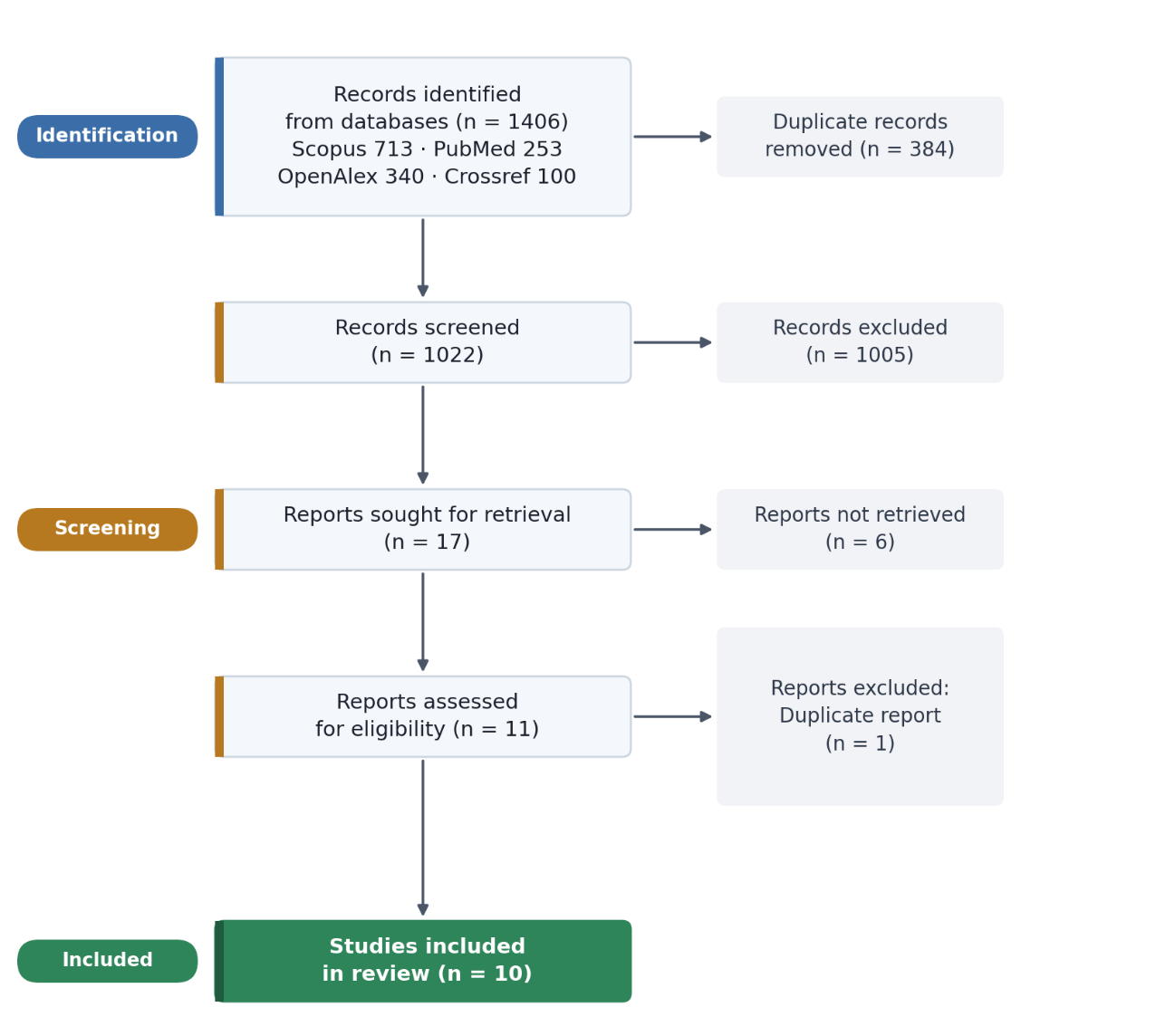
Figure 1. PRISMA 2020 flow diagram of study selection.
Characteristics of included studies
The ten included studies were randomized or cluster randomized trials published between 2017 and 2024 and conducted in nine countries (Table 1). Eight evaluated exercise-based programs, one evaluated a low-friction shoe patch applied to the shoe as external support, and one combined a neuromuscular training program with education. Seven trials enrolled children or adolescents in football or basketball, one enrolled indoor sport athletes with a previous sprain, one enrolled general practice patients with an acute sprain, and one enrolled high school girls across three sports. Ankle sprain was the primary outcome in four studies and a secondary or location specific outcome in the remaining six. The sample sizes ranged from 50 to 3895 participants, and the follow-up ranged from one season to twelve months.
Study | Country | Design | Population | Intervention | Comparator | Main result (ankle) |
|---|---|---|---|---|---|---|
Rössler 2018 | CH, DE, CZ, NL | Cluster RCT | 3895 children, football, U9-U13 | 11+ Kids warm-up | Usual warm-up | Ankle injuries less frequent, HR 0.40-0.52 |
Farhan 2017 | Not reported | RCT | 50 male youth soccer players | Soccer-specific exercise plus education | Usual training | 9 vs 20 ankle injuries; 0.96 vs 2.16 per 1000 h |
Barber Foss 2018 | United States | Cluster RCT | 474 girls, basketball/soccer/volleyball | School neuromuscular training | Sham resisted running | No difference, F = 1.02, P = .31 |
Lysdal 2020 | Denmark | Pilot RCT | 510 indoor sport athletes with previous LAS | Spraino low-friction shoe patch | Do-as-usual | All LAS IRR 0.87; non-contact IRR 0.64; severe IRR 0.47 |
Hilska 2021 | Finland | Cluster RCT | 1403 U11-U14 soccer players | Coach-delivered neuromuscular warm-up | Usual warm-up | Noncontact ankle IRR 0.59 (0.38-0.93) |
Asgari 2022 | Iran | RCT, three teams | 90 youth subelite football players | FIFA 11+ or modified 11+ | Routine warm-up | Ankle injuries in 4 of 30 control, 3 of 29 F11+, 0 of 31 M11+ |
Al Attar 2023 | Saudi Arabia | Cluster RCT | 780 boys aged 7-13 years | FIFA 11+ Kids | Usual warm-up | Overall RR 0.43 (0.29-0.61); ankle RR 0.43 (0.17-1.05) |
Stojanović 2023 | Serbia | Cluster RCT | 112 basketball players | Multicomponent neuromuscular warm-up | Typical warm-up | Ankle sprain IRR 0.26 (0.05-0.98) |
Obërtinca 2024 | Kosovo | Cluster RCT | 55 male football teams, 13-19 years | FUNBALL exercise program | Usual training | Ankle IRR 0.66 (0.39-1.13), not significant |
Mailuhu 2024 | Netherlands | RCT | 165 patients with acute LAS | E-health neuromuscular training plus usual care | Usual care | Recurrent sprain 20.7% vs 24.1%, HR 1.14 (0.59-2.21) |
Note: IRR = incidence rate ratio; HR = hazard ratio; RR = risk ratio; CI = confidence interval; LAS = lateral ankle sprain; LE = lower extremity.
Risk of bias
Risk of bias varied across the included trials, and no study was judged at low risk of bias on all domains (Table 2). The cluster randomized trials raised concerns about the randomization of a limited number of teams and about deviations arising from coach delivery without blinding, whereas the smaller trials raised concerns about sample size and reporting detail. Two studies were judged at high risk of bias overall, one because only three teams were randomized and one because the accessible record offered limited methodological detail.
Study | Randomization | Deviations | Missing data | Outcome measurement | Selective reporting | Overall |
|---|---|---|---|---|---|---|
Rössler 2018 | Some concerns | Some concerns | Low | Low | Low | Some concerns |
Farhan 2017 | Some concerns | Some concerns | Some concerns | Some concerns | Some concerns | High |
Barber Foss 2018 | Low | Some concerns | Low | Low | Low | Some concerns |
Lysdal 2020 | Low | Some concerns | Low | Low | Low | Some concerns |
Hilska 2021 | Some concerns | Some concerns | Low | Low | Low | Some concerns |
Asgari 2022 | Some concerns | Some concerns | Some concerns | Some concerns | Some concerns | High |
Al Attar 2023 | Some concerns | Some concerns | Low | Low | Low | Some concerns |
Stojanović 2023 | Some concerns | Some concerns | Low | Low | Low | Some concerns |
Obërtinca 2024 | Low | Some concerns | Low | Low | Low | Some concerns |
Mailuhu 2024 | Low | Some concerns | Some concerns | Some concerns | Low | Some concerns |
Note: Judgments reflect the published report; absent information was not interpreted as low risk.
Exercise-based programs
Neuromuscular and proprioceptive programs reduced ankle sprain incidence in most trials, although the size of the effect differed across sports and age groups. Rössler et al.(19) studied 3895 children in football teams across Switzerland, Germany, the Czech Republic and the Netherlands and recorded 292,749 hours of exposure. They reported 374 injuries in total, with 139 in the intervention group and 235 in the control group, and a hazard ratio of 0.52 for any football related injury; ankle injuries were among the locations that declined, with hazard ratios between 0.40 and 0.52, and the protective effect increased with the number of completed sessions per week. Al Attar et al.(20) found a comparable pattern in 780 Saudi Arabian boys aged 7 to 13 years, with 43 injuries in 50,120 exposure hours versus 86 injuries in 42,616 hours and an overall risk ratio of 0.43 with a confidence interval of 0.29 to 0.61; the ankle specific rate ratio was 0.43 with a confidence interval of 0.17 to 1.05. Along the same lines, Hilska et al.(21) observed that a coach-delivered neuromuscular warm-up reduced ankle injuries in 1403 Finnish youth soccer players, reporting an incidence rate ratio of 0.59 with a 95 percent confidence interval of 0.38 to 0.93 for noncontact ankle injuries and a similar reduction for any ankle injury.
The largest point estimates came from the smaller trials. Stojanović et al.(22) described a multicomponent neuromuscular warm-up in 112 regional basketball players and estimated an ankle sprain incidence rate ratio of 0.26, with a confidence interval of 0.05 to 0.98, together with a tendency toward fewer knee injuries. Farhan et al.(23) reported nine ankle injuries in the intervention group and twenty in the control group among fifty male youth soccer players, corresponding to 0.96 and 2.16 injuries per 1000 player hours and to 55 percent fewer injuries in the trained group over one year. Asgari et al.(24) compared the FIFA 11+ with a modified football specific version in ninety subelite players and found the lowest injury incidence in the modified group, with ankle injuries recorded in four of thirty control players, three of twenty nine FIFA 11+ players and none of thirty one modified program players.
Two exercise trials did not confirm a protective effect on the ankle. Barber Foss et al.(25) reported no statistically significant difference in ankle injuries between a school neuromuscular training program and a sham resisted running protocol in 474 female high school athletes, with an F statistic of 1.02 and a P value of .31, even though the overall injury rate declined. Obërtinca et al.(26) found that the FUNBALL program reduced total football injuries from 187 in the control group to 132 in the intervention group, but the ankle specific incidence rate ratio of 0.66 with a confidence interval of 0.39 to 1.13 did not reach significance. For recurrent sprains in a general practice population, Mailuhu et al.(27) observed a recurrence of 20.7 percent in the intervention group and 24.1 percent in the control group, a difference that was not statistically significant with a hazard ratio of 1.14 and a confidence interval of 0.59 to 2.21.
The content of the exercise programs was broadly comparable across the trials that found a protective effect. The 11+ Kids program used by Rössler et al.( 19) and Al Attar et al.( 20) combines running, balance, jumping and landing exercises in a structured warm-up, while the multicomponent warm-up of Stojanović et al.( 22) added active stretching, plyometrics, strength and agility drills, and the program of Farhan et al.( 23) combined core stabilization, eccentric thigh work, proprioceptive training and dynamic stabilization with coach education. The common elements across these interventions were balance and landing control exercises delivered several times per week before training. Compliance also conditioned the results, since Rössler et al.( 19) reported that injury incidence decreased as the number of completed sessions rose, whereas Mailuhu et al.( 27) attributed their null result in part to low adherence to an unsupervised e-health program.
Grouping the exercise trials by sport shows that the protective signal is strongest in football and basketball, the two settings that contributed most of the participants. Football accounted for six of the ten trials, and within football the reductions spanned the multinational 11+ Kids trial of Rössler et al.,( 19) the Saudi Arabian replication of Al Attar et al.,( 20) the Finnish youth trial of Hilska et al.,( 21) the Iraqi school trial of Farhan et al.( 23) and the Iranian comparison of Asgari et al.,( 24) with only the FUNBALL trial of Obërtinca et al.( 26) failing to reach an ankle specific effect. Basketball contributed the trial of Stojanović et al.,( 22) which reported the largest reduction, and the school based trial of Barber Foss et al.,( 25) which did not. The estimates varied in precision according to how the ankle outcome was defined and to the number of participants who contributed ankle events. Across both sports the trials that reported ankle specific incidence rate ratios converged on a protective direction, with the notable exception of the two null results already described.
The outcome definitions and follow-up periods reinforce the distinction between primary and secondary prevention. Seven trials recorded first and recurrent ankle injuries during one competitive season in previously uninjured children or adolescents, while Lysdal et al.( 28) and Mailuhu et al.( 27) restricted enrolment to people who had already sustained a sprain and therefore measured recurrence specifically. Exposure was expressed in player hours in most trials, and the ankle outcome ranged from a broad ankle injury category to a specific noncontact ankle sprain definition, as in the trial of Hilska et al..( 21) No trial within the window directly compared an exercise program with bracing in the same sample, which is why the two intervention families are described separately.
Severity and time loss outcomes were reported less consistently but moved in the same direction as the incidence estimates. Lysdal et al.( 28) recorded 151 lateral ankle sprains in total, of which 96 were classified as noncontact and 50 as severe, and time loss was shorter in the patched group at 1.8 weeks against 2.8 weeks in the control group. Rössler et al.( 19) reported a 74 percent reduction in severe injuries with a hazard ratio of 0.26 and a confidence interval of 0.10 to 0.64, which indicates that the 11+ Kids program reduced both the number of injuries and their burden. Mailuhu et al.( 27) described a recurrence rate above 20 percent in both arms of their general practice trial, a reminder that the absolute risk of reinjury remains high even among people who receive preventive advice. The remaining trials did not report severity in a form that allowed comparison across studies.
Bracing programs
Only one included trial tested external support as the primary preventive device within the review window. Lysdal et al.( 28) randomized 510 subelite indoor sport athletes with a previous lateral ankle sprain to a low-friction shoe patch or to usual practice and followed 480 participants to completion. Allocation was concealed and outcome assessment was blinded, which distinguishes this pilot from several of the exercise trials. They reported 151 lateral ankle sprains in total and incidence rate ratios of 0.87 with a confidence interval of 0.62 to 1.23 for all lateral ankle sprains, 0.64 with a confidence interval of 0.42 to 0.98 for non-contact sprains and 0.47 with a confidence interval of 0.25 to 0.88 for severe sprains, together with shorter time loss in the patched group of 1.8 versus 2.8 weeks. The device differs from a conventional brace because it does not restrict motion, it reduces the friction between the lateral edge of the shoe and the playing surface, which is the mechanism thought to produce non-contact inversion injuries in indoor sports. No randomized trial of a conventional lace-up or semirigid brace with ankle sprain incidence as the outcome was published in the window, so the effect of traditional bracing could not be estimated from recent evidence. The bracing evidence therefore rests on this single footwear modification rather than on the lace-up and semirigid devices dispensed to athletes in clinical practice.
DISCUSSION
The principal finding of this review is that exercise-based neuromuscular programs reduce the incidence of ankle sprains in young athletes, whereas the recent evidence for bracing rests on a single trial of a novel device. The reductions associated with neuromuscular warm-ups ranged from incidence rate ratios of 0.26 to 0.66 in the trials that favored the intervention, and the effect appeared with reasonable consistency in football and basketball, the two sports with the highest ankle injury burden. These findings echo the older literature while extending it into the current decade. Schiftan et al.( 6) had already estimated a relative risk reduction near 35 percent for proprioceptive training, and the pooled analyses of Berkey et al.( 16) and of Wang et al.( 29) reached the same direction of effect for youth sport and for lateral ankle sprains. The present review adds the observation that the effect survives when the outcome is restricted to the ankle rather than the whole lower extremity, which earlier multicomponent trials did not always separate.
The magnitude reported here is also consistent with the landmark warm-up trials. Soligard et al.( 9) reduced lower extremity injuries in young female footballers with a comprehensive warm-up, and Emery et al.( 10) obtained a similar result with a neuromuscular strategy in youth soccer, while Owoeye et al.( 30) pooled five youth sport studies and confirmed a lower risk of ankle sprain injury specifically. The newer syntheses point in the same direction, since Al Attar et al.( 31) found that prevention programs containing balance exercises reduced ankle injury rates among soccer players, and Patel et al.( 32) and Wang et al.( 33) reported that multicomponent programs lowered injury incidence in football athletes. What the present review clarifies is that the ankle specific effect is not uniform: the trials that reported the largest reductions, those of Stojanović et al.( 22) and Farhan et al.,( 23) were also the smallest, and their wide confidence intervals and higher risk of bias caution against overinterpreting the magnitude.
The comparison with bracing is less reassuring for external support. McGuine et al.( 34) showed that a balance training program reduced ankle sprain risk in high school athletes, and McGuine et al.( 7) later reported that lace-up braces reduced acute ankle injuries in basketball players, while Mickel et al.( 35) found bracing effective against ankle sprains in high school athletes and Janssen et al.( 8) found bracing superior to neuromuscular training for recurrent sprains, yet none of those trials falls inside the review window. The only recent device, the Spraino low-friction patch studied by Lysdal et al.,( 28) reduced non-contact and severe sprains but left the overall rate of all sprains with a confidence interval that crossed one. Bellows et al.( 36) had already noted that bracing and balance training both reduce ankle sprain incidence, but their evidence was drawn from trials that predate the present window, which means the protective reputation of the conventional brace is carried by older studies rather than by recent confirmations. Just as the balance board trial of Verhagen et al.(5) and the unsupervised program of Hupperets et al.( 37) worked mainly on recurrence, the recent bracing evidence concerns athletes who already had a sprain, so its relevance to first sprains in previously uninjured ankles remains untested.
Heterogeneity offers the most plausible explanation for the discrepancies between trials. The two null exercise results illustrate this point. Barber Foss et al.( 25) used a sham resisted running comparator rather than a usual warm-up, which may have equalized the neuromuscular stimulus between arms and left little room for an ankle specific effect. Obërtinca et al.( 26) recorded fewer total injuries but too few ankle events for a location specific effect to reach significance, a statistical rather than a clinical null. Asgari et al.( 24) likewise found that a modified program outperformed the standard FIFA 11+ while only ninety players distributed across three teams limited the precision of every estimate. The trials also differed in delivery, since coach led programs, digital applications and supervised school sessions impose different compliance burdens, and Rössler et al.( 19) showed that the effect grew with the number of sessions actually completed each week.
The mechanisms behind these reductions are consistent with the risk factor literature. Whittaker et al.( 12) identified modifiable risk factors for lower extremity injury that overlap with the targets of the included programs, namely balance, strength and landing mechanics, and Rivera et al.( 11) described proprioceptive training as the component most directly linked to the protective effect. A neuromuscular warm-up plausibly acts by improving the muscle responses that resist sudden inversion, whereas a brace or a low-friction patch acts mechanically by limiting inversion or by reducing shoe surface friction at the lateral edge. This distinction helps to explain why the two approaches are complementary rather than interchangeable, and why the older three arm trial of Janssen et al.( 8) found bracing superior for self-reported recurrent sprains while the exercise programs in this review reduced first sprains in young players.
The evidence also concentrates in youth sport, and the adult athlete is comparatively underrepresented. Only Lysdal et al.( 28) and Mailuhu et al.( 27) enrolled adults, and the basketball trial of Stojanović et al.( 22) involved players with a mean age around 21 years, so the results cannot be transferred to professional adult athletes without caution. For the podiatric clinician this has a practical translation, because the ankle sprain is among the most frequent reasons for referral to sports podiatry, and the same exercise components that reduced sprains in these trials can be prescribed within a foot and ankle assessment and supplemented with external support when the history indicates recurrence. The low-friction patch tested by Lysdal et al.( 28) is a footwear modification, which places it squarely within podiatric scope, even though it has not yet been compared head to head with conventional braces.
The sex distribution of the participants deserves attention when the results are applied. Several of the largest trials enrolled boys or mixed samples with a male majority, while the school based trial of Barber Foss et al.( 25) enrolled only girls and reported no ankle specific effect, and the female athlete literature summarized by Caldemeyer et al.( 15) suggests that the direction of benefit is the same even where the point estimates are less precise. Crossley et al.( 38) pooled prevention programs in women's football and found a reduction in injury incidence, but the ankle specific contribution was again difficult to isolate. Taken together, the present review cannot confirm that sex modifies the preventive effect, but it does indicate that the trials on which practice must rely are dominated by male youth football, which is a gap for women's sport that future trials should address explicitly.
Several limitations apply to this review. The selection of full text was restricted to open access reports, and six otherwise relevant reports could not be retrieved, including the SHRed Injuries Basketball trial described by Emery et al.(39) and the Strengthen your ankle trial of Van Reijen et al.,(40) whose inclusion might have changed the pooled impression; a future update should obtain these through institutional access. Several trials reported ankle injuries as a secondary or location specific outcome, so their ankle estimates carry the imprecision of subgroup analyses, and the review did not pool the estimates because the outcome definitions varied. Bleakley et al.(41) also showed that the robustness of primary and secondary prevention trials in this field is uneven, which argues for reporting compliance and outcome definitions more completely in future prevention studies.
The review also has strengths that support its conclusions. The search covered four bibliographic sources with Scopus as the primary database, the reporting followed the PRISMA 2020 checklist, risk of bias was assessed with a structured tool rather than by informal appraisal, and the synthesis distinguished primary from secondary prevention and ankle specific outcomes from whole lower extremity counts. These choices make the direction of the exercise effect credible even though its exact magnitude remains uncertain. For research, the clearest priorities are a head to head comparison of exercise and bracing, trials in adult and professional athletes, and consistent reporting of ankle specific incidence rates with confidence intervals and compliance data, so that future syntheses can pool the estimates that this review had to describe narratively.
The practical implications follow from the direction and the precision of the evidence. Coaches of youth football and basketball teams can expect a neuromuscular warm-up that includes balance, strength and landing control to reduce ankle sprains, as the clinical guideline of Vuurberg et al.( 13) already recommends, and the compliance data within the trials suggest that the effect grows with the number of sessions completed each week. Programs of ten to twenty minutes that replace the usual warm-up appear sufficient, and the strongest effects were seen when the exercises were performed at least twice a week under the supervision of a coach. The choice between exercise and bracing should account for the athlete's history, because the older comparisons of Janssen et al.( 8) and the balance training syntheses of Al Attar et al.( 31) indicate that external support and balance work act on partly different mechanisms. Crossley et al.( 38) reached a similar conclusion for women's football, where exercise programs reduced injury but the specific contribution of bracing was not separable, and Obërtinca et al.( 42) emphasized that multicomponent programs are more effective than single component ones. For clinicians and teams, the reasonable default is therefore a multicomponent neuromuscular warm-up, with bracing reserved for athletes who already have a sprain history or who cannot complete the exercise dose.
The certainty of the evidence can be summarized in a single judgment. The effect of exercise-based programs on ankle sprain incidence rests on several trials with consistent direction but with risk of bias concerns and imprecise ankle specific estimates, so the certainty is moderate rather than high, and the true effect may be smaller than the largest trials suggest. The effect of bracing within the window rests on one pilot trial of a novel device, so the certainty is low, and the older bracing trials cannot substitute for recent confirmations even though they remain informative for historical context. This gradation is important for practice, because it supports a strong recommendation for the exercise component and a more cautious, individualized recommendation for external support until further trials are available.
Implementation is the remaining obstacle between the evidence and its clinical benefit. The trials that measured adherence found that the protective effect depended on how many sessions were actually completed, and the null result of Mailuhu et al.( 27) in an unsupervised digital program suggests that simply providing the exercises is not enough. Coaches and teams need the program to be short, standardized and embedded in the warm-up rather than added as an extra session, and the 11+ Kids manuals used by Rössler et al.( 19) and Al Attar et al.( 20) illustrate this delivery model. Bleakley et al.( 41) noted that compliance reporting is itself inconsistent across trials, which makes it difficult to know whether a null result reflects a weak program or a weakly adopted one. For sports podiatry and for team medical staff, the practical message is that a prevention program is only as effective as its uptake, and that monitoring adherence should be part of any prescription rather than an afterthought.
CONCLUSIONS
Exercise-based neuromuscular programs reduce the incidence of first and recurrent ankle sprains in young athletes, with the most consistent effects in football and basketball, and the balance of evidence supports their routine use as a warm-up. The effect depends on adherence, since the trials that measured compliance found larger reductions when more sessions were completed. The evidence for bracing within the review window is limited to one pilot trial of a low-friction shoe patch, which reduced non-contact and severe sprains but not all sprains, so the preventive value of conventional braces in athletes could not be confirmed with recent trials. The conclusions are tempered by the open access restriction, the single reviewer screening process and the imprecision of several ankle specific estimates, and future trials should compare exercise directly with bracing and report ankle specific incidence with confidence intervals.
References
- 1 Waterman BR, Owens BD, Davey S, Zacchilli MA, Belmont PJ. The Epidemiology of Ankle Sprains in the United States. Journal of Bone and Joint Surgery. 2010;92(13):2279-2284. doi: 10.2106/jbjs.i.01537
- 2 Herzog MM, Kerr ZY, Marshall SW, Wikstrom EA. Epidemiology of Ankle Sprains and Chronic Ankle Instability. Journal of Athletic Training. 2019;54(6):603-610. doi: 10.4085/1062-6050-447-17
- 3 Jr. GJC, Harkless LB. The epidemiology, evaluation, and assessment of lateral ankle sprains in athletes. J Sports Med Ther. 2021;6(2):008-017. doi: 10.29328/journal.jsmt.1001052
- 4 Gribble PA, Bleakley CM, Caulfield BM, Docherty CL, Fourchet F, Fong DTP, et al. 2016 consensus statement of the International Ankle Consortium: prevalence, impact and long-term consequences of lateral ankle sprains. Br J Sports Med. 2016;50(24):1493-1495. doi: 10.1136/bjsports-2016-096188
- 5 Verhagen E, van der Beek A, Twisk J, Bouter L, Bahr R, van Mechelen W. The Effect of a Proprioceptive Balance Board Training Program for the Prevention of Ankle Sprains. Am J Sports Med. 2004;32(6):1385-1393. doi: 10.1177/0363546503262177
- 6 Schiftan GS, Ross LA, Hahne AJ. The effectiveness of proprioceptive training in preventing ankle sprains in sporting populations: A systematic review and meta-analysis. Journal of Science and Medicine in Sport. 2015;18(3):238-244. doi: 10.1016/j.jsams.2014.04.005
- 7 McGuine TA, Brooks A, Hetzel S. The Effect of Lace-up Ankle Braces on Injury Rates in High School Basketball Players. Am J Sports Med. 2011;39(9):1840-1848. doi: 10.1177/0363546511406242
- 8 Janssen KW, van Mechelen W, Verhagen EALM. Bracing superior to neuromuscular training for the prevention of self-reported recurrent ankle sprains: a three-arm randomised controlled trial. Br J Sports Med. 2014;48(16):1235-1239. doi: 10.1136/bjsports-2013-092947
- 9 Soligard T, Myklebust G, Steffen K, Holme I, Silvers H, Bizzini M, et al. Comprehensive warm-up programme to prevent injuries in young female footballers: cluster randomised controlled trial. BMJ. 2008;337(dec09 2):a2469-a2469. doi: 10.1136/bmj.a2469
- 10 Emery CA, Meeuwisse WH. The effectiveness of a neuromuscular prevention strategy to reduce injuries in youth soccer: a cluster-randomised controlled trial. Br J Sports Med. 2010;44(8):555-562. doi: 10.1136/bjsm.2010.074377
- 11 Rivera MJ, Winkelmann ZK, Powden CJ, Games KE. Proprioceptive Training for the Prevention of Ankle Sprains: An Evidence-Based Review. J Athl Train. 2017;52(11):1065-1067. doi: 10.4085/1062-6050-52.11.16
- 12 Whittaker JL, Räisänen AM, Martin C, Galarneau JM, Martin M, Losciale JM, et al. Modifiable risk factors for lower-extremity injury: a systematic review and meta-analysis for the Female, woman and/or girl Athlete Injury pRevention (FAIR) consensus. Br J Sports Med. 2025;59(21):1499-1513. doi: 10.1136/bjsports-2025-109902
- 13 Vuurberg G, Hoorntje A, Wink LM, van der Doelen BFW, van den Bekerom MP, Dekker R, et al. Diagnosis, treatment and prevention of ankle sprains: update of an evidence-based clinical guideline. Br J Sports Med. 2018;52(15):956-956. doi: 10.1136/bjsports-2017-098106
- 14 Doherty C, Bleakley C, Delahunt E, Holden S. Treatment and prevention of acute and recurrent ankle sprain: an overview of systematic reviews with meta-analysis. Br J Sports Med. 2017;51(2):113-125. doi: 10.1136/bjsports-2016-096178
- 15 Caldemeyer LE, Brown SM, Mulcahey MK. Neuromuscular training for the prevention of ankle sprains in female athletes: a systematic review. The Physician and Sportsmedicine. 2020;48(4):363-369. doi: 10.1080/00913847.2020.1732246
- 16 Berkey R, Sunesara A, Allen L, Pontiff R, DeVries A, Fisher SR. Ankle Injury Prevention Programs for Youth Sports: A Systematic Review and Meta-analysis. Sports Health: A Multidisciplinary Approach. 2024;16(6):1029-1037. doi: 10.1177/19417381241231588
- 17 Page MJ, McKenzie JE, Bossuyt PM, Boutron I, Hoffmann TC, Mulrow CD, et al. The PRISMA 2020 statement: an updated guideline for reporting systematic reviews. BMJ. 2021:n71. doi: 10.1136/bmj.n71
- 18 Sterne JAC, Savović J, Page MJ, Elbers RG, Blencowe NS, Boutron I, et al. RoB 2: a revised tool for assessing risk of bias in randomised trials. BMJ. 2019:l4898. doi: 10.1136/bmj.l4898
- 19 Rössler R, Junge A, Bizzini M, Verhagen E, Chomiak J, aus der Fünten K, et al. A Multinational Cluster Randomised Controlled Trial to Assess the Efficacy of ‘11+ Kids’: A Warm-Up Programme to Prevent Injuries in Children’s Football. Sports Med. 2018;48(6):1493-1504. doi: 10.1007/s40279-017-0834-8
- 20 Al Attar WSA, Bizzini M, Alzahrani H, Alarifi S, Ghulam H, Alyami M, et al. The FIFA 11+ Kids Injury Prevention Program Reduces Injury Rates Among Male Children Soccer Players: A Clustered Randomized Controlled Trial. Sports Health: A Multidisciplinary Approach. 2023;15(3):397-409. doi: 10.1177/19417381221109224
- 21 Hilska M, Leppänen M, Vasankari T, Aaltonen S, Kannus P, Parkkari J, et al. Neuromuscular Training Warm-up Prevents Acute Noncontact Lower Extremity Injuries in Children’s Soccer: A Cluster Randomized Controlled Trial. Orthopaedic Journal of Sports Medicine. 2021;9(4):23259671211005769. doi: 10.1177/23259671211005769
- 22 Stojanović E, Terrence Scanlan A, Radovanović D, Jakovljević V, Faude O. A multicomponent neuromuscular warm-up program reduces lower-extremity injuries in trained basketball players: a cluster randomized controlled trial. The Physician and Sportsmedicine. 2023;51(5):463-471. doi: 10.1080/00913847.2022.2133978
- 23 Farhan AF, J. Stephany M, K. Mahammed S. Prevention of Soccer-Related Ankle Injuries in Youth Amateur Players: A Randomized Controlled Trial. MoHE. 2017;6(1). doi: 10.15282/mohe.v6i1.83
- 24 Asgari M, Alizadeh MH, Shahrbanian S, Nolte K, Jaitner T. Effects of the FIFA 11+ and a modified warm-up programme on injury prevention and performance improvement among youth male football players. PLoS ONE. 2022;17(10):e0275545. doi: 10.1371/journal.pone.0275545
- 25 Foss KDB, Thomas S, Khoury JC, Myer GD, Hewett TE. A School-Based Neuromuscular Training Program and Sport-Related Injury Incidence: A Prospective Randomized Controlled Clinical Trial. J Athl Train. 2018;53(1):20-28. doi: 10.4085/1062-6050-173-16
- 26 Obërtinca R, Meha R, Hoxha I, Shabani B, Meyer T, aus der Fünten K. Efficacy of a new injury prevention programme (FUNBALL) in young male football (soccer) players: a cluster-randomised controlled trial. Br J Sports Med. 2024;58(10):548-555. doi: 10.1136/bjsports-2023-107388
- 27 Mailuhu AK, Verhagen EA, van Ochten J, Bindels PJ, Bierma-Zeinstra SM, van Middelkoop M. E-health intervention for preventing recurrent ankle sprains: a randomised controlled trial in general practice. Br J Gen Pract. 2024;74(738):e56-e62. doi: 10.3399/bjgp.2022.0465
- 28 Lysdal FG, Bandholm T, Tolstrup JS, Clausen MB, Mann S, Petersen PB, et al. Does the Spraino low-friction shoe patch prevent lateral ankle sprain injury in indoor sports? A pilot randomised controlled trial with 510 participants with previous ankle injuries. Br J Sports Med. 2021;55(2):92-98. doi: 10.1136/bjsports-2019-101767
- 29 Wang F, Guan Y, Bamber Z, Cao X, Qi Q, Niu W, et al. Preventive interventions for lateral ankle sprains: A systematic review and meta-analysis. Clin Rehabil. 2023;37(5):585-602. doi: 10.1177/02692155221137640
- 30 Owoeye OBA, Palacios-Derflingher LM, Emery CA. Prevention of Ankle Sprain Injuries in Youth Soccer and Basketball: Effectiveness of a Neuromuscular Training Program and Examining Risk Factors. Clin J Sport Med. 2018;28(4):325-331. doi: 10.1097/jsm.0000000000000462
- 31 Al Attar WSA, Khaledi EH, Bakhsh JM, Faude O, Ghulam H, Sanders RH. Injury prevention programs that include balance training exercises reduce ankle injury rates among soccer players: a systematic review. Journal of Physiotherapy. 2022;68(3):165-173. doi: 10.1016/j.jphys.2022.05.019
- 32 Patel P, Shah M. The Impact of the FIFA 11+ Injury Prevention Program on Injury Incidence in Football Athletes: A Systematic Review of Randomized Controlled Trials. Cureus. 2025;17(12):e100463-e100463. doi: 10.7759/cureus.100463
- 33 Wang Y, Zhou Z, Gao Z, Gu Y. Comparative Effectiveness of Multi-Component, Exercise-Based Interventions for Preventing Soccer-Related Musculoskeletal Injuries: A Systematic Review and Meta-Analysis. Healthcare. 2025;13(7):765. doi: 10.3390/healthcare13070765
- 34 McGuine TA, Keene JS. The Effect of a Balance Training Program on the Risk of Ankle Sprains in High School Athletes. Am J Sports Med. 2006;34(7):1103-1111. doi: 10.1177/0363546505284191
- 35 Mickel TJ, Bottoni CR, Tsuji G, Chang K, Baum L, Tokushige KAS. Prophylactic Bracing Versus Taping for the Prevention of Ankle Sprains in High School Athletes: A Prospective, Randomized Trial. The Journal of Foot and Ankle Surgery. 2006;45(6):360-365. doi: 10.1053/j.jfas.2006.09.005
- 36 Bellows R, Wong CK. THE EFFECT OF BRACING AND BALANCE TRAINING ON ANKLE SPRAIN INCIDENCE AMONG ATHLETES: A SYSTEMATIC REVIEW WITH META-ANALYSIS. Intl J Sports Phys Ther. 2018;13(3):379-388. doi: 10.26603/ijspt20180379
- 37 Hupperets MDW, Verhagen EALM, Mechelen WV. Effect of unsupervised home based proprioceptive training on recurrences of ankle sprain: randomised controlled trial. BMJ. 2009;339(jul09 1):b2684-b2684. doi: 10.1136/bmj.b2684
- 38 Crossley KM, Patterson BE, Culvenor AG, Bruder AM, Mosler AB, Mentiplay BF. Making football safer for women: a systematic review and meta-analysis of injury prevention programmes in 11 773 female football (soccer) players. Br J Sports Med. 2020;54(18):1089-1098. doi: 10.1136/bjsports-2019-101587
- 39 Emery CA, Owoeye OBA, Räisänen AM, Befus K, Hubkarao T, Palacios-Derflingher L, et al. The “SHRed Injuries Basketball” Neuromuscular Training Warm-up Program Reduces Ankle and Knee Injury Rates by 36% in Youth Basketball. Journal of Orthopaedic & Sports Physical Therapy. 2022;52(1):40-48. doi: 10.2519/jospt.2022.10959
- 40 Van Reijen M, Vriend I, Zuidema V, van Mechelen W, Verhagen EA. The “Strengthen your ankle” program to prevent recurrent injuries: A randomized controlled trial aimed at long-term effectiveness. Journal of Science and Medicine in Sport. 2017;20(6):549-554. doi: 10.1016/j.jsams.2016.12.001
- 41 Bleakley CM, Wagemans J, Schurz AP, Smoliga JM. How robust are clinical trials in primary and secondary ankle sprain prevention?. Physical Therapy in Sport. 2023;64:85-90. doi: 10.1016/j.ptsp.2023.08.005
- 42 Obërtinca R, Hoxha I, Meha R, Lama A, Bimbashi A, Kuqi D, et al. Efficacy of Multi-Component Exercise-Based Injury Prevention Programs on Injury Risk Among Footballers of All Age Groups: A Systematic Review and Meta-analysis. Sports Med. 2023;53(4):837-848. doi: 10.1007/s40279-022-01797-7
Declarations
Funding
No financing
Conflict of interest
None
Authorship contributions
Drafting – original draft: Oscar Alfredo Cabrera, Francis Feldick, Sheila Ailin Cabrera, Erica Cecilia Delbon.
Writing–review and editing: Oscar Alfredo Cabrera, Francis Feldick, Sheila Ailin Cabrera, Erica Cecilia Delbon.