

Abstract
Introduction: Diabetic foot ulcers precede most diabetes-related lower-limb amputations, and adjunctive hyperbaric oxygen therapy is widely used to accelerate healing although the evidence for its effect on amputation remains conflicting. Methods: We searched Scopus, PubMed, OpenAlex and Crossref for randomized trials and observational studies published between 2016 and 2025 that compared systemic hyperbaric oxygen therapy with standard wound care in adults with diabetic foot ulcers and reported ulcer healing or amputation. Risk of bias was assessed with the RoB 2 tool and the Newcastle-Ottawa Scale, and results were synthesized narratively by outcome dimension. Results: From 490 records, 17 studies were included, comprising 7 randomized trials and 10 observational studies. Small randomized trials reported higher healing rates with hyperbaric oxygen, but the two largest sham-controlled trials found no significant benefit for healing or amputation. Healing rates in observational cohorts ranged from 36% to 75%, and major amputation rates ranged from 6% to 16%. Conclusions: Hyperbaric oxygen therapy may improve ulcer healing in selected patients, but adequately controlled trials do not demonstrate a consistent reduction in major amputation, and the certainty of the evidence remains low.
Keywords
hyperbaric oxygenation, diabetic foot, foot ulcer, wound healing, amputation, systematic review
INTRODUCTION
Diabetic foot ulcers are among the most disabling complications of diabetes. Between 19% and 34% of people with diabetes develop a foot ulcer during their lifetime, and these lesions precede approximately 85% of non-traumatic lower-limb amputations.(1) The lifetime risk of a foot ulcer is therefore comparable to that of other severe microvascular complications, and the wound, once established, behaves as a chronic condition in its own right, with recurrence and reulceration common after the first episode.(1) Incident ulcers carry a substantial subsequent risk of amputation, and population analyses show that amputations secondary to diabetes and peripheral artery disease have not declined in several settings despite improvements in revascularization and wound care.(2,3) The consequences extend beyond limb loss, because amputation is followed by high mortality, reduced mobility and heavy use of health services, which makes wound closure a central goal of diabetic foot management.
The rationale for hyperbaric oxygen therapy rests on the correction of local tissue hypoxia. Ulcer tissue in diabetes shows impaired oxygen delivery, and oxygen tension below the threshold required for fibroblast proliferation, collagen deposition, angiogenesis and leukocyte bacterial killing.(4) Hyperbaric oxygen increases the amount of dissolved oxygen in plasma, reduces edema, stimulates neovascularization and supports granulation tissue formation, which provides a biologically coherent basis for using it as an adjunct to standard wound care.(4) The physiological argument is nevertheless specific: hyperbaric exposure raises arterial and tissue oxygen tension, corrects the hypoxia that stalls fibroblast activity and collagen cross-linking, and augments the oxidative burst that neutrophils use to clear infection, effects that have been documented in wound models and in human tissue studies.(4) The intervention is nevertheless expensive, requires specialized chambers and repeated attendance, and carries a small risk of barotrauma, which means that its use should be justified by evidence of a meaningful clinical benefit rather than by pathophysiological plausibility alone.
The available evidence is conflicting. A Cochrane review concluded that hyperbaric oxygen improved short-term healing of diabetic foot ulcers but found insufficient evidence for its effect on major amputation, and the confidence intervals were wide.(5) Subsequent meta-analyses reached opposite conclusions about healing and amputation, in part because they pooled small trials of variable quality and different ulcer populations.(6-8) Clinical guidelines list hyperbaric oxygen among adjunctive interventions but attach low certainty to the recommendation for routine use, and the most recent guideline updates continue to place it below standard care elements such as offloading, revascularization and infection control.(9) Since 2016, several randomized trials and observational cohorts have been published that were not captured consistently by earlier syntheses, including a sham-controlled trial and a multicentre trial in ischemic ulcers, and a synthesis restricted to the current treatment era is lacking.
The practical stakes reinforce the need for a current synthesis. Hyperbaric chambers are a scarce resource, treatment courses require twenty to forty sessions, and the cost per course is substantial, so a decision to treat commits patients and services to a resource-intensive pathway whose benefit has not been established across the full spectrum of ulcer types. At the same time, standard wound care has evolved, with structured offloading, infection control and revascularization now defined by updated guidelines, which means that the comparator in older trials may differ from current practice and that the incremental value of hyperbaric oxygen must be judged against this modern baseline.(9) These considerations make an updated synthesis valuable for clinicians who must decide, case by case, whether the expected gain justifies the cost and the commitment of repeated attendance.
The objective of this review was to synthesize the evidence on the effects of hyperbaric oxygen therapy on ulcer healing and major lower-limb amputation in adults with diabetic foot ulcers compared with standard wound care alone, and to characterize the adverse events, mortality and secondary outcomes reported across studies.
METHODS
This review was developed in accordance with the PRISMA 2020 statement.( 10) Studies were eligible when they met the following criteria. The population comprised adults with a diabetic foot ulcer, including neuropathic, ischemic and neuroischemic ulcers, with no restriction by ulcer grade. The intervention was systemic hyperbaric oxygen therapy delivered in a chamber as an adjunct to standard wound care, and the comparison was standard wound care alone or an equivalent control without hyperbaric oxygen. The primary outcomes were complete ulcer healing and amputation, including major amputation above the ankle and minor amputation below the ankle.
Complete healing was defined as full epithelialization of the target ulcer, and major amputation as an amputation above the ankle; when a study used a different definition, the study definition was retained and noted. Randomized trials, prospective comparative studies, retrospective cohorts and case-control studies were eligible. Ulcer severity was graded in the included studies with the Wagner system or the University of Texas system, and the definition of standard care followed the current classification and infection guidelines.(11,12) Case reports, case series without a comparator, reviews, animal studies, studies of local or topical oxygen delivery, and studies restricted to outcomes other than healing or amputation were excluded.
Duplicate records across the four sources were removed before screening by matching digital object identifiers and, when identifiers were absent, by matching titles and years. The remaining records were screened in two stages. In the title and abstract stage, records clearly outside the scope were excluded, and all uncertain records were carried forward to full-text assessment.
RESULTS
Study selection
The searches identified 490 records, of which 180 were duplicates and 310 were screened by title and abstract. After 288 records were excluded, 22 reports were sought for retrieval, 4 were not retrieved, and 18 were assessed for eligibility. One report was excluded at full text because it evaluated local rather than systemic hyperbaric oxygen, leaving 17 studies included in the review (Figure 1). The exclusions at the title and abstract stage were dominated by study design, because the broad search retrieved numerous narrative and systematic reviews, editorials, letters, guidelines and protocols, together with animal studies and studies of topical or local oxygen delivery. This distribution is expected for a topic that has been reviewed repeatedly and reflects the decision to restrict the core evidence to original comparative studies. Four reports that appeared eligible by title could not be retrieved because no open-access full text and no abstract were available through the sources, and they are counted among the reports not retrieved rather than among the exclusions, so that the flow remains transparent about the small gap in assessment.
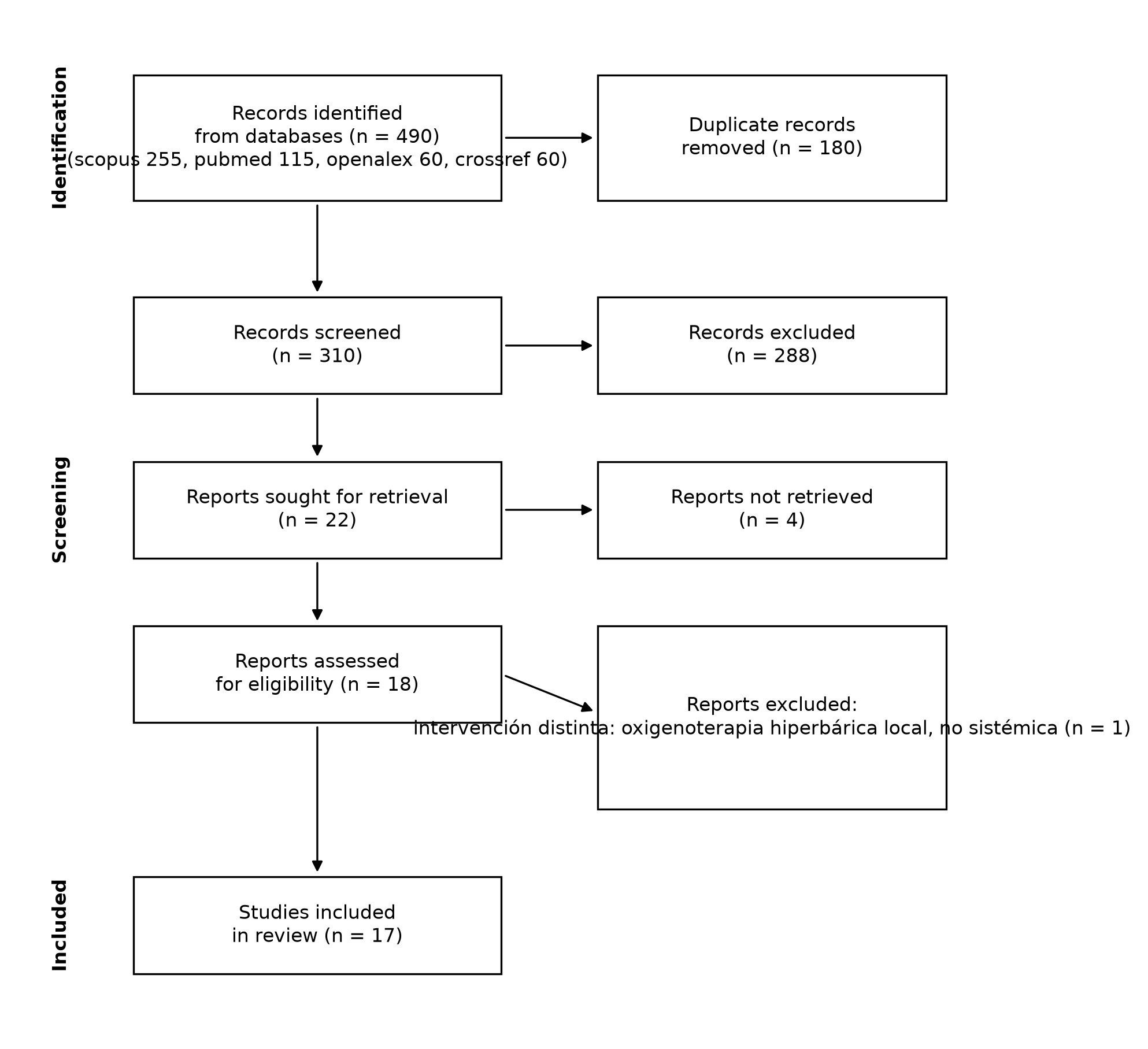
Figure 1. PRISMA 2020 flow diagram of study selection.
Note: One report was excluded at full text because it delivered local hyperbaric oxygen rather than systemic therapy. Source: Own elaboration.Characteristics of included studies
The 17 included studies comprised 7 randomized trials and 10 observational studies published between 2016 and 2025 (Table 1). Sample sizes ranged from 20 patients to a real-world data set of more than two million wounds. The studies were conducted in Canada, the Netherlands, India, Egypt, Vietnam, Brazil, the United States, Turkey, Sudan, Denmark and Iran, and two studies did not report their country. Three studies were conducted in India, two in the Netherlands and two in Egypt, and the remainder were single-center series from different regions. Six of the randomized trials tested systemic hyperbaric oxygen against standard wound care, and one used a sham hyperbaric exposure with air at reduced pressure. The observational studies included five single-arm cohorts treated with hyperbaric oxygen and five comparative cohorts or case-control designs. Ulcer severity was graded with the Wagner system or the University of Texas system across the studies, and the trials enrolled predominantly neuropathic or nonischemic ulcers, whereas the DAMO2CLES trial was restricted to ischemic lower-extremity ulcers. The two largest randomized trials, Fedorko and the DAMO2CLES trial, contributed 107 and 120 participants respectively and together provide most of the controlled evidence, whereas the observational studies contributed the larger denominator with uncontrolled or non-randomized designs.
The hyperbaric protocols ranged from 2.0 to 3.0 atmospheres absolute, with sessions of 45 to 120 minutes delivered daily or five to six days per week, and the prescribed courses ranged from 20 to more than 40 sessions. Follow-up ranged from four weeks in the short trials to five years in the Danish registry cohort. This protocol variability is relevant to the interpretation of the dose-response signals, because the number of sessions completed, rather than the number prescribed, was the factor most consistently associated with the outcome in the observational cohorts.
Study | Country | Design | Sample | Ulcer population | Comparison | Main finding |
|---|---|---|---|---|---|---|
Fedorko 2016 | Canada | Double-blind sham RCT | 107 | Wagner 2-4, at least 4 weeks | HBOT vs sham plus wound care | No reduction in amputation indication (OR 0.91) |
Santema 2018 | Netherlands | Multicentre RCT | 120 | Ischemic lower-extremity ulcer | HBOT plus SOC vs SOC | Limb salvage RD 10%, healing RD 3% |
Kumar 2020 | NR | Double-blind RCT | 54 | Wagner II-IV | HBOT plus standard vs standard | Healing 78% vs 0% |
Salama 2019 | Egypt | RCT | 30 | Nonischemic Wagner 2-3 | HBOT plus conventional vs conventional | Complete closure 33.3% vs 0% |
Lopes 2024 | Brazil | Non-blind RCT | 30 | Wagner 2-4 | HBOT vs conventional | Better healing before 6 months (p = 0.04) |
Myrthong 2024 | India | RCT | 60 | DFU | HBOT plus SOC vs SOC | Lower minor amputation (p = 0.001) |
Nguyen 2025 | Vietnam | RCT | 94 | DFU | HBOT plus antibiotics vs antibiotics | Amputation 4.6% vs 11.7% |
Ennis 2018 | United States | Retrospective observational | More than 2 million wounds | Wagner 3-4 | HBOT vs no HBOT | Healing 75.24% with completed HBOT |
Kaplan 2017 | Turkey | Retrospective cohort | 146 | Wagner 2-5 | HBOT, single arm | Healing 69.6%, major amputation 8.2% |
Lalieu 2021 | Netherlands | Retrospective cohort | 206 | UT grade 3 | HBOT, single arm | Healing 36%, amputation 13% |
Fadol 2021 | Sudan | Retrospective descriptive | NR | Nonhealing DFU | HBOT, single arm | Healing 61%, amputation 16.7% |
Vinkel 2019 | Denmark | Registry cohort | 148 | DFU referred | HBOT, single arm | Five-year amputation 73.5% |
Babaniamansour 2021 | Iran | Observational | 58 | DFU | HBOT, single arm | Recovery 69% |
Benix 2025 | India | Case-control | 235 | DFU, UT graded | HBOT plus SOC vs SOC | Healing OR 2.84 |
Mahmoud 2024 | Egypt | Prospective comparative | 60 | DFU | HBOT plus standard vs standard | Better Wagner score at 2-3 months |
Martins-Mendes 2025 | NR | Non-randomized prospective | 20 | Ischemic recalcitrant DFU | HBOT plus SOC vs SOC | Lower amputation and mortality |
Zaman 2025 | Turkey | Retrospective cohort | 45 | Graft tissue defects | HBOT plus graft vs graft | Faster 50% healing (18 vs 30.5 days) |
Note: RCT = randomized controlled trial; DFU = diabetic foot ulcer; UT = University of Texas; HBOT = hyperbaric oxygen therapy; SOC = standard of care; NR = not reported. Source: Prepared by the authors based on the data extracted from each study.
Risk of bias
Risk of bias varied by design (Table 2). The double-blind sham-controlled trial by Fedorko was judged at low risk, whereas the remaining randomized trials were rated as having some concerns, because blinding of participants and assessors was absent or unclear and because several trials were small. In the randomized trials, the most frequent concerns were the absence of blinding and small samples, and missing outcome data were present in the two largest trials, in which adherence to the assigned hyperbaric course was incomplete. The observational studies were rated at high risk of bias, mainly because five of the ten had no concurrent comparator, relied on retrospective record review and did not adjust for ulcer severity, ischemia and diabetes duration. Among the comparative observational studies, Benix adjusted for ulcer severity and reported a favorable but non-significant adjusted association, and the real-world analysis by Ennis reported outcomes at the population level without individual-level confounder control. The predominance of high risk of bias in the observational evidence means that the healing and amputation rates drawn from those studies should be read as descriptions of treated populations rather than as estimates of a treatment effect.
Study | Design | Tool | Overall | Main concern |
|---|---|---|---|---|
Fedorko 2016 | Double-blind sham RCT | RoB 2 | Low | None identified |
Santema 2018 | Multicentre RCT | RoB 2 | Some concerns | 35% did not complete the protocol |
Kumar 2020 | Double-blind RCT | RoB 2 | Some concerns | Small sample |
Salama 2019 | RCT | RoB 2 | Some concerns | Small sample, blinding unclear |
Lopes 2024 | Non-blind RCT | RoB 2 | High | No blinding, small sample |
Myrthong 2024 | RCT | RoB 2 | Some concerns | Blinding unclear |
Nguyen 2025 | RCT | RoB 2 | Some concerns | No blinding reported |
Ennis 2018 | Retrospective observational | NOS | High | No individual confounder control |
Kaplan 2017 | Retrospective cohort | NOS | High | No comparator |
Lalieu 2021 | Retrospective cohort | NOS | High | No comparator |
Fadol 2021 | Retrospective descriptive | NOS | High | No comparator, sample size unclear |
Vinkel 2019 | Registry cohort | NOS | High | No comparator, advanced disease |
Babaniamansour 2021 | Observational | NOS | High | No comparator |
Benix 2025 | Case-control | NOS | Moderate | Confounding by indication |
Mahmoud 2024 | Prospective comparative | NOS | High | Non-randomized allocation |
Martins-Mendes 2025 | Non-randomized prospective | NOS | High | Small sample, non-randomized |
Zaman 2025 | Retrospective cohort | NOS | High | Non-randomized control |
Note: RoB 2 = risk of bias tool for randomized trials; NOS = Newcastle-Ottawa Scale. Source: Prepared by the author based on the evaluation with RoB 2 y la escala Newcastle-Ottawa.
Healing outcomes
Healing was reported in sixteen of the seventeen studies and was the most frequent outcome (Table 3). The two largest sham-controlled trials did not demonstrate a benefit. Fedorko reported healing in 10 of 49 patients (20%) assigned to hyperbaric oxygen and 12 of 54 patients (22%) assigned to sham (OR 0.90; 95% CI 0.35 to 2.31).( 15) The DAMO2CLES trial reported healing of the index wound in 30 of 60 patients (50%) with hyperbaric oxygen and 28 of 60 (47%) with standard care alone (RD 3%; 95% CI -14 to 21).( 16) In contrast, the smaller randomized trials reported large benefits. Kumar observed complete healing without surgery in 78% of the hyperbaric group and in no patient of the standard care group (p = 0.001).(17) Salama reported complete closure in 5 of 15 patients (33.3%) receiving hyperbaric oxygen and in none of 15 controls (p = 0.014).(18) Lopes reported better wound healing before six months of follow-up (p = 0.04),(19) Myrthong reported greater reduction in wound size and better granulation (p = 0.001),(20) and Nguyen reported greater reductions in ulcer depth and diameter (p < 0.05).(21) Secondary healing measures reinforced the primary findings in the trials that reported them, because Myrthong observed a greater proportion of healthy granulation tissue and Nguyen observed faster resolution of infection in addition to the smaller ulcer dimensions.(20,21)
Observational cohorts reported healing rates between 36% and 75%. Kaplan reported complete healing in 69.6% of 146 ulcers and significant improvement in a further 17.9%.(22) Lalieu reported complete healing in 36% and near-complete healing in another 36% of 206 University of Texas grade 3 ulcers.(23) Fadol reported complete healing in 61% and Babaniamansour a recovery rate of 69%.(24,25) In the real-world analysis by Ennis, healing among Wagner grade 3 and 4 ulcers rose from 56.04% without hyperbaric oxygen to 60.01% with any hyperbaric exposure and to 75.24% among patients who completed the prescribed number of sessions.(26) Benix found that hyperbaric oxygen was associated with complete healing (OR 2.84), although the association was attenuated after adjustment (OR 2.32, not significant).(27) Zaman reported a median time to 50% healing of 18 days with hyperbaric oxygen versus 30.5 days in the control group (p < 0.05).(28) Mahmoud reported a better Wagner score at two and three months in the hyperbaric group.(29) The definition of healing differed across studies, because some required complete epithelialization, others accepted a reduction of at least 80% in ulcer surface area, and one measured the time to 50% closure, and these definitional differences limit the comparability of the reported rates. In the trials that measured healing over time, the advantage of hyperbaric oxygen was visible at the earliest assessments and was maintained to the end of follow-up in the Salama trial, which reported the difference through eight weeks after the end of treatment.( 18)
Study | Measure | Hyperbaric oxygen | Control | Estimate |
|---|---|---|---|---|
Fedorko 2016 | Healed at 12 weeks | 10/49 (20%) | 12/54 (22%) | OR 0.90 (0.35 to 2.31) |
Santema 2018 | Index wound healed at 12 months | 30/60 (50%) | 28/60 (47%) | RD 3% (-14 to 21) |
Kumar 2020 | Complete healing without surgery | 78% | 0% | p = 0.001 |
Salama 2019 | Complete closure | 5/15 (33.3%) | 0/15 (0%) | p = 0.014 |
Lopes 2024 | Healing before 6 months | Better | Reference | p = 0.04 |
Myrthong 2024 | Wound size and granulation | Better | Reference | p = 0.001 |
Nguyen 2025 | Ulcer depth and diameter | Decreased | Reference | p < 0.05 |
Ennis 2018 | Wagner 3-4 healing | 75.24% | 56.04% | NR |
Kaplan 2017 | Complete healing | 69.6% | NR | NR |
Lalieu 2021 | Complete healing | 36% | NR | NR |
Fadol 2021 | Complete healing | 61% | NR | NR |
Babaniamansour 2021 | Recovery | 69% | NR | NR |
Benix 2025 | Complete healing | NR | Reference | OR 2.84 (adjusted 2.32) |
Mahmoud 2024 | Wagner score at 3 months | Better | Reference | p = 0.035 |
Zaman 2025 | Time to 50% healing | 18 days | 30.5 days | p < 0.05 |
Note: CI = confidence interval; OR = odds ratio; RD = risk difference; NR = not reported. Healing rates refer to complete closure unless stated otherwise. Source: Prepared by the authors based on the data extracted from each study.
Amputation outcomes
Amputation was reported in twelve of the seventeen studies, and the pattern mirrored that observed for healing (Table 4). The sham-controlled trial by Fedorko found that criteria for major amputation were met in 11 of 49 patients (22%) receiving hyperbaric oxygen and 13 of 54 patients (24%) receiving sham (OR 0.91; 95% CI 0.37 to 2.28; p = 0.846).(15) The DAMO2CLES trial reported limb salvage in 53 of 60 patients (88%) with hyperbaric oxygen and 47 of 60 (78%) with standard care (RD 10%; 95% CI -4 to 23), and amputation-free survival in 49 versus 41 patients (RD 13%; 95% CI -2 to 28).(16) Neither estimate was significant. Kumar reported two distal amputations in the hyperbaric group and three proximal amputations in the standard care group,( 17) Myrthong reported a lower incidence of minor amputation with hyperbaric oxygen (p = 0.001),( 20) and Nguyen reported amputation rates of 4.6% versus 11.7%.( 21)
Observational cohorts reported major amputation rates between 6% and 16% in the treated population. Kaplan reported minor amputation in 15.0% and major amputation in 8.2%.(22) Lalieu reported amputation in 13% of patients, with minor amputation in 6% and major amputation in 7%, and a lower amputation odds among patients who completed at least 30 sessions (OR 0.08; 95% CI 0.03 to 0.21).(23) Fadol reported amputation in 16.7%.(24) Vinkel reported a five-year amputation estimate of 73.5% in a Danish cohort referred for hyperbaric oxygen.(30) Martins-Mendes reported lower amputation and mortality in the hyperbaric group of a 20-patient prospective study.(31) Two studies reported a dose-response relationship between the number of sessions and amputation, with Lalieu reporting a markedly lower amputation odds above thirty sessions and the DAMO2CLES completers showing fewer major amputations than those who did not complete the protocol.(16,23) Minor and major amputations were not always separated, and the largest controlled studies defined major amputation differently, which complicates the comparison of point estimates across the evidence.
Study | Measure | Hyperbaric oxygen | Control | Estimate |
|---|---|---|---|---|
Fedorko 2016 | Major amputation criteria | 11/49 (22%) | 13/54 (24%) | OR 0.91 (0.37 to 2.28) |
Santema 2018 | Limb salvage | 53/60 (88%) | 47/60 (78%) | RD 10% (-4 to 23) |
Santema 2018 | AFS | 49/60 | 41/60 | RD 13% (-2 to 28) |
Kumar 2020 | Amputation | 2 distal | 3 proximal | NR |
Myrthong 2024 | Minor amputation | Lower | Reference | p = 0.001 |
Nguyen 2025 | Amputation rate | 4.6% | 11.7% | NR |
Kaplan 2017 | Minor and major | 15.0% and 8.2% | NR | NR |
Lalieu 2021 | Minor and major | 6% and 7% | NR | OR 0.08 for at least 30 sessions |
Fadol 2021 | Amputation | 16.7% | NR | NR |
Vinkel 2019 | Five-year amputation | 73.5% | NR | NR |
Martins-Mendes 2025 | Lower-extremity amputation | Lower | Reference | NR |
Note: CI = confidence interval; OR = odds ratio; RD = risk difference; AFS = amputation-free survival; NR = not reported. Source: Prepared by the authors based on the data extracted from each study.
Adverse events and mortality
Adverse events were reported in five studies (Table 5). Fadol recorded ear barotrauma in 20% of treated patients.(24) Myrthong reported comparable complications between groups (p = 0.198),(20) and Zaman reported no adverse effects in the hyperbaric group.(28) In the DAMO2CLES trial, 21 of 60 patients (35%) were unable to complete the planned hyperbaric protocol.(16) Mortality was higher in the amputated than in the non-amputated group in the Kaplan cohort (47.1% versus 21.4%; p = 0.007),(22) and the Danish cohort reported a five-year mortality estimate of 51.8%.(30) Martins-Mendes reported lower mortality in the hyperbaric group.(31) No study reported a systematic comparison of adverse events against a prespecified safety checklist, and the absence of adverse event reporting in most trials limits the precision of any safety estimate. The available numbers suggest that barotrauma and incomplete treatment courses are the two most frequent safety-related events, and both are relevant to the feasibility of the intervention rather than to a direct clinical hazard.
Study | Adverse events | Mortality or secondary outcome |
|---|---|---|
Fedorko 2016 | NR | NR |
Santema 2018 | 35% did not complete the protocol | NR |
Kumar 2020 | NR | NR |
Salama 2019 | Comparable complications | NR |
Lopes 2024 | NR | Better quality of life in most SF-36 domains |
Myrthong 2024 | Comparable complications (p = 0.198) | NR |
Nguyen 2025 | NR | Shorter treatment time (10.1 vs 15.1 days) |
Ennis 2018 | NR | NR |
Kaplan 2017 | NR | Mortality 47.1% vs 21.4% in amputated |
Lalieu 2021 | NR | Quality of life and pain improved |
Fadol 2021 | Ear barotrauma 20% | NR |
Vinkel 2019 | NR | Five-year mortality 51.8% |
Babaniamansour 2021 | NR | Sessions higher in cured patients |
Benix 2025 | NR | Longer median healing time in worse ulcers |
Mahmoud 2024 | NR | Less pain at 3 months |
Martins-Mendes 2025 | NR | Lower mortality |
Zaman 2025 | None reported | Higher graft retention |
Note: NR = not reported. Source: Prepared by the authors based on the data extracted from each study.
Relationship between healing and amputation
The studies that reported both outcomes did not show a uniform correspondence between healing and amputation. In the two controlled trials, the absence of a healing benefit coincided with the absence of an amputation benefit, whereas in the smaller trials the healing advantage was accompanied by fewer minor amputations but not by a clear reduction in major amputations, which were rare in those samples.(15-17,20) In the single-arm cohorts, higher healing rates did not predict lower amputation rates, because the cohort with one of the highest healing rates, Kaplan, also reported one of the higher major amputation figures, and the two dimensions therefore varied independently across the treated cohorts.(22) The dose-response relationship between completed sessions and both outcomes was the only signal that linked the two dimensions consistently across studies, appearing in the Lalieu cohort and in the completers analysis of the DAMO2CLES trial.(16,23)
DISCUSSION
The objective of this review was to determine whether hyperbaric oxygen therapy improves healing and reduces major amputation in diabetic foot ulcers compared with standard care. The synthesis indicates that healing and amputation do not answer the question in the same direction. Small randomized trials and several observational cohorts reported large improvements in healing, whereas the two largest trials with the most rigorous control groups found no significant benefit for either healing or amputation, and the observational evidence for amputation is dominated by single-arm cohorts in which the crude rates reflect case mix as much as treatment effect.
The certainty of the evidence is low for healing and very low for amputation. For healing, the randomized evidence is inconsistent and dominated by small unblinded trials, and the observational evidence is at high risk of bias. For amputation, the two adequately controlled trials are imprecise, and the observational estimates come from single-arm cohorts. Judged against the criteria of risk of bias, inconsistency, indirectness, imprecision and publication bias, the body of evidence does not support a high-confidence conclusion in either direction, and the plausible benefit is therefore best described as uncertain rather than established or refuted. Publication bias is plausible in this literature, because the smallest trials with the largest effects dominate the favorable end of the evidence and the observational series that report null or modest outcomes are less likely to be submitted or published, but the presence of two large neutral trials mitigates the concern that the overall direction is driven entirely by selective reporting.
Several features of the review support its interpretation. The search was executed across four complementary databases with Scopus as the first source, the queries were recorded verbatim with their dates and yields, and the flow of records is documented arithmetically in the PRISMA diagram rather than approximated. The eligibility criteria were applied to a large candidate set, the risk of bias was assessed with instruments matched to the design of each study, and every effect estimate in the narrative is traceable to a named report. The restriction to the 2016 to 2025 window focuses the review on the era in which the two sham or multicentre controlled trials were published, which is the period most relevant to current practice.
The healing findings are consistent with the landmark trial by Löndahl, which reported more complete healing at one year but no difference in amputation, and with the Cochrane synthesis, which found a benefit for healing but low-certainty evidence for amputation.(5,32) More recent meta-analyses echo the same divergence. Sharma reported improved healing with hyperbaric oxygen in controlled trials, and Zhang reported a reduction in major amputation when smaller and predominantly observational evidence was pooled, whereas the overviews emphasize that the estimates depend heavily on the inclusion of uncontrolled series.(6,7,33) Reviews restricted to ischemic ulcers reached cautious conclusions, with Brouwer finding no consistent benefit in the presence of arterial insufficiency and Lalieu noting that the nonischemic population is where most positive signals arise.(34,35) The stratified analysis by Wagner grade reported the largest gains in advanced grades only when treatment adherence was high, which matches the dose-response pattern observed here in the Ennis and Lalieu cohorts.(23,26,36) The most recent systematic reviews of clinical outcomes and of oxygen therapy for chronic wounds reach the same conclusion, namely that the benefit is plausible but conditional on patient selection and reporting quality.(37,38)
For amputation, the two sham or adequately controlled trials deserve the greatest weight. Fedorko used a sham exposure and found no reduction in amputation indication, and the DAMO2CLES trial found point estimates favoring hyperbaric oxygen that did not reach significance, with a signal of benefit only in the subgroup that completed the protocol.(15,16) This contrast between per-protocol and intention-to-treat results suggests that session completion and patient selection, rather than the intervention itself, may explain part of the apparent benefit in uncontrolled series. The high five-year amputation estimate in the Danish registry cohort is a reminder that patients referred for hyperbaric oxygen are a selected, severely affected population, which inflates crude amputation rates in single-arm studies.(30) A Cochrane overview and the meta-analyses that included only randomized evidence likewise found no convincing reduction in amputation, which reinforces the conclusion that the amputation benefit reported in small trials is fragile.(5,6) The design difference between the two large trials and the smaller ones is the central explanation for their divergent results. Fedorko used a sham arm in which participants breathed air at reduced pressure, so that neither patients nor assessors could distinguish the intervention from the control, and the trial therefore isolates the specific effect of hyperbaric oxygen rather than the effect of being treated in a chamber. The DAMO2CLES trial, although not sham-controlled, was multicentre and prespecified limb salvage and wound healing at twelve months, and it enrolled a uniformly ischemic population. The smaller trials, by contrast, were single-centre, unblinded and used surrogate or short-term wound measures, and their very large effect sizes are therefore best interpreted as the upper bound of the plausible effect rather than as the expected effect in routine practice.
The biological plausibility of a healing effect is strongest in neuropathic ulcers, where the tissue is hypoxic but still perfused, and weakest in ischemic ulcers, where the inflow problem cannot be corrected by raising dissolved oxygen alone.(4) This distinction fits the pattern in the present review, because the positive signals came from nonischemic or neuropathic populations and the largest null results came from the ischemic DAMO2CLES population, and it also explains why offloading and revascularization remain the first-line interventions in the guideline hierarchy.(9,12) The dose-response relationship between the number of completed sessions and healing or amputation observed in the Ennis and Lalieu cohorts is consistent with this mechanism, although it may equally reflect selection of patients who were well enough to attend repeated sessions.(23,26) The same logic explains the emphasis on vascular assessment before referral, because a hyperbaric course in a limb with uncorrected inflow is unlikely to restore tissue oxygen to the levels required for repair, and the clinical guidelines therefore place revascularization ahead of adjunctive oxygen.(12)
Mortality was reported in only three studies, and in each of them it tracked the severity of the underlying disease rather than the intervention. The Kaplan cohort recorded higher mortality in the amputated group, the Danish cohort recorded a five-year mortality above half, and the small prospective study reported lower mortality in the hyperbaric group without adjustment for baseline risk.(22,30,31) These figures cannot support a survival claim for hyperbaric oxygen, but they confirm that the populations enrolled in this literature are at high baseline risk, which magnifies the influence of selection bias in the observational comparisons.
The safety profile appears acceptable but is incompletely reported. Barotrauma was the most common adverse event, and seizure risk in patients with a seizure history has been examined separately, with hyperbaric oxygen appearing tolerable in non-emergent settings.(24,39) The economic analysis based on the DAMO2CLES trial found no significant difference in cost or quality-adjusted life-years, which weakens the case for routine use outside selected patients.(40) Cost-effectiveness syntheses and shared decision-making reviews converge on the same operational conclusion, namely that hyperbaric oxygen should be offered selectively and with explicit patient information about uncertain benefit.(41,42)
Several sources of heterogeneity explain the conflicting results. The trials differed in ulcer grade and ischemia, with positive signals concentrated in neuropathic and nonischemic ulcers and null results in ischemic populations. Hyperbaric protocols varied in pressure, session duration and number, and adherence was low in the largest trials, with more than a third of patients failing to complete the protocol in the DAMO2CLES trial.( 16) Control groups differed as well, because sham exposure was used in only one trial, and the smaller trials that reported the largest effects were unblinded. Outcome definitions also differed, because complete healing was defined variously as full epithelialization or as an 80% reduction in surface area, and major amputation was defined inconsistently across studies. These differences prevented a pooled estimate and mean that the apparently favorable observational rates cannot be interpreted as treatment effects. The heterogeneity is therefore more than a technical obstacle to pooling, because it is itself an informative finding that points to the subgroups and the adherence conditions under which hyperbaric oxygen is most likely to add clinical value.
The findings must also be read against the components of standard care. Offloading, revascularization and infection control have their own evidence base and remain the first priorities in the guideline hierarchy, and hyperbaric oxygen is an adjunct rather than a substitute for any of them.(9,12) The trials included here applied hyperbaric oxygen on top of comprehensive wound care, and the largest of them found no additional benefit, which is consistent with the view that the marginal effect of hyperbaric oxygen is small once the basic elements of care are optimized. The positive signals in the smaller trials may reflect differences in baseline care intensity as much as the biological effect of oxygen, because none of those trials used a sham control.
For podiatric practice, the review has a direct operational meaning. Diabetic foot ulcers are managed in multidisciplinary foot clinics in which podiatrists coordinate offloading, debridement and footwear, and the decision to refer for hyperbaric oxygen usually arises when a wound fails to close despite these measures. The evidence reviewed here indicates that such a referral is reasonable when the ulcer is neuropathic or nonischemic and when the patient can attend a full course of sessions, but that the expected gain is in wound closure rather than in limb salvage, and that this expectation should be communicated before treatment begins.
For practice, the findings support offering hyperbaric oxygen as an adjunct in selected patients with neuropathic or nonischemic ulcers that have not responded to standard wound care, while counseling that the effect on major amputation is unproven and that the treatment requires substantial attendance and carries a small risk of barotrauma. For research, adequately powered sham-controlled trials that stratify by ischemia, report protocol completion and measure major amputation as a prespecified endpoint are the clearest route to resolving the question that the current literature leaves open.
Future trials would also benefit from standardized outcome definitions. The present literature used at least three definitions of complete healing and two definitions of major amputation, and this variation prevented any pooled estimate and weakens comparisons between trials. Adopting the outcome definitions proposed in the current guideline framework, reporting major and minor amputation separately, and prespecifying session adherence as a stratification factor would make the next generation of trials directly combinable.(9,11) Until such trials exist, the clinical decision will continue to rest on individualized judgment informed by the low-certainty evidence summarized here.
CONCLUSIONS
Hyperbaric oxygen therapy may improve complete ulcer healing in selected patients with diabetic foot ulcers, but the most rigorous controlled trials do not demonstrate a consistent reduction in major amputation. The evidence for amputation is further limited by the predominance of single-arm observational cohorts, and adverse events appear acceptable although they are inconsistently reported. The certainty of the evidence for both healing and amputation remains low, and the decision to use hyperbaric oxygen should therefore be individualized and accompanied by explicit discussion of the uncertain benefit.
References
- 1 Armstrong DG, Tan TW, Boulton AJM, Bus SA. Diabetic Foot Ulcers. JAMA. 2023;330(1):62. doi: 10.1001/jama.2023.10578
- 2 Al‐Busaidi IS, Seelig AD, Boyko EJ. Association of Incident Diabetic Foot Ulcer With Lower‐Extremity Amputation Risk: The Prospective Seattle Diabetic Foot Study. Diabetes Metabolism Res. 2025;41(8):e70102. doi: 10.1002/dmrr.70102
- 3 Reilly MA, Cohen IC, Watson SL, Minc SD, Ho KJ, Feinglass J. A population health analysis of trends in lower extremity amputation secondary to diabetes and peripheral artery disease, 2016–2023. Diabetes Research and Clinical Practice. 2025;230:112963. doi: 10.1016/j.diabres.2025.112963
- 4 Johnston BR, Ha AY, Brea BA, Liu PY. The Mechanism of Hyperbaric Oxygen Therapy in the Treatment of Chronic Wounds and Diabetic Foot Ulcers [Internet]. 2016. Available from: https://pubmed.ncbi.nlm.nih.gov/26827082
- 5 Kranke P, Bennett MH, Martyn-St James M, Schnabel A, Debus SE, Weibel S. Hyperbaric oxygen therapy for chronic wounds. Cochrane Database Syst Rev. 2015;2015(6):CD004123. doi: 10.1002/14651858.cd004123.pub4
- 6 Sharma R, Sharma SK, Mudgal SK, Jelly P, Thakur K. Efficacy of hyperbaric oxygen therapy for diabetic foot ulcer, a systematic review and meta-analysis of controlled clinical trials. Sci Rep. 2021;11(1):2189. doi: 10.1038/s41598-021-81886-1
- 7 Zhang Z, Zhang W, Xu Y, Liu D. Efficacy of hyperbaric oxygen therapy for diabetic foot ulcers: An updated systematic review and meta-analysis. Asian Journal of Surgery. 2022;45(1):68-78. doi: 10.1016/j.asjsur.2021.07.047
- 8 MOREIRA DA CRUZ DL, OLIVEIRA-PINTO J, MANSILHA A. The role of hyperbaric oxygen therapy in the treatment of diabetic foot ulcers: a systematic review with meta-analysis of randomized controlled trials on limb amputation and ulcer healing. Int Angiol. 2022;41(1):63-73. doi: 10.23736/s0392-9590.21.04722-2
- 9 Chen P, Vilorio NC, Dhatariya K, Jeffcoate W, Lobmann R, McIntosh C, et al. Guidelines on interventions to enhance healing of foot ulcers in people with diabetes (IWGDF 2023 update). Diabetes Metabolism Res. 2024;40(3):e3644. doi: 10.1002/dmrr.3644
- 10 Page MJ, McKenzie JE, Bossuyt PM, Boutron I, Hoffmann TC, Mulrow CD, et al. The PRISMA 2020 statement: an updated guideline for reporting systematic reviews. BMJ. 2021:n71. doi: 10.1136/bmj.n71
- 11 Monteiro‐Soares M, Hamilton EJ, Russell DA, Srisawasdi G, Boyko EJ, Mills JL, et al. Guidelines on the classification of foot ulcers in people with diabetes (IWGDF 2023 update). Diabetes Metabolism Res. 2024;40(3):e3648. doi: 10.1002/dmrr.3648
- 12 Senneville É, Albalawi Z, van Asten SA, Abbas ZG, Allison G, Aragón‐Sánchez J, et al. IWGDF/IDSA guidelines on the diagnosis and treatment of diabetes‐related foot infections (IWGDF/IDSA 2023). Diabetes Metabolism Res. 2024;40(3):e3687. doi: 10.1002/dmrr.3687
- 13 Sterne JAC, Savović J, Page MJ, Elbers RG, Blencowe NS, Boutron I, et al. RoB 2: a revised tool for assessing risk of bias in randomised trials. BMJ. 2019;366:l4898. doi: 10.1136/bmj.l4898
- 14 Wells GA, Shea B, OConnell D, Peterson J, Welch V, Losos M, Tugwell P. The Newcastle-Ottawa Scale (NOS) for assessing the quality of nonrandomised studies in meta-analyses [Internet]. 2014. Available from: https://www.ohri.ca/programs/clinical_epidemiology/oxford.asp
- 15 Fedorko L, Bowen JM, Jones W, Oreopoulos G, Goeree R, Hopkins RB, et al. Hyperbaric Oxygen Therapy Does Not Reduce Indications for Amputation in Patients With Diabetes With Nonhealing Ulcers of the Lower Limb: A Prospective, Double-Blind, Randomized Controlled Clinical Trial. Diabetes Care. 2016;39(3):392-399. doi: 10.2337/dc15-2001
- 16 Santema KTB, Stoekenbroek RM, Koelemay MJW, Reekers JA, van Dortmont LMC, Oomen A, et al. Hyperbaric Oxygen Therapy in the Treatment of Ischemic Lower- Extremity Ulcers in Patients With Diabetes: Results of the DAMO2CLES Multicenter Randomized Clinical Trial. Diabetes Care. 2018;41(1):112-119. doi: 10.2337/dc17-0654
- 17 Shukla U, Kumar A, Prabhakar T, Srivastava D. Hyperbaric oxygen therapy as an adjuvant to standard therapy in the treatment of diabetic foot ulcers. J Anaesthesiol Clin Pharmacol. 2020;36(2):213. doi: 10.4103/joacp.joacp_94_19
- 18 Salama SE, Eldeeb AE, Elbarbary AH, Abdelghany SE. Adjuvant Hyperbaric Oxygen Therapy Enhances Healing of Nonischemic Diabetic Foot Ulcers Compared With Standard Wound Care Alone. The International Journal of Lower Extremity Wounds. 2019;18(1):75-80. doi: 10.1177/1534734619829939
- 19 Alves Lopes JR, Dias MD, Batalha MAB, Guerra LKD, Correa JA. Hyperbaric oxygen therapy for healing chronic foot wounds in diabetic patients: Randomised clinical trial. jhgd. 2024;34(3):430-440. doi: 10.36311/jhgd.v34.16415
- 20 Myrthong AL, Gurav S, Mahankudo S, Ansari KF, Sawant M, Lahoti K. Hyperbaric Oxygen Therapy Combined With Standard Wound Care Versus Standard Wound Care Alone in Patients With Diabetic Foot Ulcers: A Prospective Comparative Study. Cureus. 2024;16(12):e74964. doi: 10.7759/cureus.74964
- 21 Nguyen NB, Nguyen Van T, Nguyen Thi Hai H, Nguyen Truong S. Results of treating patients with diabetic foot ulcers with hyperbaric oxygen. Int Marit Health. 2025;76(4):259-267. doi: 10.5603/imh.102276
- 22 Kaplan ST, Hemsinli D, Kaplan S, Arslan A. Amputation predictors in diabetic foot ulcers treated with hyperbaric oxygen. J Wound Care. 2017;26(7):361-366. doi: 10.12968/jowc.2017.26.7.361
- 23 Lalieu RC, Mulder W, Raap RDB, Stolk S, Smit C, Dubois EF, et al. Hyperbaric oxygen treatment for University of Texas grade 3 diabetic foot ulcers: a retrospective cohort study. J Wound Care. 2021;30(9):722-728. doi: 10.12968/jowc.2021.30.9.722
- 24 Fadol EM, Suliman HM, Osman B, Abdalla SA, Osman WJA, Mohamed EM, et al. Therapeutic outcomes evaluation of adjuvant hyperbaric oxygen therapy for non-healing diabetic foot ulcers among sudanese patients. Diabetes & Metabolic Syndrome: Clinical Research & Reviews. 2021;15(4):102173. doi: 10.1016/j.dsx.2021.06.010
- 25 Babaniamansour S, Najari N, Aliniagerdroudbari E, Babaniamansour A, Pezeshki S. Effect of Hyperbaric Oxygen Therapy on Diabetic Foot Ulcer; a Clinical Study [Internet]. 2021. Available from: https://doaj.org/api/articles/2d719be335c54d53836639b4bcb9b777
- 26 Ennis WJ, Huang ET, Gordon H. Impact of Hyperbaric Oxygen on More Advanced Wagner Grades 3 and 4 Diabetic Foot Ulcers: Matching Therapy to Specific Wound Conditions. Advances in Wound Care. 2018;7(12):397-407. doi: 10.1089/wound.2018.0855
- 27 Benix L, Sukumaran MT, Lakshmanan V, Sankaran R, Kumar V. The Impact of Adjunct Hyperbaric Oxygen Therapy on Healing Diabetic Foot Ulcers: A Retrospective Case-Control Study at a Tertiary Care Center. Cureus. 2025;17(12):e99432. doi: 10.7759/cureus.99432
- 28 Zaman T, Canarslan Demir K, Gunduz SH, Gulap Y, Basak AM, Yilmaz KB. Hyperbaric Oxygen Therapy as an Effective Adjunctive Treatment in the Reconstruction of Tissue Defects With Graft in Diabetic Foot Patients: A Retrospective Cohort Study. International Wound Journal. 2025;22(6):e70686. doi: 10.1111/iwj.70686
- 29 Mahmoud AS, Mohammed HA. Effect of Adjuvant Hyperbaric Oxygen Versus Routine Wound Care on Diabetic Foot Ulcer Healing: A comparative Study. Tanta Scientific Nursing Journal. 2024;35(4):0-0. doi: 10.21608/tsnj.2024.391526
- 30 Vinkel J, Lohse N, Hyldegaard O. The clinical use of hyperbaric oxygen in the treatment of Danish patients with diabetic foot ulcers [Internet]. 2019. Available from: https://pubmed.ncbi.nlm.nih.gov/30722823
- 31 Martins-Mendes D, Costa R, Rodrigues I, Camacho Ó, Coelho PB, Paixão-Dias V, et al. Microvascular, Biochemical, and Clinical Impact of Hyperbaric Oxygen Therapy in Recalcitrant Diabetic Foot Ulcers. Cells. 2025;14(15):1196. doi: 10.3390/cells14151196
- 32 Löndahl M, Katzman P, Nilsson A, Hammarlund C. Hyperbaric Oxygen Therapy Facilitates Healing of Chronic Foot Ulcers in Patients With Diabetes. Diabetes Care. 2010;33(5):998-1003. doi: 10.2337/dc09-1754
- 33 Wenhui L, Changgeng F, Lei X, Baozhong Y, Guobin L, Weijing F. Hyperbaric oxygen therapy for chronic diabetic foot ulcers: An overview of systematic reviews. Diabetes Research and Clinical Practice. 2021;176:108862. doi: 10.1016/j.diabres.2021.108862
- 34 Brouwer RJ, Lalieu RC, Hoencamp R, van Hulst RA, Ubbink DT. A systematic review and meta-analysis of hyperbaric oxygen therapy for diabetic foot ulcers with arterial insufficiency. Journal of Vascular Surgery. 2020;71(2):682-692.e1. doi: 10.1016/j.jvs.2019.07.082
- 35 Lalieu RC, Brouwer RJ, Ubbink DT, Hoencamp R, Bol Raap R, van Hulst RA. Hyperbaric oxygen therapy for nonischemic diabetic ulcers: A systematic review. Wound Repair Regeneration. 2020;28(2):266-275. doi: 10.1111/wrr.12776
- 36 Oley MH, Oley MC, Kepel BJ, Faruk M, Wagiu AMJ, Sukarno I, et al. Hyperbaric Oxygen Therapy for Diabetic Foot Ulcers Based on Wagner Grading: A Systematic Review and Meta-analysis. Plastic and Reconstructive Surgery - Global Open. 2024;12(3):e5692. doi: 10.1097/gox.0000000000005692
- 37 Damineni U, Divity S, Gundapaneni SRC, Burri RG, Vadde T. Clinical Outcomes of Hyperbaric Oxygen Therapy for Diabetic Foot Ulcers: A Systematic Review. Cureus. 2025;17(2):e78655-e78655. doi: 10.7759/cureus.78655
- 38 Du X, Zhang X, Liu J, Wang Z. Effects of Oxygen Therapy on Patients with a Chronic Wound: A Systematic Review and Meta-analysis. Adv Skin Wound Care. 2024;37(5):1-9. doi: 10.1097/asw.0000000000000131
- 39 Park S, Marinov A, Clarke H, Schiavo S, Greer E, Djaiani G, et al. Safety of hyperbaric oxygen therapy in non-emergent patients with a history of seizures: A retrospective cohort study. PLoS ONE. 2025;20(1):e0317586. doi: 10.1371/journal.pone.0317586
- 40 Department of Anaesthesiology, Amsterdam UMC, Location AMC, Amsterdam, The Netherlands, Brouwer RJ, Department of Surgery, Alrijne Hospital, Leiderdorp, The Netherlands, van Reijen NS, Department of Surgery, Amsterdam UMC, Location AMC, Amsterdam Cardiovascular Sciences, Amsterdam, The Netherlands, Dijkgraaf MG, et al. Economic analysis of hyperbaric oxygen therapy for the treatment of ischaemic diabetic foot ulcers. Diving Hyperb Med. 2024;54(4):265-274. doi: 10.28920/dhm54.4.265-274
- 41 Department of Surgery, Amsterdam University Medical Center, Amsterdam, the Netherlands, Meijering JR, Department of Surgery, Alrijne, Leiderdorp, the Netherlands, Risvanoglu N, Department of Anaesthesiology, Amsterdam University Medical Center, Amsterdam, the Netherlands, Nederhoed JH, et al. Shared decision-making when considering hyperbaric oxygen therapy: a systematic review. Diving Hyperb Med. 2025;55(2):180-185. doi: 10.28920/dhm55.2.180-185
- 42 Yang L, Kong J, Xing Y, Pan L, Li C, Wu Z, et al. Adjunctive hyperbaric oxygen therapy and negative pressure wound therapy for hard-to-heal wounds: a systematic review and meta-analysis. J Wound Care. 2024;33(12):950-957. doi: 10.12968/jowc.2022.0213
Declarations
Funding
No financing
Conflict of interest
None
Authorship contributions
Drafting – original draft: Juan Carlos Pérez González, Diana Paola Silva González, Mayra Sherlyn Zúñiga Martínez.
Writing–review and editing: Juan Carlos Pérez González, Diana Paola Silva González, Mayra Sherlyn Zúñiga Martínez.