
Abstract
Introduction: Intrinsic foot muscles stabilize the longitudinal arch, and their weakness is associated with foot pain, deformity and falls. Conventional footwear may reduce the mechanical demand placed on these muscles during daily activity. Methods: This PRISMA 2020 systematic review searched Scopus, PubMed, OpenAlex and Crossref for studies published between 2016 and 2025 that compared minimalist footwear or barefoot use with conventional footwear and measured intrinsic foot muscle size or strength. Risk of bias was appraised with RoB 2, ROBINS-I and the Newcastle-Ottawa Scale. Results: From 281 records, 13 studies were included. Toe flexion strength increased by 57.4% (p < 0.001) after six months of daily minimalist footwear use and by 48.5% after five months of walking in 3D-printed minimal footwear. Muscle cross-sectional area or volume increased in most studies that measured size, with null results in children wearing moderate minimalist shoes and in older adults. Conclusions: Minimalist footwear use increases intrinsic foot muscle size and strength in adults, with smaller and less consistent effects in children and older adults. The evidence is limited by heterogeneous designs and short follow-up.
Keywords
minimalist footwear, foot muscles, muscle strength, barefoot running, systematic review, shoes
INTRODUCTION
The plantar intrinsic muscles of the foot form a muscular core that stabilizes the longitudinal arch, regulates foot stiffness during the stance phase of gait and contributes elastic energy to push-off.(1,2) These functions extend beyond posture. Toe flexor strength is associated with balance, with spatiotemporal gait performance and with the risk of falling in community-dwelling older people, and toe flexor weakness accompanies plantar fasciitis and age-related foot deformity.(3-6) Falls in older people are common and costly, and toe weakness is one of the modifiable contributors to that risk.(3) The toe flexor muscles can produce force well beyond what daily gait demands, which means they carry a reserve capacity that training can exploit.(7) The mechanical demand that sustains this musculature is therefore a variable of clinical interest, because a foot that is not loaded enough will lose strength in the same way that any underused muscle atrophies, and a foot that is loaded progressively can recover it.
Footwear determines much of that demand. Conventional shoes with arch supports, stiff soles and narrow toe boxes restrict foot motion and reduce the work that the intrinsic muscles must perform during walking, whereas habitually barefoot and minimally shod populations carry larger intrinsic muscles, higher arches and stiffer feet than conventionally shod populations.(8,9) Habitually barefoot runners also strike the ground with a pattern that produces lower collision forces than the rearfoot strike that cushioned shoes encourage, which illustrates how profoundly a shoe can change the loading environment of the foot.(10) The concept of evolutionary mismatch frames modern supportive footwear as an environment for which the foot is not well adapted, and minimalist footwear as a return to a loading pattern closer to the one under which the foot evolved.(11) Because stronger toe flexors improve foot and ankle function during walking and running, the question is whether footwear can be used deliberately to restore that strength.(12) Two recent syntheses reached different conclusions about whether minimalist footwear strengthens these muscles, one reporting limited and inconsistent evidence and the other reporting a benefit when minimalist footwear and foot exercise were pooled.(13,14) This disagreement motivated a focused review restricted to direct measures of muscle size and strength. This review therefore aimed to determine whether training, walking or running in minimalist footwear increases intrinsic foot muscle size and strength compared with conventional footwear in adults and children.
The review followed PRISMA 2020 and examined the publication window from 2016 to 2025. The objective was to determine whether minimalist footwear or barefoot use increases intrinsic foot muscle size and strength compared with conventional footwear, and to describe the design, population and risk of bias of the available evidence. Its scope was restricted to studies that measured intrinsic foot muscle size, by ultrasound or magnetic resonance imaging, or foot muscle strength, by dynamometry, so that conclusions rest on direct outcomes rather than on surrogate measures of balance, performance or injury.
METHODS
The review was planned according to the PRISMA 2020 statement, and the search was documented according to PRISMA-S so that every query can be reproduced.
Studies were eligible when they enrolled humans, compared minimalist footwear or barefoot use with conventional footwear or with a control condition, and reported intrinsic foot muscle size, expressed as cross-sectional area, thickness or volume, or foot muscle strength, expressed as toe flexion or doming strength, as an outcome. In PICOS terms, the population was healthy adults and children, although studies of older adults and athletes were admitted because they provide evidence on the same exposure and outcome; the exposure was any minimalist or barefoot condition used during walking, running, training or daily activity; the comparator was conventional footwear or no intervention; and the outcomes were muscle size and muscle strength. Randomized controlled trials, non-randomized trials, prospective cohort studies and cross-sectional comparative studies were admitted. Conference abstracts, protocols, letters, editorials and narrative reviews were excluded, as were studies whose exposure was a foot exercise program without a footwear component. The publication window was set to 2016 through 2025 to match the reference period of the target journal, and studies with a print or online year outside that window were not considered for the core evidence. No language restriction was applied, although the search terms were formulated in English.
Four bibliographic databases were searched: Scopus, PubMed, OpenAlex and Crossref. Scopus was queried first because it indexes the biomechanics and sports science journals that dominate this literature, and its field search syntax allows the exposure and outcome domains to be combined explicitly. The searches returned 281 records in total, with 59 from Scopus, 102 from PubMed, 100 from OpenAlex and 20 from Crossref before deduplication. After duplicates were removed, 228 unique records entered screening.
The core Scopus query combined the exposure and outcome domains with a year filter, for example: TITLE-ABS-KEY("minimalist footwear" OR "minimal shoes" OR "minimalist shoes" OR "five-toe shoes") AND TITLE-ABS-KEY("foot muscle" OR "intrinsic foot muscle" OR "toe flexor" OR "foot strength") AND PUBYEAR > 2015 AND PUBYEAR < 2026. A second Scopus query covered the barefoot variant of the exposure and the specific outcome terms: TITLE-ABS-KEY("barefoot" OR "minimalist") AND TITLE-ABS-KEY("foot muscle strength" OR "toe flexor strength" OR "foot muscle cross-sectional area" OR "intrinsic foot muscle size"). A third Scopus query broadened the outcome to muscle, strength and arch terms, and a fourth targeted transition studies: TITLE-ABS-KEY("transition to minimalist" OR "minimalist shoe running") AND TITLE-ABS-KEY("intrinsic foot muscle" OR "foot muscle size"). The same domains were translated into PubMed and OpenAlex queries. The PubMed translation was: (minimalist footwear OR minimal shoes OR minimalist shoes OR barefoot) AND (foot muscle OR intrinsic foot muscle OR toe flexor OR foot strength), and the OpenAlex query combined the terms minimalist footwear, foot muscle strength and intrinsic toe flexor. A targeted Crossref query recovered a transition study whose record Scopus returned only through its correspondence, and a second PubMed query located the same study by author. Each query, its source, its execution date and its record count are recorded in the supplementary material, as PRISMA-S requires.
Records were deduplicated and screened in two stages, first by title and abstract and then by full text. Screening was assisted by artificial intelligence and verified by the author; it was not performed by two independent reviewers, and no independent duplicate screening was simulated. At the title and abstract stage, 215 of the 228 screened records were excluded, most commonly because the outcome was not foot muscle size or strength or because the exposure was an exercise program or an orthotic device rather than footwear. Records judged uncertain at this stage were carried forward to the full text stage rather than excluded, so that missing abstract information did not cause a loss of eligible studies. Thirteen reports reached the full text stage, and all thirteen were judged eligible. The reasons for exclusion were coded by population, exposure, outcome, design, language and duplicate report.
Study characteristics and outcomes were extracted into a standardized table with the following fields: design, country, sample, exposure, comparator, outcome instrument and the principal result with its estimate and, when reported, its confidence interval. The following were also recorded when available: the mean and standard deviation of the change, p values, standardized effect sizes, the statistical model and the software used. Data were taken from the full text when an open access version was available and from the published abstract when the full text was not accessible without a subscription. This distinction is declared because abstract-only extraction can miss secondary outcomes, subgroup results and adverse events. No imputation was performed for missing values, and when a study did not report an estimate the result was recorded as not reported rather than inferred.
Risk of bias was appraised with RoB 2 for randomized trials, ROBINS-I for non-randomized and single-group studies, and an adapted Newcastle-Ottawa Scale for cross-sectional studies. Judgments were based only on the information that was accessible, so a rating of low risk was not assigned when reporting was insufficient to support it. For randomized trials the domains of sequence generation, allocation concealment, blinding, incomplete outcome data and selective reporting were considered, and for cross-sectional studies the domains of selection, comparability and outcome ascertainment. In the cross-sectional studies the key domain was comparability, because footwear exposure is inseparable from the lifestyle, ancestry and training history of the groups being compared, and a study that did not report adjustment for those factors was not rated as low risk. The appraisal was applied to the primary outcome of each study and is reported by study rather than pooled into a single score, because the tools are not designed to be summed.
Effect measures were extracted as reported by each study: percentage change in strength, cross-sectional area or volume, mean differences with confidence intervals, standardized effect sizes such as Cohen's d, and partial eta squared for analysis of covariance models. When a study reported several outcomes, the primary outcome was extracted first, followed by the secondary outcomes that bear on the review question. A narrative synthesis was planned and organized by outcome domain, muscle size first and muscle strength second, because the two outcomes reflect different adaptations that are not interchangeable. The principal estimate was defined as the largest, most precise change in toe flexion strength reported by a controlled prospective study. A meta-analysis was not performed because the studies differed in design, exposure dose, outcome instrument and reporting, and only a minority reported confidence intervals for the same measure. Certainty of the evidence was not formally graded with GRADE because the absence of a meta-analysis prevented the construction of a pooled estimate, so the risk of bias and the consistency of findings were described narratively instead. All counts reported in the Results derive from the PRISMA accounting or from the extraction table, and no figure was adjusted by hand.
RESULTS
Toe flexion strength stood at 57.4% higher after six months of daily activity in minimalist footwear (SD 68.4%; p < 0.001; d = 0.84), the largest and most precise estimate of the included studies(15) (Figure 1) (Table 1).
Outcome | Study | Estimate |
|---|---|---|
Toe flexion strength | Curtis et al. 2021 | +57.4% (SD 68.4; p < 0.001; d = 0.84) |
Toe strength | Allen et al. 2023 | +48.5% |
Doming, hallux and lesser toe strength | Ridge et al. 2019 | Increased in minimalist walking and exercise groups; no change in control |
Hallux and lesser toe strength | Fong Yan et al. 2024 | p = 0.015, d = 0.76; p = 0.014, d = 0.66 |
Hallux and lesser toe strength | Quinlan et al. 2022 | eta2p = 0.05 and 0.04 (ns) |
AH CSA | Johnson et al. 2016 | +10.6% (p = 0.01) |
Foot muscle volume | Chen et al. 2016 | Larger (p < 0.01; d = 0.54); forefoot d = 0.64 |
Muscle size | Ridge et al. 2019 | Increased in the minimalist walking group |
AH and ADM CSA | Holowka et al. 2018 | Larger in minimally shod (p < 0.0001; p = 0.001) |
AH and FDB CSA | Fong Yan et al. 2024 | p = 0.047, d = 0.57; p = 0.037, d = 0.80 |
QP and ADM CSA | Garcia-Arrabe et al. 2024 | Larger in barefoot (MD -0.45 cm2; 95% CI -0.77 to -0.12; MD -0.49 cm2) |
Summed muscle size | Ridge et al. 2024 | Gymnasts and cheerleaders greater than non-athletes |
AH and FDB CSA | Quinlan et al. 2022 | eta2p = 0.04 and 0.05 (ns) |
Five muscle CSA | Futrell et al. 2024 | No cohort change; 13 of 24 responders |
Toe flexor strength | Garner 2016 | ns (p = 0.274) |
Note: AH = abductor hallucis; ADM = abductor digiti minimi; FDB = flexor digitorum brevis; QP = quadratus plantae; CSA = cross-sectional area; d = Cohen's d; ns = not significant; MD = mean difference.
In that study the intervention group wore a flexible model for at least seventy percent of shod time on at least six days per week, while the control group kept their conventional footwear, so the contrast was clean.(15) Below that value, walking in individualized 3D-printed minimal footwear increased toe strength by 48.5% over five months, with the shoes manufactured by laser sintering from a scan of each participant's foot.(16)
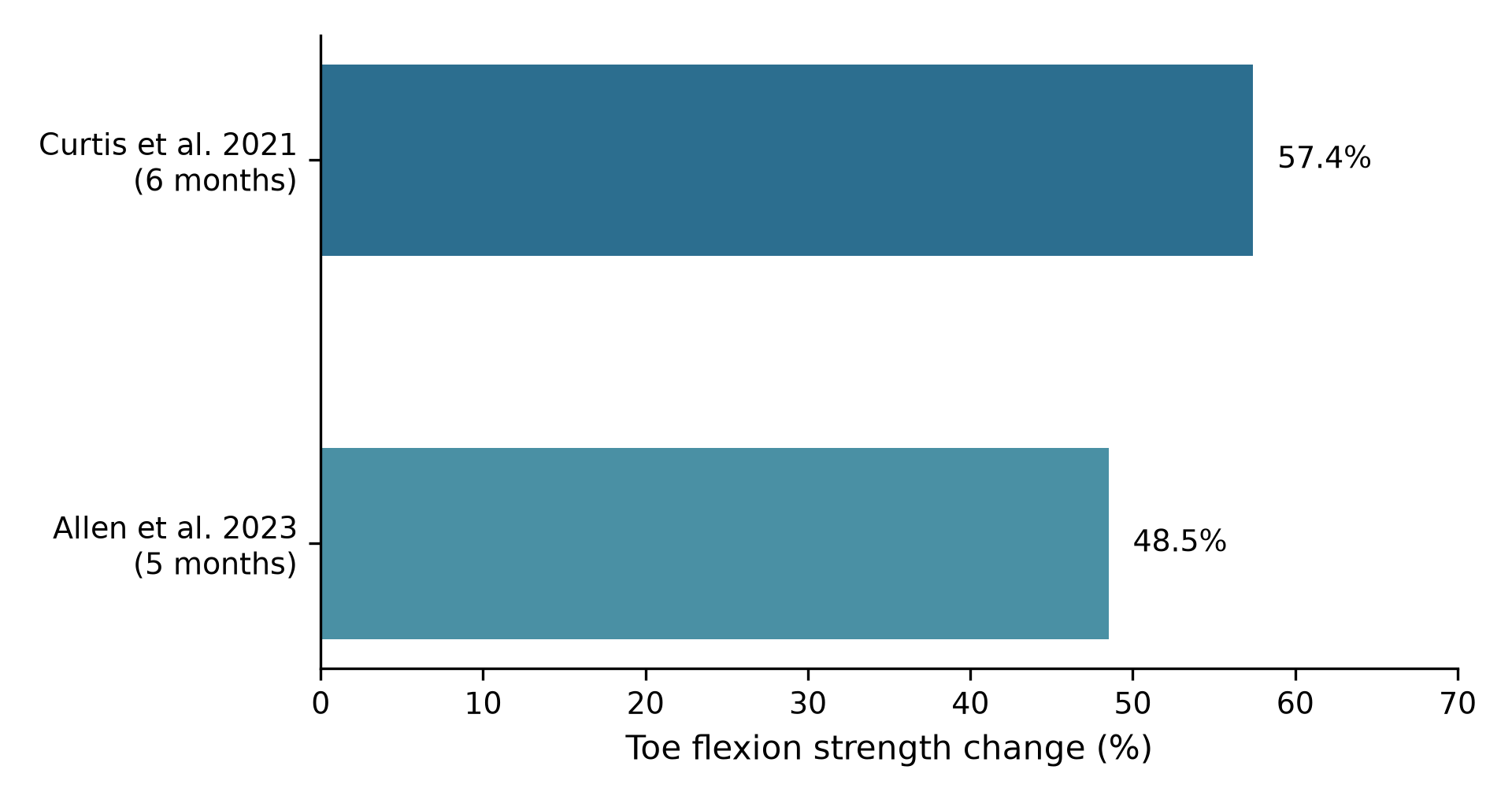
Figure 1. Toe flexion strength change after a minimalist footwear intervention.
Note: Values are the percentage change reported between baseline and follow-up.Eight weeks of progressive walking in minimalist shoes increased every strength measure, recorded with a custom dynamometer at weeks zero, four and eight, as much as a matched program of foot strengthening exercise, while the control group did not change.(17) The strength gain therefore appeared across running, walking and daily activity, and it appeared on a timescale of eight weeks to six months.
Muscle size followed the same direction (Table 1). The abductor hallucis cross-sectional area reached 10.6% larger after a ten-week transition to minimalist running shoes (p = 0.01), with no change in the other muscles examined.(18) In a six-month transition, total foot muscle volume increased with a large effect (p < 0.01; d = 0.54), driven by the forefoot muscles (d = 0.64), and the change in leg muscle volume correlated with compliance with the minimalist shoes (r = 0.51; p = 0.02).(19) Eight weeks of minimalist walking increased every muscle measured by ultrasound, again without change in the control group.(17) Minimally shod adults carried larger abductor hallucis and abductor digiti minimi muscles than conventionally shod adults, together with a 9% higher arch and a 27% stiffer arch during walking (p = 0.009), and this comparison was drawn from seventy-five minimally shod men and twenty-six conventionally shod men measured with identical ultrasound and gait protocols.(8) In children, daily minimalist school shoes increased abductor hallucis and flexor digitorum brevis cross-sectional area and hallux and lesser toe strength, with effect sizes between 0.52 and 0.80.(20) Barefoot runners carried larger quadratus plantae and abductor digiti minimi muscles than runners in technological footwear, with a mean difference of -0.45 cm2 (95% CI -0.77 to -0.12) for the quadratus plantae in favor of the barefoot group, and the flexor hallucis longus was also thicker in the barefoot runners.(21)
The effect was not universal. Moderate minimalist school shoes produced only non-significant increases in muscle cross-sectional area and toe flexor strength in children after nine months (eta2p between 0.04 and 0.05), in a randomized trial that analyzed between-group differences with analysis of covariance.(22) In a comparison of sixteen collegiate gymnasts who train barefoot and sixteen cheerleaders who train shod, toe flexor strength did not differ (p = 0.274), and only the fibularis longus was larger in gymnasts.(23) A parallel comparison found greater summed foot muscle size in both athlete groups than in non-athletes, but greater toe flexion force only in cheerleaders.(24) Older adults who used minimal footwear for sixteen weeks showed no cohort-level change in the cross-sectional area of five intrinsic muscles measured by ultrasound at zero, eight and sixteen weeks, although thirteen of twenty-four participants had a clinically meaningful increase in abductor hallucis.(25) One study of twelve weeks of barefoot exercise training reported foot muscle function and arch height outcomes but no accessible estimate.(26)
Arch and functional outcomes changed alongside the muscle outcomes. Minimally shod adults had a 9% higher arch height index and a 27% higher arch stiffness index during walking than conventionally shod adults, and the abductor hallucis cross-sectional area correlated with arch height (r = 0.26; p = 0.03).(8) In children, minimalist school shoes increased arch height (p = 0.020; d = 0.52) and standing long jump distance (p = 0.001).(20) Moderate minimalist school shoes did not change arch or muscle outcomes but improved Y-balance performance in the posteromedial and posterolateral directions, and toe flexor strength correlated with balance and jump distance across the sample.(22) In the six-month adult intervention, static arch height did not change, yet adults with longer minimalist footwear experience had a higher relative arch height than those who had just completed the intervention, which suggests that arch adaptation lags behind strength adaptation.(15)
The exposures also differed in dose and in kind, which limits a single description of the time course. Three studies used walking interventions, two used running transitions, two used school shoes worn daily and three compared habitually barefoot or shod athletic groups. Intervention durations ranged from eight weeks to nine months, and the footwear ranged from five-toe running shoes to 3D-printed shoes with a widened forefoot. The shortest effective exposure was eight weeks of progressive walking, and the largest strength change followed six months of daily use, so the evidence supports a graded rather than an all-or-nothing response.(15,17)
Risk of bias was moderate overall (Table 2). The three randomized trials were rated at low risk or with some concerns, the non-randomized and single-group studies carried a serious risk of confounding, and the cross-sectional comparisons were limited by their inability to separate footwear from ancestry, occupation and other lifestyle differences. The serious ratings in the non-randomized group reflect the absence of concealed allocation, which in a footwear trial is difficult to mask because participants can see their own shoes, and the cross-sectional ratings reflect the absence of adjustment for confounders in most comparisons. Two of the cross-sectional contrasts of barefoot and shod athletes reported opposite directions for strength, which underlines the instability of that design when the exposure is training mode rather than footwear itself.(23,24)
Study | Design | Tool | Judgment |
|---|---|---|---|
Johnson et al. 2016 | RCT | RoB 2 | Some concerns |
Chen et al. 2016 | Non-randomized trial | ROBINS-I | Serious |
Ridge et al. 2019 | RCT | RoB 2 | Low |
Fong Yan et al. 2024 | Controlled trial | ROBINS-I | Some concerns |
Quinlan et al. 2022 | RCT | RoB 2 | Low |
Allen et al. 2023 | Prospective controlled | ROBINS-I | Some concerns |
Curtis et al. 2021 | Prospective controlled | ROBINS-I | Some concerns |
Futrell et al. 2024 | Single group | ROBINS-I | Serious |
Koyama 2022 | Intervention | ROBINS-I | Unclear |
Holowka et al. 2018 | Cross-sectional | NOS | Moderate |
Ridge et al. 2024 | Cross-sectional | NOS | Moderate |
Garcia-Arrabe et al. 2024 | Cross-sectional | NOS | Moderate |
Garner 2016 | Cross-sectional | NOS | Moderate |
Note: RoB = risk of bias; RCT = randomized controlled trial; NOS = Newcastle-Ottawa Scale.
Study selection is summarized in the flow diagram (Figure 2). The searches identified 281 records; 53 duplicates were removed and 228 records were screened, of which 215 were excluded at the title and abstract stage. The most frequent reasons for exclusion were an outcome other than foot muscle size or strength, such as running economy or lower leg electromyography, and an exposure other than footwear, such as orthoses, insoles or exercise alone. Thirteen reports were assessed and all thirteen were included, so no report was excluded at the full text stage. The identified records came from four sources, and Scopus contributed 59 records, PubMed 102, OpenAlex 100 and Crossref 20 before deduplication.
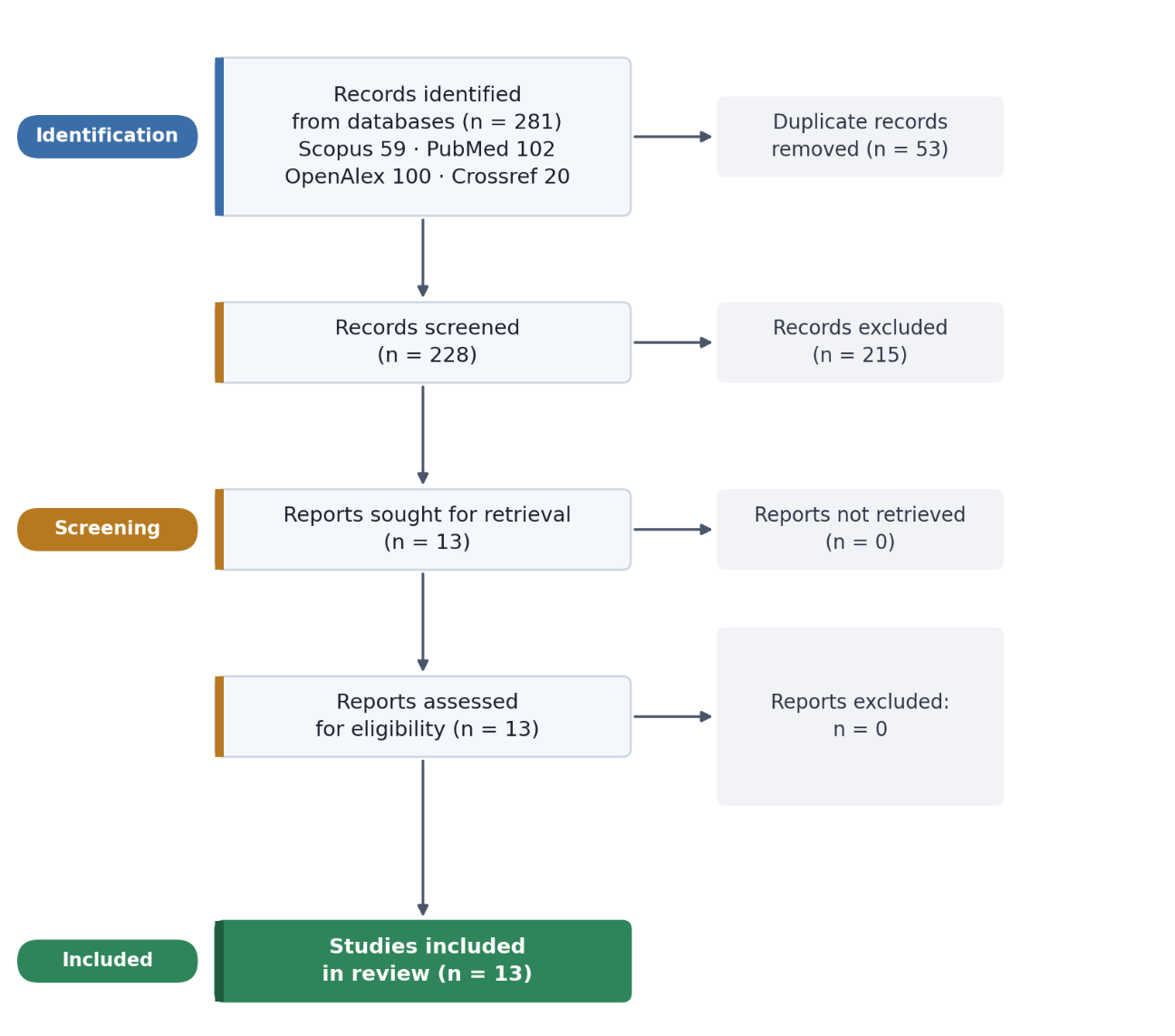
Figure 2. PRISMA 2020 flow diagram of study selection.
The thirteen included studies were published between 2016 and 2024 and were conducted in the United States, the United Kingdom, Australia, Spain, Japan, Mexico and Hong Kong (Table 3). Ten used an interventional design and three were cross-sectional. Sample sizes ranged from 32 to 101 participants, and follow-up ranged from eight weeks to nine months. Six studies enrolled adults, two enrolled children and three compared athletic groups. The randomized trials enrolled between thirty-seven and seventy participants, and the prospective studies between twenty-four and sixty-six, which makes every individual estimate imprecise even though the direction was consistent. Exposure definitions varied from a minimalist index of 92% in school shoes to moderate minimalist shoes, five-toe running shoes and habitually worn minimal sandals, and no study enrolled adolescents exclusively. Four studies were extracted from open access full texts and nine from published abstracts, so the secondary outcomes of the abstract-only studies are incompletely represented in this synthesis.
Study | Country | Design | Sample | Exposure vs comparator | Outcome | Principal finding |
|---|---|---|---|---|---|---|
Johnson et al. 2016 | United States | RCT | 37 runners | Minimalist running transition vs traditional shoes | Muscle CSA (ultrasound) | AH CSA +10.6% |
Chen et al. 2016 | Hong Kong | Non-randomized | 38 runners | Six-month minimalist transition vs standard shoes | Muscle volume (MRI) | Foot volume larger (d = 0.54) |
Ridge et al. 2019 | United States | RCT | 57 runners | Eight-week minimalist walking vs exercise vs control | Muscle size and strength | Both active groups increased |
Holowka et al. 2018 | Mexico and United States | Cross-sectional | 101 men | Minimal sandals vs conventional shoes | Muscle CSA and arch stiffness | Larger AH and ADM; stiffer arch |
Fong Yan et al. 2024 | Australia | Controlled trial | 30 children | Minimalist school shoes vs conventional shoes | CSA, strength and arch | AH and FDB CSA and strength increased |
Quinlan et al. 2022 | Australia | RCT | 70 children | Moderate minimalist vs stiff school shoes | CSA and toe strength | Non-significant increases |
Ridge et al. 2024 | United States | Cross-sectional | 48 women | Barefoot gymnastics vs shod cheerleading vs controls | Summed size and strength | Athletes larger; only cheerleaders stronger |
Allen et al. 2023 | United Kingdom and Belgium | Prospective | 66 adults | Five-month 3D-printed minimal footwear | Toe strength | +48.5% |
Koyama 2022 | Japan | Intervention | Not reported | Twelve-week barefoot exercise | Muscle function and arch | Not accessible |
Futrell et al. 2024 | United States | Single group | 24 older adults | Sixteen-week minimal footwear | CSA of five muscles | No cohort change; 13 responders |
Garcia-Arrabe et al. 2024 | Spain | Cross-sectional | 44 runners | Barefoot vs technological shoes | Muscle CSA and thickness | Larger QP and ADM in barefoot |
Curtis et al. 2021 | United Kingdom | Prospective | 46 plus 20 adults | Six-month minimal footwear vs conventional | Toe flexion strength | +57.4% |
Garner 2016 | United States | Cross-sectional | 32 athletes | Barefoot gymnastics vs shod cheerleading | Muscle size and strength | No strength difference |
Note: RCT = randomized controlled trial; AH = abductor hallucis; ADM = abductor digiti minimi; FDB = flexor digitorum brevis; QP = quadratus plantae; CSA = cross-sectional area; MRI = magnetic resonance imaging.
DISCUSSION
The principal implication of these results is that footwear can be prescribed as a strengthening intervention: low-intensity daily use of minimalist shoes increases toe flexion strength by roughly 48 to 57% within five to six months, a magnitude comparable to that achieved by a dedicated program of foot exercises.(15,17) This matters clinically because toe flexor strength is associated with balance, gait performance and a lower risk of falls in older people.(3,4) The same strength gain can be obtained by walking in minimal shoes rather than by performing exercises, which may improve adherence in populations that find exercise programs difficult to sustain.
The strength findings agree with earlier work published before the review window. Minimal shoes increased intrinsic foot muscle strength and improved arch structure in adults, and athletic training in minimal footwear strengthened the toe flexor muscles beyond the level reached by conventional training.(27,28) The same pattern holds for exercise as an alternative, because progressive resistance training increases toe flexor strength in older people, which confirms that the muscle responds to load whatever its source.(29) The toe flexors are capable of producing substantial force, and the custom dynamometers used in the included studies quantify that force with documented reliability, which supports the comparability of the strength estimates across laboratories.(7,30)
The magnitude of the strength increase deserves comment. A 57% gain in toe flexion strength over six months corresponds to a large standardized effect (d = 0.84), which is larger than the gains usually reported for progressive resistance training of the toe flexors in older adults and comparable to those of supervised foot exercise programs.(17,29) The gain appeared without supervised training, which suggests that low-intensity, high-frequency loading through a flexible sole is a sufficient stimulus when the metatarsophalangeal joints are free to flex during push-off. This converts a rehabilitation exercise into a wearable intervention and removes the adherence barrier that exercise programs face, a point the trial authors made explicitly when they observed that changing footwear is more convenient than performing daily exercises.(17)
The size findings extend the same conclusion to structural adaptation. Abductor hallucis cross-sectional area, total foot muscle volume and individual plantar muscle cross-sectional areas increased after minimalist interventions, and the cross-sectional contrasts showed the same direction: habitually barefoot or minimally shod populations carry larger intrinsic muscles and stiffer arches than conventionally shod populations.(8,21) Ultrasound and magnetic resonance imaging both detected these changes, and the reliability of cross-sectional area measurement for the abductor hallucis and flexor hallucis brevis is documented, so the size results are not an artifact of the imaging method.(31,32)
The arch and functional outcomes reinforce the same interpretation. The association between abductor hallucis size and arch stiffness in minimally shod adults is the clearest single link between a larger intrinsic muscle and a mechanically stiffer foot, and it matches the finding that foot-core training predicts fewer running-related injuries in recreational runners.(8,33) In children the functional gains in balance and jump performance accompanied the muscle gains, and toe flexor strength correlated with both, which extends to pediatric feet the association already documented between toe strength and mobility in older adults.(3,22) The lag of arch adaptation behind strength adaptation in the adult intervention suggests that bone and connective tissue remodel more slowly than muscle, a point that has direct consequences for how long a minimalist transition should be monitored.(15) The clinical relevance of arch stiffness lies in its association with flatfoot and with plantar soft tissue overload, and a 27% difference between footwear groups is large enough to be mechanically meaningful rather than merely statistically significant.(8) A patient whose muscles have strengthened may still need time before the passive structures catch up, which argues for continued monitoring of arch height and foot comfort after the strength plateau.
Prior systematic reviews reached more cautious conclusions, and the difference is mostly a matter of inclusion criteria. A 2022 review of minimalist shoes found limited and inconsistent evidence for plantar intrinsic foot muscle size and strength, partly because it restricted eligible designs and required control groups of a specific form.(13) A 2025 meta-analysis of foot core exercise and minimalist footwear reported beneficial effects on muscle size and strength but pooled the two interventions, which obscures the footwear-specific estimate.(14) Reviews of transitioning methods and of plantar fasciitis strengthening likewise emphasized the absence of long-term data rather than the absence of effect.(34,35) A review of interventions intended to improve plantar intrinsic muscle strength for fall-related function found the same signal of benefit for balance that the present review found for strength, and it identified the same measurement heterogeneity that limits pooling.(36) The present review differs from these syntheses by admitting cross-sectional evidence alongside trials, which is how the consistent signal from habitually barefoot and minimally shod populations enters the analysis, and by separating the footwear effect from the exercise effect rather than merging them.
The null results deserve attention because they delimit the effect. Moderate minimalist shoes did not significantly change muscle size or strength in children over nine months, whereas true minimalist shoes with a minimalist index of 92% did over two school terms.(20,22) This suggests a dose threshold related to the degree of minimalism, a property that the minimalist index measures reliably across shoe models.(37) In older adults the cohort mean did not change, and the response was confined to a subgroup of positive responders, which is consistent with evidence that minimal shoes combined with textured insoles improve stability in this population only in selected conditions.(25,38) To a lesser extent, barefoot gymnastics training did not confer greater toe strength than shod cheerleading, which implies that static training in a barefoot environment is not equivalent to dynamic loading through a minimalist sole during locomotion.(23,24)
The pediatric evidence is less consistent than the adult evidence. Children who wore true minimalist school shoes gained muscle size, strength and arch height, whereas children who wore moderate minimalist shoes gained balance but not measurable hypertrophy.(20,22) The contrast points to a threshold in the degree of minimalism rather than to a failure of the footwear approach in children, and it raises the possibility that school footwear policy could influence foot development during a period when the foot is still plastic. The improvement in balance without a corresponding gain in muscle strength in the moderate minimalist group also indicates that footwear can alter function through sensory and mechanical pathways even when it does not produce measurable hypertrophy.(22) For older adults, the subgroup of responders to minimal footwear suggests that baseline foot strength or sensory function may determine who benefits, and it cautions against a one-size-fits-all prescription in a population for whom falls are a primary concern.(3,25)
Heterogeneity across studies has several identifiable sources. The exposure varied from a ten-week running transition to nine months of daily school wear, the populations ranged from children to older adults, and the comparator varied from stiff school shoes to technological running shoes. The outcome instruments also differed, because strength was quantified with custom dynamometers of varying construction while size was quantified with ultrasound or magnetic resonance imaging. The field also lacks a single reference protocol for intrinsic foot muscle imaging and for toe flexor dynamometry, and a systematic review of ultrasound monitoring has catalogued exactly that variability.(32) These differences prevented a meaningful meta-analysis and limit the precision of any single pooled estimate, even though the direction of effect was consistent across most comparisons. Until instruments are harmonized, cross-study pooling will remain limited regardless of the number of trials.
The time course of adaptation remains partly unresolved. The shortest effective exposure was eight weeks of progressive minimalist walking, yet the six-month adult intervention produced a larger strength gain than the five-month intervention, which suggests that the dose-response relationship is not yet saturated at five months.(15-17) Adults with an average of two and a half years of minimalist footwear experience had toe flexion strength similar to that of adults who had just completed six months of use, which implies that most of the achievable gain occurs within the first months and then plateaus.(15) This plateau has practical value for prescription, because it suggests that a finite transition period may be sufficient and that indefinitely increasing exposure is not required to maintain the muscular benefit, although maintenance studies are lacking.
The mechanisms are biologically plausible. A shoe that reduces plantar sensory input and lower leg muscle activation during walking lowers the loading stimulus that the foot muscles require, whereas a minimalist sole restores that stimulus.(39) A stiff sole also requires a higher bending force at the metatarsophalangeal joints and therefore reduces the work of the toe flexors during push-off, while a thin, flexible sole without a toe spring restores that work, which is the mechanism proposed by the authors of the largest strength study.(15) At the same time, conventional footwear redistributes load across the joints and soft tissues of the foot, and recent modeling shows that joint contact forces during barefoot, minimal and conventional running differ in a highly individual way, which may explain why the response to minimalist footwear varies between people.(40) The foot core model predicts that a foot loaded through a flexible, low-drop sole will hypertrophy the intrinsic muscles in the same way that a limb loaded through resistance training hypertrophies its prime movers.(1,2) These mechanisms converge on a simple principle: the foot adapts to the load it is asked to bear, and footwear sets the terms of that load.
The relationship between minimalist footwear and injury is the counterweight to the strength benefit. Habitually barefoot runners strike the ground differently and generate lower collision forces, which is often cited as a protective mechanism, yet a rapid transition to minimalist running can cause bone marrow edema and has not been shown to reduce injury rates in the short term.(10,41,42) The strength findings offer a reconciliation: a stronger foot may tolerate the transition better, which is precisely the rationale for using minimalist footwear as a preparatory walking intervention before any attempt at minimalist running.(15) This sequence, walking before running, appears repeatedly in the transition literature and deserves to be stated explicitly in clinical guidance.(34)
The certainty of the evidence is moderate for strength and low for muscle size in specific subgroups. The strength conclusion rests on three controlled prospective studies with consistent direction and large effects, but the confidence intervals are wide and the longest follow-up is six months, so the exact magnitude remains imprecise. The size conclusion is more fragile because two randomized trials reported partial or null results, and the positive size findings come disproportionately from cross-sectional contrasts that cannot establish causation. These distinctions matter when the evidence is translated into a recommendation, because a clinician can be reasonably confident that a flexible minimalist shoe will increase toe flexion strength in an adult but should be more cautious about promising measurable hypertrophy in every child or older adult.
The generalizability of these results is constrained by the populations studied. Healthy adults in their twenties and thirties showed the largest and most consistent gains,(15,16) while the pediatric and older-adult studies showed that the effect does not transfer automatically to either end of the age spectrum.(22,25) Most studies enrolled habitually shod Western participants, so the results describe the response of feet that have spent decades in conventional footwear rather than the development of feet that were always minimally shod.(8) Athletes who train barefoot, such as gymnasts, do not necessarily show stronger feet than shod athletes, which cautions against assuming that any barefoot exposure is equivalent to a deliberate loading intervention.(23,24) These boundaries should be stated to any patient or athlete who asks whether minimalist footwear will strengthen their feet.
The evidence base also carries risks that qualify the findings. The randomized trials were small, and the non-randomized and single-group designs are vulnerable to confounding from self-selection and from the activity changes that accompany a footwear change. Full text was accessible for only a minority of the included studies, so several extractions relied on abstracts, which may omit secondary outcomes, subgroup results and adverse events. The review searched four databases with English terms, so studies indexed only in regional databases or published in other languages could have been missed, and the cross-sectional designs cannot separate footwear exposure from ancestry, occupation or other lifestyle factors. Publication bias is plausible because interventions that fail to strengthen the foot may be less likely to be published, and the exclusion of conference abstracts removed a source of potentially negative findings even though it improved the quality of the extracted data. A further limitation is the short follow-up, because a rapid transition to minimalist footwear can cause bone marrow edema and running-related injury, and the longest follow-up in the included studies was nine months.(41,42) Each limitation suggests a concrete remedy: larger randomized trials with concealed allocation, open data deposition, standardized ultrasound protocols, searches in additional languages, and follow-up that extends beyond twelve months.
From a clinical standpoint, the strength gains matter less for their own sake than for what they predict. Toe flexor strength correlates with balance and with gait parameters in older adults, and strengthening interventions have improved dynamic balance and reduced fall-related functional deficits.(3,36) If a minimalist shoe can reproduce part of that benefit through daily wear, it becomes an option for older adults who cannot or will not perform exercises, provided the transition is gradual and the shoe is introduced for walking rather than running.(25) The responder subgroup in the older-adult study, however, indicates that the benefit is not automatic and that baseline strength, sensation or foot structure may need to be assessed before prescription.(25)
The design implications follow directly from the dose threshold. The differentiating features of the effective shoes were a thin, flexible sole, a low heel-to-toe drop and a toe box wide enough to allow the toes to spread, and the minimalist index captures these features in a single rating.(37) A shoe that keeps a cushioned or stiff sole while adding a wide toe box is not the same intervention, and the null pediatric result for moderate minimalist shoes illustrates that partial minimalism is not sufficient.(22) Manufacturers and clinicians should therefore report the minimalist index of any shoe proposed for foot strengthening, and users should be told that a shoe marketed as minimalist may fall below the threshold at which the intrinsic muscles are actually loaded.
For practice, the findings support a gradual prescription of minimalist footwear for adults who wish to strengthen the intrinsic muscles of the foot, with walking rather than running during the first months and with attention to the dose threshold suggested by the null result for moderate minimalist shoes. A podiatrist or clinician can frame the prescription in concrete terms: a flexible, low-drop shoe without a toe spring, worn progressively during daily walking, for at least eight weeks and ideally several months, with the expectation of a strength gain in the order of forty to sixty percent. For children, the choice of school footwear is a population-level decision rather than an individual prescription, and the pediatric data suggest that only shoes close to the minimalist end of the scale produce measurable muscular adaptation.(20,22) For research, the field needs head-to-head trials of footwear against exercise, standardized reporting of the minimalist index, and outcome sets that include muscle size, strength and injury so that benefit and harm can be weighed together, as secondary analyses of foot-core training have begun to do for running-related injury.(33,37)
CONCLUSIONS
Minimalist footwear use increases intrinsic foot muscle size and strength in adults, with the strongest evidence for toe flexion strength after five to six months of daily walking. The effect is smaller and less consistent in children wearing moderate minimalist shoes and in older adults, in whom only a subgroup responds. The included studies were heterogeneous in design, exposure dose and measurement, so the pooled magnitude remains uncertain and should be interpreted with the same caution applied to the null and contrary findings reported here. Gradual adoption, beginning with walking rather than running, is the safest way to pursue these gains in clinical practice and avoids the bone stress associated with a rapid transition.
References
- 1 McKeon PO, Hertel J, Bramble D, Davis I. The foot core system: a new paradigm for understanding intrinsic foot muscle function. Br J Sports Med. 2015;49(5):290-290. doi: 10.1136/bjsports-2013-092690
- 2 Kelly LA, Farris DJ, Cresswell AG, Lichtwark GA. Intrinsic foot muscles contribute to elastic energy storage and return in the human foot. Journal of Applied Physiology. 2019;126(1):231-238. doi: 10.1152/japplphysiol.00736.2018
- 3 Misu S, Doi T, Asai T, Sawa R, Tsutsumimoto K, Nakakubo S, et al. Association between toe flexor strength and spatiotemporal gait parameters in community-dwelling older people. J NeuroEngineering Rehabil. 2014;11(1):143. doi: 10.1186/1743-0003-11-143
- 4 Suwa M, Imoto T, Kida A, Iwase M, Yokochi T. Age‐related reduction and independent predictors of toe flexor strength in middle‐aged men. Journal of Foot and Ankle Research. 2017;10(1):15. doi: 10.1186/s13047-017-0196-3
- 5 Cheung RTH, Sze LKY, Mok NW, Ng GYF. Intrinsic foot muscle volume in experienced runners with and without chronic plantar fasciitis. Journal of Science and Medicine in Sport. 2016;19(9):713-715. doi: 10.1016/j.jsams.2015.11.004
- 6 Mickle KJ, Munro BJ, Lord SR, Menz HB, Steele JR. Cross‐sectional analysis of foot function, functional ability, and health‐related quality of life in older people with disabling foot pain. Arthritis Care & Research. 2011;63(11):1592-1598. doi: 10.1002/acr.20578
- 7 Goldmann J, Brüggemann G. The potential of human toe flexor muscles to produce force. Journal of Anatomy. 2012;221(2):187-194. doi: 10.1111/j.1469-7580.2012.01524.x
- 8 Holowka NB, Wallace IJ, Lieberman DE. Foot strength and stiffness are related to footwear use in a comparison of minimally- vs. conventionally-shod populations. Sci Rep. 2018;8(1):3679. doi: 10.1038/s41598-018-21916-7
- 9 Hollander K, de Villiers JE, Sehner S, Wegscheider K, Braumann KM, Venter R, et al. Growing-up (habitually) barefoot influences the development of foot and arch morphology in children and adolescents. Sci Rep. 2017;7(1):8079. doi: 10.1038/s41598-017-07868-4
- 10 Lieberman DE, Venkadesan M, Werbel WA, Daoud AI, D’Andrea S, Davis IS, et al. Foot strike patterns and collision forces in habitually barefoot versus shod runners. Nature. 2010;463(7280):531-535. doi: 10.1038/nature08723
- 11 Michael W, Richard S, Lee S. Feet and Footwear: Applying Biological Design and Mismatch Theory to Running Injuries. Int J Sports Exerc Med. 2018;4(2). doi: 10.23937/2469-5718/1510090
- 12 Goldmann JP, Sanno M, Willwacher S, Heinrich K, Brüggemann P. Effects of increased toe flexor muscle strength to foot and ankle function in walking, running and jumping. Footwear Science. 2011;3(sup1):S59-S60. doi: 10.1080/19424280.2011.575811
- 13 Xu J, Saliba SA, Jaffri AH. The Effects of Minimalist Shoes on Plantar Intrinsic Foot Muscle Size and Strength: A Systematic Review. Int J Sports Med. 2023;44(05):320-328. doi: 10.1055/a-1908-8867
- 14 Peters-Dickie JL, Detrembleur C, Guallar-Bouloc M, Rastelli M, Lobet S, Hidalgo B, et al. The effects of foot core exercises and minimalist footwear on foot muscle sizes, foot strength, and biomechanics: A systematic review and meta-analysis. Clinical Biomechanics. 2025;122:106417. doi: 10.1016/j.clinbiomech.2024.106417
- 15 Curtis R, Willems C, Paoletti P, D’Août K. Daily activity in minimal footwear increases foot strength. Sci Rep. 2021;11(1):18648. doi: 10.1038/s41598-021-98070-0
- 16 Allen A, Pinheiro M, Schoenmaekers R, D’Août K, Willems C. Walking with individualized 3D-printed minimal footwear increases foot strength and produces subtle changes in unroll pattern. Front Ecol Evol. 2023;11:1270253. doi: 10.3389/fevo.2023.1270253
- 17 RIDGE ST, OLSEN MT, BRUENING DA, JURGENSMEIER K, GRIFFIN D, DAVIS IS, et al. Walking in Minimalist Shoes Is Effective for Strengthening Foot Muscles. Medicine & Science in Sports & Exercise. 2019;51(1):104-113. doi: 10.1249/mss.0000000000001751
- 18 Johnson A, Myrer J, Mitchell U, Hunter I, Ridge S. The Effects of a Transition to Minimalist Shoe Running on Intrinsic Foot Muscle Size. Int J Sports Med. 2016;37(02):154-158. doi: 10.1055/s-0035-1559685
- 19 Chen TLW, Sze LKY, Davis IS, Cheung RTH. Effects of training in minimalist shoes on the intrinsic and extrinsic foot muscle volume. Clinical Biomechanics. 2016;36:8-13. doi: 10.1016/j.clinbiomech.2016.05.010
- 20 Fong Yan A, Quinlan S, Cheung RTH. Minimalist school shoes improve intrinsic foot muscle size, strength, and arch integrity among primary school students. Journal of Sports Sciences. 2024;42(12):1157-1163. doi: 10.1080/02640414.2024.2386213
- 21 García-Arrabé M, Batuecas-Sánchez I, de Vidania S, Bravo-Aguilar M, Ruiz-Ruiz B, Romero-Morales C. Effects of technological running shoes versus barefoot running on the intrinsic foot muscles, ankle mobility, and dynamic control: a novel cross-sectional research. Brazilian Journal of Physical Therapy. 2024;28(4):101092. doi: 10.1016/j.bjpt.2024.101092
- 22 Quinlan S, Sinclair P, Hunt A, Yan AF. The long-term effects of wearing moderate minimalist shoes on a child’s foot strength, muscle structure and balance: A randomised controlled trial. Gait & Posture. 2022;92:371-377. doi: 10.1016/j.gaitpost.2021.12.009
- 23 Garner KR. The Differences in Time to Stability, Foot Muscle Size, and Toe Flexor Strength Between Cheerleaders and Gymnasts [Internet]. Brigham Young University; 2016. Available from: https://scholarsarchive.byu.edu/etd/6128
- 24 Ridge ST, McLean DI, Garner KR, Olsen MT, Bruening DA, Johnson AW. Sticking the landing: A comparison of shod vs barefoot landing kinetics and foot muscle characteristics in gymnasts, cheerleaders, and non-athletes. PLoS ONE. 2024;19(10):e0309157. doi: 10.1371/journal.pone.0309157
- 25 Futrell E, Kaufman R, Chevan J. Long-Term Effects and Impressions of Minimal Footwear in Older Adults. Gerontology. 2024;70(11):1137-1147. doi: 10.1159/000540957
- 26 KOYAMA K. Effects of a 12-week barefoot exercise training on foot muscle functions and arch height. Gazz Med Ital - Arch Sci Med. 2022;181(4):191-198. doi: 10.23736/s0393-3660.20.04356-9
- 27 Miller EE, Whitcome KK, Lieberman DE, Norton HL, Dyer RE. The effect of minimal shoes on arch structure and intrinsic foot muscle strength. Journal of Sport and Health Science. 2014;3(2):74-85. doi: 10.1016/j.jshs.2014.03.011
- 28 Goldmann JP, Potthast W, Brüggemann GP. Athletic training with minimal footwear strengthens toe flexor muscles. Footwear Science. 2013;5(1):19-25. doi: 10.1080/19424280.2012.744361
- 29 Mickle KJ, Caputi P, Potter JM, Steele JR. Efficacy of a progressive resistance exercise program to increase toe flexor strength in older people. Clinical Biomechanics. 2016;40:14-19. doi: 10.1016/j.clinbiomech.2016.10.005
- 30 Ridge ST, Myrer JW, Olsen MT, Jurgensmeier K, Johnson AW. Reliability of doming and toe flexion testing to quantify foot muscle strength. Journal of Foot and Ankle Research. 2017;10(1):55. doi: 10.1186/s13047-017-0237-y
- 31 Latey PJ, Burns J, Nightingale EJ, Clarke JL, Hiller CE. Reliability and correlates of cross‐sectional area of abductor hallucis and the medial belly of the flexor hallucis brevis measured by ultrasound. Journal of Foot and Ankle Research. 2018;11(1):28. doi: 10.1186/s13047-018-0259-0
- 32 Haelewijn N, Peters Dickie JL, Staes F, Vereecke E, Deschamps K. Current evidence regarding 2D ultrasonography monitoring of intrinsic foot muscle properties: A systematic review. Heliyon. 2023;9(8):e18252. doi: 10.1016/j.heliyon.2023.e18252
- 33 Suda EY, Watari R, Matias AB, Taddei UT, Sacco ICN. Predictive Effect of Well-Known Risk Factors and Foot-Core Training in Lower Limb Running-Related Injuries in Recreational Runners: A Secondary Analysis of a Randomized Controlled Trial. Am J Sports Med. 2022;50(1):248-254. doi: 10.1177/03635465211056329
- 34 Warne JP, Gruber AH. Transitioning to Minimal Footwear: a Systematic Review of Methods and Future Clinical Recommendations. Sports Med - Open. 2017;3(1):33. doi: 10.1186/s40798-017-0096-x
- 35 Huffer D, Hing W, Newton R, Clair M. Strength training for plantar fasciitis and the intrinsic foot musculature: A systematic review. Physical Therapy in Sport. 2017;24:44-52. doi: 10.1016/j.ptsp.2016.08.008
- 36 Willemse L, Wouters EJM, Bronts HM, Pisters MF, Vanwanseele B. The effect of interventions anticipated to improve plantar intrinsic foot muscle strength on fall‐related dynamic function in adults: a systematic review. Journal of Foot and Ankle Research. 2022;15(1):3. doi: 10.1186/s13047-021-00509-0
- 37 Esculier JF, Dubois B, Roy JS. The minimalist index is a valid and reliable tool for rating running shoes. Physiotherapy. 2015;101:e1301. doi: 10.1016/j.physio.2015.03.1219
- 38 Haowlader S, Apps C, Bisele M, Vagnetti R, Magistro D. The effect of minimal shoes in combination with textured and supportive insoles on static and dynamic stability in older adults'. Applied Ergonomics. 2025;128:104548. doi: 10.1016/j.apergo.2025.104548
- 39 Franklin S, Li FX, Grey MJ. Modifications in lower leg muscle activation when walking barefoot or in minimalist shoes across different age-groups. Gait & Posture. 2018;60:1-5. doi: 10.1016/j.gaitpost.2017.10.027
- 40 Kloock L, Arensmann A, de Graaf ML, Gerlach M, Boström KJ, Wagner H. Joint contact forces during barefoot, minimal and conventional shod running are highly individual. Sci Rep. 2025;15(1):25022. doi: 10.1038/s41598-025-09174-w
- 41 RIDGE ST, JOHNSON AW, MITCHELL UH, HUNTER I, ROBINSON E, RICH BSE, et al. Foot Bone Marrow Edema after a 10-wk Transition to Minimalist Running Shoes. Medicine & Science in Sports & Exercise. 2013;45(7):1363-1368. doi: 10.1249/mss.0b013e3182874769
- 42 Dubois B, Esculier JF, Frémont P, Moore L, Richards C. Effects of minimalist and traditional running shoes on injury rates: a pilot randomised controlled trial. Footwear Science. 2015;7(3):159-164. doi: 10.1080/19424280.2015.1049300
Declarations
Funding
No financing
Conflict of interest
None
Authorship contributions
Drafting – original draft: Judit Figueira-Teuly, Carlos Jesús Canova-Barrios, Marcelo Garrido, Vivian Boyardi, Aldo Oviedo, Paola Corvalán.
Writing–review and editing: Judit Figueira-Teuly, Carlos Jesús Canova-Barrios, Marcelo Garrido, Vivian Boyardi, Aldo Oviedo, Paola Corvalán.