

Abstract
Lateral wedge insoles and foot orthoses aim to unload the medial tibiofemoral compartment and reduce pain in medial knee osteoarthritis, but their clinical and biomechanical benefit remains uncertain. Randomized, crossover, quasi-experimental and cohort studies reporting pain, function or the knee adduction moment were included. Risk of bias was assessed with the RoB 2 tool and a checklist derived from JBI. A total of 630 records were identified, 345 were screened and 55 studies were included. Lateral wedge insoles consistently reduced the knee adduction moment immediately, most often by 4 to 25 percent at the first peak and with a dose response to wedge angle, but the effect varied widely between participants. Effects on pain were small and inconsistent: most placebo controlled trials found no advantage over neutral insoles, whereas one prescreened trial reported a reduction of 0.7 points on a 0 to 10 scale. Conclusions: Lateral wedge insoles and foot orthoses unload the medial compartment biomechanically but provide only small and inconsistent symptomatic benefit, and the response appears restricted to identifiable subgroups of patients.
Keywords
knee osteoarthritis, lateral wedge insole, foot orthoses, knee adduction moment, pain
INTRODUCTION
Osteoarthritis of the knee is among the most disabling musculoskeletal conditions worldwide, and its burden rises steadily as the population ages and as obesity becomes more prevalent. Estimates from the Global Burden of Disease have placed hip and knee osteoarthritis among the leading contributors to years lived with disability, and the knee accounts for the greater share of that burden.(1) The medial tibiofemoral compartment bears most of the load transmitted through the joint during walking, which explains why isolated medial disease is the most common radiographic pattern in clinical practice. The external knee adduction moment, the product of the frontal plane ground reaction force and its lever arm relative to the knee joint centre, has long served as the principal biomechanical surrogate of medial compartment loading, because a higher moment reflects a more medial position of the resultant force.(2) The relationship between this moment and the patient experience of pain is, however, modest and inconsistent, a point that has been quantified in recent syntheses of the biomechanical literature.(3)
Lateral wedge insoles and foot orthoses are inexpensive, non invasive devices that were designed to unload the medial compartment through the foot. A lateral wedge tilts the foot into eversion, moves the centre of pressure toward the lateral side of the shoe and shortens the frontal plane lever arm of the ground reaction force, all of which lower the external knee adduction moment measured in the gait laboratory.(4) Foot orthoses prescribed for medial knee osteoarthritis usually combine a lateral wedge with a medial arch support, a subtalar strap or, more recently, custom geometry produced by three dimensional printing, and each of these design choices is expected to modify both the magnitude and the inter individual reproducibility of the unloading effect.(5,6) The theoretical appeal of the approach is strong: because the wedge acts upstream of the knee through the foot, it does not require muscle strength or adherence to an exercise programme, and it can be worn throughout the day inside ordinary footwear. The trade off is that the same wedge that unloads the medial compartment also everts the ankle and rearfoot, which may displace load toward the lateral ankle structures or toward the patellofemoral joint, and this is one of the mechanisms proposed to explain why some patients do not tolerate or do not benefit from the device.(7)
The published evidence is discordant, and this is precisely why the intervention remains controversial. Meta analyses of randomised trials concluded that lateral wedge insoles do not produce a clinically meaningful reduction in knee pain, even though they consistently reduce the adduction moment in laboratory studies.(4,5) Earlier systematic reviews reached similarly cautious conclusions about the efficacy of laterally wedged insoles,(8) and a systematic review restricted to placebo controlled comparisons reached the same conclusion.(9) The Cochrane review of braces and orthoses judged the evidence to be of low certainty.(10) Large randomised trials found no symptomatic advantage of a lateral wedge over a neutral insole at twelve months,(11) and early crossover studies from the preceding decade had already suggested that the pain benefit was at best modest.(12,13) A more recent trial that first excluded biomechanical non responders before randomisation reported a small but statistically significant pain benefit,(14) which re opened the debate about whether the devices fail on average because they are offered to the wrong patients. Since 2015 the literature has therefore shifted from the question of whether lateral wedge insoles work on average toward two narrower questions, namely which patients respond and which insole design achieves the most reliable unloading, and this recent evidence has not been brought together in a synthesis confined to the past decade. The same period saw the spread of responder analysis, three dimensional printed orthoses and wearable sensors for gait monitoring, developments that make a dedicated synthesis of the 2015 to 2024 evidence timely even though several earlier reviews exist.
The objective of this systematic review was to synthesise the evidence published between 2015 and 2024 on the effects of lateral wedge insoles and foot orthoses in adults with medial knee osteoarthritis. The review had three specific objectives: to describe the design, population and methodological quality of the included studies; to determine whether these devices reduce self reported knee pain and physical function; and to determine whether they reduce the knee adduction moment and related surrogates of medial knee load.
METHODS
This systematic review was conducted and reported according to the PRISMA 2020 statement.(15)
Studies were eligible when they enrolled adults with medial tibiofemoral knee osteoarthritis; evaluated a lateral wedge insole or a foot orthosis intended to unload the medial compartment; compared the device with a neutral or flat insole, a sham device, no device, usual care or another orthosis; and reported at least one of knee pain, self reported physical function or the knee adduction moment or a related measure of medial load.
Randomised trials, crossover trials, quasi experimental studies and prospective cohorts were included. Reviews, protocols, editorials, case reports, computational studies without human participants and studies that enrolled only healthy participants were excluded. Publications had to fall between 2015 and 2024 and to provide an English or Spanish title and abstract. Studies were not excluded on the basis of the wedge angle, the type of foot orthosis or the choice of comparator, so that the full range of designs used in clinical practice was captured.
Scopus, PubMed, OpenAlex and Crossref were searched. The core search combined population and intervention terms with a publication year filter, for example in Scopus: TITLE-ABS-KEY("lateral wedge" AND "knee osteoarthritis") AND PUBYEAR > 2014 AND PUBYEAR < 2025. Equivalent queries used "foot orthoses", "laterally wedged", "knee adduction moment" and "valgus insole" as variants, and the same strategy was adapted to the syntax of each database. In full, the five core queries were TITLE-ABS-KEY("lateral wedge" AND "knee osteoarthritis"), TITLE-ABS-KEY("laterally wedged" AND knee), TITLE-ABS-KEY("foot orthoses" AND "knee osteoarthritis"), TITLE-ABS-KEY("knee adduction moment" AND (insole OR orthoses OR wedge)) and TITLE-ABS-KEY("valgus insole" AND knee), each combined with the publication year filter. Supplementary searches for contextual and methodological literature used the terms "medial knee osteoarthritis", "knee adduction moment", "meta-analysis" and "biomechanics" without a lower date limit.
One reviewer extracted, for each included study, the design, country, sample size, population, intervention, comparator, outcomes and the main result with its estimate, using the full text when it was openly accessible and the abstract otherwise. Data were recorded in a structured table and were not re extracted independently, so extraction errors cannot be excluded.
The extraction form recorded first author and year, country, design, sample characteristics, the insole or orthosis specification including wedge angle, arch support, subtalar strap and manufacturing method, the comparator, the outcome measures and their time points, and the main quantitative result. Percentage changes in the adduction moment and in pain scores were transcribed as reported by the authors and were not recalculated. When a study reported several outcome domains, the pain, function and knee adduction moment results were prioritised for the narrative synthesis.
Randomised trials were assessed with the revised Cochrane risk of bias tool, RoB 2.(16) Crossover and quasi experimental biomechanical studies, cohorts and cross sectional analyses were assessed with a domain based checklist derived from the JBI appraisal instruments, covering selection, confounding, measurement and completeness of outcome reporting. Each study received an overall judgement of low, some concerns or high risk of bias. No study was excluded solely for risk of bias.
RESULTS
Study selection
The database searches identified 630 records, distributed across Scopus, PubMed, OpenAlex and Crossref, and 285 duplicate records were removed. Of the 345 records screened by title and abstract, 267 were excluded, most because they evaluated a different population, a different intervention such as a knee brace or a gait modification, or because they were reviews or protocols. The eligibility of 78 reports was then assessed in detail and 23 were excluded: seventeen because no usable outcome data were accessible in the abstract, four because they were duplicate reports of the same study, one because it lacked a verifiable identifier and one because the population was not described. Fifty five studies met the inclusion criteria and were carried forward to the synthesis.
Characteristics of the included studies
The 55 included studies were published between 2015 and 2024, with the largest number appearing in 2022 (Figure 1). The designs comprised twelve parallel group randomised trials, six randomised crossover trials, sixteen repeated measures biomechanical laboratory experiments, eleven quasi experimental or single arm studies, four prospective cohorts and six case control or cross sectional analyses. Sample sizes ranged from 8 to 90 participants, and most studies enrolled fewer than 40.
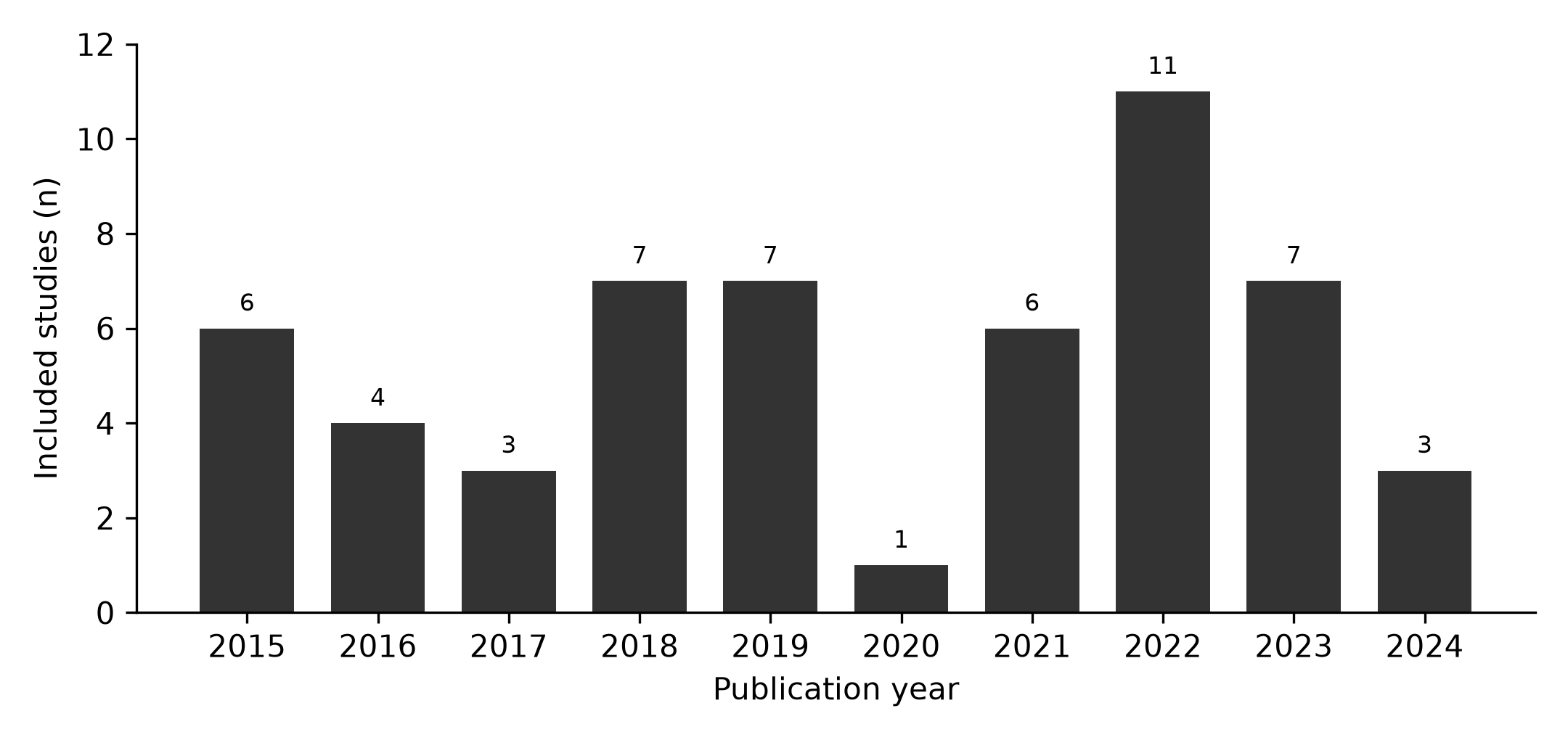
Figure 1. Included studies by publication year.
Note: The largest number of included studies was published in 2022. Source: Elaboration from the data extraction.The settings reported in the largest numbers were Iran (8 studies), Japan (7), Pakistan (4), Germany (3) and the United Kingdom (3), with additional studies from Brazil, Canada, India, Italy and Taiwan (2 each) and single studies from the United States, Egypt, Bangladesh and Hong Kong; sixteen studies did not state the country. Outcome instruments varied widely. Pain was measured with a visual analogue scale, the WOMAC pain subscale or the KOOS pain subscale in the majority of the clinical studies, whereas the biomechanical studies reported the first and second peaks and the impulse of the external knee adduction moment, normalised to body weight and height in most cases. Medial meniscus extrusion was quantified by ultrasound in a subset of Japanese studies, and balance was quantified with centre of pressure variables, the Timed Up and Go test or static posturography. Lateral wedge insoles varied in inclination from 2 to 11 degrees and were combined in different studies with a medial arch support, a subtalar strap or a valgus knee brace, whereas the foot orthoses ranged from prefabricated wedges to custom and three dimensional printed devices (Table 1). The comparator conditions were correspondingly diverse, including neutral or flat insoles, barefoot or shoe only walking, valgus knee braces, ankle foot orthoses, conventional physiotherapy and no treatment, which complicates direct comparison across studies.
Risk of bias of the included studies
One double blind randomised trial was judged at low risk of bias. The remaining randomised and crossover trials carried some concerns, driven by absent or unclear blinding, small samples and selective reporting, and twenty studies, chiefly quasi experimental and cohort designs without a randomised comparator, were judged at high risk of bias (Table 2). In the biomechanical crossover experiments, masking of the gait assessor to the insole condition was not reported, and many analyses presented immediate laboratory outcomes rather than patient centred end points. Attrition and pre specified primary outcomes were described inconsistently across the abstracts, and few studies justified their sample size. Reporting heterogeneity also limited quantitative synthesis: studies expressed the adduction moment in different units, some as an external moment normalised to body weight and height and others as an internal contact force estimated from musculoskeletal models, and pain was reported on visual analogue, numerical and WOMAC or KOOS scales with follow up ranging from a single session to six months, so effect sizes could not be harmonised across the evidence base.
Lateral wedge insoles versus neutral insoles on knee pain and function
The contrast between a lateral wedge insole and a neutral or flat insole was tested most directly in randomised trials, and the symptomatic advantage was small or absent. The trial that first excluded patellofemoral osteoarthritis and biomechanical non responders found that the lateral wedge reduced pain on a 0 to 10 scale by 0.7 points compared with the neutral insole (95% confidence interval 0.1 to 1.2), an effect its authors judged clinically relevant in only a minority of patients.(14) By contrast, a twelve week trial of insoles tailored by gait analysis found no between group difference in pain intensity (mean difference -12.5 mm, 95% confidence interval -29.4 to 4.4) or in the knee adduction moment, and only the KOOS subscale of other symptoms favoured the wedge.(17) A trial of lateral wedge insoles with subtalar strapping improved symptoms and function over twenty four weeks but was not superior to a placebo insole at any time point.(18) Studies without a placebo comparator reported more favourable results. Lateral wedges added to physiotherapy reduced pain and improved quality of life over six weeks, with a KOOS pain score that rose from 79.95 to 91.5 in the wedge group against 79.95 to 81.8 in the control group.(19) A double blind trial of 90 participants found that a soft lateral wedge arch support insole improved KOOS pain (P = 0.008), stair ascent time, daily living function and quality of life more than a rigid insole over three months.(20) Adding a wedge insole to routine physiotherapy produced a between group difference of 1.55 points on the numeric pain scale and 5.53 points on the WOMAC at three weeks in favour of the wedge.(21) An Egyptian study of 48 knees found that a lateral wedge insole and a subtalar strapped wedge both improved the WOMAC and plantar pressure peaks relative to physiotherapy alone over four months.(22) A Pakistani single blind comparison reported a large effect of the wedge on the KOOS pain subscale (eta squared 0.559), although conventional physiotherapy improved functional domains more.(23) In a quasi experimental comparison of two orthoses, pain decreased immediately after walking with either device (P < 0.001) and remained improved at one month, without a difference in the external adduction moment between the two devices.(24) A randomised trial that added a lateral wedge insole to pharmacotherapy and quadriceps exercise in Bangladesh reported a greater improvement in the WOMAC physical function subscale at eight weeks than pharmacotherapy and exercise alone.(25) Quasi experimental and pre post studies from Iran, Pakistan, India and Bangladesh likewise reported reductions in pain and improvement in the WOMAC or KOOS after two to eight weeks, although most lacked a neutral insole control.(22,23,25-29) In a four week study restricted to early radiographic disease, the insole reduced pain and shortened the Timed Up and Go and one leg balance times relative to baseline (all P < 0.001).(29) In a crossover comparison, the lateral wedge improved pain by 17 percent and function by 11 percent, both less than a biaxial ankle foot orthosis.(30) A secondary analysis of a crossover study quantified the insole pain effect as a median change of -0.5 points (range -5 to +6) on a numerical rating scale, and showed that greater varus malalignment predicted smaller pain relief, with a response cut off at a mechanical axis deviation of roughly 14 to 15 mm.(31) A six month randomised comparison reported that an unloader brace improved KOOS pain (P = 0.002) and symptoms more than a lateral wedge insole, whereas the insole produced better quality of life subscale scores.(32) Within subject comparisons that combined a lateral wedge with a knee brace showed that pain relief was driven largely by the brace rather than by the insole, and that the insole alone produced no significant pain change in some experiments.(33-36) A six week comparison found that the combination of a custom lateral wedge insole and a valgus brace reduced pain and improved walking velocity, cadence and satisfaction more than either device used alone.(35)
Knee adduction moment and medial compartment load
Biomechanical unloading was the most consistent finding. Compared with walking without an insole, lateral wedge insoles reduced the first peak of the external knee adduction moment in most studies, with reported reductions that ranged from 4 to 25 percent.(30,37-41) The effect was dose dependent. Increments from 2 to 10 degrees produced progressively larger reductions in the first and second peaks and in the impulse, and angles greater than 2 degrees were sufficient to induce statistically significant change in 38 patients.(42) In a personalised series of three dimensional printed orthoses, full length devices unloaded the knee more than three quarter length designs, and higher posting angles reduced the first and second peaks and the impulse in a graded fashion (all P < 0.001).(43) A randomised comparison of five walking conditions in 70 participants confirmed that lateral wedge insoles reduced the early stance adduction moment and the angular impulse relative to a control shoe, whereas a mobility shoe had no effect on loading but did reduce immediate pain.(38) When a lateral wedge was combined with a valgus knee brace, the concurrent use of the two devices reduced the first peak vertical ground reaction force by 6 percent and the peak external adduction moment by 25 percent in 24 men with varus medial knee osteoarthritis.(39) Single visit experiments reported that adding a wedge to a brace and a toe out or toe in gait modification produced the largest first and second peak reductions, in the range of 7 to 26 percent, although the combinations also increased fall risk and reduced comfort on dynamic balance platforms.(36,44) One crossover reported that the insole alone produced no change in pain during these short term tests.(36) In a six week follow up of older adults with bilateral disease, the immediate reduction in the adduction moment with a seven degree wedge was accompanied by improved WOMAC pain and physical function, and a gait adaptation persisted when the insoles were removed.(37) Three dimensional printed orthoses shifted the centre of pressure laterally by 2.71 mm and reduced the first and second peak moments by 4.08 percent and 9.09 percent.(41) The magnitude was nonetheless small and highly variable between participants, and two independent analyses quantified a minority of non responders in whom the moment increased rather than decreased. An ancillary analysis of a randomised trial found that 33 percent of participants increased their adduction moment with the insole while 67 percent decreased it,(45) and subject specific musculoskeletal models reported changes in medial contact force ranging from -12 to +10 percent without a consistent dose response.(46) The unloading also decayed over time in one secondary analysis, which observed a 4 percent reduction in the peak moment at baseline but no biomechanical effect after six weeks of wear.(47) Responsiveness was related to participant characteristics. Biomechanical responders walked faster, were female, and had less varus and less severe radiographic disease in a predictive analysis of 53 patients,(48) and greater hindfoot and frontal plane ankle mobility attenuated the insole effect, with a moderate negative correlation between hindfoot valgisation and adduction moment reduction.(49,50) Static foot structure alone did not predict the biomechanical response in 30 patients.(51) Wearable sensor studies added a clinical correlate of the same unloading signal: the lateral wedge reduced lateral thrust and improved gait variability over one month of use, aligning the free living measurements with the laboratory adduction moment data.(52) Studies that looked beyond the external moment to internal joint parameters gave a similar picture. In weight bearing MRI, lateral wedge insoles increased the medial tibiofemoral contact area relative to a flat control (P <= 0.012) without changing the lateral compartment,(53) and a kinematic chain analysis in eight patients found that the reduction in lateral thrust with a wedge correlated with the hindfoot to lower leg kinematic chain ratio (r = 0.74).(50)
Foot orthoses with arch support, straps and custom designs
Adding a medial arch support to a lateral wedge did not nullify the unloading effect in most experiments, although one randomised study reported that a customised arch support without a lateral wedge increased the adduction moment during loading response by 7 percent, which cautions against prescribing arch support alone in medial knee osteoarthritis.(54) Arch supported wedges reduced the second peak of the adduction moment by more than 6 percent without a measurable change in pain or comfort.(54,55) Unilateral eleven degree wedges reduced and delayed the impact ground reaction force, whereas bilateral use at the same angle increased impact loading, a distinction that has practical implications for patients with bilateral disease.(56) A subtalar strap added to a wedged insole produced no additional kinetic change in mild disease,(57) and one piece and two piece custom foot orthoses were biomechanically equivalent in their effect on knee loading and ankle eversion.(55) In comparisons against an ankle foot orthosis, the insole unloaded the knee less than the orthosis: the insole reduced the first maximum of the external adduction moment by 6 percent and the angular impulse by 5 percent, whereas the orthosis reduced them by 18 percent and 11 percent.(40) Both devices improved the Oxford Knee Score, and no clinical superiority of either could be shown.(30,40) Greater varus malalignment predicted smaller pain relief with the insole, with a response cut off at a mechanical axis deviation of about 14 to 15 mm.(31)
Medial meniscus extrusion and postural control
Several Japanese ultrasound studies used medial meniscus extrusion as a surrogate of medial compartment stress. Lateral wedge insoles reduced weight bearing extrusion immediately and during gait, and the reduction correlated with immediate pain relief.(58,59) The effect was confined to early radiographic disease and to patients who wore the insole for more than five hours per day, a subgroup that also showed less radiographic progression at one year, with extrusion falling from 3.9 to 2.6 mm in long duration wearers compared with 3.8 to 3.6 mm in short duration wearers.(60,61) In a real time ultrasound study, the insole reduced extrusion and walking pain simultaneously (both P < 0.01), and the participants whose pain improved showed larger reductions in extrusion than the non responders.(58) Studies of postural control were generally favourable in the medium term. Static balance and gait variability improved after four weeks to six months of insole use, whereas immediate effects on balance were small, and a lateral wedge reduced the lever arm of the ground reaction force in quiet standing by 12.8 mm, an effect that a medial arch support partly attenuated.(26,32,52,62) A six month randomised comparison found that both a lateral wedge and an unloader brace improved balance, although the brace improved balance and pain more than the insole.(32) In a case control study of gait initiation in early knee osteoarthritis, the insole increased the length and velocity of the centre of pressure trajectory during the locomotor phase relative to barefoot walking,(63) and a Japanese study of gait initiation reported improved anterior displacement of the centre of pressure with the insole in the medial knee osteoarthritis group.(64)
DISCUSSION
The expectation that a demonstrable reduction in the knee adduction moment would translate into a proportionate reduction in knee pain was only partly confirmed. Lateral wedge insoles and foot orthoses unload the medial compartment of the knee reliably and in a dose dependent manner in the laboratory, but the magnitude of unloading is small, it is not reproduced in every participant and it does not translate into a consistent symptomatic benefit. This contrast between a robust biomechanical signal and a weak clinical signal is the central finding of the review, and it is the same contrast that the field has been trying to reconcile since the first randomised trials of wedged insoles were published.(12,13)
The biomechanical results agree with earlier meta analyses, which estimated small immediate reductions in the first peak of the adduction moment of roughly 5 to 8 percent with lateral wedge insoles,(5,71) and with studies showing that arch supported and higher angle wedges augment the effect.(7,72) The absence of a consistent relationship between static foot posture and the biomechanical response, observed in the included studies, agrees with the broader literature on footwear and insoles, which has repeatedly failed to find simple anthropometric predictors of unloading.(51) The present review adds the observation, derived from studies published after 2015, that the dose response extends to custom and three dimensional printed orthoses,(41,43) and that a sizable minority of patients are biomechanical non responders in whom the moment increases rather than decreases.(45,46) This heterogeneity is not random. Responders tend to walk faster, to be female, to have less varus and less severe disease, and to have limited frontal plane ankle mobility, whereas participants with greater hindfoot flexibility unload the knee more with an ankle foot orthosis than with an insole.(48,49) The same individualisation was anticipated by early work that titrated the wedge angle to the patient(73) and by comparisons showing that braces and insoles do not unload the knee equally.(74) These modifiers explain part of the discrepancy between laboratory efficacy and the null results of clinical trials. A further source of inconsistency lies in the comparison condition and the duration of follow up. Studies that used a neutral insole sham found smaller effects than those that compared the wedge with no treatment, and immediate laboratory measurements, which are insensitive to habituation and to clinical relevance, overstate the benefit relative to measurements taken after weeks of wear. The outcome instrument matters as well. The adduction moment responds to a wedge within minutes, whereas pain and function integrate loading, inflammation, central sensitisation and expectation over time, so a concordance between the two is not guaranteed and was in fact rarely observed in the included studies.(3) The finding that the unloading effect can disappear after six weeks while symptoms remain stable illustrates how the early biomechanical response cannot be read as a proxy for clinical outcome.(47)
The pain findings align with the conclusion of the Cochrane review and of the largest meta analysis that a lateral wedge insole does not confer a clinically meaningful average pain benefit over a neutral insole,(4,10) and with a systematic review restricted to placebo controlled comparisons.(9) They also extend the negative result of the twelve month Bennell trial, in which a lateral wedge was no better than a control insole, to the smaller trials published over the past decade.(11,17,18) The one prescreened trial that reported a statistically significant advantage found a between group difference of only 0.7 points on a 0 to 10 scale, an effect that its authors considered clinically relevant in only a minority of patients.(14) Across the placebo controlled comparisons, the point estimates for pain clustered around zero to one point on the numerical scales, and none of the differences reached the commonly proposed minimal clinically important difference for knee osteoarthritis. Studies that lacked a neutral insole control reported larger and more optimistic improvements,(20,26) which illustrates how the absence of a sham comparator inflates the apparent benefit of a device whose main effect may be contextual. Whereas the neutral insole arms of the randomised trials also improved, the uncontrolled studies could not separate the wedge from attention, expectation and the passage of time. The narrative reviews and year in review summaries of the period reached broadly the same reading of this literature.(6,75,76) Taken together, the certainty of the evidence for an average pain benefit is low, because the randomised comparisons are few, mostly unblinded and imprecise, whereas the certainty of the biomechanical evidence is moderate, because the direction of the adduction moment reduction is reproducible across independent laboratories even though its magnitude is modest. This asymmetry in certainty between the biomechanical and the clinical questions is itself informative: it indicates that the failure of the device is not primarily a failure to unload the knee, but a failure of unloading, at the magnitude that is achieved, to translate into symptom relief. A similar reading emerges from the studies that tested the insole and a valgus knee brace head to head, in which the brace generally unloaded the knee and relieved pain more than the insole,(32,74,77) which suggests that the marginal clinical value of the insole is real but small relative to other unloader devices.
For future trials, three design features would materially improve the evidence. First, the comparator should always be a neutral insole of identical appearance, because uncontrolled and brace comparison designs overstate the benefit. Second, the outcome set should pair a patient reported pain measure with the adduction moment measured before and after a habituation period, so that the biomechanical and clinical responses can be examined together in the same participants. Third, the analysis should be stratified by the baseline variables that predict response, particularly varus alignment, hindfoot mobility and gait speed, rather than reporting only the group mean. Trials designed in this way would answer the question that the current literature only begins to address, which is not whether the average patient benefits but which patient benefits.
For clinical practice, the findings support a cautious and selective use of lateral wedge insoles. The devices are inexpensive and safe, and they can be offered to patients who understand that the expected pain relief is small, that benefit is more likely in early disease and in less varus knees, and that a proportion of patients will not unload the knee at all. The prescription should favour a full length wedge of at least 5 degrees, with an arch support when comfort requires it, and should avoid arch support alone, which can increase loading in some patients.(54) Unilateral use should be preferred when the contralateral knee is less symptomatic, given the adverse impact loading observed with bilateral eleven degree wedges.(56) The dose response to wedge angle also suggests that the angle should be titrated to the individual rather than applied as a fixed prescription, a principle that was proposed in early studies of subject specific wedging(73) and that the more recent predictive work on responders now makes actionable.(48) For research, the priority is to replicate the prescreening approach, in which a gait based confirmation of unloading precedes randomisation, and to test whether predicted responders achieve clinically meaningful pain relief in adequately powered trials.(14,45) The same logic applies to the newer custom and three dimensional printed designs, which promise personalisation but have not yet been shown to outperform standard wedges on symptoms.(41,43) Because the expected benefit is modest and the devices are low cost and low risk, shared decision making is appropriate, with the patient informed that the wedge is a trial of therapy whose value should be judged against individual symptoms after a few weeks rather than assumed in advance.
CONCLUSIONS
The available evidence indicates that lateral wedge insoles and foot orthoses reduce the knee adduction moment and medial knee load immediately and in a dose dependent manner in adults with medial knee osteoarthritis, although the effect is small, variable and not maintained in every participant. These devices provide only a small and inconsistent reduction in knee pain and no consistent advantage in physical function over neutral insoles, and the symptomatic benefit appears confined to identifiable subgroups. Unloading of the medial meniscus and improvements in postural control are reported mainly in early disease, which supports the selective, personalised use of these orthoses rather than their routine prescription.
References
- 1 Cross M, Smith E, Hoy D, Nolte S, Ackerman I, Fransen M, et al. The global burden of hip and knee osteoarthritis: estimates from the Global Burden of Disease 2010 study. Annals of the Rheumatic Diseases. 2014;73(7):1323-1330. doi: 10.1136/annrheumdis-2013-204763
- 2 Wang S, Mo S, Chung RCK, Shull PB, Ribeiro DC, Cheung RTH. How Foot Progression Angle Affects Knee Adduction Moment and Angular Impulse in Patients With and Without Medial Knee Osteoarthritis: A Meta‐Analysis. Arthritis Care &amp; Research. 2021;73(12):1763-1776. doi: 10.1002/acr.24420
- 3 Hutchison L, Grayson J, Hiller C, D'Souza N, Kobayashi S, Simic M. Relationship Between Knee Biomechanics and Pain in People With Knee Osteoarthritis: A Systematic Review and Meta‐Analysis. Arthritis Care &amp; Research. 2023;75(6):1351-1361. doi: 10.1002/acr.25001
- 4 Parkes MJ, Maricar N, Lunt M, LaValley MP, Jones RK, Segal NA, et al. Lateral Wedge Insoles as a Conservative Treatment for Pain in Patients With Medial Knee Osteoarthritis. JAMA. 2013;310(7):722. doi: 10.1001/jama.2013.243229
- 5 Arnold JB, Wong DX, Jones RK, Hill CL, Thewlis D. Lateral Wedge Insoles for Reducing Biomechanical Risk Factors for Medial Knee Osteoarthritis Progression: A Systematic Review and Meta‐Analysis. Arthritis Care &amp; Research. 2016;68(7):936-951. doi: 10.1002/acr.22797
- 6 Bennell KL, Buchbinder R, Hinman RS. Physical therapies in the management of osteoarthritis. Current Opinion in Rheumatology. 2015;27(3):304-311. doi: 10.1097/bor.0000000000000160
- 7 Hatfield GL, Cochrane CK, Takacs J, Krowchuk NM, Chang R, Hinman RS, et al. Knee and ankle biomechanics with lateral wedges with and without a custom arch support in those with medial knee osteoarthritis and flat feet. Journal Orthopaedic Research. 2016;34(9):1597-1605. doi: 10.1002/jor.23174
- 8 Penny P, Geere J, Smith TO. A systematic review investigating the efficacy of laterally wedged insoles for medial knee osteoarthritis. Rheumatol Int. 2013;33(10):2529-2538. doi: 10.1007/s00296-013-2760-x
- 9 Zhang B, Yu X, Liang L, Zhu L, Dong X, Xiong Y, et al. Is the Wedged Insole an Effective Treatment Option When Compared with a Flat (Placebo) Insole: A Systematic Review and Meta‐Analysis. Evidence-Based Complementary and Alternative Medicine. 2018;2018(1):8654107. doi: 10.1155/2018/8654107
- 10 Duivenvoorden T, Brouwer RW, van Raaij TM, Verhagen AP, Verhaar JA, Bierma-Zeinstra SM. Braces and orthoses for treating osteoarthritis of the knee. Cochrane Database Syst Rev. 2015;2015(3):CD004020. doi: 10.1002/14651858.cd004020.pub3
- 11 Bennell KL, Bowles KA, Payne C, Cicuttini F, Williamson E, Forbes A, et al. Lateral wedge insoles for medial knee osteoarthritis: 12 month randomised controlled trial. BMJ. 2011;342(may18 3):d2912-d2912. doi: 10.1136/bmj.d2912
- 12 Baker K, Goggins J, Xie H, Szumowski K, LaValley M, Hunter DJ, et al. A randomized crossover trial of a wedged insole for treatment of knee osteoarthritis. Arthritis & Rheumatism. 2007;56(4):1198-1203. doi: 10.1002/art.22516
- 13 Toda Y, Tsukimura N. A six‐month followup of a randomized trial comparing the efficacy of a lateral‐wedge insole with subtalar strapping and an in‐shoe lateral‐wedge insole in patients with varus deformity osteoarthritis of the knee. Arthritis & Rheumatism. 2004;50(10):3129-3136. doi: 10.1002/art.20569
- 14 Felson DT, Parkes M, Carter S, Liu A, Callaghan MJ, Hodgson R, et al. The Efficacy of a Lateral Wedge Insole for Painful Medial Knee Osteoarthritis After Prescreening: A Randomized Clinical Trial. Arthritis & Rheumatology. 2019;71(6):908-915. doi: 10.1002/art.40808
- 15 Page MJ, McKenzie JE, Bossuyt PM, Boutron I, Hoffmann TC, Mulrow CD, et al. The PRISMA 2020 statement: an updated guideline for reporting systematic reviews. BMJ. 2021:n71. doi: 10.1136/bmj.n71
- 16 Sterne JAC, Savović J, Page MJ, Elbers RG, Blencowe NS, Boutron I, et al. RoB 2: a revised tool for assessing risk of bias in randomised trials. BMJ. 2019:l4898. doi: 10.1136/bmj.l4898
- 17 Ferreira V, Machado L, Vilaça A, Xará-Leite F, Roriz P. Effects of tailored lateral wedge insoles on medial knee osteoarthritis based on biomechanical analysis: 12-week randomized controlled trial. Clin Rehabil. 2021;35(9):1235-1246. doi: 10.1177/0269215521997988
- 18 Campos GCD, Rezende MU, Pasqualin T, Frucchi R, Bolliger Neto R. Lateral wedge insole for knee osteoarthritis: randomized clinical trial. Sao Paulo Med J. 2015;133(1):13-19. doi: 10.1590/1516-3180.2013.6750002
- 19 A. S. Application of Lateral Wedge in Knee Osteoarthritis for Improving Pain and Quality of Life. J Liaquat Uni Med Health Sci. 2019;18(02):146-151. doi: 10.22442/jlumhs.191820618
- 20 Hsieh RL, Lee WC. Clinical effects of lateral wedge arch support insoles in knee osteoarthritis. Medicine. 2016;95(27):e3952. doi: 10.1097/md.0000000000003952
- 21 Mohammad Shah S, Ashraf N, Hassan D, Waseem Akhtar M. Effect of Physical Therapy Treatment in Knee Osteoarthritis with and without Wedge Insole: Randomized Controlled Trial. PBMJ. 2022. doi: 10.54393/pbmj.v5i3.144
- 22 Hamed AMSEA, Zamzam ML, El-Sebaie MA, Ahmed SF. The effects of lateral wedge insoles on primary knee osteoarthritis patients. Egypt Rheumatol Rehabil. 2019;46(3):189-194. doi: 10.4103/err.err_46_18
- 23 Center of Advanced Studies in Health and Technology, Rawalpindi Pakistan, Riaz R, Althomali OW, College of Applied Medical Sciences University of Hail, Hail, Kingdom of Saudi Arabia, Sultana B, Isra Institute of Rehabilitation Sciences, Isra University, Islamabad Pakistan, et al. EFFECTIVENESS OF LATERAL WEDGE INSOLE ON KNEE OSTEOARTHRITIS OUTCOMES IN PAKISTANI POPULATION. T Rehabili J. 2022;06(02):361-366. doi: 10.52567/trj.v6i02.174
- 24 Falahatgar M, Jalali M, Babaee T, Safaeepour Z, Torkaman A, Baniasad M. Comparing Two Orthoses for Managing Medial Knee Osteoarthritis: Lateral Wedge with Subtalar Strap While Barefoot Versus Lateral Wedged Insole Fitted Within Sandal. JOIO. 2022;56(2):319-326. doi: 10.1007/s43465-021-00477-4
- 25 Khan MTI, Ahmed B, Salek A, Karim F. A Comparative Study of the Effects of Lateral Wedge Insole Shoe Modification on the Patients with Knee Osteoarthritis. TAJ: J of Teachers Assoc. 2018;30(2):13-19. doi: 10.3329/taj.v30i2.39132
- 26 Zangi M. The Effect of Lateral Wedge Insole on Mediolateral Static Balance in Patients with Mild to Moderate Knee Osteoarthritis. Func Disabil J. 2018;1(1):58-67. doi: 10.30699/fdisj.01.1.58
- 27 Kumar R, K. Sinha A, Kumar R. Effect of Lateral Wedge in Reduction of Knee Pain and Improvement of Gait Parameter in Subject with Knee Osteoarthritis: in Context with Indian Population. Int J Health Sci Res. 2022;12(4):55-63. doi: 10.52403/ijhsr.20220406
- 28 Faim Z, Khan MK, Shah W, Uzma B. Effectiveness of Lateral Heel Wedge in Patient Suffering from Knee Osteoarthritis. JPOST. 2023;2(2):45-49. doi: 10.36082/jpost.v2i2.1194
- 29 Esfandiari E, Sanjari MA, Jamshidi AA, Kamyab M, Yazdi HR. Knee osteoarthritis at the early stage: The four-week effect of lateral wedge insole on pain and risk of falls. Med J Islam Republic Iran. 2018;32(1):94-99. doi: 10.14196/mjiri.32.17
- 30 Barati K, Ebrahimi Takamjani I, Shamsoddini A, Ejraei Dolatabad H. A comparison of the biomechanical and clinical effects of a biaxial ankle-foot orthosis and lateral wedge insole in individuals with medial knee osteoarthritis. Disability and Rehabilitation. 2022;44(26):8501-8508. doi: 10.1080/09638288.2021.2019841
- 31 Bartsch LP, Schwarze M, Block J, Alimusaj M, Schiltenwolf M, Jaber A, et al. Varus Knee Limits Pain Relief Effects of Laterally Wedged Insoles and Ankle-Foot Orthoses in Medial Knee Osteoarthritis. JRM. 2022;54:jrm00324. doi: 10.2340/jrm.v54.1129
- 32 Dwarakanathan R, Mohanty RK, Sahoo S, Prasad S. Efficacy of unloader knee orthosis and lateral wedge insole on static balance in medial knee osteoarthritis. Journal of Orthopaedics, Trauma and Rehabilitation. 2022;29(1):22104917221095256. doi: 10.1177/22104917221095256
- 33 Robert-Lachaine X, Dessery Y, Belzile ÉL, Corbeil P. Knee braces and foot orthoses multimodal treatment of medial knee osteoarthritis. Gait & Posture. 2022;96:251-256. doi: 10.1016/j.gaitpost.2022.06.004
- 34 Robert‐Lachaine X, Dessery Y, Belzile ÉL, Corbeil P. Knee braces and foot orthoses multimodal 3‐month treatment of medial knee osteoarthritis in a randomised crossover trial. Knee surg sports traumatol arthrosc. 2024;32(11):2919-2930. doi: 10.1002/ksa.12312
- 35 Khosravi M, Arazpour M, Sharafat Vaziri A. An evaluation of the use of a lateral wedged insole and a valgus knee brace in combination in subjects with medial compartment knee osteoarthritis (OA). Assistive Technology. 2021;33(2):87-94. doi: 10.1080/10400435.2019.1595788
- 36 Khan SJ, Khan SS, Usman J, Mokhtar AH, Abu Osman NA. Combined effects of knee brace, laterally wedged insoles and toe-in gait on knee adduction moment and balance in moderate medial knee osteoarthritis patients. Gait & Posture. 2018;61:243-249. doi: 10.1016/j.gaitpost.2018.01.024
- 37 Hsu WC, Jhong YC, Chen HL, Lin YJ, Chen LF, Hsieh LF. Immediate and long-term efficacy of laterally-wedged insoles on persons with bilateral medial knee osteoarthritis during walking. BioMed Eng OnLine. 2015;14(1):43. doi: 10.1186/s12938-015-0040-6
- 38 Jones RK, Chapman GJ, Parkes MJ, Forsythe L, Felson DT. The effect of different types of insoles or shoe modifications on medial loading of the knee in persons with medial knee osteoarthritis: a randomised trial. Journal Orthopaedic Research. 2015;33(11):1646-1654. doi: 10.1002/jor.22947
- 39 Jafarnezhadgero AA, Oliveira AS, Mousavi SH, Madadi-Shad M. Combining valgus knee brace and lateral foot wedges reduces external forces and moments in osteoarthritis patients. Gait & Posture. 2018;59:104-110. doi: 10.1016/j.gaitpost.2017.09.040
- 40 Schwarze M, Bartsch LP, Block J, Alimusaj M, Jaber A, Schiltenwolf M, et al. A comparison between laterally wedged insoles and ankle-foot orthoses for the treatment of medial osteoarthritis of the knee: A randomized cross-over trial. Clin Rehabil. 2021;35(7):1032-1043. doi: 10.1177/0269215521993636
- 41 Lin KW, Chou LW, Su YT, Wei SH, Chen CS. Biomechanical Effect of 3D-Printed Foot Orthoses in Patients with Knee Osteoarthritis. Applied Sciences. 2021;11(9):4200. doi: 10.3390/app11094200
- 42 Ferreira V, Machado L, Vilaça A, Xará-Leite F, Roriz P. Can Slight Variations to Lateral Wedge Insoles Induce Significant Biomechanical Changes in Patients with Knee Osteoarthritis?. Biomechanics. 2022;2(3):342-351. doi: 10.3390/biomechanics2030027
- 43 Allan R, Woodburn J, Telfer S, Abbott M, Steultjens MP. Knee joint kinetics in response to multiple three-dimensional printed, customised foot orthoses for the treatment of medial compartment knee osteoarthritis. Proc Inst Mech Eng H. 2017;231(6):487-498. doi: 10.1177/0954411917691318
- 44 Khan SJ, Khan SS, Usman J, Mokhtar AH, Abu Osman NA. Combined effects of knee brace, laterally wedged insoles, and toe-out gait on knee adduction moment and fall risk in moderate medial knee osteoarthritis patients. Prosthet Orthot Int. 2019;43(2):148-157. doi: 10.1177/0309364618796849
- 45 Chapman GJ, Parkes MJ, Forsythe L, Felson DT, Jones RK. Ankle motion influences the external knee adduction moment and may predict who will respond to lateral wedge insoles?: an ancillary analysis from the SILK trial. Osteoarthritis and Cartilage. 2015;23(8):1316-1322. doi: 10.1016/j.joca.2015.02.164
- 46 Mannisi M, Dell’Isola A, Andersen MS, Woodburn J. Effect of lateral wedged insoles on the knee internal contact forces in medial knee osteoarthritis. Gait & Posture. 2019;68:443-448. doi: 10.1016/j.gaitpost.2018.12.030
- 47 Duivenvoorden T, van Raaij TM, Horemans HLD, Brouwer RW, Bos KP, Bierma-Zeinstra SMA, et al. Do Laterally Wedged Insoles or Valgus Braces Unload the Medial Compartment of the Knee in Patients With Osteoarthritis?. Clin Orthop Relat Res. 2015;473(1):265-274. doi: 10.1007/s11999-014-3947-5
- 48 Hunt MA, Tse CTF, Ryan MB, Scott A, Sayre EC. Clinically‐accessible and laboratory‐derived predictors of biomechanical response to standalone and supported lateral wedge insoles in people with knee osteoarthritis. Journal of Foot and Ankle Research. 2023;16(1):74. doi: 10.1186/s13047-023-00671-7
- 49 Bartsch LP, Schwarze M, Block J, Alimusaj M, Hadzic A, Renkawitz T, et al. Hindfoot Flexibility Influences the Biomechanical Effects of Laterally Wedged Insoles and Ankle-Foot Orthoses in Medial Knee Osteoarthritis. Archives of Physical Medicine and Rehabilitation. 2022;103(9):1699-1706. doi: 10.1016/j.apmr.2022.02.012
- 50 Edo M, Nishizawa G, Matsumura Y, Nemoto N, Yotsumoto N, Kojima S. The Relationship Between the Effects of Lateral Wedge Insoles and Kinematic Chain Dynamics Between the Hindfoot and Lower Leg in Patients With Osteoarthritis of the Knee. Cureus. 2023;15(4):e37624. doi: 10.7759/cureus.37624
- 51 Lewinson RT, Madden R, Killick A, Wannop JW, Preston Wiley J, Lun VMY, et al. Foot structure and knee joint kinetics during walking with and without wedged footwear insoles. Journal of Biomechanics. 2018;73:192-200. doi: 10.1016/j.jbiomech.2018.04.006
- 52 Ishii Y, Ishikawa M, Kurumadani H, Sunagawa T, Date S, Takahashi M, et al. The Effect of Lateral Wedge Insole on Gait Variability Assessed Using Wearable Sensors in Patients with Medial Compartment Knee Osteoarthritis. Journal of Healthcare Engineering. 2023;2023(1):6172812. doi: 10.1155/2023/6172812
- 53 Tse CTF, Ryan MB, Krowchuk NM, Scott A, Hunt MA. Osteoarthritic Tibiofemoral Joint Contact Characteristics During Weightbearing With Arch-Supported and Standalone Lateral Wedge Insoles. J Appl Biomech. 2024;40(4):270-277. doi: 10.1123/jab.2023-0168
- 54 Dessery Y, Belzile É, Turmel S, Corbeil P. Effects of foot orthoses with medial arch support and lateral wedge on knee adduction moment in patients with medial knee osteoarthritis. Prosthet Orthot Int. 2017;41(4):356-363. doi: 10.1177/0309364616661254
- 55 Dessery Y, Belzile ÉL, Turmel S, Corbeil P. Use of Two-Piece Foot Orthoses to Adjust Lateral Inclination Angle in Medial Knee Osteoarthritis Treatment. J Prosthet Orthot. 2016;28(3):114-117. doi: 10.1097/jpo.0000000000000098
- 56 Abd El Megeid Abdallah AA. Effect of unilateral and bilateral use of laterally wedged insoles with arch supports on impact loading in medial knee osteoarthritis. Prosthet Orthot Int. 2016;40(2):231-239. doi: 10.1177/0309364614560942
- 57 Esfandiari E, Kamyab M, Yazdi HR, Sanjari MA, Navvab Motlagh F. The effect of a lateral wedge insole and a subtalar strap on gait parameters in knee osteoarthritis. Med J Islam Republ Iran. 2019;33(1):157. doi: 10.47176/mjiri.33.157
- 58 Ishii Y, Ishikawa M, Nakashima Y, Takahashi M, Iwamoto Y, Okada K, et al. Dynamic response of medial meniscus extrusion to the lateral wedge insole is correlated with immediate pain reduction in knee osteoarthritis patients: real-time ultrasonographic study. J Med Ultrasonics. 2022;49(4):731-738. doi: 10.1007/s10396-022-01234-2
- 59 Ishii Y, Deie M, Fujita N, Kurumadani H, Ishikawa M, Nakamae A, et al. Effects of lateral wedge insole application on medial compartment knee osteoarthritis severity evaluated by ultrasound. The Knee. 2017;24(6):1408-1413. doi: 10.1016/j.knee.2017.09.001
- 60 Ishii Y, Ishikawa M, Hayashi S, Kanemitsu M, Omoto T, Kurumadani H, et al. The correlation between osteoarthritis stage and the effect of the lateral wedge insole for 3 months on medial meniscus extrusion in the knee joint. The Knee. 2021;28:110-116. doi: 10.1016/j.knee.2020.11.016
- 61 Ishii Y, Ishikawa M, Shimada N, Takahashi M, Iwamoto Y, Date S, et al. Effect of lateral wedge insole on medial meniscus extrusion and its association with knee osteoarthritis progression. Prosthet Orthot Int. 2024;48(5):533-539. doi: 10.1097/pxr.0000000000000320
- 62 Akbari M, Saeedi H, Babaee T. The Effect of Lateral Wedge and Medial Arch Support on Displacement of Ground Reaction Force in Patients with Knee Osteoarthritis. J Rehabil. 2016;17(1):72-81. doi: 10.20286/jrehab-170172
- 63 Esfandiari E, Sanjari MA, Jamshidi AA, Kamyab M, Yazdi HR. Gait initiation and lateral wedge insole for individuals with early knee osteoarthritis. Clinical Biomechanics. 2020;80:105163. doi: 10.1016/j.clinbiomech.2020.105163
- 64 Katoh H. Effect of lateral-wedge insole on the center of foot pressure and lower extremity muscle activity at gait initiation in patients with medial knee osteoarthritis. J Phys Ther Sci. 2019;31(10):776-779. doi: 10.1589/jpts.31.776
- 65 Department of Orthopaedics and Traumatology, Queen Mary Hospital, Pokfulam, Hong Kong, Fu HC, Lie CW, Ng T, Chen K, Tse C, et al. Prospective study on the effects of orthotic treatment for medial knee osteoarthritis in Chinese patients: clinical outcome and gait analysis. Hong Kong Med J. 2015;21(2):98-106. doi: 10.12809/hkmj144311
- 66 Mirzaei F, Arazpour M, Baghei Roodsari R, Bahramizadeh M, Mardani MA. Combined Effects of a Valgus Knee Brace and Lateral Wedge Insole on Walking in Patients with Medial Compartment Knee Osteoarthritis. J Prosthet Orthot. 2018;30(1):39-45. doi: 10.1097/jpo.0000000000000170
- 67 Pandey J, Gupta AK, Kumar D, Agarwal A, Mishra S, Yadav G. Immediate Effect of Valgus Knee Brace and Lateral Wedge Insole on Gait Parameters in Medial Compartment Osteoarthritis of Knee: A Cross-sectional Study. JCDR. 2021. doi: 10.7860/jcdr/2021/48510.15503
- 68 Okamoto S, Ishii Y, Ishikawa M, Nakashima Y, Kamei G, Iwamoto Y, et al. The effect of gait modification on the response of medial meniscus extrusion during gait in patients with knee osteoarthritis. Gait & Posture. 2023;102:180-185. doi: 10.1016/j.gaitpost.2023.03.017
- 69 Jaques G, Ulrich B, Hoffmann L, Jolles BM, Favre J. Walking with Different Insoles Changes Lower-Limb Biomechanics Globally in Patients with Medial Knee Osteoarthritis. JCM. 2023;12(5):2016. doi: 10.3390/jcm12052016
- 70 Hsu WC, Chou LW, Chiu HY, Hsieh CW, Hu WP. A Study on the Effects of Lateral-Wedge Insoles on Plantar-Pressure Pattern for Medial Knee Osteoarthritis Using the Wearable Sensing Insole. Sensors. 2022;23(1):84. doi: 10.3390/s23010084
- 71 Shaw KE, Charlton JM, Perry CKL, de Vries CM, Redekopp MJ, White JA, et al. The effects of shoe-worn insoles on gait biomechanics in people with knee osteoarthritis: a systematic review and meta-analysis. Br J Sports Med. 2018;52(4):238-253. doi: 10.1136/bjsports-2016-097108
- 72 Xing F, Lu B, Kuang MJ, Wang Y, Zhao YL, Zhao J, et al. A systematic review and meta-analysis into the effect of lateral wedge arch support insoles for reducing knee joint load in patients with medial knee osteoarthritis. Medicine (Baltimore). 2017;96(24):e7168. doi: 10.1097/md.0000000000007168
- 73 Butler RJ, Marchesi S, Royer T, Davis IS. The effect of a subject‐specific amount of lateral wedge on knee mechanics in patients with medial knee osteoarthritis. Journal Orthopaedic Research. 2007;25(9):1121-1127. doi: 10.1002/jor.20423
- 74 Jones RK, Nester CJ, Richards JD, Kim WY, Johnson DS, Jari S, et al. A comparison of the biomechanical effects of valgus knee braces and lateral wedged insoles in patients with knee osteoarthritis. Gait & Posture. 2013;37(3):368-372. doi: 10.1016/j.gaitpost.2012.08.002
- 75 Beaudreuil J. Orthoses for osteoarthritis: A narrative review. Annals of Physical and Rehabilitation Medicine. 2017;60(2):102-106. doi: 10.1016/j.rehab.2016.10.005
- 76 Diamond LE, Grant T, Uhlrich SD. Osteoarthritis year in review 2023: Biomechanics. Osteoarthritis and Cartilage. 2024;32(2):138-147. doi: 10.1016/j.joca.2023.11.015
- 77 Hinman RS, Bowles KA, Payne C, Bennell KL. Effect of length on laterally‐wedged insoles in knee osteoarthritis. Arthritis & Rheumatism. 2008;59(1):144-147. doi: 10.1002/art.23249
Declarations
Funding
No financing
Conflict of interest
None
Authorship contributions
Drafting – original draft: Matias Orsetti, Yamila Bertolini, Andrea Fabiana Villaalta, Fernanda Creo, Patricia Santillan.
Writing–review and editing: Matias Orsetti, Yamila Bertolini, Andrea Fabiana Villaalta, Fernanda Creo, Patricia Santillan.