

Abstract
The main objective of this research was to determine the relationship between the use of influencers and the decision to purchase clothing brands among young millennials in the city of Tarapoto in 2019; for this purpose, an observational methodology was used with a nonexperimental design with cross-sectional and correlational level, in addition, a sample of 374 millennial customers of the city of Tarapoto was used, for which a questionnaire was used where questions of both variables were detailed. The main findings indicated that there is a high level of use of influencers according to 73 %, of which instagram influencers are the most prevalent according to 59,4 % of the data, in addition, 73,8 % of respondents evaluated their purchase decision as good. On the other hand, it was verified that the use of facebook, instagram and YouTube influencers are significantly related to the purchase decision, due to the fact that in the individual statistical tests a p - value equal to 0,000 was found. Finally, it was concluded by accepting the research hypothesis where it was indicated that the use of influencers is significantly related to the purchase decision of clothing brands in millenials in the city of Tarapoto, 2019.
Keywords
Influencers, Purchase Decision, Young People
INTRODUCTION
Currently, many clothing brands have focused their attention on millennials, a group of young people born from the 80s, whose main characteristic is to always be connected through the internet and have access to technology. These young people do not know how to live without social networks and influencers, accessible people who enjoy credibility and prescribers of a trend, are part of this experience.(1,2,3)
In the United States, young people of this generation follow influencers, and it is through them that they learn about and encounter new products. 50% of millennials confirm their trust in influencers, and 88% state that influencers really care about their interests and are authentic. Other reasons for following them include that they are a source of inspiration because they are perceived as successful people, and they inspire followers to be themselves and to feel good about it. On the other hand, through influencers they can learn about new trends because they like to be fashionable and to know what works and what does not, so that they feel confident about what to invest their money in. Finally, they enjoy influencers' interesting and entertaining content in a more personal environment. Regarding this last factor, it is known that men in this generation lean toward video games (62%) and sports (41%), while women lean toward beauty (59%) and fashion (49%), with YouTube and Instagram classified as their favorite social networking sites.(4,5,6)
However, this reality is not limited to the United States; it is evident worldwide. The field of fashion is explored by many young people who rely on prescribers such as Alexa Chung from England, Leonie Hanne from Germany, or Camila Coehlo from Brazil, who widely share their outfits and inspiration on Instagram.(1) Victoria Nasir and Farina Opuku, in an interview conducted by Deutschland, maintain that influencers have simplified entry for young and local brands and can show more than already established brands do; moreover, they are a source of inspiration for many people, and their reach is so diverse that it is possible to find an account according to style and budget.(7,8,9,10)
The situation is similar in Peru: 86% of young people between 18 and 24 years of age are connected to the internet, and most consume content from influencers (Msn entretenimiento, 2019). In Lima alone, 30% of young people between 18 and 35 purchase the products recommended by these prescribers. Likewise, in an interview, the vice-rector for university services at UCAL, William Wong, noted that this generation, born alongside the internet and social media, is no exception to the impact that influencers have on their purchasing decisions, especially when the products relate to fashion, travel, and entertainment. This impact is significant because, of the total number of young people, 48% of them review the posts of these prescribers daily and 20% every other day (2). This influence has been determined by criteria for celebrities and professionals that include the measured management of advertising, credibility, the level of engagement, content creation, online/offline reputation, and constant activity (3).
For its part, Tarapoto is no stranger to this reality, given that this city is among the main commercial capitals of the San Martín Region and the textile industry is a sector that has grown rapidly. The population, made up of millennials who share the same affinities for technology and social media, is increasingly attracted by the opinions of these influencers when making a purchase. After conducting an informal interview with some young millennials from the city, it was observed that most of them use social media when deciding the design, model, and brand of clothing to buy. When asked about the reasons why they trust them, they stated that influencers are experts in their field, convey confidence, and are authentic, in addition to setting fashion trends. Many of them stated that they feel disoriented when investing their money in a particular clothing brand before seeing their influencer's post or video; therefore, they consider them to be a kind of guide, unlike television advertising, which they consider misleading (11,12,13).
In this sense, influencers may determine the purchasing behavior of these young people. For this reason, the purpose of this study is to demonstrate the prevalence of influencer use and whether influencers are significantly related to the purchase decision of these young millennials.(14)
Taking into account the above, the following question was formulated as the general problem: How is the use of influencers related to the purchase decision of clothing brands among young millennials in the city of Tarapoto? Therefore, the following was proposed as the general objective: To determine the relationship between the use of influencers and the purchase decision of clothing brands among young millennials in the city of Tarapoto, 2019. To achieve this main objective, specific objectives were established: To identify the prevalence of the level of influencer use in the purchase decision for each social network; to evaluate the purchase decision of clothing brands among young millennials in the city of Tarapoto; to relate the level of influencer use on Facebook to the purchase decision; to identify the level of influencer use on Instagram in relation to the purchase decision; and finally, to relate the level of influencer use on YouTube to the purchase decision.(15,16,17) Finally, the following was proposed as the general hypothesis: The use of influencers is significantly related to the purchase decision of clothing brands among millennials in the city of Tarapoto, 2019.(18)
This study had theoretical value, as it will allow the information obtained after the application of the instruments to be supported by the foundations of the theories considered in its development, specifically the theory referring to the variable use of influencers by author Díaz (4). It is justified in practical terms, because its results will greatly help to understand the level of impact that influencers can have on the new millennial segment. In this way, companies, society, and all stakeholders involved in the sale of clothing by brands can refine their commercial decisions and their marketing strategies. Finally, as a methodological contribution, this research helped to create a questionnaire to collect and analyze data regarding the relationship between the variables use of influencers and purchase decision, taking into account each of the dimensions that comprise them.(19,20,21,22)
This study was composed of chapters, which will be detailed for a better understanding:
Chapter I addresses the review of theory, such as previous research, theoretical bases, where relevant information with authors is established, which were necessary for the theoretical construct and the definition of conceptual terms.
In Chapter II, all the methodology used was explained, establishing the type, design, and level of research used, as well as the population and sample of the study, and also the main techniques, instruments, and processing as methods addressed.
Chapter III presents the results obtained from the research, among which there are descriptive and inferential statistics, with which it was possible to provide answers to the proposed objectives; likewise, the comparison and discussion of the results obtained was established.
Finally, there are the sections that complement the study, such as the conclusions and final recommendations, as well as the references used and the annexes prepared for this study.
METHODS
Type and level of research
Type of research
According to Ayzanoa (5), observation, characterized as intentional, informed, selective, and interpretive, is one visual record of everything that occurs in reality. This principal method for obtaining data from reality will likewise be applied, since the study is oriented toward the analysis of a problem that seeks to be resolved through the development of the research.
Research level
The level at which this research was conducted was correlational because it sought to determine whether there is a significant relationship between the use of influencers and the purchase decision among young millennials in the city of Tarapoto.
Studies developed at a correlational level aim to understand how a variable behaves by knowing the behavior of another related variable. If, when a variable varies, the other also varies, it can be stated that they are correlated (6).
Research design
Non-experimental cross-sectional
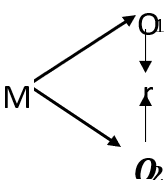
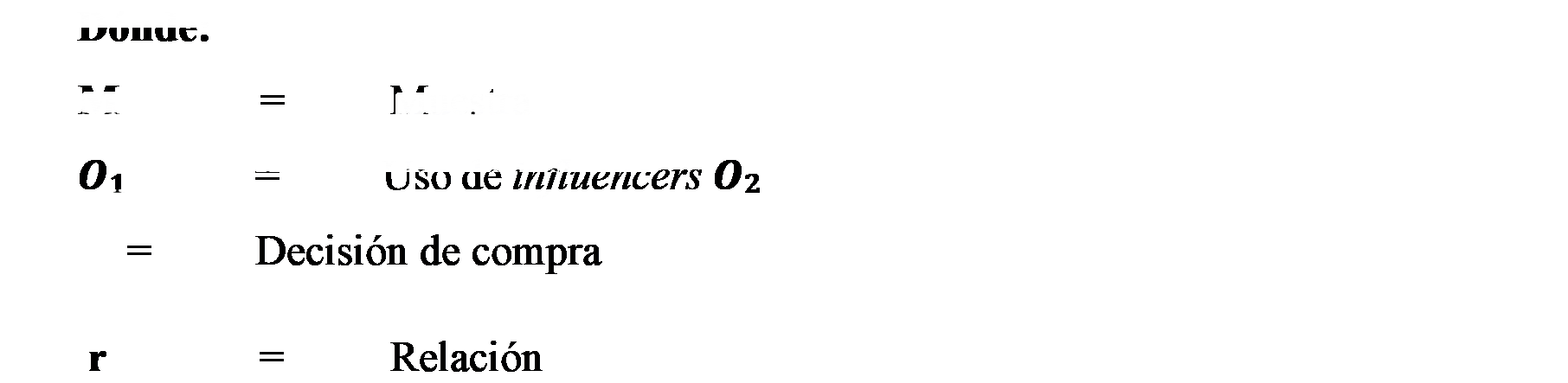
The present research had a non-experimental, descriptive, correlational, and cross-sectional design, since the study variables were not manipulated; on the contrary, a record of the variable was made in its natural social state, in order to then describe the results of each one of them and finally establish the relationship, all of this within a specific period of time.
Population and sample
Population
The study population consisted of all millennials in the city of Tarapoto, and because there is not one census registry for this population, it is considered to have no known sampling frame. According to the latest Census prepared by the National Institute of Statistics and Informatics (INEI)(7), the distribution by age group includes a total of 14 595 people, who are between 20 and 25 years of age (9 010 young people) and between 26 and 30 years of age (5 585 young people).
Sample
The sample size was determined based on probabilistic sampling corresponding to simple random sampling, in which the following formula was used:

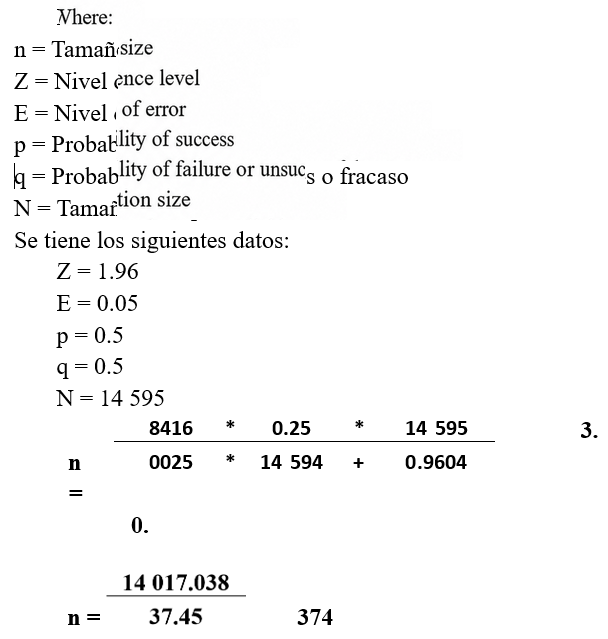
The sample consisted of 374 millennial customers of clothing brands in the city of Tarapoto.
Data collection techniques and instruments
Techniques are considered to be the set of procedures that will be aligned with a pattern that allowed meeting the objectives and purposes of a research. The techniques and instruments to be used are shown below.
Technique | Instruments | Scope | Sources / informants |
|---|---|---|---|
Survey | Questionnaire | The 2 variables examined in the present study | Millennial customers of clothing brands in the city of Tarapoto |
Data processing and analysis techniques
Data analysis began with the tabulation of the surveys applied to the sample in SPSS 22 software, which allowed descriptive frequency statistics to be performed that clarified the state of each variable; thereafter, inferential analyses were carried out using the Spearman's Rho correlation statistic, which correlated 2 ordinal variables; finally, analyses of the results were established, thus fulfilling the purpose of this study.
METHODS
The method used was inductive, starting from specific knowledge when analyzing the events arising from the variables and then concluding with the answer to the hypothesis posed in this research. This method was developed to answer hypotheses and perform demonstrations; within it, there are studies at descriptive and correlational levels.
RESULTS
General data
Table 2. Age ranges of millennial customers
Age | Frequency | Percentage |
|---|---|---|
25–30 years | 189 | 50,5 |
31–35 years | 129 | 34,5 |
36–40 years | 56 | 15,0 |
Total | 374 | 100 |
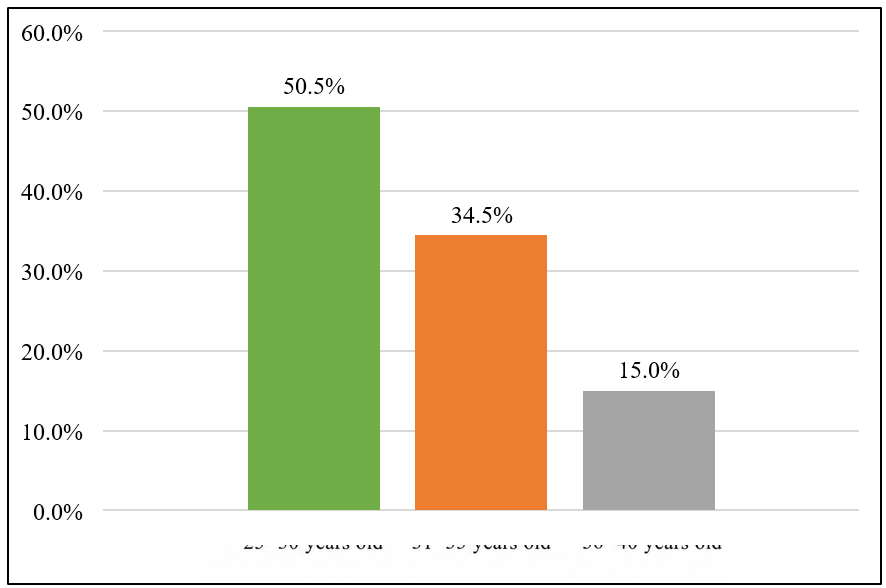
As can be observed in the findings, 50.5% of the millennials surveyed from the city of Tarapoto were between 25 and 30 years of age, while 34.5% were between 31 and 35 years, and only 15.0% were aged 36 to 40 years; that is, most of the people surveyed were aged under 30 years.

Table 3. Gender of millennial customers
Sex | Frequency | Percentage |
|---|---|---|
Male | 165 | 44,1 |
Female | 209 | 55,9 |
Total | 374 | 100 |
According to the results, it is verified that of the total millennials surveyed in the city of Tarapoto, 55.9% were women, while the remaining 44.1% were male.
Descriptive results
Specific objective 01: Identify the level of use of influencers in the purchase decision by each social network among young millennials in the city of Tarapoto in 2019.
Use of influencers by age and sex.
Table 4. Clients who use influencers on Facebook by age and sex
Low | Moderate-High | Moderate-High | Moderate-High | Moderate-High | Moderate-High | Total | Total | ||
|---|---|---|---|---|---|---|---|---|---|
Age | Frequency | % | Frequency | % | Frequency | % | Frequency | Frequency | % |
25–30 years | 35 | 9,4 | 60 | 16,0 | 94 | 25,1 | 189 | 189 | 50,5 |
31–35 years | 10 | 2,7 | 34 | 9,1 | 85 | 22,7 | 129 | 129 | 34,5 |
36–40 years | 9 | 2,4 | 12 | 3,2 | 35 | 9,4 | 56 | 56 | 15,0 |
Total | 54 | 14,4 | 106 | 28,3 | 214 | 57,2 | 374 | 374 | 100,0 |
Sex | Frequency | [empty cell] | Frequency | [empty cell] | Frequency | [empty cell] | Frequency | Frequency | 44,1 |
Male | 23 | 6,1 | 58 | 15,5 | 84 | 22,5 | 165 | 165 | 44,1 |
Female | 31 | 8,3 | 48 | 12,8 | 130 | 34,8 | 209 | 209 | 55,9 |
Total | 54 | 14,4 | 106 | 28,3 | 214 | 57,2 | 374 | 374 | 100,0 |
In the table shown, it is observed that among millennials with a high level of use of influencers on Facebook, 25.1% of the overall total were between 25 and 30 years old, while 34.8% of the general total were women. On the other hand, for those with a regular level, taking the general quantity as reference, 16% were people aged 25 to 30 years, while 15.5% were male; finally, for those with a low level of use of this type of influencers, similarly, considering the total number of people, 9.4% were also people between 25 and 30 years old and predominantly female (8.3%).
Table 5. Clients who use influencers on Instagram by age and sex
Low | Regular High | Regular High | Regular High | Regular High | Regular High | Total | Total | ||
|---|---|---|---|---|---|---|---|---|---|
Age | Frequency | % | Frequency | % | Frequency | % | Frequency | Frequency | % |
25–30 years | 32 | 8,6 | 61 | 16,3 | 96 | 25,7 | 189 | 189 | 50,5 |
31–35 years | 10 | 2,7 | 25 | 6,7 | 94 | 25,1 | 129 | 129 | 34,5 |
36–40 years | 7 | 1,9 | 17 | 4,5 | 32 | 8,6 | 56 | 56 | 15,0 |
Total | 49 | 13,1 | 103 | 27,5 | 222 | 59,4 | 374 | 374 | 100,0 |
Sex | Frequency | [empty cell] | Frequency | [empty cell] | Frequency | [empty cell] | Frequency | Frequency | 44,1 |
Male | 19 | 5,1 | 57 | 15,2 | 89 | 23,8 | 165 | 165 | 44,1 |
Female | 30 | 8,0 | 46 | 12,3 | 133 | 35,6 | 209 | 209 | 55,9 |
Total | 49 | 13,1 | 103 | 27,5 | 222 | 59,4 | 374 | 374 | 100,0 |
According to the result found, it is observed that among millennials with a high level of use of influencers on Instagram, 25.7% of the overall total were aged 25 to 30 years, while 35.6% of the overall total were women. On the other hand, for those with a regular level, taking the overall quantity as a reference, 16.3% were people aged 25 to 30 years, while 15.2% were male; finally, for those with a low level of use of this type of influencers, likewise, considering the total number of people, 8.6% were also people aged 25 to 30 years and predominantly female (8%).
Table 6. Clients who make use of influencers on YouTube by age and sex
YouTube | Low | Regular High | Regular High | Regular High | Regular High | Regular High | Total | Total | |
|---|---|---|---|---|---|---|---|---|---|
Age | Frequency | % | Frequency | % | Frequency | % | Frequency | Frequency | % |
25 to 30 years | 34 | 9,1 | 61 | 16,3 | 94 | 25,1 | 189 | 189 | 50,5 |
31 to 35 years | 9 | 2,4 | 32 | 8,6 | 88 | 23,5 | 129 | 129 | 34,5 |
36 to 40 years | 8 | 2,1 | 21 | 5,6 | 27 | 7,2 | 56 | 56 | 15,0 |
Total | 51 | 13,6 | 114 | 30,5 | 209 | 55,9 | 374 | 374 | 100,0 |
Sex | Frequency | [empty cell] | Frequency | [empty cell] | Frequency | [empty cell] | Frequency | Frequency | 44,1 |
Male | 20 | 5,3 | 67 | 17,9 | 78 | 20,9 | 165 | 165 | 44,1 |
Female | 31 | 8,3 | 47 | 12,6 | 131 | 35,0 | 209 | 209 | 55,9 |
Total | 51 | 13,6 | 114 | 30,5 | 209 | 55,9 | 374 | 374 | 100,0 |
The result obtained confirms this: it is observed that among millennials with a high level of use of influencers on YouTube, 25.1% of the overall total were between 25 and 30 years old, while 35% of the overall total were women. On the other hand, for those with a regular level, taking the general quantity as a reference, 16.3% were people aged 25 to 30 years, while 17.9% were male; finally, for those with a low level of use of this type of influencers, likewise, taking into account the total number of people, 9.1% were also people between 25 and 30 years old and predominantly female (8.3%).
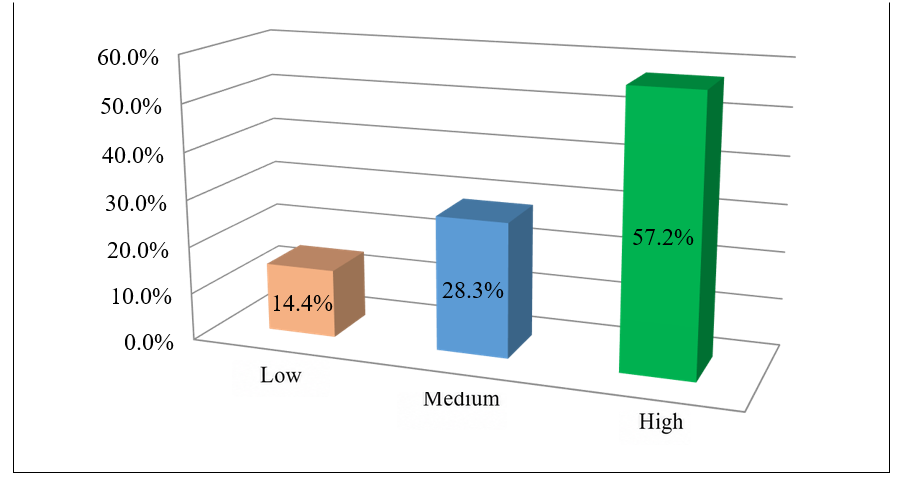
Table 7. Level of use of influencers on Facebook
Rating | Range from | Up to | Frequency | % |
|---|---|---|---|---|
Low | 4 | 9 | 54 | 14,4 % |
Regular | 10 | 15 | 106 | 28,3 % |
High | 16 | 20 | 214 | 57,2 % |
Total | [empty cell] | [empty cell] | 374 | 100,0 % |
In the previous table and figure, it can be observed that 57.2% of respondents rated the level of use of influencers on Facebook as high; this is because they frequently rely on them to search for some clothing brand options to purchase; furthermore, this allows them to evaluate each of the brands that interest them. On the other hand, 28.2% indicated that it is regular, and only 14.4% stated that the level of use of this type of influencers is low in the city of Tarapoto.
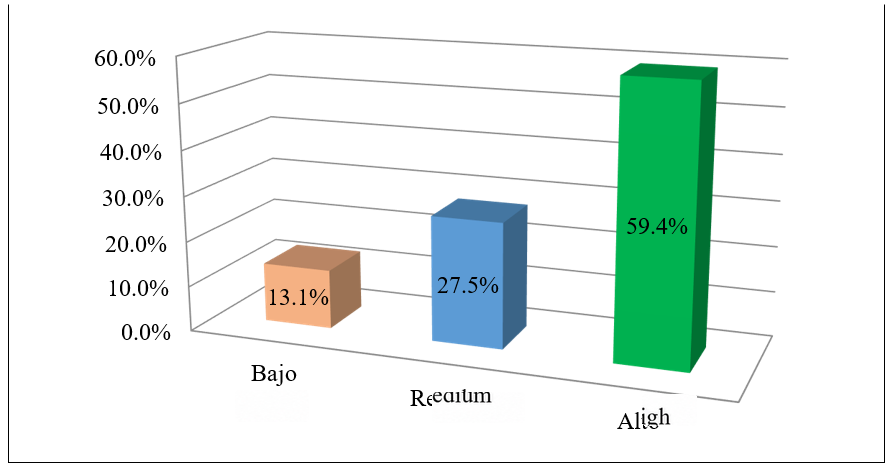
Table 8. Level of use of influencers on Instagram
Score | Range from | Up to | Frequency | % |
|---|---|---|---|---|
Low | 4 | 9 | 49 | 13,1 % |
Regular | 10 | 15 | 103 | 27,5 % |
High | 16 | 20 | 222 | 59,4 % |
Total | [empty cell] | [empty cell] | 374 | 100,0 % |
The findings shown indicate that 59.4% of respondents rated the level of use of influencers on Instagram as high, because they often rely on them to search for some clothing brand options to buy; furthermore, this allows the evaluation of each of the brands that interest them. On the other hand, 27.5% indicated that it is regular, and only 13.1% stated that the level of use of this type of influencers is low in the city of Tarapoto. This demonstrates that this type of influencer most helps the purchase decision of millennials, as it obtained the highest percentage.

Table 9. Level of use of influencers on YouTube
Score | Range from | Up to | Frequency | % |
|---|---|---|---|---|
Low | 4 | 9 | 51 | 13,6 |
Regular | 10 | 15 | 114 | 30,5 |
High | 16 | 20 | 209 | 55,9 |
Total | [empty cell] | [empty cell] | 374 | 100,0 |
According to the results, 55.9% of respondents rated the level of use of influencers on YouTube as high, as they frequently visit these influencers before making a purchase, and this also helps to evaluate the brand they observe on that platform. Conversely, 30.5% indicated that it was regular, and only 13.6% stated that the level of use of this type of influencer was low in the city of Tarapoto.

Table 10. Total level of influencer use
Rating | Range from | Up to | Frequency | % |
Low | 12 | 27 | 45 | 12,0 |
Regular | 28 | 43 | 56 | 15,0 |
High | 44 | 60 | 273 | 73,0 |
Total | [empty cell] | [empty cell] | 374 | 100,0 |
According to the results, 73% of surveyed millennials stated that the level of influencer use was high, as they frequently access common platforms such as Instagram (the most used influencers), Facebook, or YouTube to verify or confirm a potential purchase of a clothing brand. Conversely, 15% indicated that the level of use was moderate, and only 11% stated that the level of influencer use was low in the city of Tarapoto.
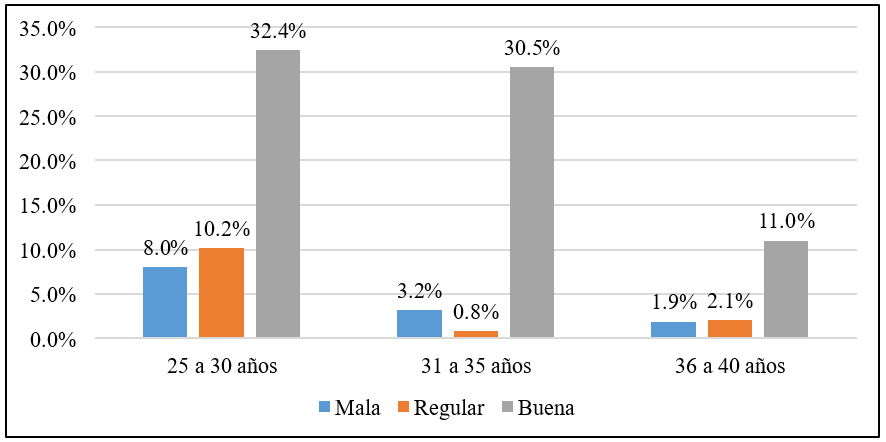
Table 11. Purchase decision by age range
Age | 25 to 30 years | 31 to 35 years | 36 to 40 years | Total | ||
|---|---|---|---|---|---|---|
Purchase decision | Poor, Fair | Frequency % Frequency % | 30 8,0 % 38 10,2 % | 12 3,2 % 3 0,8 % | 7 1,9 % 8 2,1 % | 49 13,1 % 49 13,1 % |
[empty cell] | Good | Frequency % | 121 32,4 % | 114 30,5 % | 41 11,0 % | 276 73,8 % |
Total | Total | Frequency % | 189 50,5 % | 129 34,5 % | 56 15,0 % | 374 100,0 % |
According to the data, it can be observed that those who indicated having made a good clothing brand purchase decision based on influencers, representing 32.4% of the overall total, were between 25 and 30 years old. Similarly, those who indicated that their decision was regular, representing 10.2% of the total, were also within 25 to 30 years old, and likewise, 8% of those who indicated having made a bad decision were in the same age range.
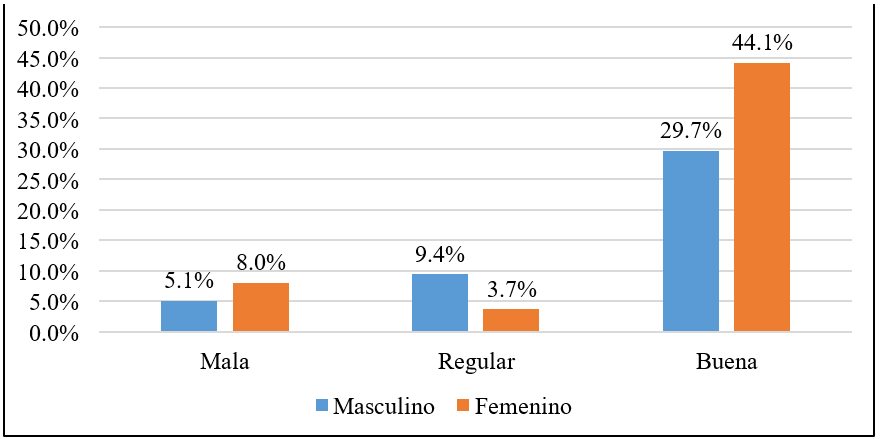
Table 12. Purchase decision by sex
Sex | Sex Male, Female | Sex Male, Female | Total | |
|---|---|---|---|---|
Bad Purchase Decision, Regular | Frequency % Frequency % | 19 5,1 % 35 9,4 % | 30 8,0 % 14 3,7 % | 49 13,1 % 49 13,1 % |
Good | Frequency % | 111 29,7 % | 165 44,1 % | 276 73,8 % |
Total | Frequency % | 165 44,1 % | 209 55,9 % | 374 100,0 % |
As the results show, among those who indicated having made a good clothing brand purchase decision based on influencers, 44.1% were women, while among those who rated it as regular, 9.4% of the total were men, and finally, among those who rated their decision as bad, 8.1% of the total respondents were women.

Table 13. Purchase decision of millennials
Rating | Range from | Up to | Frequency | % |
|---|---|---|---|---|
Poor | 15 | 34 | 49 | 13,1 |
Fair | 35 | 54 | 49 | 13,1 |
Good | 55 | 75 | 276 | 73,8 |
Total | [empty cell] | [empty cell] | 374 | 100,0 |
According to the results, 73.8% of surveyed millennials rated their purchase decision as good, as they indicated that social media have allowed them to conduct an evaluation before purchasing. In addition, their social environment has aided their choice, which is complemented by circumstantial factors and by giving it value or taking certain risks. Conversely, 13.1% rated their decision as fair, and only the remaining 13.1% rated their purchase decision as bad in the city of Tarapoto.
Inferential results
Normality test
To identify data normality, the following statistical test was used, which also aided in selecting the correlation coefficient to be employed.
Table 14. Data normality test
Kolmogorov-Smirnov | Shapiro-Wilk | ||
|---|---|---|---|
[empty cell] | Statistic df Sig. | Statistic df | Sig. |
Use of influencers | 0,236 374 0,000 | 0,811 374 | 0,000 |
Purchase decision | 0,236 374 0,000 | 0,794 374 | 0,000 |
Decision criterion: If the p-value (Sig.) is greater than 0.050, the data have a normal distribution; otherwise (p-value < 0.050), the data do not have a normal distribution.
According to the result and considering that the sample is greater than 50 participants, only the results of the Kolmogorov-Smirnov test were considered. It was observed that both variables have a significance less than 0.050, indicating that the data are not normally distributed. Therefore, the use of a correlation test for non-parametric data was determined, which in this case is Spearman's Rho statistic, allowing the objectives of this research to be addressed.
Table 15. Relationship between the level of use of influencers on Facebook and the purchase decision
Level of use of influencers on Facebook | Purchase decision | |||
|---|---|---|---|---|
Spearman's rho | Level of use of influencers on Facebook Purchase decision | Correlation coefficient Sig. (bilateral) N Correlation coefficient Sig. (bilateral) | 1 000 374 0.615** 0,000 | 0.615** 0,000 374 1 000 |
[empty cell] | [empty cell] | N | 374 | 374 |
**The correlation is significant at the 0,01 level (bilateral) | **The correlation is significant at the 0,01 level (bilateral) | **The correlation is significant at the 0,01 level (bilateral) | **The correlation is significant at the 0,01 level (bilateral) | **The correlation is significant at the 0,01 level (bilateral) |
According to the evidence, the existence of a relationship between the dimension level of use of influencers on Facebook and the purchase decision variable was confirmed, as the statistical results indicated a p-value less than 0.050 and a correlation coefficient of 0.615, demonstrating that this relationship was direct and significant. This allowed confirming the proposed hypothesis, which states that there is a significant relationship between the level of use of influencers on Facebook and the purchase decision among young millennials from Tarapoto, showing that a high level of use of influencers on the Facebook platform leads to a greater positive perception in the purchase decision of Tarapoto millennials.
Table 16. Relationship between the level of use of influencers on YouTube and the purchase decision
Level of influencer use on Instagram | Purchase decision | |||
|---|---|---|---|---|
Spearman's rho | Level of use of influencers on Instagram Purchase decision | Correlation coefficient Sig. (bilateral) N Correlation coefficient Sig. (bilateral) | 1 000 374 0.638** 0,000 | 0.638** 0,000 374 1 000 |
[empty cell] | [empty cell] | N | 374 | 374 |
**The correlation is significant at the 0,01 level (bilateral). | **The correlation is significant at the 0,01 level (bilateral). | **The correlation is significant at the 0,01 level (bilateral). | **The correlation is significant at the 0,01 level (bilateral). | **The correlation is significant at the 0,01 level (bilateral). |
Based on the findings, the existence of a relationship between the dimension level of use of influencers on Instagram and the purchase decision variable was confirmed, as the statistical results indicated a p-value of 0.000 and a correlation coefficient of 0.638, demonstrating that this relationship was direct and significant. This allowed confirming the proposed hypothesis, which states that there is a significant relationship between the level of use of influencers on Instagram and the purchase decision among millennial youth. This also ratified that young customers who make greater use of influencers on the Instagram platform have a greater perception of having made a good purchase decision with the help of this type of media.
Table 17. Relationship between the level of use of influencers on YouTube and the purchase decision
Level of use of influencers on YouTube | Purchase decision | |||
|---|---|---|---|---|
Spearman's rho | Level of use of influencers on YouTube Purchase decision | Correlation coefficient Sig. (bilateral) N Correlation coefficient Sig. (bilateral) | 1 000 374 0.616** 0,000 | 0.616** 0,000 374 1 000 |
[empty cell] | [empty cell] | N | 374 | 374 |
**The correlation is significant at the 0,01 level (bilateral). | **The correlation is significant at the 0,01 level (bilateral). | **The correlation is significant at the 0,01 level (bilateral). | **The correlation is significant at the 0,01 level (bilateral). | **The correlation is significant at the 0,01 level (bilateral). |
Source: Own elaboration.
As shown in the results, the existence of a relationship between the dimension of level of use of YouTube influencers and the purchase decision variable was confirmed, because the statistical results indicated a p-value of 0.000 and a correlation coefficient of 0.616, which indicates that the relationship was direct and significant. This confirmed the proposed hypothesis, which states that there is a significant relationship between the level of use of YouTube influencers and purchase decision in young millennials; this allowed determining that millennial customers who make greater use of influencers through YouTube will have a better or good perception regarding their purchase decision.
Table 18. Relationship between the use of influencers and purchase decision
Use of influencers | Purchase decision | |||
|---|---|---|---|---|
Spearman's rho | Use of influencers Purchase decision | Correlation coefficient Sig. (bilateral) N Correlation coefficient Sig. (bilateral) | 1 000 374 0.637** 0,000 | 0.637** 0,000 374 1 000 |
[empty cell] | [empty cell] | N | 374 | 374 |
**The correlation is significant at the 0,01 level (bilateral). | **The correlation is significant at the 0,01 level (bilateral). | **The correlation is significant at the 0,01 level (bilateral). | **The correlation is significant at the 0,01 level (bilateral). | **The correlation is significant at the 0,01 level (bilateral). |
The results of the statistical test confirmed the existence of a relationship between the variables use of influencers and purchase decision, because the statistical results indicated a p-value of 0.000 and a correlation coefficient of 0.637, demonstrating that the relationship was direct and significant. This confirmed the proposed hypothesis, which states that there is a significant relationship between the use of influencers and the purchase decision of clothing brands among young millennials; this allowed accepting that the greater the use of influencers from any platform, the better the perception of a good purchase decision regarding a specific clothing brand purchased by these young people.
DISCUSSION
The results for the first specific objective, which was to identify the level of use of influencers in the purchase decision for each social network, showed that the greatest use was of Instagram influencers, because they obtained a higher percentage (59.4%). These findings indicate that these millennial customers always use these people (influencers) as a reference to make purchases and evaluate their purchases simply by viewing this platform and the people who use a clothing brand of interest to them.(23,24,25) This result agrees with what was found by Pérez (8), who demonstrated that influencers are an attractive point for university millennials and that Instagram constitutes a consultation platform, where the most important factor is the figure of the influencer for the dissemination of the product and brand in the field of fashion. Similarly, these results provide support for what was found by Pérez (9), who indicated that the use of influencers is increasingly frequent and effective because they share content, in terms of notoriety and reputation on networks, and have a target audience.(26,27,28)
Likewise, the findings for the second specific objective, which was to evaluate the purchase decision of the clothing brand among young millennials in the city of Tarapoto, made it possible to verify that 73.8% of respondents rated their purchase decision as good; this is because they indicated that they have been able to evaluate and, due to different factors, gradually assess certain risks, and social networks have allowed them to make good decisions. This affirms what was evidenced by Carrillo (10), who demonstrated that technological and social factors allow the consumers' purchase decision to be evaluated as positive.(29,30,31) This also complements what was indicated by Fernández (11), who mentioned that with the advancement of technology, new communication channels such as social networks have been generated that make it possible to meet consumer demand and allow more decisions that benefit the growth of clothing brands.(32,33,34)
For the evidence concerning the third specific objective, which was to relate the level of use of influencers on Facebook to the purchase decision, the statistical test confirmed this relationship, as a p-value of 0.000 and a coefficient of 0.615 were found, demonstrating that the high level of frequency of visits and the ability to evaluate clothing brands through this platform are directly linked to the good decision from the perspective of the young people themselves. This finding is consistent with what was found by Cortegana et al.(12), who indicated that the use of influencers is related to factors such as price and attractive trends, which are aspects that enable the purchase decision and even generate loyalty between the consumer and the brand. This was also reported by Fernández (11), who demonstrated that influencers (fashion bloggers) constitute an effective factor for the purchase decision of the people who follow them.(35,36,37)
On the other hand, the data referring to the fourth specific objective, which was to identify the level of use of influencers on Instagram with the purchase decision, where with the statistic used it was possible to verify the existence of such a relationship, where the significance was 0.000 and the coefficient was 0.638, allowing to demonstrate that the greater use of this type of influencers by Instagram is associated with the good decision that millennial customers have made when choosing a clothing brand. This is in line with what was found by Falla (13) who indicated that the digital fashion influencer through Instagram obtains a greater number of followers, which allows a greater reach and number of interactions with their followers, allowing them to decide the purchase of clothing on a specific brand. (38,39) Similarly, Núñez (14) indicates that the opinion and recommendation of influencers is considered by millennials when deciding to buy a fashion item.(40,41)
Other findings concern the fifth specific objective, which was to relate the level of use of influencers on YouTube to the purchase decision. This objective was confirmed, with a p-value of 0.000 and a coefficient of 0.616, indicating that a higher level of use of this type of influencer is directly connected with a better purchase decision for clothing brands from the perspective of millennials in the city of Tarapoto. This is similar to what was found by Rodríguez (15), who demonstrated that digital influencers are an important factor with respect to the purchase decision among millennials because they show the trust and satisfaction generated by influencers, in addition to the prestige of the recommended brand. Similarly, Cortegana et al.(12) indicated that the use of influencers is related to attractive trends, which are aspects that enable the purchase decision in young millennials.(42)
Lastly, the results corresponding to the general objective, which was to determine the relationship between the use of influencers and the purchase decision for clothing brands, were confirmed because the correlation test found a significance less than 0,050 and a coefficient of 0,637, demonstrating that the greater use of influencers observed in the study is directly linked to a better evaluation of the purchase decision among these young people from the city of Tarapoto. This agrees with what was found by Cáceres et al.(16), who indicated that influencers have a significant incidence on young people's clothing purchase decision, verifying that companies invested in online advertising on Instagram. Similarly, Farfán (17) stated the existence of an association between consumption influenced by social media and the leadership of fashion and style influencers recognized by female followers on Twitter, which helps with the purchase decision by these young customers. As evidenced, the two studies compared with the findings of the present study reach the same conclusion: influencers in some way or another help customers, especially millennials, who are young people between 25 and 40 years old, to opt for a particular product or brand.(43,44)
CONCLUSIONS
It was possible to verify that the prevalence of influencer use in the purchase decision is higher on Instagram because young millennials frequently visit this type of social network; in addition, this allows them to evaluate the various options of brands in which they are interested through their favorite or best-known influencers.
It was identified that the evaluation of the clothing brand purchase decision among young millennials in the city of Tarapoto is good because they consider that, through digital tools, they can analyze their purchases of various branded clothing, as well as evaluate various factors and risks that a purchase can entail with only references from people on social media.
It was verified that the level of use of influencers on Facebook is significantly related to the purchase decision for clothing brands, which shows that recurrent viewing of this type of influencer allows these people to make good decisions based on simple and reliable information from their perspective.
It was found that the level of use of influencers on Instagram is significantly related to the purchase decision for clothing brands, which indicates that the ability to pay attention to and view the recommendations of these influencers is associated with the decisions made when purchasing a brand.
It was stated that the level of use of influencers on YouTube is significantly related to the purchase decision for clothing brands, showing that watching the content on that platform enables young people to make correct decisions when choosing a specific brand.
Finally, it was determined that the use of influencers is significantly related to the purchase decision for clothing brands among millennials in the city of Tarapoto; this demonstrated that when there is greater recurrence in visits and brand evaluations through these platforms, there will be good decisions among these customers, but from their perspective, because they were able to obtain what they wanted only with the references of their favorite influencers or those who provided a recommendation about a brand.
References
- 1 Scofield M. Influencers de moda en Instagram: cuánto ganan. Harper’s Bazaar. 2019 jun 10. https://www.harpersbazaar.com/es/cultura/ocio/g27874938/influencers-moda-instagram-sueldo/
- 2 Diario Gestión. El 30% de jóvenes compra productos recomendados por los influencers. Gestión. 2018 jul 25. https://gestion.pe/economia/30-jovenes-compra-productos-recomendadosinfluencers-239500-noticia
- 3 Mercado Negro. Influencers con mayor engagement en Perú. 2018 nov 26. https://www.mercadonegro.pe/digital/influencers-quienes-tienen-mayor-engagement-en-peru/
- 4 Díaz Iglesias L. Soy marca: quiero trabajar con influencers. Influencer marketing. Barcelona: Profit; 2017.
- 5 Ayzanoa H. Diccionario de Investigación Científica. Huancayo: Industria Gráfica Unión; 2007.
- 6 Hernández R, Fernández C, Baptista P. Metodología de la Investigación. México: McGraw-Hill; 2014.
- 7 Instituto Nacional de Estadística e Informática. San Martín. Resultados definitivos. 2018. https://www.inei.gob.pe/media/MenuRecursivo/publicaciones_digitales/Est/Lib1573/
- 8 Pérez Curiel C, Luque Ortiz S. El marketing de influencia en moda: estudio del nuevo modelo de consumo en Instagram de los millennials universitarios. AdComunica Rev Estrateg Tend Innov Comun. 2018;15.
- 9 Pérez Condés M, Concepción Campillo A. Influencer engagement: una estrategia de comunicación que conecta con la generación millennial. Alicante: Universidad de Alicante; 2016.
- 10 Carrillo Contreras A, García Arévalo V. El marketing mix y su relación con la decisión de compra de clientes de la empresa Representaciones Montero EIRL Tarapoto, 2015. Tarapoto: Universidad Nacional de San Martín; 2018. http://repositorio.unsm.edu.pe/bitstream/handle/11458/2801/ADMINISTRACI%C3%93N%20%20Anita%20Flor%20Carrillo%20Contreras%20%26%20Veri%20Garc%C3%ADa%20Ar%C3%A9valo.pdf
- 11 Fernández Yarín S. Impacto de las fashion bloggers en la decisión de compra de prendas de vestir de marcas de diseño independiente en jóvenes limeñas. Lima: Universidad Peruana de Ciencias Aplicadas; 2018. https://repositorioacademico.upc.edu.pe/bitstream/handle/10757/624253/FERNANDEZ_YS.pdf
- 12 Cortegana Barrantes A, Gonzales Aybar A, Gonzáles Rondón Y. Influencers en la decisión de compra de moda deportiva: estudio del consumo de marcas Adidas, Nike y Puma de millennials de Lima. Lima: Pontificia Universidad Católica del Perú; 2018. http://tesis.pucp.edu.pe/repositorio/bitstream/handle/20.500.12404/13236/CORTEGANA_BARRANTES_GONZALES_AYBAR_GONZ%C3%81LES_ROND%C3%93N.pdf
- 13 Falla Rubio M. Los fashion influencers digitales peruanos y su relación con las marcas de moda. Tesis de pregrado. Piura: Universidad de Piura; 2019.
- 14 Nuñez Palomino D, Ticona Cortavitarte Y. Los influencers de Instagram y su repercusión en la decisión de compra de artículos de moda en los millennials del área de sociales de la Universidad Nacional de San Agustín de Arequipa. Arequipa: Universidad Nacional de San Agustín; 2019. http://repositorio.unsa.edu.pe/bitstream/handle/UNSA/9438/CCnupadj1.pdf
- 15 Rodríguez Lazarte S, Cayo Meiggs A. Los influencers digitales, pieza clave en la decisión de compra de productos de maquillaje en millennials del NSE A y B de Lima Metropolitana. Lima: Universidad Peruana de Ciencias Aplicadas; 2019. https://repositorioacademico.upc.edu.pe/bitstream/handle/10757/626098/CayoM_A.pdf
- 16 Cáceres G, Perea da Silva T, Torres M, Vázquez M. El impacto de los influencers de Instagram en la decisión. Tesis de pregrado. Buenos Aires: Universidad Argentina de la Empresa; 2017.
- 17 Farfán Miranda S, Zapata Hoffmann V. Consumo influenciado por el social media y su relación con variables psicodemográficas. Tesis de pregrado. Lima: Universidad San Ignacio de Loyola; 2018.
- 18 Socialpubli. Evolución de los influencers de moda. 2019 oct 16. https://socialpubli.com/es/blog/evolucion-influencers-moda/
- 19 Sulaiman A, Naqshbandi M, Moghavvemi M, Jaafar N. Facebook usage, socialization and academic performance. Comput Educ. 2015;83:64-73. https://www.researchgate.net/publication/271013529_Facebook_usage_socialization_and_academic_performance
- 20 Umaña R. Los millennials no existen. Medium. 2016 sep 11. https://medium.com/@gorileo/los-millennials-no-existen-entoncesquienes-son-los-millennials-9a471cce9951
- 21 Zuckerman M. Influencer marketing: millennials y centennials. Digimind Blog. 2019 dic 4. https://blog.digimind.com/es/insight-driven-marketing/influencer-marketingmillennials-y-centennials
- 22 Alvarado-Reséndiz J, López-Yáñez A, García-Munguía M. Factores que influyen en los consumidores para la elección de un producto a considerar por las PyMEs. XIKUA Boletín Científico de la Escuela Superior de Tlahuelilpan. 2018;6(12). doi: https://doi.org/10.29057/xikua.v6i12.3206
- 23 Arrington G, Dwyer R. Can Four Generations Create Harmony Within a Public-Sector Environment? Int J Appl Manag Technol. 2018;17(1):1-21. doi: https://doi.org/10.5590/IJAMT.2018.17.1.01
- 24 Bansal R, Masood R, Dadhich V. Social Media Marketing – A Tool of Innovative Marketing. J Organ Manag. 2014;3(1):1-7. https://www.researchgate.net/publication/318225418_Social_Media_MarketingA_Tool_of_Innovative_Marketing
- 25 BBVA. ¿Quiénes son los millennials, una generación única? 2018 mar 26. https://www.bbva.com/es/quienes-millennials-generacion-unica/
- 26 Blanco Fernández C. Objetivo: Influencer. España: Arcopress; 2016.
- 27 Cayari C. The YouTube Effect: How YouTube Has Provided New Ways to Consume, Create, and Share Music. Int J Educ Arts. 2015;12(6). https://www.researchgate.net/publication/234579002_The_YouTube_Effect_How_YouTube_Has_Provided_New_Ways_to_Consume_Create_and_Share_Music
- 28 Cegos Online University. Qué son los millennials y por qué son importantes para las empresas. 2020. https://www.cegosonlineuniversity.com/que-son-los-millenials-y-por-queson-importantes-para-las-empresas/
- 29 Comunicaweb. Millennials: definición y características. 2020. https://www.comunica-web.com/verarticulo-millennials-que-esdefinicion-caracteristicas_833.php
- 30 FAPE. La importancia de los influencers en los consumidores. Asociación Española de Fabricantes de Pequeños Electrodomésticos. 2018 ene 23. http://e-fape.com/2018/01/23/la-importancia-losinfluencers-los-consumidores/
- 31 Huey L, Yazdanifard R. How Instagram can be used as a tool in social network marketing. 2014. https://www.researchgate.net/publication/265377226_How_Instagram_can_be_used_as_a_tool_in_social_networking_marketing
- 32 Influencer Marketing Hub. Qué es un influencer. 2019 may 21. https://influencermarketinghub.com/es/que-es-uninfluencer/
- 33 Koma R, Jha M. Consumer buying decision models: A descriptive study. Int J Innov Appl Stud. 2015;6(3):335-51. https://www.researchgate.net/publication/305727378_Consumer_buying_decision_models_A_descriptive_study
- 34 LID. Diccionario LID Marketing directo e interactivo. Madrid: LID; 2012.
- 35 LowpostActive. Los influencers de moda y su importancia para tu marca comercial. 2020. https://lowpostactive.com/blog/los-influencers-de-moda-y-su-importancia-para-tu-marca-comercial/
- 36 Marketinginteli. Comportamiento del consumidor. 2020. https://www.marketinginteli.com/documentos-marketing/sim-sistema-de-informacion-de-marketing/comportamiento-del-consumidor/
- 37 Martínez L. Influencers de moda en Instagram. Merca2. 2019 ago 21. https://www.merca2.es/influencers-moda-instagram/
- 38 Martínez Valverde JF. Sistema de Información de Mercados. Madrid: Ediciones Parainfo; 2018.
- 39 Mglobal. Qué es un influencer y qué aporta a tu estrategia de marketing. 2017 mar 7. https://mglobalmarketing.es/blog/que-es-un-influencer-y-que-aporta-a-tu-estrategia-de-marketing/
- 40 Msn entretenimiento. Los influencers de internet más conocidos del Perú. 2019 jul 31. https://www.msn.com/es-pe/entretenimiento/famosos/los-influencers-de-internet-m%C3%A1s-conocidos-del-per%C3%BA/ar-AAEtCiw
- 41 Navarro Ravello L. Etapas del proceso de decisión de compra. Agencia MK Blog. 2018 oct 18. https://www.agenciamk.com/blog/etapas-del-proceso-de-decision-de-compra/
- 42 Ramos J. Marketing de influencers. Guía completa. Berlín: XinXii; 2019. https://books.google.com.pe/books?id=qcyMDwAAQBAJ
- 43 Rebate C. Influencers: todo lo que necesitas saber sobre influencia digital. Barcelona: Empresa Activa; 2017.
- 44 Schiffman L, Lazar L. Comportamiento del consumidor. 10ª ed. Pearson; 2010. https://www.academia.edu/6116556/Comportamiento_del_Consumidor_Schiffman_10a_Ed
Declarations
Funding
The authors received no funding for the development of this research.
Conflict of interest
The authors declare no conflict of interest.
Authorship contributions
Conceptualization: Julio Manuel Sanchez-Alarcón, Gleiser Yoshrlin Chávez-Campos, Seidy Janice Vela-Reátegui, Pierre Vidaurre-Rojas.
Data curation: Julio Manuel Sanchez-Alarcón, Gleiser Yoshrlin Chávez-Campos, Seidy Janice Vela-Reátegui, Pierre Vidaurre-Rojas.
Formal analysis: Julio Manuel Sanchez-Alarcón, Gleiser Yoshrlin Chávez-Campos, Seidy Janice Vela-Reátegui, Pierre Vidaurre-Rojas.
Writing – original draft: Julio Manuel Sanchez-Alarcón, Gleiser Yoshrlin Chávez-Campos, Seidy Janice Vela-Reátegui, Pierre Vidaurre-Rojas.
Writing – review and editing: Julio Manuel Sanchez-Alarcón, Gleiser Yoshrlin Chávez-Campos, Seidy Janice Vela-Reátegui, Pierre Vidaurre-Rojas.