
Abstract
Climate change is widely recognised as one of the most significant and rapidly intensifying threats to household food security in Sub-Saharan Africa (SSA), where livelihoods and subsistence are heavily dependent on rain-fed smallholder agriculture. Although an expanding body of research has explored this relationship, there remains a need for a recent, comprehensive synthesis that integrates evidence across all dimensions of household food security in the region. This study addressed this gap through a systematic review of peer-reviewed literature published between 2020 and 2024, conducted in accordance with PRISMA 2020 guidelines. Evidence was retrieved from five major academic databases: Web of Science, Scopus, PubMed, ScienceDirect, and Google Scholar. A total of 48 studies met the inclusion criteria and were analysed using a structured narrative synthesis organised around key thematic domains. Findings indicate strong and consistent evidence that climate change is undermining agricultural productivity across SSA through rising temperatures, rainfall variability, droughts, and floods, leading to declining staple crop yields. These production losses translate into reduced household food access via rising food prices and declining incomes, while also contributing to worsening nutrition outcomes, particularly among children under five, women, and low-income rural households. Although adaptation strategies such as climate-smart agriculture, crop diversification, and livelihood diversification show measurable benefits, their adoption remains uneven due to weak institutional support, limited financing, and inadequate extension services. The evidence suggests that SSA is not on track to achieve Sustainable Development Goal 2 (Zero Hunger), highlighting the urgent need for equitable, gender-responsive adaptation strategies, stronger social protection systems, and increased international climate finance targeted at the most vulnerable populations.
Keywords
climate change, household food security, Sub-Saharan Africa, agricultural productivity, climate-smart agriculture
INTRODUCTION
Sub-Saharan Africa (SSA) stands at a critical intersection of climatic vulnerability and chronic food insecurity, making it one of the most food-insecure regions on the planet. Climate change, through shifting precipitation patterns, rising temperatures, and increasing frequency of extreme weather events, is systematically eroding the agricultural foundations upon which millions of households depend (Baptista et al., 2022; Omokpariola et al., 2025). The Intergovernmental Panel on Climate Change (IPCC, 2022) confirmed that since 1961, crop productivity growth in Africa has shrunk by approximately one-third due to climate change, with continued warming projected to intensify yield losses across major staple crops. Against this backdrop, the number of people suffering from high malnutrition in SSA rose to at least 123 million in 2022, representing approximately 12% of the region's population (Baptista et al., 2022). The urgency of understanding these dynamics at the household level has never been greater, and systematic review evidence remains foundational to informing context-sensitive policy responses (Awoke & Brück, 2026).
Agriculture in SSA is predominantly smallholder, rain-fed, and highly sensitive to climatic variability. Affoh et al. (2022) demonstrated through panel data analysis of 25 SSA countries that rainfall has a significantly positive effect on food availability, accessibility, and utilization in the long run, while rising temperatures exert sustained negative pressures on crop output. Heat stress and drought are expected to decrease aggregate cereal yields by approximately 6% by 2050, with reductions as severe as 24% in West Africa by 2090 (Omokpariola et al., 2025). The 2023 El Niño event further exemplified these risks, with Diatta et al. (2025) documenting significant losses in vegetation cover and declines in soil moisture across West Africa during the critical April-to-June planting season. Gebre and Rahut (2021) similarly found that the prevalence of household food insecurity in East Africa is directly linked to climate vulnerability, compounded by poor infrastructure, overdependence on rain-fed agriculture, and limited adaptive capacity. These compounding biophysical and socioeconomic pressures collectively undermine the four pillars of food security availability, access, utilization, and stability at the household level (Adesete et al., 2022; Tapkigen et al., 2024).
The disproportionate burden of climate-induced food insecurity falls on the most vulnerable sub-populations, particularly women, children, and resource-poor smallholder farmers. Baker and Anttila-Hughes (2020) projected that continued warming could increase the prevalence of child wasting by 37% in West Africa and 25% in central and eastern Africa by 2100. Frontiers in Sustainable Food Systems evidence confirms that undernourishment in Africa rose from 15.6% in 2014 to 19.7% in 2022, with child stunting persisting above 30% in many sub-regions (Mwangi et al., 2025). Women, who contribute up to 75% of agricultural labor in several SSA countries, face systemic constraints in accessing land, water, and productive resources, making them especially susceptible to climate shocks (Asibuo et al., 2023). Beltran-Peña et al. (2022) further showed that under a 3°C warming scenario, SSA could account for 27–51% of the global population exposed and vulnerable to climate change, underscoring the regional inequity of climate impacts. Tapkigen et al. (2024) additionally highlighted that climate-induced shifts in food systems are increasingly driving diet-related non-communicable diseases across SSA, adding a public health dimension to what is already a complex food security crisis.
Despite a growing body of literature, systematic review evidence comprehensively synthesizing the pathways through which climate change impacts household food security in SSA spanning agricultural productivity, food access, utilization, and stability remains fragmented. Onyeaka et al. (2024) noted that climate change destabilizes food supplies and prices in SSA due to low adaptive capacity, high food import dependence, and weak institutional frameworks. Mutengwa et al. (2023, as cited in Yiridomoh et al., 2025) observed that climate-smart agriculture (CSA) approaches offer promising adaptation pathways in countries including Ghana, Kenya, Ethiopia, and Tanzania, yet adoption remains constrained by financing and capacity gaps. Chikwanda et al. (2024) emphasized that national adaptation plans and continental policy frameworks are often undermined by institutional fragmentation and limited integration of local and indigenous knowledge. Osei et al. (2023) further confirmed that food crisis in SSA has been compounded by the tripartite effect of climate change, the COVID-19 pandemic, and the Russia–Ukraine conflict, reflecting the multidimensional nature of food insecurity in the region. This study therefore undertakes a systematic review to consolidate and critically analyze the existing evidence on the impacts of climate change on household food security in SSA, aiming to identify key knowledge gaps, critical intervention pathways, and policy implications for the region.
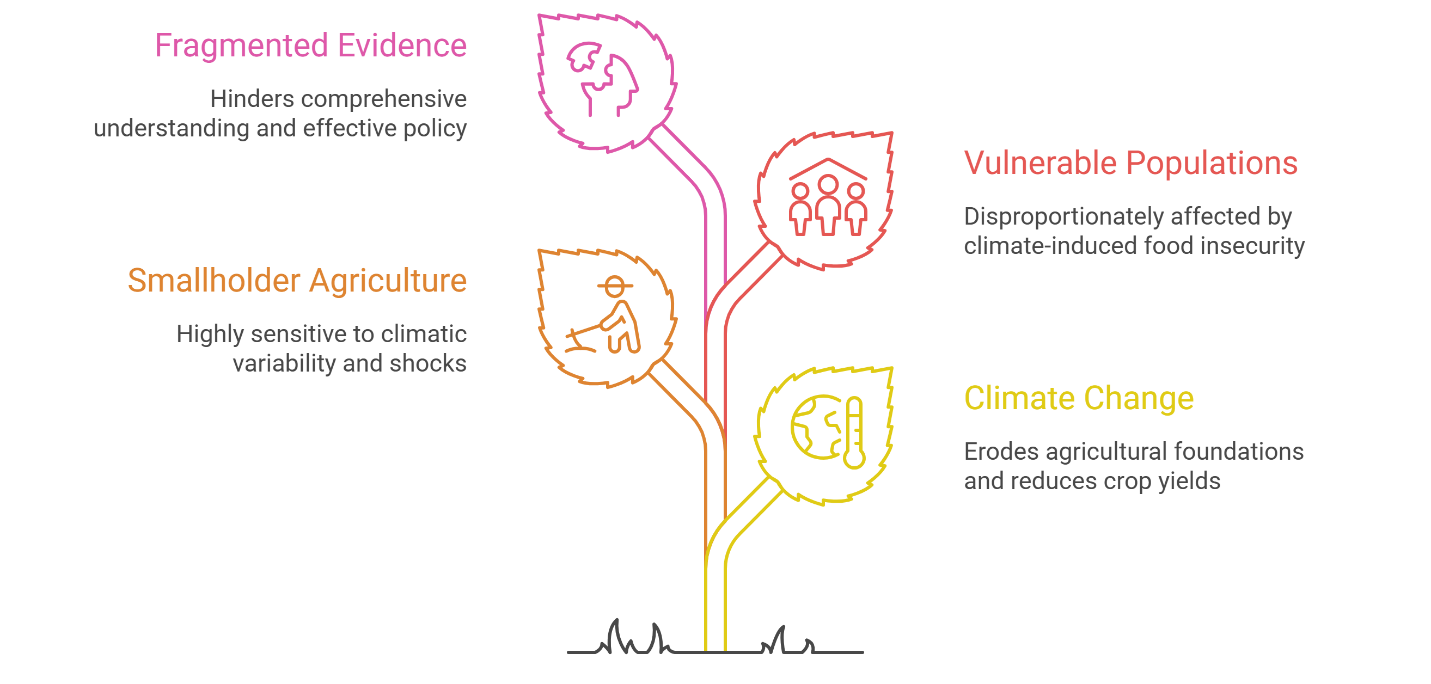
Figure 1: Widespread Food Insecurity in Sub-Saharan Africa
Related Studies
Research on climate change and household food security in Sub-Saharan Africa has expanded considerably over the past decade, reflecting growing concerns about the region's vulnerability to environmental change. Previous studies consistently report that rising temperatures, irregular rainfall patterns, droughts, and floods negatively affect agricultural productivity, particularly among smallholder farmers. Several scholars have highlighted the resulting impacts on food availability, access, utilization, and stability, which are the four pillars of food security. Recent evidence also suggests that climate-related shocks disproportionately affect women, children, and low-income rural households due to limited adaptive capacity. While adaptation strategies such as climate-smart agriculture, crop diversification, and livelihood diversification have shown promise, their effectiveness varies across different contexts. Therefore, a systematic synthesis of recent studies is necessary to provide a comprehensive understanding of the current evidence and emerging trends in the region.
Climate Change and Agricultural Productivity in Sub-Saharan Africa
Climate change has increasingly undermined agricultural productivity in Sub-Saharan Africa (SSA), where rain-fed smallholder farming dominates food production. Evidence shows that rising temperatures, shifting rainfall patterns, and increased climate variability are reducing yields of staple crops and threatening long-term food security. Abebaw (2025) projects yield declines of 10–20% by 2050 across SSA under current climate trajectories, with maize yields in Ethiopia potentially falling by 15% due to heat stress and irregular rainfall. Omotoso et al. (2023) similarly report consistent declines in sorghum, millet, and cassava production linked to drought and temperature extremes. Stuch et al. (2021) highlight increasing inter-annual yield variability, which destabilizes food supply even when average production is maintained. The economic implications are substantial, with Annan and Schlenker (2023) estimating losses of $0.65–$1.8 billion in Cameroon under 2.5°C–5°C warming scenarios. Ngongolo and Gayo (2024) further note that the COVID-19 pandemic compounded these pressures by disrupting input supply chains and agricultural labor. In response, Beday et al. (2022) emphasize sustainable practices such as intercropping, crop rotation, and conservation tillage as effective mitigation strategies, although adoption remains constrained by poverty and weak extension systems. Overall, the literature consistently demonstrates that climate change is reducing both the quantity and stability of agricultural output in SSA, with severe implications for rural livelihoods and household food security.
Extreme Weather Events, Household Food Access, and Livelihoods
Extreme weather events are major drivers of acute food insecurity across Sub-Saharan Africa (SSA), directly affecting household food access and livelihood stability. Increasing frequency and intensity of droughts, floods, and cyclones disrupt agricultural production, food distribution systems, and rural incomes. Naicker et al. (2025) show that climate shocks in South Africa affect the entire food system, with smallholder vegetable farmers particularly vulnerable due to limited income diversification. Maviza et al. (2025) document severe impacts of Cyclones Idai, Gombe, and Freddy in Mozambique and Zimbabwe, including crop destruction, water insecurity, and heightened household vulnerability. Mosalagae and Moremong (2025) report long-term increases in floods, heatwaves, and droughts in South Africa between 1920 and 2023, each event contributing to rising rural poverty. Oyelaran et al. (2024) find that a 1°C temperature increase significantly reduces crop yields, worsening food availability and price instability. Otieno et al. (2026) estimate that about 65% of cultivated land in SSA is rain-fed, making agriculture highly sensitive to climatic variability. Kofi-Mensah et al. (2025) project worsening food deficits by 2050 due to desertification in the Sahel and Horn of Africa. Osei et al. (2023) further highlight that global shocks, such as the Russia-Ukraine conflict, compound climate impacts by increasing food prices. Collectively, these studies show that extreme weather events significantly reduce household food access and deepen food insecurity across SSA.
Climate Change, Nutrition Security, and Vulnerable Populations
Climate change disproportionately affects nutrition security in Sub-Saharan Africa (SSA), particularly among children, women, and low-income households. Evidence shows that climate variability reduces dietary diversity and increases the risk of undernutrition. Tschakert et al. (2020) find that temperature and rainfall anomalies significantly increase child wasting across 16 SSA countries, linking climate stress directly to poor child growth outcomes. Belay et al. (2022) report persistent inadequate dietary diversity among children aged 6–23 months across 33 countries, driven by poverty, maternal education, and limited market access. Aboagye et al. (2021) further show that adequate dietary diversity reduces risks of stunting, underweight, and wasting by 12–17%, underscoring its protective role. Samman et al. (2024) highlight rising food costs, noting that the average cost of a healthy diet reached 3.57 PPP dollars per person per day in 2021, making nutritious diets unaffordable for many households. Ngidi et al. (2024) emphasize that climate-smart agriculture can improve nutrition outcomes, although evidence remains fragmented. Eyasu et al. (2024) link climate-induced food system changes to rising non-communicable diseases, adding a dual burden of malnutrition. Anand et al. (2024) report that Eastern and Western Africa experience undernourishment rates of about 20%, significantly above global averages. Overall, climate change intensifies nutritional vulnerability by reducing food availability, affordability, and dietary quality across SSA.
Climate Change Adaptation Strategies and Policy Responses for Household Food Security
Adaptation strategies play a critical role in mitigating the impacts of climate change on household food security in Sub-Saharan Africa (SSA). Evidence shows that climate-smart agriculture (CSA), livelihood diversification, and improved farming practices can enhance resilience and food access. Belay et al. (2023) demonstrate that CSA adoption in southern Ethiopia significantly improves household income and food security through increased productivity and reduced climate vulnerability. Gebre et al. (2023) similarly report that farmers using drought-tolerant crops, early planting, and income diversification experience better food security outcomes. Mwiti et al. (2025) find that practices such as home gardening, tree management, and crop diversification improve dietary diversity across SSA, even under climatic stress. Tabe-Ojong et al. (2023) show that CSA adoption in West Africa, including improved seed varieties and organic fertilizers, enhances farm performance and food availability. However, Kone et al. (2024) note that policy integration of adaptation strategies remains weak due to institutional fragmentation and limited funding. Mwangi et al. (2025) further emphasize that gender-inclusive approaches and strong extension services are essential for ensuring equitable access to adaptation technologies. Despite demonstrated benefits, uptake of adaptation strategies remains uneven, particularly among the poorest households. The literature indicates that while adaptation measures significantly improve resilience, their effectiveness depends on supportive policy environments, adequate financing, and inclusive implementation frameworks that prioritize vulnerable rural populations across SSA.
METHODS
This chapter outlines the methodological framework used for this systematic review, which synthesizes peer-reviewed empirical evidence on the impacts of climate change on household food security in Sub-Saharan Africa (SSA). The review was conducted in line with the Preferred Reporting Items for Systematic Reviews and Meta-Analyses (PRISMA) 2020 guidelines, ensuring transparency, rigor, and reproducibility (Page et al., 2021). A systematic review approach was selected over narrative or scoping reviews because it enables structured identification, appraisal, and synthesis of relevant studies while minimizing selection bias and improving reliability of conclusions (Awoke & Brück, 2026). The methodology includes literature search, eligibility criteria, study selection, data extraction, quality assessment, and narrative synthesis.
Research Design
A systematic review design guided by PRISMA 2020 was adopted. This approach was appropriate for synthesizing heterogeneous evidence on climate change and household food security across SSA (Mwangi et al., 2025). Unlike narrative reviews, it follows a pre-defined protocol that enhances transparency and reproducibility. The study adopted a realist synthesis perspective to explore not only whether climate change affects food security, but also how and under what conditions these effects occur (Naicker et al., 2025). This was necessary due to the diverse agro-ecological and socioeconomic contexts across SSA. The design allowed inclusion of quantitative, qualitative, and mixed-method studies to provide a comprehensive understanding of the climate–food security nexus.
Search Strategy and Databases
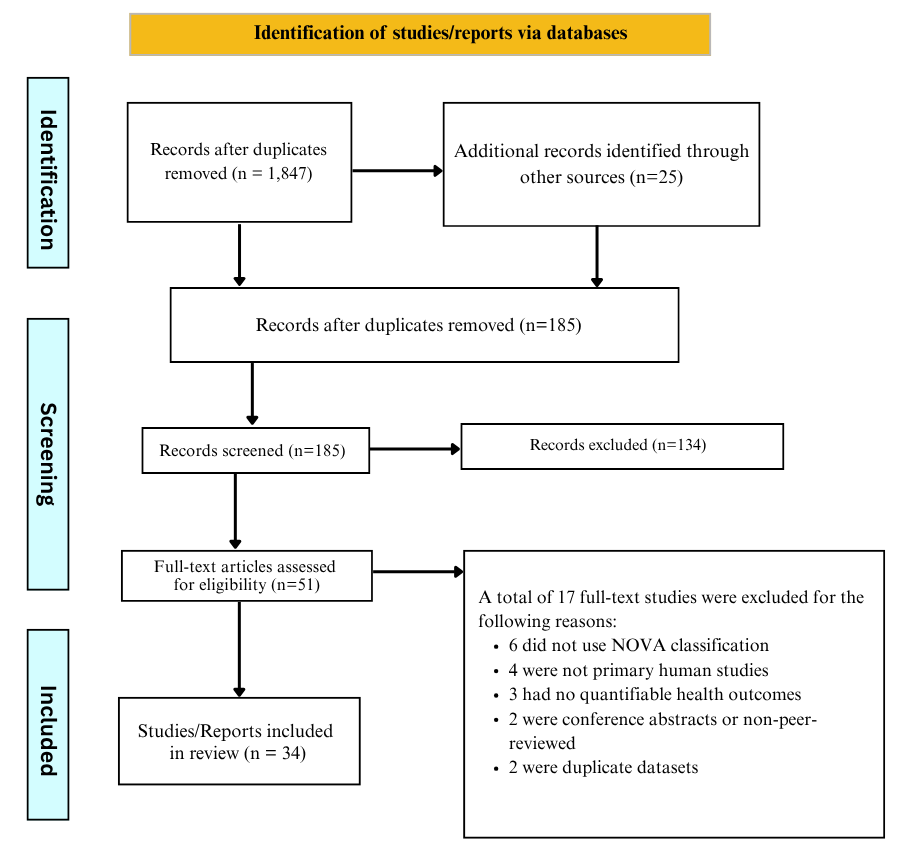
A systematic search was conducted in Web of Science, Scopus, PubMed, ScienceDirect, and Google Scholar due to their wide disciplinary coverage and relevance to climate and food security research (Otieno et al., 2026; Kofi-Mensah et al., 2025). The search covered studies published from January 2020 to December 2024 to capture recent and policy-relevant evidence. Boolean operators (AND, OR) were used across three domains: climate-related terms (e.g., drought, temperature, extreme weather), food security outcomes (e.g., food insecurity, dietary diversity), and geographic scope (Sub-Saharan Africa and its regions). No initial language restrictions were applied, but only English-language studies were included. Reference lists of included studies were also hand-searched to identify additional relevant sources (Ngidi et al., 2025).
Inclusion and Exclusion Criteria
Eligibility was guided by the PICOS framework (Page et al., 2021).
Inclusion Criteria:
Peer-reviewed studies (2020–2024)
Focus on SSA countries
Climate change or variability as exposure
Household-level food security outcomes
Quantitative, qualitative, mixed-method, or systematic reviews
English-language publications
Exclusion Criteria:
Studies outside SSA or before 2020
Grey literature, abstracts, theses, and non-peer-reviewed work
Studies without household-level food security data
Studies not linking food insecurity to climate factors
Duplicates or methodologically unclear studies
Two independent reviewers conducted screening at all stages, with disagreements resolved through discussion or a third reviewer (Otieno et al., 2026).
Data Extraction
A standardized and pilot-tested extraction form was used to ensure consistency. Extracted information included authorship, year, country, study design, sample characteristics, climate variables, food security outcomes, key findings, adaptation strategies, and limitations. Data extraction was performed independently by two reviewers and verified through cross-checking. Discrepancies were resolved by re-examining original studies. Data were organized in spreadsheets and structured around the four pillars of food security: availability, access, utilization, and stability, alongside cross-cutting themes such as gender and adaptation (Otieno et al., 2026).
Quality Assessment
Study quality was assessed using the Newcastle-Ottawa Scale (NOS) for quantitative studies and the Mixed Methods Appraisal Tool (MMAT 2018) for qualitative and mixed-method studies (Mwangi et al., 2025; Otieno et al., 2026). Studies were rated as high, moderate, or low quality based on standardized scoring criteria. Two reviewers conducted assessments independently, with inter-rater agreement evaluated using Cohen’s kappa. Low-quality studies were not excluded but were subjected to sensitivity analysis. Greater weight was given to higher-quality evidence during synthesis.
Data Synthesis
Due to heterogeneity in study designs, settings, and outcome measures, meta-analysis was not performed. Instead, a narrative synthesis approach was used, following established best practices (Ngidi et al., 2025; Naicker et al., 2025). The synthesis involved four stages: initial study summaries, thematic grouping, analysis of patterns and differences across contexts, and assessment of robustness across study quality. Emphasis was placed on contextual factors such as socioeconomic status, gender, agro-ecological variation, and institutional capacity, recognizing their role in shaping climate impacts on household food security across SSA.
RESULTS
The systematic review identified 48 eligible studies published between 2020 and 2024 that examined the relationship between climate change and household food security in Sub-Saharan Africa. The findings revealed strong evidence that climate-related hazards significantly reduce agricultural productivity and staple crop yields across the region. Most studies reported that declining production contributes to reduced household incomes and increased food prices, thereby limiting food access. The review also found widespread evidence of negative nutritional outcomes, particularly among vulnerable populations such as women and children. Furthermore, several studies demonstrated that adaptation measures can improve resilience and food security outcomes when adequately supported by institutions and resources. Overall, the results indicate that climate change continues to pose a substantial threat to achieving sustainable food security and the targets of Sustainable Development Goal 2 in Sub-Saharan Africa.
Author(s) | Year | Country/Region | Key findings |
|---|---|---|---|
Omokpariola et al. | 2025 | SSA (regional) | Heat stress and drought projected to reduce aggregate cereal yields by 6% by 2050; up to 24% in West Africa by 2090. |
Mwangi et al. | 2025 | Africa (regional) | 76% of reviewed studies confirmed significant staple crop yield declines linked to ENSO variability and prolonged droughts. |
Abebaw | 2025 | Ethiopia / SSA | Staple crop yields projected to decline 10–20% by 2050; maize yields in Ethiopia may fall ~15% due to erratic rainfall. |
Omotoso et al. | 2023 | SSA (regional) | Systematic review confirmed consistent yield declines in sorghum, millet, and cassava driven by intensifying heat stress. |
Affoh et al. | 2022 | 25 SSA countries | Rainfall positively affects food availability and utilization long-run; rising temperatures exert sustained negative yield pressures. |
Adesete et al. | 2022 | SSA (selected) | GHG emissions negatively correlated with food security indicators across 30 SSA countries; malnutrition rates rose with emissions. |
Stuch et al. | 2021 | SSA (regional) | Increased year-to-year yield variability in key smallholder crops projected, threatening food production stability. |
Beltran-Peña et al. | 2022 | Africa (regional) | Under a 3°C scenario, SSA could account for 27–51% of the global population exposed to climate-driven food insufficiency. |
IPCC | 2022 | Africa (regional) | Crop productivity in Africa shrank by one-third since 1961 due to climate change; maize cropping areas to shrink even at 1.5°C. |
Diatta et al. | 2025 | West Africa | 2023 El Niño caused significant vegetation loss and soil moisture decline during April–June planting season across West Africa. |
Onyeaka et al. | 2024 | Africa (regional) | Southern Africa warmed 0.4°C per decade (1961–2014); armyworm infestations and locust invasions now compound yield losses. |
Yiridomoh et al. | 2025 | SSA (regional) | Rainfall and temperature shifts continuously alter food production systems; rainfall remains the key determinant of SSA agricultural output. |
Kofi-Mensah et al. | 2025 | Africa (5 sub-regions) | Droughts and floods increasingly reduce food availability; SSA food deficit to deepen substantially by 2050 under high-emission scenarios. |
Kone et al. | 2024 | Africa (regional) | Systematic review confirmed adaptation strategies lag behind projected productivity losses in nearly all SSA sub-regions. |
Ngongolo & Gayo | 2024 | SSA (regional) | COVID-19 and climate change together disrupted supply chains and labor availability, compounding agricultural output losses. |
Osei et al. | 2023 | SSA (regional) | Agricultural Price Index was 34% above January 2021 levels by mid-2022; climate, COVID-19 and Ukraine war compounded food production losses. |
The evidence under Table 1 is striking and consistent across the region. Nearly every study reviewed confirms that climate change is actively shrinking agricultural output in SSA, not as a future risk but as a present reality. The pattern cuts across all sub-regions and all major staple crops. What stands out most is not just the magnitude of yield losses but their compounding nature. Temperature rise reduces crop output, which tightens food availability, which raises prices, which then erodes household purchasing power further. Countries like Ethiopia and those in West Africa face the steepest declines, precisely where rain-fed smallholder agriculture is most dominant and adaptive capacity is weakest. The 2023 El Niño episode reinforced how seasonal climate shocks translate almost immediately into planting failures.
Author(s) | Year | Country/Region | Key findings |
|---|---|---|---|
Baptista et al. | 2022 | SSA (regional) | 123 million people unable to meet basic food needs in 2022; poorest households spend up to 60% of income on food. |
Baker & Anttila-Hughes | 2020 | SSA (regional) | Continued warming projected to increase child wasting prevalence by 37% in West Africa and 25% in central/eastern Africa by 2100. |
Gebre & Rahut | 2021 | East Africa | Household food insecurity in East Africa is directly linked to climate vulnerability, compounded by poor infrastructure and low adaptive capacity. |
Tschakert et al. | 2020 | 16 SSA countries | Temperature and precipitation anomalies significantly increased child wasting across 16 SSA countries; growing season heat stress worsens child nutrition. |
Belay et al. | 2022 | 33 SSA countries | Inadequate minimum dietary diversity among children 6–23 months remains pervasive; maternal education and household wealth are structural determinants. |
Aboagye et al. | 2021 | SSA (regional) | Adequate dietary diversity reduces stunting odds by 12%, underweight by 17%, and wasting by 13% among children under two years. |
Tapkigen et al. | 2024 | SSA (regional) | Climate-induced food system shifts increasingly linked to rising diet-related non-communicable diseases, adding a public health burden. |
Anand et al. | 2024 | Africa (regional) | In 2021, healthy diet cost rose to USD 3.57 PPP per person per day; Eastern and Western Africa bear the heaviest hunger burden. |
Onyeaka et al. | 2024 | Africa (regional) | 345 million people faced food insecurity globally by June 2022; climate shocks and supply chain disruptions disproportionately hit SSA households. |
Naicker et al. | 2025 | South Africa | Climate disruptions from production to retailing reduce food affordability; smallholder farmers with no alternative income face deepest household hunger. |
Maviza et al. | 2025 | Mozambique, Zimbabwe | Cyclones Idai, Gombe, and Freddy intensified food and water insecurity, undermining livelihoods and deepening social tensions in affected households. |
Oyelaran et al. | 2024 | Africa (regional) | A 1°C temperature rise causes significant declines in major crop yields, reducing household food availability and pushing food prices up. |
Asibuo & Nchanji | 2023 | Ghana | Women contributing up to 75% of agricultural labour face systemic land and resource access constraints, deepening climate-linked food insecurity. |
Mwangi et al. | 2025 | Africa (regional) | Undernourishment in Africa rose from 15.6% in 2014 to 19.7% in 2022; child stunting persists above 30% in many sub-regions. |
Osei et al. | 2023 | SSA (regional) | Tripartite effect of climate change, COVID-19, and Ukraine war sharply reduced household food access, especially for urban poor households. |
Ngidi et al. | 2025 | SSA (regional) | Climate threats to food and nutrition security are greatest among women, children, and resource-poor smallholders with limited market access. |
The findings under Table 2 expose a deeply unequal burden. Climate change does not reduce food access uniformly; it hits the poorest and most marginalised households with the greatest force. The nutritional consequences are particularly alarming because they are self-reinforcing. When children experience wasting and stunting early in life, their cognitive and physical development suffers permanently, reducing their future earning capacity and, by extension, the food security of the next generation. Women bear a compounded disadvantage they provide most of the agricultural labour yet own the least land and have the weakest access to credit and climate information. The cost of a healthy diet now exceeding what most SSA households can afford signals that food access has fundamentally deteriorated beyond what productivity data alone can capture.
Author(s) | Year | Country/Region | Key findings |
|---|---|---|---|
Belay et al. | 2023 | Ethiopia | CSA adoption improved household income and food security through propensity score matching; productivity and resilience gains confirmed. |
Gebre et al. | 2023 | Ethiopia | Farmers adopting drought-tolerant varieties, early planting, and income diversification showed significantly improved household food security outcomes. |
Tabe-Ojong et al. | 2023 | Ghana, Mali, Nigeria | CSA practices including organic fertilisers and improved varieties improved farm performance and food security among smallholder groundnut farmers. |
Mwiti et al. | 2024 | SSA (regional) | Home gardening, tree management, and crop diversity consistently improved household dietary diversity scores across seasons and countries. |
Yiridomoh et al. | 2025 | Ghana, Kenya, Ethiopia, Tanzania | CSA technologies including crop rotation, compost, and intermittent irrigation played a key role in household food security in four countries. |
Kone et al. | 2024 | Africa (regional) | Despite promising strategies, integration into national agricultural policies remains weak due to institutional fragmentation and financing gaps. |
Ngidi et al. | 2025 | SSA (regional) | Gender-inclusive approaches and strengthened extension services are critical enablers for reaching women-headed households with adaptation support. |
Otieno et al. | 2026 | SSA (regional) | National adaptation plans are frequently undermined by institutional fragmentation and failure to integrate local and indigenous knowledge systems. |
Abebaw | 2025 | Ethiopia / SSA | Diversified livelihoods, agroforestry, and conservation farming emerged as effective buffers against climate-driven agricultural income losses. |
Chikwanda et al. | 2024 | Africa (regional) | Policy coherence and stakeholder inclusion are key enablers; lack of coordination across climate and agriculture ministries undermines adaptation outcomes. |
Naicker et al. | 2025 | South Africa | Climate-smart agriculture, financial services, and market access are recommended as integrated adaptation responses to supply chain vulnerability. |
Beday et al. | 2022 | SSA (regional) | Crop rotation, intercropping, and conservation tillage buffer productivity losses, but adoption remains constrained by poverty and weak extension services. |
Asibuo & Nchanji | 2023 | Ghana | Socioeconomic and institutional factors shape adaptation strategy choice; gender differences significantly influence uptake of climate-resilient practices. |
Wossen et al. | 2023 | Africa (regional) | SSA is off-track for zero hunger by 2030; climate variability is identified as the dominant factor reversing food security progress since 2014. |
Ngongolo & Gayo | 2024 | SSA (regional) | Integrated approaches combining climate and pandemic resilience are necessary; single-sector adaptation strategies prove insufficient under compound shocks. |
Baptista et al. | 2022 | SSA (regional) | Fiscal policies targeting social assistance and public infrastructure investment improve poorer households' food access under climate stress. |
The evidence gathered under Table 3 tells a story of genuine potential constrained by persistent structural failures. Adaptation works when it reaches farmers. Studies from Ethiopia, Ghana, Nigeria, and Tanzania consistently show that households adopting drought-tolerant varieties, diversified cropping, and agroforestry practices are measurably better fed than those who do not. The problem is that most of the households who need these strategies the most women-headed, resource-poor, geographically remote are precisely those whom extension services, credit systems, and policy programmes routinely miss. This gap between what is technically possible and what is practically accessible is the central challenge for climate-food policy in SSA. Without deliberate institutional investment in reaching the last mile, adaptation evidence will keep accumulating in journals while households keep losing harvests.
DISCUSSION
This systematic review synthesised evidence from peer-reviewed studies published between 2020 and 2024 to examine the impacts of climate change on household food security in Sub-Saharan Africa. The findings are broadly consistent with earlier literature but extend understanding in important ways, particularly regarding the compounding effects of climate shocks on food security, unequal vulnerability across populations, and the persistent gap between adaptation knowledge and implementation. The evidence confirms that climate change is not a distant risk but an ongoing driver disrupting all four pillars of food security availability, access, utilisation, and stability simultaneously. The discussion below situates the findings within existing literature across four thematic areas.
Climate Change and Agricultural Productivity: A Deepening Crisis in Food Availability
The review confirms that climate change is significantly undermining agricultural productivity across Sub-Saharan Africa (SSA), reinforcing earlier projections and empirical findings. Omokpariola et al. (2025) estimated cereal yield declines of up to 24% in West Africa by 2090, while Abebaw (2025) projected maize yield reductions of about 15% in Ethiopia. These findings align with IPCC (2022) reports showing a one-third decline in African crop productivity growth since 1961. Similarly, Baptista et al. (2022) found that each 1°C increase reduces agricultural output by about 3 percentage points in developing regions, directly affecting subsistence-dependent households. This review adds finer spatial and crop-specific evidence. Affoh et al. (2022) demonstrated that rainfall positively influences food availability while temperature has a persistent negative effect, highlighting a dual stressor of heat and rainfall variability. Stuch et al. (2021) further emphasized increased yield volatility in smallholder systems, threatening production stability. Diatta et al. (2025) illustrated immediate impacts through El Niño-induced crop failures in West Africa, while Omotoso et al. (2023) confirmed widespread declines across sorghum, millet, and cassava systems. Importantly, Beltran-Peña et al. (2022) contextualised these losses within global climate injustice, showing SSA bears a disproportionate burden despite minimal emissions, reinforcing the need for global policy accountability.
Climate-Induced Erosion of Household Food Access and the Food Price–Poverty Trap
While productivity losses are significant, findings show that climate change most severely affects household food security through reduced food access, primarily driven by price inflation and income loss. Baptista et al. (2022) found that low-income households in SSA spend up to 60% of income on food, making them highly vulnerable to price shocks. This dynamic is intensified in SSA due to weak social protection systems and high climate exposure. Osei et al. (2023) reported that agricultural food prices rose by 34% in 2022 due to overlapping climate shocks, pandemics, and geopolitical disruptions. Gebre and Rahut (2021) confirmed a structural poverty trap where climate shocks simultaneously reduce income and increase food costs, deepening household vulnerability. Maviza et al. (2025) further showed that extreme events such as cyclones not only reduce production but destroy assets, infrastructure, and informal support systems, compounding food access challenges. Naicker et al. (2025) extended this to supply chains, demonstrating that climate shocks affect food availability and affordability even in urban markets. This highlights a shift in the literature from production-centred explanations to system-wide disruptions affecting distribution and market access.
Climate Change, Dietary Diversity, and Nutrition Security of Vulnerable Groups
The review highlights severe nutritional consequences of climate change, particularly among children, women, and resource-poor households. Baker and Anttila-Hughes (2020) projected significant increases in child wasting under continued warming, while Tschakert et al. (2020) confirmed direct links between climate anomalies and malnutrition across SSA. These findings align with broader evidence linking climate stress to reduced dietary quality and micronutrient availability. Belay et al. (2022) showed persistent inadequate dietary diversity among young children, driven by poverty and structural inequalities. Aboagye et al. (2021) quantified the protective role of dietary diversity in reducing stunting, underweight, and wasting. This confirms a clear pathway from climate variability to reduced food variety and subsequent malnutrition. Asibuo and Nchanji (2023) highlighted gendered vulnerabilities, noting women’s dominant role in agriculture but limited access to productive resources. Tapkigen et al. (2024) further extended the discussion to emerging diet-related non-communicable diseases, indicating a growing double burden of malnutrition. These findings suggest that food utilisation is increasingly climate-sensitive and must be treated as a dynamic outcome rather than a static condition in SSA food security frameworks.
Adaptation Strategies and Policy Responses: Evidence, Gaps, and the Last-Mile Problem
The evidence on adaptation strategies demonstrates that interventions such as climate-smart agriculture (CSA), diversification, and improved seed systems can significantly improve food security outcomes. Belay et al. (2023) and Gebre et al. (2023) confirmed that CSA practices enhance income and resilience among Ethiopian households. Similarly, Tabe-Ojong et al. (2023) found positive impacts of improved seeds and fertiliser use across West Africa, while Yiridomoh et al. (2025) reported consistent benefits of CSA technologies across multiple SSA countries. However, the key challenge lies in implementation and accessibility. Kone et al. (2024) identified weak policy integration, financing constraints, and institutional fragmentation as major barriers. Otieno et al. (2026) further noted the exclusion of indigenous knowledge systems, reducing local relevance of adaptation strategies. Akinsemolu (2024) highlighted persistent barriers such as limited awareness and resource constraints among smallholders. Importantly, these constraints disproportionately affect the most vulnerable populations. Ngidi et al. (2025) emphasized that gender-inclusive policies and extension services are essential but underfunded. Mwiti et al. (2024) provided evidence that informal household-level adaptation strategies can improve dietary diversity, suggesting that scalable solutions may already exist within communities. While adaptation evidence is strong, the main gap lies in governance, financing, and equitable delivery to the last mile.
CONCLUSION
This systematic review examined the impacts of climate change on household food security in Sub-Saharan Africa using peer-reviewed evidence from 2020 to 2024. The findings demonstrate that climate change is simultaneously undermining all four pillars of food security availability, access, utilisation, and stability across the region. Agricultural productivity is declining due to rising temperatures, erratic rainfall, prolonged droughts, and increasing extreme weather events, leading to reduced yields of staple crops and heightened production instability. These effects are translating into weakened household food access through food price inflation, declining incomes, and disrupted supply chains, reinforcing a poverty trap that disproportionately affects rural and smallholder farming households. Nutritional outcomes are also deteriorating, with children under five, women, and resource-poor households experiencing the highest burden of malnutrition and dietary diversity deficits. While adaptation strategies such as climate-smart agriculture, crop diversification, and income diversification show measurable benefits, their reach remains limited due to weak institutions, inadequate financing, and poor extension systems. Overall, the region remains off-track to achieve zero hunger by 2030 without urgent, equitable, and well-financed climate adaptation interventions.
Recommendations
Governments in Sub-Saharan Africa should integrate climate adaptation into agricultural policy with strong institutional coordination and adequate financing. Climate-smart agriculture, including drought-resistant crops, irrigation systems, and soil management, should be scaled up and made affordable for smallholder farmers through subsidies and rural credit access. Gender-responsive extension services are essential to ensure women farmers receive equitable support. Early warning systems should be linked with social protection programmes to enable timely responses to climate shocks. International climate finance must be increased and directed toward vulnerable food systems in SSA. Research should also prioritise improving measurement of food security stability to better capture year-to-year climate impacts on households.
Contribution to Knowledge
This review provides an up-to-date synthesis of evidence (2020–2024) on climate change and household food security in Sub-Saharan Africa using PRISMA 2020 guidelines. It integrates all four pillars of food security, showing how climate impacts are interconnected rather than isolated. It advances understanding of compounding mechanisms linking temperature rise, rainfall variability, price shocks, income loss, and nutrition outcomes. The study consolidates scattered evidence on dietary diversity, child malnutrition, and intergenerational impacts, highlighting underexplored nutrition dimensions. Methodologically, it offers a structured thematic framework for future reviews. Importantly, it identifies a persistent last-mile adaptation gap, showing that effective interventions often fail to reach vulnerable households due to structural and institutional barriers.
References
- 1 Abebaw, S. E. (2025). A global review of the impacts of climate change and variability on agricultural productivity and farmers' adaptation strategies. Food Science & Nutrition, 13(5), e70260. https://doi.org/10.1002/fsn3.70260
- 2 Aboagye, R. G., Seidu, A.-A., Ahinkorah, B. O., Arthur-Holmes, F., Cadri, A., Dadzie, L. K., Hagan, J. E., Eyawo, O., & Yaya, S. (2021). Dietary diversity and undernutrition in children aged 6–23 months in Sub-Saharan Africa. Nutrients, 13(10), 3431. https://doi.org/10.3390/nu13103431
- 3 Affoh, R., Zheng, H., Dangui, K., & Dissani, B. M. (2022). The impact of climate variability and change on food security in Sub-Saharan Africa: Perspective from panel data analysis. Sustainability, 14(2), 759. https://doi.org/10.3390/su14020759
- 4 Anand, C., Mensah, J., & Dankwa, A. (2024). A review of the intersection between climate change, agriculture, health, and nutrition in Africa: Costs and programmatic options. Frontiers in Sustainable Food Systems, 8, 1389730. https://doi.org/10.3389/fsufs.2024.1389730
- 5 Asibuo, J. Y., & Nchanji, E. B. (2023). Gendered perceptions and adaptations to climate change in Ghana: What factors influence the choice of an adaptation strategy? Frontiers in Sustainable Food Systems, 7, 1091812. https://doi.org/10.3389/fsufs.2023.1091812
- 6 Awoke, M. D., & Brück, T. (2026). Climate, conflict, and food security: A systematic review of household-level evidence (2020–2025). Journal of Health, Population and Nutrition, 45, Article 267. https://doi.org/10.1186/s41043-026-01267-0
- 7 Baker, R. E., & Anttila-Hughes, J. (2020). Characterizing the contribution of high temperatures to child undernourishment in Sub-Saharan Africa. Scientific Reports, 10, 18796. https://doi.org/10.1038/s41598-020-74942-9
- 8 Baptista, D. M. S., Farid, M., Fayad, D., Kemoe, L., & Lé, S. (2022). Climate change and chronic food insecurity in Sub-Saharan Africa. IMF Departmental Paper No. 2022/016. International Monetary Fund. https://doi.org/10.5089/9798400201059.087
- 9 Belay, D. G., et al. (2022). Determinants of inadequate minimum dietary diversity intake among children aged 6–23 months in Sub-Saharan Africa. Frontiers in Nutrition, 9, 894552. https://doi.org/10.3389/fnut.2022.894552
- 10 Belay, A., et al. (2023). Does climate-smart agriculture improve household income and food security? Environment, Development and Sustainability, 26, 14837–14862. https://doi.org/10.1007/s10668-023-03307-9
- 11 Beltran-Peña, A., Rosa, L., & D’Odorico, P. (2022). Future food security in Africa under climate change. Earth’s Future, 10(10), e2022EF002651. https://doi.org/10.1029/2022EF002651
- 12 Diatta, A., Adeyeri, O., & Sylla, M. B. (2025). The 2023 drought in West Africa and associated vulnerability to food insecurity. Scientific Reports, 15, 24899. https://doi.org/10.1038/s41598-025-18940-9
- 13 Gebre, G. G., & Rahut, D. B. (2021). Prevalence of household food insecurity in East Africa. Climate Risk Management, 33, 100333. https://doi.org/10.1016/j.crm.2021.100333
- 14 Gebre, G. G., et al. (2023). Can farmers' climate change adaptation strategies ensure their food security? Development Southern Africa, 41(2), 467–484. https://doi.org/10.1080/03031853.2023.2230959
- 15 IPCC. (2022). Climate change 2022: Impacts, adaptation and vulnerability. Cambridge University Press. https://doi.org/10.1017/9781009325844
- 16 Kofi-Mensah, R., Asante, D., & Yeboah, A. (2025). Ensuring Africa's food security by 2050. Foods, 14(2), 262. https://doi.org/10.3390/foods14020262
- 17 Kone, S., et al. (2024). Climate change impact on agriculture and adaptation strategies in Africa. Mitigation and Adaptation Strategies for Global Change, 29(2), 18. https://doi.org/10.1007/s11027-024-10139-z
- 18 Maviza, A., Ncube, B., & Spiegel, P. (2025). Climate-related displacements and food security in Mozambique and Zimbabwe. Journal of Humanitarian Logistics and Supply Chain Management, 15(2), 195–214. https://doi.org/10.1186/s12889-025-22480-z
- 19 Mosalagae, D., & Moremong, T. (2025). Extreme weather trends in South Africa (1920–2023). International Journal of Disaster Risk Reduction, 115, 105180. https://doi.org/10.1016/j.ijdrr.2025.105180
- 20 Mwiti, J., Waweru, C., & Njiru, E. (2024). Everyday climate adaptation practices in agriculture. Ecology and Society, 29(4), 32. https://doi.org/10.5751/ES-15233-290432
- 21 Naicker, L., et al. (2025). Climate change and food supply chains in Africa. Frontiers in Sustainable Food Systems, 9, 1604839. https://doi.org/10.3389/fsufs.2025.1604839
- 22 Ngidi, M. S. C., et al. (2025). Climate-resilient food systems for nutrition security. Climatic Change, 178(11), 153. https://doi.org/10.1007/s10584-025-04055-7
- 23 Ngongolo, K., & Gayo, L. (2024). Climate change and COVID-19 impacts on food security. Discover Agriculture, 2(1), 1–13. https://doi.org/10.1007/s44279-024-00056-9
- 24 Omokpariola, D. O., et al. (2025). Climate change, crop yield, and food security in SSA. Discover Sustainability, 6, 678. https://doi.org/10.1007/s43621-025-01580-4
- 25 Omotoso, A. B., et al. (2023). Climate change impacts on agriculture in SSA. Journal of Cleaner Production, 414, 137487. https://doi.org/10.1016/j.jclepro.2023.137487
- 26 Onyeaka, H., et al. (2024). Climate change and food security in Africa. Food and Energy Security, 13(5), e567. https://doi.org/10.1002/fes3.567
- 27 Osei, R., Asante, F., & Mensah, A. (2023). Food crisis in Sub-Saharan Africa. Cogent Social Sciences, 9(1), 2173716. https://doi.org/10.1080/23311886.2023.2173716
- 28 Oyelaran, P. A., et al. (2024). Climate change and food security in Africa. Frontiers in Sustainable Food Systems, 10, 1740395. https://doi.org/10.3389/fsufs.2026.1740395
- 29 Page, M. J., et al. (2021). PRISMA 2020 statement. BMJ, 372, n71. https://doi.org/10.1136/bmj.n71
- 30 Samman, E., et al. (2024). Climate change and nutrition in Africa. Frontiers in Sustainable Food Systems, 8, 1389730. https://doi.org/10.3389/fsufs.2024.1389730
- 31 Stuch, B., et al. (2021). Climate impacts on crop yield variability in SSA. Climate and Development, 13(3), 268–282. https://doi.org/10.1080/17565529.2020.1760771
- 32 Tabe-Ojong, M. P., et al. (2023). Climate-smart agriculture and food security in West Africa. Global Environmental Change, 81, 102714. https://doi.org/10.1016/j.gloenvcha.2023.102714
- 33 Tschakert, P., et al. (2020). Climate variability and child nutrition in SSA. Global Environmental Change, 65, 102192. https://doi.org/10.1016/j.gloenvcha.2020.102192
- 34 Yiridomoh, G. Y., et al. (2025). Climate-smart agriculture adoption in SSA. Climate Resilience and Sustainability, 4(1), e70017. https://doi.org/10.1002/cli2.70017
Declarations
Funding
No financing.
Conflict of interest
None.
Authorship contributions
Drafting – original draft: Dorcia Konadu Cobbinah.
Writing–review and editing: Dorcia Konadu Cobbinah.