
Abstract
Introduction: Dental caries remains frequent among children in Latin America, and schools and clinics often teach oral hygiene through games, puppets and other playful formats. No regional synthesis was identified. Methods: Systematic review following PRISMA 2020 of reports published from 2013 to 2025 in English, Spanish or Portuguese, searched in five databases. Eligible studies evaluated playful or game-based oral health education in children and adolescents living in Latin America and reported knowledge, plaque, hygiene or gingival outcomes. Results: A total of 24 studies from seven countries were included, 12 of them from Brazil. Two were randomized, 4 were controlled and non-randomized, and 18 were uncontrolled before-after studies. Knowledge improved in 13 of the 15 studies that measured it, and plaque or hygiene indices improved in 14 of 15. Gingival outcomes were reported by 2 studies. In the 6 controlled comparisons, the playful arm was equal or better than the comparator on every reported outcome. Risk of bias was critical in 16 studies, serious in 2, of some concern in 1, and not assessable in 5. Conclusions: Playful education is associated with better knowledge and plaque control in Latin American children, but the evidence is mostly uncontrolled, short term and of very low certainty, and it does not allow estimates of effect size or conclusions on gingival health.
Keywords
health education dental, play and playthings, child, oral hygiene, Latin America
INTRODUCTION
Dental caries remains a frequent condition among children in Latin America. A regional systematic review that pooled studies published in the new century estimated that more than half of the children in Latin America and the Caribbean were affected, with prevalence higher outside Brazil than in Brazil.(1) A regional consensus later described persistent inequalities, a high burden of untreated decay and outdated or absent estimates in several countries.(2,3) Community strategies against caries in the region have centred on fluoride and sealants, while documented interventions that restrict sugar consumption, including educational ones, were scarce.(4)
Teaching oral hygiene is the entry point of most school and clinic programs, and many use games, puppets, stories or comics to hold the attention of children. A review of school-based programs found that traditional education reduced plaque but not gingivitis, and that long-term evidence was missing.(5) Systematic reviews of game-based teaching reported better knowledge and plaque scores than conventional lessons.(6,7) A review of playful interventions aimed at health literacy in children aged 6 to 12 years, in turn, found mostly low methodological quality and no evidence of retention over time.(8) Studies from Latin America appear largely in Spanish and Portuguese, in regional journals and university repositories. No systematic review of this type centred on the region was identified in the searches for this work, and it remains unclear what the region has tested and what its results show.
The objective of this review was to determine whether playful and game-based oral health education improves oral hygiene knowledge, plaque or gingival indices in Latin American children compared with conventional education or no intervention. Four questions organize the work. P1: which playful strategies, populations and settings have been evaluated in Latin America? P2: what changes in oral health knowledge have been reported? P3: what changes in plaque, oral hygiene and gingival indices have been reported? P4: how reliable is the evidence, given the designs and the risk of bias of the studies?
METHODS
Design
The review followed the PRISMA 2020 statement and its explanation and elaboration document,(9,10) with PRISMA-S for the reporting of searches(11) and the SWiM guideline for synthesis without meta-analysis.(12)
Eligibility criteria (PICO)
Population: children and adolescents up to 18 years living in a Latin American country, defined as the countries of Mexico, Central America, South America and the Spanish- and Portuguese-speaking Caribbean, including children with special health care needs. Studies of parents, teachers or adults, and studies whose participants included adults that could not be separated, were excluded.
Intervention: oral health education in which a playful or game-based element was a documented component, namely games, serious games or digital games, virtual reality with game elements, puppet or drama performances, storytelling, comics or other ludic activities. Programs that combined these elements with lectures or supervised toothbrushing were eligible when the playful element was described.
Comparator: conventional or expository education, no intervention, or the baseline condition in uncontrolled before-after designs. Studies without a baseline or a comparator were excluded.
Outcomes: oral hygiene knowledge (P2); dental plaque, simplified oral hygiene indices and gingival indices (P3). Self-reported or observed oral hygiene behaviour was accepted as a secondary outcome. Caries incidence and quality of life were not outcomes of this review, although studies that reported them were not excluded for that reason.
Setting: schools, nursery schools, clinics and community services were all accepted, and no minimum follow-up or sample size was required.
Design and timing: randomized, non-randomized controlled and uncontrolled before-after studies, published from 2013 to 2025 in English, Spanish or Portuguese. Protocols, development and validation studies without outcomes, experience reports and qualitative studies without measured outcomes were excluded.
Operational definitions
The setting was defined by the place where the children received the intervention, not by the affiliation of the authors; a study carried out in a Venezuelan school by Cuban authors was therefore eligible. A playful element was considered documented when the report described a game, a puppet or drama performance, a story, a comic or another activity explicitly presented as ludic or recreational. Reports that mentioned only didactic, participatory or interactive techniques were not classified as playful.
Interventions that combined playful elements with lectures, demonstrations or supervised toothbrushing were kept as multicomponent programs, and their results were attributed to the whole program, because the effect of the playful element alone could not be separated in any of them. Plaque and hygiene outcomes comprised the simplified oral hygiene index, the Love and O'Leary indices, visible plaque scores and the plaque component of the Greene and Vermillion index. Knowledge was defined as the score, level or percentage of correct answers on a questionnaire or interview on oral hygiene, diet or caries.
Information sources and search strategy
Scopus, PubMed, OpenAlex, Crossref and Semantic Scholar were searched for reports published from 2013 to 2025. A total of 78 searches for core studies were run in these sources, in English, Spanish and Portuguese, combining terms for oral health education, playful formats and children with country names, and, in Scopus, affiliation country filters. The regional indexes SciELO, Redalyc and LILACS were not searched directly; their journals were reached through OpenAlex and Crossref. The first Scopus string was: TITLE-ABS-KEY(("oral health education" OR "oral hygiene" OR "dental plaque" OR "dental caries") AND (game OR games OR gamification OR playful OR ludic OR "serious game" OR "board game" OR "educational game") AND (child* OR school*) AND (Brazil OR Brasil OR Mexico OR Colombia OR Chile OR Argentina OR Peru OR "Latin America" OR Ecuador OR Venezuela OR Uruguay OR Paraguay OR Bolivia OR Cuba OR "Costa Rica")) AND PUBYEAR > 2012 AND PUBYEAR < 2026. The first PubMed string was: (("oral health education" OR "oral hygiene" OR "dental plaque" OR "dental caries" OR "health education, dental") AND (game OR games OR gamification OR playful OR ludic OR "serious game" OR "educational game" OR puppet OR storytelling OR "board game") AND (child OR children OR schoolchildren OR preschool) AND (Brazil OR Brasil OR Mexico OR Colombia OR Chile OR Argentina OR Peru OR "Latin America" OR Ecuador OR Venezuela OR Uruguay OR Cuba OR "Costa Rica")). The remaining strings used Spanish and Portuguese terms such as lúdico, jogo educativo, juego didáctico, títeres, fantoches and educação em saúde bucal, and they are available from the authors. Reference lists were not screened and experts were not contacted.
Decisions taken during full-text assessment
Several decisions were not anticipated in the eligibility criteria and are reported here to allow other readers to judge them. A program in Puno, Peru, was described in a journal article and in a university project report; the two reports were treated as one study and then excluded because the dramatizations were directed to parents and only 14 children were examined. A study of children with Down syndrome aged 6 to 32 years was excluded because the results of children could not be separated from those of adults.
Reports in which the intervention was described only as didactic, participatory or motivational were excluded as having no documented playful component, even when the title suggested otherwise. Studies that evaluated only the acceptance of a game by children, such as the satisfaction with a software or the opinion about a serious game, were excluded for the absence of knowledge, plaque or gingival outcomes. One Venezuelan study of a game for brushing technique in 13 children was excluded because its journal issue was dated 2012.
Risk of bias
Randomized trials were appraised with RoB 2(18) and non-randomized studies with ROBINS-I,(19) applied at the level of the overall judgement because most reports lacked the detail needed for every domain. Uncontrolled before-after studies were rated as critical for confounding, since changes over time and concurrent school activities cannot be separated from the intervention. Studies for which only the abstract was available were rated as not assessable. The certainty of the evidence was judged narratively and was not graded with GRADE.
Synthesis
Studies were grouped by outcome and by design. Pooling was not attempted because the studies used different instruments, indices and time points, reported few measures of dispersion and rarely compared arms. The direction of each reported result was tabulated and summarized as counts of studies, following SWiM, and no effect sizes were derived.
A result was classed as improved when the post-intervention value or the playful arm was better than the baseline or the comparator and the authors reported the difference as significant or, when no test was reported, when the change was in the favourable direction. It was classed as no change when the authors reported a non-significant difference. Subgroup findings were reported separately and did not change the classification of the study as a whole, except where stated.
RESULTS
Twenty-four studies from seven countries, mostly uncontrolled before-after designs
The searches identified 3,563 records, of which 945 duplicates were removed and 2,618 were screened (Figure 1). Screening excluded 2,524 records, and 94 reports were sought for retrieval; 14 could not be retrieved because the full text and an informative abstract were both unavailable. The remaining 80 reports were assessed, 56 were excluded and 24 studies were included.
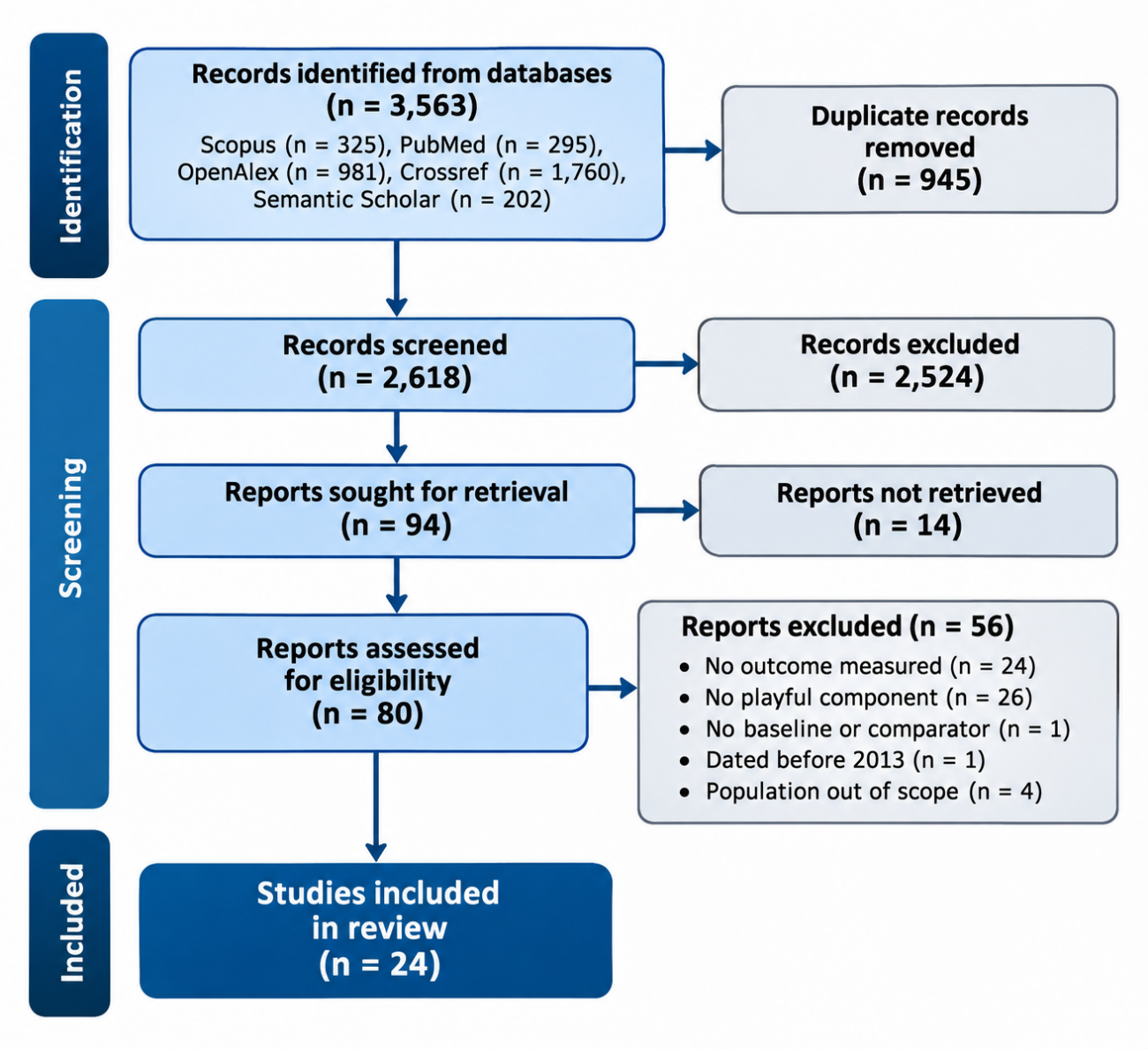
Figure 1. PRISMA 2020 flow diagram of the selection of studies.
The reasons for exclusion at full-text assessment corresponded to the absence of a documented playful component in 26 reports, the absence of a measured outcome in 24 reports, a population outside the scope in 4 reports, the absence of a baseline or comparator in 1 report and an issue dated before 2013 in 1 report. The 4 reports in the population group comprised two reports of one parent-directed program in Peru, whose dramatizations were delivered to caregivers, one study of teachers and one study with participants aged 6 to 32 years that could not be separated.
The included studies (Table 1) were published from 2013 to 2025, 12 of them in 2013 to 2018 and 12 in 2019 to 2025. Brazil contributed 12 studies, Peru 4, Colombia 3, Cuba 2, and Mexico, Venezuela and Nicaragua 1 each. Nineteen reports were published in Spanish or Portuguese, some with English versions. Sample sizes ranged from 14 to 479 participants, with a median of 50 among the 23 studies that reported a size, and 7 studies enrolled preschool children. Four studies were conducted with children with hearing impairment or intellectual disability.
Study | Country | Design | Participants | Playful strategy | Comparator |
|---|---|---|---|---|---|
Stürmer Badalotti et al.(20) | Brazil | BA | 41 children, 4 to 6 years | Story-based meetings with a children series | Baseline |
García Rupaya and González Chávez (a)(13) | Peru | NRCT | 224 children, 3 to 5 years | Participatory and ludic program Sonrisa feliz | Expository program |
Torres Gárriz et al.(21) | Cuba | BA | 40 children, 7 to 11 years, intellectual disability | Games and puppets | Baseline |
Gutiérrez Ilave et al. (a)(14) | Peru | NRCT | Children, 8 to 9 years, n NR | Rule game DENTOPLAY | Expository teaching |
Evaristo-Chiyong et al. (a)(15) | Peru | BA | 28 children, 7 to 9 years | Ludic strategy | Baseline |
Da Cruz et al.(22) | Brazil | BA | 64 children, 9 to 12 years | Lecture followed by educational games | Baseline |
Oliveira et al.(23) | Brazil | BA | 72 children, 5 to 12 years, rural | Hero characters, theatre and games | Baseline |
Barreto et al.(24) | Brazil | RCT | 38 children, 3 to 5 years | Puppet theatre and interactive play | No activity |
Sigaud et al.(25) | Brazil | BA | 44 children, 3 to 5 years | Three playful sessions on toothbrushing | Baseline |
De Araujo et al. (a)(16) | Brazil | RCT | 14 children, 7 to 8 years | Ludic activities plus hygiene instruction | Hygiene instruction |
Caetano Araújo et al.(26) | Brazil | NRCT | 183 children, 5 to 6 years | Recreational activities, lectures and supervised brushing | No program |
Aguiar et al. (a)(17) | Brazil | BA | 29 students, 11 to 17 years | Card game Jogo SB | Baseline |
Ávila-Curiel et al.(27) | Mexico | BA | 25 children, 6 to 11 years, hearing impairment | Lottery game, letter soup and colouring | Baseline |
Alzamora De La Rosa et al.(28) | Colombia | NRCT | 50 children, 6 to 10 years | Comic book | Lecture and demonstration |
Rincón Cadavid et al.(29) | Colombia | BA | 31 analysed of 41 children, 6 to 18 years, hearing impairment | Puppets, word games and ludic roulette | Baseline |
Leal Rodríguez et al.(30) | Venezuela | BA | 60 children, 8 to 11 years | Didactic games and participatory techniques | Baseline |
Díaz Garavito et al.(31) | Colombia | BA | 479 children examined in two surveys, mean age 3 years | Ludic activities with fluoride varnish | Earlier survey |
Martins et al.(32) | Brazil | BA | 173 children, 6 to 11 years | Theatre and stories with lectures | Baseline |
Ramón Leiva et al.(33) | Cuba | BA | 26 children, intellectual disability | Games, songs and a story | Baseline |
Genaro et al.(34) | Brazil | BA | 300 children, 9 to 12 years | Immersive virtual reality and an educational book with games | Baseline |
Ladera-Castañeda et al.(35) | Peru | BA | 132 children, 3 to 5 years | Puppet theatre, 10 sessions | Baseline |
Haad Ruiz da Silva et al.(36) | Brazil | BA | 50 children, 6 to 12 years | Playful comic book with a hygiene kit | Baseline |
Castro Sánchez and Vanegas Sáenz (37) | Nicaragua | BA | 174 children, mean age 9.7 years | Word searches, crosswords and riddles among other techniques | Baseline |
Fontes dos Reis et al.(38) | Brazil | BA | 177 children, 4th and 5th grade | Digital board game | Baseline |
Note: n = number of participants; RCT = randomized controlled trial; NRCT = non-randomized controlled trial; BA = uncontrolled before-after; NR = not reported in the abstract; (a) data from the abstract only.
The children were 3 to 5 years old in 4 studies, 4 to 6 years old in 1 study, and 5 to 6 years old in 1 study, whereas the others enrolled school-age children from 5 to 12 years, and 2 studies extended to adolescents up to 17 or 18 years. The samples were drawn from public nursery schools and schools, from special schools in 4 studies, from a football school in Colombia,(28) from a rural school in Brazil(23) and from a pediatric dental clinic in the Brazilian Amazon.(36) Boys formed 92% of the Colombian football school sample.
With respect to design, 2 studies were randomized, 4 were non-randomized and controlled, and 18 were uncontrolled before-after studies. Regarding the playful format, 9 studies were based on games of different types, 6 on puppets, theatre, stories or character-led activities, 6 on general ludic or recreational activities, 2 on comics and 1 on virtual reality. In most studies, the playful element was one component of a program that also included lectures, demonstrations or supervised toothbrushing, and only 6 studies had a comparison arm, which was conventional teaching in 4 and no activity or program in 2.
The programs differed widely in length and intensity. The Peruvian puppet theatre study delivered 10 sessions of 30 minutes over 4 months, with a short question and answer period at the end of each performance.(35) The Mexican program for children with hearing impairment consisted of 3 sessions of about 120 minutes, in which a lottery game with 45 dental pictures was combined with a presentation in Mexican Sign Language.(27) The Brazilian randomized pilot trial used a single activity of 60 minutes with puppets and interactive play.(24)
A Peruvian comparison of two teaching methods in children aged 8 to 9 years used 8 weekly sessions of 45 minutes with the same content in both arms.(14) In Colombia, a program with 48 activities was delivered over about 10 months in groups of about 23 children, weekly and lasting 3 hours.(31) The Cuban programs for children with intellectual disability combined games, songs, a story and puppets over several sessions.(21,33)
Where the delivery agents were reported, they were university-based. First-year dental students delivered the activities in Nicaragua,(37) a university extension team in the Brazilian rural project,(23) and a dental school program team in the Brazilian nursery school comparison.(26) The Brazilian nursery school study of playful sessions was led by a school of nursing.(25) Teachers and parents attended the sessions in the Peruvian puppet study.(35)
Two studies used digital technology. A digital board game was applied in 5 public schools in Rio de Janeiro state,(38) and an immersive virtual reality journey of 8 minutes through a model of the mouth was followed by an educational book with games.(34) Among the non-digital games, a card game with 69 cards was played in groups of 2 to 4 adolescents in the Amazon region.(17)
The review identified 24 studies from 7 countries.
Knowledge improved in 13 of 15 studies, with 2 null results
Knowledge was measured in 15 studies (Table 2). It was quantified with questionnaires or interviews, expressed as mean scores, levels of knowledge or percentages of correct answers. An improvement was reported in 13 studies, whereas 2 reported no change.
Study | Measure | Reported result | Direction |
|---|---|---|---|
García Rupaya and González Chávez (a)(13) | Child questionnaire, 8 items | Mean 6.22 in the playful program and 4.50 in the expository program (p < 0.05) | Favoured playful |
Torres Gárriz et al.(21) | Interview, 5 questions | Knowledge increased after 6 months, described without a test | Improved |
Gutiérrez Ilave et al. (a)(14) | Cognitive component of attitude | Both methods increased knowledge, and the affective component was more positive with the ludic method | Improved in both arms |
Evaristo-Chiyong et al. (a)(15) | Questions on caries and hygiene | Recognition of caries as a disease rose from 0% to 37%, and of the hygiene elements from 46.4% to 88% | Improved |
Da Cruz et al.(22) | Questionnaire before and after | Significant increase in correct answers in 64 children | Improved |
Caetano Araújo et al.(26) | Child knowledge score | Mean 11.62 in the program group and 8.42 in the control group (p < 0.001) | Favoured playful |
Aguiar et al. (a)(17) | Questionnaire before and after | Correct answers increased by 16.08% on average after the game | Improved |
Alzamora De La Rosa et al.(28) | Post-test grade | Excellent grade in 76% with the comic and 28% with the conventional method | Favoured playful |
Leal Rodríguez et al.(30) | Global knowledge level | Good level in 13.33% before and 86.67% after | Improved |
Díaz Garavito et al.(31) | Parent-reported hygiene knowledge | No significant difference between 2015 and 2017 | No change |
Ramón Leiva et al.(33) | Information level | Poor in 69.23% before; good in 38.46% and regular in 46.15% after | Improved |
Genaro et al.(34) | Oral hygiene knowledge | No difference before and after (p = 0.550) | No change |
Ladera-Castañeda et al.(35) | Five-question test | Improvement at 4 weeks and 4 months (p < 0.001), except in rural children | Improved |
Castro Sánchez and Vanegas Sáenz (37) | General and oral health score | Mean 9.66 before and 10.76 after (p < 0.001) | Improved |
Fontes dos Reis et al.(38) | Eight questions before and after | Errors decreased in every question (p < 0.01) | Improved |
Note: (a) data from the abstract only. IHOS = simplified oral hygiene index. p values are those reported by the authors; blank cells indicate that no test was reported.
Among the controlled studies, the playful arm showed higher knowledge than the comparator in 3 of them, with a mean of 6.22 against 4.50 in preschool children from Peru, 11.62 against 8.42 in Brazil and an excellent grade in 76% against 28% in Colombia. The fourth controlled study, which compared a rule game with an expository method in Peru, reported gains in both arms. Among the uncontrolled studies, 9 reported gains and 2 reported no change. The 2 null results corresponded to a virtual reality program in Brazil and a program with fluoride varnish in a Colombian preschool.
The Peruvian puppet theatre study showed gains in knowledge in urban children at 4 weeks and 4 months but not in rural children (p > 0.05). Regarding the time course, the Peruvian puppet theatre study measured knowledge at 4 weeks and at 4 months and found gains at both points in urban children.(35) The Peruvian comparison in preschool children also measured the knowledge of their parents, which reached a mean of 10.79 in the playful program against 9.05 in the expository one on a 15-item questionnaire.(13) The Cuban program in Baraguá measured knowledge before the intervention and 6 months after it.(21)
Further detail came from the Peruvian study of 28 children, in which the proportion that linked brushing moments to meals rose from 17.9% to 56% and the proportion that identified sealants as a preventive measure rose from 28% to 74%.(15) In Venezuela, the three themes evaluated separately also improved.(30) In the Colombian comic study, the control group trained with lectures and demonstrations obtained an excellent grade in 28% of cases.(28)
Knowledge improved in 13 of the 15 studies that measured it.
Plaque or hygiene indices improved in 14 of 15 studies, and gingival evidence was limited to 2
Plaque or oral hygiene indices were reported with results in 15 studies, gingival outcomes in 2 and behaviours in 4 (Table 3). At least four different indices were used, namely the simplified oral hygiene index, the Love index, the O'Leary index and the visible plaque index. Follow-up ranged from 3 weeks to 6 months, except in one comparison of two surveys 2 years apart.
Study | Outcome | Reported result | Direction |
|---|---|---|---|
Stürmer Badalotti et al.(20) | Visible plaque and gingival bleeding | VPI 70.1% to 63.4% (p = 0.48); GBI 34.0% to 29.3% (p = 0.35) | No significant change |
García Rupaya and González Chávez (a)(13) | SOHI | 1.08 in the playful program and 1.56 in the expository program (p < 0.05) | Favoured playful |
Torres Gárriz et al.(21) | Love index; brushing after dinner and at bedtime | Adequate hygiene in 15% before and 75% after (p = 0.00); brushing at bedtime 0% to 70% | Improved |
Oliveira et al.(23) | SOHI | Mean 1.96 before and 1.43 after 6 months | Improved |
Barreto et al.(24) | Visible plaque and gingival bleeding | Plaque 15.24% against 43.63% (p = 0.005); bleeding 0% against 7.67% (p = 0.004) | Favoured playful |
Sigaud et al.(25) | Adequate toothbrushing behaviours, 10 observed | Mean 4.4 before and 8.5 after (p < 0.01) | Improved |
De Araujo et al. (a)(16) | SOHI | Mean improvement of 0.16 in the playful group and worsening of 0.27 in the control group (significant) | Favoured playful |
Ávila-Curiel et al.(27) | SOHI categories | Good in 12% before and 64% after; deficient in 44% before and 0% after | Improved |
Alzamora De La Rosa et al.(28) | O'Leary biofilm index | High index in 12% before and 4% after with the comic (p = 0.012); control group p = 0.082 | Improved with comic |
Rincón Cadavid et al.(29) | Plaque index | Significant decrease between the first and second examination | Improved |
Leal Rodríguez et al.(30) | Love index | Deficient in 90% before and good in 93.3% after | Improved |
Díaz Garavito et al.(31) | Plaque index | Median 42 in 2015 and 36 in 2017 (p = 0.035) | Improved |
Martins et al.(32) | SOHI | Lower at 2 and 4 weeks than before in most age and sex groups (p < 0.05) | Improved |
Ramón Leiva et al.(33) | Oral hygiene | Poor in 76.92% before and 23.08% after | Improved |
Genaro et al.(34) | Flossing, tongue brushing and toothbrushing frequency | Increases in the three behaviours (p < 0.001) | Improved |
Ladera-Castañeda et al.(35) | Bacterial plaque index | 1.85, 1.77 and 1.84 before and 0.89, 0.82 and 0.90 after 4 months in the 3, 4 and 5 year groups (p < 0.001) | Improved, not in rural children |
Haad Ruiz da Silva et al.(36) | Flossing and toothbrushing frequency reported by parents | Flossing rose in 55.32% of children (p = 0.0401); brushing frequency did not change (p = 0.873) | Improved flossing only |
Castro Sánchez and Vanegas Sáenz (37) | O'Leary index | 28.28% before and 12.98% after (p < 0.001) | Improved |
Note: (a) data from the abstract only. SOHI = simplified oral hygiene index; VPI = visible plaque index; GBI = gingival bleeding index. p values are those reported by the authors; blank cells indicate that no test was reported.
With respect to the controlled studies, the plaque or hygiene outcome favoured the playful arm in the 3 that reported a between-arm comparison, with visible plaque of 15.24% against 43.63% in a Brazilian randomized trial of 38 preschool children, a simplified oral hygiene index of 1.08 against 1.56 in Peru, and a mean improvement of 0.16 against a worsening of 0.27 in a randomized trial of 14 children. The Colombian comic study reported significant within-group improvement in the comic arm and a non-significant one in the control arm. The Brazilian randomized trial also quantified gingival bleeding at 0% in the playful arm and 7.67% in the control arm.
Among the uncontrolled studies, 10 of 11 reported improved indices. The exception was a Brazilian story-based program in preschool children, in which visible plaque and gingival bleeding showed no significant change, and the Peruvian puppet study showed no change in rural children. Regarding behaviours, all 4 studies that reported them showed improvements in toothbrushing technique, flossing or brushing frequency, although the Brazilian comic book changed flossing but not brushing frequency.
In the Brazilian randomized pilot trial, visible plaque fell from 40.31% to 15.24% in the playful arm (p = 0.001) and rose from 35.04% to 43.63% in the control arm (p < 0.001), with an effect size of 1.10 between arms at the end.(24) In the Peruvian puppet theatre study, the plaque index fell in urban children at 4 weeks and 4 months (p < 0.001) but not in rural children (p = 0.097).(35)
The Brazilian study of theatre and stories compared 3 age groups at 2 and 4 weeks.(32) The mean index of the 6 to 7 year group fell from 1.6 in girls and 1.9 in boys to 0.89 and 1.13 at 2 weeks, and the improvement persisted at 4 weeks in the 6 to 7 and the 10 to 11 year groups. In the 8 to 9 year group, the improvement persisted only in girls, and the values of boys at 4 weeks were close to their baseline. The youngest group showed the largest improvement.
Two studies reported caries or a related measure as an additional outcome. The Colombian program with fluoride varnish reported lower numbers of decayed teeth with cavitation and of white spot lesions (p < 0.001) and a decrease in the median caries experience index from 2 to 0.(31) The Brazilian story-based program reported a mean of 1.99 decayed teeth before and 1.54 after (p = 0.08).(20)
Behaviour outcomes were measured in different ways. The Brazilian nursery school study observed 10 toothbrushing behaviours, of which a mean of 4.4 were adequate before and 8.5 after the playful sessions.(25) In the Cuban program for children with intellectual disability, the proportion who brushed after dinner rose from 40% to 75%, and the proportion who brushed with a vertical movement rose from 5% to 90%.(21) The Brazilian comic book increased flossing by 55.32% of the children, and virtual reality increased flossing, tongue brushing and brushing frequency.(34,36)
Plaque or hygiene indices improved in 14 of 15 studies.
Risk of bias was critical, serious or unassessable in 23 of 24 studies
Risk of bias was rated as critical in 16 studies, all of them uncontrolled before-after designs (Table 4). Two non-randomized controlled studies were rated as serious, one randomized pilot trial as of some concern, and 5 studies, for which only the abstract was available, as not assessable.
Study | Design | Overall risk | Main concerns |
|---|---|---|---|
Stürmer Badalotti et al.(20) | BA | Critical | No comparator, 41 children, no significant change reported |
García Rupaya and González Chávez (13) | NRCT | NA | Abstract only |
Torres Gárriz et al.(21) | BA | Critical | No comparator, 40 children, habits collected by interview |
Gutiérrez Ilave et al.(14) | NRCT | NA | Abstract only |
Evaristo-Chiyong et al.(15) | BA | NA | Abstract only |
Da Cruz et al.(22) | BA | Critical | No comparator, convenience sample, questionnaire only |
Oliveira et al.(23) | BA | Critical | No comparator, no statistical test reported for the index change |
Barreto et al.(24) | RCT | Some concerns | Allocation method not described, main researcher examined the children, 38 children |
Sigaud et al.(25) | BA | Critical | No comparator, 44 children, observed behaviours |
De Araujo et al.(16) | RCT | NA | Abstract only, 14 children |
Caetano Araújo et al.(26) | NRCT | Serious | Post-intervention comparison only, no baseline knowledge, intervention assigned by nursery school |
Aguiar et al.(17) | BA | NA | Abstract only |
Ávila-Curiel et al.(27) | BA | Critical | No comparator, 25 children, no statistical test reported |
Alzamora De La Rosa et al.(28) | NRCT | Serious | Allocation not randomized, convenience distribution, 50 children from one football school |
Rincón Cadavid et al.(29) | BA | Critical | No comparator, 10 of 41 participants not analysed |
Leal Rodríguez et al.(30) | BA | Critical | No comparator, pre-experimental design, 60 children |
Díaz Garavito et al.(31) | BA | Critical | Two surveys with different numbers of children, co-intervention with fluoride varnish |
Martins et al.(32) | BA | Critical | No comparator, inconsistent sample counts, follow-up of 4 weeks |
Ramón Leiva et al.(33) | BA | Critical | No comparator, 26 children |
Genaro et al.(34) | BA | Critical | No comparator, questionnaire-based behaviours |
Ladera-Castañeda et al.(35) | BA | Critical | No comparator, main researcher performed the evaluations |
Haad Ruiz da Silva et al.(36) | BA | Critical | No comparator, outcomes reported by parents |
Castro Sánchez and Vanegas Sáenz (37) | BA | Critical | No comparator, games were one of several techniques |
Fontes dos Reis et al.(38) | BA | Critical | No comparator, same questionnaire before and after |
Note: Overall judgement only. RoB 2 was applied to randomized trials and ROBINS-I to the other designs. Critical = changes over time cannot be separated from the intervention; NA = not assessable because only the abstract was available.
The 2 randomized trials enrolled 38 and 14 children, and the 4 controlled non-randomized studies did not randomize allocation. All 18 uncontrolled studies measured outcomes before and after the activity, and several reported percentages without a statistical test. The Peruvian puppet theatre study calculated its sample size from a pilot of 30 preschool children, and no other study reported a sample size calculation. The longest follow-up of the same children was 6 months, and one Colombian study lost 10 of 41 participants. A formal GRADE assessment was not made, and the certainty of the evidence was judged very low for knowledge, plaque and gingival outcomes.
Risk of bias was critical, serious or not assessable in 23 of the 24 studies.
DISCUSSION
Does playful education improve oral hygiene knowledge, plaque or gingival indices in Latin American children? The studies point in the same direction. They do not, however, allow a quantified answer. Playful and game-based formats were associated with better knowledge and lower plaque in most reports, and in all 6 controlled comparisons they were equal or better than conventional teaching, yet 18 of the 24 studies had no comparator and none followed the same children beyond 6 months.
The first question concerns what the region has tested (P1), and the answer is a small and uneven set of studies. Brazil and Peru supplied 16 of the 24 studies, while Argentina, Chile, Ecuador, Uruguay and Central America other than Nicaragua contributed none. The formats used, namely games, puppets, storytelling and comics, are the same as those described in reviews of other regions.(7,8) The programs were short. Several were delivered in schools by university students or health professionals. The scarcity of educational interventions against caries documented for the region fits this picture,(4) and it is plausible that the work is driven by university outreach projects rather than by funded trials, which would explain the small samples and the weak designs. Four of the 24 studies involved children with hearing impairment or intellectual disability, which shows that playful formats are being adapted to children who are difficult to reach with lectures.
The second question concerns the changes in knowledge (P2), and knowledge was usually higher after playful teaching. The 13 improvements agree with a systematic review of 7 randomized trials, which found better knowledge after game-based teaching than after traditional teaching,(6) and with trials from India in which a crossword and quiz format, a board game and a dice game combined with lectures gave higher knowledge between 1 and 6 months.(39-41) In a board game trial with preschool children, gains persisted at 3 months in both age groups taught with the game, whereas the youngest children taught with slides returned to their baseline.(42) Conversely, a computer game was as effective as one-to-one education for children at high caries risk, and not better,(43) and a meta-analysis of e-learning found no advantage over conventional education.(44) The Latin American controlled studies, in which the playful arm exceeded the conventional one, resemble the first group of results, but the differences were measured with different instruments and in small samples, so their size cannot be compared across studies. The 2 null results suggest where effects may fail. In the Colombian program, the knowledge reported by parents was assessed in two separate surveys and fluoride varnish was applied at the same time. In the virtual reality program in Brazil, knowledge of oral hygiene did not change while self-reported behaviours did. A possible reading is that immersive formats move behaviour more than knowledge, but a single study cannot confirm it.
As for the third question, plaque, hygiene and gingival indices (P3), 14 of 15 studies reported improvement, and the controlled ones reported lower plaque with the playful arm. This matches the reductions in plaque scores found in trials of game-based education outside the region,(6,45) including adults with intellectual disability, and a pooled analysis in which theory-based programs reduced plaque.(46) It also matches the observation that traditional school education reduces plaque,(5) so the studies do not show that the playful element adds to the effect of supervised toothbrushing or lectures that accompanied many programs. Gingival evidence is the weak point. Only 2 studies measured it; one showed no significant change and the other, a pilot trial of 38 children, showed no bleeding in the playful arm and an increase in the control arm. The school-based review found no effect of traditional education on gingivitis,(5) whereas a review of programs in low and middle income countries reported improved gingival health,(47) so the question remains open for playful formats in the region.
Plaque is a short-term marker, and improvements seen from 3 weeks to 6 months can reflect the motivation generated by the activity and by supervised brushing. The Peruvian puppet study showed no significant plaque reduction in rural children, and the Brazilian story-based program in preschool children did not reduce plaque or bleeding significantly. These results indicate that the effect is not universal and may depend on dose, age and the support of the school routine, although the studies do not allow these factors to be separated.
The fourth question, the reliability of the evidence (P4), has a direct answer: it is low. Sixteen studies were rated critical for confounding because they compared children with themselves before and after an activity, and 5 were not assessable because the full text could not be obtained. Reviews of gamification in children's oral health and of playful health literacy reported moderate risk of bias in 39 of 41 studies and low methodological quality, respectively,(7,8) so the Latin American literature is not an outlier, although its share of uncontrolled designs is high. Mobile applications and augmented reality are prominent formats in the gamification literature,(7) and few applications focus on oral hygiene education.(48) In this review only 2 studies used a digital game or virtual reality and none used an application with a comparator, so the regional evidence does not yet support claims about digital tools.
A plausible mechanism for the pattern observed is engagement. The gamification review reported higher participation and better adherence to hygiene routines in gamified interventions,(7) and the review of playful health literacy interventions found that games, drama and theatre were the formats most often used to increase health knowledge.(8) In the Latin American studies, the reports describe attentive and participative children, but only a few measured engagement, so the mechanism remains an interpretation and not a finding.
Pooled estimates outside the region give a scale of reference. Theory-based programs for children and adolescents raised knowledge with a standardized mean difference of 1.09,(46) and the pooled analysis of school-based education in low and middle income countries also found gains in knowledge, behaviour and oral hygiene.(47) The regional studies cannot be placed on that scale, because most did not report dispersion and the instruments were not common. Reading a pooled estimate into them would give a false precision.
For policy in the region, the consensus on caries emphasizes inequalities and the need for population-wide strategies that are affordable.(2,4) Several programs were applied by university teams in public schools, so playful teaching could complement that approach. The present evidence supports using it to engage children in the school setting, and does not support presenting it as a stand-alone caries prevention strategy.
Four studies in children with hearing impairment or intellectual disability reported better hygiene indices after programs that adapted their content, using Mexican Sign Language, puppets, songs or simple games.(21,27,29,33) All four were uncontrolled and small, with between 25 and 41 children, so they offer a signal and not evidence, but they show that the format can be adapted to communication needs that conventional lectures do not meet well.
Age and context may modify the effect. The Brazilian study of theatre and stories found the largest improvement in the youngest children,(32) the Peruvian puppet study found no significant change in rural children,(35) and a board game trial outside the region found that retention differed by age and by teaching method.(42) These observations suggest that a program should be adjusted to the age of the children and to the school routine, and that trials should report effects separately by age group, by sex and by urban or rural setting.
This review adds two points to the international literature. First, it shows that playful formats have been tested in at least seven Latin American countries, in public schools and special schools, with results that point in the same direction as the trials from other regions. Second, it shows where the regional evidence differs from that literature: the proportion of uncontrolled designs is high, the instruments are not harmonized, and the follow-up is short. Both points are relevant for anyone planning a program or a trial in the region, because they indicate which designs would add information and which would repeat what is already known.
For practice, playful formats seem a low-risk way to teach toothbrushing and diet to children, and the available data do not show harm, but they do not justify replacing supervised toothbrushing and fluoride-based strategies. For research, the next studies should use randomized or controlled designs with masked examiners, a common plaque index, gingival outcomes and follow-up of at least 12 months, and they should report playful components in enough detail to be replicated. Studies in countries not represented here, and in digital formats, are the main gap.
The strengths of the review are its regional scope, the search in three languages with country filters, and the explicit description of what was and was not obtained. Nineteen of the 24 included reports were published in Spanish or Portuguese, and many appeared in journals and repositories that international reviews of game-based teaching do not search, which suggests that the regional literature has been underrepresented in earlier syntheses.(6,7) The use of a common set of outcomes allowed each study to be placed on the same questions, even when the instruments differed.
The instruments are a further obstacle to synthesis. The studies used at least four plaque or hygiene indices, knowledge tests with different numbers of items, and several reported categories rather than means, which prevents the calculation of standardized effects. A consensus set of outcomes for school-based oral health education, as proposed in reviews of theory-based programs,(46) would make the regional studies comparable and would allow a future meta-analysis.
Finally, the comparators deserve attention. Where a conventional arm existed, it consisted of lectures, demonstrations or expository teaching, which are themselves a weak standard because their effect on plaque is small and short.(5) A trial in which the playful arm was compared with an equally intensive conventional arm, delivered by the same person for the same time, would show whether the format or the extra attention explains the difference. Only 2 of the 6 controlled studies stated that the content and the number of sessions were the same in both arms,(13,14) and the others do not report whether contact time was matched.
CONCLUSIONS
The studies that evaluated playful education in Latin American children came from a few countries and were mostly uncontrolled before-after designs with small samples and short follow-up.
Oral health knowledge was higher after playful and game-based teaching in most of the studies that measured it, and the controlled studies favoured the playful arm.
Plaque and hygiene indices improved in nearly all studies, whereas gingival outcomes were measured too rarely to allow a conclusion.
The evidence is of very low certainty because of confounding, small samples and missing full texts, so the magnitude and the duration of the effect remain unknown.
References
- 1 Gimenez T, Bispo BA, Souza DP, Viganó ME, Wanderley MT, Mendes FM, et al. Does the Decline in Caries Prevalence of Latin American and Caribbean Children Continue in the New Century? Evidence from Systematic Review with Meta-Analysis. PLoS ONE. 2016;11(10):e0164903. doi: 10.1371/journal.pone.0164903
- 2 SAMPAIO FC, BÖNECKER M, PAIVA SM, MARTIGNON S, RICOMINI FILHO AP, POZOS-GUILLEN A, et al. Dental caries prevalence, prospects, and challenges for Latin America and Caribbean countries: a summary and final recommendations from a Regional Consensus. Braz oral res. 2021;35(suppl 1):e056. doi: 10.1590/1807-3107bor-2021.vol35.0056
- 3 PAIVA SM, ABREU-PLACERES N, CAMACHO MEI, FRIAS AC, TELLO G, PERAZZO MF, et al. Dental caries experience and its impact on quality of life in Latin American and Caribbean countries. Braz oral res. 2021;35(suppl 1):e052. doi: 10.1590/1807-3107bor-2021.vol35.0052
- 4 RICOMINI FILHO AP, CHÁVEZ BA, GIACAMAN RA, FRAZÃO P, CURY JA. Community interventions and strategies for caries control in Latin American and Caribbean countries. Braz oral res. 2021;35(suppl 1):e054. doi: 10.1590/1807-3107bor-2021.vol35.0054
- 5 Stein C, Santos NML, Hilgert JB, Hugo FN. Effectiveness of oral health education on oral hygiene and dental caries in schoolchildren: Systematic review and meta‐analysis. Comm Dent Oral Epid. 2018;46(1):30-37. doi: 10.1111/cdoe.12325
- 6 Patil S, Licari FW, Bhandi S, Awan KH, Di Blasio M, Isola G, et al. Effect of game-based teaching on the oral health of children: a systematic review of randomised control trials. JOCPD. 2024;48(4):26. doi: 10.22514/jocpd.2024.075
- 7 Chen J, Ying Y, Pang M, Chen J, Kang T, Xuan P, et al. The Application of Gamification in Children’s Oral Health Management: Systematic Review. J Med Internet Res. 2025;27:e75541. doi: 10.2196/75541
- 8 Ribeiro SM, Basso MB, Massignan C, Leal SC. Playful educational interventions in children and adolescents’ health literacy: a systematic review. Health Promot Int. 2023;38(4):daad089. doi: 10.1093/heapro/daad089
- 9 Page MJ, McKenzie JE, Bossuyt PM, Boutron I, Hoffmann TC, Mulrow CD, et al. The PRISMA 2020 statement: an updated guideline for reporting systematic reviews. BMJ. 2021:n71. doi: 10.1136/bmj.n71
- 10 Page MJ, Moher D, Bossuyt PM, Boutron I, Hoffmann TC, Mulrow CD, et al. PRISMA 2020 explanation and elaboration: updated guidance and exemplars for reporting systematic reviews. BMJ. 2021:n160. doi: 10.1136/bmj.n160
- 11 Rethlefsen ML, Kirtley S, Waffenschmidt S, Ayala AP, Moher D, Page MJ, et al. PRISMA-S: an extension to the PRISMA Statement for Reporting Literature Searches in Systematic Reviews. Syst Rev. 2021;10(1):39. doi: 10.1186/s13643-020-01542-z
- 12 Campbell M, McKenzie JE, Sowden A, Katikireddi SV, Brennan SE, Ellis S, et al. Synthesis without meta-analysis (SWiM) in systematic reviews: reporting guideline. BMJ. 2020:l6890. doi: 10.1136/bmj.l6890
- 13 García Rupaya CR, González Chávez RDP. Comparison of Two Educational Programs and Its Influence in Oral Health of Preschool Children [Internet]. Repositorio Institucional, Universidad de San Martín de Porres (LA Referencia); 2013. Available from: https://hdl.handle.net/20.500.12727/1899
- 14 Gutiérrez Ilave M, Ortiz Fernández L, Albino Picoy J, Castillo Quispe S, Catpo Nuncevay A, Salazar Lavado J, et al. Eficacia de dos métodos didácticos en la actitud del niño para la preservación de su salud bucal. Odontol sanmarquina. 2014;10(2):8. doi: 10.15381/os.v10i2.2990
- 15 Evaristo Chiyong T, Pinto Pazos H, Salas Sayán O, Gallegos Huamaní J. Educación odontológica en escolares de 7-9 años del colegio Andrés Rázuri del distrito San Martín de Porres. Odontol sanmarquina. 2014;10(2):21. doi: 10.15381/os.v10i2.3041
- 16 Araujo SM, Schulz ME, Sena CRD, Silveira EG. MOTIVAÇÃO DE HIGIENE BUCAL POR MEIO DE ATIVIDADES LÚDICAS. Iniciac cient Cesumar. 2017;19(2):111. doi: 10.17765/1518-1243.2017v19n2p111-117
- 17 Aguiar NL, Barros WRC, Silva IFD, Sinimbú CMB, Barreto LM, Pereira FM, et al. Jogo SB: estratégia lúdica de educação em saúde bucal para adolescentes na Amazônia. Interdiscip J Health Educ. 2018;3(01-Feb):46-53. doi: 10.4322/ijhe.2018.007
- 18 Sterne JAC, Savović J, Page MJ, Elbers RG, Blencowe NS, Boutron I, et al. RoB 2: a revised tool for assessing risk of bias in randomised trials. BMJ. 2019:l4898. doi: 10.1136/bmj.l4898
- 19 Sterne JA, Hernán MA, Reeves BC, Savović J, Berkman ND, Viswanathan M, et al. ROBINS-I: a tool for assessing risk of bias in non-randomised studies of interventions. BMJ. 2016:i4919. doi: 10.1136/bmj.i4919
- 20 Stürmer Badalotti T, Loureiro Weigert K, José Gonçalves Bos Â. Efeito de um programa de educação em saúde no perfil de saúde bucal de pré- escolares: uma experiência na rede pública de Porto Alegre, Brasil. RBPS. 2013;26(1):102-109. doi: 10.5020/18061230.2013.p102
- 21 Torres Gárriz LI, López Otero E, Sardiñas Montero E, Machado Ramos S, Pérez Lecha YDC. Intervención educativa para elevar los conocimientos y modificar hábitos sobre salud bucal en niños con retraso mental leve [Internet]. MediCiego. 2013;19(1); 2013. Available from: https://revmediciego.sld.cu/index.php/mediciego/article/view/256
- 22 da Cruz MCC, Assis M, Fernandes TC, Simonato LE, Kina M, Sakashita MS. Método de educação em saúde bucal para estudantes [Internet]. Arch Health Invest. 2015;4(5); 2015. Available from: https://www.archhealthinvestigation.com.br/ARCHI/article/view/915
- 23 Oliveira EJP, Barbosa DD, Ferreira-Júnior OM, Fernandes LA, Pereira AA, Lima DCD. ‘Heróis da saúde bucal’: saúde bucal numa abordagem lúdico-recreativa. Rev Cien Extens. 2016;12(3):55-65. doi: 10.23901/1679-4605.2016v12n3p55-65
- 24 Barreto DM, Paiva SM, Jorge MLR, Ferreira MC. Avaliação da eficácia de uma atividade educativopreventiva com pré-escolares: estudo piloto de um ensaio clínico randomizado. Arq Odontol. 2016;49(3). doi: 10.7308/aodontol/2013.49.3.02
- 25 Sigaud CHDS, Santos BRD, Costa P, Toriyama ATM. Promoting oral care in the preschool child: effects of a playful learning intervention. Rev Bras Enferm. 2017;70(3):519-525. doi: 10.1590/0034-7167-2016-0237
- 26 Caetano Araújo P, Vianna Vettore M, R Baker S, Adas Saliba Garbín C, Adas Saliba Moimaz S, Moreira Arcieri R. Oral health knowledge among brazilian preschoolers and their carers receiving and not receiving health promotion. Biosci J. 2018;34(2):514-524. doi: 10.14393/bj-v34n2a2018-39508
- 27 Ávila-Curiel BX, Solórzano-Mata CJ, Avendaño-Martínez JA, Luna-Vásquez B, Torres-Rosas R. Playful Educational Intervention for Improvement of Oral Health in Children with Hearing Impairment. Int J Clin Pediatr Dent. 2019;12(6):491-493. doi: 10.5005/jp-journals-10005-1701
- 28 Alzamora De La Rosa LE, Orozco Páez J, Plazas Román JE. La historieta como recurso didáctico para promover el cuidado de la cavidad bucal en niños. Rev nac odontol. 2019;15(29):1-13. doi: 10.16925/2357-4607.2019.02.05
- 29 Rincón Cadavid Y, Perea Lemos GE, Garcés Naar DD, Correa Incel LM, Gallego Gómez CL. Estrategia educativa en salud bucal para niños y niñas con diversidad funcional a nivel auditivo. Rev nac odontol. 2019;15(28). doi: 10.16925/2357-4607.2019.01.04
- 30 Leal Rodríguez MI, Patterson Serrano E, Serrano González E, Zamora Guevara N, Vinardel Jardínez LM, González Martínez R. Intervención educativa sobre higiene bucal en niños de la escuela bolivariana “Francisco de Miranda” de Caroní en Venezuela [Internet]. Rev Méd Electrón Ciego de Ávila (MediCiego). 2020;26(1):e1137; 2020. Available from: https://revmediciego.sld.cu/index.php/mediciego/article/view/1137
- 31 Diaz Garavito MV, Echeverri-Arango B, Franco Aguirre JQ, Vélez S. Impacto de una estrategia educativa en salud bucal en un hogar infantil de la ciudad de Medellín –Colombia. CES odontol. 2020;33(2):100-111. doi: 10.21615/cesodon.33.2.9
- 32 Martins TR, Novo NF, Ribeiro AP, Ribeiro CCF, Juliano Y. Influência da idade e gênero na capacidade de crianças em incorporar hábitos de saúde bucal após atividades educativas nas escolas. Rev Atenção Saúde. 2021;19(69). doi: 10.13037/ras.vol19n69.6416
- 33 Ramón Leiva LM, Tan Suárez N, Balseiro Leiva GL. Intervención educativa para favorecer la salud del primer molar permanente en niños con retraso mental [Internet]. MediCiego. 2021;27:e1365; 2021. Available from: https://revmediciego.sld.cu/index.php/mediciego/article/view/1365
- 34 Genaro LE, Marconato JV, Hanai D, Gobbo Pawloski CL, Capote TSDO. Virtual Reality in Oral Hygiene Instruction: an Immersive Approach. Odovtos - Int J Dent Sc. 2021;24(1):177-187. doi: 10.15517/ijds.2022.49283
- 35 Ladera-Castañeda M, Córdova-Limaylla NE, Briceño-Vergel G, Rosas-Díaz JC, Cervantes-Ganoza LA, Cayo-Rojas CF. Impact of Puppet Theater on Oral Health Knowledge and Oral Hygiene in Preschoolers from a Peruvian Educational Institution. J Int Soc Prev Community Dent. 2022;12(1):28-37. doi: 10.4103/jispcd.jispcd_212_21
- 36 Haad Ruiz da Silva J, Sant’Ana Honorato EJ, Ferreira Regalado D, da Silva Carvalho É, Ferreira Barcelar Junior F, Ruiz da Silva I, et al. Comics for oral health education: construction, validation, and analysis of efficacy. Mundo Saúde. 2022;46:574-586. doi: 10.15343/0104-7809.202246574586i
- 37 Castro Sánchez MM, Vanegas Sáenz JR. Cambios en conocimientos e higiene bucal tras intervenciones educativas realizadas en un centro educativo de Managua, Nicaragua. Univ Odontol. 2024;43. doi: 10.11144/javeriana.uo43.ckoh
- 38 Fontes dos Reis V, Esteves Rocha G, Silva Teixeira R, Sanches Pereira CA. O jogo lúdico na escola: ensinando o autocuidado oral. Ensino & Pesquisa. 2025;23(1):740-754. doi: 10.33871/23594381.2025.23.1.9438
- 39 Kumar A, Sabharwal S, Malik A, Samant PS, Singh A, Pandey VK. Implementation of Game-based Oral Health Education vs Conventional Oral Health Education on Children\'s Oral Health-related Knowledge and Oral Hygiene Status. International Journal of Clinical Pediatric Dentistry. 2017;10(3):257-260. doi: 10.5005/jp-journals-10005-1446
- 40 Jagadeson M, Prasad Subramanian V, Ganesan IP, Sundaramoorthy HP, Chandran DD, Murugesan MS. Effect of game based education in extension of oral health knowledge among 10–12-year-old school children – an interventional study. Journal of Oral Health and Oral Epidemiology. 2023;12(4):164-169. doi: 10.34172/johoe.2023.28
- 41 Kashyap P, Reddy LVK, Sinha P, Verma I, Adwani J. Effectiveness of Game-Based Oral Health Education Method on Oral Hygiene Performance of 12-Year-Old Private School Children in Lucknow City. Journal of Indian Association of Public Health Dentistry. 2022;20(1):43-48. doi: 10.4103/jiaphd.jiaphd_26_21
- 42 Shi Y, Wu WZ, Huo A, Wang HH, Lu WB, Jin XH. Effect of Conventional and “Dental Truth or Dare” Board Game on Oral Hygiene Knowledge and Oral Hygiene Status of Preschool Children. Games for Health Journal. 2023;12(2):125-131. doi: 10.1089/g4h.2022.0059
- 43 Aljafari A, Gallagher JE, Hosey MT. Can oral health education be delivered to high‐caries‐risk children and their parents using a computer game? – A randomised controlled trial. Int J Paed Dentistry. 2017;27(6):476-485. doi: 10.1111/ipd.12286
- 44 Kaneyasu Y, Shigeishi H, Sugiyama M, Ohta K. Effectiveness of e-learning to promote oral health education: A systematic review and meta-analysis. Medicine. 2023;102(51):e36550. doi: 10.1097/md.0000000000036550
- 45 Liu HY, Chen PH, Chen WJ, Huang SS, Chen JH, Yao CT. The Effectiveness of a Board Game-Based Oral Hygiene Education Program on Oral Hygiene Knowledge and Plaque Index of Adults with Intellectual Disability: A Pilot Study. IJERPH. 2021;18(3):946. doi: 10.3390/ijerph18030946
- 46 Nazari A, Hajihashemi M, Safavi SR, Ataei R, Hosseinnia M. Health promotion theory-based educational interventions for improving oral health in children and adolescents: a systematic review and meta-analysis. BMC Oral Health. 2025;25(1):1153. doi: 10.1186/s12903-025-06549-3
- 47 Kim S, Kim SY. Effectiveness of School-Based Oral Health Education for Children and Adolescents in Low- and Middle-Income Countries: A Systematic Review and Meta-Analysis. Asia Pac J Public Health. 2024;36(4):312-321. doi: 10.1177/10105395241240959
- 48 Morais ER, Vergara CMAC, Brito FOD, Sampaio HADC. Serious games para educação em higiene bucal infantil: uma revisão integrativa e a busca de aplicativos. Ciênc saúde coletiva. 2020;25(8):3299-3310. doi: 10.1590/1413-81232020258.11782018
Declarations
Funding
No financing
Conflict of interest
None
Authorship contributions
Drafting – original draft: Rigel Ramirez Fritze.
Writing–review and editing: Rigel Ramirez Fritze.