

Abstract
Introduction: Pooled evidence favors virtual reality distraction during painful procedures, yet individual trials disagree, and no synthesis has been restricted to Latin America. This review asked whether virtual reality and audiovisual distraction reduce procedural pain or anxiety compared with usual care or another distraction in controlled studies conducted in the region. Methods: Scopus, PubMed, OpenAlex and Crossref were searched in English, Spanish and Portuguese for records published from 2013 to 2025. Eligible reports described controlled studies carried out in Latin American countries, in children or adults. Synthesis was narrative because outcomes, comparators and procedures were heterogeneous. Results: The searches yielded 23 studies (1,721 participants) from 2,303 records. They came from Brazil (13), Mexico (4), Peru (3), Colombia (2) and Venezuela (1). Of 21 studies measuring pain, 12 reported lower pain with distraction, 6 found no difference, 1 was mixed and 2 compared two distraction formats. No study was judged at low risk of bias; 5 carried serious concerns. 11 reports could not be retrieved. Conclusions: Regional controlled studies lean toward benefit but disagree, mostly in small samples with open-label designs. The evidence supports using distraction as a low-cost adjunct while certainty remains low, and it does not allow pooled estimates.
Keywords
virtual reality, distraction, procedural pain, anxiety, Latin America, systematic review
INTRODUCTION
Pooled evidence says that virtual reality lowers pain and anxiety during pediatric procedures, yet single trials keep contradicting it. Eijlers et al.(1) reviewed 17 studies and reported pooled standardized mean differences of 1.30 for patient-reported pain, from 14 studies, and 1.32 for anxiety, from 7 studies. Fabricant et al.(2) randomized children undergoing in-office orthopaedic procedures and found that virtual reality was no better than simple distraction. Lopes et al.(3) pooled 575 patients undergoing cystoscopy and found no significant reduction in pain, anxiety or heart rate.
The contradiction matters in practice, because services must decide whether to buy headsets or to keep distraction low-tech. A wrong decision either spends scarce funds on a device that does little or leaves patients with avoidable distress. The Cochrane review by Lambert et al.( 4) included 17 trials and could not pool them. It judged most studies at high risk of performance and detection bias and rated the certainty of the evidence as low or very low. Smith et al.( 5) reached a more favorable but still partial picture, since 12 of 18 inpatient studies showed significant pain reduction and only 4 of 8 showed less anxiety.
Dental and burn care show the same split. Küchler et al.(6) found lower anxiety with audiovisual distraction in children, whereas Prado et al.(7) rated the certainty of the dental distraction literature as very low. De Jesus Catalã et al.(8) noted that most burn trials had results that were not statistically significant at one or more assessment moments, although the direction favored virtual reality. Unlike the question of whether distraction works somewhere, the question of whether it works in the settings of Latin America has rarely been asked on its own terms.
That gap has practical weight. Staffing, equipment and patient flow differ across health systems, and effects estimated in one setting may not transfer to another. A synthesis restricted to studies carried out in the region can show whether the contradictions seen elsewhere repeat there, and under which conditions the results converge.
The aim of this systematic review was to determine whether virtual reality and audiovisual distraction reduce procedural pain or anxiety, compared with usual care or another distraction, in controlled studies conducted in Latin America in children and adults.
METHODS
The review followed PRISMA 2020(9) and its search extension.( 10) Participants of any age were eligible if they underwent a diagnostic, therapeutic, dental, nursing or surgical procedure. The intervention had to be virtual reality, either immersive with a head-mounted display or non-immersive on a screen, or audiovisual distraction such as video, animation, film or video eyeglasses, delivered immediately before or during the procedure.
The comparator was usual care, no distraction, or another distraction, including a different virtual reality or audiovisual format. Outcomes were procedural pain or anxiety, measured by self-report, observer rating or physiological indicators. The question concerns two kinds of tension in the literature, so every scope decision was made to keep the evidence base comparable. Studies using virtual reality for phobia exposure or mental health therapy were excluded because they answer a different question. Informational or educational videos were excluded because they inform rather than distract. Interventions spread over weeks, such as relaxation programs or rehabilitation, were excluded because their outcomes are not procedural.
Eligible designs were randomized trials, crossover trials, non-randomized studies with a concurrent control group, and within-subject comparisons that included a condition without distraction. Single-group studies, case reports, reviews, protocols and commentaries were excluded. The study had to be conducted in a Latin American country, judged from the author affiliations recorded in OpenAlex or PubMed and from the site stated in the report. Reports in English, Spanish and Portuguese published from 2013 to 2025 were eligible. Several reports of one study counted as one study.
Searches combined Scopus, PubMed, OpenAlex and Crossref. The search covered records published from 2013 to 2025. Scopus was searched with affiliation country filters. PubMed was searched with the affiliation field and with indexed terms. OpenAlex and Crossref were searched in Spanish and Portuguese because they index many regional journals. The main Scopus string was TITLE-ABS-KEY((virtual reality OR audiovisual distraction OR video distraction OR virtual reality glasses OR cartoon OR audiovisual) AND (pain OR anxiety OR fear) AND (procedure OR procedural OR dental OR venipuncture OR injection OR vaccination OR burn OR surgery OR extraction OR endoscopy OR labor)) AND AFFILCOUNTRY (Brazil OR Mexico OR Argentina OR Chile OR Colombia OR Peru OR Ecuador OR Uruguay OR Venezuela OR Bolivia OR Paraguay OR Cuba OR Costa Rica OR Guatemala OR Panama) AND PUBYEAR > 2012 AND PUBYEAR < 2026. Additional strings in the same logic were run with other procedure terms, with dental and pediatric terms, and with Spanish and Portuguese equivalents.
The searches identified 2,303 records, and 646 duplicates were removed. The 1,657 remaining records were screened by title and abstract in two steps: a keyword pre-filter for distraction, outcome and procedure terms, then reading of the filtered records.
Screening decisions followed a fixed order of questions. The first question asked whether the report described a procedure with a distraction delivered around it, the second whether a control or comparison condition existed, the third whether the study was conducted in the region, and the fourth whether pain or anxiety was measured. Reports that failed the first or second question were excluded at the earliest stage, and reports that passed all four were included. A study that satisfied the design and setting rules but measured only anxiety was kept, because anxiety is one of the two outcomes of the question. A study that compared two distraction formats was kept as a head-to-head comparison and was reported apart from comparisons with usual care.
Operational rules were written for borderline cases before they arose. Preoperative waiting was treated as procedural when the distraction was delivered in the waiting area immediately before the procedure. A chemotherapy infusion visit was treated as a procedure when the distraction was delivered during the visit. A relaxation program delivered over many weeks was not, because its outcome is the course of the disease and not a procedure. A report derived from a randomized trial but analyzed as cross-sectional was kept, since its arms were defined by the trial allocation.
The same system extracted country, city, design, sample size, population, procedure, intervention, comparator, outcome measures and main result from each report. These data were not verified against the original reports by a second person, and the authors of this review are expected to verify them. Risk of bias was judged with RoB 2(11) for randomized and crossover trials and with ROBINS-I( 12) for non-randomized studies. A judgment of low risk was not assigned when the report gave too little information, and for 7 studies the judgment rested on an abstract.
A meta-analysis was not attempted. Synthesis followed the SWiM guideline.( 13) Each study was classified by the direction of its primary pain comparison as reported by its authors, and studies were grouped by distraction format, population and procedure. Direction was counted without weighting by sample size or precision, so the counts describe the distribution of findings and not an effect size. Certainty of evidence was not graded.
RESULTS
Lower pain with distraction was the most frequent finding, but it did not predominate by a wide margin. Of 21 studies that measured pain, 12 reported lower pain than the comparator. Six found no difference, one was mixed and two compared two active distraction formats. Two further studies measured anxiety only and both reported a reduction (Figure 1).
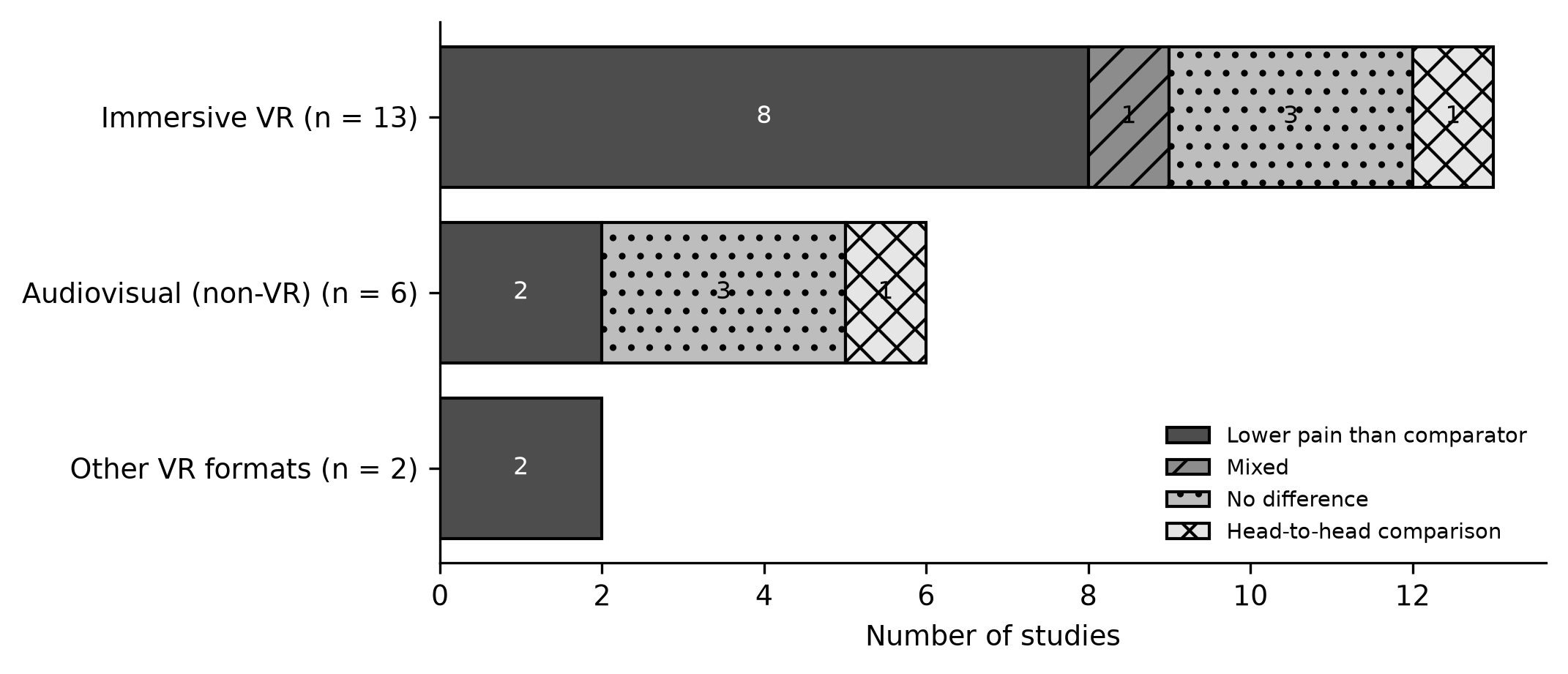
Figure 1. Direction of the pain finding by distraction format.
Note: Two studies that measured anxiety only are not shown. Counts are studies, not participants.The favorable studies were not trivial in size. Rocha et al.(14) randomized 352 children undergoing intravenous catheterization in an emergency service and reported a relative risk of pain of 0.57 (95% CI 0.45 to 0.72) with virtual reality. Camacho-Cruz et al.(15) studied 122 children aged 3 to 5 years and found a reduction of about 3 points on the LLANTO scale with non-immersive virtual reality. Spessatto et al.(16) recorded faces scores of 2.55 with virtual reality and 4.27 without it (P = 0.038) in 44 children.
Smaller studies pointed the same way. Vitor et al.(17) reported no pain in 74% of 23 vaccinated children with a headset against 24% of 25 controls. Silva et al.(18) found lower pain, heart rate, agitation and crying in 50 children with cancer. De Araújo et al.(19) found lower pain during and after dressing changes in 17 adults (P < 0.001). Oliveira et al.(20) found lower scores on two pain scales when 40 inpatients watched animated films. Tejada-Muñoz et al.,(21) Cervantes Alagón et al.,(22) Barrêto et al.(23) and Catissi et al.(24) also reported lower pain in the distraction group, with designs ranging from quasi-experimental to randomized.
Null results came from every country and every format. Gómez-Neva et al.(25) found no statistical or clinical difference in 46 children undergoing venipuncture. Da Rocha et al.(26) found no significant effect in a pilot of 50 children, a trial built to test feasibility. González-González et al.(27) found no difference in anxiety, pain, vital signs or satisfaction among 40 adults undergoing unsedated transnasal endoscopy. Custódio et al.(28) and Garrocho-Rangel et al.(29) found no difference in children treated in the dental chair. Velasco-Hidalgo et al.(30) reported differences in anxiety and time perception in 20 children with leukemia but no difference in pain.
Goergen and Freitas( 31) produced the one mixed result. Among 159 adults undergoing cystoscopy, pain on the visual analogue scale stood at 3.26 cm with virtual reality and 4.33 cm without it (P = 0.023), but only after cystoscopies for double-J extraction were excluded. Heart rate variability was 6.29 versus 11.09 beats per minute and the procedure lasted 5.33 versus 8.65 minutes.
Anxiety and distress showed a similar split with fewer studies. Craveiro et al.( 32) reported a greater fall in visual analogue anxiety among 160 adults who watched a video of their choice before endodontic treatment (P < 0.05), although vital signs did not differ. Paredes et al.( 33) reported lower anxiety and physiological values after a playful animation in 50 children waiting for dental care. Tejada-Muñoz et al.( 21) and Catissi et al.( 24) also reported lower anxiety. Whereas Rocha et al.( 14) found lower procedure-related distress, González-González et al.( 27) and Garrocho-Rangel et al.( 29) found none.
Head-to-head comparisons favored the more immersive format once and showed equivalence once. Mosso Vázquez et al.(34) reported a greater pain reduction with a head-mounted display than with a mobile phone viewer in 44 adults undergoing lipoma resection. Bardales Martínez et al.(35) found no difference between audiovisual and audio distraction in 64 children given dental anesthesia (P > 0.05). Almeida et al.(36) reported that both virtual reality glasses and a tablet outperformed no distraction in 48 children, without a significant difference between the two devices.
The format of distraction did not separate the studies cleanly. Immersive virtual reality accounted for 13 studies, audiovisual formats without virtual reality for 8, non-immersive virtual reality for 1, and a mixed arm design for 1. Favorable pain findings predominated in the immersive group, whereas the audiovisual group split more evenly between benefit and no difference (Figure 1). Children were the population in 17 studies and adults in 6.
Design separated the findings more sharply than format did. Randomized designs accounted for 16 of the pain findings, and 8 of them favored distraction. Non-randomized designs accounted for 5, and 4 favored distraction. Every null finding for a distraction against a non-distraction comparator came from a randomized or crossover trial.
Sample size showed a related gradient. Studies with 100 or more participants contributed 4 pain findings, and 3 were favorable while 1 was mixed. Studies with fewer than 50 participants contributed 13, of which 7 were favorable, 5 null and 1 a head-to-head comparison. Studies with 50 to 99 participants contributed 4, of which 2 were favorable, 1 null and 1 head-to-head. Large studies thus favored distraction at least as consistently as small ones.
The procedure was the clearest correlate of the result. Needle procedures contributed 9 pain findings, and 7 favored distraction while 2 were null. Dental procedures contributed 5, with 2 favorable, 2 null and 1 head-to-head. The two endoscopic and urologic studies produced no favorable finding, one being null and one mixed. Oncology visits contributed 3, with 2 favorable and 1 null, and the dressing change and minor surgery studies split between a favorable finding and a head-to-head comparison.
Age showed a weaker pattern. Studies in children contributed 16 pain findings, with 10 favorable and 5 null. Studies in adults contributed 5, with 2 favorable, 1 null and 2 mixed or head-to-head. Adults were enrolled in cystoscopy, endoscopy, dressing changes, lipoma resection, endodontic waiting and infusion chemotherapy, so age and procedure overlap and cannot be separated here.
Publication years ranged from 2017 to 2025, and no eligible report appeared for the years before 2017. Twelve of the studies were published in 2023 or later, and six in 2025. Only 5 appeared before 2020. The regional literature is therefore recent.
The distractions themselves differed in content and dose. Rocha et al.( 14) showed a relaxing ocean film, Silva et al.( 18) used an interactive serious game, and Oliveira et al.( 20) used animated short films. Craveiro et al.( 32) let patients choose a video from the internet, Paredes et al.( 33) showed a playful animation for 20 minutes before the visit, and Catissi et al.( 24) showed a 12-minute film of nature images. Interactive and passive content therefore appeared in both virtual reality and audiovisual arms, and few reports compared them directly.
Outcome instruments varied widely. Pain was rated with the Faces Pain Scale-Revised in at least four studies, with a visual analogue scale in several others, with the LLANTO observer scale in one, with the Wong-Baker faces in two, and with the FLACC behavioral scale in three. Anxiety or distress was rated with the State-Trait Anxiety Inventory for Children in two studies, with a visual analogue scale in one, with the Venham Picture Test in one, and with pulse and oxygen saturation as indirect indicators in several. No two studies shared the same primary outcome, scale and procedure. That variety of instruments explains why the counts of direction, and not pooled estimates, carry the synthesis (Table 1).
The selection process left 23 studies from 2,303 records. Screening of 1,657 unique records left 59 reports to retrieve, and 11 could not be retrieved in any usable form. Full-text assessment of 48 reports excluded 25: four were set outside Latin America, nine lacked a control condition, four tested an intervention other than distraction, one measured another outcome, four were review articles and three duplicated an included study (Figure 2).
Three included studies had two reports each, an English and a Portuguese version, and were counted once. Among the 11 reports that could not be retrieved, three came from a cybertherapy annual review without a DOI, one was a letter in a pediatrics journal, and seven were articles in regional journals in Spanish, Portuguese or English. Their titles suggest relevance to the question, and their eligibility could not be decided.
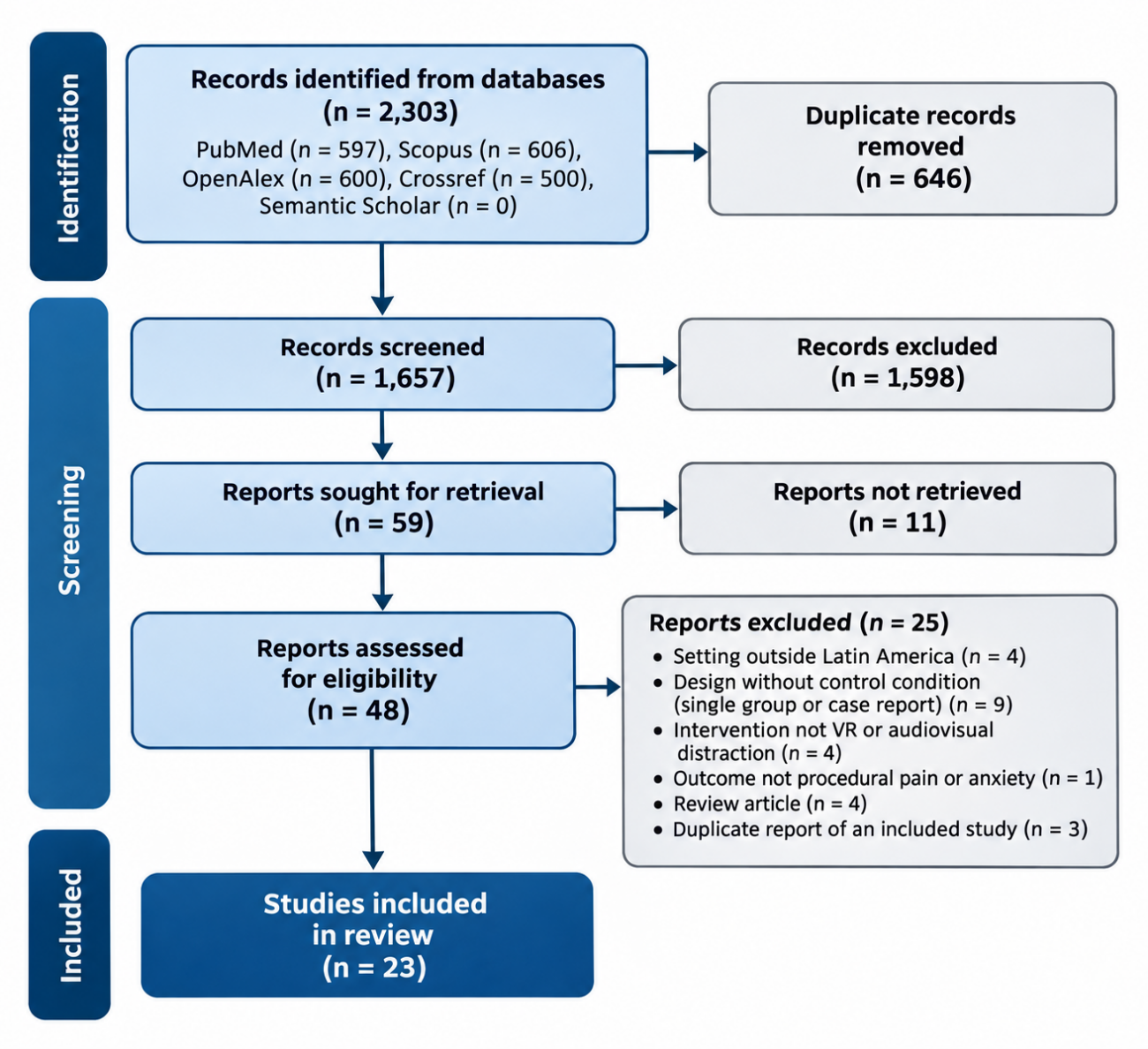
Figure 2. PRISMA 2020 flow diagram of the selection process.
Brazil contributed 13 studies, Mexico 4, Peru 3, Colombia 2 and Venezuela 1. No eligible study came from Argentina, Chile or the rest of the region. The studies enrolled 1,721 participants, with a median of 48 per study and a range from 17 to 352. Eighteen studies were randomized and five were not. Needle procedures were the most frequent setting, followed by dental care, endoscopic or urologic procedures, a dressing change, a minor surgery and oncology infusion visits (Table 1).
Study | Country | Design (n) | Population and procedure | Distraction and comparator | Main finding |
|---|---|---|---|---|---|
Rocha 2025(14) | Brazil (Santa Catarina) | RCT (n = 352) | Children 4-14 y; peripheral iv catheterization (emergency) | Immersive VR (ocean film) versus standard care | Pain RR 0.57 (95% CI 0.45-0.72); distress lower |
Silva 2025(18) | Brazil (Ribeirao Preto) | Non-randomized, within-subject (n = 50) | Children and adolescents with cancer; venipuncture or venous catheter puncture | Immersive VR serious game versus same patients without vr | Lower pain, heart rate, agitation and crying |
Vitor 2025(17) | Brazil (Santa Catarina) | Pilot RCT (n = 48) | Children; intramuscular vaccination | Immersive VR headset versus traditional method | No pain reported by 74% (VR) vs 24% (control) |
da Rocha 2025(26) | Brazil (Santa Catarina) | Pilot RCT (n = 50) | Children 4-14 y; peripheral iv insertion (elective) | VR versus traditional clinical method | No significant effect on pain |
Gomez-Neva 2024(25) | Colombia (Bogota) | RCT (n = 46) | Children 7-14 y; venipuncture (emergency) | VR visor versus control | No statistical or clinical difference |
Velasco-Hidalgo 2024(30) | Mexico (Mexico City) | Crossover trial (n = 20) | Children 9-12 y with leukaemia; chemotherapy infusion visit | VR versus no vr | Anxiety and time perception differed; pain without significant change |
Camacho-Cruz 2023(15) | Colombia (Multicentre) | RCT (n = 122) | Children 3-5 y; venipuncture or intramuscular injection | Non-immersive VR video versus standard care | About 3 points lower on LLANTO |
Gonzalez-Gonzalez 2023(27) | Mexico (Monterrey) | RCT (n = 40) | Adults; unsedated transnasal endoscopy | Audiovisual device versus no device | No difference between groups |
Goergen 2022(31) | Brazil (Porto Alegre) | RCT (n = 159) | Adults; rigid cystoscopy under local anaesthesia | VR headset with smartphone versus control | VAS 3.26 vs 4.33 cm after excluding double-J extractions (P=0.023) |
de Araujo 2021(19) | Brazil (Ceara) | Randomized crossover (n = 17) | Adults with chronic wounds; dressing change | VR (Oculus Go) versus dressing without vr | Lower pain during and after dressing (P<0.001) |
Custodio 2021(28) | Brazil (Pelotas) | RCT (n = 44) | Children 6-9 y; restorative treatment or extraction of primary molars | Audiovisual eyeglasses versus conventional behaviour management | No difference in pain or behaviour (P=0.08 for self-reported pain) |
Almeida 2022(36) | Brazil (Pelotas) | RCT-derived cross-sectional analysis (n = 48) | Children 6-10 y; restorative, endodontic or extraction treatment | VR glasses or tablet versus control | Both distraction arms better than control; glasses vs tablet not different |
Craveiro 2020(32) | Brazil (Sao Paulo) | RCT (n = 160) | Adults; preoperative wait before endodontic treatment | Self-chosen relaxing video versus no video | Greater VAS anxiety reduction with video (P<0.05); vital signs unchanged |
Mosso Vazquez 2019(34) | Mexico (Mexico City) | RCT (device comparison) (n = 44) | Adults; lipoma resection | Head-mounted VR versus mobile phone vr | Greater pain reduction with head-mounted display |
Garrocho-Rangel 2018(29) | Mexico (San Luis Potosi) | Crossover trial (n = 36) | Children 5-8 y; dental treatment under local anaesthesia | Video eyeglasses with earphones versus non-aversive behaviour management | No difference in any phase |
Oliveira 2017(20) | Brazil (Ribeirao Preto) | Crossover trial (n = 40) | Inpatient children 6-11 y; puncture procedures | Animated short films versus no distraction | Lower pain scores with distraction |
Bardales Martinez 2025(35) | Peru (Lima) | Observational comparative (n = 64) | Children; dental anaesthesia | Audiovisual distraction versus audio distraction | No difference between techniques (P>0.05) |
Barreto 2025(23) | Brazil (Paraiba) | Quasi-experimental (n = 34) | Children and adolescents with cancer; painful procedures during hospitalization | VR or board-game play therapy versus control | Pain score lower in the VR group |
Spessatto 2024(16) | Brazil (Curitiba) | RCT (n = 44) | Children; venipuncture (paediatric emergency) | VR versus hospital protocol | Faces 2.55 vs 4.27 (P=0.038) |
Munoz 2020(21) | Peru (Chachapoyas) | Quasi-experimental (n = 50) | Children 6-10 y; venipuncture | VR video game versus control | Pain and anxiety lower after VR (P<0.001) |
Cervantes Alagon 2018(22) | Peru (Puno) | Controlled experimental (thesis-derived) (n = 30) | Uncooperative children 5-8 y; local anaesthetic administration | VR glasses versus no glasses | Lower pain and pulse with VR |
Paredes 2018(33) | Venezuela (Merida) | RCT (n = 50) | Children 8-11 y; waiting before dental consultation | Playful animation (20 min) versus no intervention | Lower anxiety and physiological values with animation |
Catissi 2023(24) | Brazil (Multi) | RCT (n = 173) | Adults with cancer; infusion chemotherapy | 12-min nature video versus control | Pain and anxiety lower in video group (P<0.001, within group) |
Note: RCT = randomized controlled trial; CI = confidence interval; VAS = visual analogue scale; VR = virtual reality; FPS-R = Faces Pain Scale-Revised; FLACC = Face, Legs, Activity, Cry, Consolability scale. Direction refers to the pain finding, except where only anxiety was measured.
Risk of bias was never low. Of the 23 studies, 18 raised some concerns and 5 carried serious concerns, all of them non-randomized designs. Open-label delivery was the rule because a headset cannot be hidden from the patient, and most outcomes were self-reported or rated by observers who could see the device (Table 2).
Study | Tool | Judgment | Main concern |
|---|---|---|---|
Rocha 2025(14) | RoB 2 | Some concerns | Open-label delivery with self-reported or observer-rated outcomes |
Silva 2025(18) | ROBINS-I | Serious | Non-randomized allocation or small non-probabilistic sample; confounding likely |
Vitor 2025(17) | RoB 2 | Some concerns | Open-label delivery with self-reported or observer-rated outcomes |
da Rocha 2025(26) | RoB 2 | Some concerns | Open-label delivery with self-reported or observer-rated outcomes |
Gomez-Neva 2024(25) | RoB 2 | Some concerns | Open-label delivery with self-reported or observer-rated outcomes |
Velasco-Hidalgo 2024(30) | RoB 2 | Some concerns | Open-label delivery with self-reported or observer-rated outcomes |
Camacho-Cruz 2023(15) | RoB 2 | Some concerns | Open-label delivery with self-reported or observer-rated outcomes |
Gonzalez-Gonzalez 2023(27) | RoB 2 | Some concerns | Open-label delivery with self-reported or observer-rated outcomes |
Goergen 2022(31) | RoB 2 | Some concerns | Open-label delivery with self-reported or observer-rated outcomes |
de Araujo 2021(19) | RoB 2 | Some concerns | Open-label delivery with self-reported or observer-rated outcomes |
Custodio 2021(28) | RoB 2 | Some concerns | Open-label delivery with self-reported or observer-rated outcomes |
Almeida 2022(36) | RoB 2 | Some concerns | Open-label delivery with self-reported or observer-rated outcomes |
Craveiro 2020(32) | RoB 2 | Some concerns | Open-label delivery with self-reported or observer-rated outcomes |
Mosso Vazquez 2019(34) | RoB 2 | Some concerns | Open-label delivery with self-reported or observer-rated outcomes |
Garrocho-Rangel 2018(29) | RoB 2 | Some concerns | Open-label delivery with self-reported or observer-rated outcomes |
Oliveira 2017(20) | RoB 2 | Some concerns | Open-label delivery with self-reported or observer-rated outcomes |
Bardales Martinez 2025(35) | ROBINS-I | Serious | Non-randomized allocation or small non-probabilistic sample; confounding likely |
Barreto 2025(23) | ROBINS-I | Serious | Non-randomized allocation or small non-probabilistic sample; confounding likely |
Spessatto 2024(16) | RoB 2 | Some concerns | Open-label delivery with self-reported or observer-rated outcomes |
Munoz 2020(21) | ROBINS-I | Serious | Non-randomized allocation or small non-probabilistic sample; confounding likely |
Cervantes Alagon 2018(22) | ROBINS-I | Serious | Non-randomized allocation or small non-probabilistic sample; confounding likely |
Paredes 2018(33) | RoB 2 | Some concerns | Open-label delivery with self-reported or observer-rated outcomes |
Catissi 2023(24) | RoB 2 | Some concerns | Open-label delivery with self-reported or observer-rated outcomes |
Note: RoB 2 was applied to randomized and crossover trials and ROBINS-I to non-randomized studies. Judgments for seven studies rest on an abstract and were not rated as low risk.
DISCUSSION
Eijlers et al.( 1) reported large pooled benefits and Fabricant et al.( 2) reported none against simple distraction, and the regional trials did not settle that disagreement. Latin America reproduces both camps. Rocha et al.( 14) and Gómez-Neva et al.( 25) tested virtual reality during intravenous access in emergency settings, one in Brazil and one in Colombia, and reached opposite conclusions. Twelve of 21 pain findings favored distraction, which is a majority, yet the six null and one mixed finding show that the benefit was not guaranteed by the technology alone.
Several conditions could reconcile the camps, and the included studies allow only a partial test of each. The first is the comparator. Trials that compared a headset with standard care and no active distraction, as Rocha et al.( 14) and Spessatto et al.( 16) did, mostly favored virtual reality. Trials that compared a device with an active alternative or with structured behavior management, such as Custódio et al.,(28) Garrocho-Rangel et al.( 29) and Bardales Martínez et al.,( 35) found no difference. Fabricant et al.( 2) described the same pattern against simple distraction in another region, so the comparator may explain more of the disagreement than geography does.
The second condition is the age and cognitive stage of the child. Rocha et al.( 14) reported larger effects in younger children, and Camacho-Cruz et al.( 15) found benefit even in children aged 3 to 5 years with a non-immersive format. That result differs from the assumption, noted in the same report, that immersive virtual reality has been described mostly in children older than 5 years. The Cochrane review( 4) likewise declined to pool because age, developmental stage and procedural pain varied so much. Our data cannot separate age from procedure, because the youngest children mostly underwent needle procedures.
The third condition is the procedure. Needle procedures produced most of the favorable findings, and endoscopic and urologic procedures produced the null and mixed ones. González-González et al.( 27) found no effect of an audiovisual device in unsedated transnasal endoscopy, and none of their patients had a significant anxiety or depression score at baseline, which may have left little room for improvement. Goergen and Freitas( 31) found a pain effect only after excluding double-J extractions, which agrees with the pooled null result for cystoscopy reported by Lopes et al..( 3) A pain effect confined to a subgroup defined after the fact deserves caution, and the heart rate and duration findings in that trial are better read as hypotheses.
The fourth condition is measurement. Pain was rated by the child in some trials, by parents, nurses and researchers in others, and by behavioral scales in the dental trials. Camacho-Cruz et al.( 15) used three independent observers and found agreement above 0.79 with a consistent reduction, which gives that result more credibility than a single self-report. Unlike pain, anxiety was measured with several different instruments in the studies that reported it. The systematic review of pain and distress outcomes by Oliveira et al.( 37) noted that pain and distress are distinct constructs that are rarely analyzed together, and the regional studies mostly followed that pattern by treating anxiety as a secondary outcome.
The fifth condition is the device itself. Mosso Vázquez et al.( 34) found that a head-mounted display reduced pain more than a mobile phone viewer, which fits the conclusion of Smith et al.( 5) that head-mounted displays should be preferred in clinical settings. Yet Almeida et al.( 36) found glasses and a tablet equivalent, and Camacho-Cruz et al.( 15) found benefit without immersion. Immersion may matter less than attention captured at the moment of the needle, a mechanism consistent with the finding of Bascour-Sandoval et al.( 38) that distractors in several sensory modalities lowered acute pain. That mechanism is plausible and was not tested in the included studies.
Dental distraction deserves its own reading because the regional dental trials split, with two favorable pain findings, two null and one head-to-head. Custódio et al.( 28) enrolled children with low or moderate anxiety, and both they and Garrocho-Rangel et al.( 29) used conventional behavior management as the comparator. The review by Küchler et al.( 6) found lower anxiety in the audiovisual group, whereas Prado et al.( 7) stressed that the effect depends on distraction type, instrument and procedure and carries very low certainty. Goettems et al.( 39) noted that most nonpharmacologic techniques improved behavior, anxiety or pain perception. Ramirez et al.( 40) suggested that audio alone may be an effective alternative for non-invasive treatment. Bardales Martínez et al.( 35) found audiovisual and audio distraction equivalent for dental anesthesia, which agrees with that suggestion. Falci et al.( 41) reported only a small anxiety reduction with virtual reality in third molar surgery, so the dental evidence converges on modest effects.
The burn and oncology settings add a different reading. Scapin et al.( 42) reviewed 34 studies of virtual reality in burns and linked it to less pain, anxiety and stress during dressing changes. De Jesus Catalã et al.( 8) added that many randomized results were not significant at every assessment moment. The regional studies in dressing changes and oncology, such as de Araújo et al.,( 19) Silva et al.( 18) and Barrêto et al.,( 23) were small and mostly uncontrolled by randomization, so they add direction but little weight. Their consistency is worth noting. Every one of them reported lower pain, a pattern that may reflect real benefit in prolonged, repeated procedures or a tendency of small open-label studies to report positive results.
The stratified counts add a caution to the headline majority. Non-randomized designs favored distraction in four of five pain findings, whereas randomized designs did so in eight of sixteen. This gradient is what bias from allocation and outcome assessment would produce, and it means that the regional impression of benefit rests partly on weaker designs. Fabricant et al.( 2) and Lambert et al.( 4) made the same point from other literatures, since the Cochrane authors found high risk of performance and detection bias in most trials. Against that, the larger studies were not less favorable than the smaller ones, which argues against a pure small-study explanation.
The procedure gradient is easier to interpret than the design gradient. Seven of nine needle studies favored distraction, and the two exceptions were a feasibility pilot and a trial in an emergency room with 46 children. Dental, endoscopic and urologic studies did not follow the same pattern. A needle puncture is brief, predictable and frightening, which suits a distraction that captures attention for a minute or two. A dental visit includes noise, vibration, restraint and repeated phases, and a distraction has to hold attention across all of them. That account is an inference from the pattern and not a result of any included study.
Reporting practices deserve attention because they shape what a synthesis can say. Three included studies appeared in two languages, and a reader who counted reports would have counted them twice. Registration identifiers appeared in the available texts of six studies, those of Camacho-Cruz et al.,( 15) Custódio et al.,( 28) Vitor et al.,( 17) da Rocha et al.,(26) Goergen and Freitas( 31) and Catissi et al.,( 24) and none was found in the texts available for the other seventeen. A regional registry of distraction trials, even a simple one, would let later reviews check whether negative trials were published and in which language.
Safety and tolerability were reported unevenly. Rocha et al.( 14) noted that 9% of children in the virtual reality group discontinued because of poor tolerance of the catheterization, and Goergen and Freitas( 31) described the procedure as safe without side effects in their abstract. Smith et al.( 5) also found low incidence of nausea, vomiting, eye strain and dizziness in the inpatient literature. Nothing in the regional studies contradicts that picture, though most reports gave no systematic account of adverse events.
The evidence base is also organized by profession. Nursing journals published the intravenous and vaccination studies, among them Rocha et al.,( 14) Vitor et al.,( 17) da Rocha et al.,( 26) de Araújo et al.( 19) and Gómez-Neva et al..( 25) Dental and endodontic journals published the dental trials, including Custódio et al.,( 28) Craveiro et al.,(32) Garrocho-Rangel et al.( 29) and Bardales Martínez et al..( 35) Each community used its own scales and its own comparators, and almost no study crossed professional lines. A shared outcome set for needle procedures and another for dental care would make the next regional synthesis poolable.
Context shaped several designs in ways that reviews from high-income settings rarely discuss. Tejada-Muñoz et al.( 21) worked in a regional hospital in the Amazonas department of Peru and concluded that virtual reality is an economical tool that could be implemented in hospitals of countries with high poverty. Paredes et al.( 33) and Cervantes Alagón et al.( 22) worked in university dental programs. Such settings favor pragmatic, low-cost devices, and their results speak to services with similar resources more than to the specialized units that produced much of the global literature.
Adults deserve a separate reading because they were the minority and their results were the least consistent. Of five adult pain findings, two favored distraction, one was null and two were mixed or head-to-head. The cystoscopy and endoscopy studies agree with the pooled null results for cystoscopy reported by Lopes et al.,( 3) and the wound dressing and infusion studies, which favored distraction, involved prolonged procedures that were repeated over visits. Adults may expect less benefit when the procedure is predictable and tolerable, and the baseline anxiety reported by González-González et al.( 27) fits that reading. The prediction is testable: adult trials that enroll patients with high baseline anxiety or pain should show larger differences.
Anxiety evidence is thinner and points the same way as pain. Of the studies that rated anxiety or distress with a scale, those of Velasco-Hidalgo et al.,( 30) Craveiro et al.,( 32) Paredes et al.( 33) and Tejada-Muñoz et al.( 21) found lower anxiety, whereas González-González et al.( 27) and Garrocho-Rangel et al.( 29) did not. The review by Smith et al.( 5) reported that half of the inpatient studies that assessed procedural anxiety found significant reductions, and the regional split is of the same kind. Falci et al.( 41) reported a small anxiety reduction in third molar surgery. Anxiety effects are therefore most plausible as modest reductions that appear when baseline anxiety is high.
The regional trials also help to clarify what the global reviews measure. Eijlers et al.( 1) restricted virtual reality to head-mounted displays and found large effects, whereas the regional set includes screen-based and audiovisual formats that the global review excluded by definition. Our counts suggest that the format matters less than the global estimate implies, since non-immersive and audiovisual formats produced favorable findings in some trials and null findings in others. This does not contradict the global estimate. It shows that a single pooled number can hide a heterogeneous set of interventions that share a label.
The certainty of the regional evidence can be judged informally even though no formal grading was done. Risk of bias was never low, findings were inconsistent across studies, many samples were small and imprecise, and several comparators did not match the question of whether distraction beats usual care. Each of these four concerns would lead a grading team to lower the rating, and the likely result is low or very low certainty. That agrees with the rating given by Lambert et al.( 4) to the global pediatric literature, and it means that the regional studies neither confirm nor overturn the global estimate.
Strengths of this review are the regional restriction, the use of Spanish and Portuguese searches, and the explicit counting of studies and not reports. Limitations are best stated with what would fix them. Eleven reports could not be retrieved, including conference proceedings and one letter from Brazil, and their eligibility is unknown. A librarian-supported search with hand-searching of regional journals would reduce that loss.
The search had a regional gap that can be named. LILACS and SciELO were not searched directly, and Spanish and Portuguese coverage depended on free-text searches in OpenAlex and Crossref, which index many regional journals but not all of them. Searching those two databases directly, with the controlled vocabulary in the three languages, would test whether eligible studies were missed. Institutional repositories and theses were reached only when the general sources indexed them, and one included study derives from a thesis. A deliberate hand search of the main regional nursing and dental journals would address that bias.
The geographic criterion relied on affiliations and stated sites, and a multicenter trial with partial regional recruitment would be difficult to classify. Reporting the recruiting country in every trial abstract would remove the ambiguity. Seven judgments rested on abstracts, which limited the detection of bias in allocation concealment and outcome assessment. Obtaining the full texts through the authors or institutional access would let those judgments be rechecked. Searches covered records through the last year of the window, so later trials are not represented.
The synthesis counted the direction of findings without weighting, so a pilot of 50 children and a trial of 352 children counted equally. It describes how findings are distributed and not how large the effect is. Meta-analysis was judged inappropriate here because pain scales, procedures and comparators differed too much, and pooling would have hidden the very heterogeneity that explains the disagreement. Studies that report a common metric, such as a difference on a 0 to 10 pain scale for needle procedures with a no-distraction comparator, could be pooled when enough of them exist. The certainty of the evidence was not graded, and given the open-label designs and small samples it would probably be low.
For research, the contradictions suggest a shortlist of improvements that are cheap to adopt. Trialists can state the content shown to the child, its duration and whether a parent was present, because these details differ between studies and may modulate the effect. They can report the timing of the pain rating relative to the puncture, since the Cochrane review separated pain during and after the procedure.( 4) They can report anxiety and distress with one validated instrument per age group, and they can publish a trial in both languages with a single registration number so that later reviews count it once.
For practice, the findings support offering distraction during needle procedures in children as a low-cost adjunct, because the largest regional trial favored it and no study reported serious harm. Rocha et al.( 14) noted that 9% of children in the virtual reality group discontinued because of poor tolerance of the catheterization, so a plan for those children should be at hand. For trialists in the region, the contradictions point to concrete design choices. These are registering protocols, naming the comparator precisely, using observer ratings blinded to the device where possible, reporting anxiety with a validated instrument, and enrolling enough children to detect a modest difference.
CONCLUSIONS
Controlled studies from Latin America lean toward lower procedural pain with virtual reality and audiovisual distraction, but they disagree, and the disagreement is not explained by country alone. The studies are mostly small, open-label and concentrated in Brazil, and none was judged at low risk of bias. Anxiety and distress were measured less often and with many instruments, with a similar split between benefit and no difference. The evidence supports distraction as a low-cost adjunct for needle procedures in children, while it does not support firm claims for endoscopic, urologic or dental procedures, and it does not allow pooled estimates for the region.
References
- 1 Eijlers R, Utens EMWJ, Staals LM, de Nijs PFA, Berghmans JM, Wijnen RMH, et al. Systematic Review and Meta-analysis of Virtual Reality in Pediatrics: Effects on Pain and Anxiety. Anesthesia & Analgesia. 2019;129(5):1344-1353. doi: 10.1213/ane.0000000000004165
- 2 Fabricant PD, Gross PW, Mackie AT, Heath MR, Pascual-Leone N, Denneen JP, et al. Virtual Reality Distraction Is No Better Than Simple Distraction Techniques for Reducing Pain and Anxiety During Pediatric Orthopaedic Outpatient Procedures: A Randomized Controlled Trial. Clin Orthop Relat Res. 2024;482(5):854-863. doi: 10.1097/corr.0000000000002889
- 3 Lopes GMM, de Amorim LGCR, Gomes GV, da Silva TP, Martínez MGR, Ramadhan MA, et al. Effectiveness of virtual reality to manage pain and anxiety in patients undergoing cystoscopy: A systematic review and meta-analysis. Asian Journal of Urology. 2025;12(4):462-470. doi: 10.1016/j.ajur.2025.01.005
- 4 Lambert V, Boylan P, Boran L, Hicks P, Kirubakaran R, Devane D, et al. Virtual reality distraction for acute pain in children. Cochrane Database of Systematic Reviews. 2020;2020(10). doi: 10.1002/14651858.cd010686.pub2
- 5 Smith V, Warty RR, Sursas JA, Payne O, Nair A, Krishnan S, et al. The Effectiveness of Virtual Reality in Managing Acute Pain and Anxiety for Medical Inpatients: Systematic Review. J Med Internet Res. 2020;22(11):e17980. doi: 10.2196/17980
- 6 Küchler E, Barreiros D, de Oliveira DB, de Queiroz A, da Silva RB, de Paula-Silva FG. Audiovisual distraction methods for anxiety in children during dental treatment: A systematic review and meta-analysis. J Indian Soc Pedod Prev Dent. 2018;36(1):2. doi: 10.4103/jisppd.jisppd_188_16
- 7 Prado IM, Carcavalli L, Abreu LG, Serra‐Negra JM, Paiva SM, Martins CC. Use of distraction techniques for the management of anxiety and fear in paediatric dental practice: A systematic review of randomized controlled trials. Int J Paed Dentistry. 2019;29(5):650-668. doi: 10.1111/ipd.12499
- 8 de Jesus Catalã CA, Pan R, Rossetto Kron-Rodrigues M, de Oliveira Freitas N. Virtual Reality Therapy to Control Burn Pain: Systematic Review of Randomized Controlled Trials. J Burn Care Res. 2022;43(4):880-888. doi: 10.1093/jbcr/irab213
- 9 Page MJ, McKenzie JE, Bossuyt PM, Boutron I, Hoffmann TC, Mulrow CD, et al. The PRISMA 2020 statement: an updated guideline for reporting systematic reviews. BMJ. 2021:n71. doi: 10.1136/bmj.n71
- 10 Rethlefsen ML, Kirtley S, Waffenschmidt S, Ayala AP, Moher D, Page MJ, et al. PRISMA-S: an extension to the PRISMA Statement for Reporting Literature Searches in Systematic Reviews. Syst Rev. 2021;10(1):39. doi: 10.1186/s13643-020-01542-z
- 11 Sterne JAC, Savović J, Page MJ, Elbers RG, Blencowe NS, Boutron I, et al. RoB 2: a revised tool for assessing risk of bias in randomised trials. BMJ. 2019:l4898. doi: 10.1136/bmj.l4898
- 12 Sterne JA, Hernán MA, Reeves BC, Savović J, Berkman ND, Viswanathan M, et al. ROBINS-I: a tool for assessing risk of bias in non-randomised studies of interventions. BMJ. 2016:i4919. doi: 10.1136/bmj.i4919
- 13 Campbell M, McKenzie JE, Sowden A, Katikireddi SV, Brennan SE, Ellis S, et al. Synthesis without meta-analysis (SWiM) in systematic reviews: reporting guideline. BMJ. 2020:l6890. doi: 10.1136/bmj.l6890
- 14 Rocha PFAD, dos Santos LM, Ullman A, Plummer K, Takashima M, Vitor MZ, et al. Effectiveness of Virtual Reality on Pain During Peripheral Intravenous Catheterization in the Emergency Room: A Randomized Clinical Trial. J Infus Nurs. 2025;48(5):344-356. doi: 10.1097/nan.0000000000000603
- 15 Camacho-Cruz J, Palacios-Ariza MA, Orrego-Celestino L, Valbuena-Velandia N, Paez-Castellanos L, Bolaños JM, et al. Effectiveness of non-immersive virtual reality in the management of procedure-related pain in preschool children: a randomized clinical trial. Eur J Pediatr. 2023;182(9):4103-4112. doi: 10.1007/s00431-023-05070-5
- 16 Spessatto G, Passos L, Fidalski S, Pinto R, Fernandes C, Gubert E, et al. Virtual Reality and Its Role In Pain Reduction In Obtaining Venous Access In A Pediatric Emergency Department. Resid Pediatr. 2024;14(4). doi: 10.25060/residpediatr-2024.v14n4-1095
- 17 Vitor MZ, Silva TL, Bitencourt ADS, da Rocha PFA, Echevarría-Guanilo ME, dos Santos LM, et al. Virtual Reality for Pain Relief in Children During Vaccination: Randomized Pilot Study. Pain Management Nursing. 2025;26(6):e530-e538. doi: 10.1016/j.pmn.2025.06.014
- 18 Silva MZ, Pfeifer LI, Jacomin B, Feitosa JDC, Sousa RDA, Brega JRF, et al. Impact of a serious immersive virtual reality game in managing pain during venous or catheter procedures in Pediatric Oncology. Einstein (Sao Paulo). 2025;23:eAO1327. doi: 10.31744/einstein_journal/2025ao1327
- 19 de Araújo TM, da Silva ASJ, Brandão MGSA, Barros LM, Veras VS. Virtual reality in pain relief during chronic wound dressing change. Rev esc enferm USP. 2021;55(3):e20200513. doi: 10.1590/1980-220x-reeusp-2020-0513
- 20 Oliveira NCAC, Santos JLF, Linhares MBM. Audiovisual distraction for pain relief in paediatric inpatients: A crossover study. European Journal of Pain. 2017;21(1):178-187. doi: 10.1002/ejp.915
- 21 Tejada-Muñoz S, Tafur- Santillán IT, Diaz-Manchay RJ, Rodriguez-Cruz LD, Milla-Pino ME, Huyhua-Gutierrez SC, et al. Realidad virtual en la reducción del dolor y la ansiedad en niños sometidos a venopunción. RDLUZ. 2020;11(30):438-447. doi: 10.46925//rdluz.30.27
- 22 Universidad Nacional del Altiplano, Cervantes Alagón SL. EFECTO DE LOS LENTES DE REALIDAD VIRTUAL EN LA CONDUCTA DE NIÑOS NO COOPERADORES ANTE LA ADMINISTRACIÓN DEL ANESTÉSICO LOCAL. Rev Investig. 2018;7(2):502-512. doi: 10.26788/riepg.2018.2.75
- 23 Barrêto DMDS, Silva CDDS, Oliveira MFAD, Cantalice ADSC. Virtual reality and play therapy in the management of pain and anxiety in children and adolescents undergoing cancer treatment: quasi-experimental study. BrJP. 2025;8:e20250027. doi: 10.63231/2595-0118.20250027-en
- 24 Catissi G, de Oliveira LB, da Silva Victor E, Savieto RM, Borba GB, Hingst-Zaher E, et al. Nature Photographs as Complementary Care in Chemotherapy: A Randomized Clinical Trial. IJERPH. 2023;20(16):6555. doi: 10.3390/ijerph20166555
- 25 Pontificia Universidad Javeriana, Bogotá, Colombia., Gómez-Neva ME, Briñez Ariza KJ, Universidad de Ciencias Aplicadas y Ambientales UDCA, Bogotá, Colombia., Ibañez Rodriguez LJ, Hospital Universitario San Ignacio, Bogotá, Colombia. Effect of virtual reality distraction on venipuncture pain in children in the emergency room. Rev Cuid. 2024;15(2):e3385. doi: 10.15649/cuidarte.3385
- 26 Rocha PFAD, Santos LMD, Ullman A, Plummer K, Silva TLD, Souza SD, et al. Effectiveness of virtual reality on pain during peripheral catheterization in children: a pilot randomized trial. Rev Soc Bras Enferm Ped. 2025;25:eSOBEP20251i. doi: 10.31508/1676-3793202501i
- 27 González-González JA, Benavides-Salgado DE, Garcia-Compean D, González-Gómez B, Muñoz-Ayala JM, Jiménez-Castillo RA, et al. Use of audiovisual devices in transnasal endoscopy without sedation to improve tolerance. A prospective clinical trial. Revista de Gastroenterología de México (English Edition). 2023;88(4):347-353. doi: 10.1016/j.rgmxen.2023.01.004
- 28 CUSTÓDIO NB, CADEMARTORI MG, AZEVEDO MS, MENDES MDA, SCHARDOZIM LR, COSTA LRDRSD, et al. Efficacy of audiovisual distraction using eyeglasses during dental care: a randomized clinical trial. Braz oral res. 2021;35:e26. doi: 10.1590/1807-3107bor-2021.vol35.0026
- 29 Garrocho-Rangel A, Ibarra-Gutiérrez E, Rosales-Bérber M, Esquivel-Hernández R, Esparza-Villalpando V, Pozos-Guillén A. A video eyeglasses/earphones system as distracting method during dental treatment in children: A crossover randomised and controlled clinical trial [Internet]. 2018. Available from: https://pubmed.ncbi.nlm.nih.gov/29569459/
- 30 Velasco-Hidalgo L, González-Garay A, Segura-Pacheco BA, Esparza-Silva AL, Cuéllar Mendoza ME, Ochoa-Drucker C, et al. Virtual reality as a non-medical tool in the treatment of anxiety, pain, and perception of time in children in the maintenance phase of acute lymphoblastic leukemia treatment. Front Oncol. 2024;14:1303421. doi: 10.3389/fonc.2024.1303421
- 31 GOERGEN DI, FREITAS DMDO. Virtual Reality as a distraction therapy during cystoscopy: a clinical trial. Rev Col Bras Cir. 2022;49:e20223138. doi: 10.1590/0100-6991e-20223138-en
- 32 Craveiro MA, Caldeira CL. Influence of an Audiovisual Resource on the Preoperative Anxiety of Adult Endodontic Patients: A Randomized Controlled Clinical Trial. Journal of Endodontics. 2020;46(7):909-914. doi: 10.1016/j.joen.2020.03.024
- 33 Paredes M, Uzcátegui A, Morales ÓA, Coronado JA, Díaz NA. Effect of recreational animation on anxiety levels in children attending dental treatment [Internet]. 2018. Available from: http://erevistas.saber.ula.ve/index.php/actabioclinica/article/view/11256
- 34 Mosso Vázquez JL, Mosso Lara D, Mosso Lara JL, Miller I, Wiederhold MD, Wiederhold BK. Pain Distraction During Ambulatory Surgery: Virtual Reality and Mobile Devices. Cyberpsychology, Behavior, and Social Networking. 2019;22(1):15-21. doi: 10.1089/cyber.2017.0714
- 35 Bardales Martínez MJ, Coronado Caycho GA, Navarro-Betetta R. Effectiveness of Distraction Techniques for Pain Management During Dental Anesthesia in Pediatric Procedures. Odovtos - Int J Dent Sc. 2025;27(3):138-148. doi: 10.15517/ijds.2025.65211
- 36 Almeida FV, Sartori CH, Cardoso G, Dalmaso JL, Ramson KP, Goettems ML. Eficácia de distrações audiovisuais em crianças no comportamento, controle da dor e da ansiedade durante procedimentos odontológicos: um estudo transversal. R Fac Odontol Porto Alegre. 2022;63(2):24-41. doi: 10.22456/2177-0018.122435
- 37 Oliveira NCAC, Gaspardo CM, Linhares MBM. Pain and distress outcomes in infants and children: a systematic review. Braz J Med Biol Res. 2017;50(7):e5984. doi: 10.1590/1414-431x20175984
- 38 Bascour‐Sandoval C, Salgado‐Salgado S, Gómez‐Milán E, Fernández‐Gómez J, Michael GA, Gálvez‐García G. Pain and Distraction According to Sensory Modalities: Current Findings and Future Directions. Pain Practice. 2019;19(7):686-702. doi: 10.1111/papr.12799
- 39 Goettems ML, Zborowski EJ, Costa FDS, Costa VPP, Torriani DD. Nonpharmacologic Intervention on the Prevention of Pain and Anxiety During Pediatric Dental Care: A Systematic Review. Academic Pediatrics. 2017;17(2):110-119. doi: 10.1016/j.acap.2016.08.012
- 40 Ramirez I, Reis CLB, Madalena IR, Filho FB, Oliveira MAHDM, Antunes LS, et al. The effect of audio distraction in reducing signs of stress and anxiety during pediatric dental treatment: a systematic review and meta-analysis. Clin Oral Invest. 2025;29(1):58. doi: 10.1007/s00784-024-06035-0
- 41 Falci SGM, Lima LJS, de Sá Oliveira I, Becheleni MT, Silva HC, Galvão EL, et al. Does virtual reality reduce anxiety and pain in patients undergoing third molar surgery? A systematic review and meta-analysis. Oral Maxillofac Surg. 2024;28(3):1095-1104. doi: 10.1007/s10006-024-01265-8
- 42 Scapin S, Echevarría-Guanilo ME, Boeira Fuculo Junior PR, Gonçalves N, Rocha PK, Coimbra R. Virtual Reality in the treatment of burn patients: A systematic review. Burns. 2018;44(6):1403-1416. doi: 10.1016/j.burns.2017.11.002
Declarations
Funding
No financing
Conflict of interest
None
Authorship contributions
Drafting – original draft: Francis Feldick, Alicia Monzalvo López.
Writing–review and editing: Francis Feldick, Alicia Monzalvo López.