
Abstract
Introduction: Digital games are proposed to engage people with hypertension and diabetes, but their effect on blood pressure and glycaemic control in Latin American primary care has not been synthesised. Methods: A systematic review searched Scopus, PubMed, OpenAlex, Crossref and Semantic Scholar in English, Spanish and Portuguese for studies from 2013 to 2025 conducted in Latin America. Results: Of 1,826 records screened, 22 studies were included (20 Brazilian and 2 Mexican): 2 parallel randomised trials, 7 randomised crossover studies, 1 controlled pilot, 1 comparative evaluation and 11 development or usability studies. Three measured blood pressure after single sessions of active video games, with systolic falls of 11.6 and 14.4 mmHg in hypertensive adults and no post-exercise hypotension in type 1 diabetes. None reported glycated haemoglobin or compared a game with usual care for blood pressure or glycaemia. One trial against usual care (62 adults with diabetic neuropathy) found less foot pain, and the largest trial (161 primary care physicians) reported a larger gain in insulin-prescribing competence with a game than with lectures (40% versus 34%). Conclusions: The evidence does not allow concluding that digital games improve blood pressure or glycaemic control in Latin American primary care. Acute blood pressure falls are plausible, whereas sustained effects against usual care are untested. Pragmatic primary care trials with glycated haemoglobin and ambulatory blood pressure outcomes are the next step.
Keywords
video games, gamification, hypertension, diabetes mellitus, primary health care, Latin America
INTRODUCTION
Hypertension and diabetes make up a large share of the cardiometabolic burden of Latin America. Brant et al.(1) described cardiovascular diseases as the main cause of death in Latin America and the Caribbean and traced a rapid rise in obesity and diabetes over four decades. Joseph et al.(2) reported that the burden of cardiovascular disease is moving from the high-income countries of North America towards the middle-income countries of the region. Ilic et al.(3) estimated about 2.3 million new cases of type 2 diabetes and about 214,000 deaths in Latin America in 2019, and Vera-Ponce et al.(4) pooled a prehypertension prevalence of 27.98% (95% CI 21.17 to 35.34) across 17 studies from seven countries.
The first contact with these conditions usually happens in primary care. The NCD Risk Factor Collaboration (5) pointed out that diabetes can be detected at the primary health care level and that effective treatment lowers the risk of complications. Mbuthia et al.(6) reviewed 14 interventions led by community health workers to control blood pressure in low-income and middle-income countries, of which 12 were cluster randomised trials, and found reductions in blood pressure and better linkage to care. Araya et al.(7) showed that a smartphone intervention supported by nurse assistants could be delivered to patients with hypertension or diabetes in primary care in São Paulo and Lima, with a larger proportion of participants reaching a 50% fall in depressive symptoms than with enhanced usual care (40.7% versus 28.6% in São Paulo). Marcolino et al.(8) reviewed 23 systematic reviews of mobile health, 17 of which included studies from low-income and middle-income countries, and identified text messaging was the most frequent intervention. Technology therefore reaches primary care in the region, although not without friction: León Altamirano and Correa (9) reported that 68% of 300 adults with diabetes in Buenos Aires had used telemedicine, and that preference for in-person visits, poor connectivity and difficulty using technology were the main barriers.
Three terms recur in this field and are used here with fixed meanings. A serious game is a game designed for a purpose other than entertainment, such as teaching insulin therapy. Gamification is the use of game design elements in a non-game context, as in an exercise application that awards points. An active video game, or exergame, is a game controlled by body movement. Asadzandi et al.( 10) reviewed gamification in diabetes and observed that physical activity and nutrition were its most frequent targets and that every program aimed to educate, teach skills or improve behaviour. Höchsmann et al.( 11) reviewed 11 studies of exergaming in overweight adults, with and without type 2 diabetes, and noted that all of them showed increases in oxygen uptake, energy expenditure, heart rate or activity counts, although the size of the increase varied between games and consoles.
Games and gamified applications have also been proposed as a way to keep people engaged with self-management. Ossenbrink et al.(12) identified 10 randomised trials of digital health interventions with game components in type 2 diabetes, with glycated haemoglobin improving in 2 of 6 trials and a high risk of bias in nearly all of them. Kaihara et al.(13) pooled three trials and obtained a mean difference of -0.21 in glycated haemoglobin (95% CI -0.37 to -0.05) in favour of gamification, whereas Yao et al.(14) pooled nine studies of electronic games and obtained -0.09% (95% CI -0.29 to 0.10), which was not significant. For blood pressure, Lim et al.(15) reported large effect sizes of game-based exercise in type 2 diabetes, while Davis et al.(16) saw no benefit above usual care in gamified applications for secondary prevention in people at high cardiovascular risk.
These syntheses pooled studies from many regions and did not ask what has been tested in Latin America. De Sá et al.,( 17) from Brazil, mapped 17 studies of mobile games for patients with chronic diseases without synthesising effects on blood pressure or glycaemia, and Reinders et al.( 18) noted that most of the 23 diabetes games they identified were inaccessible outside research settings. Neither review asked whether a digital game improves blood pressure or glycaemic control in Latin American primary care, which is where most people with these conditions are treated and where unequal access to connectivity and devices may change the answer.
The objective of this systematic review was to identify the studies conducted in Latin America on digital game-based interventions for people with hypertension or diabetes, to describe them, to synthesise the blood pressure and glycaemic outcomes they reported compared with usual care, and to appraise the risk of bias and certainty of that evidence.
METHODS
This systematic review followed the PRISMA 2020 statement( 19) and the PRISMA-S extension for reporting searches.( 20) No protocol was registered before the searches. The question was framed with the PICOS structure. Participants were people with hypertension or diabetes of any type and age, or the primary care professionals who manage them. The intervention was a digital game-based intervention, defined as a serious game, a gamified application or web program, an active video game or exergame, or a virtual reality game. The comparator was usual care, a non-game control or no comparator. The outcomes of interest were blood pressure and glycaemic control as primary outcomes, and knowledge, behaviour, usability and engagement as secondary outcomes.
Studies were eligible when they were empirical reports conducted in Latin America, published between 2013 and 2025 in English, Spanish or Portuguese. Latin American setting was judged from the author affiliations and the place of recruitment. Randomised and non-randomised trials, comparative and cross-sectional evaluations, and development and usability studies were accepted, because a restriction to controlled trials would have left no evidence to synthesise. Reviews, protocols without results, non-digital games such as board games and card games, interventions in which a game appeared only in the control arm, and studies of participants without hypertension or diabetes were excluded. The primary care setting was not required, since too few reports described their setting, and it was recorded when available.
Five sources were searched: Scopus, PubMed, OpenAlex, Crossref and Semantic Scholar. Scopus was queried first. The main Scopus string was TITLE-ABS-KEY(("serious game" OR gamif OR "video game" OR "digital game" OR exergam* OR "game-based" OR "mobile game*") AND (hypertension OR "blood pressure" OR diabetes OR glycemic OR glycaemic OR HbA1c) AND ("Latin America" OR Brazil OR Mexico OR Argentina OR Chile OR Colombia OR Peru OR Ecuador OR Guatemala OR Cuba)) AND PUBYEAR > 2012 AND PUBYEAR < 2026. Five further Scopus strings combined game, exergame and virtual reality terms with diabetes and hypertension terms, and with country names either in the text or in the affiliation field, and one of them added the primary care terms in English, Spanish and Portuguese. Equivalent queries with controlled vocabulary and affiliation filters were run in PubMed. To reach the regional literature indexed in SciELO and similar repositories, queries in Spanish (for example juego serio, gamificación, videojuego, hipertensión, atención primaria) and Portuguese (jogo sério, gamificação, jogo digital, hipertensão, atenção primária) were run in OpenAlex and Crossref, and Spanish and Portuguese terms were also included in Scopus. The searches covered publications from 2013 to 2025.
For each study the design, country, participants, game intervention, comparator, outcomes and main result were extracted, each with its source in the report. Randomised trials were appraised with RoB 2,( 21) with the crossover considerations that apply to period and carry-over effects, and non-randomised comparisons with ROBINS-I.( 22) Development and usability studies produce no comparative effect estimate and were not given a risk-of-bias rating. A rating of low risk was never assigned when information was missing.
When several reports described the same programme, they were treated as separate studies if they had distinct participants and answered different questions, as happened with the usability, pilot and randomised trial reports of the InsuOnline game, and as duplicate reports if they described the same trial. A design paper of the InsuOnline trial was excluded on that basis. Reasons for exclusion at the eligibility stage were coded as population, intervention, design, setting or duplicate report. Blood pressure was recorded as the change from the pre-exercise value or against a control session, and glycaemic outcomes were to be recorded as glycated haemoglobin, fasting glucose or post-exercise glucose. Effect estimates were taken as reported, and no values were converted or recalculated.
Studies were synthesised narratively by outcome domain because designs, populations, comparators and outcomes were too heterogeneous for pooling, and no meta-analysis was attempted. Certainty of the evidence was judged qualitatively and not with a formal GRADE assessment. As a measure of regional coverage, the country of the authors and the language and journal of each included report were tabulated. Of the included reports, 20 came from Brazilian institutions and 2 from Mexican institutions, 4 were written in Portuguese or Spanish, and 3 appeared in journals hosted on SciELO. No included study came from the Andean region, the Southern Cone outside Brazil, Central America or the Caribbean.
RESULTS
Study selection
The searches retrieved 2,186 records: 387 from Scopus, 196 from PubMed, 900 from OpenAlex, 600 from Crossref and 103 from Semantic Scholar. After 360 duplicates were removed, 1,826 records were screened and 1,776 were excluded on title and abstract. Of the 50 reports sought, 6 could not be verified and 44 were assessed for eligibility (Figure 1).
At the eligibility stage, 22 reports were excluded for population (8), intervention (8), design (5) and duplicate report (1). The population exclusions covered health students, healthcare workers, adults without hypertension or diabetes, adolescents with overweight, and patients in cardiac rehabilitation. The intervention exclusions included board and card games, an educational application without game elements, a digital game used only as an assessment tool and a cognitive training program in which games appeared only in the control arm. Three reviews and two protocols made up the design exclusions. The six reports not retrieved were a conference paper, three book chapters and two journal articles whose abstracts or full texts could not be reached through open sources. By their titles some of them may have been eligible, so they are a possible source of bias.
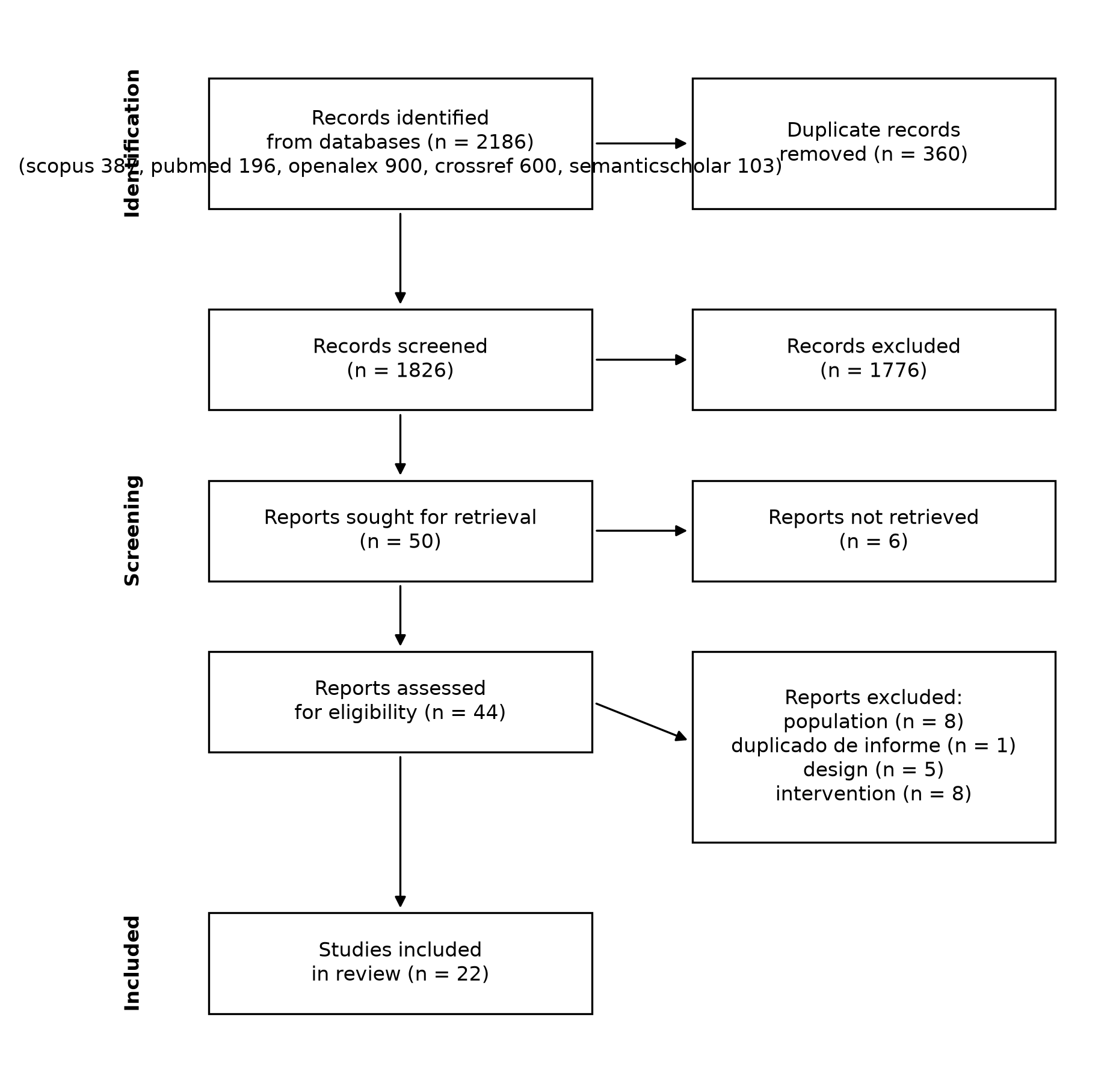
Figure 1. PRISMA 2020 flow diagram of study selection.
Note: Records come from Scopus, PubMed, OpenAlex, Crossref and Semantic Scholar. Source: Elaboración propia.Study characteristics
The 22 included studies were published between 2015 and 2025. Two were parallel randomised trials, seven were randomised crossover or laboratory studies, one was a controlled pilot, one was a comparative evaluation of an application with and without game elements, and eleven were development, validation or usability studies. Seven studies tested active video games, five tested gamified applications or web programs, six described educational video games for children and adolescents with type 1 diabetes or for diabetic foot care, and four tested or proposed games for the training of professionals in diabetes care. Participants were adults with hypertension in four studies and people with type 1 diabetes in nine, and no included study reported results specific to adults with type 2 diabetes (Table 1).
Study | Country | Design and participants | Game intervention and comparator | Main finding |
|---|---|---|---|---|
Diehl et al.(23) | Brazil | Randomised trial; 161 primary care physicians (134 completed) | InsuOnline serious game on insulin therapy versus a CME session | Competence score rose from 52% to 92% with the game and to 85% with CME |
Cruvinel-Júnior et al.(24) | Brazil | Randomised trial; 62 adults with diabetic neuropathy | Web foot-ankle exercise program with gamification components versus usual care | Less foot pain and better foot function; glycaemia not measured |
Silva et al.(25) | Brazil | Randomised crossover; 15 adults with hypertension | AVG versus sedentary game, treadmill walking and rest | SBP fell 14.4 mmHg after the AVG and 16.9 mmHg after walking |
Silva et al.(26) | Brazil | Randomised crossover; 14 women with hypertension | AVG versus sedentary game and walking | SBP and DBP fell 11.6 and 8.7 mmHg after the AVG, with no fall after the sedentary game |
Silva et al.(27) | Brazil | Randomised crossover pilot; 5 women with hypertension | AVG versus sedentary game | Energy expenditure 3.6 versus 1.5 kcal/min |
de Brito Gomes et al.(28) | Brazil | Randomised crossover; 10 adults with T1DM | AVG versus running and rest | No post-exercise hypotension; higher endothelial function and enjoyment after the AVG |
Luiz de Brito Gomes et al.(29) | Brazil | Randomised crossover; 10 patients with T1DM | Kinect game versus running | Correlation of perceived exertion with MET r = 0.42 in the game and 0.64 in running |
Brito-Gomes et al.(30) | Brazil | Randomised crossover; 10 patients with T1DM | Exergame versus running and rest | Estimated MET exceeded measured MET in the exergame (5.77 versus 3.98) |
de Brito-Gomes et al.(31) | Brazil | Randomised crossover; patients with T1DM | AVG versus running, matched for volume and intensity | Similar blood biochemistry at 24 h; HDL rise above the MDD of 4.1 mg/dL after the AVG |
Diehl et al.(32) | Brazil | Controlled pilot; 41 students and residents | InsuOnline versus lecture and case discussion | Knowledge score 61% to 90% with the game and 68% to 89% with the lecture |
Diehl et al.(33) | Brazil | Usability pilot; 6 then 20 testers | InsuOnline prototype and beta version | System Usability Scale 88 and then 92.5 |
Cechetti et al.(34) | Brazil | Comparative evaluation; 14 patients with hypertension | Monitoring application with versus without game elements | Game elements favoured engagement |
Ferreira et al.(35) | Brazil | Delphi validation; 9 specialists and 20 users with diabetes | Web software with gamified foot-ankle exercises | Content validity approval of 100% and 97% in round two |
Sparapani et al.(36) | Brazil | Focus groups; 19 children with T1DM | Needs and preferences for a video game | Children reported gaps in knowledge and self-care difficulties |
Sparapani et al.(37) | Brazil | Methodological study; 21 children with T1DM | Conceptual framework for a six-phase video game | Framework built from children's needs and behaviour change theories |
Sparapani et al.(38) | Brazil | Methodological study; children with T1DM | Heroes of Diabetes, four mini games | Design process linked to behaviour change determinants |
Sparapani et al.(39) | Brazil | Prototype test; 12 experts and 5 children | Paper and medium-fidelity serious game prototypes | Content validity ratio 0.80 and then 0.88; children found it enjoyable |
Serafim et al.(40) | Brazil | Methodological study; 16 adolescents and 6 professionals | Serious game with the character Didi on daily self-care | Adolescents rated gameplay, content and design as satisfactory |
Arce Jiménez et al.(41) | Mexico | Expert heuristic evaluation | Gamified application for diabetes education | Problems in help and documentation |
Arce-Jiménez et al.(42) | Mexico | Development proposal | Gamified mobile application based on the DiabetIMSS program | No outcome data |
Ribeiro et al.(43) | Brazil | Development study | Mario Diet, a digital educational game on diabetic foot self-care | No outcome data |
Riva et al.(44) | Brazil | Development proposal | VR simulator for training primary health care professionals in diabetic foot | Usability planned |
Note: AVG = active video game; BP = blood pressure; CME = continuing medical education; DBP = diastolic blood pressure; MDD = minimal detectable difference; MET = metabolic equivalent; SBP = systolic blood pressure; T1DM = type 1 diabetes mellitus; VR = virtual reality. The sample size of de Brito-Gomes et al. (2025) was not given in the abstract. Source: Elaboración propia a partir de los informes incluidos.
Participants varied widely in age and condition. The adults with hypertension were women aged 47 to 68 years in the study of Silva et al.,( 26) men and women with a mean age of 49.0 years in the study of Silva et al.,( 25) and women with a mean age of 55.6 years in the pilot of Silva et al..( 27) The adults with type 1 diabetes in the trial of de Brito Gomes et al.( 28) had a mean age of 24.9 years and a mean diabetes duration of 11.5 years, and seven of the ten were men. The children in the focus groups of Sparapani et al.( 36) had a mean age of 9.8 years. The primary care physicians in the trial of Diehl et al.( 23) had a mean age of 38 years, and 51.4% of the 134 completers were men.
Blood pressure and glycaemic outcomes
Three studies measured blood pressure, and all of them did so after single sessions. Silva et al.( 25) studied 15 adults with hypertension in five randomised 60-minute sessions, and SBP fell 14.4 mmHg after the active video game and 16.9 mmHg after moderate treadmill walking, while the sedentary video game also lowered SBP by 10.0 mmHg and the no-exercise control did not change. Silva et al.( 26) studied 14 women with hypertension and recorded falls of 11.6 mmHg in SBP and 8.7 mmHg in DBP after the active game, against 10.8 and 8.6 mmHg after walking and no fall after the sedentary game. de Brito Gomes et al.( 28) found no post-exercise hypotension in 10 adults with type 1 diabetes after the active game or running (Table 1).
The physiological detail of these sessions was reported in the same trials. In the women studied by Silva et al.,( 26) oxygen consumption reached 10.0 ml/kg/min during the active game, 16.6 ml/kg/min during walking and 4.1 ml/kg/min during the sedentary game, and every session was rated as enjoyable without a difference between them. Parasympathetic activity at 30 and 45 minutes was higher after the active game than after walking. Silva et al.( 25) also reported lower sympathetic modulation of the heart after the active game, and diastolic pressure fell 7.6 mmHg after the active game, 8.3 mmHg after moderate walking and 7.5 mmHg after the sedentary game. In the trial of de Brito Gomes et al.,( 28) vessel diameter and endothelial function were higher after the active game than after running, with endothelial function of 45.4% against 26.8% at 24 hours, and enjoyment scored 9.4 against 7.7.
Silva et al.( 27) measured energy expenditure rather than blood pressure in five women with hypertension, and obtained 3.6 kcal/min during the active game and 1.5 kcal/min during the sedentary game. They concluded that heart rate stayed below the level recommended for antihypertensive training even though energy expenditure was adequate. No study reported blood pressure after repeated sessions, ambulatory blood pressure or office blood pressure against usual care.
Glycaemic outcomes were scarcer. No included study reported glycated haemoglobin or fasting glucose as an outcome. de Brito-Gomes et al.( 31) compared 24-hour blood responses after an active video game and after running matched for volume and intensity in patients with type 1 diabetes, and found similar biochemical values, except for an HDL increase above the minimal detectable difference of 4.1 mg/dL after the game. Luiz de Brito Gomes et al.( 29) and Brito-Gomes et al.( 30) studied how exertion and energy expenditure could be monitored during exergaming in type 1 diabetes. Perceived exertion correlated with measured MET at r = 0.42 in the game and 0.64 in running, and estimated MET exceeded measured MET in the exergame (5.77 versus 3.98).
Cruvinel-Júnior et al.( 24) ran the only trial with a usual care comparator among patients. They randomised 62 adults with diabetic peripheral neuropathy to a web foot-ankle exercise program with gamification components or to usual care, and the program reduced foot pain and improved foot function. The incremental cost-effectiveness ratios ranged from USD 5.37 to USD 148.71 per unit of improvement in the clinical outcomes. The program did not prove cost-effective in quality-adjusted life years, and the authors stated that blood glucose and glycated haemoglobin were not tracked. The software had been developed and validated by Ferreira et al.,( 35) whose content validity reached 100% among nine specialists and 97% among 20 users with diabetes after two Delphi rounds. The software combined foot care recommendations, self-assessment of the feet and customised exercises, and its gamification rewarded each completed exercise regardless of physical capacity.
Across the 22 studies, the primary outcomes of the review were therefore scarce. Blood pressure was measured in 3 studies, all after single sessions, glycated haemoglobin in none, and a usual care comparator was used in 1 study, whose outcomes were foot pain and function. A traditional education session served as the comparator in the 2 InsuOnline studies with a control arm, and an exercise or sedentary-game arm served as the comparator in the 7 laboratory studies.
Knowledge, usability and engagement outcomes
Diehl et al.( 23) carried out the largest trial of the review. They randomised 161 primary care physicians from southern Brazil to the InsuOnline game or a continuing education session of the same content and duration, and 134 completed the intervention (69 of 88 with the game and 65 of 73 with the session). The competence score rose from 52% at baseline to 92% with the game and 85% with the session, and after three months it stood at 80% and 76%. The absolute gain was 40% with the game and 34% with the session. The earlier pilot by Diehl et al.( 32) in 41 students and residents showed gains in both arms, from 61% to 90% with the game and from 68% to 89% with the lecture. The usability pilot by Diehl et al.( 33) scored the prototype 88 and the beta version 92.5 on the System Usability Scale.
For children and adolescents with type 1 diabetes, five studies from Brazil described the stages before any trial. Sparapani et al.(36) held focus groups with 19 children, who reported gaps in knowledge about the disease and difficulties with self-care tasks. Sparapani et al.(37) built a framework of nine steps and six game phases from the preferences of 21 children aged 7 to 12 years. Sparapani et al.(38) then described four mini games on the understanding of the disease, the role of insulin, the requirements of glucose self-monitoring, food groups and the role of physical activity in glycaemic control. Sparapani et al.(39) tested paper and medium-fidelity prototypes with 12 experts, with a content validity ratio of 0.80 that rose to 0.88, and observed five children, who rated the game as enjoyable. Serafim et al.(40) gathered requirements from 16 adolescents aged 10 to 19 years and six professionals, and built a game in which the character Didi presents daily routines such as waking, hygiene, capillary glucose monitoring and insulin application. The adolescents rated gameplay, content and design as satisfactory.
Engagement was examined in a single study. Cechetti et al.( 34) compared two versions of a monitoring application for hypertension, with and without game elements, among 14 patients divided into four groups, and found that the version with game elements favoured engagement and intrinsic motivation. Engagement was measured with a questionnaire, a technology acceptance questionnaire, system logs and participant feedback, and the groups assisted by health professionals spent more time with the application. The Mexican reports were limited to design stages. Arce Jiménez et al.(41) found that experts rated a gamified diabetes education application favourably on recognition rather than recall but identified problems in help and documentation, and Arce-Jiménez et al.( 42) proposed an application based on the DiabetIMSS program. Ribeiro et al.( 43) described the digital game Mario Diet, built on an integrative review of 11 articles selected from 7,086, and Riva et al.( 44) proposed a virtual reality simulator to train primary health care professionals in the diabetic foot, with usability tests still planned.
Risk of bias
Both parallel trials had features that limit confidence. In the trial by Diehl et al.,( 23) allocation used simple randomisation with an online generator, participants could not be blinded, the outcome was a self-assessed competence questionnaire, and 27 of 161 participants did not complete the intervention, so the overall judgement was high risk. In the trial by Cruvinel-Júnior et al.,( 24) allocation used permuted blocks in sealed opaque envelopes and assessors were blinded, but participants knew their arm and the main outcomes were symptoms and function reported by patients, so the overall judgement was some concerns (Table 2).
For the seven randomised crossover studies, the judgement was some concerns in every case. Order of sessions was randomised, and blood pressure and gas exchange are objective measures, yet participants could not be blinded, washout periods were short (at least 48 hours in Silva et al.(26)), samples ranged from 5 to 15 participants, and prospective registration was confirmed only for de Brito Gomes et al..(28) Cechetti et al.(34) compared groups of unequal support in 14 patients without randomisation described in the abstract, which implies serious confounding on the ROBINS-I scale. The controlled pilot by Diehl et al.( 32) was judged at serious risk, because its abstract did not describe allocation and the game group scored lower at baseline (p = 0.04). The remaining 11 studies were development or usability work and received no rating. Certainty about any effect on blood pressure or glycaemic control was judged very low, because the evidence came from few small studies of single sessions with indirect comparators and outcomes.
Study | Tool | Judgement | Main reasons |
|---|---|---|---|
Diehl et al.(23) | RoB 2 | High risk | Unblinded participants; self-assessed outcome; 27 of 161 did not complete |
Cruvinel-Júnior et al.(24) | RoB 2 | Some concerns | Concealed allocation and blinded assessors; participants unblinded; patient-reported main outcomes |
Silva et al.(25) | RoB 2 crossover | Some concerns | Randomised order and objective outcome; participants unblinded; 15 participants |
Silva et al.(26) | RoB 2 crossover | Some concerns | Randomised order and objective outcome; 7 of 21 withdrew; interval of 48 hours |
Silva et al.(27) | RoB 2 crossover | Some concerns | Randomised order; 5 participants; outcome other than blood pressure |
de Brito Gomes et al.(28) | RoB 2 crossover | Some concerns | Prospective registration; no dropout; 10 participants; participants unblinded |
Luiz de Brito Gomes et al.(29) | RoB 2 crossover | Some concerns | Washout of 72 to 196 hours; 10 participants |
Brito-Gomes et al.(30) | RoB 2 crossover | Some concerns | 10 participants; outcome other than blood pressure or glycaemia |
de Brito-Gomes et al.(31) | RoB 2 crossover | Some concerns | Sample size not given in the abstract; abstract-level assessment |
Diehl et al.(32) | ROBINS-I | Serious risk | Allocation not described; baseline difference between groups |
Cechetti et al.(34) | ROBINS-I | Serious risk | 14 patients in groups with unequal support; randomisation not described |
Note: RoB 2 was applied to randomised studies with crossover considerations and ROBINS-I to non-randomised comparisons. Development and usability studies were not rated. All judgements await verification by the authors. Source: Elaboración propia a partir de los informes incluidos.
DISCUSSION
The evidence from Latin America on digital games for hypertension and diabetes consists mainly of small laboratory studies and development work, and it does not answer the question posed in primary care. Of the 22 studies, three measured blood pressure after a single session, none reported glycated haemoglobin, and the only trial with a usual care comparator among patients measured foot pain and function. Brazilian groups produced 20 of the 22 studies, so the findings describe one country more than a region. This pattern complements the mapping of De Sá et al.,( 17) who identified 17 studies of mobile games for patients with chronic diseases, because the present review narrows the question to hypertension and diabetes in the region and shows that clinical outcomes remain almost unreported.
The acute blood pressure findings agree with work done elsewhere. Vorwerg-Gall et al.( 45) observed that systolic pressure fell after two virtual reality exergame sessions in 22 hypertensive adults older than 65 years, and Silva et al.( 25) recorded falls of similar size after an active video game and treadmill walking. Brasil et al.( 46) reviewed the mechanisms of post-exercise hypotension and related it to autonomic changes that reduce cardiac output or to sustained vasodilatation, although they noted that local vasodilator factors have been proposed in place of autonomic control. Halliwill et al.( 47) described the sustained vasodilatation that follows a single aerobic bout. Not every observation favours the game as such: in the trial by Silva et al.( 25) the sedentary video game lowered systolic pressure by 10.0 mmHg, so a share of the fall may reflect rest and the laboratory setting and not the active component. Silva et al.( 27) added that heart rate during the active game stayed below the range recommended for antihypertensive training, although energy expenditure was adequate.
Several of the laboratory studies compared the active game with an exercise arm and described the responses as similar, which is a claim of equivalence and not of superiority. Silva et al.( 26) based their sample size on an effect size of 1.41 for a pre-post difference, with one-sided testing, which is adequate to detect a fall in pressure but not to show that a game and a walk produce the same fall. With 14 or 15 participants and no confidence intervals in the abstracts, the data cannot exclude a clinically relevant difference between the game and walking. Similarity should therefore be read as compatibility with equivalence, and later trials should state a margin of equivalence in millimetres of mercury before data collection.
The T1DM trial by de Brito Gomes et al.,( 28) in which no post-exercise hypotension appeared, differs from the hypertensive samples because those participants were young adults with a mean age of 24.9 years and presumably normal pressure. This reading is an inference, since the report gives no baseline pressure categories. Unlike the findings of the Latin American laboratory studies, Hou et al.( 48) randomised 128 older adults with hypertension to 16 weeks of exergame, bicycle training or control and found no significant difference in systolic or diastolic pressure. None of the Latin American studies tested repeated exposure. Acute falls and sustained control are different outcomes, and the first cannot be used to support the second. Hernández-Martínez et al.( 49) pooled six trials in children with overweight or obesity and showed that exergaming lowered systolic pressure, which agrees with the acute direction but concerns another population. A recommendation that follows from these comparisons is to measure ambulatory pressure after at least eight weeks of exposure in hypertensive adults, with a walking or usual care arm.
For glycaemic control the review found no regional evidence to set against global estimates. Kaihara et al.( 13) reported a fall of 0.21 in glycated haemoglobin with gamification in three trials, whereas Yao et al.( 14) obtained a non-significant -0.09% in nine studies of electronic games, and Martos-Cabrera et al.( 50) obtained a difference of 0.12 that was also not significant. Ossenbrink et al.( 12) counted improvements in glycated haemoglobin in only 2 of 6 trials. Along the same lines, Reinders et al.( 18) noted that the positive effects reported for diabetes games in research settings rarely extend to games that patients can actually download. The Latin American work on type 1 diabetes reached the stage of prototypes and acute physiology, as shown by de Brito-Gomes et al.,( 31) who reported a rise in HDL cholesterol but similar values on the remaining biochemical measures. A pragmatic trial in adults with type 2 diabetes, the group most represented in the global reviews and without specific results in the Latin American studies, would close this gap if it took glycated haemoglobin at 3 and 6 months as the primary outcome.
The strongest Latin American evidence in primary care concerns professionals, not patients. Diehl et al.( 23) found a larger gain in insulin-prescribing competence with the game than with a session of the same duration (40% versus 34%), and both groups remained above baseline at three months (80% and 76%). Just as Burgon et al.( 51) used a gamified web platform to align primary care physicians in the United States with evidence-based decisions, the Brazilian trial treated clinical inertia as a problem of competence that a game can address. The limitation is that competence was self-assessed and that the study did not follow patients, so it cannot show that better insulin prescribing reached glycated haemoglobin. A follow-up that links physicians who played the game to the glycaemic control of their patients would test that step directly.
Primary care in the region has hosted digital trials that were not game-based, and their scale sets a benchmark. Araya et al.( 7) randomised 880 patients in São Paulo and 432 in Lima, while the largest Latin American game trial among patients enrolled 62 participants. Debon et al.( 52) ran a three-month controlled pilot of an m-Health application in the Family Health Strategy with 39 patients with hypertension and observed that systolic and diastolic pressure moved towards more adequate levels only in the intervention group. Their report does not describe the application as game-based, so it cannot be counted as evidence for games. Silveira et al.( 53) judged a mobile decision support system feasible for 10 family physicians who registered 535 patients with hypertension. Mbuthia et al.( 6) concluded that community health worker interventions reduced blood pressure in low-income and middle-income countries. A game that is to be recommended for primary care should therefore be compared with these established options and not only with no intervention.
The weight of type 1 diabetes in the Latin American studies departs from the global reviews. Ossenbrink et al.( 12) and Kaihara et al.( 13) restricted their reviews to type 2 diabetes, whereas nine of the 22 included studies enrolled people with type 1 diabetes, mainly children and young adults in Brazil. Charlier et al.( 54) pooled randomised trials of serious games in young people with chronic conditions and obtained an effect of 0.361 on knowledge, a type of trial that the Brazilian prototypes have not yet reached. Pairing the prototypes of Sparapani et al.( 39) with a randomised comparison on knowledge and glycated haemoglobin would extend the user-centred design work to outcomes.
Engagement is the argument most often used for games, and the evidence here is thin. Cechetti et al.( 34) found that game elements favoured engagement in 14 patients with hypertension, but the groups were small and unequal in support, so the result cannot separate the effect of the elements from the effect of professional contact. Nishi et al.( 55) pooled 36 trials of apps with and without gamification and detected trivial increases in steps and small reductions in adiposity, with no differences in other outcomes, which indicates modest clinical gains from gamification features. Charlier et al.( 54) obtained a pooled effect of 0.361 on knowledge for serious games in young people with chronic conditions, a result that resembles the knowledge gains reported by Diehl et al.( 32) in trainees. Knowledge is nevertheless a step before behaviour and physiology, and no Latin American study followed children with type 1 diabetes to glycaemic outcomes.
For primary care teams the practical reading is conservative. Active video games raised energy expenditure above that of a sedentary game, as in the women studied by Silva et al.,( 26) although oxygen consumption stayed below that of treadmill walking, and the two studies that measured enjoyment found it high. They may therefore serve patients who do not tolerate or enjoy walking, but the available data do not support prescribing them in place of exercise guidance. The economic data come from a single study: Cruvinel-Júnior et al.( 24) reported low incremental cost-effectiveness ratios per unit of clinical improvement but no cost-effectiveness per quality-adjusted life year, and their program bundled exercise with gamification components, so the contribution of the game cannot be isolated. Future trials of games should therefore record costs from the health system perspective and include an arm without game elements.
Several aspects of the evidence limit its use in practice, and each has a recommendation. Connectivity and device access, which León Altamirano and Correa( 9) identified as barriers to telemedicine in Buenos Aires, were not reported in the included reports available to this review, so trials should record the proportion of eligible patients who could not take part for technological reasons. The evidence is concentrated in Brazil and Mexico, which restricts generalisation to Andean, Central American and Caribbean health systems, and calls for registered trials in at least two additional countries. Most studies had fewer than 20 participants and several lacked a comparator, so future trials should state a minimum sample size for the primary outcome and use usual care as the control.
The strengths of this review are a search that combined five sources and three languages, coded eligibility criteria, an explicit count of the reports that could not be retrieved, and a refusal to read the absence of glycaemic data as an absence of effect.
No included study described delivering a game to patients within a primary care unit, in the reports available here. The only studies tied to primary care concerned its professionals, and the patient studies took place in laboratories, outpatient services or unspecified settings. This matters because the review question refers to usual care in primary care, a comparator that exists in the Family Health Strategy of Brazil and in the primary care networks of other countries, yet none of the games has been tried there against it. A feasible next study is a cluster randomised trial in which primary care units are assigned to a game-supported programme or to usual care, with glycated haemoglobin at 3 and 6 months, office and ambulatory blood pressure, attendance and cost as outcomes, and with reporting of the share of invited patients who own a suitable device. Such a design answers the question that the 22 studies leave open.
CONCLUSIONS
Digital game interventions for hypertension and diabetes in Latin America have been described in a small body of studies, mostly Brazilian, that are dominated by development work and single-session laboratory trials. Blood pressure falls after one session of an active video game in hypertensive adults, but no study has tested repeated exposure, and no study has reported glycated haemoglobin or compared a game with usual care for blood pressure or glycaemic control in primary care. Evidence on knowledge, usability and engagement is encouraging yet limited to small or early-stage studies, and the largest trial improved the insulin-prescribing competence of primary care physicians without following patients. The risk of bias was some concerns or high in every study that could be rated, and the certainty that games improve blood pressure or glycaemic control in Latin American primary care is very low.
References
- 1 Brant LCC, Miranda JJ, Carrillo-Larco RM, Flood D, Irazola V, Ribeiro ALP. Epidemiology of cardiometabolic health in Latin America and strategies to address disparities. Nat Rev Cardiol. 2024;21(12):849-864. doi: 10.1038/s41569-024-01058-2
- 2 Joseph P, Lanas F, Roth G, Lopez-Jaramillo P, Lonn E, Miller V, et al. Cardiovascular disease in the Americas: the epidemiology of cardiovascular disease and its risk factors. The Lancet Regional Health - Americas. 2025;42:100960. doi: 10.1016/j.lana.2024.100960
- 3 Ilic I, Ilic M. The burden of type 2 diabetes mellitus in Latin America, 1990–2019: findings from the Global Burden of Disease study. Public Health. 2024;233:74-82. doi: 10.1016/j.puhe.2024.05.009
- 4 Vera-Ponce VJ, Loayza-Castro JA, Zuzunaga-Montoya FE, Vásquez-Romero LEM, Sanchez-Tamay NM, Bustamante-Rodríguez JC, et al. Prevalence of prehypertension and high normal blood pressure in Latin America: A systematic review with meta-analysis. Hipertensión y Riesgo Vascular. 2025;42(3):180-194. doi: 10.1016/j.hipert.2025.02.001
- 5 Zhou B, Rayner AW, Gregg EW, Sheffer KE, Carrillo-Larco RM, Bennett JE, et al. Worldwide trends in diabetes prevalence and treatment from 1990 to 2022: a pooled analysis of 1108 population-representative studies with 141 million participants. The Lancet. 2024;404(10467):2077-2093. doi: 10.1016/s0140-6736(24)02317-1
- 6 Mbuthia GW, Magutah K, Pellowski J. Approaches and outcomes of community health worker’s interventions for hypertension management and control in low-income and middle-income countries: systematic review. BMJ Open. 2022;12(4):e053455. doi: 10.1136/bmjopen-2021-053455
- 7 Araya R, Menezes PR, Claro HG, Brandt LR, Daley KL, Quayle J, et al. Effect of a Digital Intervention on Depressive Symptoms in Patients With Comorbid Hypertension or Diabetes in Brazil and Peru. JAMA. 2021;325(18):1852. doi: 10.1001/jama.2021.4348
- 8 Marcolino MS, Oliveira JAQ, D'Agostino M, Ribeiro AL, Alkmim MBM, Novillo-Ortiz D. The Impact of mHealth Interventions: Systematic Review of Systematic Reviews. JMIR Mhealth Uhealth. 2018;6(1):e23. doi: 10.2196/mhealth.8873
- 9 Leon Altamirano CF, Manuel Correa FJ. Analysis of the Acceptability of Telemedicine in patients with Diabetes Mellitus. SAP Primary Care. 2025;1:24. doi: 10.62486/pc202524
- 10 Asadzandi S, Sedghi S, Bigdeli S, Sanjari M. A systematized review on diabetes gamification. mjiri. 2020;34:168. doi: 10.47176/mjiri.34.168
- 11 Höchsmann C, Schüpbach M, Schmidt-Trucksäss A. Effects of Exergaming on Physical Activity in Overweight Individuals. Sports Med. 2016;46(6):845-860. doi: 10.1007/s40279-015-0455-z
- 12 Ossenbrink L, Haase T, Timpel P, Schoffer O, Scheibe M, Schmitt J, et al. Effectiveness of Digital Health Interventions Containing Game Components for the Self-management of Type 2 Diabetes: Systematic Review. JMIR Serious Games. 2023;11:e44132. doi: 10.2196/44132
- 13 Kaihara T, Intan-Goey V, Scherrenberg M, Falter M, Frederix I, Akashi Y, et al. Impact of gamification on glycaemic control among patients with type 2 diabetes mellitus: a systematic review and meta-analysis of randomized controlled trials. Eur Heart J Open. 2021;1(3):oeab030. doi: 10.1093/ehjopen/oeab030
- 14 Yao W, Han Y, Yang L, Chen Y, Yan S, Cheng Y. Electronic Interactive Games for Glycemic Control in Individuals With Diabetes: Systematic Review and Meta-Analysis. JMIR Serious Games. 2024;12:e43574. doi: 10.2196/43574
- 15 Lim YS, Ho B, Goh Y. Effectiveness of game‐based exercise interventions on modifiable cardiovascular risk factors of individuals with type two diabetes mellitus: A systematic review and meta‐analysis. Worldviews Ev Based Nurs. 2023;20(4):377-400. doi: 10.1111/wvn.12615
- 16 Davis AJ, Parker HM, Gallagher R. Gamified applications for secondary prevention in patients with high cardiovascular disease risk: A systematic review of effectiveness and acceptability. Journal of Clinical Nursing. 2021;30(19-20):3001-3010. doi: 10.1111/jocn.15808
- 17 de Sá KC, Martins MG, da Costa CA, Barbosa JLV, da Rosa Righi R. A Mapping Study on Mobile Games for Patients of Chronic Diseases. J Med Syst. 2017;41(9):138. doi: 10.1007/s10916-017-0781-9
- 18 Reinders EFH, de Vries R, Wouters – van Poppel PCM, Van Riel NAW, Haak HR. Serious digital games for diabetes Mellitus: A scoping review of its current State, Accessibility, and functionality for patients and healthcare providers. Diabetes Research and Clinical Practice. 2024;216:111833. doi: 10.1016/j.diabres.2024.111833
- 19 Page MJ, McKenzie JE, Bossuyt PM, Boutron I, Hoffmann TC, Mulrow CD, et al. The PRISMA 2020 statement: an updated guideline for reporting systematic reviews. BMJ. 2021;372:n71. doi: 10.1136/bmj.n71
- 20 Rethlefsen ML, Kirtley S, Waffenschmidt S, Ayala AP, Moher D, Page MJ, et al. PRISMA-S: an extension to the PRISMA Statement for Reporting Literature Searches in Systematic Reviews. Syst Rev. 2021;10(1):39. doi: 10.1186/s13643-020-01542-z
- 21 Sterne JAC, Savović J, Page MJ, Elbers RG, Blencowe NS, Boutron I, et al. RoB 2: a revised tool for assessing risk of bias in randomised trials. BMJ. 2019:l4898. doi: 10.1136/bmj.l4898
- 22 Sterne JA, Hernán MA, Reeves BC, Savović J, Berkman ND, Viswanathan M, et al. ROBINS-I: a tool for assessing risk of bias in non-randomised studies of interventions. BMJ. 2016:i4919. doi: 10.1136/bmj.i4919
- 23 Diehl LA, Souza RM, Gordan PA, Esteves RZ, Coelho ICM. InsuOnline, an Electronic Game for Medical Education on Insulin Therapy: A Randomized Controlled Trial With Primary Care Physicians. J Med Internet Res. 2017;19(3):e72. doi: 10.2196/jmir.6944
- 24 Cruvinel-Júnior RH, Ferreira JSSP, Veríssimo JL, Monteiro RL, Silva ÉQ, Suda EY, et al. Affordable web-based foot–ankle exercise program proves effective for diabetic foot care in a randomized controlled trial with economic evaluation. Sci Rep. 2024;14(1):16094. doi: 10.1038/s41598-024-67176-6
- 25 Silva TFD, França ACLD, Souza MFD, Silva AS. A single session of active video game play promotes post-exercise hypotension in hypertensive middle-aged subjects. Hum Mov. 2018;19(2):82-89. doi: 10.5114/hm.2018.74063
- 26 da Silva TF, Cirilo-Souza MDS, de Souza MF, Veloso Neto G, dos Santos MAP, Silva AS. Energy demand in an active videogame session and the potential to promote hypotension after exercise in hypertensive women. PLoS ONE. 2018;13(12):e0207505. doi: 10.1371/journal.pone.0207505
- 27 SILVA T, SOUSA M, SOUZA M, BASTOS V, VELOSO NETO G, SILVA A. Dispendio Energético do Video Game Ativo pode ser suficiente como Exercício Físico para o Tratamento da Hipertensão Arterial: Estudo Piloto. Rev bras ciênc Saúde. 2015;19(Supl.2):59-66. doi: 10.4034/rbcs.2015.19.s2.09
- 28 Gomes JLDB, Vancea DMM, Cappato de Araújo R, Soltani P, Guimarães FJDSP, Costa MDC. Cardiovascular and Enjoyment Comparisons after Active Videogame and Running in Type-1 Diabetics: A Randomized Crossover Trial. Games for Health Journal. 2021;10(5):g4h.2020.0209. doi: 10.1089/g4h.2020.0209
- 29 Luiz de Brito Gomes J, Soltani P, Barbosa RR, Gomes JAF, Costa MDC. Is rating of perceived exertion a valid method for monitoring exergaming intensity in type-1 diabetics? A cross-sectional randomized trial. Journal of Bodywork and Movement Therapies. 2023;36:432-437. doi: 10.1016/j.jbmt.2023.05.018
- 30 Brito-Gomes JLD, Barbosa RR, Nunes SMS, Ferreira GBS, Costa MDC. Do estimated metabolic equivalent and energy expenditure verify the physical effort of type-1 diabetics in resting and exercise situations? A randomized crossover trial. Rev Bras Ciênc Esporte. 2022;44:e000222. doi: 10.1590/rbce.44.e000222
- 31 de Brito-Gomes JL, Vancea DMM, Soltani P, Reis ARR, Costa MC. 24-hour blood response comparison between exergaming and aerobic exercise in type-1 diabetes: A randomised study. Science & Sports. 2025;40(8):661-669. doi: 10.1016/j.scispo.2025.07.009
- 32 Diehl LA, Gordan PA, Esteves RZ, Coelho ICMM. Effectiveness of a serious game for medical education on insulin therapy: a pilot study. Arch Endocrinol Metab. 2015;59(5):470-473. doi: 10.1590/2359-3997000000118
- 33 Diehl LA, de Souza RM, Gordan PA, Esteves RZ, Coelho ICM. User Assessment of “InsuOnLine,” a Game to Fight Clinical Inertia in Diabetes: A Pilot Study. Games for Health Journal. 2015;4(5):335-343. doi: 10.1089/g4h.2014.0111
- 34 Cechetti NP, Bellei EA, Biduski D, Rodriguez JPM, Roman MK, De Marchi ACB. Developing and implementing a gamification method to improve user engagement: A case study with an m-Health application for hypertension monitoring. Telematics and Informatics. 2019;41:126-138. doi: 10.1016/j.tele.2019.04.007
- 35 Ferreira JSSP, Sacco ICN, Siqueira AA, Almeida MHM, Sartor CD. Rehabilitation technology for self-care: Customised foot and ankle exercise software for people with diabetes. PLoS ONE. 2019;14(6):e0218560. doi: 10.1371/journal.pone.0218560
- 36 Sparapani VDC, Fels S, Nascimento LC. The Value of Children's Voices for a Video Game Development in the Context of Type 1 Diabetes: Focus Group Study. JMIR Diabetes. 2017;2(2):e17. doi: 10.2196/diabetes.7652
- 37 Sparapani VDC, Fels S, Kamal N, Nascimento LC. Conceptual framework for designing video games for children with type 1 diabetes. Rev Latino-Am Enfermagem. 2019;27:e3090. doi: 10.1590/1518-8345.2764.3090
- 38 Sparapani VDC, Fels S, Kamal N, Ortiz La Banca R, Nascimento LC. A Video Game for Brazilian T1D Children about Knowledge of Disease and Self-care: A Methodological Study. J Diabetes Sci Technol. 2022;16(6):1444-1450. doi: 10.1177/19322968211017555
- 39 Sparapani VC, Petry ADS, Barber ROLB, Nascimento LC. Prototyping Process and Usability Testing of a Serious Game for Brazilian Children With Type 1 Diabetes. Comput Inform Nurs. 2023;41(12):941-948. doi: 10.1097/cin.0000000000001030
- 40 Serafim ARRDM, Silva ANS, Alcântara CMD, Queiroz MVO. Construção de serious games para adolescentes com diabetes mellitus tipo 1. Acta paul enferm. 2019;32(4):374-381. doi: 10.1590/1982-0194201900052
- 41 Jiménez ASA, Ramírez NAB, Santana-Mancilla PC, Romero JCM, Acosta-Díaz R. Heuristic Evaluation of a Gamified Application for Education in Patients with Diabetes. Proceedings of the 7th Mexican Conference on Human-Computer Interaction. 2018:1-4. doi: 10.1145/3293578.3293593
- 42 Arce-Jiménez AS, Barón-Ramírez N, Contreras-Castillo JJ. Aplicación gamificada para apoyo en la educación de personas con diabetes. Avances en IHC. 2018;3(1):83-87. doi: 10.47756/aihc.y3i1.54
- 43 Ribeiro K, De Oliveira Silva EJ, De Souza Filho RP, Vilela Cerqueira T, Gomes de Siqueira E, Sebba Tosta de Souza DM. Educação em saúde sobre pé diabético: jogo educativo. rsc. 2024;7(1):136-167. doi: 10.61411/rsc202410117
- 44 Riva G, Dores W, Damasio A, Cacione DG, Jorge J, Zorzal E. Virtual Reality applied to medical education and training on Diabetic Foot. 2023 IEEE Conference on Virtual Reality and 3D User Interfaces Abstracts and Workshops (VRW). 2023:174-177. doi: 10.1109/vrw58643.2023.00043
- 45 Vorwerg-Gall S, Stamm O, Haink M. Virtual reality exergame in older patients with hypertension: a preliminary study to determine load intensity and blood pressure. BMC Geriatr. 2023;23(1):527. doi: 10.1186/s12877-023-04245-x
- 46 Brasil IA, Silva JCPL, Pescatello LS, Farinatti P. Central and peripheral mechanisms underlying postexercise hypotension: a scoping review. J Hypertens. 2024;42(5):751-763. doi: 10.1097/hjh.0000000000003702
- 47 Halliwill JR, Buck TM, Lacewell AN, Romero SA. Postexercise hypotension and sustained postexercise vasodilatation: what happens after we exercise?. Experimental Physiology. 2013;98(1):7-18. doi: 10.1113/expphysiol.2011.058065
- 48 Hou HY, Chen J, Hai L, Wang P, Zhang JX, Li HJ. Effects of exergame and bicycle exercise intervention on blood pressure and executive function in older adults with hypertension: A three-group randomized controlled study. Experimental Gerontology. 2023;173:112099. doi: 10.1016/j.exger.2023.112099
- 49 Hernandez-Martinez J, Perez-Carcamo J, Melki H, Cid-Calfucura I, Vasquez-Carrasco E, Delgado-Floody P, et al. Effects of Exergaming on Morphological Variables, Biochemical Parameters, and Blood Pressure in Children and Adolescents with Overweight/Obesity: A Systematic Review with Meta-Analysis of Randomized Controlled Trials. Children. 2024;12(1):29. doi: 10.3390/children12010029
- 50 Martos-Cabrera MB, Membrive-Jiménez MJ, Suleiman-Martos N, Mota-Romero E, Cañadas-De la Fuente GA, Gómez-Urquiza JL, et al. Games and Health Education for Diabetes Control: A Systematic Review with Meta-Analysis. Healthcare. 2020;8(4):399. doi: 10.3390/healthcare8040399
- 51 Burgon T, Casebeer L, Aasen H, Valdenor C, Tamondong-Lachica D, de Belen E, et al. Measuring and Improving Evidence-Based Patient Care Using a Web-Based Gamified Approach in Primary Care (QualityIQ): Randomized Controlled Trial. J Med Internet Res. 2021;23(12):e31042. doi: 10.2196/31042
- 52 Debon R, Bellei EA, Biduski D, Volpi SS, Alves ALS, Portella MR, et al. Effects of using a mobile health application on the health conditions of patients with arterial hypertension: A pilot trial in the context of Brazil’s Family Health Strategy. Sci Rep. 2020;10(1):6009. doi: 10.1038/s41598-020-63057-w
- 53 Silveira DV, Marcolino MS, Machado EL, Ferreira CG, Alkmim MBM, Resende ES, et al. Development and Evaluation of a Mobile Decision Support System for Hypertension Management in the Primary Care Setting in Brazil: Mixed-Methods Field Study on Usability, Feasibility, and Utility. JMIR Mhealth Uhealth. 2019;7(3):e9869. doi: 10.2196/mhealth.9869
- 54 Charlier N, Zupancic N, Fieuws S, Denhaerynck K, Zaman B, Moons P. Serious games for improving knowledge and self-management in young people with chronic conditions: a systematic review and meta-analysis. J Am Med Inform Assoc. 2016;23(1):230-239. doi: 10.1093/jamia/ocv100
- 55 Nishi SK, Kavanagh ME, Ramboanga K, Ayoub-Charette S, Modol S, Dias GM, et al. Effect of digital health applications with or without gamification on physical activity and cardiometabolic risk factors: a systematic review and meta-analysis of randomized controlled trials. eClinicalMedicine. 2024;76:102798. doi: 10.1016/j.eclinm.2024.102798
Declarations
Funding
No financing
Conflict of interest
None
Authorship contributions
Drafting – original draft: Horacio Alen.
Writing–review and editing: Horacio Alen.