
Abstract
Introduction: Robotic, mirror and virtual reality training are widely proposed for arm recovery after stroke, but the trial portfolio registered in Latin America and the completeness of its registry entries have not been described. Methods: Cross-sectional registry study of interventional trials in ClinicalTrials.gov with stroke or hemiparesis conditions, at least one site in a Latin American country and a start year between 2012 and 2024. Records were screened by keywords and manual review, and eligible trials were coded by intervention class, design and completeness of upper-limb outcome registration. Proportions are reported with Wilson 95% confidence intervals. Results: Of 208 records with a Latin American site, 15 trials were eligible: 8 robotic, 5 virtual reality or game-based and 2 mirror therapy. All were single-site, from Brazil (8), Chile (4) and Mexico (3). Median registered enrollment was 32 participants (IQR 17-48). A primary outcome named the upper limb or an upper-limb instrument in 12 trials (80.0%; 95% CI 54.8-93.0), an adverse-event outcome was registered in 2 (13.3%) and results were posted for 1 (6.7%). Registration preceded the start month in 6 trials (40.0%). Conclusions: The registered portfolio is small, concentrated in three countries and led by robotic devices, and its entries rarely document safety, results or prospective registration. Registrants should state the limb, instrument and time point of each primary outcome and post results.
Keywords
stroke, upper extremity, virtual reality, robotics, clinical trials as topic, Latin America
INTRODUCTION
Stroke leaves a large share of survivors with a weak or paralysed arm, and the regional burden is considerable: pooled estimates for Latin America and the Caribbean reached 32 per 1000 for prevalence and 255 per 100 000 person-years for incidence.(1) Mortality from stroke has declined in most countries of the region, which may enlarge the pool of survivors who need rehabilitation.(2) In the region, the one-month case-fatality of first-ever stroke was 21.1% in a systematic review,(3) and temporal trends in incidence by age and sex have been analysed for the same area.(4) Access to rehabilitation is uneven, because low- and middle-income countries carry most stroke-related disability while rehabilitation services remain scarce and poorly prioritized.(5,6)
Improving upper limb function is a core element of stroke rehabilitation, and an overview of 40 reviews covering 18 individual interventions shows how many options compete for the same question.( 7) Three technology-based approaches dominate current proposals for arm recovery. Robot-assisted training improved arm function in a Cochrane review of 45 trials,(8) a Cochrane review of 62 studies found moderate-quality evidence that mirror therapy improves motor function,(9) and virtual reality did not differ significantly from conventional therapy for upper limb function.(10) Recent syntheses extend this evidence to immersive systems and serious games,(11,12) and narrative reviews describe the sensors and clinical applications that make virtual reality feasible for the upper limb.(13) The same reviews describe small samples and heterogeneous outcome measures, which suggests that the portfolio registered in a middle-income region would show a similar pattern: few starts, small enrollment, a few countries and entries that omit the details needed to judge outcomes.(10,14)
Trial registries are the public record of what was planned, and their completeness shapes later appraisal of selective reporting.( 15) Registration of trials from Latin America has increased, yet prospective registration remains incomplete.( 16) No description exists of how virtual reality, mirror, robotic and game-based arm rehabilitation after stroke is registered in the region. This study aimed to quantify the registrations of these trials with Latin American sites, to describe their enrollment and design, to assess how completely they register upper-limb outcomes, and to document results posting and registration timing.
METHODS
Design and reporting
This was a cross-sectional, registry-based study of interventional trials. Items of the STROBE statement that apply to registry research were followed, and the unit of analysis was the registered trial identified by its registry number. The study analysed public registry records only, so no participants were recruited and no ethics approval or consent procedure applied.
Data source and retrieval
Records came from the ClinicalTrials.gov application programming interface version 2, which is open and requires no login.(17) For each of 20 Latin American countries (Argentina, Bolivia, Brazil, Chile, Colombia, Costa Rica, Cuba, the Dominican Republic, Ecuador, El Salvador, Guatemala, Haiti, Honduras, Mexico, Nicaragua, Panama, Paraguay, Peru, Uruguay and Venezuela), a query requested interventional studies whose condition terms included stroke, hemiparesis, hemiplegia or cerebrovascular disease, whose location field matched the country and whose start date fell between 2012 and 2024. Puerto Rico and other non-sovereign territories were not queried. Results were merged by registry number, and a record was kept only when its site list contained a Latin American country. Coverage is described by start year, and the data are the snapshot available from the public interface.
A second sensitivity query combined intervention terms (virtual, mirror, robot, robotic, game, videogame, exoskeleton, exergame, immersive, Kinect, augmented) with wider condition terms (paresis, upper extremity, brain injury, neurological rehabilitation) in the same countries and period. Its purpose was to detect stroke records missed by the first query.
Eligibility and screening
Screening had two steps. A keyword screen of titles, intervention names, arm descriptions and summaries flagged records mentioning virtual, mirror, robot, exoskeleton, game, exergame, Kinect, Wii, Xbox, immersive, video, augmented, serious, biofeedback, brain-computer or interface. Flagged records were then reviewed against three rules: a stroke population, an intervention in one of the classes described below, and the upper limb as treatment target. Records with lower-limb, balance or gait targets, cerebral palsy populations, neurostimulation or mental practice without a technology class, and non-rehabilitation interventions were excluded, and the reason was recorded. Hemiparesis arising from cerebral palsy was excluded because the research question concerned stroke.
The scope covered all of Latin America rather than single countries, and the intervention class covered virtual reality, mirror, robotic and game-based rehabilitation, so that the portfolio could be described with enough units to support a descriptive analysis.
Variables
Intervention class was coded as robotic (end-effector robots, exoskeletons and robotic orthoses, including brain-computer interfaces that drove a robotic orthosis), virtual reality or game-based (immersive and non-immersive virtual environments, commercial video games and videogame therapy) or mirror therapy. Each trial received one class, and a trial that combined a robotic device with transcranial stimulation or a brain-computer interface kept the robotic class. When the registry text described more than one technology, the technology delivered to the arm in the experimental group decided the class. Trials in which virtual reality or video games delivered only balance or gait training were excluded by the upper-limb rule. Elements were coded as present only when the registry text supported them. A time frame counted when the field was not empty, a description counted when the field contained text, and a kinematic measure counted when the title of a primary outcome named kinematics, smoothness, jerk, velocity, curvature, range of motion, angle, cycle time or sway. An outcome that named an instrument only in its description was still counted as standardized. The coding was done by a single coder assisted by an artificial intelligence model (Claude, Anthropic) following written rules, and it is pending verification by the authors.
Registry variables were start year, start date type, country and number of sites, overall status, enrollment count and type, allocation, intervention model, masking, phase, lead sponsor class, and the numbers of primary and secondary outcomes. Secondary and other outcomes were assigned to ten domains by keywords applied to their titles and descriptions: independence in daily activities, quality of life, spasticity, strength or grip, dexterity, cognition or language (titles only), neurophysiology, usability or satisfaction, pain or fatigue, and movement quality. A trial counted once per domain. Completeness was assessed with ten elements derived from the outcome and status fields: a primary outcome that named the upper limb or an upper-limb instrument; a standardized clinical instrument (Fugl-Meyer, Wolf Motor Function Test, Action Research Arm Test, Box and Block Test, Nine Hole Peg Test, Motor Activity Log, Chedoke, Motor Index, Ashworth or dynamometry); an instrumented kinematic measure in the title of a primary outcome; a time frame for every outcome; a description for every primary outcome; an adverse-event or safety outcome; a primary outcome split into one entry per time point; registration before the start month (first submission month earlier than start month); posted results; and an individual participant data sharing statement.
Statistical analysis
Analysis was descriptive. Counts, proportions, medians and interquartile ranges were computed for the 15 eligible trials, and proportions carry Wilson 95% confidence intervals. No hypothesis tests were run, because the number of trials did not support inference. Analyses used Python with pandas and matplotlib, and a fixed script reproduced every figure and value.
Intervention classes were compared descriptively, and countries were compared only for the timing of registration. The registry records were read from the programmatic interface in full, including the fields for design, status, sponsor, outcomes and locations, and the screening decisions were stored as a table of registry numbers and reasons so that every exclusion can be audited. Four figures were built. The first stacked the number of trials by start year and intervention class. The second ranked trials by registered enrollment, with bar shade for class and an asterisk for estimated enrollment. The third plotted the proportion of trials with each completeness element and its Wilson interval. The fourth paired the numbers of primary and secondary outcome entries of each trial. Two tables gave the screening steps and the exact values per trial.
RESULTS
The pattern of registrations climbed after 2016: 4 trials started between 2012 and 2016, against 11 between 2017 and 2024 (Figure 1). The peak fell in 2021, with 3 starts, and 3 years (2016, 2020 and 2024) had none. Robotic devices accounted for 8 of the 15 trials (53.3%), virtual reality or game-based systems for 5 (33.3%) and mirror therapy for 2 (13.3%).
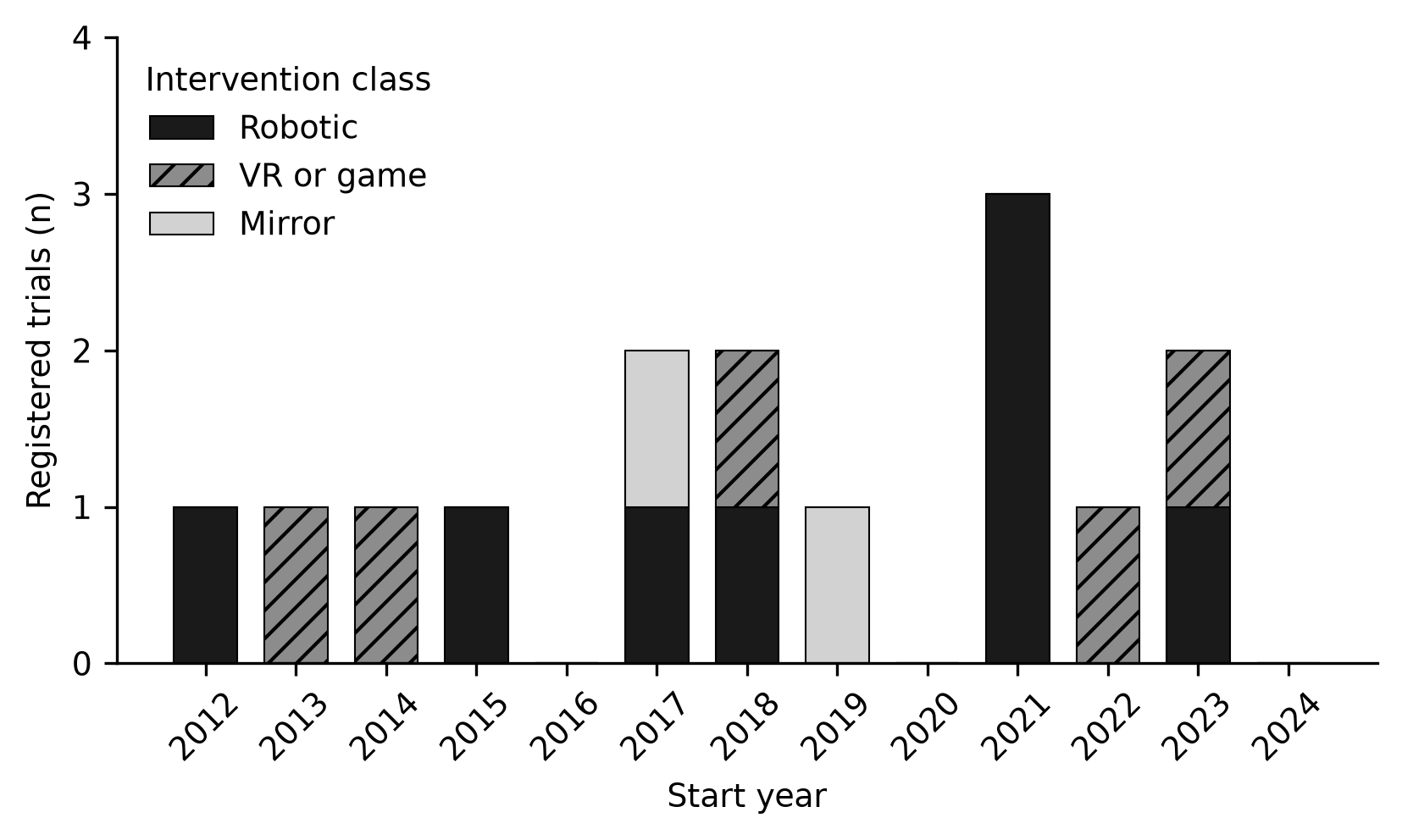
Figure 1. Registered trials of upper-limb rehabilitation after stroke with Latin American sites by start year and intervention class.
Note: VR = virtual reality. Each trial is counted once, in the year of its registered start.The country queries returned 236 unique records, and 208 listed a site in a Latin American country (Table 1). Keyword screening flagged 48 of them, and 15 met every criterion. The exclusions comprised 15 records without a rehabilitation technology, 11 with lower-limb, balance or gait targets, 5 with other upper-limb interventions and 2 in cerebral palsy. The sensitivity query returned 73 further records, of which 0 concerned stroke and 4 concerned other conditions (cerebral palsy, traumatic brain injury and Parkinson disease).
Screening step | Records (n) |
|---|---|
Records returned by the country queries | 236 |
Without a site in a Latin American country | 28 |
With at least one Latin American site | 208 |
No intervention keyword match | 160 |
Keyword match, not a rehabilitation technology | 15 |
Keyword match, lower-limb, balance or gait target | 11 |
Keyword match, other upper-limb intervention | 5 |
Keyword match, cerebral palsy rather than stroke | 2 |
Eligible registered trials | 15 |
Note: Keyword screening covered titles, intervention names, arm descriptions and summaries.
The distribution clustered in three countries. Brazil registered 8 trials, Chile 4 and Mexico 3, while 17 of the 20 queried countries registered none. Argentina and Colombia, among them, returned stroke records but no eligible intervention. Every trial listed a single site (15 of 15), and none listed a site outside its own country.
Registered enrollment spread from 4 to 119 participants (Figure 2). The median was 32 (IQR 17-48), and 7 trials (46.7%) registered fewer than 30 participants. The three largest, all virtual reality or game-based, held 45.1% of the 574 registered participants. Estimated enrollment applied to 9 trials and had a median of 40, against 17 for the trials reporting actual enrollment.
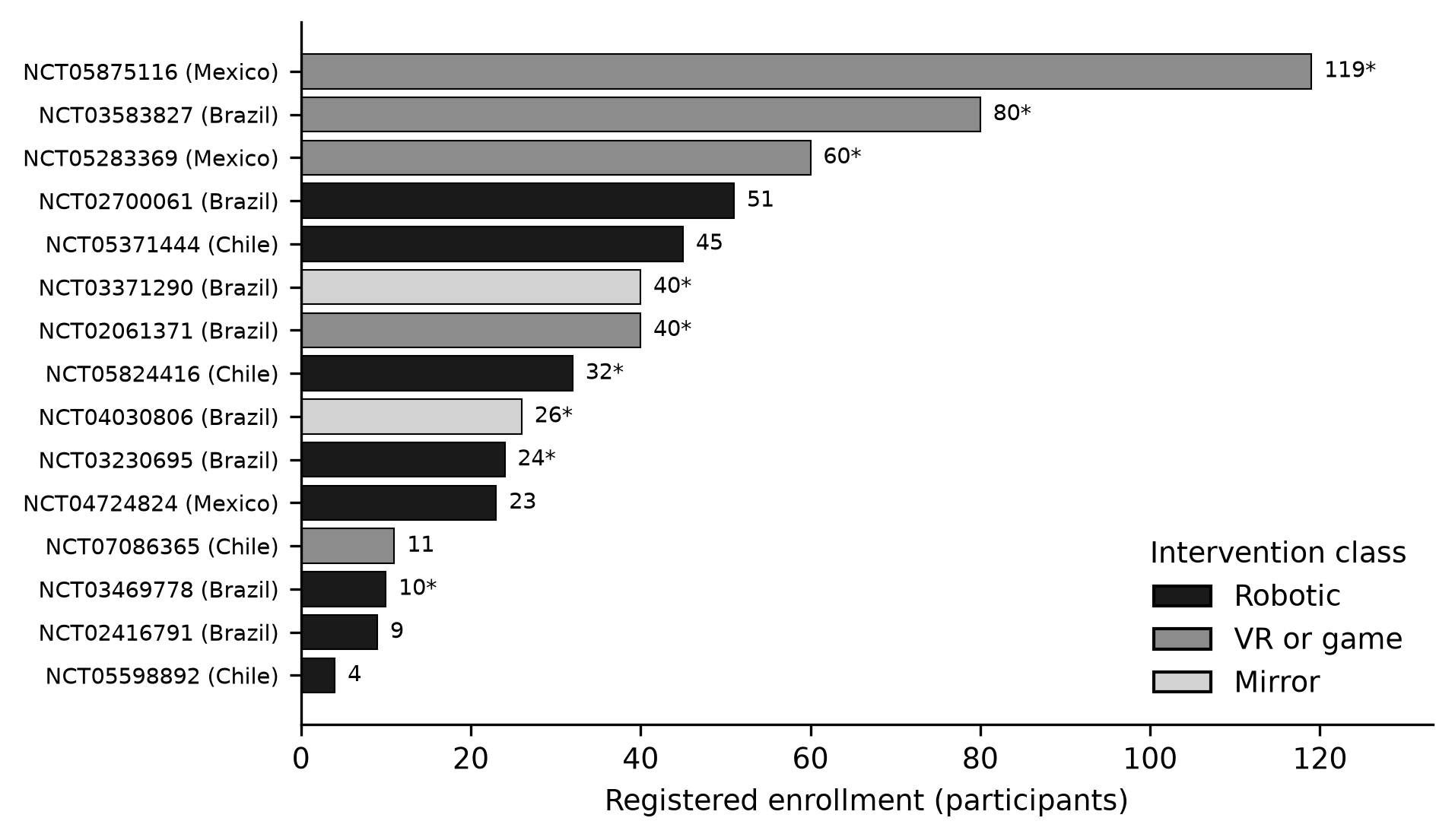
Figure 2. Registered enrollment of each eligible trial.
Note: Bar shade indicates intervention class. An asterisk marks estimated enrollment; unmarked values are actual enrollment. VR = virtual reality.Table-level design data appear in the per-trial listing (Table 2). Randomized allocation applied to 13 trials (86.7%), and the remaining 2 had no allocation. Groups ran in parallel in 10 trials, in a crossover sequence in 1, in a factorial layout in 1 and as a single group in 3, one of which was also labelled randomized. Masking was absent in 4 trials, single in 5, double in 1 and triple in 5. The phase label was not applicable in 14 trials and phase 2 in 1.
Academic or clinical institutions led 12 trials, government bodies 2 and industry 1. Transcranial stimulation or a brain-computer interface accompanied the device in 3 robotic trials.
Class-level contrasts were small in absolute terms. Virtual reality or game-based trials registered 310 participants in total, robotic trials 198 and mirror trials 66, with medians of 60, 23.50 and 33 participants. Both mirror trials came from Brazil. Registration preceded the start month in 5 of 8 robotic trials, 1 of 5 virtual reality trials and 0 of 2 mirror trials, and results were posted for 1 robotic trials and none of the others.
Device descriptions varied widely. Named robotic devices included planar end-effector robots of the InMotion and MIT-Manus families, a commercial upper-extremity device, a hand exoskeleton, an exoskeleton that restricted joint degrees of freedom and a robotic hand orthosis driven by a brain-computer interface. Virtual reality trials covered a virtual game, virtual therapy, immersive virtual reality with hand tracking, a home videogame therapy for telerehabilitation and virtual reality compared with constraint-induced movement therapy. Both mirror trials used mirror therapy in its classical form, and their primary outcomes were kinematic or sensorimotor.
Registry ID | Country | Start year | Intervention class | Status | Enrollment (n) | Allocation | Masking | Primary outcomes (n) | Secondary outcomes (n) | Results posted |
|---|---|---|---|---|---|---|---|---|---|---|
NCT02700061 | Brazil | 2012 | Robotic | Unknown | 51 (actual) | Randomized | Single | 2 | 7 | No |
NCT02061371 | Brazil | 2013 | VR or game | Unknown | 40 (estimated) | Randomized | None | 1 | 0 | No |
NCT03583827 | Brazil | 2014 | VR or game | Unknown | 80 (estimated) | Randomized | Single | 1 | 2 | No |
NCT02416791 | Brazil | 2015 | Robotic | Terminated | 9 (actual) | Randomized | Triple | 2 | 9 | Yes |
NCT03230695 | Brazil | 2017 | Robotic | Unknown | 24 (estimated) | Randomized | Triple | 1 | 2 | No |
NCT03371290 | Brazil | 2017 | Mirror | Unknown | 40 (estimated) | Randomized | Double | 6 | 2 | No |
NCT03469778 | Brazil | 2018 | Robotic | Unknown | 10 (estimated) | Single-arm | None | 1 | 4 | No |
NCT05875116 | Mexico | 2018 | VR or game | Unknown | 119 (estimated) | Randomized | Single | 6 | 4 | No |
NCT04030806 | Brazil | 2019 | Mirror | Unknown | 26 (estimated) | Randomized | Single | 2 | 6 | No |
NCT04724824 | Mexico | 2021 | Robotic | Completed | 23 (actual) | Randomized | Triple | 2 | 3 | No |
NCT05371444 | Chile | 2021 | Robotic | Completed | 45 (actual) | Randomized | Triple | 24 | 0 | No |
NCT05598892 | Chile | 2021 | Robotic | Completed | 4 (actual) | Single-arm | None | 2 | 2 | No |
NCT05283369 | Mexico | 2022 | VR or game | Unknown | 60 (estimated) | Randomized | None | 1 | 6 | No |
NCT05824416 | Chile | 2023 | Robotic | Unknown | 32 (estimated) | Randomized | Triple | 1 | 6 | No |
NCT07086365 | Chile | 2023 | VR or game | Completed | 11 (actual) | Randomized | Single | 2 | 4 | No |
Note: VR = virtual reality. Enrollment is the registered figure, actual or estimated as indicated. Status is the registry status label.
The slope of completeness dropped from outcome definitions to results (Figure 3). Every trial gave a time frame for every outcome (100.0%), and 14 of 15 described every primary outcome. A primary outcome named the upper limb or an upper-limb instrument in 12 trials (80.0%; 95% CI 54.8-93.0). The other 3 trials registered spasticity, movement smoothness and usability scales as primary outcomes.
A standardized clinical instrument appeared among the primary outcomes of 10 trials (66.7%; 95% CI 41.7-84.8), and an instrumented kinematic measure in 4 (26.7%; 95% CI 10.9-52.0). Robotic trials named a standardized instrument in 7 of 8, against 2 of 5 virtual reality trials. The remaining virtual reality trials registered spasticity, elbow extension angle and usability scales. Neither a standardized nor a kinematic primary outcome appeared in 2 trials.
Safety and results elements registered the lowest proportions. An adverse-event or safety outcome was registered in 2 trials (13.3%; 95% CI 3.7-37.9), and results were posted for 1 (6.7%; 95% CI 1.2-29.8). Individual participant data sharing was declared in 3 trials, declined in 8 and not stated in 4.
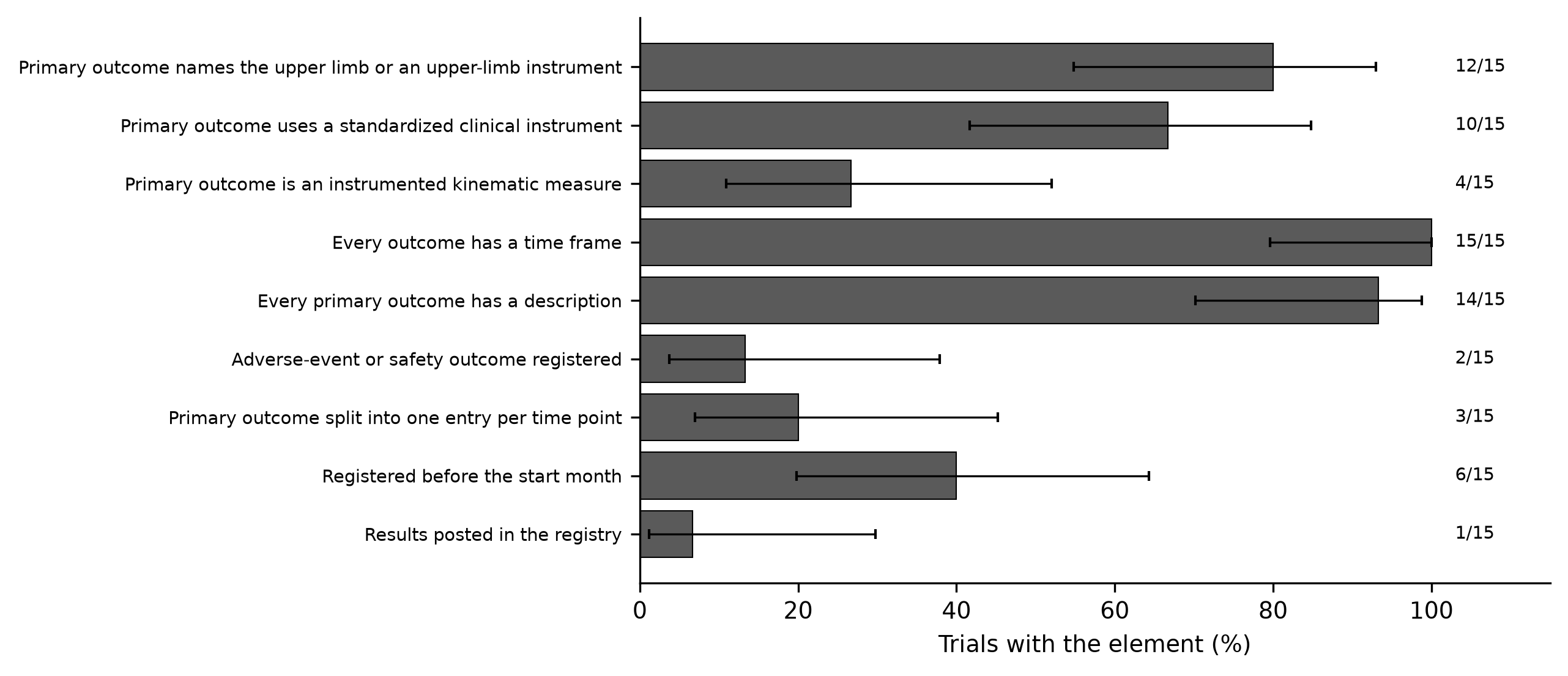
Figure 3. Proportion of eligible trials with each element of outcome and registration completeness.
Note: Bars show proportions and whiskers show Wilson 95% confidence intervals. Labels give the number of trials among all eligible trials.The distribution of outcome entries spread widely (Figure 4). The median trial had 2 primary entries (IQR 1-2) and 4 secondary entries (IQR 2-6), and 2 trials listed no secondary outcome. One trial listed 24 primary entries, and 3 trials listed five or more. The same primary measure appeared as separate entries for each time point in 3 trials (20.0%).
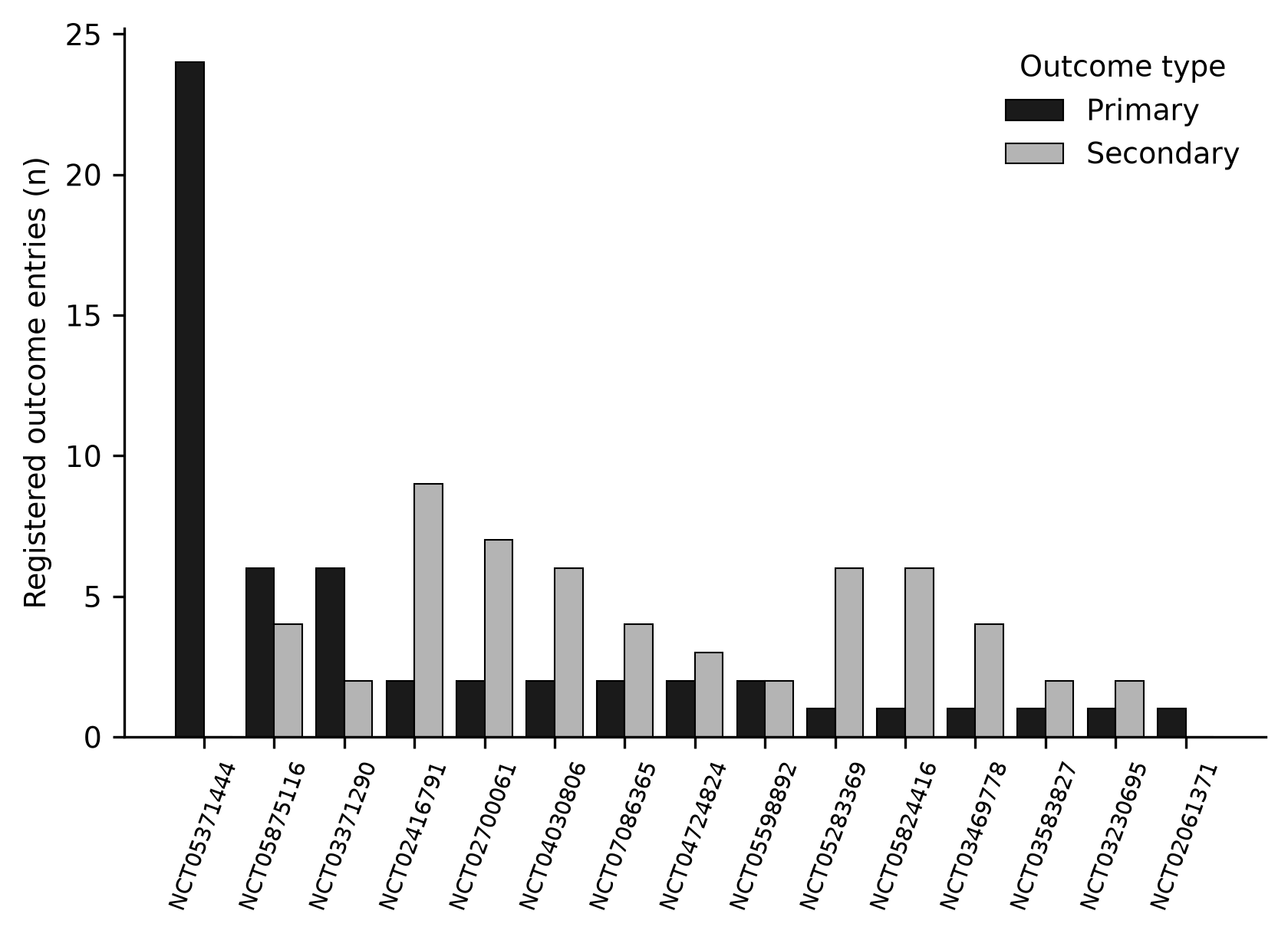
Figure 4. Primary and secondary outcome entries registered by each eligible trial.
Note: Entries are counted as listed in the registry record, one per outcome and time point.Secondary and other outcomes covered an average of 2.50 of the ten domains per trial. Strength or grip appeared in 5 trials, dexterity in 5, independence in daily activities in 4, spasticity in 4, quality of life in 4 and neurophysiology in 4. Cognition or language was named in 3 trials, pain or fatigue in 3, usability or satisfaction in 3 and movement quality in 2. Neither mirror trial listed a cognitive outcome.
Three findings were not anticipated. The single terminated trial stopped because of low recruitment after 9 participants, yet it was the only record with posted results. One trial carried a randomized allocation label together with a single-group model, and another used a factorial label for a two-group comparison of virtual therapy and conventional physiotherapy. The largest list of primary entries belonged to a completed trial and consisted of six measures, each repeated at four time points, with its own description for every entry.
Status and registration timing came next. Registry status read unknown for 10 trials (66.7%), completed for 4 and terminated for 1, the latter after 9 participants. None of the 4 completed trials had posted results, whereas the terminated trial had.
Registration preceded the start month in 6 trials (40.0%; 95% CI 19.8-64.3): 3 of 8 Brazilian trials, 1 of 4 Chilean trials and 2 of 3 Mexican trials. Overall, 9 trials (60.0%) were registered in or after the month they started. Prospective registration coincided with the later period: 5 of the 11 trials that started from 2017 were prospective, against 1 of 4 earlier trials.
DISCUSSION
The registered portfolio of technology-based arm rehabilitation after stroke in Latin America is small, concentrated in a few countries and thinly documented. Its growth after 2016 is real but modest, and the entries that exist rarely carry the safety, results and timing information that would let a reader judge them.
The rise in starts after 2016 fits the regional trend toward registration. Registration of Latin American trials increased between 2007 and 2013 in the international platform, with Brazil and Mexico leading the counts of their subregions,(18) and a later cross-sectional study found that 59.9% of published trials from the region were registered, against 19.8% in an earlier comparison study.(16) The leading position of Brazil and Mexico also mirrors the share of randomized trials published in the region, where Brazil contributed 70.9% and Mexico 10.1%.(19) The absence of Argentina and Colombia is harder to explain. Some regional trials are registered in national registries such as the Brazilian and Cuban ones,( 16) and trials listed only there would be invisible to this search, an explanation that a repeat search through the international platform could test.
The class mix departs from the published evidence base. Cochrane reviews include 72 virtual reality trials, 62 mirror therapy studies and 45 robotic trials,( 8-10) whereas robotic devices led the registered portfolio here. One reading is that devices built or acquired by regional rehabilitation centres attract registration, while commercial video games and mirror boxes are tested in less formal settings. This remains a hypothesis. A Brazilian integrative review found that commercial consoles dominated virtual reality trials, with samples of 5 to 47 participants,(20) and a regional review of telerehabilitation located technology projects in six countries, mostly as academic initiatives.(21) The boundaries between classes are also porous: robotic systems increasingly add virtual reality, augmented reality and gamification,(22) and a brain-computer interface coupled to a robotic hand orthosis has been described for stroke,(23) so a single class label hides hybrids.
The mix of countries and classes also fits the regional literature. Synthesised evidence for virtual reality in stroke has been produced in Brazil, where a systematic review of 24 trials found gains in upper limb function on the Fugl-Meyer scale and in hand function on the Box and Block test,(24) and the evidence for robotic arm exercise pooled 18 trials with high heterogeneity.(25) Portable robots, which suit services with limited space and staff, rest on only nine trials in a recent meta-analysis.(26) Registered Latin American trials therefore enter a field in which effects are modest and uncertain, and small single-site trials are unlikely to settle the uncertainty.
Enrollment followed the pattern of pilot work. The median registered enrollment of 32 sits close to the median target of 30 participants found among pilot and feasibility studies on a UK registry,(27) and the Cochrane virtual reality review likewise noted generally small samples.(10) Whether these trials intended to be pilots cannot be read from the registry, because the recommended practice is to label pilot and feasibility studies explicitly with those terms.(28) Estimated and actual enrollment came from different trials, so the registry does not show whether planned numbers were reached, a question that reviews of target and achieved sample sizes address directly.(27) Recruitment difficulty, device availability and early termination are all plausible reasons for small achieved samples, and the registry cannot discriminate among them.
Design features were better than the sample sizes suggest. Most trials were randomized with parallel groups, and 5 used triple masking, which is feasible when an outcome assessor and a sham device are available. Registered masking should still be read with caution, since registries and publications can disagree on blinding.(29) Registered design labels also contained inconsistencies, such as a trial labelled both randomized and single-group, and registry fields are known to diverge elsewhere: completion status differed between two registries for 16.2% of dual-registered trials.(30) Industry led a single trial. Registry-wide analyses show that the design, accrual and completion of trials differ by sponsor type,(31) and international multicentre trials in the region mainly addressed noncommunicable diseases financed by industry,(32) a portfolio unlike the academic, single-site trials found here.
Outcome registration was strongest where it costs least. Naming an upper-limb instrument is straightforward because a small set of measures dominates upper-limb stroke research, with the Fugl-Meyer test the most common across 477 studies.( 14) International groups have recommended core sets for clinical practice and for trials,( 33-35) and registering a standardized instrument is the first step toward pooling trials under such sets. Instrumented kinematics were the primary outcome in a minority of trials, although consensus recommendations add kinematic measures to the core protocols and review work has examined their clinimetric properties.(36,37) The registry entries seldom stated the task protocol, so the comparability of kinematic outcomes across sites remains unknown.
The range of secondary outcomes was narrower than the clinical questions imply. Each trial named about two and a half of ten domains, and participation-level measures such as quality of life appeared in 4 trials, although consensus work asks for outcomes across body function, activity and participation.(33,34) Neurophysiological outcomes appeared in 4 trials, in line with the growth of imaging outcomes in registered trials, which in one analysis of fMRI outcomes included more than a thousand records, most of them still without published results.(38) Neither mirror trial registered a cognitive outcome, while syntheses of mirror visual feedback examine the relation between upper limb function and cognition.(39) Heterogeneity across technology-aided interventions also prevents strict guidance, which makes complete outcome registration more valuable.(40)
The meaning of the unknown status deserves care. It is a registry label and not a finding about the trial: it identifies records whose status was not confirmed recently, and several of these trials may have finished, stalled or been abandoned without notice. The same limit applies to the estimated enrollment and estimated completion fields. Interpreting the portfolio as active research would therefore overstate it, and interpreting it as abandoned would understate it. A cautious reading treats the 10 unknown records as a call for registrants to confirm status, because stale entries mislead anyone who uses the registry to plan new work.( 41)
Safety and results were the weakest elements. Few trials registered an adverse-event outcome, although adverse events were rare in the robotic-training reviews that did report them,(8) and published reports capture far fewer adverse events than unpublished documents.(42) The low rate of posted results is in line with ClinicalTrials.gov at large, where only 13.4% of applicable trials reported results within 12 months and 38.3% did so at any time.(43) Timely reporting was associated with regulatory oversight in that analysis,(43) and no record here carried an FDA-regulated label, so posting by these trials would have been voluntary. An unknown status for most trials further limits the registry. Registry status is often outdated or wrong,( 41) and the completed status of one registry can be listed as ongoing in another.( 30)
Timing and the structure of outcome entries add to the case for stricter registration. Most trials were registered in or after the month they started. The proportion registered earlier, 40.0%, is above the 18% prospective registration found among physiotherapy trials published in 2019(44) and the 19.8% found among nonregulated-intervention trials in rehabilitation and related journals,( 45) but below the 51.7% of registered published trials that Latin American authors registered prospectively.( 16) Those denominators differ from the one used here, so the comparison is indicative only. Prospectively registered trials were more likely to have a low risk of reporting bias in a large low back pain review,( 46) and discrepancies between registrations and publications affect between 29% and 37% of studies for primary outcomes.( 47) Registries that list one primary outcome per time point, as several of these trials did, make the same comparison ambiguous. In acute ischemic stroke trials, selective outcome reporting was found in most registered trials,( 48) and the CONSORT-Outcomes extension adds 17 items on defining outcomes and on how and when they were assessed.( 49)
Other regional portfolios show a similar pattern. Trials for COVID-19 registered from Latin America were described as small, repetitive and not rigorous, with duplicated effort and limited conclusions.( 50) The upper-limb portfolio is not in a crisis setting, but it shares the fragmentation, since several single-site trials tested similar devices in parallel. Descriptive analyses of registry content are a standard way to expose this fragmentation, as ClinicalTrials.gov analyses of design and sponsor trends show.( 51) The present analysis extends that approach to one region and one rehabilitation question.
The design has strengths. Retrieval used an open interface and a country-by-country query, so the search can be repeated and audited, and the sensitivity query found no additional stroke record. Every exclusion has a recorded reason, and a fixed script generated each count, proportion and figure. The completeness elements were defined before the analysis and applied identically to every trial, and the unit of analysis was the trial and not the report, which avoids counting several publications of the same study twice. The findings also describe a defined window of start years, so they can be compared with later registrations using the same queries and rules.
Several limitations qualify these findings. First, one registry was searched, and trials registered only in other platforms were not captured; a repeat search through the international platform would measure this loss.(18) Second, registry content can lag behind or differ from publications, so the completeness figures describe the registry and not the trials; linking each record to its publications, as studies of the publication of registered trials do, would show what was actually measured.(52) Third, with 15 trials the confidence intervals are wide and no inference is possible, so the figures should be updated as registrations accumulate and pooled across registries. Fourth, keyword screening and the single class label may have missed or misclassified trials, and the coding by one coder assisted by an artificial intelligence model awaits verification, so double coding by two authors is recommended. Fifth, the completeness elements are proxies and do not capture the metric or aggregation of each outcome, which a protocol-level review would need to add.
A research agenda follows from these gaps. Regional groups already develop telerehabilitation technologies for stroke and other conditions,( 21) and low-cost devices could widen access where rehabilitation staff are scarce.( 6) Such projects would gain credibility if they were registered prospectively with a stated limb, instrument and time point, and if several centres shared a protocol. A shared protocol would let regional trials be pooled, and pooling is the practical route to sample sizes that single services cannot reach.
Implications follow for registrants, journals and funders. Registrants of arm rehabilitation trials should name the limb, the instrument, the metric and the time point of each primary outcome and register one entry per outcome. Trialists should register before enrolling, update the status, and post results or link the publication even when no regulation requires it. Journals can enforce prospective registration, which few rehabilitation journals require.( 45) Funders and rehabilitation services can support multi-site collaboration, because every trial here was single-site and rehabilitation capacity in middle-income countries is limited.(5,6) Such networks would reach sample sizes that single services cannot reach.
CONCLUSIONS
Registrations of virtual reality, mirror, robotic and game-based arm rehabilitation after stroke with Latin American sites grew after 2016, were led by robotic devices and came from three countries.
Registered enrollment and design were small in scale and single-site, with randomized parallel allocation in most trials.
Upper-limb outcomes were usually identifiable in the registry, yet kinematic measures and adverse-event outcomes were seldom registered.
Results posting and prospective registration were uncommon, and registry status was mostly unknown.
References
- 1 Cagna-Castillo D, Salcedo-Carrillo AL, Carrillo-Larco RM, Bernabé-Ortiz A. Prevalence and incidence of stroke in Latin America and the Caribbean: a systematic review and meta-analysis. Sci Rep. 2023;13(1):6809. doi: 10.1038/s41598-023-33182-3
- 2 Soto Á, Guillén-Grima F, Morales G, Muñoz S, Aguinaga-Ontoso I, Vanegas J. Trends in Mortality from Stroke in Latin America and the Caribbean, 1979–2015. Global Heart. 2022;17(1):26. doi: 10.5334/gh.1114
- 3 Delfino C, Nuñez M, Asenjo-Lobos C, Gonzalez F, Riviotta A, Urrutia F, et al. Stroke in Latin America: Systematic review of incidence, prevalence, and case-fatality in 1997–2021. International Journal of Stroke. 2023;18(6):645-656. doi: 10.1177/17474930221143323
- 4 Nuñez M, Delfino C, Asenjo‐Lobos C, Schilling A, Lavados P, Anderson CS, et al. Disparities in Stroke Incidence Over Time by Sex and Age in Latin America and the Caribbean Region 1997 to 2021: A Systematic Review and Meta‐Analysis. JAHA. 2023;12(17):e029800. doi: 10.1161/jaha.123.029800
- 5 Kayola G, Mataa MM, Asukile M, Chishimba L, Chomba M, Mortel D, et al. Stroke Rehabilitation in Low- and Middle-Income Countries. Am J Phys Med Rehabil. 2023;102(2S):S24-S32. doi: 10.1097/phm.0000000000002128
- 6 Bernhardt J, Urimubenshi G, Gandhi DBC, Eng JJ. Stroke rehabilitation in low-income and middle-income countries: a call to action. The Lancet. 2020;396(10260):1452-1462. doi: 10.1016/s0140-6736(20)31313-1
- 7 Pollock A, Farmer SE, Brady MC, Langhorne P, Mead GE, Mehrholz J, et al. Interventions for improving upper limb function after stroke. Cochrane Database Syst Rev. 2014;2014(11):CD010820. doi: 10.1002/14651858.cd010820.pub2
- 8 Mehrholz J, Pohl M, Platz T, Kugler J, Elsner B. Electromechanical and robot-assisted arm training for improving activities of daily living, arm function, and arm muscle strength after stroke. Cochrane Database Syst Rev. 2018;2018(9):CD006876. doi: 10.1002/14651858.cd006876.pub5
- 9 Thieme H, Morkisch N, Mehrholz J, Pohl M, Behrens J, Borgetto B, et al. Mirror therapy for improving motor function after stroke. Cochrane Database Syst Rev. 2018;2018(7):CD008449. doi: 10.1002/14651858.cd008449.pub3
- 10 Laver KE, Lange B, George S, Deutsch JE, Saposnik G, Crotty M. Virtual reality for stroke rehabilitation. Cochrane Database Syst Rev. 2017;2018(1):CD008349. doi: 10.1002/14651858.cd008349.pub4
- 11 Soleimani M, Ghazisaeedi M, Heydari S. The efficacy of virtual reality for upper limb rehabilitation in stroke patients: a systematic review and meta-analysis. BMC Med Inform Decis Mak. 2024;24(1):135. doi: 10.1186/s12911-024-02534-y
- 12 Doumas I, Everard G, Dehem S, Lejeune T. Serious games for upper limb rehabilitation after stroke: a meta-analysis. J NeuroEngineering Rehabil. 2021;18(1):100. doi: 10.1186/s12984-021-00889-1
- 13 Kim WS, Cho S, Ku J, Kim Y, Lee K, Hwang HJ, et al. Clinical Application of Virtual Reality for Upper Limb Motor Rehabilitation in Stroke: Review of Technologies and Clinical Evidence. JCM. 2020;9(10):3369. doi: 10.3390/jcm9103369
- 14 Santisteban L, Térémetz M, Bleton JP, Baron JC, Maier MA, Lindberg PG. Upper Limb Outcome Measures Used in Stroke Rehabilitation Studies: A Systematic Literature Review. PLoS ONE. 2016;11(5):e0154792. doi: 10.1371/journal.pone.0154792
- 15 Li G, Abbade LPF, Nwosu I, Jin Y, Leenus A, Maaz M, et al. A systematic review of comparisons between protocols or registrations and full reports in primary biomedical research. BMC Med Res Methodol. 2018;18(1):9. doi: 10.1186/s12874-017-0465-7
- 16 García-Vello P, Smith E, Elias V, Florez-Pinzon C, Reveiz L. Adherence to clinical trial registration in countries of Latin America and the Caribbean, 2015. Rev Panam Salud Publica. 2018;42:1-9. doi: 10.26633/rpsp.2018.44
- 17 U.S. National Library of Medicine. ClinicalTrials.gov API version 2: study records [Internet]. 2024. Available from: https://clinicaltrials.gov/data-api/api
- 18 Rodríguez-Feria P, Cuervo LG. Progress in trial registration in Latin America and the Caribbean, 2007–2013. Rev Panam Salud Publica. 2017;41:1. doi: 10.26633/rpsp.2017.31
- 19 Reveiz L, Sangalang S, Glujovsky D, Pinzon CE, Asenjo Lobos C, Cortes M, et al. Characteristics of Randomized Trials Published in Latin America and the Caribbean According to Funding Source. PLoS ONE. 2013;8(2):e56410. doi: 10.1371/journal.pone.0056410
- 20 Aramaki AL, Sampaio RF, Reis ACS, Cavalcanti A, Dutra FCMSE. Virtual reality in the rehabilitation of patients with stroke: an integrative review. Arq Neuro-Psiquiatr. 2019;77(4):268-278. doi: 10.1590/0004-282x20190025
- 21 Narváez F, Marín-Castrillón DM, Cuenca MC, Latta MA. Development and implementation of technologies for physical telerehabilitation in Latin America:. TecnoL. 2017;20(40):155-176. doi: 10.22430/22565337.721
- 22 Mubin O, Alnajjar F, Jishtu N, Alsinglawi B, Al Mahmud A. Exoskeletons With Virtual Reality, Augmented Reality, and Gamification for Stroke Patients’ Rehabilitation: Systematic Review. JMIR Rehabil Assist Technol. 2019;6(2):e12010. doi: 10.2196/12010
- 23 Cantillo-Negrete J, Carino-Escobar RI, Carrillo-Mora P, Elias-Vinas D, Gutierrez-Martinez J. Motor Imagery-Based Brain-Computer Interface Coupled to a Robotic Hand Orthosis Aimed for Neurorehabilitation of Stroke Patients. Journal of Healthcare Engineering. 2018;2018:1-10. doi: 10.1155/2018/1624637
- 24 Tonetta MC, Da Rosa LF, Gerzson LR, Sbruzzi G, De Almeida CS. Realidade virtual em pacientes pós-acidente vascular cerebral: revisão sistemática com metanálise de ensaios clínicos randomizados. Fisioter Bras. 2017;18(1):80-96. doi: 10.33233/fb.v18i1.758
- 25 Johansen T, Sørensen L, Kolskår KK, Strøm V, Wouda MF. Effectiveness of robot-assisted arm exercise on arm and hand function in stroke survivors - A systematic review and meta-analysis. Journal of Rehabilitation and Assistive Technologies Engineering. 2023;10:20556683231183639. doi: 10.1177/20556683231183639
- 26 Tseng KC, Wang L, Hsieh C, Wong AM. Portable robots for upper-limb rehabilitation after stroke: a systematic review and meta-analysis. Annals of Medicine. 2024;56(1):2337735. doi: 10.1080/07853890.2024.2337735
- 27 Totton N, Lin J, Julious S, Chowdhury M, Brand A. A review of sample sizes for UK pilot and feasibility studies on the ISRCTN registry from 2013 to 2020. Pilot Feasibility Stud. 2023;9(1):188. doi: 10.1186/s40814-023-01416-w
- 28 Eldridge SM, Lancaster GA, Campbell MJ, Thabane L, Hopewell S, Coleman CL, et al. Defining Feasibility and Pilot Studies in Preparation for Randomised Controlled Trials: Development of a Conceptual Framework. PLoS ONE. 2016;11(3):e0150205. doi: 10.1371/journal.pone.0150205
- 29 Zhang F, Zhu Y, Zhao S, Zhang Q, Tao H, Wu Y, et al. Discordant Information on Blinding in Trial Registries and Published Research. JAMA Netw Open. 2024;7(12):e2452274. doi: 10.1001/jamanetworkopen.2024.52274
- 30 Fleminger J, Goldacre B. Prevalence of clinical trial status discrepancies: A cross-sectional study of 10,492 trials registered on both ClinicalTrials.gov and the European Union Clinical Trials Register. PLoS ONE. 2018;13(3):e0193088. doi: 10.1371/journal.pone.0193088
- 31 Gresham G, Meinert JL, Gresham AG, Meinert CL. Assessment of Trends in the Design, Accrual, and Completion of Trials Registered in ClinicalTrials.gov by Sponsor Type, 2000-2019. JAMA Netw Open. 2020;3(8):e2014682. doi: 10.1001/jamanetworkopen.2020.14682
- 32 Silva RED, Amato AA, Guilhem DB, Carvalho MRD, Novaes MRCG. International Clinical Trials in Latin American and Caribbean Countries: Research and Development to Meet Local Health Needs. Front Pharmacol. 2018;8:961. doi: 10.3389/fphar.2017.00961
- 33 Kwakkel G, Lannin NA, Borschmann K, English C, Ali M, Churilov L, et al. Standardized measurement of sensorimotor recovery in stroke trials: Consensus-based core recommendations from the Stroke Recovery and Rehabilitation Roundtable. International Journal of Stroke. 2017;12(5):451-461. doi: 10.1177/1747493017711813
- 34 Pohl J, Held JPO, Verheyden G, Alt Murphy M, Engelter S, Flöel A, et al. Consensus-Based Core Set of Outcome Measures for Clinical Motor Rehabilitation After Stroke—A Delphi Study. Front Neurol. 2020;11:875. doi: 10.3389/fneur.2020.00875
- 35 Prange-Lasonder GB, Alt Murphy M, Lamers I, Hughes AM, Buurke JH, Feys P, et al. European evidence-based recommendations for clinical assessment of upper limb in neurorehabilitation (CAULIN): data synthesis from systematic reviews, clinical practice guidelines and expert consensus. J NeuroEngineering Rehabil. 2021;18(1):162. doi: 10.1186/s12984-021-00951-y
- 36 Kwakkel G, Van Wegen E, Burridge J, Winstein C, van Dokkum L, Alt Murphy M, et al. Standardized measurement of quality of upper limb movement after stroke: Consensus-based core recommendations from the Second Stroke Recovery and Rehabilitation Roundtable. International Journal of Stroke. 2019;14(8):783-791. doi: 10.1177/1747493019873519
- 37 Schwarz A, Kanzler CM, Lambercy O, Luft AR, Veerbeek JM. Systematic Review on Kinematic Assessments of Upper Limb Movements After Stroke. Stroke. 2019;50(3):718-727. doi: 10.1161/strokeaha.118.023531
- 38 Sadraee A, Paulus M, Ekhtiari H. fMRI as an outcome measure in clinical trials: A systematic review in clinicaltrials.gov. Brain and Behavior. 2021;11(5):e02089. doi: 10.1002/brb3.2089
- 39 Kim H, Lee E, Jung J, Lee S. Utilization of Mirror Visual Feedback for Upper Limb Function in Poststroke Patients: A Systematic Review and Meta-Analysis. Vision. 2023;7(4):75. doi: 10.3390/vision7040075
- 40 Coscia M, Wessel MJ, Chaudary U, Millán JDR, Micera S, Guggisberg A, et al. Neurotechnology-aided interventions for upper limb motor rehabilitation in severe chronic stroke. Brain. 2019;142(8):2182-2197. doi: 10.1093/brain/awz181
- 41 Jones CW, Safferman MR, Adams AC, Platts-Mills TF. Discrepancies between ClinicalTrials.gov recruitment status and actual trial status: a cross-sectional analysis. BMJ Open. 2017;7(10):e017719. doi: 10.1136/bmjopen-2017-017719
- 42 Golder S, Loke YK, Wright K, Norman G. Reporting of Adverse Events in Published and Unpublished Studies of Health Care Interventions: A Systematic Review. PLoS Med. 2016;13(9):e1002127. doi: 10.1371/journal.pmed.1002127
- 43 Anderson ML, Chiswell K, Peterson ED, Tasneem A, Topping J, Califf RM. Compliance with Results Reporting at ClinicalTrials.gov. N Engl J Med. 2015;372(11):1031-1039. doi: 10.1056/nejmsa1409364
- 44 Silva NS, Elkins MR, Lemes ÍR, Stubbs PW, Franco MR, Pinto RZ. Clinical trial registration has become more prevalent in physical therapy but it is still inadequate: A meta-research study. Musculoskeletal Science and Practice. 2023;67:102854. doi: 10.1016/j.msksp.2023.102854
- 45 Azar M, Riehm KE, Saadat N, Sanchez T, Chiovitti M, Qi L, et al. Evaluation of Journal Registration Policies and Prospective Registration of Randomized Clinical Trials of Nonregulated Health Care Interventions. JAMA Intern Med. 2019;179(5):624. doi: 10.1001/jamainternmed.2018.8009
- 46 Silva S, Singh S, Kashif S, Ogilvie R, Pinto RZ, Hayden JA. Many randomized trials in a large systematic review were not registered and had evidence of selective outcome reporting: a metaepidemiological study. Journal of Clinical Epidemiology. 2024;176:111568. doi: 10.1016/j.jclinepi.2024.111568
- 47 TARG Meta-Research Group & Collaborators. Estimating the prevalence of discrepancies between study registrations and publications: a systematic review and meta-analyses. BMJ Open. 2023;13(10):e076264. doi: 10.1136/bmjopen-2023-076264
- 48 Wang X, Long Y, Zhang N, Wang X, Guo Q, Deng Y, et al. Impact of selective reporting bias on stroke trials: potential compromise in evidence synthesis - A cross-sectional study. BMC Med Res Methodol. 2024;24(1):255. doi: 10.1186/s12874-024-02381-5
- 49 Butcher NJ, Monsour A, Mew EJ, Chan AW, Moher D, Mayo-Wilson E, et al. Guidelines for Reporting Outcomes in Trial Reports. JAMA. 2022;328(22):2252. doi: 10.1001/jama.2022.21022
- 50 Carracedo S, Palmero A, Neil M, Hasan-Granier A, Saenz C, Reveiz L. The landscape of COVID-19 clinical trials in Latin America and the Caribbean: assessment and challenges. Revista Panamericana de Salud Pública. 2020;44:1. doi: 10.26633/rpsp.2020.177
- 51 Gresham G, Meinert JL, Gresham AG, Piantadosi S, Meinert CL. Update on the clinical trial landscape: analysis of ClinicalTrials.gov registration data, 2000–2020. Trials. 2022;23(1):858. doi: 10.1186/s13063-022-06569-2
- 52 Khan NA, Singh M, Spencer HJ, Torralba KD. Randomized Controlled Trials of Rheumatoid Arthritis Registered at ClinicalTrials.gov: What Gets Published and When. Arthritis & Rheumatology. 2014;66(10):2664-2674. doi: 10.1002/art.38784
Declarations
Funding
No financing
Conflict of interest
None
Authorship contributions
Drafting – original draft: Alfredo Javier Pérez Gamboa.
Writing–review and editing: Alfredo Javier Pérez Gamboa.