

Abstract
Introduction: Cognitive impairment is frequent after stroke, and conventional cognitive training has shown limited benefit. Serious games may add engagement, but their effect on specific domains is unclear. Methods: This PRISMA 2020 systematic review included controlled studies (2010 to 2023) in adults after stroke that compared serious games or game-based virtual reality with conventional cognitive training, usual care or an active control and measured attention, memory or executive function. Five databases were searched, and risk of bias was assessed with RoB 2 and ROBINS-I. Synthesis was by direction of effect, with exploratory pooling of change scores. Results: Serious games outperformed the comparator on at least one attention, memory or executive-function measure in 6 of 10 studies (60%, 95% CI 31 to 83). The advantage appeared in 4 of 9 studies for executive function, 2 of 8 for attention and 1 of 7 for memory. Pooled change in the Trail Making Test A favored the games by a standardized difference of 0.21 (95% CI −0.10 to 0.51). Risk of bias was low in 1 study, with some concerns in 4 and high in 5. Conclusions: Serious games improved executive function in some small trials but did not show a consistent advantage for attention or memory. The evidence is limited by small samples, heterogeneous instruments and frequent risk of bias.
Keywords
stroke, video games, cognitive rehabilitation, executive function, attention, memory
INTRODUCTION
Stroke remains a leading cause of death and disability worldwide.(1) Among survivors, cognitive impairment is common and often persistent. A meta-analysis of cohort studies estimated that 38% of patients had cognitive impairment without dementia within one year of stroke,(2) and a French cohort found impairment in 47.3% of patients at three months.(3) In an incidence cohort, cognitive function kept declining over four years, and 84% of survivors scored in the impaired range at the last assessment.(4) Cognitive impairment is associated with greater disability and poorer quality of life.(5) Recovery is not uniform, since cognitive trajectories vary with the stage after stroke and with the type of intervention received.(6) The delay between the stroke and the onset of cognitive decline has also been described as a therapeutic window in which treatment could preserve cognition.(7)
Conventional cognitive rehabilitation has an uncertain evidence base. A meta-analysis of 64 randomized trials found that multiple-component interventions improved general cognition and memory, whereas cognitive rehabilitation alone did not produce a significant gain.(8) Computer-based training of executive function improved trained and untrained tasks, but the gains were not larger than those of active control groups.(9) Serious games, which pair a rehabilitation task with scoring, feedback and adaptive difficulty, are proposed as a way to sustain engagement during repetitive training.(10,11) Virtual reality and interactive video gaming entered stroke rehabilitation mainly for upper limb function, and commercial consoles were adopted quickly in clinical settings.(12) Overviews of their cognitive applications describe improvement in several domains but draw on heterogeneous designs.(13,14) Reviews of virtual reality in stroke disagree: one found no advantage over control interventions for global cognition, memory or attention,(15) while others reported gains in overall cognition and attention.(16,17) Several of these reviews pooled global screening scales and mixed exergames with passive virtual environments, so they did not isolate game-based training or its effect on attention, memory and executive function separately. The objective of this review was to determine whether serious games improve attention, memory and executive function in adults after stroke compared with conventional cognitive training or usual care.
To meet this objective, the review followed PRISMA 2020(18) and included controlled studies published between 2010 and 2023. It reports the direction of effect for each cognitive domain and an exploratory pooling of change scores for the tests shared by two or more studies. Because evidence on stroke rehabilitation in Latin America is scarce and services are unevenly distributed,(19,20) the review also considers how the findings may transfer to that region. The question matters for the design of low-cost, game-based services, since the same technology can be delivered on a smartphone, a commercial console or a head-mounted display with very different costs and usability demands.
METHODS
Protocol and reporting
The review was reported according to PRISMA 2020,( 18) with search details following the PRISMA-S principle of recording each query literally.
Synthesis methods
The primary synthesis followed the Synthesis Without Meta-analysis guideline.( 21) For each study and each domain (attention, memory, executive function), the between-group result was classified as favoring the game-based intervention (a significant group-by-time interaction or a significant between-group difference in change), showing no between-group difference, or showing only within-group change. The proportion of studies favoring the game was reported with a Wilson 95% confidence interval. This vote-counting approach ignores effect size and sample size, so it was treated as descriptive.
Where at least two studies reported the same instrument with pre- and post-intervention means and standard deviations, the change in the intervention group relative to the change in the comparator group was standardized by the pooled pre-intervention standard deviation, with a small-sample correction.( 22) Signs were set so that positive values favored the game-based intervention. The pre-post correlation was not reported by any study and was assumed to be 0.7, with 0.5 and 0.9 as sensitivity values. Estimates were combined with a DerSimonian-Laird random-effects model,( 23 -25 ) and heterogeneity was summarized with I². Because few studies contributed to each estimate, the pooled results were treated as exploratory. No correction for multiple outcomes was applied, and the certainty of evidence was not formally graded. Sample-size implications were computed from the pooled estimate with the normal approximation for a two-sided test at 80% power.
Classification rules
A domain was classified as favoring the game when at least one measure in that domain showed a significant between-group advantage and no measure showed a significant advantage for the comparator. A study was counted as favoring the game overall when any of its three domains met that rule. In the three-arm trial, the game arm was contrasted with both control arms and the study was classified by the more conservative contrast. Subgroup counts by comparator type, stage after stroke and display type were computed with the same rule and are descriptive only. Secondary reports of the same trial were not counted twice.
Eligibility criteria
Studies were eligible if they enrolled adults with stroke in any phase of recovery, delivered a serious game, an exergame, a commercial video game or a game-based virtual or augmented reality intervention aimed at, or measured for, cognitive effects, and compared it with conventional cognitive training, usual care, conventional therapy, an active control or a waiting list. The design could be a randomized or non-randomized controlled study. Eligible studies reported at least one measure of attention, memory or executive function, including domain subscores and tests of processing speed or working memory. Studies reporting only global cognition scales, only imaging or electrophysiological outcomes, or only motor outcomes were excluded. Records had to be published in English between 2010 and 2023 and be available as a full-text report. The inclusion of non-randomized controlled studies was defined before screening, because early scoping of the literature showed that randomized trials with domain-level outcomes were few. Protocols, reviews, secondary reports of an included trial and retracted publications were excluded.
Information sources and search strategy
Five bibliographic sources were searched with queries adapted to each interface: Scopus, PubMed, OpenAlex, Crossref and Semantic Scholar. Coverage was limited to records published from 2010 to 2023. The principal Scopus query was TITLE-ABS-KEY(stroke AND ("serious game" OR "video game" OR videogame* OR exergam* OR "virtual reality" OR gamif* OR "computer game") AND (cognit OR attention OR memory OR "executive function") AND (rehabilitation OR training OR intervention)) AND PUBYEAR > 2009 AND PUBYEAR < 2024. Three further Scopus queries added randomized-trial terms and cognitive rehabilitation terms, and the PubMed query used the same concept blocks with title and abstract fields. Each query retrieved at most 100 records, so the search was not exhaustive for the broad virtual reality literature. One additional PubMed query on computer-based cognitive flexibility training after stroke was run to check a trial identified during screening. Literature used for the Introduction and Discussion came from separate topical searches and was not screened against the eligibility criteria.
Rationale for the sources
Scopus was queried first because it indexes most of the rehabilitation and engineering journals in which game-based interventions are published. PubMed covered the clinical literature, and OpenAlex, Crossref and Semantic Scholar were used to reach records that the first two did not return, including conference proceedings and publisher-hosted journals. Reference lists of the included studies were not searched, and trial registries were not consulted. These choices favor reproducibility, since every query can be repeated, but they reduce sensitivity.
Data items and extraction
For each included study, the country, design, sample size, stage after stroke, platform, intervention dose, comparator, cognitive instruments and between-group results were extracted from the full text. Cognitive tests were mapped to domains by their conventional use: Trail Making Test A, digit symbol, continuous performance and cancellation tests to attention and processing speed; digit span, visual span, learning and recall tests to memory; and Trail Making Test B, Tower of London, Stroop tasks, verbal fluency and the executive subscore of the Montreal Cognitive Assessment to executive function. Two instruments, the Add VS Sub and Stroop Game scores of one trial, were in-game measures from the training games themselves and were interpreted with caution.
Handling of outcome data
Numerical values were taken from the tables of each report. When a report gave only an effect size or a test statistic for a comparison, it was recorded as such and was not converted to means. When a report gave medians for non-normal variables, the study contributed to the vote count but not to pooling. Follow-up assessments were noted, but the classification used the post-intervention contrast. Studies could contribute more than one test to a domain, and adverse events and dropouts were extracted when reported.
RESULTS
Serious games outperformed the comparator on at least one attention, memory or executive-function measure in 6 of 10 studies (60%, 95% CI 31 to 83) (Table 1). No group-by-time interaction favored the comparator. The remaining 4 studies showed similar improvement in both arms or no change. The wide interval reflects the small number of studies.
Study | Attention | Memory | Executive function |
|---|---|---|---|
Kim 2011(26) | Favors game (visual CPT) | Favors game (backward visual span) | None (Tower of London) |
van de Ven 2017(27) | None | None | None |
Faria 2018(28) | None (cancellation) | ||
Rogers 2019(29) | Favors game | ||
Unibaso-Markaida 2019(30) | None (TMT A) | None (digit span) | None (TMT B) |
Faria 2020(31) | None | None | Favors game (executive subscore) |
Maier 2020(32) | Within | None | None |
Li 2021(33) | Favors game (Stroop Game) | ||
Liu 2022(34) | Favors game (DSST) | None (digit span) | None (verbal fluency) |
Specht 2023(35) | None (TMT A) | None | Favors game (Tower of London) |
Note: Favors game = significant interaction or between-group difference favoring the game-based arm; None = no between-group difference; Within = improvement reported only within the game arm; blank = not measured or not classifiable. TMT = Trail Making Test; DSST = digit symbol substitution test.
Executive function carried most of this advantage. Games were superior in 4 of 9 studies that measured it. A head-mounted virtual reality kitchen game improved Tower of London scores more than computerized training (time-by-group F = 6.07, p = 0.02).( 35) The adaptive virtual reality simulation of daily tasks led on the executive subscore of the Montreal Cognitive Assessment.( 31) The tabletop Elements system reached p ≤ 0.001 on executive function against usual care.( 29) In the augmented reality trial, Stroop Game scores rose more with the games than with occupational therapy alone.( 33)
Five studies found no executive-function difference. These included a trial with 97 participants and an active mock-training arm,( 27) an acute-stroke trial using the Tower of London,( 26) and trials using Trail Making Test B, verbal fluency or a battery without domain change.( 30,32,34)
Attention favored the games in 2 of 8 studies. In one trial the immersive puzzle game led on digit symbol substitution (Z = 2.203, p = 0.028) while Trail Making Test A did not differ (p = 0.084).( 34) In the other, the visual continuous performance test improved more with virtual reality than with computer-assisted training alone.( 26) Five studies showed no between-group difference,( 27,28,30,31,35) and one reported improvement only within the game arm.( 32)
Memory favored the games in 1 of 7 studies, namely the backward visual span in acute stroke.( 26) Six studies found no difference. In the Wii trial, scaled digit-span scores were higher in the control arm, but the groups differed at baseline and the interaction was not significant (scaled backward span, p = 0.899).( 30)
Within the head-mounted virtual reality trial, the Trail Making Test A time fell from 80.95 to 61.0 seconds in the game arm and from 93.7 to 89.95 seconds in the control arm (interaction p = 0.09).(35) The Wechsler Memory Scale showed a similar but non-significant pattern (interaction p = 0.18). No participant in the game arm reported motion sickness, and no adverse event was linked to either intervention in that trial.
The Wii trial gave an effect size for Trail Making Test A change was 1.17 in the game arm and 0.48 in the waiting list arm (interaction p = 0.658).( 30) The arms differed in age and education at baseline, and allocation had been made by clinicians. Both arms improved in time, so the larger effect size did not translate into a significant interaction.
The tabletop trial reported effect sizes of 1.05 to 2.51 in the game arm and 0.11 to 0.86 in the control arm across its outcomes.( 29) All gains in the game arm were maintained at one month. No adverse events were reported, and all 21 participants completed the study.
Executive composites in the three-arm trial improved over time in every arm (F = 7.85, p < 0.001), but the group-by-time interaction was null (F = 0.78, p = 0.65).( 27) The secondary composites gave the same result (F = 0.77, p = 0.69), and so did the per-protocol analysis (F = 0.59, p = 0.82). Baseline attention was higher in the game arm than in the mock-training arm.
Attention improved over time in the game arm of the adaptive conjunctive training trial (χ² = 9.57, p < 0.01), whereas executive function and memory did not change.( 32) The control arm showed no change in any domain. The game arm also had lower depression scores than the control arm after training (p < 0.01).
The virtual reality simulation of daily tasks raised the median Montreal Cognitive Assessment score from 23 to 25, while the paper-and-pencil arm stayed at 21.( 31) At follow-up the medians were 28 and 23. Only the game arm exceeded the minimal clinically important difference that the authors cited.
Both arms of the acute-stroke trial improved on the screening scale, and the control arm also improved on Trail Making Test A.( 26) The changes in the visual continuous performance test and in the backward visual span exceeded those of the control arm. The cancellation-test trial found similar cognitive improvement in both arms, whereas the arm Fugl-Meyer subscore favored the game arm.( 28)
Pooled change in the Trail Making Test A favored the games by a standardized difference of 0.21 (95% CI −0.10 to 0.51; I² = 0%; 3 studies) (Figure 1). Excluding the non-randomized study gave 0.24 (95% CI −0.13 to 0.61). For Trail Making Test B the pooled difference was 0.08 (95% CI −0.29 to 0.44; 2 studies), and for backward digit span it was 0.06 (95% CI −0.39 to 0.51; 2 studies). Changing the assumed correlation to 0.5 or 0.9 moved the estimates by 0.03 or less.

Figure 1. Pooled standardized difference in change for three cognitive tests.
Note: Positive values favor the game-based intervention. Squares are study estimates with 95% confidence intervals and diamonds are random-effects estimates.The result seemed to depend on the comparator. Games led on at least one domain in 4 of 5 studies against conventional cognitive training, in 2 of 4 against usual care or conventional therapy, and not in the single study that used mock training and a waiting list.( 27)
The subgroup counts followed the same direction as the main contrast. Games led on at least one domain in 4 of 5 studies in the acute or subacute phase and in 2 of 5 in the chronic phase. They led in 2 of 2 studies with immersive displays and in 4 of 8 with other platforms.
Risk of bias was low in 1 study, raised some concerns in 4 and was high in 5 (Table 2). Blinding of assessors was confirmed in only two reports.( 27,33)
Study | Allocation | Blinding and measurement | Missing data | Overall |
|---|---|---|---|---|
Kim 2011(26) | Random, method unclear | Unclear | Not reported | Some concerns |
van de Ven 2017(27) | Minimization software | Assessors blinded | Intention to treat | Low |
Faria 2018(28) | Random sequence not described | Assessor not blinded | Not reported | High |
Rogers 2019(29) | Concealed envelopes | Assessors not blinded | No dropouts | Some concerns |
Unibaso-Markaida 2019(30) | Chosen by clinicians, imbalance | Unclear | Not reported | High |
Faria 2020(31) | Web-generated sequence | Same staff delivered and assessed | Follow-up dropouts | High |
Maier 2020(32) | Computer-generated list, then minimization | Assessor partly blinded | Three withdrawals | Some concerns |
Li 2021(33) | Blocked, independent sequence | Assessors blinded; in-game outcomes | Not reported | High |
Liu 2022(34) | Random, method unclear | Participants not blinded | No withdrawals | Some concerns |
Specht 2023(35) | Random, method unclear | Not blinded | 42 of 73 analyzed | High |
Note: RoB 2 was used for randomized studies and ROBINS-I for the non-randomized study. Unclear = not described in the report.
The 10 studies enrolled 368 participants in 7 countries and were published from 2011 to 2023 (Table 3). Sample sizes ranged from 21 to 97. Patients in the acute or subacute phase were enrolled in 5 studies and patients in the chronic phase in 5. Head-mounted immersive displays were used in only 2 studies. Interventions lasted from 2 to 12 weeks.
Study | Country | Design, participants | Stage | Game-based intervention and dose | Comparator | Main cognitive measures |
|---|---|---|---|---|---|---|
Kim 2011(26) | Korea | RCT, 28 | Acute | VR program in game form, 30 min three times weekly, plus computer-assisted training twice weekly, 4 weeks | Computer-assisted cognitive training five times weekly | CPT, digit and visual span, learning tests, TMT A, Tower of London |
van de Ven 2017(27) | Netherlands | RCT, 97 in three arms | Chronic | Game-based cognitive flexibility training, 58 half-hour sessions over 12 weeks | Mock training; waiting list | Executive, attention, memory and working-memory composites |
Faria 2018(28) | Portugal | Controlled pilot, 24 | Chronic | Reh@Task VR cancellation and memory tasks, 1 month | Time-matched OT | Cancellation tests, Bells test |
Rogers 2019(29) | Australia | RCT, 21 | Subacute | Elements tabletop virtual rehabilitation, three 30 to 40 min sessions weekly, 4 weeks, plus TAU | TAU | Groton Maze Learning, Set Shift |
Unibaso-Markaida 2019(30) | Spain | Non-randomized controlled, 30 | Subacute | Wii Sports Resort, 24 sessions over 8 weeks | Waiting list | TMT A and B, digit span |
Faria 2020(31) | Portugal | RCT, 36 | Chronic | Reh@City v2.0 VR simulation of daily tasks with game elements, 12 sessions | Adaptive paper-and-pencil training | Attention, memory and executive subscores |
Maier 2020(32) | Spain | RCT, 30 | Chronic | Adaptive conjunctive cognitive training in VR, 30 min daily for 6 weeks | Cognitive tasks done at home | Executive, attention, memory and spatial awareness tests |
Li 2021(33) | China | RCT, 30 | Subacute | AR serious games, 30 min plus 30 min OT, 5 days weekly for 2 weeks | One hour of OT | In-game Add VS Sub and Stroop Game scores |
Liu 2022(34) | China | RCT, 30 | Chronic | Immersive VR puzzle games, 15 min per day, six days weekly for 6 weeks | Traditional cognitive training | TMT A, digit symbol, digit span, verbal fluency |
Specht 2023(35) | Germany | RCT, 42 analyzed of 73 recruited | Inpatient | Head-mounted VR serious game of daily scenarios, at least 18 sessions | Computerized cognitive training | TMT A and B, memory scale, Tower of London |
Note: AR = augmented reality; ADL = activities of daily living; CPT = continuous performance test; OT = occupational therapy; TAU = treatment as usual; VR = virtual reality.
The search identified 954 records, of which 599 remained after duplicates were removed (Figure 2). Title and abstract screening excluded 558 records, and 41 reports were sought for retrieval. Of these, 19 could not be retrieved, 22 were assessed in full text and 12 were excluded, mainly because only global cognition was reported. The remaining 10 studies were included.
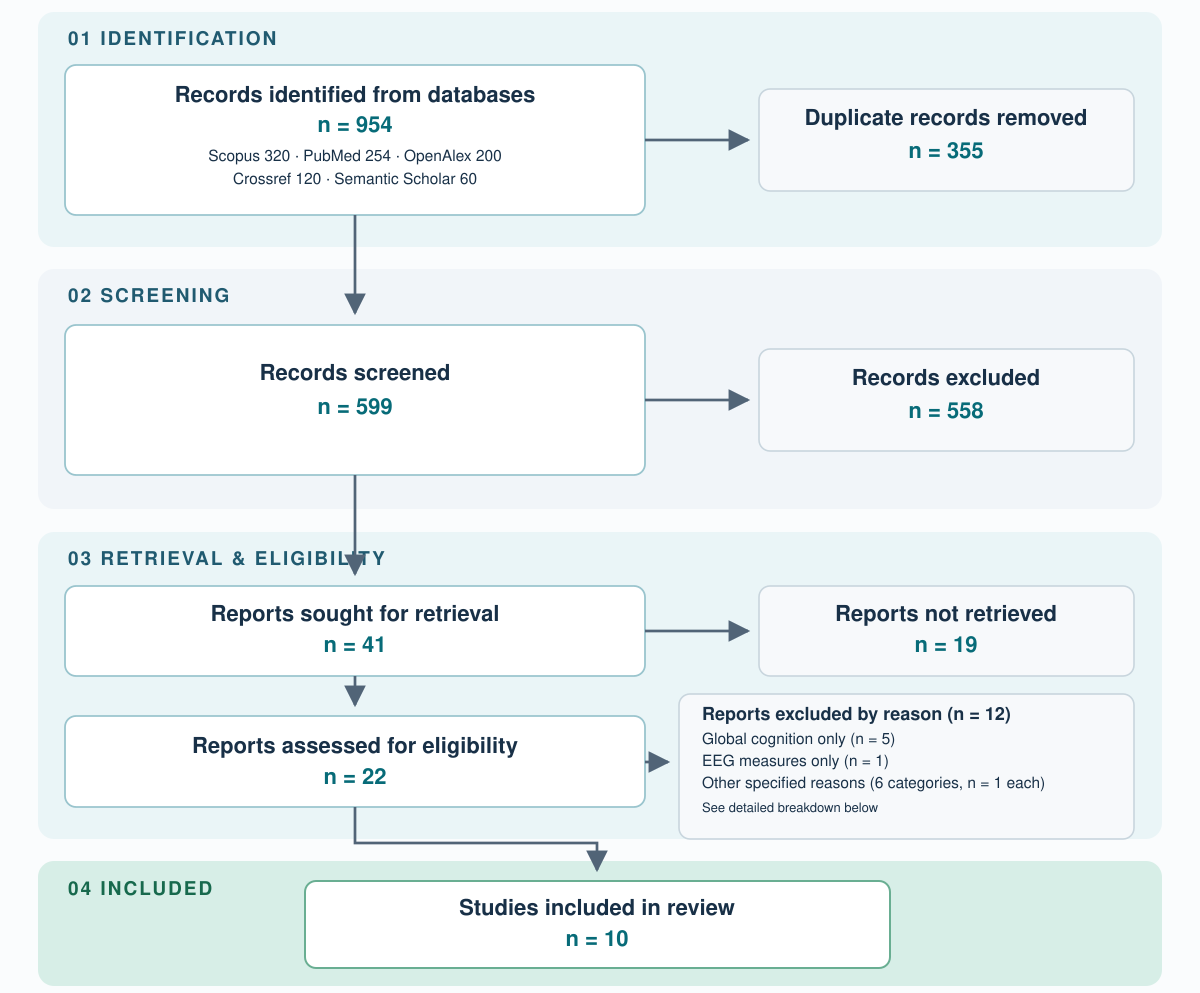
Figure 2. PRISMA 2020 flow diagram of study selection.
DISCUSSION
The practical implication is narrow. Serious games are a reasonable way to train executive function after stroke, but the current trials do not justify expecting a larger gain in attention or memory than conventional cognitive training provides. Clinics that already own the equipment can use game-based training as a complement, but they should not replace structured cognitive work on the expectation of a superior effect. Earlier reviews of exergames also reported gains in executive function across neurological disabilities.(36,37) Those reviews pooled populations other than stroke, so the agreement concerns direction rather than size.
The weaker findings for attention and memory fit the largest synthesis of stroke cognitive rehabilitation. In 64 randomized trials, multiple-component interventions improved memory and general cognition, but cognitive rehabilitation alone did not show a significant effect.( 8) A review of virtual reality therapy on cognition after stroke found no advantage over control for global cognition or memory,( 15) which matches the six of seven studies here that found no memory difference. A network meta-analysis placed virtual reality and computer-assisted cognitive rehabilitation above conventional therapy on the Montreal Cognitive Assessment, with the computer-assisted format ranked first.( 38) That ranking suggests that the game wrapper may contribute less than the amount and structure of cognitive practice. The present data are consistent with that reading, because games led more often against conventional cognitive training than against usual care, although the subgroups were small.
Reviews that restricted the comparison to technology-based approaches are more consistent with the present counts. A systematic review of multisensory technologies, mostly virtual reality, found them at least comparable to standard treatment and particularly effective for attention, spatial cognition, global cognition and memory, but it noted that no included study enrolled acute stroke and that sample size and blinding were weak.( 39) Comparable is the accurate summary of that finding, and it matches the many null contrasts reported here. A meta-analysis of 26 trials of combined cognitive and motor therapy after stroke concluded that the combination was not superior to motor therapy or cognitive therapy alone.( 40) Many game-based interventions are, by design, combined cognitive-motor tasks, so that result predicts the absence of a clear advantage over single-component training. Descriptive overviews of virtual reality in cognitive rehabilitation after stroke, in contrast, listed improvement in executive, visuospatial, attention and memory skills, and a review across neurocognitive disorders suggested gains in memory, dual tasking and visual attention.(13,14) Those overviews did not require a concurrent control arm, which allows spontaneous recovery and practice effects to appear as benefit.
Other reviews found larger effects. A meta-analysis in chronic stroke reported a large effect of virtual reality combined with traditional rehabilitation on attention and execution,( 16) and a review of 21 trials in post-stroke cognitive impairment reported gains in global and domain scales.( 17) A meta-analysis of 29 studies of virtual reality games in older stroke patients also found higher attention scores.( 41) Three features explain the difference from this review. First, those reviews pooled mostly screening scales such as the Mini-Mental State Examination and the Montreal Cognitive Assessment, which reward broad gains, whereas this review required domain-level outcomes. Second, the comparators in one of them were conventional rehabilitation or drug therapy,( 17) which do not train cognition, so the contrast was between some cognitive stimulation and none. Third, small positive trials may contribute disproportionately to such pooled effects. The pooled change in the Trail Making Test A here (0.21, 95% CI −0.10 to 0.51) sits between a null result and the moderate effect of those reviews.
The stage after stroke may explain part of the pattern, although the data are too thin to test it. Games led on at least one domain in 4 of 5 studies in the acute and subacute phases and in 2 of 5 in the chronic phase. Recovery is fastest early after stroke, and a meta-regression of cognitive recovery examined both recovery stage and intervention type as moderators of change.( 6) In the early phase, a contrast against usual care can reflect the extra therapy hours of an add-on design as much as the content of the game. Two of the early-phase trials with usual-care comparators gave the control arm no additional time,(29,30) and only the first of them, which also had a concealed allocation, reported a clear advantage. The display type shows a similar caveat. Both head-mounted trials favored the games on at least one domain,(34,35) but neither blinded its participants, and two studies cannot support a claim about immersion.
The trial with the largest sample is the most informative counterweight. In 97 survivors, a game-based cognitive flexibility program improved performance, but so did mock training and the waiting list, and the groups did not differ.(27) A review of computer-based executive training reached the same conclusion about active controls and warned that spontaneous recovery and retest effects are hard to separate from training effects without them.(9) Most small trials in this review had no such control, so improvement within the game arm cannot be read as a treatment effect. The one trial that reported improvement only inside the intervention arm illustrates the problem, because its control group received home cognitive tasks and showed no change.( 32)
Abstract-level information from trials whose full texts were not retrievable points the same way. A pilot comparing a digital prism adaptation and serious game protocol with routine cognitive training reported gains in digit span, spatial span, attentional matrices and a Stroop task only in the experimental arm.(42) A trial of commercial computerized training against conventional cognitive training found no between-group difference in cognitive change.(43) In a three-arm exergame trial, groups differed only in abstraction and language domains of a screening instrument, not in its total score.(44) A study of virtual reality serious games against a waiting list found improvement in attention and memory only in the intervention arm.(45) A cognitive-motor exergaming trial reported cognitive gains under dual-task conditions in the game arm while conventional training improved motor performance alone.(46) These reports cannot be extracted or appraised, so they are used only to check consistency. They show the same split, with within-group gains common and between-group differences uncommon.
A recurring difficulty is that the active ingredient of a game-based intervention is not isolated. The authors of the adaptive virtual reality simulation listed four features that distinguish it from paper-and-pencil training: ecological validity, everyday stimuli, game elements with rewards and immediate feedback.(31) Each of these can change the outcome independently, and none of the included trials varied them one at a time. A factorial or dismantling design, in which the same cognitive content is delivered with and without scoring, feedback or narrative, would show which element carries the effect. Without it, a positive trial cannot tell a clinician whether to buy a game, adopt an ecological task or increase the dose of practice. The dose itself varied from two to twelve weeks and from 15 minutes per day to three sessions per week, and the dose-response relationship cannot be assessed from ten studies with different instruments.
Usability and user experience are central to games, yet they were secondary in the included reports. Cybersickness is the best documented risk of immersive displays, and the head-mounted trial recorded none in its game arm.( 35) Cognitive load is a related design question, since patients with attention or memory deficits may find a game interface harder to learn than a familiar paper task. Reviews of motivation and flow measurement in neurorehabilitation show that satisfaction is usually measured with questionnaires of uneven validity.(11,47) Future trials should pair cognitive outcomes with validated engagement and usability measures so that the engagement argument for games can be tested rather than assumed.
The mechanisms proposed in the trials are plausible but untested here. Embedding cognitive demands in daily-life scenarios, as in the kitchen and supermarket tasks, may promote transfer to planning and problem solving, which would explain why executive measures responded more often than attention measures.(31,35) Immersion and motivation are the usual explanations for the benefit of games, and instruments for flow and motivation exist for neurological rehabilitation.(47) Yet motivation and satisfaction have been measured with many different questionnaires, only some of them validated,(11) and the included trials rarely linked engagement to cognitive change. Adaptive difficulty is another design feature, and methods for adjusting difficulty dynamically in serious games have been catalogued.( 48) Two included trials explicitly tested adaptive or personalized training.( 31,32)
Measurement choices deserve scrutiny because they shape the vote count. Most tests tap more than one function. The Trail Making Test A combines visual search with motor speed, the digit symbol test adds symbol learning and writing speed, and verbal fluency draws on language as well as executive control. Repeated testing within a few weeks also invites practice effects, which help explain why both arms improved in almost every trial. In addition, the favorable findings rested on one or two measures per study: the digit symbol test in one trial,( 34) the visual continuous performance test in another,( 26) and the Tower of London in a third.( 35) With many tests across the ten studies and no correction for multiplicity, some of these differences may be chance findings. The consistency of direction across studies is more reassuring than any single p value, and it points to a small benefit at most.
The reporting of the included trials also limits what can be pooled. In a review of post-stroke cognitive rehabilitation trials, the person delivering the intervention was described in only 22% of reports, and the materials and procedures in 50% to 70%.( 49) A review of computerized cognitive training after stroke that wanted to account for cognitive reserve found 19 intervention studies, of which only four met the inclusion criteria and shared data.( 50) The same pattern appeared here. Of 41 reports sought, 19 lacked an open full text, and several included trials gave medians or only within-group statistics.
The size of the plausible effect has a direct consequence for trial design. A standardized difference of 0.21, the pooled value for the Trail Making Test A, would require about 356 participants per arm to be detected with 80% power at a two-sided significance level of 0.05. The largest included trial enrolled 97 participants in three arms,( 27) and most enrolled 30 or fewer. These trials were therefore powered only for large effects, and the large effect sizes in the small studies(29,30) are the pattern expected when small samples are filtered by significance. Multicenter trials with an active control, assessor blinding and a prespecified primary domain are needed to decide whether a difference of this size exists, and telehealth delivery could make the recruitment of several hundred participants feasible.( 51)
Improvement inside the game arm deserves a separate comment because it is the finding most likely to be over-read. In nearly every trial both arms improved, and in the Colombian cohort that received no cognitive rehabilitation, executive function, attention and processing speed also improved over the first year, in survivors and in healthy controls.( 52) Part of what appears as treatment response is therefore recovery, retesting and familiarity with the tasks. A within-group pre-post design cannot separate these sources from the effect of the game, and single-arm studies would be expected to show the same improvement. The between-group contrast is the appropriate unit of inference, and the modest pooled estimates for the tests that allowed one are the better guide to the size of the effect.
For clinical practice, the findings support a conditional position. A therapist choosing between a game and a structured paper or computer program can reasonably select the game when the patient finds it more acceptable, because no trial reported a significant interaction favoring the comparator. The choice can be monitored through the patient's attendance and effort, which are the outcomes that games are meant to improve and which were not the focus of the included reports. Where the goal is executive function, the favorable results came from games that embed planning and problem solving in everyday scenarios, such as the kitchen task, and not from generic console games. Where the goal is attention or memory, structured cognitive practice with a graded difficulty remains the reference, and a game should be judged against it. Stage matters for expectations: in the acute phase, improvement in both arms is the norm and the added value of any intervention is hard to detect, while in the chronic phase, spontaneous change is smaller and a null contrast is more informative.
The distinction between serious games and gamification is relevant to interpretation. Most interventions here were purpose-built games or virtual environments with scoring and feedback, whereas gamification adds game elements such as points, levels or competition to an otherwise ordinary task. Only one trial examined a social game element directly, comparing competitive and non-competitive group training, and it was excluded because both arms received the same game-based program. Evidence on gamified versions of existing cognitive exercises is therefore indirect, and the conclusions of this review should not be extended to them.
Pervasive technology also raises ethical and access questions that the trials did not address. Game platforms collect performance data continuously, and the included reports rarely described how those data were stored, who could see them or whether patients could withdraw them. Head-mounted displays and tablets assume vision, hand function and digital literacy that many survivors lack, and exclusion criteria such as aphasia, neglect or computer fear in the largest trial( 27) narrow the population to which the findings apply. In settings where rehabilitation resources are scarce,( 19) a technology that works only for the most able patients can widen rather than narrow inequality. Designing for accessibility and testing in representative samples should be treated as part of efficacy, not as an afterthought.
Transferability to Latin America deserves a separate comment. Stroke prevalence in Latin America and the Caribbean was estimated at 32 per 1000 subjects,(53) and the region had the fourth largest stroke burden worldwide in 2019.(54) Epidemiological data remain scarce in a region composed mainly of lower-middle-income countries,(20) and rehabilitation resources are limited in such settings.(19) A Colombian cohort without cognitive rehabilitation services showed improvement in executive function and attention over the first year, so any game-based program has to be compared with that background recovery.(52) Low-cost platforms such as smartphone augmented reality or commercial consoles, which were used in the included trials,(30,33) and remote delivery of virtual reality cognitive rehabilitation(51,55) are the options most compatible with those constraints. No included trial was conducted in Latin America, so effectiveness there is untested, and trials with local populations and Spanish or Portuguese content are the logical next step.
CONCLUSIONS
Serious games improved executive function in some small trials, but the evidence for a larger effect than conventional cognitive training is inconsistent. For attention and memory, most trials found no advantage over the comparator, and improvement within the game arm was common but not specific to games. The certainty of these conclusions is limited by small samples, frequent risk of bias and heterogeneous instruments, and the findings remain untested in Latin American stroke populations.
References
- 1 Feigin VL, Stark BA, Johnson CO, Roth GA, Bisignano C, Abady GG, et al. Global, regional, and national burden of stroke and its risk factors, 1990–2019: a systematic analysis for the Global Burden of Disease Study 2019. The Lancet Neurology. 2021;20(10):795-820. doi: 10.1016/s1474-4422(21)00252-0
- 2 Sexton E, McLoughlin A, Williams DJ, Merriman NA, Donnelly N, Rohde D, et al. Systematic review and meta-analysis of the prevalence of cognitive impairment no dementia in the first year post-stroke. Eur Stroke J. 2019;4(2):160-171. doi: 10.1177/2396987318825484
- 3 Jacquin A, Binquet C, Rouaud O, Graule-Petot A, Daubail B, Osseby GV, et al. Post-Stroke Cognitive Impairment: High Prevalence and Determining Factors in a Cohort of Mild Stroke. Journal of Alzheimer’s Disease. 2014;40(4):1029-1038. doi: 10.3233/jad-131580
- 4 Mahon S, Parmar P, Barker-Collo S, Krishnamurthi R, Jones K, Theadom A, et al. Determinants, Prevalence, and Trajectory of Long-Term Post-Stroke Cognitive Impairment: Results from a 4-Year Follow-Up of the ARCOS-IV Study. Neuroepidemiology. 2017;49(3-4):129-134. doi: 10.1159/000484606
- 5 Merriman NA, Sexton E, McCabe G, Walsh ME, Rohde D, Gorman A, et al. Addressing cognitive impairment following stroke: systematic review and meta-analysis of non-randomised controlled studies of psychological interventions. BMJ Open. 2019;9(2):e024429. doi: 10.1136/bmjopen-2018-024429
- 6 Saa JP, Tse T, Baum CM, Cumming T, Josman N, Rose M, et al. Cognitive Recovery After Stroke: A Meta-analysis and Metaregression of Intervention and Cohort Studies. Neurorehabil Neural Repair. 2021;35(7):585-600. doi: 10.1177/15459683211017501
- 7 Brainin M, Tuomilehto J, Heiss W‐, Bornstein NM, Bath PMW, Teuschl Y, et al. Post‐stroke cognitive decline: an update and perspectives for clinical research. Euro J of Neurology. 2015;22(2):229. doi: 10.1111/ene.12626
- 8 O'Donoghue M, Leahy S, Boland P, Galvin R, McManus J, Hayes S. Rehabilitation of Cognitive Deficits Poststroke: Systematic Review and Meta-Analysis of Randomized Controlled Trials. Stroke. 2022;53(5):1700-1710. doi: 10.1161/strokeaha.121.034218
- 9 van de Ven RM, Murre JMJ, Veltman DJ, Schmand BA. Computer-Based Cognitive Training for Executive Functions after Stroke: A Systematic Review. Front Hum Neurosci. 2016;10:150-150. doi: 10.3389/fnhum.2016.00150
- 10 Shahmoradi L, Mohammadian F, Rahmani Katigari M. A Systematic Review on Serious Games in Attention Rehabilitation and Their Effects. Behavioural Neurology. 2022;2022:1-32. doi: 10.1155/2022/2017975
- 11 Monardo G, Pavese C, Giorgi I, Godi M, Colombo R. Evaluation of Patient Motivation and Satisfaction During Technology-Assisted Rehabilitation: An Experiential Review. Games for Health Journal. 2021;10(1):13-27. doi: 10.1089/g4h.2020.0024
- 12 Laver KE, Lange B, George S, Deutsch JE, Saposnik G, Crotty M. Virtual reality for stroke rehabilitation. Cochrane Database Syst Rev. 2017;2018(1):CD008349. doi: 10.1002/14651858.cd008349.pub4
- 13 Maggio MG, Latella D, Maresca G, Sciarrone F, Manuli A, Naro A, et al. Virtual Reality and Cognitive Rehabilitation in People With Stroke: An Overview. J Neurosci Nurs. 2019;51(2):101-105. doi: 10.1097/jnn.0000000000000423
- 14 Moreno A, Wall KJ, Thangavelu K, Craven L, Ward E, Dissanayaka NN. A systematic review of the use of virtual reality and its effects on cognition in individuals with neurocognitive disorders. A&D Transl Res & Clin Interv. 2019;5(1):834-850. doi: 10.1016/j.trci.2019.09.016
- 15 Wiley E, Khattab S, Tang A. Examining the effect of virtual reality therapy on cognition post-stroke: a systematic review and meta-analysis. Disability and Rehabilitation: Assistive Technology. 2022;17(1):50-60. doi: 10.1080/17483107.2020.1755376
- 16 Gao Y, Ma L, Lin C, Zhu S, Yao L, Fan H, et al. Effects of Virtual Reality-Based Intervention on Cognition, Motor Function, Mood, and Activities of Daily Living in Patients With Chronic Stroke: A Systematic Review and Meta-Analysis of Randomized Controlled Trials. Front Aging Neurosci. 2021;13:766525. doi: 10.3389/fnagi.2021.766525
- 17 Chen X, Liu F, Lin S, Yu L, Lin R. Effects of Virtual Reality Rehabilitation Training on Cognitive Function and Activities of Daily Living of Patients With Poststroke Cognitive Impairment: A Systematic Review and Meta-Analysis. Archives of Physical Medicine and Rehabilitation. 2022;103(7):1422-1435. doi: 10.1016/j.apmr.2022.03.012
- 18 Page MJ, McKenzie JE, Bossuyt PM, Boutron I, Hoffmann TC, Mulrow CD, et al. The PRISMA 2020 statement: an updated guideline for reporting systematic reviews. BMJ. 2021:n71. doi: 10.1136/bmj.n71
- 19 Yan LL, Li C, Chen J, Miranda JJ, Luo R, Bettger J, et al. Prevention, management, and rehabilitation of stroke in low- and middle-income countries. eNeurologicalSci. 2016;2:21-30. doi: 10.1016/j.ensci.2016.02.011
- 20 Delfino C, Nuñez M, Asenjo-Lobos C, Gonzalez F, Riviotta A, Urrutia F, et al. Stroke in Latin America: Systematic review of incidence, prevalence, and case-fatality in 1997–2021. International Journal of Stroke. 2023;18(6):645-656. doi: 10.1177/17474930221143323
- 21 Campbell M, McKenzie JE, Sowden A, Katikireddi SV, Brennan SE, Ellis S, et al. Synthesis without meta-analysis (SWiM) in systematic reviews: reporting guideline. BMJ. 2020:l6890. doi: 10.1136/bmj.l6890
- 22 Morris SB. Estimating Effect Sizes From Pretest-Posttest-Control Group Designs. Organizational Research Methods. 2008;11(2):364-386. doi: 10.1177/1094428106291059
- 23 DerSimonian R, Laird N. Meta-analysis in clinical trials. Controlled Clinical Trials. 1986;7(3):177-188. doi: 10.1016/0197-2456(86)90046-2
- 24 Sterne JAC, Savović J, Page MJ, Elbers RG, Blencowe NS, Boutron I, et al. RoB 2: a revised tool for assessing risk of bias in randomised trials. BMJ. 2019:l4898. doi: 10.1136/bmj.l4898
- 25 Sterne JA, Hernán MA, Reeves BC, Savović J, Berkman ND, Viswanathan M, et al. ROBINS-I: a tool for assessing risk of bias in non-randomised studies of interventions. BMJ. 2016:i4919. doi: 10.1136/bmj.i4919
- 26 Kim BR, Chun MH, Kim LS, Park JY. Effect of Virtual Reality on Cognition in Stroke Patients. Ann Rehabil Med. 2011;35(4):450. doi: 10.5535/arm.2011.35.4.450
- 27 van de Ven RM, Buitenweg JIV, Schmand B, Veltman DJ, Aaronson JA, Nijboer TCW, et al. Brain training improves recovery after stroke but waiting list improves equally: A multicenter randomized controlled trial of a computer-based cognitive flexibility training. PLoS ONE. 2017;12(3):e0172993. doi: 10.1371/journal.pone.0172993
- 28 Faria AL, Cameirão MS, Couras JF, Aguiar JRO, Costa GM, Bermúdez i Badia S. Combined Cognitive-Motor Rehabilitation in Virtual Reality Improves Motor Outcomes in Chronic Stroke – A Pilot Study. Front Psychol. 2018;9:854. doi: 10.3389/fpsyg.2018.00854
- 29 Rogers JM, Duckworth J, Middleton S, Steenbergen B, Wilson PH. Elements virtual rehabilitation improves motor, cognitive, and functional outcomes in adult stroke: evidence from a randomized controlled pilot study. J NeuroEngineering Rehabil. 2019;16(1):56. doi: 10.1186/s12984-019-0531-y
- 30 Unibaso-Markaida I, Iraurgi I, Ortiz-Marqués N, Amayra I, Martínez-Rodríguez S. Effect of the Wii Sports Resort on the improvement in attention, processing speed and working memory in moderate stroke. J NeuroEngineering Rehabil. 2019;16(1):32. doi: 10.1186/s12984-019-0500-5
- 31 Faria AL, Pinho MS, Bermúdez i Badia S. A comparison of two personalization and adaptive cognitive rehabilitation approaches: a randomized controlled trial with chronic stroke patients. J NeuroEngineering Rehabil. 2020;17(1):78. doi: 10.1186/s12984-020-00691-5
- 32 Maier M, Ballester BR, Leiva Bañuelos N, Duarte Oller E, Verschure PFMJ. Adaptive conjunctive cognitive training (ACCT) in virtual reality for chronic stroke patients: a randomized controlled pilot trial. J NeuroEngineering Rehabil. 2020;17(1):42. doi: 10.1186/s12984-020-0652-3
- 33 Li C, Song X, Chen S, Wang C, He J, Zhang Y, et al. Long-term Effectiveness and Adoption of a Cellphone Augmented Reality System on Patients with Stroke: Randomized Controlled Trial. JMIR Serious Games. 2021;9(4):e30184. doi: 10.2196/30184
- 34 Liu Z, He Z, Yuan J, Lin H, Fu C, Zhang Y, et al. Application of Immersive Virtual-Reality-Based Puzzle Games in Elderly Patients with Post-Stroke Cognitive Impairment: A Pilot Study. Brain Sciences. 2022;13(1):79. doi: 10.3390/brainsci13010079
- 35 Specht J, Stegmann B, Gross H, Krakow K. Cognitive Training With Head-Mounted Display Virtual Reality in Neurorehabilitation: Pilot Randomized Controlled Trial. JMIR Serious Games. 2023;11:e45816. doi: 10.2196/45816
- 36 Mura G, Carta MG, Sancassiani F, Machado S, Prosperini L. Active exergames to improve cognitive functioning in neurological disabilities: a systematic review and meta-analysis. Eur J Phys Rehabil Med. 2018;54(3):450-462. doi: 10.23736/s1973-9087.17.04680-9
- 37 Stanmore E, Stubbs B, Vancampfort D, de Bruin ED, Firth J. The effect of active video games on cognitive functioning in clinical and non-clinical populations: A meta-analysis of randomized controlled trials. Neuroscience & Biobehavioral Reviews. 2017;78:34-43. doi: 10.1016/j.neubiorev.2017.04.011
- 38 Xiao Z, Wang Z, Song G, Zhong Y, Zhang W. Rehabilitation efficacy comparison of virtual reality technology and computer-assisted cognitive rehabilitation in patients with post-stroke cognitive impairment: A network meta-analysis. Journal of Clinical Neuroscience. 2022;103:85-91. doi: 10.1016/j.jocn.2022.07.005
- 39 Parisi A, Bellinzona F, Di Lernia D, Repetto C, De Gaspari S, Brizzi G, et al. Efficacy of Multisensory Technology in Post-Stroke Cognitive Rehabilitation: A Systematic Review. JCM. 2022;11(21):6324. doi: 10.3390/jcm11216324
- 40 Embrechts E, McGuckian TB, Rogers JM, Dijkerman CH, Steenbergen B, Wilson PH, et al. Cognitive and Motor Therapy After Stroke Is Not Superior to Motor and Cognitive Therapy Alone to Improve Cognitive and Motor Outcomes: New Insights From a Meta-analysis. Archives of Physical Medicine and Rehabilitation. 2023;104(10):1720-1734. doi: 10.1016/j.apmr.2023.05.010
- 41 Lin C, Ren Y, Lu A. The effectiveness of virtual reality games in improving cognition, mobility, and emotion in elderly post-stroke patients: a systematic review and meta-analysis. Neurosurg Rev. 2023;46(1):167. doi: 10.1007/s10143-023-02061-w
- 42 Oliveri M, Bagnato S, Rizzo S, Imbornone E, Giustiniani A, Catania A, et al. A novel digital approach for post-stroke cognitive deficits: a pilot study. Restorative Neurology and Neuroscience. 2023;41(3-4):103-113. doi: 10.3233/rnn-231305
- 43 Ho HY, Chen MD, Tsai CC, Chen HM. Effects of computerized cognitive training on cognitive function, activity, and participation in individuals with stroke: A randomized controlled trial. NeuroRehabilitation. 2022;51(1):79-89. doi: 10.3233/nre-210271
- 44 Hung JW, Chou CX, Chang HF, Wu WC, Hsieh YW, Chen PC, et al. Cognitive effects of weight-shifting controlled exergames in patients with chronic stroke: a pilot randomized comparison trial. Eur J Phys Rehabil Med. 2017;53(5):694-702. doi: 10.23736/s1973-9087.17.04516-6
- 45 Gamito P, Oliveira J, Coelho C, Morais D, Lopes P, Pacheco J, et al. Cognitive training on stroke patients via virtual reality-based serious games. Disability and Rehabilitation. 2017;39(4):385-388. doi: 10.3109/09638288.2014.934925
- 46 Kannan L, Vora J, Bhatt T, Hughes SL. Cognitive-motor exergaming for reducing fall risk in people with chronic stroke: A randomized controlled trial. NRE. 2019;44(4):493-510. doi: 10.3233/nre-182683
- 47 Ottiger B, Van Wegen E, Keller K, Nef T, Nyffeler T, Kwakkel G, et al. Getting into a “Flow” state: a systematic review of flow experience in neurological diseases. J NeuroEngineering Rehabil. 2021;18(1):65. doi: 10.1186/s12984-021-00864-w
- 48 Lopes JC, Lopes RP. A Review of Dynamic Difficulty Adjustment Methods for Serious Games. In: Communications in Computer and Information Science. Springer International Publishing; 2022. p. 144-159. doi: 10.1007/978-3-031-23236-7_11
- 49 Small R, Wilson PH, Wong D, Rogers JM. Who, what, when, where, why, and how: A systematic review of the quality of post-stroke cognitive rehabilitation protocols. Annals of Physical and Rehabilitation Medicine. 2022;65(5):101623. doi: 10.1016/j.rehab.2021.101623
- 50 Fava-Felix PE, Bonome-Vanzelli SRC, Ribeiro FS, Santos FH. Systematic review on post-stroke computerized cognitive training: Unveiling the impact of confounding factors. Front Psychol. 2022;13:985438. doi: 10.3389/fpsyg.2022.985438
- 51 Mantovani E, Zucchella C, Bottiroli S, Federico A, Giugno R, Sandrini G, et al. Telemedicine and Virtual Reality for Cognitive Rehabilitation: A Roadmap for the COVID-19 Pandemic. Front Neurol. 2020;11:926. doi: 10.3389/fneur.2020.00926
- 52 Pugh M, Olabarrieta‐Landa L, Chagualá AC, Perrin PB, Arango‐Lasprilla JC. Spontaneous Recovery of Executive Function, Attention, and Processing Speed in Stroke Patients in Colombia. PM&R. 2021;13(7):674-682. doi: 10.1002/pmrj.12467
- 53 Cagna-Castillo D, Salcedo-Carrillo AL, Carrillo-Larco RM, Bernabé-Ortiz A. Prevalence and incidence of stroke in Latin America and the Caribbean: a systematic review and meta-analysis. Sci Rep. 2023;13(1):6809. doi: 10.1038/s41598-023-33182-3
- 54 Pacheco‐Barrios K, Giannoni‐Luza S, Navarro‐Flores A, Rebello‐Sanchez I, Parente J, Balbuena A, et al. Burden of Stroke and Population‐Attributable Fractions of Risk Factors in Latin America and the Caribbean. JAHA. 2022;11(21):e027044. doi: 10.1161/jaha.122.027044
- 55 Ciortea VM, Motoașcă I, Ungur RA, Borda IM, Ciubean AD, Irsay L. Telerehabilitation—A Viable Option for the Recovery of Post-Stroke Patients. Applied Sciences. 2021;11(21):10116. doi: 10.3390/app112110116
Declarations
Funding
No financing
Conflict of interest
None
Authorship contributions
Drafting – original draft: Erik Ricardo Condori, Fiorella Luz De La Cruz Espinoza.
Writing–review and editing: Erik Ricardo Condori, Fiorella Luz De La Cruz Espinoza.