

Abstract
Introduction: Patient-reported outcomes (PROs) capture how patients feel and function, yet their use in dental trials is not well characterized at the point of registration. Methods: Cross-sectional study of interventional trials registered in ClinicalTrials.gov between 2018 and 2026 with stomatognathic conditions. A deterministic rule-based classifier identified PROs among primary and secondary outcomes, and trials were classified into dental specialties. Results: Of 6,799 retrieved trials, 6,079 were classifiable into a dental specialty. A PRO was included as a primary or secondary outcome in 2,783 trials (45.8%, 95% CI 44.5-47.0), and as a primary outcome in 1,569 (25.8%). The proportion ranged from 28.6% in periodontics to 68.6% in oral medicine and pathology; adjusted odds ratios versus periodontics were 6.08 (95% CI 5.17-7.15) for oral medicine and pathology and 3.36 (95% CI 2.78-4.06) for endodontics. Conclusions: Patient-reported outcomes are specified in less than half of dental trials and vary substantially by specialty, being least frequent in periodontics and implant dentistry; specialty-specific standards could promote patient-centred outcome selection.
Keywords
patient reported outcome measures, dentistry, clinical trials as topic, registries, cross-sectional studies, oral health
INTRODUCTION
Patient-centred care requires that treatment decisions and the evaluation of interventions reflect what patients feel, how they function and whether they survive, not only what the clinician can measure in the mouth.( 1) This shift from clinician-centred to patient-centred endpoints has been slower in dentistry than in several other medical fields, partly because many dental outcomes have traditionally been expressed as technical parameters such as survival, bone level or probing depth. A patient-reported outcome (PRO) is any report of a patient's health status that comes directly from the patient, without interpretation by a clinician, and it is captured with a patient-reported outcome measure.(2) Regulatory agencies encourage PRO measurement to support labelling claims, and reporting standards such as the CONSORT PRO extension were introduced to improve the description of PROs in randomized trials.(3) In dentistry, patient-reported constructs include pain, oral function, aesthetics, chewing and oral health-related quality of life, because oral diseases and their treatment directly affect daily activities such as eating, speaking and social interaction.(4,5) These constructs matter across the clinical spectrum, from symptom-driven conditions of the oral mucosa to rehabilitative treatments that aim to restore function and appearance. The field has proposed a common glossary of dental patient-centred outcomes and a set of instruments to standardize their measurement.( 6)
The literature indicates that dental researchers increasingly recognize the value of PROs, but that their use remains uneven across the discipline. Narrative and methodological reviews have described patient-centred assessments in dental clinical trials and have urged investigators to select outcomes that matter to patients rather than clinician-centred surrogate measures such as probing depth, attachment level or marginal bone level.(7,8) Specialty-specific reviews document PRO use in endodontics, orthodontics, prosthodontics, implant dentistry and pediatric dentistry, each with its own instruments, measurement properties and reporting practices.(9-13) Systematic reviews of measurement properties have catalogued the instruments available for adult dental patients and for specific oral diseases, and consensus standards now guide how measurement properties should be evaluated and reported.(14-16) The terminology itself has been debated, with a distinction drawn between the outcome reported by the patient and the instrument used to measure it.(17) Even when PROs are collected, published trials often describe them incompletely, which limits their interpretation and synthesis.(3) Most of this evidence, however, describes which instruments exist or how PROs are reported in published trials; it does not quantify how often PROs are actually specified as outcomes in the registry records that define trial protocols.
Registry-based studies offer a complementary view of trial design at the point of registration, before results are published and before selective reporting can obscure what was planned. Analyses of ClinicalTrials.gov have examined selective outcome reporting and research waste in oral health trials, and have described the characteristics of registered caries trials.(18-20) A cross-sectional study of Chinese randomized trials found that PRO instruments appeared in a minority of protocols, and comparable surveys in other medical fields show that PRO uptake is uneven even when instruments are available.(21) Because dental specialties differ in the biological nature of their outcomes, an overall estimate may conceal clinically important variation. To our knowledge, no study has quantified the prevalence of PROs across the full spectrum of dental specialties at the point of trial registration. We therefore aimed to estimate the proportion of interventional dental clinical trials registered between 2018 and 2026 that include a PRO as a primary or secondary outcome, and to examine whether this proportion varies by specialty. We hypothesized that PRO inclusion would differ across specialties and would be lower in specialties whose outcomes rely predominantly on clinical surrogate measures.
METHODS
Study design
Cross-sectional observational study of trial registrations, reported according to the STROBE statement. The unit of analysis was the individual trial record, and no individual participants were involved. The study question, the classification rules and the statistical plan were defined before the registry was queried, and no hypothesis-driven modifications were made after the results were obtained.
Setting and data source
Data were obtained from the ClinicalTrials.gov.( 22) We queried the studies endpoint for interventional studies whose first posting date, the operational definition of registration, fell between 1 January 2018 and 31 June 2026 and whose condition was indexed under the MeSH branch stomatognathic diseases. The query combined the condition search term stomatognathic diseases with the study-type filter for interventional studies and the first-posting-date filter for the study window. This MeSH branch covers diseases of the teeth, mouth and jaws together with pharyngeal conditions; trials that could not be classified into a dental specialty were subsequently excluded as described below. Records were retrieved in pages of one thousand through the API and stored as a machine-readable data set, and the extraction script, together with the classification rules described below, is deterministic and can be rerun to reproduce the sample. For each retrieved record we extracted the National Clinical Trial identifier, titles, conditions, MeSH condition terms and their ancestors, interventions, keywords, primary and secondary outcome names and descriptions, lead sponsor name and class, overall status, first posting date, phase, target enrollment and primary purpose.
Eligibility criteria
Trials were eligible if they were interventional, registered between 2018 and 2026, and classifiable into one of nine predefined dental specialties. Trials whose conditions, MeSH terms, interventions, keywords and titles did not match any dental specialty keyword, such as nasopharyngeal or oropharyngeal carcinoma, pharyngitis or systemic autoimmune diseases, were recorded and excluded from the analytic sample. No restrictions were placed on overall status, phase, sponsor, enrollment or country, so that the sample reflected the full range of dental interventional research registered in the platform.
Variables
Patient-reported outcomes
Each outcome was classified as a PRO or not by a deterministic, rule-based classifier applied to the outcome name and description. An outcome was considered a PRO when it met at least one of three conditions. First, it contained an explicit self-report signal, for example patient-reported, self-reported or completed by the patient. Second, it named a recognized PRO instrument, such as the Oral Health Impact Profile, the Oral Impacts on Daily Performances, the Geriatric Oral Health Assessment Index, EQ-5D, SF-36 or PROMIS, or a validated scale for dental anxiety or dentin hypersensitivity. Third, it described a patient-reported construct, such as quality of life, satisfaction, anxiety or fear, comfort, dental sensitivity, or pain measured on a patient-completed scale. Pain was classified as a PRO only when it was measured with a patient-reported scale such as a visual analogue or numeric rating scale, and clinician-elicited signs such as pain on percussion or palpation and observational scales such as FLACC were not considered PROs. Diagnostic sensitivity and specificity were excluded by requiring a dental context for the word sensitivity. The description field was used to disambiguate outcomes whose name alone was ambiguous; for example, an outcome named retention was classified as a PRO only when the description indicated a patient-completed questionnaire. Instrument names followed published nomenclature for oral health outcome measures.(16,17) Because the classification is textual and predefined, it is transparent and reproducible, and the full rule set is available in the analysis script. A trial was classified as including a PRO if at least one of its primary or secondary outcomes was a PRO, as including a primary PRO if at least one primary outcome was a PRO, and as including a secondary-only PRO if a PRO appeared among secondary but not primary outcomes.
Dental specialty
Each trial was assigned to one of nine specialties by a deterministic keyword classifier with a fixed priority order, applied to conditions, MeSH terms, interventions, keywords and titles: orthodontics, endodontics, periodontics, implant dentistry, oral and maxillofacial surgery, prosthodontics, pediatric dentistry, restorative and preventive dentistry, and oral medicine and pathology. The priority order resolved overlapping terms, for example assigning trials mentioning implants to implant dentistry, trials mentioning malocclusion or aligners to orthodontics, and trials mentioning pulp or root canal to endodontics. Trials mentioning only non-dental conditions, such as pharyngeal neoplasms, were labelled as not dental and excluded from the analytic sample. Because the classification depends only on the recorded text and a fixed keyword list, it is reproducible across raters and time.
Other variables
Registration year was the calendar year of first posting. Overall status was grouped as completed, recruiting or not yet recruiting, active not recruiting, terminated/withdrawn/suspended, and unknown. Phase was grouped as phase 1, phase 1/2, phase 2, phase 3, phase 4 or not applicable; many dental trials involve devices or procedures and therefore have no phase, which was recorded as not applicable. The lead sponsor was classified as industry or non-industry on the basis of the sponsor class recorded in the registry, and target enrollment was extracted as reported.
Bias
The main sources of bias in this design are misclassification and selection. Misclassification could arise from the textual PRO classifier if an outcome name or description used wording that the rules did not capture, or if a clinical sign was incorrectly treated as patient-reported; we reduced this risk with conservative rules that required an explicit self-report signal, a named instrument, or a construct together with a patient-completed scale. Selection could arise from the MeSH-based search, which captures diseases of the teeth, mouth and jaws but under-represents some maxillofacial injuries, and from the specialty classifier, which may assign a small number of multi-disciplinary trials to a single specialty; the fixed priority order makes this assignment reproducible. Information bias is limited because the registry fields were completed by the trial sponsors at registration and were not generated by the investigators of this study.
Study size
No a priori sample size calculation was performed because the study was a census of eligible registry records rather than a sampling study. All interventional trials meeting the eligibility criteria within the study window were included, which maximized precision for the overall estimate. The smallest specialty strata, prosthodontics and implant dentistry, were nevertheless small enough to produce wide confidence intervals around their proportions.
Statistical analysis
Categorical variables were summarized as frequencies and percentages, and target enrollment as median with interquartile range because its distribution was skewed. Proportions were reported with 95% Wilson confidence intervals, which remain well behaved for the low and high proportions observed in some strata. No target enrollment values were missing. The association between specialty and PRO inclusion was tested with the chi-squared test and quantified with a logistic regression model that included specialty, phase, industry sponsorship, log-transformed target enrollment and registration year. Specialty was entered as a categorical variable, phase as a categorical variable with not applicable as the reference, industry sponsorship as a binary indicator, and log-transformed target enrollment and registration year as continuous terms. Adjusted odds ratios with 95% confidence intervals were estimated with periodontics, the largest specialty, as the reference category, which maximizes the precision of the comparisons, and the odds ratio for registration year was expressed per one-year increase. A separate logistic model with registration year as the only predictor estimated the temporal trend in the odds of PRO inclusion. Analyses were performed with Python 3.14 using pandas, statsmodels and SciPy, with a two-sided alpha of 0.05.
Ethical considerations
Only public, de-identified registry data were used, so no ethical approval was required.
RESULTS
The query retrieved 6,799 interventional trials with stomatognathic conditions registered between 2018 and 2026. Of these, 720 could not be classified into any dental specialty and were excluded, leaving 6,079 dental clinical trials for analysis (Figure 1). The excluded records consisted mainly of trials of pharyngeal and head and neck neoplasms, pharyngitis and systemic diseases with an incidental oral manifestation, which fall outside the scope of dental practice.
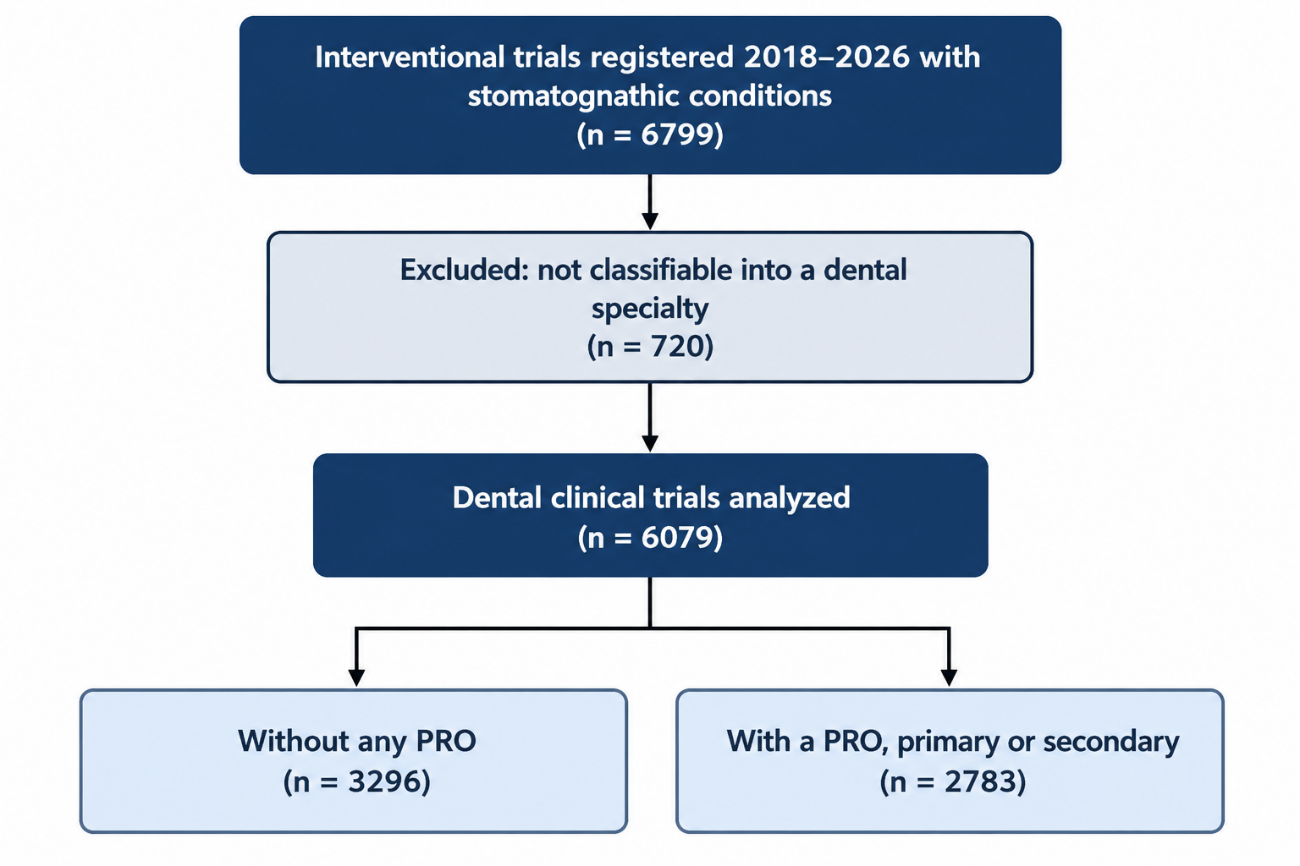
Figure 1. Flow of study selection from ClinicalTrials.gov to the analytic sample.
Note: PRO = patient-reported outcome. Source: Elaboración propia a partir de ClinicalTrials.gov.At least one PRO was specified as a primary or secondary outcome in 2,783 of the 6,079 dental trials (45.8%, 95% CI 44.5-47.0), and the remaining 3,296 trials specified no patient-reported outcome in either position. A PRO was specified as a primary outcome in 1,569 trials (25.8%, 95% CI 24.7-26.9), and only as a secondary outcome in 1,214 trials (20.0%, 95% CI 19.0-21.0). Among the 1,569 trials with a primary PRO, 589 also reported a PRO as a secondary outcome, whereas 980 did not.
The distribution of trial characteristics is shown in Table 1. Most dental trials carried no phase designation (4,757 trials), a pattern consistent with the predominance of device, procedure and behavioural interventions in dental research, and industry-sponsored trials numbered 486 compared with 5,593 non-industry trials. The median target enrollment was 42 participants (IQR 27-75), which reflects the comparatively small sample sizes typical of dental clinical research. Trials with and without a PRO were broadly similar in sponsor, with PROs specified in 43.8% of industry-sponsored and 46.0% of non-industry trials. PRO specification was less frequent in completed trials (41.7%) than in trials that were terminated, withdrawn or suspended (61.7%), and it was more frequent in phase 2 trials than in phase 1 trials (Table 1).
Characteristic | Category | With PRO (n = 2783) | Without PRO (n = 3296) |
|---|---|---|---|
Total | 2783 | 3296 | |
Registration year | 2018 | 216 (42.8) | 289 (57.2) |
Registration year | 2019 | 224 (44.0) | 285 (56.0) |
Registration year | 2020 | 253 (45.8) | 300 (54.2) |
Registration year | 2021 | 208 (41.0) | 299 (59.0) |
Registration year | 2022 | 246 (43.8) | 316 (56.2) |
Registration year | 2023 | 338 (46.9) | 382 (53.1) |
Registration year | 2024 | 399 (47.0) | 450 (53.0) |
Registration year | 2025 | 379 (45.3) | 457 (54.7) |
Registration year | 2026 | 520 (50.1) | 518 (49.9) |
Overall status | Completed | 1256 (41.7) | 1758 (58.3) |
Overall status | Recruiting or not yet recruiting | 699 (50.2) | 693 (49.8) |
Overall status | Active, not recruiting | 154 (48.9) | 161 (51.1) |
Overall status | Terminated, withdrawn or suspended | 103 (61.7) | 64 (38.3) |
Overall status | Unknown status | 571 (47.9) | 620 (52.1) |
Phase | Phase 1 | 93 (33.7) | 183 (66.3) |
Phase | Phase 1/2 | 49 (45.0) | 60 (55.0) |
Phase | Phase 2 | 220 (52.9) | 196 (47.1) |
Phase | Phase 3 | 110 (48.9) | 115 (51.1) |
Phase | Phase 4 | 143 (48.3) | 153 (51.7) |
Phase | Not applicable | 2168 (45.6) | 2589 (54.4) |
Lead sponsor | Industry | 213 (43.8) | 273 (56.2) |
Lead sponsor | Non-industry | 2570 (46.0) | 3023 (54.0) |
Target enrollment, median (IQR) | 48 (30-80) | 40 (24-71) |
Note: PRO = patient-reported outcome; IQR = interquartile range. Percentages are row percentages. Source: Elaboración propia a partir de ClinicalTrials.gov.
The specialties contributed unevenly to the analytic sample. Periodontics was the largest (1,997 trials), followed by oral medicine and pathology (1,218), restorative and preventive dentistry (629), endodontics (616), orthodontics (553), pediatric dentistry (395), oral and maxillofacial surgery (347), implant dentistry (173) and prosthodontics (151).
PRO inclusion varied markedly by specialty (Table 2; Figure 2). The proportion was highest in oral medicine and pathology (68.6%, 95% CI 65.9-71.1), followed by endodontics (57.3%, 95% CI 53.4-61.2) and oral and maxillofacial surgery (55.9%, 95% CI 50.6-61.0), a gradient that spanned nearly forty percentage points. Pediatric dentistry (51.4%, 95% CI 46.5-56.3) and restorative and preventive dentistry (51.2%, 95% CI 47.3-55.1) each exceeded half of trials. Prosthodontics (45.0%, 95% CI 37.3-53.0) and orthodontics (33.3%, 95% CI 29.5-37.3) remained below the overall average, and the lowest proportions were observed in implant dentistry (30.6%, 95% CI 24.2-37.9) and periodontics (28.6%, 95% CI 26.7-30.6). After adjustment for phase, industry sponsorship, target enrollment and registration year, the odds of including a PRO remained substantially higher than in periodontics for oral medicine and pathology (OR 6.08, 95% CI 5.17-7.15), endodontics (OR 3.36, 95% CI 2.78-4.06), oral and maxillofacial surgery (OR 3.22, 95% CI 2.54-4.07), restorative and preventive dentistry (OR 2.77, 95% CI 2.29-3.34), pediatric dentistry (OR 2.63, 95% CI 2.10-3.29) and prosthodontics (OR 1.99, 95% CI 1.42-2.78). Orthodontics (OR 1.20, 95% CI 0.98-1.47) and implant dentistry (OR 1.10, 95% CI 0.78-1.55) did not differ significantly from periodontics. The overall test of association between specialty and PRO inclusion was significant (p <0.001).
Specialty | Trials (n) | With PRO (n) | With PRO (%) | 95% CI | Adjusted OR | 95% CI | p |
|---|---|---|---|---|---|---|---|
Orthodontics | 553 | 184 | 33.3 | 29.5-37.3 | 1.20 | 0.98-1.47 | 0.074 |
Endodontics | 616 | 353 | 57.3 | 53.4-61.2 | 3.36 | 2.78-4.06 | <0.001 |
Periodontics | 1997 | 571 | 28.6 | 26.7-30.6 | 1.00 | 1.00-1.00 | - |
Implant dentistry | 173 | 53 | 30.6 | 24.2-37.9 | 1.10 | 0.78-1.55 | 0.574 |
Oral and maxillofacial surgery | 347 | 194 | 55.9 | 50.6-61.0 | 3.22 | 2.54-4.07 | <0.001 |
Prosthodontics | 151 | 68 | 45.0 | 37.3-53.0 | 1.99 | 1.42-2.78 | <0.001 |
Pediatric dentistry | 395 | 203 | 51.4 | 46.5-56.3 | 2.63 | 2.10-3.29 | <0.001 |
Restorative and preventive dentistry | 629 | 322 | 51.2 | 47.3-55.1 | 2.77 | 2.29-3.34 | <0.001 |
Oral medicine and pathology | 1218 | 835 | 68.6 | 65.9-71.1 | 6.08 | 5.17-7.15 | <0.001 |
All specialties | 6079 | 2783 | 45.8 | 44.5-47.0 | - | - | - |
Note: CI = confidence interval; OR = odds ratio; PRO = patient-reported outcome. Adjusted OR from a logistic regression model adjusted for phase, industry sponsor, log-transformed target enrollment and registration year; reference category: periodontics. Source: Elaboración propia a partir de ClinicalTrials.gov.
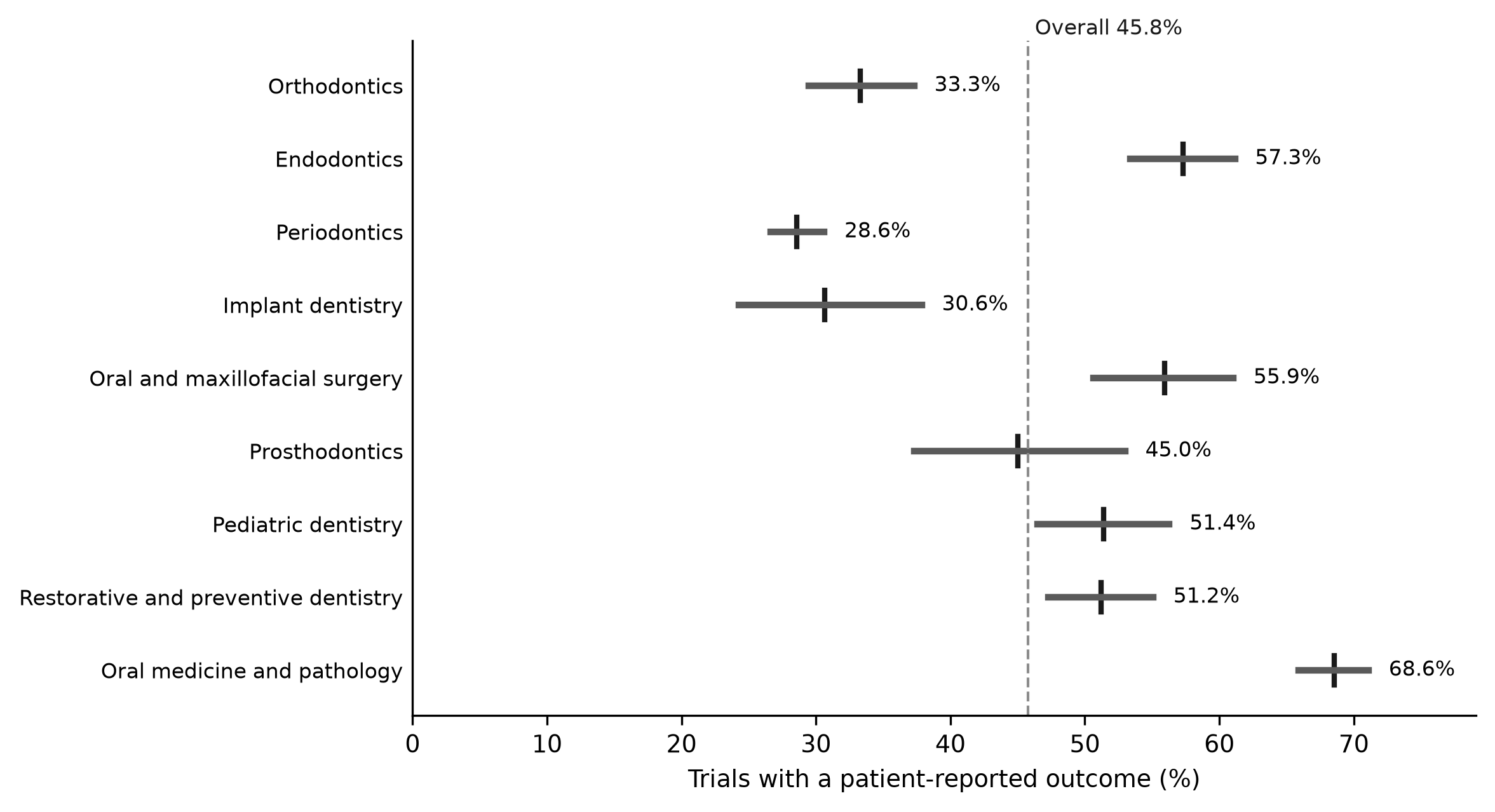
Figure 2. Proportion of dental clinical trials with a patient-reported outcome by specialty.
Note: Horizontal lines indicate 95% confidence intervals; the dashed vertical line marks the overall proportion. Source: Elaboración propia a partir de ClinicalTrials.gov.PRO inclusion also varied by trial phase and rose modestly over the study period (Table 3; Figure 3). It was lowest in phase 1 trials (33.7%) and highest in phase 2 trials (52.9%). The odds of including a PRO increased by 1.04 per additional calendar year (p <0.001), from 42.8% in 2018 to 50.1% in 2026, although the year-to-year pattern was not strictly monotonic, with the lowest annual proportion recorded in 2021 (41.0%). The value for 2026 covers registrations only up to the date of data extraction, so the final year is incomplete.
Characteristic | Trials (n) | With PRO (n) | With PRO (%) | 95% CI |
|---|---|---|---|---|
Phase 1 | 276 | 93 | 33.7 | 28.4-39.5 |
Phase 1/2 | 109 | 49 | 45.0 | 35.9-54.3 |
Phase 2 | 416 | 220 | 52.9 | 48.1-57.6 |
Phase 3 | 225 | 110 | 48.9 | 42.4-55.4 |
Phase 4 | 296 | 143 | 48.3 | 42.7-54.0 |
Not applicable | 4757 | 2168 | 45.6 | 44.2-47.0 |
Industry sponsor | 486 | 213 | 43.8 | 39.5-48.3 |
Non-industry sponsor | 5593 | 2570 | 46.0 | 44.6-47.3 |
2018 | 505 | 216 | 42.8 | 38.5-47.1 |
2019 | 509 | 224 | 44.0 | 39.8-48.3 |
2020 | 553 | 253 | 45.8 | 41.6-49.9 |
2021 | 507 | 208 | 41.0 | 36.8-45.4 |
2022 | 562 | 246 | 43.8 | 39.7-47.9 |
2023 | 720 | 338 | 46.9 | 43.3-50.6 |
2024 | 849 | 399 | 47.0 | 43.7-50.4 |
2025 | 836 | 379 | 45.3 | 42.0-48.7 |
2026 | 1038 | 520 | 50.1 | 47.1-53.1 |
Note: CI = confidence interval. Source: Elaboración propia a partir de ClinicalTrials.gov.
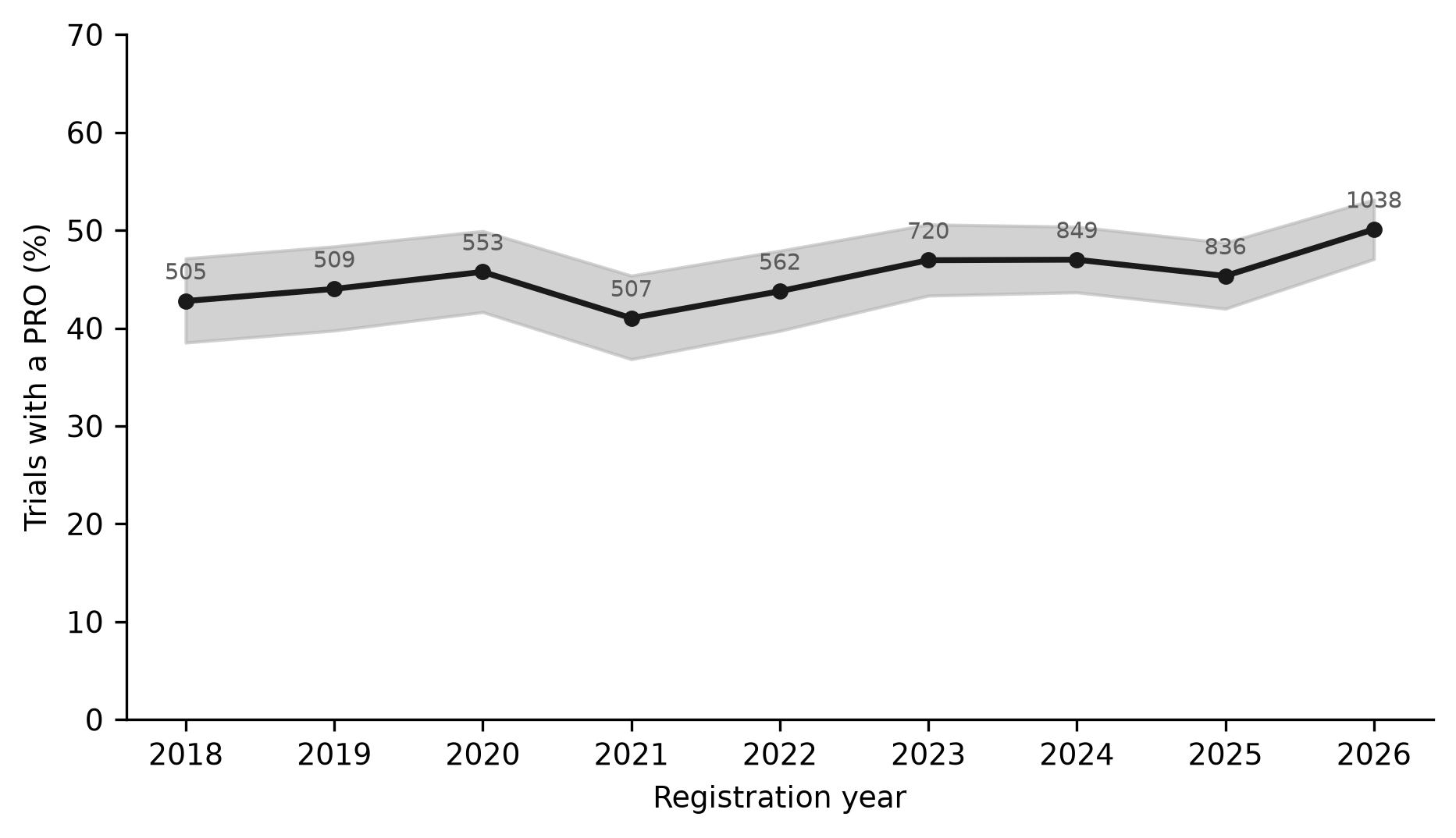
Figure 3. Proportion of dental clinical trials with a patient-reported outcome by registration year.
Note: Shaded area indicates 95% confidence intervals; numbers above the line are trials per year. Source: Elaboración propia a partir de ClinicalTrials.gov.Among trials with at least one PRO, the most frequent instruments were visual analogue or numeric rating scales for pain, used in 1,026 trials, followed by the Oral Health Impact Profile (232 trials) and generic oral health-related quality-of-life measures (143 trials) (Table 4). The remaining instruments, including condition-specific measures for dentin hypersensitivity, dental anxiety, oral medicine and implant outcomes, were each used in fewer than 40 trials.
Instrument | Trials with the instrument (n) |
|---|---|
VAS/NRS (pain) | 1026 |
OHIP | 232 |
OHRQoL | 143 |
SF-36/SF-12 | 38 |
PROMIS | 32 |
EQ-5D | 31 |
PGIC | 20 |
Dental anxiety scale | 20 |
GOHAI | 19 |
DHEQ | 14 |
Note: A trial may use more than one instrument. VAS = visual analogue scale; NRS = numeric rating scale; OHIP = Oral Health Impact Profile; OHRQoL = oral health-related quality of life; PROMIS = Patient-Reported Outcomes Measurement Information System; EQ-5D = EuroQol five-dimension questionnaire; PGIC = Patient Global Impression of Change; GOHAI = Geriatric Oral Health Assessment Index; DHEQ = Dentine Hypersensitivity Experience Questionnaire. Source: Elaboración propia a partir de ClinicalTrials.gov.
DISCUSSION
Main findings
In this registry-based study of interventional dental clinical trials registered between 2018 and 2026, fewer than half of the trials specified a patient-reported outcome as a primary or secondary outcome, and roughly one quarter specified one as a primary outcome. The inclusion of PROs was strongly patterned by specialty, ranging from less than one third of trials in periodontics and implant dentistry to more than two thirds in oral medicine and pathology, with a modest upward trend over the study period that persisted after adjustment for trial characteristics. The strengths of the study are its census design, its large and international sample, and its transparent, reproducible classification of both PROs and specialties, which allow the findings to be audited and extended.
Interpretation and comparison with other studies
The overall prevalence we observed is consistent with a cross-sectional study of Chinese randomized trials, which found PRO instruments in a minority of protocols, and with registry-based work showing that oral health trials often rely on surrogate endpoints and are susceptible to selective outcome reporting.(18,19,21) The finding that PRO specification remains a minority practice even in a field with mature instruments suggests that the gap is not primarily a measurement problem but a problem of trial design culture.
The pattern by specialty matches the normative literature. Oral medicine and pathology showed the highest PRO inclusion, which is expected because mucosal, salivary and orofacial pain outcomes are defined largely by symptoms, function and quality of life rather than by laboratory or radiographic surrogates.(23,24) Endodontics ranked second, in line with explicit calls to integrate patient-centred outcomes into endodontic research and with core outcome set initiatives that include pain and quality of life alongside radiographic healing.(9,25) Postoperative pain after root canal treatment is a natural PRO, and this is reflected in the frequency of pain scales in our data.
Periodontics had the lowest PRO inclusion. Periodontal trials are dominated by clinician-measured surrogates such as probing depth, clinical attachment level and bleeding on probing, and although validated instruments exist for periodontitis and peri-implantitis, they are still not routinely specified as trial outcomes.(8,26) This is a striking contrast, because periodontal disease impairs quality of life substantially and the specialty has access to condition-specific measures.(4) Implant dentistry showed a similarly low proportion despite consensus recommendations that patient-reported measures accompany implant trials; survival and marginal bone level remain the default endpoints, with satisfaction or quality of life relegated to secondary positions.(12,27,28) Orthodontics also remained below average and did not differ from periodontics after adjustment, which is notable given the emphasis placed on dental PROs in orthodontic research and evidence that their reporting quality is limited.(10,29)
Pediatric dentistry, restorative and preventive dentistry, prosthodontics and oral and maxillofacial surgery occupied intermediate positions. In pediatric and restorative dentistry, pain, anxiety and child or parent perceptions are central to treatment acceptability, which plausibly explains the intermediate values.(13,30) In prosthodontics and oral surgery, PROs are recognized as relevant to rehabilitation and trauma care, but they compete with technical and radiographic endpoints in the same trial protocols.( 11,31,32)
The position of the PRO within the outcome hierarchy is also informative. Only about one quarter of trials placed a PRO among their primary outcomes, whereas the remainder relegated patient-centred measures to secondary positions. The specialties that led overall inclusion also led primary PRO specification, which suggests that, where patient-reported constructs are central to the disease or its treatment, they are more likely to drive the study question rather than being collected as adjuncts. For periodontics and implant dentistry, patient-centred measures are thus doubly underused, appearing in few trials and, when present, rarely as primary endpoints.( 8,12)
Direct comparisons with published estimates are limited, because few studies have measured PRO specification in registered dental trials. The specialty-specific reviews cited here describe instruments and reporting rather than the frequency of PRO specification, and the study of Chinese trials used a different sampling frame and outcome definition.( 21) This scarcity of direct comparators is itself a motivation for registry-based surveillance of outcome selection in dentistry, which would allow the trend we observed to be tracked over time and across specialties.
The instruments we identified reinforce this interpretation. Pain scales were by far the most frequent, followed by the Oral Health Impact Profile and generic oral health-related quality-of-life measures, which is consistent with the instruments most commonly validated for adult dental patients.(14) The prominence of the Oral Health Impact Profile is expected, because it is one of the most extensively validated oral health measures and captures the functional, psychological and social dimensions that clinical indices miss.(4) The dominance of symptom-based scales and the relative scarcity of condition-specific instruments suggests that many trials capture PROs opportunistically, adding a pain or satisfaction scale to an otherwise clinician-centred protocol, rather than through a planned, specialty-specific measurement strategy. Standard sets and core outcome frameworks have been proposed to correct exactly this fragmentation,( 1,6,33,34) and the variability across specialties in this study provides empirical support for their adoption. A specialty-by-specialty approach is warranted because the relevant constructs differ: aesthetics and psychosocial impact matter most in orthodontics and prosthodontics, symptom relief in endodontics and oral medicine, and function and quality of life in periodontics and implant dentistry, even though the latter two currently under-specify them.
The mechanisms underlying the specialty gradient are likely to be both clinical and cultural. Specialties whose diseases produce symptoms that only the patient can perceive, such as burning mouth, xerostomia, lichen planus or pulpitis, almost necessarily specify PROs, whereas specialties with an established tradition of clinician-measured surrogates, such as periodontal probing or implant stability, can design complete trials without any patient-centred endpoint.(8,12) Registration platforms do not require PROs, and trialists tend to reproduce the outcome sets of previous studies in their field, so the gradient is self-perpetuating in the absence of explicit guidance. The modest upward trend over the study period, together with the publication of specialty-specific reviews and standard sets during the same years, suggests that the culture is shifting, but slowly.( 1,33)
The temporal increase, although small, is consistent with the growing visibility of patient-centred outcomes in dental research during the study window and with the introduction of reporting and measurement standards that make PRO collection more feasible and more expected.(3,16) It would be premature, however, to attribute the trend to any single policy, because the registry does not record the reasons for choosing particular outcomes, and the year-to-year fluctuations indicate that other factors, such as the mix of specialties among newly registered trials, also contribute.
The practical implications extend beyond measurement. Journals, funders and ethics committees could use specialty-specific core outcome sets to require patient-centred endpoints where the construct is relevant, rather than leaving their inclusion to the discretion of individual trialists.(25,34) For periodontics and implant dentistry, the two specialties with the lowest PRO specification, the availability of validated instruments means that the gap is addressable without new measurement development.(12,26) Registries could also make patient-centred outcomes more visible by tagging outcome measures, which would allow continuous monitoring of the trend we describe.
The gradient we observed is consistent with surveys of trial registries beyond dentistry, where PROs are concentrated in symptom-driven specialties such as oncology and rheumatology and are less common in surgical and device trials.(3,21) The CONSORT PRO extension was designed to make patient-reported endpoints visible and interpretable once they are included, but it cannot by itself increase the number of trials that specify them.(3) Our data suggest that the bottleneck occurs earlier, at the design and registration stage, which is precisely where core outcome set recommendations and journal requirements would act.
Limitations
This study has several limitations. First, PRO classification was rule-based and applied to the outcome name and description; some borderline outcomes may have been misclassified, although the rules were conservative and required an explicit self-report signal, a named instrument, or a construct with a patient-completed scale. Future studies should validate the classifier against manual review of a random sample and estimate its sensitivity and specificity. Second, the sample was defined through the stomatognathic diseases branch of MeSH, which under-represents some maxillofacial trauma because the registry indexes jaw fractures under injuries rather than under diseases of the jaw; the oral and maxillofacial surgery stratum should therefore be interpreted with caution, and a complementary search of injury terms could extend coverage. Third, registration records describe planned outcomes, and the presence of a PRO in a protocol does not guarantee that it was reported in the eventual publication, given the selective outcome reporting documented in oral health trials;(18) linking registry records to publications would be needed to measure reporting rather than specification. Fourth, the classifier examined only the outcome name and description fields, so a PRO described solely in the study narrative without being listed as a discrete outcome would not have been counted, which could underestimate patient-centred specification. Fifth, the study is cross-sectional and 2026 was a partial year, so the temporal trend should be read as exploratory. Sixth, some specialty strata, particularly prosthodontics and implant dentistry, were small and yielded wide confidence intervals. Finally, we counted any PRO regardless of whether the instrument was validated, so the figures reflect the frequency of patient-centred specification rather than its measurement quality.
Generalizability
The study is based on a large, international registry and a nine-year registration window, which supports generalization to interventional dental research registered in ClinicalTrials.gov worldwide. Trials registered only in national or regional registries are not captured, so the estimates may not apply to jurisdictions that do not use ClinicalTrials.gov, and a survey of the WHO International Clinical Trials Registry Platform could quantify that gap. Because the sample spans all major dental specialties and includes trials of drugs, devices, procedures and behavioural interventions, the specialty-specific estimates are likely to transfer to similar research settings. The specialty classification and the PRO dictionary are deterministic and reproducible, which facilitates comparison with future cohorts and with analogous registry surveys in other fields.( 21) Routine monitoring of PRO specification, made possible by the open ClinicalTrials.gov API and by reproducible text classifiers, could track whether the adoption of core outcome sets changes practice over time. From a practice perspective, the results can help editors, funders and guideline developers identify the specialties where patient-centred outcomes are still underused and where core outcome set adoption would have the greatest effect.
CONCLUSIONS
Interventional dental clinical trials registered between 2018 and 2026 specified a patient-reported outcome as a primary or secondary outcome in less than half of cases, and as a primary outcome in about one quarter. The inclusion of patient-reported outcomes varied substantially across dental specialties, being lowest in periodontics and implant dentistry and highest in oral medicine and pathology and endodontics, independently of trial characteristics, and it increased modestly over the study period. These findings support specialty-specific standards and core outcome sets that make patient-centred outcomes a routine component of dental trial design.
References
- 1 Listl S. Value-Based Oral Health Care: Moving Forward With Dental Patient-Reported Outcomes. Journal of Evidence Based Dental Practice. 2019;19(3):255-259. doi: 10.1016/j.jebdp.2019.101344
- 2 U.S. Food and Drug Administration. Guidance for industry: patient-reported outcome measures: use in medical product development to support labeling claims [Internet]. 2009. Available from: https://www.fda.gov/regulatory-information/search-fda-guidance-documents/patient-reported-outcome-measures-use-medical-product-development-support-labeling-claims
- 3 Calvert M, Blazeby J, Altman DG, Revicki DA, Moher D, Brundage MD, et al. Reporting of Patient-Reported Outcomes in Randomized Trials. JAMA. 2013;309(8):814. doi: 10.1001/jama.2013.879
- 4 John MT. Health Outcomes Reported by Dental Patients. Journal of Evidence Based Dental Practice. 2018;18(4):332-335. doi: 10.1016/j.jebdp.2018.09.001
- 5 García-Isuiza BP. Quality of life and oral hygiene habits in schoolchildren aged 11 to 14. South Health and Policy. 2026;5:374. doi: 10.56294/shp2026374
- 6 Qin D, Hua F, John MT. GLOSSARY FOR DENTAL PATIENT-CENTERED OUTCOMES. Journal of Evidence-Based Dental Practice. 2024;24(1):101951. doi: 10.1016/j.jebdp.2023.101951
- 7 PERAZZO MF, SERRA-NEGRA JM, FIRMINO RT, PORDEUS IA, MARTINS-JÚNIOR PA, PAIVA SM. Patient-centered assessments: how can they be used in dental clinical trials?. Braz oral res. 2020;34(suppl 2):e075. doi: 10.1590/1807-3107bor-2020.vol34.0075
- 8 PANNUTI CM, SENDYK DI, GRAÇAS YTD, TAKAI SL, SABÓIA VDPA, ROMITO GA, et al. Clinically relevant outcomes in dental clinical trials: challenges and proposals. Braz oral res. 2020;34(suppl 2):e073. doi: 10.1590/1807-3107bor-2020.vol34.0073
- 9 Doğramacı EJ, Rossi‐Fedele G. Patient‐related outcomes and Oral Health‐Related Quality of Life in endodontics. Int Endodontic J. 2023;56(S2):169-187. doi: 10.1111/iej.13830
- 10 Hua F. Increasing the Value of Orthodontic Research Through the Use of Dental Patient-Reported Outcomes. Journal of Evidence Based Dental Practice. 2019;19(2):99-105. doi: 10.1016/j.jebdp.2019.04.005
- 11 Leles CR, Silva JR, Curado TFF, Schimmel M, McKenna G. The Potential Role of Dental Patient-Reported Outcomes (dPROs) in Evidence-Based Prosthodontics and Clinical Care: A Narrative Review. PROM. 2022;Volume 13:131-143. doi: 10.2147/prom.s256724
- 12 Feine J, Abou‐Ayash S, Al Mardini M, de Santana RB, Bjelke‐Holtermann T, Bornstein MM, et al. Group 3 ITI Consensus Report: Patient‐reported outcome measures associated with implant dentistry. Clinical Oral Implants Res. 2018;29(S16):270-275. doi: 10.1111/clr.13299
- 13 Gilchrist F, Marshman Z. Patient‐reported Outcomes (PROs) in clinical trials in paediatric dentistry. Int J Paed Dentistry. 2020;31(S1):31-37. doi: 10.1111/ipd.12768
- 14 Mittal H, John MT, Sekulić S, Theis-Mahon N, Rener-Sitar K. Patient-Reported Outcome Measures for Adult Dental Patients: A Systematic Review. Journal of Evidence Based Dental Practice. 2019;19(1):53-70. doi: 10.1016/j.jebdp.2018.10.005
- 15 Rener-Sitar K, John MT, Truong V, Tambe S, Theis-Mahon N. Nonmalignant Oral Disease--Specific Dental Patient-Reported Outcome Measures for Adult Patients: A Systematic Review. Journal of Evidence Based Dental Practice. 2021;21(1):101529. doi: 10.1016/j.jebdp.2021.101529
- 16 Gagnier JJ, Lai J, Mokkink LB, Terwee CB. COSMIN reporting guideline for studies on measurement properties of patient-reported outcome measures. Qual Life Res. 2021;30(8):2197-2218. doi: 10.1007/s11136-021-02822-4
- 17 Jokstad A. Patient‐reported outcomes (PROs) versus patient‐reported outcome measures (PROMs)—Is there a difference?. Clinical & Exp Dental Res. 2018;4(3):61-62. doi: 10.1002/cre2.112
- 18 Diakonoff H, Khalil G, Jungo S, Treluyer JM, Fron-Chabouis H, Smaïl-Faugeron V. Nonpublication and Selective Outcome Reporting of Oral Health Trials. J Dent Res. 2023;102(6):599-607. doi: 10.1177/00220345231158544
- 19 Zhao R, Ye Z, Liu Y, Zhang S, Park JW, Xiong X. Research Waste in Temporomandibular Disorders Among Registered Randomised Controlled Trials: A Meta‐Epidemiologic Study. J of Oral Rehabilitation. 2025;52(8):1228-1242. doi: 10.1111/joor.70002
- 20 Kul KS, Ayar MK. Characteristics of phase 4 clinical trials on Dental Caries registered at Clinicaltrials.gov. BMC Oral Health. 2025;25(1):411. doi: 10.1186/s12903-025-05662-7
- 21 Zhou H, Yao M, Gu X, Liu M, Zeng R, Li Q, et al. Application of Patient-Reported Outcome Measurements in Clinical Trials in China. JAMA Netw Open. 2022;5(5):e2211644. doi: 10.1001/jamanetworkopen.2022.11644
- 22 U.S. National Library of Medicine. ClinicalTrials.gov API version 2 (studies endpoint) [Internet]. 2026. Available from: https://clinicaltrials.gov/data-api/api
- 23 Ní Ríordáin R, Wiriyakijja P. Patient reported outcome and experience measures of oral disease in oral medicine. Br Dent J. 2017;223(9):713-713. doi: 10.1038/sj.bdj.2017.889
- 24 Wiriyakijja P, Fedele S, Porter SR, Mercadante V, Ni Riordain R. Patient‐reported outcome measures in oral lichen planus: A comprehensive review of the literature with focus on psychometric properties and interpretability. J Oral Pathology Medicine. 2018;47(3):228-239. doi: 10.1111/jop.12604
- 25 El Karim IA, Duncan HF, Cushley S, Nagendrababu V, Kirkevang LL, Kruse C, et al. A protocol for the Development of Core Outcome Sets for Endodontic Treatment modalities (COSET): an international consensus process. Trials. 2021;22(1):812. doi: 10.1186/s13063-021-05764-x
- 26 Jackson JM, Holliday R, Hyde JS, Rogers HJ. A systematic review of the patient reported outcome measures used to assess the impact of periodontitis and peri-implantitis on oral health related quality of life. BDJ Open. 2025;11(1):29. doi: 10.1038/s41405-024-00273-w
- 27 Arefnia B, Fakheran O, Jakse N, Payer M. Patient-reported outcomes of zirconia dental implants: a systematic review and future directions. J Patient Rep Outcomes. 2025;9(1):7. doi: 10.1186/s41687-025-00839-8
- 28 Thoma DS, Strauss FJ, Mancini L, Gasser TJW, Jung RE. Minimal invasiveness in soft tissue augmentation at dental implants: A systematic review and meta‐analysis of patient‐reported outcome measures. Periodontology 2000. 2023;91(1):182-198. doi: 10.1111/prd.12465
- 29 WANG Q, GUO F, LIU Y, TAO Z, ZHAO T, HE H, et al. THE REPORTING QUALITY OF DENTAL PATIENT-REPORTED OUTCOMES IN ORTHODONTIC TRIALS: A METHODOLOGICAL STUDY. Journal of Evidence-Based Dental Practice. 2026;26(2):102230. doi: 10.1016/j.jebdp.2026.102230
- 30 Bevans KB, Moon J, Becker BD, Carle A, Forrest CB. Development of patient‐reported outcome measures of children’s oral health aesthetics. Comm Dent Oral Epid. 2020;48(5):423-432. doi: 10.1111/cdoe.12555
- 31 Duong H, Roccuzzo A, Stähli A, Salvi GE, Lang NP, Sculean A. Oral health‐related quality of life of patients rehabilitated with fixed and removable implant‐supported dental prostheses. Periodontology 2000. 2022;88(1):201-237. doi: 10.1111/prd.12419
- 32 Ologunde R, McLeod NMH. Use of patient-reported outcome measures in oral and maxillofacial trauma surgery: a review. British Journal of Oral and Maxillofacial Surgery. 2018;56(5):371-379. doi: 10.1016/j.bjoms.2018.03.010
- 33 Riordain RN, Glick M, Mashhadani SSAA, Aravamudhan K, Barrow J, Cole D, et al. Developing a Standard Set of Patient-centred Outcomes for Adult Oral Health – An International, Cross-disciplinary Consensus. International Dental Journal. 2021;71(1):40-52. doi: 10.1111/idj.12604
- 34 LAMONT TJ, CLARKSON JE. CORE OUTCOME SETS AND DENTAL PATIENT REPORTED OUTCOMES. Journal of Evidence-Based Dental Practice. 2022;22(1):101659. doi: 10.1016/j.jebdp.2021.101659
Declarations
Funding
No financing
Conflict of interest
None
Authorship contributions
Drafting – original draft: Flor M Escalante Freitez.
Writing–review and editing: Flor M Escalante Freitez.