

Abstract
Patient-reported outcome measures have moved dental evaluation beyond clinician-assessed endpoints toward outcomes that patients themselves experience, and shared decision-making has extended consent beyond the signature toward genuine deliberation. This narrative review synthesizes the current evidence on how patient-reported outcomes support shared decision-making in contemporary dentistry, the instruments available, and the barriers that condition their routine use. A transparent search of PubMed, OpenAlex and Crossref, restricted for the core literature to the years 2019 to 2026, was organized into five thematic axes: conceptual and measurement foundations, patient-reported instruments across dental disciplines, shared decision-making models and decision aids, integration of patient-reported data into shared decisions and its association with outcomes, and barriers, enablers and digital delivery. The synthesis shows that oral health-related quality of life instruments, led by the Oral Health Impact Profile family, are mature and widely validated, and that condition-specific measures and core outcome sets are consolidating in implant, periodontal, endodontic and orthodontic care. Shared decision-making is advocated across specialties, but patients and clinicians report divergent expectations and decision aids remain scarce. Evidence linking routine patient-reported measurement to better decision quality or clinical outcomes is still limited, although implant and prosthodontic studies report substantial quality-of-life gains. Time, training and interpretability remain the main barriers, while electronic capture and implementation-science frameworks are the main enablers. Dentistry has the instruments but not yet the routine infrastructure to connect them to shared decisions.
Keywords
patient-reported outcome measures, shared decision making, oral health, quality of life, dentistry, decision support techniques
INTRODUCTION
For most of its modern history, dentistry has judged the success of treatment with endpoints that the clinician can measure: restoration survival, marginal bone levels, probing depths and radiographic appearance. These indicators describe the tooth or the restoration, but they capture only part of what treatment means to the person who receives it. Patients value comfort during function, an appearance they can accept, and relief from the pain and embarrassment that oral conditions impose on daily life. Oral health-related quality of life arose as the construct that formalizes these dimensions, and its measurement has matured into a coherent field with a defined conceptual basis and a large family of validated instruments.(1) Patient-reported outcome measures, the questionnaires that capture these dimensions directly from patients, now span generic and condition-specific forms and have been reviewed extensively in the broader health literature.(2) Reissmann argued early in this trajectory that dental patient-reported outcome measures are not an optional adjunct but an essential component of evidence-based prosthetic dentistry, because a prosthesis that survives clinically may still fail the patient who must eat, speak and smile with it.(3) The same logic extends across disciplines: value-based oral health care, which defines value as outcomes relative to cost, cannot be delivered without routinely capturing the outcomes that patients themselves report.(4)
Two developments now converge on this problem. The first is the normative turn toward shared decision-making, in which the clinician contributes diagnostic and prognostic expertise and the patient contributes preferences and values, so that a decision about treatment reflects both. Elwyn and colleagues translated this principle into a practical three-talk model of team talk, option talk and decision talk, and argued that patient-reported data give substance to the option talk.(5) The second development is technological: electronic capture of patient-reported outcomes has become feasible at scale, which removes part of the logistical burden that once confined these measures to research settings.(6) Yet in dentistry the two bodies of work have grown largely in parallel. Reviews of shared decision-making in dentistry note that the concept is invoked more often than it is operationalized, and that patient-reported measures are rarely the source of the information that patients and clinicians deliberate over.(7) In medicine, commentators have proposed that combining patient-reported outcome measures with shared decision-making is the practical route to value-based care, a proposal that dentistry has only begun to test.(8)
The aim of this narrative review is to synthesize the current evidence on patient-reported outcome measures and their use to support shared decision-making in contemporary dentistry. Three questions guide the synthesis: which patient-reported instruments are validated and applied across dental disciplines, how shared decision-making is currently implemented in dental practice and what tools support it, and what is known about the integration of patient-reported data into shared decisions and its association with outcomes. A fourth objective is to identify the barriers, enabling factors and research gaps that condition routine adoption. The review is addressed to clinicians, educators and health-services researchers who design or evaluate patient-centered dental care.
METHODS
This is a narrative review guided by the Scale for the Assessment of Narrative Review Articles, without claiming the exhaustiveness or reproducibility of a systematic review.(9) The scope, search and selection decisions are reported here so that readers can judge the basis of the synthesis.
Literature was retrieved between January and October 2026 from PubMed, OpenAlex and Crossref. The core corpus, defined as the studies that sustain the synthesis in the Development section, was restricted to publications from 2019 to 2026, consistent with the window set for the review. Search terms combined the constructs of interest with their synonyms and disciplinary qualifiers, including patient-reported outcome measures, patient-reported outcomes, oral health-related quality of life, shared decision-making, decision aid and decision support, crossed with dentistry, oral health and the terms of the main specialties, namely implant, periodontal, endodontic, orthodontic and prosthodontic care. Methodological and conceptual works published before 2019 were admitted only to anchor the Introduction and the Discussion, for example the regulatory definition of patient-reported outcomes,(10) the classic validation of the Oral Health Impact Profile (11) and the foundational models of shared decision-making.(12)
Studies were selected when they reported the development, validation or application of patient-reported instruments in dental populations, described the implementation of shared decision-making or decision aids in dental care, or examined barriers and enablers to the routine use of these measures. Narrative and methodological pieces were retained when they contributed conceptual clarity or an authoritative consensus. Records that addressed the excluded clinical topics of the target journal, such as temporomandibular disorders or oral cancer epidemiology, were not used unless their methodological content was directly relevant to measurement or decision-making. No language restriction was applied at the search stage, but synthesis relied on English-language full records.
The selected studies were organized into five thematic axes that follow the argument of the review: conceptual and measurement foundations, patient-reported instruments across dental disciplines, shared decision-making in contemporary dentistry, integration of patient-reported data into shared decisions and outcomes, and barriers, enablers and digital delivery. For each axis, a matrix of arguments recorded the claim, the studies that support or contradict it, and the quality of the evidence, distinguishing consensus reports, systematic reviews and primary studies. Forty-three core studies published between 2019 and 2026 were integrated in the Development section, and their distribution across the five axes is summarized in Table 1.
Evidence was appraised pragmatically rather than with a single formal tool, given the narrative design. International consensus reports and systematic reviews were weighted above single primary studies when both were available, and conflicting findings were retained rather than resolved by majority, so that the synthesis reflects divergence as well as convergence. Clinical commentaries were admitted only when they articulated a decision-making principle that primary studies had not yet addressed. This appraisal structure, although less formal than a risk-of-bias assessment, keeps the narrative accountable to the sources that support each of its claims.
DEVELOPMENT
The synthesis integrates 43 studies published between 2019 and 2026, distributed across five axes. Table 1 summarizes the key findings and the representative evidence for each axis, and Figure 1 depicts the conceptual pathway that links the three constructs examined in this review: patient-reported data, shared decision-making and patient-centered outcomes (Table 1) (Figure 1).
Thematic axis | Key findings | Representative evidence (2019-2026) |
|---|---|---|
Conceptual and measurement foundations | Four OHRQoL domains (function, pain, appearance, psychosocial impact); instrument choice and change scores require methodological care | (1,13) |
Patient-reported instruments across disciplines | OHIP family dominant generic measure; condition-specific measures and core outcome sets consolidating in implant, periodontal, endodontic and orthodontic care | (14,15) |
Shared decision-making in dentistry | Advocated but unevenly implemented; patients want more involvement than clinicians assume; decision aids improving but scarce | (7,16) |
Integration of patient-reported data and outcomes | Implant and prosthodontic treatment shows large OHRQoL gains; routine feedback improves communication but evidence on outcomes is mixed | (17,18) |
Barriers, enablers and digital delivery | Time, training and interpretability are the main barriers; electronic capture and implementation science are the main enablers | (19,20) |
Note: OHRQoL = oral health-related quality of life; OHIP = Oral Health Impact Profile. Source: Own elaboration based on the 43 core studies (2019-2026) synthesized in this review.
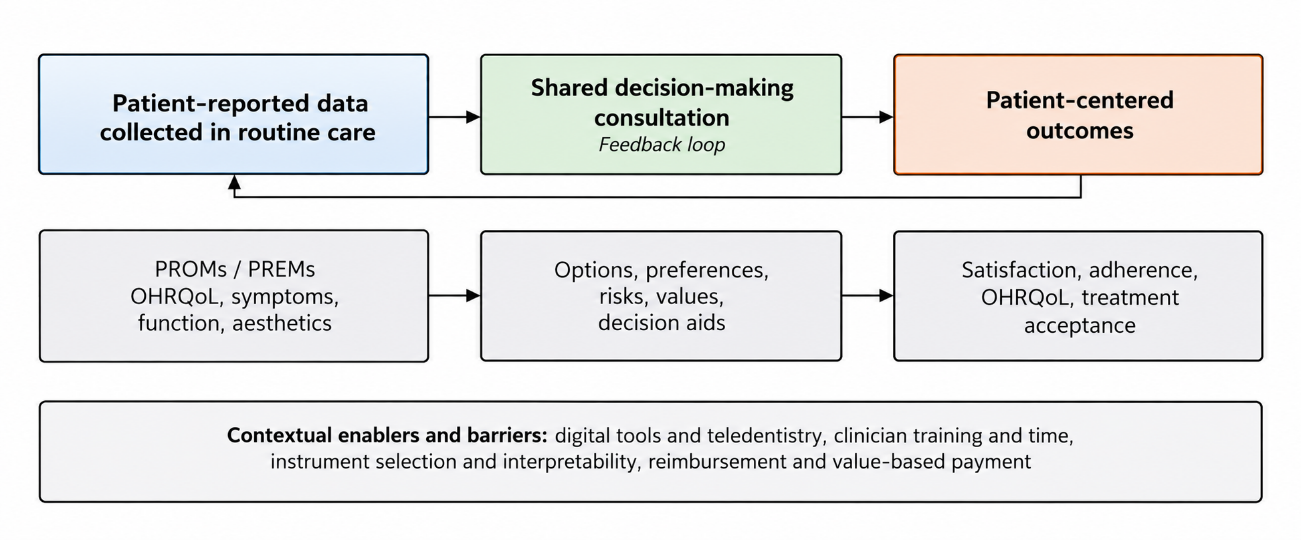
Figure 1. Conceptual pathway from patient-reported data to shared decision-making and patient-centered outcomes.
Note: PROMs = patient-reported outcome measures; PREMs = patient-reported experience measures; OHRQoL = oral health-related quality of life; SDM = shared decision-making. Source: Own elaboration.Conceptual and measurement foundations
Patient-reported outcome measures are standardized questionnaires through which patients report their own health state without interpretation by a clinician. The dental field has developed its own terminology for them: dental patient-reported outcomes are the subjective endpoints themselves, and dental patient-reported outcome measures are the instruments that quantify them.(3) The umbrella construct in dentistry is oral health-related quality of life, which John and colleagues describe as the component of health-related quality of life that captures the effects of oral conditions on function, comfort, appearance and psychosocial well-being.(1) Systematic work on its dimensionality converges on four domains, namely oral function, orofacial pain, orofacial appearance and psychosocial impact, and this four-domain structure has become the reference point for selecting instruments in studies of tooth loss and rehabilitation.(21) The consequence for clinical practice is direct: a treatment can succeed radiographically and still leave a patient with a function or an appearance they experience as impaired, and only a patient-reported measure can record that outcome.
Measuring these constructs properly is not automatic. Reissmann and colleagues showed that choices made at the design stage, including the recall window, the instrument and the approach to change scores, change the meaning of an oral health-related quality of life result and can reverse its interpretation.(13) The same authors argue that a valid dental patient-reported outcome measure must demonstrate responsiveness to the treatment being evaluated, otherwise a change in score cannot be attributed to the intervention. This methodological rigor matters precisely because these measures are increasingly proposed as inputs to clinical decisions rather than as research endpoints alone. A further distinction bears on decision-making: outcomes ask how a patient is, whereas experiences ask what happened to them during care, and the two constructs are not interchangeable. A patient can be satisfied with the process of care and still report a poor functional outcome, so both classes of measure are needed when a decision is evaluated.
These foundations matter for the everyday clinic because they change what counts as success. A restoration that survives but impairs speech, or a prosthesis that fits but embarrasses, is a partial failure under a patient-reported definition of outcome, and the four-domain structure makes those dimensions explicit.(21) The shift also changes the economics of care: when value is defined as patient-reported outcome relative to cost, the same treatment can be excellent value for one patient and poor value for another, which is why the decision must be shared rather than assumed.(22)
Patient-reported instruments across dental disciplines
The adult instrument field is mature. A systematic review of adult oral health-related quality of life instruments identified a large and heterogeneous catalog, in which the Oral Health Impact Profile, the Geriatric Oral Health Assessment Index and the Oral Impacts on Daily Performances are the dominant generic measures.(14) The Oral Health Impact Profile is the most widely validated of these, with full, short and ultrashort forms available across many languages, and its cross-cultural adaptations have made it the de facto reference for clinical research. The short forms matter for practice, because a five-item or fourteen-item instrument is the difference between a measure that fits into a busy consultation and one that does not. Table 2 lists the instruments applied in contemporary dental care (Table 2).
Instrument | Target population | Content and application |
|---|---|---|
Oral Health Impact Profile (OHIP-49, OHIP-14, OHIP-5) | Adults and adolescents | Generic OHRQoL covering oral function, pain, appearance and psychosocial impact; the most widely validated and translated family |
Geriatric Oral Health Assessment Index (GOHAI) | Older adults | OHRQoL with emphasis on physical and psychosocial function in ageing |
Oral Impacts on Daily Performances (OIDP) | Adults and adolescents | Frequency and severity of oral impacts on daily activities |
Implant Dentistry Core Outcome Set and Measurement (ID-COSM) | Implant patients | Consensus domains and measurement instruments for implant trials, including patient-reported outcomes |
Condition-specific measures | Tooth wear, endodontic, masticatory function and implant populations | Targeted symptom, function and aesthetic items under development or validation |
Note: OHIP = Oral Health Impact Profile; GOHAI = Geriatric Oral Health Assessment Index; OIDP = Oral Impacts on Daily Performances; ID-COSM = Implant Dentistry Core Outcome Set and Measurement; OHRQoL = oral health-related quality of life. Source: Own elaboration based on the cited systematic reviews, consensus reports and validation studies.
The most consequential recent development is the move from generic measures toward condition-specific instruments and core outcome sets. In implant dentistry, the Implant Dentistry Core Outcome Set and Measurement initiative reached an international consensus on the domains and instruments that trials should report, placing patient satisfaction, function and quality of life alongside survival and bone levels.(15) A parallel consensus in periodontology and implant dentistry established that aesthetics and patient-reported experiences and outcomes should be measured alongside clinician-reported endpoints, after finding that they had been largely overlooked.(23) Endodontics now has a defined patient-reported agenda, in which oral health-related quality of life and treatment-related experience complement the classical goal of apical healing.(24) For tooth wear, a condition with no dedicated measure until recently, a literature review mapped the existing instruments and argued for a condition-specific tool,(25) while a new implant treatment experience and knowledge scale has been proposed to capture the patient perspective of implant therapy.(26) Masticatory function, a domain that generic measures cover only indirectly, has its own set of patient-reported instruments that a systematic review evaluated against psychometric criteria.(27) In pediatric dentistry, patient-reported outcomes are increasingly specified for trials, with guidance on how to capture children's perspectives rather than relying on proxy reports.(28)
Across the application studies reviewed, these instruments detect change that patients experience as meaningful. Patients rehabilitated with fixed or removable implant-supported prostheses report substantial and durable gains in oral health-related quality of life,(29) and satisfaction with function and aesthetics remains high a decade after implant placement.(18) A systematic review comparing fixed complete dentures and implant overdentures confirmed that both strategies improve patient-reported outcomes, with some differences in the dimensions affected.(17) In periodontal care, patient-reported outcomes remain stable or improve over ten years of supportive therapy,(30) and bone regenerative procedures carry patient-reported consequences that should be part of the treatment decision.(31) At the same time, the field reports uneven uptake: a methodological study of orthodontic systematic reviews found that dental patient-reported outcomes are used and reported inconsistently,(32) and implant studies still vary in which instruments they apply, which limits comparability.(33) This gap between available instruments and consistent use is a central obstacle to feeding patient-reported data into decisions.
Measurement properties are the deciding factor when an instrument moves from research to routine care. The systematic review of adult instruments found that reliability and validity evidence is abundant for the leading generic measures but thinner for many condition-specific tools, and that responsiveness, the capacity to detect change after treatment, is the property least reported.(14) Responsiveness is the property that matters most for shared decision-making, because a score that does not move after a successful treatment cannot tell a patient what to expect. The emergence of core outcome sets is partly a response to this problem, since consensus on what to measure forces consensus on how well each instrument measures it.(15)
Shared decision-making in contemporary dentistry
Shared decision-making is a collaborative process in which patients and clinicians integrate the best available evidence with patient preferences and values to reach a treatment decision, and dental commentators now describe it as a fundamental component of patient-centered care rather than an optional technique.(34) In dentistry the concept has a growing but uneven literature. A concise narrative review concluded that shared decision-making is feasible in dental care but that its implementation lags behind medicine, and that informed consent is still treated as the endpoint rather than the beginning of deliberation.(7) Subsequent work frames shared decision-making as a change of practice rather than a legal formality, an opportunity to align treatment plans with what patients actually value.(35) Benecke and colleagues demonstrated that autonomy preferences vary among dental patients and argued that decision aids and evidence-based practice should be matched to those preferences when decisions are made.(36)
Perception studies reveal a consistent divergence between what patients want and what clinicians believe they want. In orthodontics, UK providers reported knowledge of shared decision-making but limited translation into daily practice,(16) and adult orthodontic patients reported clear preferences about their degree of involvement in treatment decisions.(37) Independent observers rated the actual level of shared decision-making in orthodontic consultations as lower than either patients or clinicians perceived, which suggests that both parties overestimate the deliberation that occurs.(38) General dental practitioners describe shared decision-making as desirable but constrained by time, uncertainty about how to present options, and the assumption that patients prefer to be told what to do.(39) More recent survey work confirms that patients and dental professionals continue to hold different perceptions of how shared the decision was.(40) Taken together, these studies locate the gap not in attitude but in practice.
Decision aids are the most concrete tools of shared decision-making, and dentistry is beginning to produce them. A video-based decision aid for asymptomatic persistent endodontic lesions improved patients' knowledge and reduced their decisional conflict in a prospective cohort.(41) A decision aid developed for general dental care in a mixed-methods study was judged acceptable and useful by patients, and its evaluation illustrates a reproducible route for developing such tools.(42) In prosthodontics, a digital clinical decision aid changed the structure of consultations and was perceived by patients and students as helpful for visualizing options.(43) For antimicrobial prescribing in acute toothache, a shared decision-making tool was co-developed with patients and clinicians to make the trade-offs of antibiotics explicit.(44) Clinical commentaries extend the same logic to endodontic treatment planning,(45) implant risk communication,(46) implant decision-making in which patient and clinician preferences can conflict,(47) and dental recall intervals, where patients weigh frequency against cost.(48) A recent editorial and a Korean narrative review both conclude that shared decision-making is now a fundamental component of patient-centered dental care rather than an optional technique.(34)
The practical consequence of divergent perceptions is that assuming a shared decision has been reached is unsafe. When patients want more involvement than they receive, they are less able to weigh the trade-offs that only they can evaluate, such as the cost, discomfort and durability of alternative plans. Studies that compare the perspectives of patients, clinicians and independent observers find that the patient's account and the clinician's account can differ substantially for the same consultation.(38,40) This is an argument for measuring deliberation itself, for example with observation-based instruments, rather than relying on the impression of either party.
Training is the connective tissue between the principle of shared decision-making and its practice. Studies of dental professionals find that attitudes are supportive but skills are self-taught, and that the conversational tasks of explaining options, checking understanding and eliciting preferences are the ones clinicians find hardest.(16,39) The implication for educators is that shared decision-making must be taught as a clinical procedure with observable behaviors rather than as a general disposition. Decision aids help here because they structure the consultation even when the clinician is inexperienced, which is one reason their feasibility in dental care is encouraging.(41,42)
Integrating patient-reported data into shared decisions and outcomes
The conceptual case for connecting patient-reported measures to shared decisions is strong. In value-based oral health care, patient-reported outcomes are the numerator of value, and their routine collection is what allows a decision to be judged by whether it improved what matters to the patient, while shared decision-making is the mechanism through which those patient values enter treatment planning.(22) Bone regenerative procedures illustrate the point: the decision to augment is a trade-off between surgical morbidity and functional gain, and patient-reported outcomes quantify the terms of that trade-off for the individual patient.(31) The same logic extends to the choice between a fixed and a removable prosthesis, where the dimensions that differ between options are precisely the ones that only the patient can report.(17)
The empirical evidence on outcomes is thinner and more qualified. The strongest demonstration comes from implant and prosthodontic care, where treatment produces large and measurable gains in oral health-related quality of life that can be presented to patients as realistic expectations.(17,29) These gains are exactly the information a patient needs when choosing between a fixed and a removable prosthesis, or between a prosthesis and no replacement at all. Longitudinal data show that satisfaction and quality of life remain high ten years after implant placement,(18) and patient-reported outcomes have become standard in evaluations of soft tissue augmentation and regenerative procedures, where the choice between surgical strategies hinges on the balance of morbidity and benefit.(31,49) Implant-specific measures are also consolidating, with systematic reviews of zirconia implants and of digital versus conventional impressions showing that patient-reported outcomes can discriminate between techniques.(50) At the same time, the field acknowledges that the promise of dental patient-reported outcomes, particularly for implants, has not yet been matched by consistent routine use.(51)
The translation from measurement to better decisions is where the evidence is weakest. Dentistry has no trial base comparable to medicine on the effects of routine feedback, and the available studies are limited to feasibility and acceptability. Collecting patient-reported outcomes after painful procedures is feasible and acceptable to patients and dentists, but practitioners remain unsure how to act on a low score.(19) Patient experience work in oral health argues that meaningful engagement requires closing the loop between measurement and a visible response, which is the step most consistently missing.(20) In short, the instruments are ready, the decision-making concepts are available, and the connecting infrastructure is not yet built.
Patient-reported data also sharpen the micro-decisions within a treatment plan. In implant surgery, patient-reported outcomes after the procedure vary with the surgical approach and the individual's characteristics, so the same data that audit a service can also calibrate the next patient's expectations.(33) This dual use, retrospective audit and prospective counseling, is the practical bridge between measurement and deliberation, and it does not require new instruments, only the habit of returning collected data to the consultation. The promise of dental patient-reported outcomes for implant care has been recognized for years, and the barrier has always been routine use rather than technique.(51)
The outcome evidence is strongest where treatment is most consequential, but it is not confined to implants. In supportive periodontal care, patient-reported outcomes remain stable or improve over a decade, which reassures patients who fear that treatment will worsen their experience.(30) For tooth wear, the absence of a condition-specific instrument has been a documented obstacle to measuring what patients notice, and its development is proceeding from qualitative item generation.(25) These examples show that the field is filling its measurement gaps condition by condition, even though routine use still lags behind.
Barriers, enablers and digital delivery
The barriers documented in dental settings are now specific enough to guide implementation. A study within a national practice-based research network found that dentists are willing to collect patient-reported outcomes after painful procedures but need guidance on which instrument to choose and how to respond to low scores.(19) Geriatric dentistry adds a further consideration: older adults, who carry the greatest burden of oral disease and the most complex decision situations, are precisely the population for whom routine measurement has been least translated into practice.(52) The recurring obstacles are time, training, uncertainty about instrument selection and the difficulty of interpreting a score into a clinical action, and they are practical rather than attitudinal, because clinicians already accept the principle of patient-reported measurement.
The enablers point toward infrastructure rather than will. In prosthodontics, a digital clinical decision aid changed the structure of consultations and was perceived by patients and students as helpful for visualizing options, which suggests that the technology of deliberation transfers well into dental settings.(43) Patient engagement initiatives extend the same logic: oral health services have begun to treat the patient journey as a sequence in which measurement, information and decision can be designed together rather than improvised.(20) Digital delivery also changes the decision-making context, because instruments and decision aids can be completed before the appointment and returned to the consultation at the moment the decision is made. The emerging picture is that the technology and the methods exist, but they are assembled piecemeal rather than as a coherent patient-centered pathway.
The population dimension deserves separate attention, because the instruments that work for a healthy adult may not work for a child or a frail older person. In pediatric dentistry, patient-reported outcomes increasingly rely on age-appropriate instruments and, where necessary, proxy reports, with explicit guidance on when children can speak for themselves.(28) In geriatric dentistry, the challenge is the opposite: older adults are the heaviest users of dental care and the population in which the burden of oral disease is greatest, yet their outcomes have been the least captured in routine practice, a gap that clinical translation is only beginning to close.(52)
Interpretability is the barrier most specific to the decision context. A patient-reported score is useful to a clinician only when its magnitude can be mapped onto a decision, which requires a threshold of meaningful change that many dental instruments still lack.(13) Without such a threshold, a score can document that a patient improved without telling anyone whether the improvement justified the treatment, which is the very question shared decision-making is meant to answer. Defining these minimal important differences for the leading instruments is therefore not a technical footnote but a precondition for the routine pathway this review describes.
Electronic capture also changes who can complete the measure and when. A patient can report symptoms and expectations from home before the appointment, which shortens the consultation and moves the deliberation earlier in the care episode. This shift, already standard in parts of medicine, has no technical obstacle in dentistry, and the remaining constraints are organizational rather than technological.
DISCUSSION
This review set out to determine whether contemporary dentistry has the instruments and the decision-making methods to make patient-reported outcomes part of routine shared decisions. The principal finding is that it has both, but they are not yet connected. Oral health-related quality of life measurement is mature and instrument-rich, shared decision-making has a settled conceptual basis and a growing dental application, and the empirical bridge between the two, the demonstration that feeding patient-reported data into decisions improves what matters to patients, remains largely unbuilt in dentistry.
On instruments, the review confirms and extends previous assessments. The adult instrument catalog is extensive, with the Oral Health Impact Profile family as the dominant generic measure, and the field has moved decisively toward condition-specific measures and core outcome sets.(14) The importance of patient-reported outcomes in clinical trials is now firmly established in medicine, where reporting guidance has standardized their inclusion in protocols.(53,54) The implant core outcome set initiative and the periodontal consensus on aesthetics and patient-reported outcomes represent a step change, because they convert patient-reported endpoints from an optional extra into an expected part of the trial report.(15,23) This convergence matters for clinical care as much as for research: a core outcome set is also a menu of the outcomes that a patient should be told about before consenting. The divergence worth noting is that generic measures remain the workhorses of daily practice while condition-specific tools are concentrated in a few specialties, so a patient in a restorative or pediatric setting is less likely to benefit from instruments tailored to their condition than a patient receiving an implant.
On shared decision-making, the dental literature reproduces the pattern observed in medicine. The concept is endorsed almost universally, but observational studies of consultations consistently find less deliberation than either party believes occurred.(38) The components that define the practice are themselves settled: systematic reviews of shared decision-making models converge on describing options, eliciting preferences and reaching agreement as the common elements.(55) This is not unique to dentistry, since the same discrepancy between stated support and observed practice is reported across specialties and is attributed to time, habits and uncertainty about technique.(56) What is specific to dentistry is the absence of a critical mass of decision aids. The Cochrane synthesis of decision aids covers hundreds of trials across medicine,(57) whereas dental decision aids are recent, few and mostly developmental.(41,42) The gap is an opportunity rather than a deficit: the dental aids developed so far, in endodontics, antimicrobial stewardship and prosthodontics, suggest that the tools transfer well and are acceptable to patients and clinicians.
Comparison with earlier narrative reviews confirms that the field has moved from advocacy to measurement. Reviews published at the start of the window concluded that shared decision-making was underused and that consent dominated practice;(7) the studies assembled here, including surveys of practitioners and observational work in orthodontics, now quantify the gap and locate it in specific conversational tasks.(16,38) That shift matters because it converts shared decision-making from a slogan into a measurable behavior, which is the precondition for training and audit. Education is the lever with the most favorable evidence-to-cost ratio: the three-talk structure and the interpretation of patient-reported scores are teachable skills, and the dental decision aids developed to date double as teaching tools.(42)
The most important finding concerns the missing bridge. The conceptual argument that patient-reported measures enable shared decision-making and thereby value-based care is well developed in medicine(8,58) and has been articulated for oral health.(4,22) The empirical base is asymmetric. The implant and prosthodontic studies reviewed show large, durable gains in quality of life that can anchor realistic expectations,(17,18) which is the information patients need during option talk. What is missing is the demonstration that routinely measuring and feeding back these outcomes changes the decision or the outcome. The Cochrane evidence on routine feedback is the cautionary reference: communication improves, but effects on quality of life and health outcomes are mixed and generally small.(59) Dentistry should not assume it will fare differently without testing.
Several mechanisms could explain why the translation from measurement to decision is hard. A score has no meaning for a decision until it is interpreted against a threshold or a change that matters, and minimal important differences are underdeveloped for many dental instruments.(13) Clinicians report uncertainty about how to respond to a low score, which is a training and interpretation problem rather than a measurement problem.(60) Cancer care reviews identify the same obstacles and add the absence of integration with clinical workflows to the list.(61) Finally, the workflow is discontinuous: measurement, decision and treatment occur in separate moments and in separate systems, so the data collected before a decision rarely reappear inside it.(62) These are addressable obstacles, but they require deliberate design, not isolated adoption of instruments.
This review has limitations that condition its conclusions. First, it is a narrative synthesis with a transparent but non-systematic selection, so relevant studies may have been missed and the balance of evidence cannot be quantified; a systematic review restricted to decision aids in dentistry would be the appropriate next step. Second, synthesis relied on English-language records, which may underrepresent work published in other languages, particularly from regions where oral health-related quality of life research is active; a multilingual review with local databases would reduce this bias. Third, the heterogeneity of instruments and outcomes prevented any pooling, and the per-axis counts reported here reflect selection decisions rather than a census of the field; harmonizing reporting around the emerging core outcome sets would make future synthesis possible. Fourth, selection and interpretation were performed by a single author, which introduces subjectivity; an independent second reviewer would increase reliability. These limitations are concrete and each has a corresponding remedy.
The research agenda follows from the gaps. The priority is experimental work that closes the loop: trials and well-designed before-after studies that measure whether providing patient-reported outcomes to both patient and clinician during the consultation changes decision quality, decisional conflict, adherence and, ultimately, oral health-related quality of life. A second priority is instrument development in the specialties that still rely on generic measures, and the dissemination of core outcome sets beyond implant dentistry. Third, implementation studies in real practices should quantify the costs and workflow consequences of routine collection, because feasibility rather than attitude is the binding constraint.(63) Fourth, the field should define minimal clinically important differences for the main instruments, without which a score cannot guide a decision.(13) Finally, digital delivery, including electronic capture and decision aids embedded in the electronic record, deserves evaluation in dental settings, where the infrastructure is less advanced than in medicine.(6)
The practical implications are immediate even while the evidence matures. Clinicians can begin by selecting one validated generic instrument for their population, collecting it before treatment, and returning the result to the consultation as a discussion point, which is a low-cost step toward the shared decision-making described throughout this review. Educators should treat the interpretation of patient-reported scores and the three-talk structure as core clinical skills rather than research topics. For the journals and the research community, the message is to stop reporting patient-reported outcomes as an afterthought and to start reporting, alongside them, whether and how they were used in the decision that followed.
CONCLUSIONS
Dentistry has a mature and validated measurement base for oral health-related quality of life, anchored by the Oral Health Impact Profile family and increasingly complemented by condition-specific instruments and core outcome sets in implant, periodontal, endodontic and orthodontic care. Shared decision-making is accepted in principle across dental specialties, but its translation into practice is uneven, and patients and clinicians continue to report divergent expectations about involvement. Decision aids are feasible and acceptable in dentistry, yet they remain scarce compared with medicine. The evidence connecting patient-reported data to shared decisions remains limited: implant and prosthodontic studies show that treatment changes quality of life in ways that can inform decisions, but the effect of routine feedback on decision quality and health outcomes has not been demonstrated in dental populations. Time, training and the interpretability of scores are the principal barriers, and electronic capture together with implementation-science methods are the principal enablers. The field's next step is to build and test the routine pathway from measurement to deliberation, and the priorities set out here specify how that pathway should be evaluated.
References
- 1 John MT. Foundations of oral health‐related quality of life. J of Oral Rehabilitation. 2021;48(3):355-359. doi: 10.1111/joor.13040
- 2 Churruca K, Pomare C, Ellis LA, Long JC, Henderson SB, Murphy LED, et al. Patient‐reported outcome measures (PROMs): A review of generic and condition‐specific measures and a discussion of trends and issues. Health Expectations. 2021;24(4):1015-1024. doi: 10.1111/hex.13254
- 3 Reissmann DR. Dental Patient-Reported Outcome Measures Are Essential for Evidence-Based Prosthetic Dentistry. Journal of Evidence Based Dental Practice. 2019;19(1):1-6. doi: 10.1016/j.jebdp.2019.01.003
- 4 Listl S. Value-Based Oral Health Care: Moving Forward With Dental Patient-Reported Outcomes. Journal of Evidence Based Dental Practice. 2019;19(3):255-259. doi: 10.1016/j.jebdp.2019.101344
- 5 Elwyn G, Durand MA, Song J, Aarts J, Barr PJ, Berger Z, et al. A three-talk model for shared decision making: multistage consultation process. BMJ. 2017;359:j4891. doi: 10.1136/bmj.j4891
- 6 Coons SJ, Eremenco S, Lundy JJ, O’Donohoe P, O’Gorman H, Malizia W. Capturing Patient-Reported Outcome (PRO) Data Electronically: The Past, Present, and Promise of ePRO Measurement in Clinical Trials. Patient. 2015;8(4):301-309. doi: 10.1007/s40271-014-0090-z
- 7 Asa'ad F. Shared decision‐making (SDM) in dentistry: A concise narrative review. Evaluation Clinical Practice. 2019;25(6):1088-1093. doi: 10.1111/jep.13129
- 8 Damman OC, Jani A, de Jong BA, Becker A, Metz MJ, de Bruijne MC, et al. The use of PROMs and shared decision‐making in medical encounters with patients: An opportunity to deliver value‐based health care to patients. Evaluation Clinical Practice. 2020;26(2):524-540. doi: 10.1111/jep.13321
- 9 Baethge C, Goldbeck-Wood S, Mertens S. SANRA—a scale for the quality assessment of narrative review articles. Res Integr Peer Rev. 2019;4(1):5. doi: 10.1186/s41073-019-0064-8
- 10 U.S. Food and Drug Administration. Guidance for industry: patient-reported outcome measures: use in medical product development to support labeling claims [Internet]. 2009 [cited 2026 Oct 25]. Available from: https://www.fda.gov/media/77832/download
- 11 Lopez R, Baelum V. Spanish version of the Oral Health Impact Profile (OHIP-Sp). BMC Oral Health. 2006;6(1):11. doi: 10.1186/1472-6831-6-11
- 12 Elwyn G, Frosch D, Thomson R, Joseph-Williams N, Lloyd A, Kinnersley P, et al. Shared Decision Making: A Model for Clinical Practice. J GEN INTERN MED. 2012;27(10):1361-1367. doi: 10.1007/s11606-012-2077-6
- 13 Reissmann DR. Methodological considerations when measuring oral health–related quality of life. J of Oral Rehabilitation. 2021;48(3):233-245. doi: 10.1111/joor.12983
- 14 Riva F, Seoane M, Reichenheim ME, Tsakos G, Celeste RK. Adult oral health‐related quality of life instruments: A systematic review. Comm Dent Oral Epid. 2022;50(5):333-338. doi: 10.1111/cdoe.12689
- 15 Tonetti MS, Sanz M, Avila‐Ortiz G, Berglundh T, Cairo F, Derks J, et al. Relevant domains, core outcome sets and measurements for implant dentistry clinical trials: The Implant Dentistry Core Outcome Set and Measurement ( ID‐COSM) international consensus report. J Clinic Periodontology. 2023;50(S25):5-21. doi: 10.1111/jcpe.13808
- 16 Barber SK, Ryan F, Cunningham SJ. Knowledge of, and attitudes to, shared decision-making in orthodontics in the UK. J Orthod. 2020;47(4):294-302. doi: 10.1177/1465312520941526
- 17 Abou‐Ayash S, Fonseca M, Pieralli S, Reissmann DR. Treatment effect of implant‐supported fixed complete dentures and implant overdentures on patient‐reported outcomes: A systematic review and meta‐analysis. Clinical Oral Implants Res. 2023;34(S26):177-195. doi: 10.1111/clr.14065
- 18 Wang Y, Bäumer D, Ozga AK, Körner G, Bäumer A. Patient satisfaction and oral health-related quality of life 10 years after implant placement. BMC Oral Health. 2021;21(1):30. doi: 10.1186/s12903-020-01381-3
- 19 Kalenderian E, Tungare S, Mehta U, Hamid S, Mungia R, Yansane AI, et al. Patient and dentist perspectives on collecting patient reported outcomes after painful dental procedures in the National Dental PBRN. BMC Oral Health. 2024;24(1):201. doi: 10.1186/s12903-024-03931-5
- 20 Chakaipa S, Prior SJ, Pearson S, van Dam PJ. Improving Patient Experience through Meaningful Engagement: The Oral Health Patient’s Journey. Oral. 2023;3(4):499-510. doi: 10.3390/oral3040041
- 21 Schierz O, Baba K, Fueki K. Functional oral health‐related quality of life impact: A systematic review in populations with tooth loss. J of Oral Rehabilitation. 2021;48(3):256-270. doi: 10.1111/joor.12984
- 22 Allen M. The value of values: shared decision‐making in person‐centered, value‐based oral health care. J Public Health Dent. 2020;80(S2):S86-S88. doi: 10.1111/jphd.12394
- 23 Tonetti M, Sanz M, Cairo F, Nart J, Chapple I, Aimetti M, et al. Aesthetics and Patient‐Reported Outcomes in Periodontology and Implant Dentistry: Consensus Report. J Clinic Periodontology. 2025;52(9):1222-1244. doi: 10.1111/jcpe.14182
- 24 Doğramacı EJ, Rossi‐Fedele G. Patient‐related outcomes and Oral Health‐Related Quality of Life in endodontics. Int Endodontic J. 2023;56(S2):169-187. doi: 10.1111/iej.13830
- 25 Argolinha I, Lobo S, Vieira A, Botelho J, Rua J, Mendes JJ, et al. Patient-Reported Outcome Measures in Clinical Practice for Tooth Wear: A Literature Review. JCM. 2025;14(14):4816. doi: 10.3390/jcm14144816
- 26 Ozgur E, Çırakoğlu OC, Alaaddinoglu EE, Alptekin NÖ. The implant treatment experience and knowledge scale: reliability and validity of a patient-reported outcome measure for dental implant therapy. Front Oral Health. 2026;7:1759348. doi: 10.3389/froh.2026.1759348
- 27 Fan Y, Shu X, Leung KCM, Lo ECM. Patient-reported outcome measures for masticatory function in adults: a systematic review. BMC Oral Health. 2021;21(1):603. doi: 10.1186/s12903-021-01949-7
- 28 Gilchrist F, Marshman Z. Patient‐reported Outcomes (PROs) in clinical trials in paediatric dentistry. Int J Paed Dentistry. 2020;31(S1):31-37. doi: 10.1111/ipd.12768
- 29 Duong H, Roccuzzo A, Stähli A, Salvi GE, Lang NP, Sculean A. Oral health‐related quality of life of patients rehabilitated with fixed and removable implant‐supported dental prostheses. Periodontology 2000. 2022;88(1):201-237. doi: 10.1111/prd.12419
- 30 Vogt L, Pretzl B, Eickholz P, Ramich T, Nickles K, Petsos H. Oral health-related quality of life and patient-reported outcome measures after 10 years of supportive periodontal care. Clin Oral Invest. 2023;27(6):2851-2864. doi: 10.1007/s00784-023-04876-9
- 31 Gotfredsen K. Patient‐reported outcomes for bone regenerative procedures. Periodontology 2000. 2023;93(1):270-276. doi: 10.1111/prd.12500
- 32 WANG Q, TAO Z, ZHAO T, QIN D, HE H, HUA F. THE USAGE AND REPORTING OF DENTAL PATIENT-REPORTED OUTCOMES AMONG SYSTEMATIC REVIEWS IN ORTHODONTICS: A METHODOLOGICAL STUDY. Journal of Evidence-Based Dental Practice. 2025;25(1):102049. doi: 10.1016/j.jebdp.2024.102049
- 33 Wu X, Ye M, Sun J, Yan Q, Shi B, Xia H. Patient-reported outcome measures following surgeries in implant dentistry and associated factors: a cross-sectional study. BMJ Open. 2022;12(6):e059730. doi: 10.1136/bmjopen-2021-059730
- 34 JOHN MT, INGLESHWAR A, THEIS-MAHON N, GRANDE SW. SHARED DECISION MAKING: A FUNDAMENTAL COMPONENT OF PATIENT-CENTERED CARE FOR DENTAL PATIENTS. Journal of Evidence-Based Dental Practice. 2026;26(3):102309. doi: 10.1016/j.jebdp.2026.102309
- 35 Huang YK, Chen YT, Chang YC. The implementation of shared decision-making in clinical dentistry: Opportunity and change. Journal of the Formosan Medical Association. 2022;121(10):1890-1891. doi: 10.1016/j.jfma.2022.03.011
- 36 Benecke M, Kasper J, Heesen C, Schäffler N, Reissmann DR. Patient autonomy in dentistry: demonstrating the role for shared decision making. BMC Med Inform Decis Mak. 2020;20(1):318. doi: 10.1186/s12911-020-01317-5
- 37 Motamedi-Azari F, Ryan FS, Jones E, Cunningham SJ. A cross-sectional study investigating patients' preferences regarding shared decision-making in adult orthodontic patients. Br Dent J. 2020;228(11):869-874. doi: 10.1038/s41415-020-1638-z
- 38 Keshtgar A, Cunningham SJ, Jones E, Ryan FS. Patient, clinician and independent observer perspectives of shared decision making in adult orthodontics. J Orthod. 2021;48(4):417-425. doi: 10.1177/14653125211007504
- 39 Hayer N, Wassif HS. General dental practitioners' perceptions of shared decision making: a qualitative study. Br Dent J. 2022;232(4):227-231. doi: 10.1038/s41415-022-3980-9
- 40 Jung JY, Ko KA, Park YA, Chi C, Naenni N, Lee JS. Perceptions of shared decision-making among patients and dental professionals. Journal of Dentistry. 2026;168:106616. doi: 10.1016/j.jdent.2026.106616
- 41 Wei M, Tan S, Yu PTP, Kvist T, Yu VSH. A video‐based decision aid improved knowledge and decreased decisional conflict for asymptomatic persistent endodontic lesions. Int Endodontic J. 2024;57(4):394-405. doi: 10.1111/iej.14025
- 42 Liu C, Jung H. Development and Evaluation of a Shared Decision‐Making Patient Decision Aid for Dental Clinic Care: A Mixed‐Methods Study. Health Science Reports. 2026;9(9):e73091. doi: 10.1002/hsr2.73091
- 43 Lim TW, Abuzaid MM, Muhammad Zulhisham MFAH, Muhamad Hanafiah NN, Mohd Zahari HL, Mahmud M, et al. Thematic analysis of perceptions from both patients and dental students on a digital clinical decision aid in prosthodontics: A qualitative study. Journal of Dentistry. 2025;154:105585. doi: 10.1016/j.jdent.2025.105585
- 44 Thompson W, Sandoe J, Pavitt S, Walsh T, Byrne-Davis L. Co-Developing an Antibiotic Stewardship Tool for Dentistry: Shared Decision-Making for Adults with Toothache or Infection. Antibiotics. 2021;10(11):1345. doi: 10.3390/antibiotics10111345
- 45 Rajagopal S, Kelly A. Shared Decision Making in Endodontics. Prim Dent J. 2020;9(4):31-36. doi: 10.1177/2050168420963303
- 46 Curtis DA, Sadowsky SJ. How should we communicate implant treatment risk to a patient?. The Journal of the American Dental Association. 2019;150(6):481-483. doi: 10.1016/j.adaj.2019.04.004
- 47 Wadia R. Implant decision making - patient vs clinician. Br Dent J. 2023;234(8):589-589. doi: 10.1038/s41415-023-5803-z
- 48 Scott H, Cope AL, Wood F, Joseph-Williams N, Karki A, Roberts EM, et al. A qualitative exploration of decisions about dental recall intervals - part 2: perspectives of dentists and patients on the role of shared decision making in dental recall decisions. Br Dent J. 2022. doi: 10.1038/s41415-022-4046-8
- 49 Thoma DS, Strauss FJ, Mancini L, Gasser TJW, Jung RE. Minimal invasiveness in soft tissue augmentation at dental implants: A systematic review and meta‐analysis of patient‐reported outcome measures. Periodontology 2000. 2023;91(1):182-198. doi: 10.1111/prd.12465
- 50 Arefnia B, Fakheran O, Jakse N, Payer M. Patient-reported outcomes of zirconia dental implants: a systematic review and future directions. J Patient Rep Outcomes. 2025;9(1):7. doi: 10.1186/s41687-025-00839-8
- 51 Schierz O, Reissmann DR. DENTAL PATIENT-REPORTED OUTCOMES -- THE PROMISE OF DENTAL IMPLANTS. Journal of Evidence Based Dental Practice. 2021;21(1):101541. doi: 10.1016/j.jebdp.2021.101541
- 52 Nitschke I, Slashcheva LD, John MT, Jockusch J. DENTAL PATIENT-REPORTED OUTCOMES IN GERIATRIC DENTISTRY : A call for clinical translation. Journal of Evidence-Based Dental Practice. 2024;24(1):101958. doi: 10.1016/j.jebdp.2023.101958
- 53 Mercieca-Bebber R, King MT, Calvert MJ, Stockler MR, Friedlander M. The importance of patient-reported outcomes in clinical trials and strategies for future optimization. PROM. 2018;Volume 9:353-367. doi: 10.2147/prom.s156279
- 54 Calvert M, Kyte D, Mercieca-Bebber R, Slade A, Chan AW, King MT, et al. Guidelines for Inclusion of Patient-Reported Outcomes in Clinical Trial Protocols. JAMA. 2018;319(5):483. doi: 10.1001/jama.2017.21903
- 55 Bomhof-Roordink H, Gärtner FR, Stiggelbout AM, Pieterse AH. Key components of shared decision making models: a systematic review. BMJ Open. 2019;9(12):e031763. doi: 10.1136/bmjopen-2019-031763
- 56 Elwyn G, Gulbrandsen P, Leavitt H, Abukmail E, Clayman ML, Edwards A, et al. Shared Decision-Making. A Primer for Clinicians. J GEN INTERN MED. 2025;40(16):3889-3899. doi: 10.1007/s11606-025-09707-z
- 57 Stacey D, Lewis KB, Smith M, Carley M, Volk R, Douglas EE, et al. Decision aids for people facing health treatment or screening decisions. Cochrane Database of Systematic Reviews. 2024;2024(1):CD001431-CD001431. doi: 10.1002/14651858.cd001431.pub6
- 58 Baumhauer JF, Bozic KJ. Value-based Healthcare: Patient-reported Outcomes in Clinical Decision Making. Clinical Orthopaedics & Related Research. 2016;474(6):1375-1378. doi: 10.1007/s11999-016-4813-4
- 59 Gibbons C, Porter I, Gonçalves-Bradley DC, Stoilov S, Ricci-Cabello I, Tsangaris E, et al. Routine provision of feedback from patient-reported outcome measurements to healthcare providers and patients in clinical practice. Cochrane Database of Systematic Reviews. 2021;2021(10):CD011589-CD011589. doi: 10.1002/14651858.cd011589.pub2
- 60 Nelson EC, Eftimovska E, Lind C, Hager A, Wasson JH, Lindblad S. Patient reported outcome measures in practice. BMJ. 2015;350:g7818. doi: 10.1136/bmj.g7818
- 61 Nguyen H, Butow P, Dhillon H, Sundaresan P. A review of the barriers to using Patient‐Reported Outcomes (PROs) and Patient‐Reported Outcome Measures (PROMs) in routine cancer care. J of Medical Radiation Sci. 2021;68(2):186-195. doi: 10.1002/jmrs.421
- 62 Anderson M, van Kessel R, Wood E, Stokes A, Fistein J, Porter I, et al. Understanding factors impacting patient-reported outcome measures integration in routine clinical practice: an umbrella review. Qual Life Res. 2024;33(10):2611-2629. doi: 10.1007/s11136-024-03728-7
- 63 Stover AM, Haverman L, van Oers HA, Greenhalgh J, Potter CM, On behalf of the ISOQOL PROMs/PREMs in Clinical Practice Implementation Science Work Group, et al. Using an implementation science approach to implement and evaluate patient-reported outcome measures (PROM) initiatives in routine care settings. Qual Life Res. 2021;30(11):3015-3033. doi: 10.1007/s11136-020-02564-9
Declarations
Funding
No financing
Conflict of interest
None
Authorship contributions
Drafting – original draft: Ana Rodríguez Yanes.
Writing–review and editing: Ana Rodríguez Yanes.