
Abstract
Introduction: Monolithic zirconia and lithium disilicate are the two materials most used for single-tooth all-ceramic crowns, but their comparative survival and technical complication rates remain uncertain. Methods: PRISMA 2020 systematic review. PubMed, OpenAlex and Crossref were searched from 2019 to 2026. Eligible studies compared monolithic zirconia and lithium disilicate single crowns in adults and reported survival or technical complications. Risk of bias was assessed with RoB 2 and ROBINS-I, and failure and technical-complication proportions were pooled with a random-effects model. Results: Of 550 records, 402 were screened and 11 studies were included (seven randomized trials and four observational studies); one report was not retrieved. Pooled failure was 4.20% (95% CI 1.9-9.0) for zirconia and 6.20% (2.4-14.7) for lithium disilicate, without a significant difference (p = 0.53). Pooled technical complications were 2.80% versus 9.10%. The single five-year comparative study reported survival of 89.2% for zirconia and 84.2% for lithium disilicate (p = 0.067), and one two-year cohort reported 100% versus 82.0%. Conclusions: The available evidence does not show a statistically significant difference in survival between monolithic zirconia and lithium disilicate single crowns. Lithium disilicate showed more ceramic fracture and chipping, but follow-up was short in most studies and the certainty of the evidence is low.
Keywords
crowns, zirconium oxide, lithium disilicate, dental restoration failure, survival analysis, systematic review
INTRODUCTION
Replacement of a single missing or damaged tooth with a full-coverage crown is one of the most frequent procedures in restorative dentistry, and the demand for tooth-colored restorations has driven a steady shift from metal-ceramic toward all-ceramic systems over the past two decades.(1,2) Metal-ceramic crowns remain a durable reference, but their esthetic limits in the anterior region and the laboratory burden of veneering have favored ceramics that can be milled, pressed or printed in the dental office or the laboratory.(2,3) Computer-aided design and computer-aided manufacturing now allow single crowns to be fabricated in a single appointment, and the material choice has become the central clinical decision for this restoration type.(3) The choice carries real consequences: a crown that fails requires replacement and further tooth reduction, and a crown that chips compromises appearance and may demand repair, so the comparative performance of the available materials is a question of direct clinical interest.
Two material families dominate contemporary single-crown practice. Monolithic zirconia, usually an yttria-stabilized tetragonal zirconia polycrystal, offers flexural strength in the order of 900 to 1200 MPa, transformation toughening that arrests crack propagation, and delivery as a full-contour restoration without a veneering ceramic.(1,4) Successive generations have increased translucency by raising the yttria content, at the cost of some strength, which has extended zirconia into the esthetic zone and produced the multilayer and gradient blanks used in several of the studies synthesized here.(4,5) The trade-off is not merely optical: more translucent zirconia is less resistant to fracture than the first-generation material, so the term monolithic zirconia no longer refers to a single product with uniform properties.(4,5) Lithium disilicate is a glass-ceramic with lower strength, around 360 to 400 MPa, whose performance depends substantially on adhesive resin bonding to the prepared tooth, and which is pressed or milled in a translucent block.(6,7) The clinical choice therefore involves a trade-off: zirconia is selected for mechanical reliability in high-load posterior sites, whereas lithium disilicate is selected for translucency and adhesive behavior, particularly in the anterior region.(4,8)
Cementation strategy is a second axis that separates the two materials in practice. Lithium disilicate depends on adhesive resin bonding to achieve its strength and retention, which requires meticulous moisture control and often a more technique-sensitive luting protocol.(6,7) Monolithic zirconia can be cemented conventionally or adhesively, which tolerates subgingival margins and short clinical crowns better, and it is therefore favored when isolation is compromised.(7) This practical difference is relevant to the interpretation of survival data, because loss of retention in lithium disilicate crowns may reflect the adhesive procedure rather than the material itself.
When the two materials are compared, the primary outcome of interest is survival, understood as the restoration remaining in place without a failure requiring replacement.(9) Technical complications constitute the secondary outcome and include fracture or chipping of the ceramic and loss of retention or debonding.(9,10) The two outcomes are ordered by clinical priority: survival determines whether the tooth must be re-treated, whereas a technical complication may be repairable or may, in turn, precipitate failure. The distinction also matters historically: veneered zirconia showed acceptable survival but frequent chipping of the layering porcelain, a problem that motivated the development of monolithic designs that eliminate the veneer entirely.(11,12) Lithium disilicate is monolithic by definition, so a head-to-head comparison between monolithic zirconia and lithium disilicate isolates the behavior of the two materials rather than the behavior of the veneering ceramic.
Several systematic reviews have summarized single-crown survival for all-ceramic materials in general or for one material at a time. Sailer and colleagues reported high five-year survival for tooth-supported all-ceramic single crowns and documented that technical complications were the main reason for failure of bilayered zirconia.(9) Aldegheishem and colleagues, restricting to studies with five or more years of follow-up, found survival above 90% for most all-ceramic systems, and Kassardjian and colleagues confirmed that anterior and posterior crowns behave differently.(13,14) Recent reviews have addressed monolithic zirconia restorations and lithium disilicate crowns separately.(12,15-17) Direct head-to-head evidence for monolithic zirconia versus lithium disilicate single crowns, however, remains scattered across randomized and observational studies with short follow-up and mixed support types, and it has not been synthesized with the two outcomes ordered by clinical priority.(18,19)
The objective of this review was to synthesize the available evidence on the survival and technical complication rates of monolithic zirconia versus lithium disilicate single crowns in adults, reporting survival as the primary outcome and technical complications as the secondary outcome. The review question, formulated with the PICO framework, was: in adults restored with single crowns, do monolithic zirconia and lithium disilicate crowns differ in survival and technical complications?
METHODS
Protocol and registration
The review followed the PRISMA 2020 statement for its conduct and reporting.( 20) The protocol was not registered in a prospective registry, which is declared as a limitation of the review.
Eligibility criteria
Studies were eligible if they included adults receiving single crowns, either tooth-supported or implant-supported, and directly compared monolithic zirconia crowns with lithium disilicate crowns within the same study. The primary outcome was survival, defined as the crown remaining in place without a failure requiring replacement; where authors reported success instead of survival, the survival estimate was used to preserve comparability. The secondary outcome was technical complications, defined as ceramic fracture or chipping or loss of retention or debonding. Randomized clinical trials and observational cohort studies were eligible, including retrospective designs. In vitro and finite element studies, case reports, and studies of veneers, inlays, onlays, endocrowns or multi-unit fixed dental prostheses were excluded because they do not address the survival of full-coverage single crowns. Studies comparing veneered zirconia with lithium disilicate were excluded because the veneer, rather than the zirconia core, is the component at risk, which would confound the material comparison. Studies published between 2019 and 2026 in English or Spanish were eligible; this window was applied strictly to the studies that support the results, whereas older or methodological literature was admissible only for the introduction and discussion.
Information sources and search strategy
PubMed, OpenAlex and Crossref were searched on 2026-10-25. These sources were chosen because they cover biomedical indexed literature, aggregator records with open-access links, and publisher metadata respectively, and because none of them requires an institutional subscription to query. The primary PubMed search string was: (zirconia OR zirconium) AND (lithium disilicate) AND (single crown OR single-unit crown) AND (clinical OR survival OR fracture). Equivalent strings adapted to each source were used, including (monolithic zirconia OR zirconium dioxide OR zirconium oxide) AND (lithium disilicate) AND (single crown OR crowns) AND (survival OR failure OR complication OR chipping) in OpenAlex and (all-ceramic OR ceramic) AND (crown) AND (zirconia) AND (lithium disilicate) AND (randomized OR prospective OR retrospective OR cohort) in Crossref. Additional strings captured single-crown survival studies of each material separately, to avoid missing comparative studies indexed under one material only, and a Spanish-language string was run in OpenAlex. No filter by study design was applied at the search stage, and no grey literature search was performed. Results were exported to a common candidate table, and records were matched across sources by DOI and by normalized title to remove duplicates before screening.
Study selection
Records were deduplicated by matching identifiers across the three sources and were screened in two stages. Titles and abstracts were screened first; records that clearly did not meet the eligibility criteria were excluded with a recorded reason, and uncertain records passed to full-text review. Screening was assisted by an artificial-intelligence tool that proposed an initial classification and a reason for each record, and each decision was then verified by the author; no second independent reviewer was involved, which is declared as a limitation. Full texts were retrieved only from legitimate open-access sources; when the full text was not open-access, eligibility was assessed and the outcome data were extracted from the abstract, and each affected study is flagged in the results tables.
Data extraction
For each included study the following were extracted into a structured table: design, country, support type, number of crowns per material, follow-up, survival and failure estimates, and technical complication estimates. Each datum was recorded with its location in the source, abstract or full text. When event counts were not reported but survival percentages were, failure counts were derived as the complement of the reported percentage and this transformation is documented in the results table. No data were imputed beyond this documented derivation. Extraction and the pooled calculations were performed with a deterministic script that reads the extracted values, so the reported pooled estimates are reproducible from the extraction table and do not depend on manual transcription.
Risk of bias assessment
Randomized trials were assessed with the revised Cochrane risk-of-bias tool (RoB 2) across the domains of randomization, deviations from intended interventions, missing outcome data, measurement of the outcome and selective reporting.(21) Non-randomized studies were assessed with the ROBINS-I tool, considering confounding, selection of participants, classification of interventions, deviations, missing data, measurement of outcomes and selective reporting.(22) Overall risk of bias was rated as low, some concerns or high; a judgment was not downgraded to low in the absence of information, and studies assessed only from their abstract were at most rated as having some concerns, never low. The domain judgments were derived from the information available in each abstract or full text, and domains for which the source provided no information were rated as raising some concerns rather than as low, in line with the instruments' guidance to avoid overconfident judgments from incomplete reporting.
Differences from the protocol
The protocol was not registered, so deviations are reported here rather than against a public record. The principal decision taken during the review was to include five studies whose full text was not open-access by extracting their outcome data from the abstract; this was done to avoid discarding directly comparative evidence, and each affected study is flagged in the results tables. The meta-analysis was planned as exploratory from the outset because the follow-up durations of the eligible studies were known to differ, and the results are presented with that caveat rather than as a time-adjusted survival estimate.
Effect measures and synthesis
Failure proportions and technical complication proportions were the effect measures. A random-effects meta-analysis with the DerSimonian-Laird estimator was performed on the logit-transformed proportions, with a continuity correction of 0.5 for zero-event arms.( 23) Heterogeneity was quantified with the I-squared statistic and the between-study variance tau-squared. Pooled estimates were computed separately for each material, and the difference between materials was tested on the logit scale with a normal approximation. One study that reported outcomes at patient level mixing single crowns and fixed dental prostheses, and three studies without a per-arm sample size, were excluded from the pooled estimates and are presented separately in the narrative. Sensitivity analyses excluded the study published in a non-dental journal and the implant-supported studies. The calculations were implemented in Python with the SciPy library, and the extraction values and pooled estimates are stored in a machine-readable file so that the quantitative synthesis is fully reproducible from the extraction table. The certainty of the evidence was rated with the GRADE approach across the domains of risk of bias, inconsistency, indirectness, imprecision and publication bias.( 24)
RESULTS
Study selection
The searches identified 550 records; after removing 148 duplicates, 402 records were screened by title and abstract, and 390 were excluded at that stage. The most frequent reasons for exclusion were laboratory or in vitro designs, reviews rather than primary comparative studies, restorations other than full-coverage single crowns, and studies that reported a single material without a lithium disilicate or zirconia comparison arm. Pediatric studies, case reports, finite element analyses and registries without peer-reviewed results were also excluded. Twelve reports were sought for retrieval; one could not be retrieved because no open-access full text was available, and 11 were assessed for eligibility and included (Figure 1). No report was excluded at the full-text stage: the 11 retrieved reports all met the eligibility criteria, with the caveats documented in the study characteristics.
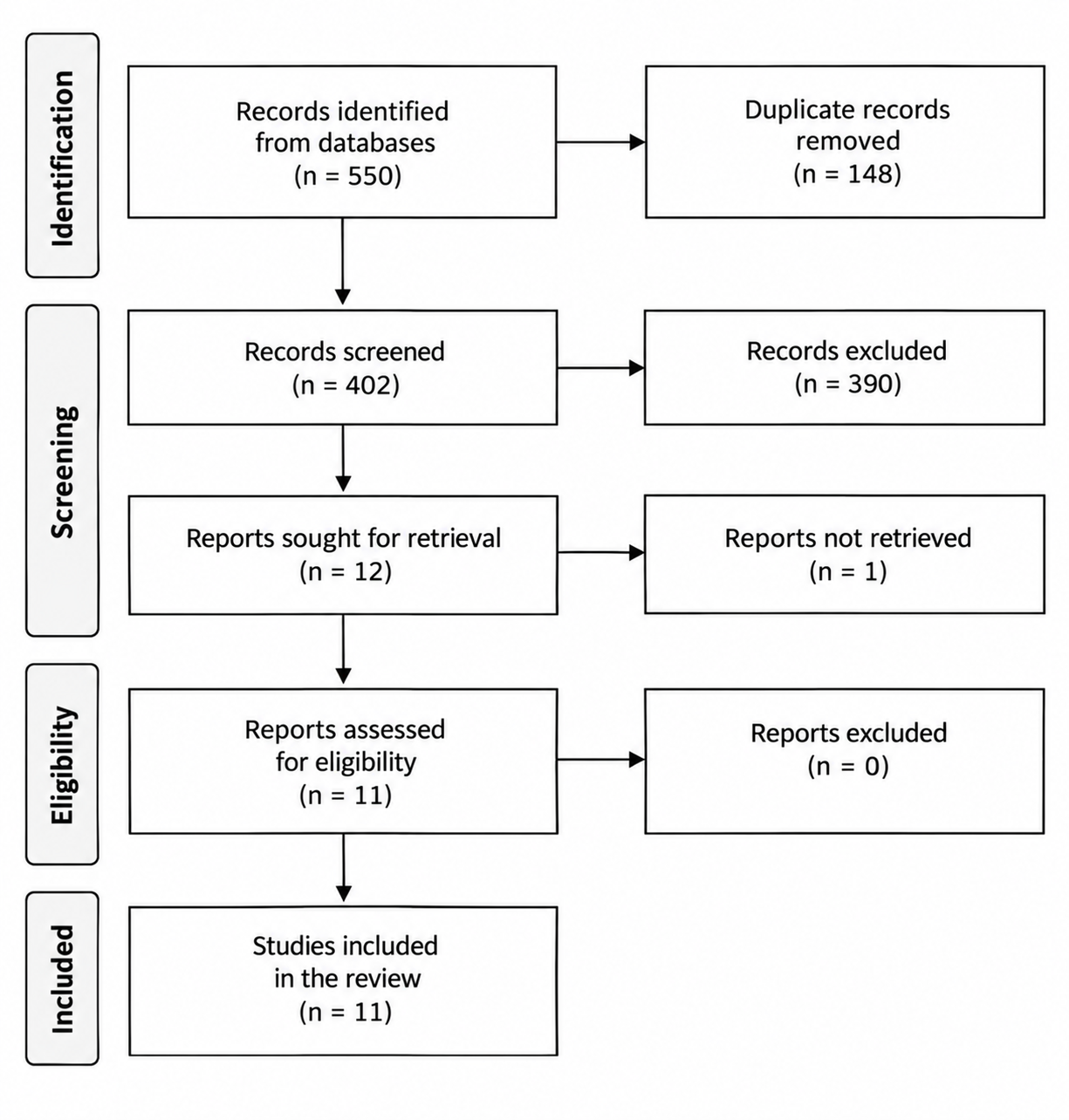
Figure 1. PRISMA 2020 flow diagram of study selection.
Note: Records were identified from PubMed, OpenAlex and Crossref on 2026-10-25. Source: own elaboration.Study characteristics
The 11 included studies comprised seven randomized trials and four observational studies (Table 1). Support was tooth-supported in seven studies,(25-31) implant-supported in three,(32-34) and mixed in one.(35) Follow-up ranged from one year in two trials(25,33) to five years in two studies.(26,35) The largest study randomized 240 patients to a monolithic zirconia or a lithium disilicate single full-coverage crown and reported five-year Kaplan-Meier survival.(26) The two-year prospective cohort compared 50 lithium disilicate crowns with 50 high-translucency multilayer zirconia crowns and reported survival and success with FDI criteria.(28) The three-year practice-based trial randomized 60 posterior monolithic crowns to translucent zirconia or lithium disilicate and reported survival and success with California Dental Association criteria.(30) The three-arm multicenter trial randomized 90 posterior monolithic crowns to high-translucency zirconia, zirconia with a partial buccal veneer or lithium disilicate.(31) Where the abstract named the products, lithium disilicate was milled from IPS e.max CAD or CEREC Tessera blocks and zirconia from Katana STML or Zircon FitPlus multilayer blanks, reflecting the contemporary generation of high-translucency zirconia rather than the first-generation opaque material.(28,29) Five studies contributed data from abstracts only because their full text was not open-access.(28-31,34)
Study | Country | Design | Support | Zr crowns | LD crowns | Follow-up | Key features |
|---|---|---|---|---|---|---|---|
Alghamdi 2024 | Saudi Arabia | Multicentre RCT | Tooth | 120 | 120 | 5 years | Monolithic full-coverage single crowns |
Yi 2026 | Multicentre | Split-mouth RCT (non-inferiority) | Implant | 40 | 40 | 3 years | Posterior single implant crowns on Ti-base |
Schmitter 2022 | Germany | RCT (stratified by bruxism) | Tooth | 50 | 53 | 1 year | Molar single crowns; 1-year report of an ongoing trial |
Strasding 2023 | Switzerland | Multicentre RCT pilot | Implant | 28 | 26 | 1 year | Buccally micro-veneered crowns on Ti-base |
Hausdorfer 2026 | Not stated | Prospective cohort | Tooth | 50 | 50 | 24 months | Multilayer zirconia vs lithium disilicate |
de Miranda 2026 | Not stated | Pilot RCT (double-blind) | Tooth | 13 | 11 | 24 months | Ultratranslucent monolithic zirconia vs lithium disilicate |
Gardell 2021 | Not stated | RCT (practice-based) | Tooth | nr | nr | 3 years | 60 posterior monolithic crowns |
De Angelis 2019 | Not stated | Retrospective | Implant | nr | nr | 3 years | 38 single implant crowns |
Le 2023 | Not stated | Multicentre RCT | Tooth | nr | nr | 3 years | 90 crowns in three arms |
Topdagi 2025 | Turkey | Retrospective cohort | Tooth and implant | 100 | 100 | 5 years | Mixed single crowns and fixed dental prostheses |
Abd Alraheam 2023 | Jordan | Retrospective | Tooth | 96 | 73 | 6-45 months | Mixed monolithic and layered; mixed cements |
Note: Zr = monolithic zirconia; LD = lithium disilicate; nr = not reported in the abstract; RCT = randomized controlled trial. Source: Elaboración propia a partir de la extracción de los estudios incluidos.
Risk of bias
Overall risk of bias was high in four studies and raised some concerns in seven (Table 2); no study was rated at low risk overall. The randomized trials had low or some concerns in most domains; the main issues were attrition in the split-mouth trial, interim analysis in the bruxism trial, and the small pilot sample of 24 crowns in one trial. The observational studies were rated at high risk of bias because of confounding by indication, because cementation and layering were not standardized, and, in the retrospective comparisons, because the reasons for selecting one material over the other could not be reconstructed. Studies assessed only from their abstract were never rated at low risk, since reporting details needed to confirm the methods were unavailable. This risk profile means the pooled estimates inherit a systematic downward pressure on certainty regardless of the number of crowns examined.
Study | Design | Tool | Overall risk of bias | Main concern |
|---|---|---|---|---|
Alghamdi 2024 | Randomized | RoB 2 | High | Non-specialist non-indexed journal and limited methodological detail |
Yi 2026 | Randomized | RoB 2 | Some concerns | Attrition and non-inferiority margin |
Schmitter 2022 | Randomized | RoB 2 | Some concerns | Interim analysis of an ongoing trial |
Strasding 2023 | Randomized | RoB 2 | Some concerns | Pilot sample; 6 of 60 participants not re-examined |
Hausdorfer 2026 | Prospective cohort | ROBINS-I | High | Non-randomized; abstract-only data |
de Miranda 2026 | Randomized | RoB 2 | Some concerns | Pilot sample of 24 crowns |
Gardell 2021 | Randomized | RoB 2 | Some concerns | Abstract-only data |
De Angelis 2019 | Retrospective | ROBINS-I | High | Non-randomized; abstract-only data |
Le 2023 | Randomized | RoB 2 | Some concerns | Abstract-only data; three-arm design |
Topdagi 2025 | Retrospective cohort | ROBINS-I | High | Confounding by indication and mixed restoration types |
Abd Alraheam 2023 | Retrospective | ROBINS-I | High | Non-randomized allocation and mixed cementation |
Note: RoB 2 = revised Cochrane risk-of-bias tool; ROBINS-I = Risk Of Bias In Non-randomised Studies of Interventions. Source: Elaboración propia con RoB 2 (randomized trials) and ROBINS-I (non-randomized studies).
Primary outcome: survival
Survival and failure data are summarized per study (Table 3) and the pooled failure proportions are shown in the forest plot (Figure 2). The pooled failure proportion was 4.20% (95% CI 1.9-9.0) for monolithic zirconia and 6.20% (2.4-14.7) for lithium disilicate, with no statistically significant difference between materials (p = 0.53); heterogeneity was substantial (I-squared 46% for zirconia and 64.30% for lithium disilicate). In the largest and longest study, five-year survival was 89.2% for zirconia and 84.2% for lithium disilicate (p = 0.067).(26) The two-year prospective cohort reported survival of 100% for multilayer zirconia and 82.0% for lithium disilicate (p < 0.01).(28) The three-year split-mouth trial reported survival of 97.5% for zirconia and 100% for lithium disilicate,(32) the one-year randomized trial of molar crowns reported 96.0% for zirconia and 100% for lithium disilicate,(25) and two small trials reported 100% survival for both materials at one and two years.(29,33) In the three-year practice-based randomized trial, survival was 93.3% for translucent zirconia and 100% for lithium disilicate,(30) and the retrospective implant study reported 100% survival for both materials.(34) The three-arm randomized trial reported overall survival of 98.8% with no fractures in any material.(31) Taken together, seven of the eleven studies reported survival at or above 90% for both materials, and the four studies that observed failures did so in opposite directions, which explains why the pooled difference is small and statistically non-significant. The pooled survival corresponded to 95.80% for zirconia and 93.80% for lithium disilicate, but these figures mix follow-up durations from one to five years and should not be read as five-year survival.
Study | Zr n | Zr failures | Zr survival % | LD n | LD failures | LD survival % | Zr tc n | Zr tc events | Zr tc % | LD tc n | LD tc events | LD tc % |
|---|---|---|---|---|---|---|---|---|---|---|---|---|
Yi 2026 | 40 | 1 | 97.5 | 40 | 0 | 100.0 | 40 | 1 | 2.5 | 40 | 2 | 5.0 |
Abd Alraheam 2023 | 96 | 1 | 99.0 | 73 | 0 | 100.0 | 96 | 0 | 0.0 | 73 | 0 | 0.0 |
Schmitter 2022 | 50 | 2 | 96.0 | 53 | 0 | 100.0 | 50 | 0 | 0.0 | 53 | 0 | 0.0 |
Strasding 2023 | 28 | 0 | 100.0 | 26 | 0 | 100.0 | 28 | 0 | 0.0 | 26 | 2 | 7.7 |
Alghamdi 2024 | 120 | 13 | 89.2 | 120 | 19 | 84.2 | 107 | 4 | 3.7 | 101 | 16 | 15.8 |
Hausdorfer 2026 | 50 | 0 | 100.0 | 50 | 9 | 82.0 | 50 | 0 | 0.0 | 50 | 10 | 20.0 |
de Miranda 2026 | 13 | 0 | 100.0 | 11 | 0 | 100.0 | 13 | 0 | 0.0 | 11 | 0 | 0.0 |
Topdagi 2025* | 100 | 6 | 94.0 | 100 | 11 | 89.0 | 100 | 14 | 14.0 | 100 | 21 | 21.0 |
Note: Zr = monolithic zirconia; LD = lithium disilicate; tc = technical complication (fracture, chipping or loss of retention). *Topdagi 2025 reports outcomes at patient level mixing single crowns and fixed dental prostheses and was excluded from pooled estimates. Source: Prepared by the author based on the extraction of the included studies.
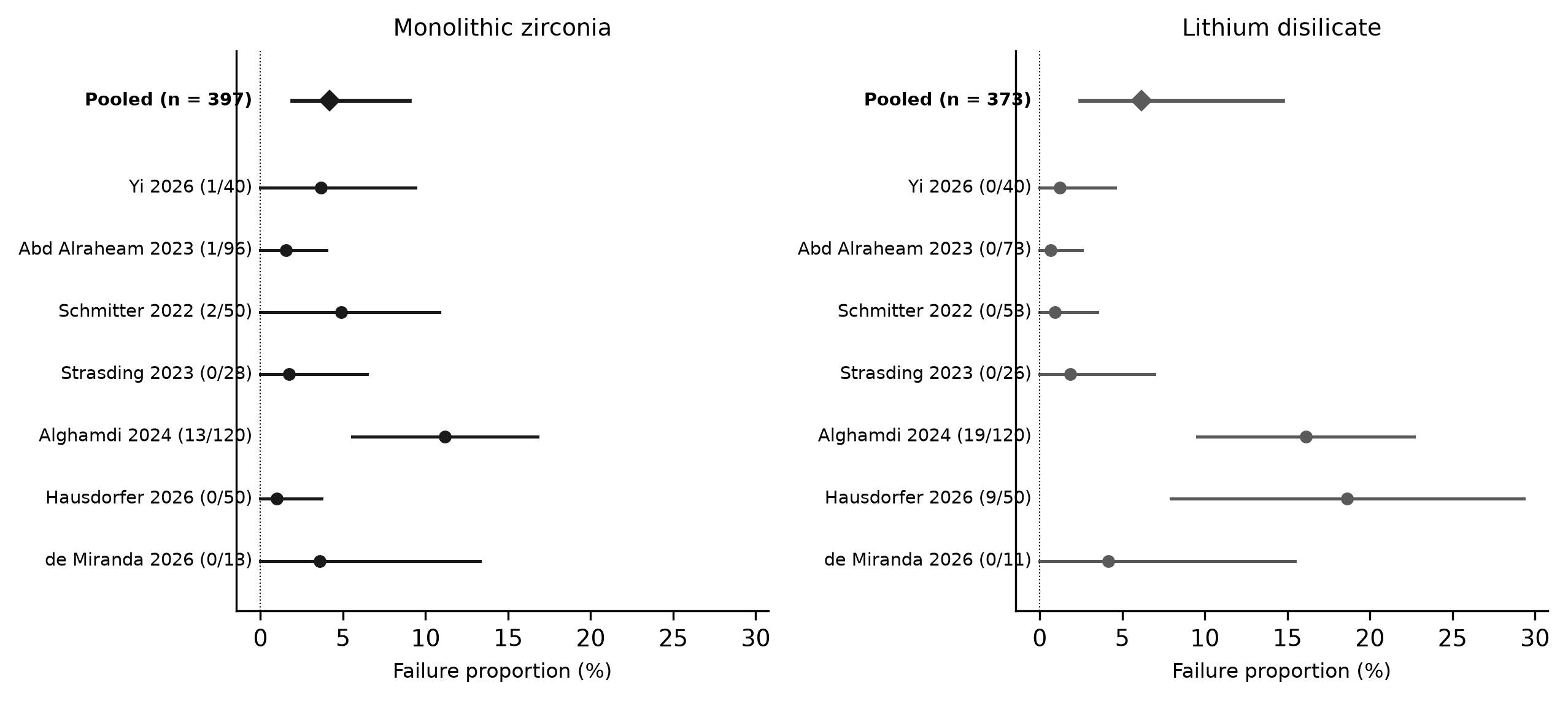
Figure 2. Forest plot of failure proportions by material (random-effects model).
Note: Squares and error bars indicate per-study proportions with 95% CI; diamonds indicate pooled estimates. Zr = monolithic zirconia; LD = lithium disilicate. Source: Own elaboration.Secondary outcome: technical complications
The pooled technical complication proportion was 2.80% (95% CI 1.5-5.5) for zirconia and 9.10% (4.6-17.4) for lithium disilicate, a difference that favored zirconia but whose confidence intervals remained wide. Across the studies that reported events, the excess in lithium disilicate was driven by fracture and chipping rather than by loss of retention, which occurred in similar proportions in the two materials. In the five-year study, fracture occurred in 2 of 107 zirconia crowns and 8 of 101 lithium disilicate crowns, chipping in 1 versus 6, and loss of retention in 1 versus 2.(26) In the two-year cohort, bulk fracture occurred in 10 of 50 lithium disilicate crowns and in none of the zirconia crowns.(28) The implant-supported pilot trial recorded two minor chippings of the facial micro-veneer in 26 lithium disilicate crowns and none in 28 zirconia crowns,(33) and the retrospective implant study recorded one minor chipping in the lithium disilicate group and none in the zirconia group.(34) No ceramic defects occurred in the one-year molar-crown trial in either material,(25) and the split-mouth implant trial reported no crown fractures, chipping or debonding, with screw loosening in one zirconia and two lithium disilicate crowns.(32) The three-year practice-based trial reported no chip-off fractures in either material.(30) Biological and abutment-level events were reported alongside the ceramic outcomes in some studies: endodontic complications affected three lithium disilicate crowns and one zirconia crown in the two-year cohort,(28) and two zirconia crowns required endodontic treatment in the three-arm trial.(31) These events were not counted as technical complications of the ceramic and are reported here only for completeness.
Additional and sensitivity analyses
Excluding the study published in a non-dental journal did not change the conclusion of no significant difference in survival, although it removed the largest estimate of the lithium disilicate failure rate. Excluding the implant-supported studies left eight tooth-supported studies, among which the direction of the difference in technical complications remained in favor of zirconia. The study that mixed single crowns and fixed dental prostheses reported five-year survival of 94.0% for zirconia and 89.0% for lithium disilicate and technical complications of 14.0% versus 21.0%, in the same direction as the pooled estimates, but was not included in the pooled calculations because the outcomes were reported at patient level across restoration types.(35) The three-arm trial contributed an overall survival of 98.8% without per-arm denominators and therefore appears only in the narrative synthesis.(31)
Certainty of the evidence
The certainty of the evidence was rated low for both the survival comparison and the technical complication comparison. The rating was downgraded for risk of bias, because four studies carried a high overall risk and none was rated low; for inconsistency, because the between-study variance was substantial and individual studies pointed in opposite directions; and for imprecision, because the confidence intervals of the pooled estimates were wide and the event counts small. Indirectness was introduced by the mix of tooth- and implant-supported restorations and by the presence of partially layered or micro-veneered crowns in some studies. No domain justified an upgrade, since no dose-response or large effect was apparent. The pooled failure estimates should therefore be read as hypothesis-generating rather than as precise quantitative benchmarks for the two materials, and they should be updated as longer comparative trials become available.
Special considerations
Missing data were handled inconsistently across studies. The five-year randomized trial reported that 107 of 120 zirconia and 101 of 120 lithium disilicate participants were examined at five years, and the technical complication counts used those denominators.(26) The implant pilot trial re-examined 54 of 60 participants, and one zirconia chipping was lost to follow-up and therefore not counted.(33) The one-year bruxism trial excluded six participants before the analysis.(25) These differences in denominator handling are a further source of imprecision. Esthetic and patient-reported outcomes, reported by several studies as secondary endpoints, favored lithium disilicate in the five-year trial (p = 0.012) and were rated favorably for both materials in the practice-based and three-arm trials, with patients rating the restorations more favorably than clinicians in two studies.( 26,30,31)
DISCUSSION
The evidence assembled here does not show a statistically significant difference in survival between monolithic zirconia and lithium disilicate single crowns, whereas lithium disilicate consistently accumulated more ceramic fractures and chippings than zirconia. Pooled failure was numerically lower for zirconia, but the confidence intervals overlapped widely and the pooled estimate is dominated by short-term studies with few events, so the result is best read as absence of demonstrated difference rather than as demonstrated equivalence. The technical complication contrast was more consistent than the survival contrast, and it persisted when the implant-supported studies were removed.
These findings agree with the broader literature on all-ceramic single crowns. Reviews of tooth-supported single crowns have repeatedly reported high survival for both material families, with all-ceramic survival above 90% and technical complications concentrated in the veneering ceramic of bilayered zirconia.(9,13,14) Pjetursson and colleagues estimated five-year survival of single crowns above 95% for monolithic designs and identified chipping as the leading technical complication of veneered zirconia, an observation that motivated the shift to full-contour zirconia.(10,12,18) The implant-supported literature points in the same direction, with survival of single crowns on implants above 95% and modest complication rates.(19,36) In the present review, the implant-supported studies uniformly reported survival of 97.5% or higher in both materials, so the overall conclusions are not driven by the support type, even though screw-related events add a complication category that tooth-supported crowns do not have.(32-34) A Cochrane review of metal-free fixed restorations concluded that the evidence is insufficient to declare one ceramic superior to another, which is compatible with the absence of a survival difference observed here.(2) Commentary on this literature has likewise summarized five-year survival of all-ceramic single crowns as acceptable without identifying a consistent winner between the ceramic families.(37)
The reviews that come closest to the present question reach a similar, guarded conclusion. A systematic review restricted to lithium disilicate and zirconia CAD-CAM single crowns made with digital impressions found comparable clinical performance between the two materials but noted that most available studies were short and heterogeneous.(16) An overview of systematic reviews on lithium disilicate single crowns reported high survival for the material but could not isolate a material-specific difference because few syntheses included a zirconia comparator arm.(15) A meta-analysis of CAD-CAM lithium disilicate and zirconia crowns and fixed partial dentures likewise reported similar outcomes for the two materials while emphasizing the poor comparability of the underlying cohorts.(38) The most recent tooth-supported synthesis of single crowns, which separates monolithic from veneered all-ceramic restorations, likewise concludes that monolithic designs fail less than veneered ones, without singling out a superior material between monolithic zirconia and lithium disilicate.(18) The present review, restricted to head-to-head single-crown studies, is consistent with those assessments and adds a pooled comparison with explicit outcome hierarchy.
The tendency toward more fracture and chipping with lithium disilicate has a plausible mechanical explanation. Lithium disilicate is a glass-ceramic whose strength depends on adhesive resin bonding, and its fracture initiates at surface flaws under tensile stress.(6,7) Fractographic analyses of clinically failed all-ceramic crowns locate the failure origin at the intaglio or cervical margin, where tensile and adhesive stresses concentrate, a pattern more damaging for a glass-ceramic than for a transformation-toughened zirconia.(39) Under cyclic loading, glass-ceramics also show fatigue degradation that reduces their long-term fracture resistance, whereas zirconia retains more of its strength through transformation toughening, a difference that becomes more visible as observation time extends.(6,39) Chipping of veneering porcelain on zirconia frameworks has been attributed to residual thermal stresses and mismatch at the core-veneer interface, a mechanism that monolithic zirconia removes by eliminating the veneer.(11,40) The residual chipping observed in lithium disilicate restorations in the present review was confined to micro-veneered or bulk-fractured crowns, which cautions against extrapolating it to all full-contour restorations. This mechanistic reading is consistent with the observation that the fracture-prone lithium disilicate products in the two-year cohort were milled from a relatively new lithium-disilicate-based glass ceramic, underscoring that product-specific properties, and not the material class alone, determine clinical behavior.( 28)
The distinction between chipping and catastrophic fracture also has clinical meaning. Minor chipping of a facial micro-veneer, as observed in two lithium disilicate crowns in the implant pilot trial, is usually repairable and does not necessarily shorten the life of the restoration, whereas a bulk fracture of the lithium disilicate core, as observed in ten crowns in the two-year cohort, requires replacement.(28,33) Counting both events as a single technical-complication category, as this review does, preserves comparability across studies but hides this prognostic difference, and future syntheses would benefit from separating repairable from non-repairable events.
Cementation is a plausible moderator of the observed loss of retention events, which were few and concentrated in single studies. Lithium disilicate requires a reliable adhesive bond, and failures in the included studies occasionally presented as loss of retention rather than as ceramic fracture, as in one zirconia crown in the retrospective cementation study.(27) The dependence of glass-ceramic longevity on luting technique is well documented.(7) Because several included studies did not report the cementation protocol in the abstract, the contribution of luting to the material difference cannot be quantified here, but it should not be confused with a material property.
Comparison with individual studies outside the included set refines this interpretation. Zhang and colleagues found that veneered zirconia behaved similarly to monolithic lithium disilicate in posterior implant crowns, suggesting that the relevant contrast is monolithic versus veneered rather than zirconia versus glass-ceramic.(41) Bilayered zirconia single crowns show more chipping than the monolithic zirconia crowns summarized here, again pointing to the veneering ceramic as the weak link.(42,43) Monolithic zirconia single-arm cohorts report survival above 90% at three to five years, compatible with the zirconia arm of the pooled estimate.(44-46) The retrospective cementation study included here found no chipping or fractures in either material and attributed its single zirconia failure to a tooth fracture rather than to the crown, a reminder that the abutment tooth is part of the system under comparison.(27) The bruxism-specific literature found no excess of ceramic complications with either material at short follow-up, in line with the one-year trial included here.(47) Practice-based data on chairside ceramic crowns also place survival above 90%, although they do not separate the two materials head to head.(48) Two findings within the included set point in opposite directions and illustrate the fragility of the survival comparison: the three-year practice-based trial favored lithium disilicate in survival, whereas the two-year cohort strongly favored zirconia, a discrepancy that the pooled estimate flattens into a non-significant average.(28,30)
Several sources of heterogeneity limit the interpretation of the pooled estimates. Follow-up ranged from one to five years, and the studies with longer observation reported the largest differences between materials, which inflates inconsistency when short-term studies with near-universal survival are pooled with them. Support type differed, with implant-supported crowns introducing screw-related events that tooth-supported crowns do not share. Zirconia generations also differed across studies, from conventional to highly translucent and multilayer formulations with progressively lower strength.(4,5) Design was heterogeneous, since seven randomized trials and four observational studies were combined, and one included study was published in a non-dental, non-indexed journal with limited methodological detail.(26) The mixed tooth- and implant-supported study could not be assigned to either stratum cleanly, and its patient-level reporting prevented its inclusion in the pooling, so its contribution is descriptive.(35) These differences argue for caution in any single pooled number and justify the stratified presentation by material.
The distribution of risk of bias also deserves explicit attention when weighing the estimates. The largest study, which drives much of the pooled failure signal, was published in a journal outside the dental field and is not indexed in the conventional biomedical databases, so its peer-review provenance is uncertain even though its design is described as a multicenter randomized trial.(26) Its exclusion in a sensitivity analysis did not reverse the overall conclusion, but it did reduce the lithium disilicate failure signal, which confirms that the pooled difference rests on a small number of events. The two retrospective studies carried high risk of bias because material selection was not random and could have been driven by the expected load, which would tend to place zirconia in higher-risk sites and bias the comparison against it.(27,35) Such confounding by indication is a structural threat to observational comparisons of these materials and should temper any causal reading of the pooled estimates. Publication bias is also plausible, because trials showing an early difference in ceramic fracture are more likely to be reported than trials showing no events, and the two studies with the most lithium disilicate failures are also the studies with the longest follow-up. With only seven studies in the quantitative synthesis, no formal test for small-study effects is informative, and this uncertainty is folded into the low GRADE rating.
The review has limitations, each with a corresponding mitigation. The search was limited to three bibliographic sources and to English and Spanish, so relevant reports in other languages may have been missed; future updates should add Embase, Scopus and the LILACS regional database. Five of the eleven included studies could be assessed only from their abstracts because the full text was not open-access, and one further report was not retrieved; this may introduce selective availability of evidence, which future reviews should address by requesting full texts from authors. Screening was assisted by an artificial-intelligence tool rather than by two independent reviewers, and misclassification is possible despite verification; a duplicate human screening of a random subset would quantify this error. The pooled estimate for survival combines different follow-up durations and should be interpreted as descriptive rather than as a time-adjusted survival estimate; a meta-analysis of time-to-event data or of annual failure rates would be preferable when individual-level data become available. Finally, one study reported outcomes at patient level mixing single crowns and fixed dental prostheses and was excluded from pooling, and three studies lacked per-arm sample sizes, so the pooled estimates reflect seven studies; reporting guidelines for crown trials should require per-material denominators and time-to-event data to allow future quantitative synthesis.
The esthetic and patient-reported findings deserve mention even though they were secondary in this review. In the five-year trial, lithium disilicate received significantly higher esthetic satisfaction scores, and in the practice-based and three-arm trials patients rated both materials more favorably than clinicians did.(26,30,31) This pattern echoes the known translucency advantage of lithium disilicate and the persistent challenge of matching highly translucent zirconia in the esthetic zone.(4,8) For anterior single crowns, the esthetic difference may outweigh the small mechanical difference between the materials, whereas for posterior crowns the mechanical argument for zirconia is stronger. Generalization of these results is also constrained by the study settings, which range from university clinics to public dental services, and by the absence of reported operator experience in several studies.
For research, the field needs comparative trials with longer follow-up and pre-specified, time-to-event survival endpoints, because the current evidence is dominated by one- to three-year studies in which both materials rarely fail. Trials should report per-material denominators, the number and type of technical complications separately from failures, and the exact zirconia generation and lithium disilicate product used, since pooling different ceramic generations obscures the material comparison.(4,5) A split-mouth or paired design within the same arch would control for occlusal loading and oral habits more effectively than the parallel and retrospective designs that currently predominate. Standardized criteria for survival, success and complication classification, aligned with the FDI or USPHS instruments used in the included studies, would also reduce the denominator and classification inconsistencies that this review had to accommodate. The absence of a registered protocol in most of the included studies also argues for prospective registration and for adherence to the CONSORT extension for non-pharmacological treatments in future trials. Until such data exist, clinical decisions will continue to rest on short-term trials and observational cohorts.
For clinical practice, the available data support selecting the material by tooth location and expected load rather than by an anticipated survival advantage. Zirconia remains a reasonable choice for posterior crowns and for patients with high occlusal loading, whereas lithium disilicate appears appropriate for the esthetic zone where adhesion and translucency dominate, with the caveat that bulk fracture was observed in lithium disilicate crowns in one two-year cohort and thin facial veneering should be used cautiously.(4,8) The choice of luting protocol should follow the material: lithium disilicate requires a reliable adhesive bond, whereas zirconia tolerates conventional cementation when isolation is limited.(7) The certainty of the evidence is low, and treatment decisions should weigh material cost, tooth structure preservation and operator familiarity alongside these findings.(24) The absence of a demonstrated survival difference also means that cost and access to manufacturing technology are legitimate determinants of the material choice in many settings.(2)
CONCLUSIONS
The evidence reviewed does not show a statistically significant difference in survival between monolithic zirconia and lithium disilicate single crowns in adults. With respect to technical complications, lithium disilicate showed more ceramic fractures and chippings than monolithic zirconia, a tendency concentrated in the five-year and two-year studies with longer observation and explained by the mechanical properties of the two material families. The certainty of this evidence is low, because follow-up was short in most studies, the pooled estimates were heterogeneous, several studies could be assessed only from their abstracts, and no study was at low risk of bias. The comparison should therefore be re-examined in longer randomized trials that report time-to-event survival and technical complications separately by support type and by zirconia generation, and that are registered before recruitment begins so that their methods can be verified against a protocol.
References
- 1 Bona A, Pecho O, Alessandretti R. Zirconia as a Dental Biomaterial. Materials. 2015;8(8):4978-4991. doi: 10.3390/ma8084978
- 2 Poggio CE, Ercoli C, Rispoli L, Maiorana C, Esposito M. Metal-free materials for fixed prosthodontic restorations. Cochrane Database Syst Rev. 2017;2019(11):CD009606-CD009606. doi: 10.1002/14651858.cd009606.pub2
- 3 Zarone F, Di Mauro MI, Ausiello P, Ruggiero G, Sorrentino R. Current status on lithium disilicate and zirconia: a narrative review. BMC Oral Health. 2019;19(1):134. doi: 10.1186/s12903-019-0838-x
- 4 Kim HK. Optical and Mechanical Properties of Highly Translucent Dental Zirconia. Materials. 2020;13(15):3395. doi: 10.3390/ma13153395
- 5 Kui A, Manziuc M, Petruțiu A, Buduru S, Labuneț A, Negucioiu M, et al. Translucent Zirconia in Fixed Prosthodontics—An Integrative Overview. Biomedicines. 2023;11(12):3116. doi: 10.3390/biomedicines11123116
- 6 Ritzberger C, Apel E, Höland W, Peschke A, Rheinberger V. Properties and Clinical Application of Three Types of Dental Glass-Ceramics and Ceramics for CAD-CAM Technologies. Materials. 2010;3(6):3700-3713. doi: 10.3390/ma3063700
- 7 Pospiech P. All-ceramic crowns: bonding or cementing?. Clinical Oral Investigations. 2002;6(4):189-197. doi: 10.1007/s00784-002-0183-2
- 8 Harianawala HH, Kheur MG, Apte SK, Kale BB, Sethi TS, Kheur SM. Comparative analysis of transmittance for different types of commercially available zirconia and lithium disilicate materials. J Adv Prosthodont. 2014;6(6):456. doi: 10.4047/jap.2014.6.6.456
- 9 Sailer I, Makarov NA, Thoma DS, Zwahlen M, Pjetursson BE. All-ceramic or metal-ceramic tooth-supported fixed dental prostheses (FDPs)? A systematic review of the survival and complication rates. Part I: Single crowns (SCs). Dental Materials. 2015;31(6):603-623. doi: 10.1016/j.dental.2015.02.011
- 10 Pjetursson BE, Valente NA, Strasding M, Zwahlen M, Liu S, Sailer I. A systematic review of the survival and complication rates of zirconia‐ceramic and metal‐ceramic single crowns. Clinical Oral Implants Res. 2018;29(S16):199-214. doi: 10.1111/clr.13306
- 11 Swain MV. Unstable cracking (chipping) of veneering porcelain on all-ceramic dental crowns and fixed partial dentures. Acta Biomaterialia. 2009;5(5):1668-1677. doi: 10.1016/j.actbio.2008.12.016
- 12 Pjetursson BE, Sailer I, Latyshev A, Rabel K, Kohal R, Karasan D. A systematic review and meta‐analysis evaluating the survival, the failure, and the complication rates of veneered and monolithic all‐ceramic implant‐supported single crowns. Clinical Oral Implants Res. 2021;32(S21):254-288. doi: 10.1111/clr.13863
- 13 Aldegheishem A, Ioannidis G, Att W, Petridis H. Success and Survival of Various Types of All-Ceramic Single Crowns: A Critical Review and Analysis of Studies with a Mean Follow-Up of 5 Years or Longer. Int J Prosthodont. 2017;30(2):168-181. doi: 10.11607/ijp.4703
- 14 Kassardjian V, Varma S, Andiappan M, Creugers NHJ, Bartlett D. A systematic review and meta analysis of the longevity of anterior and posterior all-ceramic crowns. Journal of Dentistry. 2016;55:1-6. doi: 10.1016/j.jdent.2016.08.009
- 15 Laumbacher H, Scholz KJ, Knüttel H, Rosentritt M. Clinical outcomes and complications of tooth- and implant-supported lithium (di)silicate based single crowns: an overview of systematic reviews. Journal of Dentistry. 2025;162:106004. doi: 10.1016/j.jdent.2025.106004
- 16 Benli M, Turkyilmaz I, Martinez JL, Schwartz S. Clinical performance of lithium disilicate and zirconia CAD/CAM crowns using digital impressions: A systematic review. Prim Dent J. 2022;11(4):71-76. doi: 10.1177/20501684221132941
- 17 Mazza LC, Lemos CAA, Pesqueira AA, Pellizzer EP. Survival and complications of monolithic ceramic for tooth-supported fixed dental prostheses: A systematic review and meta-analysis. The Journal of Prosthetic Dentistry. 2022;128(4):566-574. doi: 10.1016/j.prosdent.2021.01.020
- 18 Pjetursson BE, Pitta J, Balet A, Bjarnadottir GR, Sailer I, Romandini P. A Systematic Review and Meta-Analysis Evaluating the Survival, the Failure and the Complication Rates of Metal-Ceramic, Veneered and Monolithic All-Ceramic Tooth-Supported Single Crowns. Int J Prosthodont. 2026;39(3):1-47. doi: 10.11607/ijp.9633
- 19 Lemos CAA, Verri FR, de Luna Gomes JM, Santiago Junior JF, Miyashita E, Mendonça G, et al. Survival and prosthetic complications of monolithic ceramic implant-supported single crowns and fixed partial dentures: A systematic review with meta-analysis. The Journal of Prosthetic Dentistry. 2024;132(6):1237-1249. doi: 10.1016/j.prosdent.2022.11.013
- 20 Page MJ, McKenzie JE, Bossuyt PM, Boutron I, Hoffmann TC, Mulrow CD, et al. The PRISMA 2020 statement: an updated guideline for reporting systematic reviews. BMJ. 2021:n71. doi: 10.1136/bmj.n71
- 21 Sterne JAC, Savović J, Page MJ, Elbers RG, Blencowe NS, Boutron I, et al. RoB 2: a revised tool for assessing risk of bias in randomised trials. BMJ. 2019:l4898. doi: 10.1136/bmj.l4898
- 22 Sterne JA, Hernán MA, Reeves BC, Savović J, Berkman ND, Viswanathan M, et al. ROBINS-I: a tool for assessing risk of bias in non-randomised studies of interventions. BMJ. 2016:i4919. doi: 10.1136/bmj.i4919
- 23 DerSimonian R, Laird N. Meta-analysis in clinical trials. Controlled Clinical Trials. 1986;7(3):177-188. doi: 10.1016/0197-2456(86)90046-2
- 24 Guyatt GH, Oxman AD, Vist GE, Kunz R, Falck-Ytter Y, Alonso-Coello P, et al. GRADE: an emerging consensus on rating quality of evidence and strength of recommendations. BMJ. 2008;336(7650):924-926. doi: 10.1136/bmj.39489.470347.ad
- 25 Schmitter M, Bömicke W, Behnisch R, Lorenzo Bermejo J, Waldecker M, Rammelsberg P, et al. Ceramic Crowns and Sleep Bruxism: First Results from a Randomized Trial. JCM. 2022;12(1):273. doi: 10.3390/jcm12010273
- 26 Alghamdi MA, Alanazi AM, Almujil AA, Alanazi TA, Alshehri AS, Altahtam AA, et al. Comparative Evaluation of Long-Term Clinical Performance and Patient Satisfaction in Zirconia Versus Lithium Disilicate Crowns: A Multi-Center Randomized Controlled Trial. JoPH. 2024;4(3). doi: 10.63332/joph.v4i3.3241
- 27 Abd Alraheam I, Al-Asmar A, Hasan N, Asoleihat F, Alkayed A. Clinical evaluation of cemented and adhesively resin-bonded monolithic and partially layered zirconia and lithium disilicate crowns. The Saudi Dental Journal. 2023;35(5):508-514. doi: 10.1016/j.sdentj.2023.04.001
- 28 Hausdörfer T, Kanzow P, Rödig T, Wiegand A, Lechte C. Clinical performance of CAD/CAM-fabricated lithium-disilicate-based glass ceramic vs. multilayer zirconia crowns after a minimum observation period of two years. Dental Materials. 2026. doi: 10.1016/j.dental.2026.08.008
- 29 Miranda LM, de Carvalho IHG, de Araújo LNM, Özcan M, de Assunção e Souza RO. Clinical performance of ultratranslucent monolithic zirconia posterior crowns compared with lithium disilicate crowns: A pilot, randomized, double‐blind, controlled clinical trial. Journal of Prosthodontics. 2026:jopr.70250. doi: 10.1111/jopr.70250
- 30 Gardell E, Larsson C, von Steyern PV. Translucent Zirconium Dioxide and Lithium Disilicate: A 3-Year Follow-up of a Prospective, Practice-Based Randomized Controlled Trial on Posterior Monolithic Crowns. Int J Prosthodont. 2021;34(2):163-172. doi: 10.11607/ijp.6795
- 31 Le M, Dirawi W, Papia E, Larsson C. Clinical Outcome of Three Different Types of Posterior All-Ceramic Crowns. A 3-Year Follow-up of a Multicenter, Randomized, Controlled Clinical Trial. Int J Prosthodont. 2023;36(5):546-553. doi: 10.11607/ijp.8016
- 32 Yi X, Wei D, Quan S, Kong Y, Huang X, Jiang X, et al. A 3‐Year Split‐Mouth Randomized Non‐Inferiority Controlled Trial Comparing Cement‐Retained Monolithic CAD ‐ CAM Zirconia and Lithium Disilicate Crowns for Single Posterior Implant Restorations. Clinical Oral Implants Res. 2026;37(9):1129-1143. doi: 10.1111/clr.70154
- 33 Strasding M, Hicklin SP, Todorovic A, Fehmer V, Mojon P, Sailer I. A multicenter randomized controlled clinical pilot study of buccally micro‐veneered lithium‐disilicate and zirconia crowns supported by titanium base abutments: 1‐year outcomes. Clinical Oral Implants Res. 2023;34(1):56-65. doi: 10.1111/clr.14018
- 34 De Angelis P, Passarelli PC, Gasparini G, Boniello R, D'Amato G, De Angelis S. Monolithic CAD-CAM lithium disilicate versus monolithic CAD-CAM zirconia for single implant-supported posterior crowns using a digital workflow: A 3-year cross-sectional retrospective study. The Journal of Prosthetic Dentistry. 2020;123(2):252-256. doi: 10.1016/j.prosdent.2018.11.016
- 35 Topdagi B, Kurum M, Guler CC, Abo Haoran M. Comparison of Long-Term Clinical Outcomes of Zirconia and Lithium Disilicate Prostheses: A Retrospective Cohort Study. Biomimetics. 2025;10(11):740. doi: 10.3390/biomimetics10110740
- 36 E. Jung R, Zembic A, Pjetursson BE, Zwahlen M, S. Thoma D. Systematic review of the survival rate and the incidence of biological, technical, and aesthetic complications of single crowns on implants reported in longitudinal studies with a mean follow‐up of 5 years. Clinical Oral Implants Res. 2012;23(s6):2-21. doi: 10.1111/j.1600-0501.2012.02547.x
- 37 Dorri M. All-ceramic tooth-supported single crowns have acceptable 5-year survival rates. Evid Based Dent. 2013;14(2):47-47. doi: 10.1038/sj.ebd.6400932
- 38 Aswal GS, Rawat R, Dwivedi D, Prabhakar N, Kumar V. Clinical Outcomes of CAD/CAM (Lithium disilicate and Zirconia) Based and Conventional Full Crowns and Fixed Partial Dentures: A Systematic Review and Meta-Analysis. Cureus. 2023;15(4):e37888-e37888. doi: 10.7759/cureus.37888
- 39 Øilo M, Gjerdet NR. Fractographic analyses of all-ceramic crowns: A study of 27 clinically fractured crowns. Dental Materials. 2013;29(6):e78-e84. doi: 10.1016/j.dental.2013.03.018
- 40 Schmitter M, Mueller D, Rues S. In vitro chipping behaviour of all‐ceramic crowns with a zirconia framework and feldspathic veneering: comparison of CAD/CAM‐produced veneer with manually layered veneer. J of Oral Rehabilitation. 2013;40(7):519-525. doi: 10.1111/joor.12061
- 41 Zhang Y, Wei D, Tian J, Zhao Y, Lin Y, Di P. Clinical evaluation and quantitative occlusal change analysis of posterior implant‐supported all‐ceramic crowns: A 3‐year randomized controlled clinical trial. Clinical Oral Implants Res. 2023;34(11):1188-1197. doi: 10.1111/clr.14151
- 42 Alfadhli R, Alshammari Y, Baig MR, Omar R. Clinical outcomes of single crown and 3-unit bi-layered zirconia-based fixed dental prostheses: An upto 6- year retrospective clinical study. Journal of Dentistry. 2022;127:104321. doi: 10.1016/j.jdent.2022.104321
- 43 Shihabi S, Chrcanovic BR. Clinical outcomes of tooth-supported monolithic zirconia vs. porcelain-veneered zirconia fixed dental prosthesis, with an additional focus on the cement type: a systematic review and meta-analysis. Clin Oral Invest. 2023;27(10):5755-5769. doi: 10.1007/s00784-023-05219-4
- 44 Miura S, Yamauchi S, Kasahara S, Katsuda Y, Fujisawa M, Egusa H. Clinical evaluation of monolithic zirconia crowns: a failure analysis of clinically obtained cases from a 3.5-year study. J Prosthodont Res. 2021;65(2):148-154. doi: 10.2186/jpr.jpor_2019_643
- 45 Lolos D, Mihali SG, Dinu S, Mitariu M, Tudor A, Oancea R. Retrospective Long-Term Survival Rate and Clinical Performance of Zirconium Oxide Restorations over the Past 5 Years: A Comparative Study Between Single Crowns and Fixed Dental Prostheses. Medicina. 2025;61(2):210. doi: 10.3390/medicina61020210
- 46 Shetty P. Efficacy of zirconia crowns: A 3 year retrospective and clinical follow up study. JAMDSR. 2016;4(4):96-100. doi: 10.21276/jamdsr.2016.4.4.21
- 47 Ningsih JR, Rezky JR. Durability of zirconia and lithium disilicate crowns in bruxism patients: a systematic review. Odonto : Dental Journal. 2026;13(1):99. doi: 10.30659/odj.13.1.93-99
- 48 Wierichs RJ, Kramer EJ, Reiss B, Laske MM, Opdam N, Abou-Ayash S. Practice-Based Study on CAD/CAM Inlays, Onlays, and Crowns: Longevity and Risks. J Dent Res. 2025;104(11):1218-1227. doi: 10.1177/00220345251332882
Declarations
Funding
No financing
Conflict of interest
None
Authorship contributions
Drafting – original draft: Marta María Capote Fernández.
Writing–review and editing: Marta María Capote Fernández.