

Abstract
Introduction: Irreversible pulpitis in mature permanent teeth has traditionally been managed with root canal treatment, yet full pulpotomy with calcium silicate cements is increasingly proposed as a less invasive alternative that preserves the radicular pulp. Methods: This systematic review followed PRISMA 2020. PubMed, OpenAlex, Crossref and Semantic Scholar were searched from 2019 to 2026 for randomized controlled trials and prospective comparative studies comparing full pulpotomy with calcium silicate cements versus root canal treatment in mature permanent teeth with symptomatic irreversible pulpitis. Risk of bias was assessed with RoB 2 and ROBINS-I, and 12-month clinical success was pooled with a random-effects meta-analysis. Results: Ten studies were included. Clinical success at 12 months was 94.8% for full pulpotomy and 96.5% for root canal treatment, with a pooled risk ratio of 0.99 (95% CI 0.94 to 1.03; I2 = 0%). Radiographic success was similar, and postoperative pain was comparable or lower after pulpotomy. Conclusions: Full pulpotomy with calcium silicate cements achieves success rates comparable to root canal treatment at 12 months in mature permanent teeth with irreversible pulpitis and may offer shorter and less costly treatment, although the certainty of the evidence remains limited by the small number of trials and short follow-up.
Keywords
pulpotomy, irreversible pulpitis, root canal therapy, calcium silicate cement, permanent dentition, systematic review
INTRODUCTION
Irreversible pulpitis is among the most frequent reasons for emergency dental attendance in adults, and its management has been shaped for decades by a single assumption: once the pulp of a mature permanent tooth produces spontaneous or lingering pain, the entire tissue is damaged beyond repair and must be removed.(1) Under that assumption, root canal treatment has been the standard of care, and it remains a predictable way to retain the tooth. The procedure is nevertheless expensive, technically demanding and time consuming; it removes considerable dentine and thereby increases the long-term risk of root fracture, and postoperative pain affects a substantial proportion of patients.(2) These limitations have sustained the search for treatments that remove less tissue.
Histological work has progressively undermined the all-or-nothing reading of the clinical diagnosis. When symptoms are correlated with pulp histology, inflammation in teeth diagnosed with irreversible pulpitis is frequently limited to the coronal pulp, while the radicular pulp shows little or no inflammatory change.(3) The segmented response of the pulp to microbial challenge provides the biological basis for removing only the inflamed coronal portion and leaving the radicular pulp in place.(4) This logic, together with the biocompatibility, sealing ability and bioactivity of hydraulic calcium silicate cements such as mineral trioxide aggregate, Biodentine, calcium-enriched mixture and iRoot BP Plus, has turned full pulpotomy into a plausible definitive treatment for mature teeth.(5,6) Position statements of the European Society of Endodontology and the American Association of Endodontists now accept vital pulp therapy for carious pulp exposure, including teeth with symptoms of irreversible pulpitis, provided that bleeding is controlled and the remaining pulp is judged healthy.(7,8) The cements themselves differ in composition and handling: mineral trioxide aggregate is the most studied material with the longest track record, Biodentine and calcium-enriched mixture set faster and are easier to place, and premixed formulations such as iRoot BP Plus remove the mixing step altogether.(5,9) Because the included trials used all four families, the pooled estimate can be read as a general estimate for the calcium silicate class rather than for a single product.
The clinical uptake of full pulpotomy has nonetheless been uneven. Surveys and systematic reviews of decision-making show that root canal treatment is still chosen for most symptomatic mature teeth, and that the perceived reliability of the diagnosis, rather than the availability of materials, drives the decision.(10,11) The debate is no longer about whether the pulp can heal, but about which teeth are suitable, which cement should be selected and whether the short-term results will hold over years.(12) This uncertainty is reflected in clinical practice guidelines, which condition vital pulp therapy on achieving hemostasis and on the absence of pulp necrosis.(13,14)
Several systematic reviews have examined pulpotomy for irreversible pulpitis, but their conclusions diverge and most did not isolate the direct comparison with root canal treatment. An early review found favourable short-term success for pulpotomy in symptomatic mature teeth but stressed the absence of randomized comparisons with root canal treatment.(15) Later syntheses reported pooled success rates for full pulpotomy of approximately 86 to 94 percent, yet they combined single-arm studies with trials that compared different cements, and only some included the head-to-head comparison.(16-18) Reviews published in 2025 and 2026 concluded that pulpotomy and root canal treatment show comparable outcomes in the short term, while noting that randomized evidence remains scarce and heterogeneous.(19-22) Because several head-to-head randomized trials and a pooled analysis have appeared only recently, an updated synthesis restricted to the direct comparison is warranted.
The objective of this systematic review was to compare the clinical and radiographic success of full pulpotomy with calcium silicate cements versus root canal treatment in mature permanent teeth with symptomatic irreversible pulpitis, and to summarize postoperative pain, quality of life, treatment time and cost when these outcomes were reported by the included studies. The review question was: in mature permanent teeth with symptomatic irreversible pulpitis, does full pulpotomy with calcium silicate cements achieve success rates comparable to root canal treatment?
METHODS
Protocol and registration
This systematic review was conducted and reported in accordance with the PRISMA 2020 statement.(23) The protocol was not registered in a public repository.
Eligibility criteria
Studies were eligible when they compared full pulpotomy using a calcium silicate cement against root canal treatment in mature permanent teeth with carious pulp exposure and clinical signs or symptoms of irreversible pulpitis, and reported at least one of the following outcomes: clinical success, radiographic success, postoperative pain, quality of life, treatment time or cost. Randomized controlled trials and prospective comparative studies were included, and one individual participant data pooled analysis of randomized trials was retained because it provided direct comparative short-term data. Studies of primary or immature teeth, partial pulpotomy, direct or indirect pulp capping, single-arm designs, animal or laboratory studies, reviews, protocols, case reports and conference abstracts were excluded. Because the review concerns contemporary materials and protocols, only records published between 2019 and 2026 were eligible for the synthesis, and no language restriction was applied at the search stage. Root canal treatment was accepted whether completed in one or two visits, with any instrumentation and obturation protocol, so that pulpotomy was compared with the standard of care as delivered in each setting. Two included trials enrolled carious pulp exposures with or without an established diagnosis of irreversible pulpitis and were retained because most participants had symptomatic pulpitis; this is acknowledged in the limitations.
Information sources and search
PubMed, OpenAlex, Crossref and Semantic Scholar were searched. The search combined free-text terms for pulpotomy, vital pulp therapy, irreversible pulpitis, permanent teeth and root canal treatment. The following string, used in PubMed, illustrates the strategy: (pulpotomy OR "vital pulp therapy" OR "coronal pulpotomy") AND ("irreversible pulpitis" OR "symptomatic pulpitis" OR "symptomatic irreversible pulpitis") AND ("permanent teeth" OR "mature teeth" OR "mature permanent teeth") AND ("root canal treatment" OR "root canal therapy" OR pulpectomy). Equivalent queries were adapted to each database and restricted to the 2019 to 2026 window. Core queries combined the concepts of pulpotomy and irreversible pulpitis and permanent teeth, full pulpotomy and root canal treatment, vital pulp therapy and mature permanent teeth with a randomized design, calcium silicate cement and pulpotomy, and mineral trioxide aggregate pulpotomy against root canal treatment. Support queries covered partial pulpotomy, pulp capping, single-visit root canal treatment, minimally invasive endodontics, postoperative pain and treatment success in mature permanent teeth. Reference lists of the included studies and of recent systematic reviews were also checked for additional eligible reports.
Selection process
Records retrieved from the databases were deduplicated and screened in two stages. First, titles and abstracts were assessed against the eligibility criteria, and clearly irrelevant records were excluded with a coded reason. Second, the full texts of potentially eligible reports were assessed. Screening was assisted by an artificial intelligence assistant and verified by a single reviewer, and disagreements were resolved by rereading the source record. Because the two-stage decisions were recorded in a structured file, the PRISMA flow diagram was generated directly from those records rather than assembled by hand.
Data extraction
For each included study, the design, country, sample size, population, intervention and comparator, outcomes, follow-up and the main result with its estimate were extracted into a structured form, and the location of each datum was recorded. For the randomized trials, the items extracted included the method of random sequence generation and allocation concealment, the cement and its placement, the hemostasis protocol, the number of visits for root canal treatment, the recall schedule, the criteria for clinical and radiographic success, and the reported numerators and denominators for each outcome. For the non-randomized study, the operator assignment and the comparability of the two groups were also recorded. Complete open-access full texts were available for two trials; for the remaining eight studies, outcome data were extracted from the abstract of the indexed record. This is reported as a limitation.
Risk of bias assessment
Risk of bias of the eight randomized trials was assessed with the revised Cochrane risk-of-bias tool for randomized trials (RoB 2) across the five standard domains.(24) The domains cover the randomization process, deviations from the intended interventions, missing outcome data, measurement of the outcome and selection of the reported result, and the overall judgment followed the signalling questions of the tool. The single non-randomized comparative study was assessed with the Risk Of Bias In Non-randomized Studies of Interventions (ROBINS-I) tool across its bias domains, including confounding and selection of participants.(25) Judgments of low risk, some concerns or high risk were assigned only when the report provided enough information, and absence of detail was never interpreted as low risk of bias. The pooled analysis was not assigned a primary-study judgment because it is a secondary synthesis of individual trials.
Effect measures and synthesis
Treatment success was expressed as a risk ratio (full pulpotomy divided by root canal treatment) with 95 percent confidence intervals. Clinical success at 12 months was pooled with a random-effects model using the DerSimonian-Laird estimator, and heterogeneity was quantified with the I2 statistic and tau2. Studies were weighted by the inverse of the variance of the log risk ratio, and the between-study variance was estimated from Cochran's Q. A fixed-effect estimate was computed as a sensitivity check and was virtually identical to the random-effects estimate, as expected when the between-study variance is zero. Radiographic success and the secondary outcomes of postoperative pain, quality of life, treatment time and cost were synthesized narratively because they were reported by too few informative studies to justify pooling. Certainty of the evidence was considered following the GRADE framework across the domains of risk of bias, imprecision, inconsistency, indirectness and publication bias, although formal grading was not completed given the small number of trials.(26) All computations were performed with deterministic Python scripts using the NumPy library, and the forest plots were drawn with Matplotlib in grayscale at 300 dots per inch. The PRISMA flow diagram was generated directly from the screening records.
RESULTS
Study selection
The database searches identified 387 records (PubMed 107, OpenAlex 160, Crossref 80, Semantic Scholar 40). After 234 duplicates were removed, 153 records were screened by title and abstract, and 142 were excluded. Most exclusions at this stage concerned studies that compared two pulpotomy cements or two pulp therapy techniques rather than pulpotomy against root canal treatment, studies of primary or immature teeth, and reviews. Eleven reports were sought for retrieval and all were assessed, using open-access full texts where available and the indexed abstract otherwise. One report was excluded at full-text assessment because it evaluated pulp capping rather than full pulpotomy, leaving 10 studies included in the review (Figure 1).
Characteristics of included studies
Of the ten included studies, eight were randomized controlled trials,(27-34) one was a prospective non-randomized comparative study,(35) and one was an individual participant data pooled analysis of eight randomized trials.(36) Four studies compared clinical and radiographic success at 12 or 24 months, and six evaluated postoperative pain or patient-reported outcomes over the first week (Table 1). The pulpotomy arms used mineral trioxide aggregate, calcium-enriched mixture, Biodentine or iRoot BP Plus as the calcium silicate cement. Mineral trioxide aggregate, Biodentine and calcium-enriched mixture were each used in more than one trial, and iRoot BP Plus in one trial.(29) The randomized trials were conducted in Iran, Jordan, China, Egypt, Türkiye and Spain, and the pooled analysis aggregated individual participant data from eight countries. Sample sizes ranged from 24 teeth to 550 teeth, and follow-up ranged from 72 hours to 24 months; only one trial assessed success beyond 12 months.(27)
Study | Country | Design | Sample | Follow-up | Main finding |
|---|---|---|---|---|---|
Asgary 2022 | Iran | RCT, three arms | 157 teeth (RCT 51, MTA 55, CEM 51) | 24 mo | Radiographic success 98%, 100% and 97.9% (p = 0.544) |
Taha 2023 | Jordan | RCT | 60 molars (30/30) | 12 mo | Success 93% in both groups |
Zhu 2024 | China | RCT, single-blind | 160 molars (80/80) | 12 mo | Clinical 97.3% vs 98.6%; radiographic 93.3% vs 94.6% |
Elsherif 2023 | Egypt | RCT | 24 molars (12/12) | 12 mo | Clinical 83.3% vs 91.7% (p > 0.05) |
Beauquis 2022 | NR | Non-randomized comparative | 84 teeth (FP 44, RCT 40) | 12 mo | Clinical 80% vs 90%; radiographic 94% vs 69% |
Eghbal 2020 | Iran | RCT, multicenter | 550 teeth (MTA 188, CEM 194, RCT 168) | 7 d | Comparable pain relief; shorter procedure for pulpotomy |
Patel 2025 | NR | RCT | 168 patients (FP 61, RCT 80, PRCT 25) | 7 d | Pulpotomy as effective as RCT for pain reduction |
Sarı 2024 | Türkiye | RCT | 80 molars (40/40) | 7 d | Severe pulpitis: lower pain after pulpotomy at 24 and 72 h |
Esteve-Pardo 2023 | Spain | RCT, multicenter | 80 patients (40/40) | 72 h | Both eliminate pain; similar satisfaction |
Karim 2026 | Eight countries | IPD pooled analysis of 8 RCTs | 410 patients (192/193) | 4 wk | Greater pain reduction with RCT; early failure 5.2% vs 0.5% |
Note: RCT = randomized controlled trial; FP = full pulpotomy; PRCT = pulpotomy progressing to root canal treatment; IPD = individual participant data; NR = not reported. Source: Elaborated from the data extraction form.
Risk of bias
All eight randomized trials were judged at some concerns or high risk of bias overall. The most frequent concern was the impossibility of blinding operators, and in several trials of blinding outcome assessors, because the two treatments are clinically distinguishable; radiographic assessment was the domain most affected. This pattern is typical of procedural trials in dentistry and is unlikely to bias the comparison strongly in one direction, because both arms are affected equally; the main asymmetric risk lies in the radiographic evaluation of pulpotomy, where an assessor aware of the treatment could judge a borderline finding more or less favourably. Randomization was adequate in the trials that described it, with computer-generated sequences and sealed envelopes, but allocation concealment was described in only a fraction of the abstracts, which explains the some-concerns judgments in the first domain. Missing outcome data were limited, and the two trials that reported recall rates exceeded 90 percent. The single non-randomized study was judged at serious risk of bias because the two treatments were delivered by different operator groups (Table 2).
Study | D1 | D2 | D3 | D4 | D5 | Overall |
|---|---|---|---|---|---|---|
Asgary 2022 | L | SC | L | SC | SC | SC |
Taha 2023 | SC | SC | L | SC | SC | SC |
Zhu 2024 | L | SC | L | SC | L | SC |
Elsherif 2023 | SC | SC | SC | SC | SC | H |
Eghbal 2020 | L | SC | SC | SC | SC | SC |
Patel 2025 | L | SC | L | SC | SC | SC |
Sarı 2024 | L | SC | SC | SC | L | SC |
Esteve-Pardo 2023 | L | SC | SC | L | SC | SC |
Beauquis 2022 | - | - | - | - | - | H |
Karim 2026 | - | - | - | - | - | NA |
Note: D1 = randomization process; D2 = deviations from intended interventions; D3 = missing outcome data; D4 = measurement of the outcome; D5 = selection of the reported result. L = low risk; SC = some concerns; H = high risk; NA = not applicable. Beauquis 2022 was assessed with ROBINS-I and Karim 2026 is a pooled analysis without a primary-study judgment.Source: Elaborated with the Cochrane RoB 2 tool and ROBINS-I.
Clinical success
Three randomized trials reported clinical success at 12 months with exact numerators. Taha et al. observed success in 27 of 29 teeth in both groups after full pulpotomy with Biodentine and after root canal treatment.(28) Zhu et al. observed success in 73 of 75 pulpotomies with iRoot BP Plus versus 73 of 74 root canal treatments.(29) Elsherif et al. observed success in 10 of 12 pulpotomies with Biodentine versus 11 of 12 single-visit root canal treatments.(30) Pooled clinical success was 94.8 percent for full pulpotomy and 96.5 percent for root canal treatment, and the pooled risk ratio was 0.99 (95% CI 0.94 to 1.03) with I2 = 0 percent (Figure 2). The fixed-effect sensitivity analysis produced the same estimate (risk ratio 0.99). The absolute difference in pooled success was 1.7 percentage points in favour of root canal treatment. A fourth randomized trial reported at 24 months that all molars except one were functional and symptom-free, with radiographic success of 98 percent after root canal treatment, 100 percent after mineral trioxide aggregate pulpotomy and 97.9 percent after calcium-enriched mixture pulpotomy.(27) The non-randomized study reported clinical success of 80 percent after pulpotomy versus 90 percent after root canal treatment(35) (Table 3).
Radiographic success
Zhu et al. reported radiographic success in 70 of 75 pulpotomies versus 70 of 74 root canal treatments (risk ratio 0.99; 95% CI 0.91 to 1.07).(29) Elsherif et al. reported normal periodontal ligament width and bone density in all teeth of both groups,(30) and Asgary et al. found comparable radiographic success across their three arms at 24 months.(27) The non-randomized study reported radiographic success of 94 percent after pulpotomy versus 69 percent after root canal treatment(35) (Figure 3, Table 3).
Study | Follow-up | Outcome | Pulpotomy success | Root canal treatment success | p |
|---|---|---|---|---|---|
Asgary 2022 | 24 mo | Radiographic | MTA 100%; CEM 97.9% | 98.0% | 0.544 |
Taha 2023 | 12 mo | Clinical and radiographic | 27/29 (93.0%) | 27/29 (93.0%) | NR |
Zhu 2024 | 12 mo | Clinical | 73/75 (97.3%) | 73/74 (98.6%) | > 0.05 |
Zhu 2024 | 12 mo | Radiographic | 70/75 (93.3%) | 70/74 (94.6%) | > 0.05 |
Elsherif 2023 | 12 mo | Clinical | 10/12 (83.3%) | 11/12 (91.7%) | > 0.05 |
Elsherif 2023 | 12 mo | Radiographic | 12/12 (100%) | 12/12 (100%) | NR |
Beauquis 2022 | 12 mo | Clinical | 80% (NR) | 90% (NR) | NR |
Beauquis 2022 | 12 mo | Radiographic | 94% (NR) | 69% (NR) | NR |
Note: NR = numerator not reported. Percentages in parentheses when numerators were available. Source: Elaborated from the data extraction form.
Secondary outcomes
Postoperative pain was comparable between treatments in the largest trial, in which moderate-to-severe pain fell from approximately 56 percent preoperatively to between 10.6 and 13.1 percent at 24 hours across the three arms.(31) Two trials reported faster or greater pain reduction after pulpotomy: Zhu et al. found lower day-1 pain (2.3 versus 5.5 on the numeric rating scale, p = 0.031), with about 30 percent of pulpotomy patients reporting complete relief on the first postoperative day,(29) and Sarı et al. found lower pain at 24 and 72 hours after pulpotomy in teeth with severe pulpitis, in which 70 percent of pulpotomy patients versus 91 percent of root-canal-treated patients still reported pain at 24 hours.(33) Patel et al. found that pulpotomy was as effective as root canal treatment in reducing pain and improving oral health-related quality of life,(32) and Esteve-Pardo et al. found that both procedures eliminated pain with similarly high satisfaction.(34) By contrast, the pooled analysis reported a greater decrease in pain intensity with root canal treatment from baseline to day 3 (1.7 versus 2.4 on the numeric rating scale; p = 0.0034), higher analgesic consumption after pulpotomy at day 3 (51.1 versus 33.3 percent; p = 0.0042) and a higher early failure rate after pulpotomy (5.2 versus 0.5 percent; p = 0.014).(36) Treatment time and cost were consistently lower for pulpotomy: 43.5 versus 112.5 minutes in one trial(29) and approximately 35 versus 70 minutes in another,(31) with a treatment cost of RMB 882 versus 1985.5(29) (Table 4).
Study | Outcome | Finding |
|---|---|---|
Eghbal 2020 | Postoperative pain, 7 d | Comparable across arms (p = 0.939); moderate-to-severe pain 56% preoperatively to 10.6-13.1% at 24 h |
Patel 2025 | Pain and HRQoL, 7 d | Similar pain reduction (p = 0.804); comparable HRQoL |
Sarı 2024 | Postoperative pain, 7 d | Severe pulpitis: lower pain after pulpotomy at 24 h and 72 h (p < 0.05) |
Esteve-Pardo 2023 | Pain and satisfaction, 72 h | Both eliminated pain (5.8 to 1.3 NRS); satisfaction 9.2 vs 9.1 |
Karim 2026 | Pain, analgesics and early failure, 4 wk | Greater pain reduction with RCT; early failure 5.2% vs 0.5% (p = 0.014) |
Zhu 2024 | Treatment time and cost | 43.5 vs 112.5 min (p = 0.020); RMB 882 vs 1985.5 (p = 0.022) |
Eghbal 2020 | Procedure time | RCT 69.73 vs MTA 35.37 vs CEM 33.62 min (p < 0.001) |
Note: NRS = numeric rating scale; HRQoL = health-related quality of life; RCT = root canal treatment; RMB = renminbi. Source: Elaborated from the data extraction form.

Figure 2. Forest plot of clinical success at 12 months.
Note: RR = risk ratio; values below 1 favour root canal treatment. Source: Elaborated from the extracted data.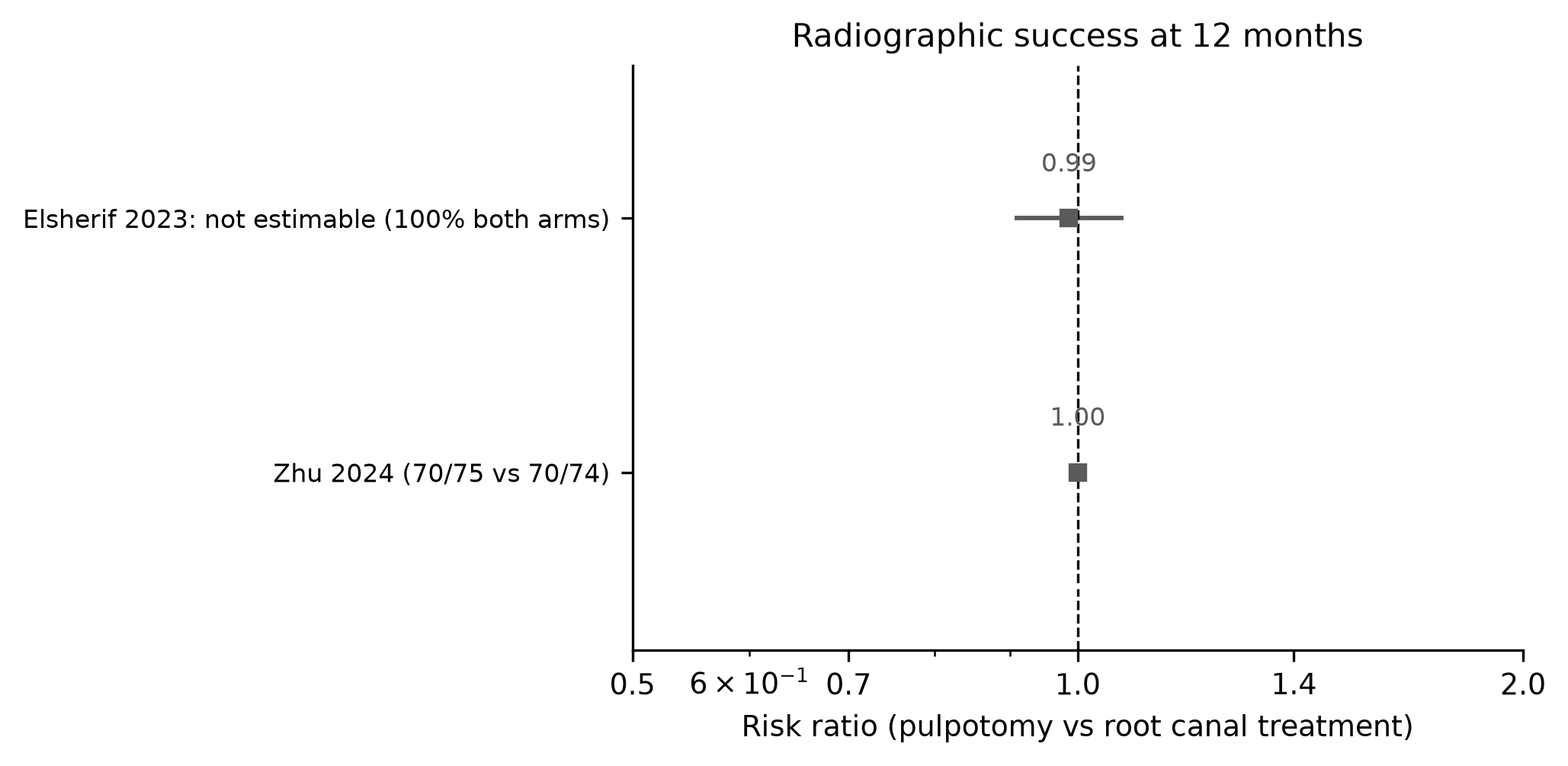
Figure 3. Forest plot of radiographic success at 12 months.
Note: RR = risk ratio; Elsherif 2023 reported 100% success in both arms and was not estimable. Source: Elaborated from the extracted data.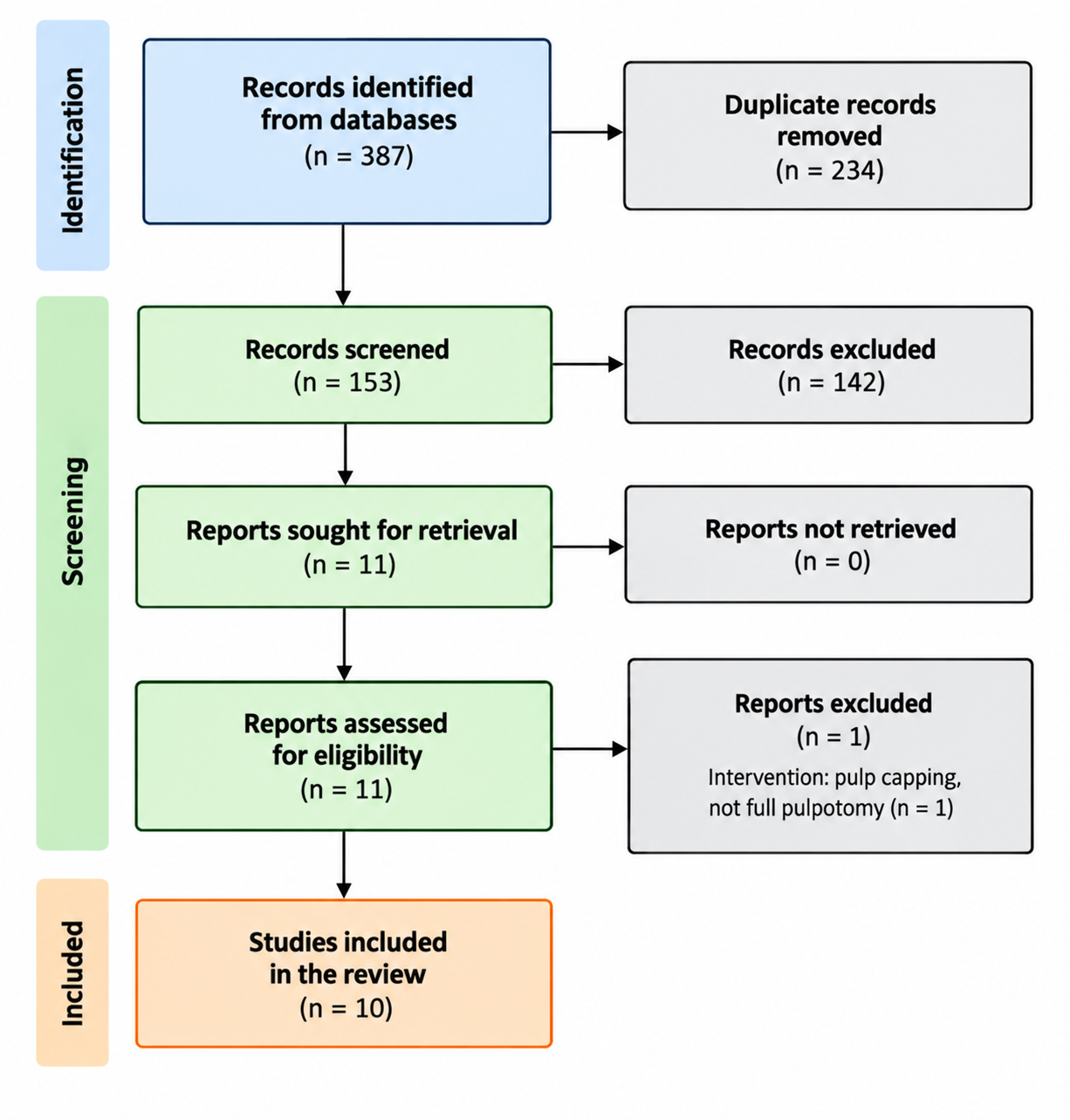
Figure 1. PRISMA 2020 flow diagram of study selection.
Note: One report was excluded at full text because it evaluated pulp capping rather than full pulpotomy. Source: Elaborated from the screening records.DISCUSSION
The main finding of this review is that full pulpotomy with calcium silicate cements and root canal treatment produce comparable clinical success at 12 months in mature permanent teeth with symptomatic irreversible pulpitis. Pooled success was 94.8 percent after pulpotomy and 96.5 percent after root canal treatment, with a risk ratio of 0.99 and a confidence interval that includes 1.0 (95% CI 0.94 to 1.03). Comparability is therefore supported by the point estimate and by the absence of statistical heterogeneity, but the confidence interval is wide enough to accommodate a modest difference in either direction, and the certainty of this evidence is low.
This review has several strengths. The search covered four databases, and the PRISMA flow diagram was generated from the recorded screening decisions rather than reconstructed from memory, which reduces the risk of arithmetic error in the selection counts. The synthesis was restricted to the direct comparison between full pulpotomy and root canal treatment, avoiding the mixing of single-arm studies with head-to-head trials that limited earlier reviews. The meta-analysis used only exact numerators reported by the trials, and the forest plots were computed deterministically from those numerators.
The pooled estimate sits within the range reported by earlier syntheses of pulpotomy for irreversible pulpitis. Systematic reviews have reported success rates for full pulpotomy between roughly 86 and 94 percent at 12 to 24 months,(16-18,21) and reviews that specifically compared pulpotomy with root canal treatment concluded that the two interventions perform similarly in the short term.(19,37,38) The concordance is reassuring because those reviews pooled different combinations of studies, several of which also appear in the present synthesis. Among the syntheses that reported a pooled success rate for full pulpotomy, the estimate of approximately 92 percent reported by Li et al. and the 94 percent reported in a 2026 review are closest to the value obtained here, whereas the earlier estimate by Santos et al. of 81 to 90 percent was lower because it included heterogeneous study designs and shorter follow-up windows.(17,18,38) The overview of systematic reviews by Chhabra et al. concluded that pulpotomy is effective in mature teeth but that the certainty of the evidence is low, a judgment that the present review confirms with a direct head-to-head comparison.(20) An umbrella review reached the same conclusion and stressed the need for direct comparisons against root canal treatment.(22) The cervical pulpotomy review by Skitioui et al. and the earlier synthesis by Zafar et al. similarly reported high success but lacked a formal comparison with root canal treatment.(39,40) The similarity of the estimates across these reviews suggests that the choice of cement among the calcium silicate family, which varied from mineral trioxide aggregate to Biodentine, calcium-enriched mixture and iRoot BP Plus, did not materially change the outcome; a network meta-analysis of bioactive materials likewise found comparable failure rates across calcium silicate cements.(9)
The results are not uniformly favourable to pulpotomy, and the discrepant findings deserve attention. The PROVE pooled analysis of eight randomized trials reported a greater reduction in pain intensity with root canal treatment from baseline to day 3 and, more importantly, an early failure rate of 5.2 percent after pulpotomy versus 0.5 percent after root canal treatment.(36) This pattern is consistent with a biological reading of pulpotomy: a minority of teeth fail early because the radicular pulp was already more inflamed than the clinical diagnosis suggested, whereas teeth that survive the first weeks tend to remain stable, which is why the 12-month success estimates in the individual trials are higher than the short-term failure rate of the pooled analysis. The non-randomized study by Beauquis et al. also reported lower clinical success after pulpotomy (80 versus 90 percent) but, in the opposite direction, higher radiographic success after pulpotomy (94 versus 69 percent).(35) Those estimates must be read with caution because the two groups were treated by different operator cohorts, which confounds the comparison with operator experience.
Single-arm cohorts provide additional context for the durability of full pulpotomy beyond the randomized comparisons. Taha et al. observed 93 percent success at one year with Biodentine pulpotomy in symptomatic mature teeth,(41) and the same group later reported similar one-year outcomes in the randomized comparison included here.(28) Asgary et al. reported five-year success of vital pulp therapy in mature molars with irreversible pulpitis of approximately 92 percent,(42) and Tan et al. described favourable long-term pulpal and restorative outcomes after pulpotomy in mature teeth.(43) Retrospective and prospective cohorts have reinforced these figures: 90.7 percent success at two years in one elective pulpotomy series,(44) high short-term success in prospective cohorts from China,(45,46) favourable outcomes in teeth with signs of irreversible pulpitis in which hemostasis was achieved,(47) and favourable outcomes even in teeth with apical periodontitis treated with Biodentine pulpotomy.(48) The cohort data indicate that pulpotomy can remain stable well beyond 12 months in selected teeth, although randomized evidence for the long term is still absent.
The biological rationale for the observed results rests on the segmented inflammatory response of the pulp. Histobacteriological studies of cariously exposed pulps show that, in teeth with symptoms of irreversible pulpitis, bacteria and the inflammatory infiltrate are frequently restricted to the superficial coronal pulp, so that amputation to the canal orifices removes the diseased portion and leaves a radicular pulp capable of repair.(1,3) The calcium silicate cements used in the included trials support that repair by releasing calcium ions, maintaining an alkaline environment and inducing a mineralized barrier over the wound.(12) When hemostasis is achieved quickly, the clinician has indirect evidence that the remaining pulp is not necrotic, which explains why bleeding control is the most emphasized selection criterion in the guidelines and expert statements.(6,14)
The generalizability of the pooled estimate is limited to teeth that meet these intraoperative criteria. All included trials excluded teeth in which hemostasis could not be achieved within a few minutes or in which necrosis was detected, and some also excluded teeth with periapical radiolucency.(31,33) Pulpotomy should therefore be understood as a treatment for vital, restorable teeth with carious pulp exposure, and its success rates cannot be extrapolated to teeth with established necrosis or to immature teeth, which were outside the scope of this review.
One caveat in interpreting these numbers is the inconsistency of the success definitions across trials. Taha et al. combined clinical and radiographic criteria into a single judgment, Zhu et al. separated them and accepted a periapical index of 1 or less for pulpotomy, Elsherif et al. relied on clinical findings plus cone-beam computed tomography, and Asgary et al. defined success radiographically at 24 months.(27-30) These differences make the pooled estimate coarser than its narrow confidence interval suggests, because the outcome being measured is not identical across studies. Standardized criteria, ideally those proposed for the evaluation of pulpotomy outcomes, would improve the comparability of future trials.(49)
Several sources of clinical heterogeneity did not translate into statistical heterogeneity in the meta-analysis, which returned I2 = 0 percent. The included trials differed in the cement used, the number of visits for root canal treatment, the definition of success and the length of follow-up, and two trials enrolled carious pulp exposures with or without an established diagnosis of irreversible pulpitis.(27,31) The near-identical success rates across the three trials that contributed to the pooled estimate may reflect the strict inclusion of teeth in which hemostasis was achieved after coronal pulp amputation, a step that effectively selects teeth with a healthier radicular pulp.(49) The hemostasis protocol also varied across trials, with sodium hypochlorite used in most and different time limits applied; because the time to hemostasis correlates with the inflammatory state of the pulp, this variation is a plausible source of between-study differences even when it did not surface as statistical heterogeneity.(49) Factors that influence the outcome of pulpotomy, including bleeding time, age and the extent of inflammation, have been reviewed extensively and underpin the current recommendation that case selection determines success more than the material.(6,49)
Postoperative pain behaved in a direction that favours the less invasive procedure in most, though not all, comparisons. In the individual trials, pulpotomy produced pain relief that was either equivalent to or faster than that of root canal treatment,(29,31-34) a pattern already reported in an earlier randomized comparison(50) and confirmed by an independent appraisal of that trial.(51) The biological explanation is straightforward: removing the inflamed coronal pulp reduces intrapulpal pressure and the load of inflammatory mediators, and it severs nociceptive terminals, whereas root canal instrumentation can push debris and irrigants into the periapical tissues.(1,3) The pooled analysis reported the opposite pattern for analgesic consumption, which was higher after pulpotomy at day 3;(36) the different assessment windows and the aggregation of protocols across eight countries may explain part of this discrepancy. The apparent contradiction between the individual trials and the pooled analysis can also be read as a difference in what is being measured. Pulpotomy removes the inflamed coronal tissue responsible for the presenting pain and therefore relieves it quickly, whereas root canal treatment, once completed, eliminates the source of inflammation entirely; the pooled analysis captured the later phase, when the advantage shifts toward the completed root canal treatment. Both observations can be true at the same time and are not necessarily in conflict.
The efficiency advantage of pulpotomy was consistent and large. Treatment time was roughly 35 to 44 minutes for pulpotomy against 70 to 113 minutes for root canal treatment,(29,31) and treatment cost was less than half in the trial that measured it.(29) A cost-effectiveness analysis based on United States parameters reached a compatible conclusion, showing that pulpotomy is an acceptable option at lower willingness-to-pay thresholds.(2) For public services and low-resource settings, this difference is operationally meaningful, and a feasibility study in Mexican public health services found that full pulpotomy could be delivered by trained general practitioners.(52) These findings also align with the direction of recent guidance. The S3-level guideline of the European Society of Endodontology and the EFCD-ESE-ORCA guideline for deep caries management position vital pulp therapy as an option for teeth with deep caries and pulp exposure, with the caveat that hemostasis and the absence of necrosis must be confirmed intraoperatively.(13,14) The expert consensus on pulpotomy in mature permanent teeth likewise recommends pulpotomy when the radicular pulp is judged vital and bleeding stops within a few minutes.(6) The present estimates give quantitative support to those recommendations, while the wide confidence interval reminds clinicians that equivalence is plausible but not yet demonstrated with certainty.
Patient-reported outcomes reinforced the acceptability of pulpotomy. In the randomized comparison by Taha et al., the Oral Health Impact Profile improved similarly in both arms (60.29 versus 64.1 percent at one year), and satisfaction favoured pulpotomy for treatment time, intraoperative pain, pleasantness and cost.(28) The trial by Patel et al. found that pulpotomy was as effective as root canal treatment in improving health-related quality of life over the first week,(32) and the emergency-setting trial by Esteve-Pardo et al. found high and similar satisfaction scores in both arms (9.2 versus 9.1).(34)
The review has limitations that must be stated precisely. First, only three randomized trials contributed exact numerators to the meta-analysis of clinical success, so the pooled confidence interval is wide and cannot exclude up to a 6 percent relative disadvantage for pulpotomy; a definitive answer requires larger non-inferiority trials powered for a narrow margin. Second, follow-up did not exceed 24 months in any trial and was 12 months or less in most, so late pulp necrosis and the long-term survival of the restored tooth remain unmeasured; trials with five-year follow-up are needed. Third, all trials were judged at some concerns or high risk of bias, mainly because operators and radiographic assessors could not be blinded; future trials should use blinded assessors and standardized radiographic criteria. Fourth, for eight of the ten studies outcome data were extracted from abstracts because open-access full texts were not available, which limits the depth of the extraction; prospective registration and open reporting would reduce this dependence. Fifth, two trials enrolled teeth with carious pulp exposure with or without an established diagnosis of irreversible pulpitis, and the pooled analysis may partially overlap with individual trials; strict diagnostic criteria and clear reporting of overlap would strengthen future syntheses. Sixth, screening was assisted by an artificial intelligence assistant and verified by one reviewer rather than two independent reviewers, and the protocol was not registered; dual independent screening and prospective registration are recommended. Seventh, the meta-analysis rests on three small trials, and funnel-plot asymmetry could not be assessed meaningfully with so few studies, so publication bias cannot be excluded.
Applying the GRADE domains to these findings, the certainty of the evidence is low. Risk of bias is a concern in every included trial, imprecision is substantial because only three studies contribute to the pooled estimate, and indirectness arises from the mixed populations of two trials and the variable definitions of success. Publication bias could not be assessed. These downgrades do not invalidate the conclusion of comparability, but they explain why it is stated with caution.
In practical terms, the choice between the two procedures can be framed as a trade-off between biological conservation and long-term certainty. Pulpotomy preserves tooth structure and offers faster, less expensive care at the cost of a small early failure risk that requires conversion to root canal treatment; root canal treatment removes the pulp and the uncertainty at the cost of time, money and dentine. For a patient with a restorable vital tooth and rapid hemostasis, pulpotomy is a defensible first choice, whereas teeth with prolonged bleeding, necrosis or extensive apical disease should proceed directly to root canal treatment.(4,6)
An additional consideration is the clinical meaning of the confidence interval. The pooled risk ratio of 0.99 with a lower limit of 0.94 implies that full pulpotomy could be up to 6 percent relatively less likely to succeed than root canal treatment at 12 months, while the upper limit of 1.03 implies a small advantage for pulpotomy. For a treatment that saves time, money and tooth structure, a 6 percent relative shortfall in success might still be acceptable to many patients, provided that failure can be rescued by root canal treatment without loss of the tooth. This trade-off is precisely what a non-inferiority design should quantify, and the included trials did not declare a non-inferiority margin, which is a gap in the current evidence.
The evidence base has also evolved rapidly in a short period. The earlier trials in the window measured postoperative pain as the primary outcome, whereas the more recent trials addressed success and patient-reported outcomes, and the pooled analysis moved toward standardized protocols across countries.(31,36) This progression reflects the maturing of pulpotomy from an emergency measure into a definitive treatment and implies that future syntheses will have more homogeneous data to pool.
For clinical practice, these findings support full pulpotomy with a calcium silicate cement as a valid alternative to root canal treatment in mature permanent teeth with symptomatic irreversible pulpitis, provided that hemostasis is achieved within a few minutes and the remaining radicular pulp appears healthy. The procedure is faster, less expensive and less destructive, and it offers pain relief that is at least equivalent to root canal treatment in the short term. The decision should nonetheless respect the diagnostic uncertainty of pulpitis, which the Wolters classification was designed to reduce,(4) and clinicians should reserve pulpotomy for teeth that remain restorable and free of necrosis.
The findings also carry an educational implication. The decision to perform pulpotomy depends on intraoperative judgment, chiefly the time to hemostasis and the appearance of the remaining pulp, which cannot be taught from radiographs alone.(10) Training programmes that expose practitioners to the technique and to the diagnostic thresholds that separate pulpotomy from root canal treatment are therefore as important as the material itself.(6,49)
Future research should move beyond the demonstration of comparability and address the questions that determine treatment choice in practice. Trials are needed that stratify participants with the Wolters diagnostic classification, record bleeding time as a prognostic factor, standardize the clinical and radiographic success criteria, and follow teeth for at least five years to capture late pulp necrosis and the survival of the restoration.(4,49) The cost advantage of pulpotomy, together with its shorter treatment time, also argues for pragmatic trials in primary care settings, as the feasibility work in Mexico has begun to show.(52) Finally, the definition of clinical success should be harmonized across trials so that future meta-analyses can pool a single, well-defined outcome rather than a mixture of clinical, radiographic and combined judgments.
CONCLUSIONS
In mature permanent teeth with symptomatic irreversible pulpitis, full pulpotomy with calcium silicate cements achieves 12-month clinical and radiographic success comparable to root canal treatment.
Full pulpotomy provides postoperative pain relief at least equivalent to root canal treatment and is associated with shorter treatment time and lower cost.
These estimates derive from a small number of trials with short follow-up and risk-of-bias concerns, and the confidence interval cannot exclude a modest disadvantage for pulpotomy; larger non-inferiority trials with longer follow-up are required to confirm comparability. Until those trials are available, the decision between full pulpotomy and root canal treatment should be individualized according to the intraoperative condition of the pulp, the restorability of the tooth and the preferences of the patient.
References
- 1 Lin LM, Ricucci D, Saoud TM, Sigurdsson A, Kahler B. Vital pulp therapy of mature permanent teeth with irreversible pulpitis from the perspective of pulp biology. Aust Endodontic J. 2020;46(1):154-166. doi: 10.1111/aej.12392
- 2 Naved N, Umer F, Khowaja AR. Irreversible pulpitis in mature permanent teeth: a cost-effectiveness analysis of pulpotomy versus root canal treatment. BMC Oral Health. 2024;24(1):285. doi: 10.1186/s12903-024-04052-9
- 3 Ricucci D, Siqueira JF, Li Y, Tay FR. Vital pulp therapy: histopathology and histobacteriology-based guidelines to treat teeth with deep caries and pulp exposure. Journal of Dentistry. 2019;86:41-52. doi: 10.1016/j.jdent.2019.05.022
- 4 Wolters WJ, Duncan HF, Tomson PL, Karim IE, McKenna G, Dorri M, et al. Minimally invasive endodontics: a new diagnostic system for assessing pulpitis and subsequent treatment needs. Int Endodontic J. 2017;50(9):825-829. doi: 10.1111/iej.12793
- 5 Philip N, Suneja B. Minimally invasive endodontics: a new era for pulpotomy in mature permanent teeth. Br Dent J. 2022;233(12):1035-1041. doi: 10.1038/s41415-022-5316-1
- 6 Zhang L, Lin C, Chen Z, Yue L, Yu Q, Hou B, et al. Expert consensus on pulpotomy in the management of mature permanent teeth with pulpitis. Int J Oral Sci. 2025;17(1):4. doi: 10.1038/s41368-024-00333-9
- 7 European Society of Endodontology (ESE) developed by:, Duncan HF, Galler KM, Tomson PL, Simon S, El‐Karim I, et al. European Society of Endodontology position statement: Management of deep caries and the exposed pulp. Int Endodontic J. 2019;52(7):923-934. doi: 10.1111/iej.13080
- 8 American Association of Endodontists. AAE Position Statement on Vital Pulp Therapy. Journal of Endodontics. 2021;47(9):1340-1344. doi: 10.1016/j.joen.2021.07.015
- 9 Komora P, Vámos O, Gede N, Hegyi P, Kelemen K, Galvács A, et al. Comparison of bioactive material failure rates in vital pulp treatment of permanent matured teeth – a systematic review and network meta-analysis. Sci Rep. 2024;14(1):18421. doi: 10.1038/s41598-024-69367-7
- 10 Alfaisal Y, Idris G, Peters OA, Zafar S, Nagendrababu V, Peters CI. Vital pulp therapy—Factors influencing decision‐making for permanent mature teeth with irreversible pulpitis: A systematic review. Int Endodontic J. 2024;57(5):505-519. doi: 10.1111/iej.14036
- 11 Iaculli F, Rodríguez-Lozano FJ, Briseño-Marroquín B, Wolf TG, Spagnuolo G, Rengo S. Vital Pulp Therapy of Permanent Teeth with Reversible or Irreversible Pulpitis: An Overview of the Literature. JCM. 2022;11(14):4016. doi: 10.3390/jcm11144016
- 12 Kahler B, Taha N, Lu J, Saoud T. Vital pulp therapy for permanent teeth with diagnosis of irreversible pulpitis: biological basis and outcome. Australian Dental Journal. 2023;68(S1):S110-S122. doi: 10.1111/adj.12997
- 13 Schwendicke F, Kosan E, Banerjee A, Baysan A, Bjørndal L, Ceballos L, et al. Deep Caries Management: EFCD-ESE-ORCA S3-Level Clinical Practice Guideline. Caries Res. 2026:1-19. doi: 10.1159/000551659
- 14 Duncan HF, Kirkevang L, Peters OA, El‐Karim I, Krastl G, Del Fabbro M, et al. Treatment of pulpal and apical disease: The European Society of Endodontology (ESE) S3‐level clinical practice guideline. Int Endodontic J. 2023;56(S3):238-295. doi: 10.1111/iej.13974
- 15 Cushley S, Duncan HF, Lappin MJ, Tomson PL, Lundy FT, Cooper P, et al. Pulpotomy for mature carious teeth with symptoms of irreversible pulpitis: A systematic review. Journal of Dentistry. 2019;88:103158. doi: 10.1016/j.jdent.2019.06.005
- 16 Ather A, Patel B, Gelfond JAL, Ruparel NB. Outcome of pulpotomy in permanent teeth with irreversible pulpitis: a systematic review and meta-analysis. Sci Rep. 2022;12(1):19664. doi: 10.1038/s41598-022-20918-w
- 17 Santos JM, Pereira JF, Marques A, Sequeira DB, Friedman S. Vital Pulp Therapy in Permanent Mature Posterior Teeth with Symptomatic Irreversible Pulpitis: A Systematic Review of Treatment Outcomes. Medicina. 2021;57(6):573. doi: 10.3390/medicina57060573
- 18 Li Y, Wang W, Zeng Q, Tang M, Massey J, Bergeron BE, et al. Efficacy of pulpotomy in managing irreversible pulpitis in mature permanent teeth: A systematic review and meta-analysis. Journal of Dentistry. 2024;144:104923. doi: 10.1016/j.jdent.2024.104923
- 19 Alhajeri AA, Salem SJ, Atash Y, Alfadhli F, Alkhashan D, Alkhabbaz S, et al. The Effectiveness of Full Pulpotomy Versus Root Canal Therapy for Mature Teeth With Irreversible Pulpitis: A Systematic Review and Meta-Analysis. Cureus. 2026;18(8):e114339. doi: 10.7759/cureus.114339
- 20 Chhabra A, Prathap BS, KP R, Yadav P, Himani, Parvathy SJ, et al. Pulpotomy for irreversible pulpitis in mature permanent teeth: An overview of systematic reviews of randomized controlled trials. Science Progress. 2025;108(2):00368504251346677. doi: 10.1177/00368504251346677
- 21 Hoang CM, Hiran-us S, Limlawan P, Nguyen XTY, Chantarangsu S, Vacharaksa A. The effectiveness of pulpotomy in mature permanent posterior teeth with irreversible pulpitis: a systematic review and meta-analysis. Sci Rep. 2026;16(1):31564. doi: 10.1038/s41598-026-61178-2
- 22 Mtalsi M, El Asmar M, Abouelala M, El Arabi S. Effectiveness of Pulpotomy in the Management of Symptomatic Irreversible Pulpitis in Mature Permanent Teeth: An Umbrella Review. Cureus. 2026;18(3):e104814. doi: 10.7759/cureus.104814
- 23 Page MJ, McKenzie JE, Bossuyt PM, Boutron I, Hoffmann TC, Mulrow CD, et al. The PRISMA 2020 statement: an updated guideline for reporting systematic reviews. BMJ. 2021:n71. doi: 10.1136/bmj.n71
- 24 Sterne JAC, Savović J, Page MJ, Elbers RG, Blencowe NS, Boutron I, et al. RoB 2: a revised tool for assessing risk of bias in randomised trials. BMJ. 2019;366:l4898. doi: 10.1136/bmj.l4898
- 25 Sterne JA, Hernán MA, Reeves BC, Savović J, Berkman ND, Viswanathan M, et al. ROBINS-I: a tool for assessing risk of bias in non-randomised studies of interventions. BMJ. 2016:i4919. doi: 10.1136/bmj.i4919
- 26 Guyatt GH, Oxman AD, Vist GE, Kunz R, Falck-Ytter Y, Alonso-Coello P, et al. GRADE: an emerging consensus on rating quality of evidence and strength of recommendations. BMJ. 2008;336(7650):924-926. doi: 10.1136/bmj.39489.470347.ad
- 27 Asgary S, Eghbal MJ, Shahravan A, Saberi E, Baghban AA, Parhizkar A. Outcomes of root canal therapy or full pulpotomy using two endodontic biomaterials in mature permanent teeth: a randomized controlled trial. Clin Oral Invest. 2022;26(3):3287-3297. doi: 10.1007/s00784-021-04310-y
- 28 Taha NA, Abuzaid AM, Khader YS. A Randomized Controlled Clinical Trial of Pulpotomy versus Root Canal Therapy in Mature Teeth with Irreversible Pulpitis: Outcome, Quality of Life, and Patients’ Satisfaction. Journal of Endodontics. 2023;49(6):624-631.e2. doi: 10.1016/j.joen.2023.04.001
- 29 Zhu L, Liu W, Deng X, Chen Z, Chen J, Qian W. Full pulpotomy versus root canal therapy in mature teeth with irreversible pulpitis: a randomized controlled trial. BMC Oral Health. 2024;24(1):1231. doi: 10.1186/s12903-024-05011-0
- 30 Elsherif MA, Darrag AM, Saudi HI, Shaheen NA. Single visit root canal treatment versus pulpotomy in management of pulpitis. Tanta Dental Journal. 2023;20(2):89-94. doi: 10.4103/tdj.tdj_1_23
- 31 Eghbal MJ, Haeri A, Shahravan A, Kazemi A, Moazami F, Mozayeni MA, et al. Postendodontic Pain after Pulpotomy or Root Canal Treatment in Mature Teeth with Carious Pulp Exposure: A Multicenter Randomized Controlled Trial. Pain Research and Management. 2020;2020:1-14. doi: 10.1155/2020/5853412
- 32 Patel N, Khan I, Jarad F, Zavattini A, Koller G, Pimentel T, et al. The short‐term postoperative pain and impact upon quality of life of pulpotomy and root canal treatment, in teeth with symptoms of irreversible pulpitis: A randomized controlled clinical trial. Int Endodontic J. 2025;58(1):55-70. doi: 10.1111/iej.14144
- 33 Sarı M, Yılmaz K, Özyürek T. Postoperative pain after total pulpotomy and root canal treatment in mature molars according to the new and traditional classifications of pulpitis: a prospective, randomized controlled trial. BMC Oral Health. 2024;24(1):1075. doi: 10.1186/s12903-024-04836-z
- 34 Esteve-Pardo G, Barreiro-Gabeiras P, Esteve-Colomina L. Pulpectomy vs. Pulpotomy as Alternative Emergency Treatments for Symptomatic Irreversible Pulpitis—A Multicenter Comparative Randomised Clinical Trial on Patient Perceptions. Clinics and Practice. 2023;13(4):898-913. doi: 10.3390/clinpract13040082
- 35 Beauquis J, Setbon HM, Dassargues C, Carsin P, Aryanpour S, Van Nieuwenhuysen JP, et al. Short-Term Pain Evolution and Treatment Success of Pulpotomy as Irreversible Pulpitis Permanent Treatment: A Non-Randomized Clinical Study. JCM. 2022;11(3):787. doi: 10.3390/jcm11030787
- 36 El Karim IA, Duncan HF, Craig SG, Ballal V, Narkedamalli R, Taha NA, et al. Short‐Term Outcomes of Full Pulpotomy Compared With Root Canal Treatment for Irreversible Pulpitis: The PROVE Study. Int Endodontic J. 2026;59(11):2335-2345. doi: 10.1111/iej.70208
- 37 Vibha H, Mrunalini V, Surelee C, Simren B. Effectiveness of pulpotomy vs root canal treatment on postoperative pain and the treatment outcome in the management of permanent mature posterior teeth with symptomatic irreversible pulpitis: A systematic review and meta- analysis. ijhs. 2022:2634-2656. doi: 10.53730/ijhs.v6ns7.11920
- 38 Massey J, Tang M, Bergeron BE. Efficacy of pulpotomy in managing irreversible pulpitis in mature permanent teeth: A systematic review and meta-analysis. Dentistry Review. 2026;6(2):100389. doi: 10.1016/j.dentre.2026.100389
- 39 Skitioui M, Seck A, Niang SO, Fikhar A, Touré B. The treatment of mature permanent teeth with irreversible pulpitis by cervical pulpotomy: A systematic review. Aust Endodontic J. 2023;49(S1):488-493. doi: 10.1111/aej.12694
- 40 Zafar K, Nazeer M, Ghafoor R, Khan F. Success of pulpotomy in mature permanent teeth with irreversible pulpitis: A systematic review. J Conserv Dent. 2020;23(2):121. doi: 10.4103/jcd.jcd_179_19
- 41 Taha NA, Abdelkhader SZ. Outcome of full pulpotomy using Biodentine in adult patients with symptoms indicative of irreversible pulpitis. Int Endodontic J. 2018;51(8):819-828. doi: 10.1111/iej.12903
- 42 Asgary S, Eghbal MJ, Fazlyab M, Baghban AA, Ghoddusi J. Five-year results of vital pulp therapy in permanent molars with irreversible pulpitis: a non-inferiority multicenter randomized clinical trial. Clin Oral Invest. 2015;19(2):335-341. doi: 10.1007/s00784-014-1244-z
- 43 Tan SY, Yu VSH, Lim KC, Tan BCK, Neo CLJ, Shen L, et al. Long-term Pulpal and Restorative Outcomes of Pulpotomy in Mature Permanent Teeth. Journal of Endodontics. 2020;46(3):383-390. doi: 10.1016/j.joen.2019.11.009
- 44 Jiménez-Martín C, Martín-González J, Crespo-Gallardo I, Montero-Miralles P, Cabanillas-Balsera D, Segura-Egea JJ. Elective full pulpotomy in mature permanent teeth diagnosed with symptomatic irreversible pulpitis: a two years retrospective study. Clin Oral Invest. 2024;28(8):421. doi: 10.1007/s00784-024-05814-z
- 45 Guan X, Zhou Y, Yang Q, Zhu T, Chen X, Deng S, et al. Vital Pulp Therapy in Permanent Teeth with Irreversible Pulpitis Caused by Caries: A Prospective Cohort Study. JPM. 2021;11(11):1125. doi: 10.3390/jpm11111125
- 46 Zhang M, Xiong Y, Wang X, Wang Y, Cai Y, Xu J, et al. Factors affecting the outcome of full pulpotomy in permanent posterior teeth diagnosed with reversible or irreversible pulpitis. Sci Rep. 2022;12(1):20280. doi: 10.1038/s41598-022-24815-0
- 47 Sriudomdech P, Santiwong B, Linsuwanont P. Outcomes of vital pulp treatment in permanent teeth with carious pulp exposure with signs and symptoms of irreversible pulpitis. Clin Oral Invest. 2024;28(10):551. doi: 10.1007/s00784-024-05923-9
- 48 Tran XV, Ngo LTQ, Boukpessi T. BiodentineTM Full Pulpotomy in Mature Permanent Teeth with Irreversible Pulpitis and Apical Periodontitis. Healthcare. 2021;9(6):720. doi: 10.3390/healthcare9060720
- 49 Duncan HF, El‐Karim I, Dummer PMH, Whitworth J, Nagendrababu V. Factors that influence the outcome of pulpotomy in permanent teeth. Int Endodontic J. 2023;56(S2):62-81. doi: 10.1111/iej.13866
- 50 Galani M, Tewari S, Sangwan P, Mittal S, Kumar V, Duhan J. Comparative Evaluation of Postoperative Pain and Success Rate after Pulpotomy and Root Canal Treatment in Cariously Exposed Mature Permanent Molars: A Randomized Controlled Trial. Journal of Endodontics. 2017;43(12):1953-1962. doi: 10.1016/j.joen.2017.08.007
- 51 Brignardello-Petersen R. No apparent differences in postoperative pain and treatment success between mature permanent teeth with carious pulp exposure treated with pulpotomy or root canal treatment after 1 and one-half years. The Journal of the American Dental Association. 2018;149(2):e50. doi: 10.1016/j.adaj.2017.11.010
- 52 Sánchez-Lara y Tajonar RG, Vergara-Tinoco JV, Dammaschke T, Domínguez-Pérez RA. A Pilot Feasibility Study to Establish Full Pulpotomy in Mature Permanent Teeth with Symptomatic Irreversible Pulpitis as a Routine Treatment in Mexican Public Healthcare Services. Healthcare. 2022;10(12):2350. doi: 10.3390/healthcare10122350
Declarations
Funding
No financing
Conflict of interest
None
Authorship contributions
Drafting – original draft: Ana Rodríguez Yanes.
Writing–review and editing: Ana Rodríguez Yanes.