

Abstract
Introduction: Electric scooters have expanded rapidly in United States cities, and emergency department visits for injuries caused by these devices have risen in parallel, yet the national burden of orofacial injuries is not well quantified. Methods: Serial cross-sectional analysis of the National Electronic Injury Surveillance System, 2018-2024. Powered-scooter visits were identified with product codes 5022 and 5042, excluding narratives indicating other devices; body parts 76 (face) and 88 (mouth) defined orofacial injuries and diagnosis 60 defined dental injury. National estimates and 95% confidence intervals used NEISS weights with Taylor-linearized variance; the annual percent change was estimated by variance-weighted log-linear regression. Results: From 2018 to 2024, estimated orofacial visits rose from 2,779 to 27,838, an approximately tenfold increase (annual percent change, 33.8%; p = 0.002). The percentage of powered-scooter visits involving the face or mouth rose from 16.7% to 23.6%. Adults aged 18-34 years accounted for 45.1% of the 80,370 estimated orofacial visits, followed by those aged 35-54 years (26.3%). Dental injuries represented 10.0% of visits and 9.1% required hospitalization. Conclusions: Powered-scooter-related orofacial injuries increased approximately tenfold between 2018 and 2024, concentrated in adults aged 18-34 years, with one in ten injuries involving the teeth.
Keywords
motorized scooters, maxillofacial injuries, tooth injuries, emergency service, hospital, United States, epidemiology
INTRODUCTION
Electric scooters have become a widespread form of micromobility in United States cities since dockless rental programs expanded in 2017, and the devices now account for a large share of short urban trips.(1,2) Shared fleets have made the vehicles available without ownership, and municipal regulation has generally lagged behind their diffusion.(3) The same expansion has been followed by a well-documented increase in emergency department (ED) visits for injuries sustained while riding these vehicles.(4,5) Because powered scooters travel at speeds that can exceed 15 miles per hour and riders seldom wear protective equipment, falls and collisions frequently transfer energy to the unprotected head and face.(2,3) Injuries from these devices now constitute a measurable share of micromobility trauma in urban centers and impose costs on acute services, dental and maxillofacial departments, and patients whose treatment extends well beyond the index visit.(2,6)
The injury profile of powered scooters is dominated by the upper extremity, head and face. Farley et al.( 4) reported that the estimated incidence of e-scooter injuries in the United States increased sharply between 2014 and 2019, and Namiri et al.( 5) documented parallel growth in hospital admissions. Head and neck injuries account for a substantial share of e-scooter ED visits nationally,(7,8) and single-center series have described craniofacial fractures, soft-tissue injuries and dental trauma after e-scooter accidents.(9,10) A systematic review concluded that craniofacial trauma is among the most frequent consequences of e-scooter collisions and called for dedicated reporting of these anatomical regions.(11) Dental injuries have received less attention, although Korean and German series indicate that dentoalveolar trauma is a distinct and clinically relevant component of the e-scooter injury burden.(10,12) In other collision contexts, dental trauma carries long-term functional and aesthetic consequences that often require complex and costly restorative treatment, so even a modest proportion of dental injuries translates into a substantial demand for oral health services.(13) Craniofacial and dental injuries from e-scooters impose a particular burden because they frequently require staged surgical and restorative care that extends for months after the index visit.(6,10)
Most published reports on e-scooter facial trauma are single-center studies, cover short or early adoption windows, or combine the face with the head in a single category, which obscures the specific burden on the mouth, teeth and facial skeleton.(6,11) Nationally representative estimates of orofacial injuries, their evolution across the entire post-launch period through 2024, and the age groups most affected are not available. The distinction between the face and the mouth and the head matters clinically because it determines whether patients are managed by oral and maxillofacial, dental or neurosurgical teams, and because dental trauma requires timely intervention for a favorable prognosis.(13) Trend estimation is further complicated by a change in NEISS product codes: powered scooters moved from code 5042 to code 5022 in 2020, a transition that few national analyses have addressed explicitly.(4) Quantifying these injuries precisely matters for dental and maxillofacial services, for the design of protective equipment, and for age-targeted safety regulation.
This study aimed to estimate national trends between 2018 and 2024 and the age distribution of ED visits for orofacial (face and mouth) injuries associated with powered scooters in the United States, using a serial cross-sectional design and explicit sensitivity analyses for the product-code change.
METHODS
Design and data source
We conducted a retrospective serial cross-sectional analysis of the National Electronic Injury Surveillance System (NEISS) of the United States Consumer Product Safety Commission (CPSC). NEISS is a stratified probability sample of roughly 100 United States hospital emergency departments, selected to represent all hospitals with a 24-hour ED; each injury record carries a statistical weight that scales the sample to national estimates.( 14) The sample is drawn within strata defined by hospital size and geographic region, and each participating hospital constitutes a primary sampling unit. The weights reflect each hospital's selection probability and the sampling of cases within hospitals, so the sum of the weights over eligible records is an unbiased estimate of the national total of ED visits for that injury type. We used the public annual files for 2018 through 2024, downloaded as tab-separated files from the CPSC NEISS Injury Data portal.( 14) Each file was read with all fields kept as character strings, the statistical weight was converted to numeric type, and the seven annual files were combined into a single analysis dataset. The files are de-identified and publicly available, so no institutional review board approval was required.
Case definition and variables
Powered-scooter visits were defined from the NEISS product fields. From 2020 onward, powered scooters are coded as product 5022 (scooters, powered); in 2018 and 2019 they were recorded under the legacy code 5042, which also captured hoverboards before those devices received a separate code.( 15) We therefore included records with product code 5022 or 5042 in any of the three product fields and excluded records whose narrative indicated a different device. Keyword matching was applied to the narrative after conversion to upper case, using regular expressions for the terms hoverboard, hover board, self-balancing, one wheel, skateboard, mobility scooter and wheelchair, so that hoverboards and powered skateboards that were still recorded under the legacy code in 2018 and 2019 were removed from the powered-scooter denominator. The exclusion keywords were chosen to remove only devices that are unambiguously distinct from powered stand-up scooters, and records with no narrative text were retained. Orofacial injuries were defined as records with body part 76 (face, including the eyelid, eye area and nose) or 88 (mouth, including the lips, tongue and teeth) in either body-part field; dental injuries were defined as diagnosis 60 in either diagnosis field.( 15) Records whose body-part fields were blank or coded as not recorded could not contribute to the orofacial outcome and were retained only in the powered-scooter denominator.
Age was analyzed as recorded in NEISS. Infants younger than two years are coded as 200 plus age in months; these values were converted to years by subtracting 200 and dividing by 12. Age groups were defined as 0-17, 18-34, 35-54 and 55 years or older. Sex was categorized as male or female. Hospitalization was defined as disposition 2 (treated and transferred), 4 (treated and admitted), 5 (held for observation) or 8 (fatal). Injury diagnoses were grouped into fracture (57), laceration (59), contusion or abrasion (53), internal organ injury (62), dental injury (60), concussion (52) and other or not stated. Race and ethnicity were present in the source files but were not analyzed, because the research question concerned temporal trends and age rather than disparities and because these fields have known incompleteness. The treatment date was not used to reclassify records, since each annual file corresponds to a calendar year of treatment.
Statistical analysis
National estimates were computed as the sum of the NEISS statistical weights among eligible records. Standard errors and 95% confidence intervals (CIs) were estimated by Taylor linearization under the NEISS stratified cluster design, with stratum and primary sampling unit as the design variables; within each stratum, the variance contribution was n/(n-1) times the sum of squared deviations of hospital-level weighted totals around their stratum mean. A stratum containing a single sampled hospital contributed no within-stratum variance, which is the standard Taylor approximation for a stratified sample with one unit per stratum. Proportions were estimated as ratio estimators, with the linearized variable d = y - pz, where y and z are the case-level indicators of the numerator and denominator and p the ratio; the standard error of the ratio was obtained by dividing the Taylor-linearized standard error of the weighted sum of d by the estimated denominator total. CIs for totals assumed approximate normality and were truncated at zero.
Annual totals were estimated for all powered-scooter visits and for the orofacial subset, together with the percentage of all powered-scooter visits that involved the face or mouth. The annual percent change (APC) in orofacial visits was estimated with a variance-weighted log-linear regression of the seven annual totals on calendar year, using weights equal to the inverse of the variance of the log-transformed total, approximated by N squared divided by the squared standard error of N. Pooled (2018-2024) distributions of age group, sex, diagnosis, dental injury and hospitalization were estimated with 95% CIs.
Two sensitivity analyses examined the product-code transition. In S1, powered-scooter visits were defined by product codes 5022 and 5042 without narrative exclusions. In S2, the primary definition was expanded with records under codes 5023 (scooters, unpowered), 5024 (scooters, unspecified) and 1329 (legacy unpowered scooter) whose narrative stated a powered or electric scooter; the powered-scooter keywords used in S2 included electric scooter, e-scooter, motorized scooter, powered scooter, rental scooter and the names of major rental operators. Unweighted counts were reported alongside every weighted estimate so that the underlying sample size remained visible, and two-sided tests were used throughout. Because the analyses were prespecified and few in number, no adjustment for multiple comparisons was applied. The analysis was implemented in a single deterministic script with no random components and was executed twice, producing identical outputs, to confirm reproducibility. Analyses were performed in Python 3.14.7 with pandas 3.1.0, NumPy 2.5.4, SciPy 1.18.1, statsmodels 0.15.0 and Matplotlib 3.11.2. The significance level was set at 0.05.
Ethics
The study used public, de-identified surveillance data and did not involve human participants, so no ethics approval was sought.
RESULTS
Study population
Between 2018 and 2024, the NEISS files contained 10,012 unweighted powered-scooter ED visits under the primary case definition, of which 2,251 involved the face or mouth. The weighted national estimate of all powered-scooter ED visits over the period was 366,291 (95% CI, 262,582-469,999), and the estimated number of orofacial visits was 80,370 (95% CI, 54,015-106,726) (Table 1). Unweighted counts grew from 64 orofacial cases in 2018 to 665 in 2024. The powered-scooter denominator itself rose from 16,683 visits in 2018 to 118,051 in 2024, so the orofacial increase exceeded the increase in scooter use throughout the period.
National trend in orofacial injuries
The estimated number of powered-scooter orofacial ED visits rose from 2,779 (95% CI, 1,065-4,493) in 2018 to 27,838 (95% CI, 11,167-44,510) in 2024, an approximately tenfold increase (902%) (Figure 1). The fitted APC was 33.8% per year (95% CI, 21.1%-47.9%; p = 0.002). The growth was not monotonic: orofacial visits were estimated at 6,182 in 2019 and 6,084 in 2020, then rose to 11,092 in 2021, 12,733 in 2022 and 13,663 in 2023 (Table 1).
The percentage of all powered-scooter visits that involved the face or mouth also rose, from 16.7% (95% CI, 11.1%-22.2%) in 2018 to 23.6% (95% CI, 18.4%-28.8%) in 2024, with a pooled value of 21.9% (95% CI, 19.5%-24.4%) (Figure 2). In absolute terms, the percentage increased in every year except 2023, when it declined slightly relative to 2022.
Age, sex and injury patterns
Adults aged 18-34 years accounted for 45.1% (95% CI, 40.9%-49.3%) of all estimated orofacial visits, corresponding to 36,265 visits, followed by adults aged 35-54 years (26.3%; 21,139 visits), children and adolescents aged 0-17 years (17.4%; 13,951 visits) and adults aged 55 years or older (11.2%; 9,016 visits) (Table 2) (Figure 3). In every year from 2019 onward, adults aged 18-34 years had the largest estimated number of orofacial visits and experienced the largest absolute growth over the period (Table 3). The age distribution was similar in the unweighted and weighted data, indicating that the pattern is not an artifact of the survey weighting.
Males accounted for 65.7% (95% CI, 60.4%-71.0%) of estimated orofacial visits (52,832 of 80,370 visits); the unweighted sample comprised 1,501 male and 748 female cases. Dental injuries (diagnosis 60) were recorded in 244 unweighted cases, an estimated 8,026 visits (95% CI, 4,979-11,073), or 10.0% (95% CI, 8.3%-11.7%) of all orofacial visits. Hospitalization was required in 9.1% (95% CI, 6.7%-11.6%) of estimated orofacial visits, corresponding to 7,337 visits over the seven-year period.
The most frequent diagnoses were laceration, contusion or abrasion, fracture and internal organ injury; dental injury and concussion were less frequent (Table 4). The diagnosis profile reflects the forward-fall mechanism that dominates e-scooter crashes, together with the anatomical focus of the study on the face and mouth. Laceration was recorded in 1,043 unweighted cases, contusion or abrasion in 878, fracture in 597, internal organ injury in 417, dental injury in 244 and concussion in 83. Because a single emergency department visit can receive up to two diagnoses, the diagnostic categories are not entirely mutually exclusive.
Sensitivity analyses
The magnitude of the increase was robust to the case definition (Table 5). Under S1 (product codes 5022 and 5042 without narrative exclusions), the estimated number of orofacial visits rose from 4,426 in 2018 to 27,974 in 2024, based on 109 and 669 unweighted cases, respectively. Under S2 (narrative-expanded definition), the corresponding estimates were 2,922 and 29,736, based on 68 and 748 unweighted cases. All three definitions produced an increase of more than sixfold over the period; the primary definition gave the smallest point estimates in both years and an intermediate percentage increase.
Year | Powered-scooter visits N (95% CI) | Orofacial visits N (95% CI) | Orofacial % (95% CI) | Unweighted n |
|---|---|---|---|---|
2018 | 16683 (9287-24079) | 2779 (1065-4493) | 16.7 (11.1-22.2) | 64 |
2019 | 31186 (16377-45996) | 6182 (1830-10533) | 19.8 (14.1-25.5) | 180 |
2020 | 29055 (14457-43654) | 6084 (2625-9543) | 20.9 (17.0-24.9) | 163 |
2021 | 50471 (32768-68174) | 11092 (7389-14794) | 22.0 (18.7-25.2) | 348 |
2022 | 57115 (40460-73769) | 12733 (9046-16420) | 22.3 (19.9-24.7) | 367 |
2023 | 63730 (48622-78837) | 13663 (9912-17414) | 21.4 (18.5-24.4) | 464 |
2024 | 118051 (67372-168731) | 27838 (11167-44510) | 23.6 (18.4-28.8) | 665 |
Note: CI = confidence interval. N = national estimate based on NEISS statistical weights. Source: Own elaboration from U.S. Consumer Product Safety Commission NEISS data, 2018-2024.

Figure 1. National estimates of powered-scooter-related orofacial injuries in United States emergency departments, 2018-2024.
Note: Error bars indicate 95% confidence intervals. Source: Own elaboration from U.S. Consumer Product Safety Commission NEISS data, 2018-2024.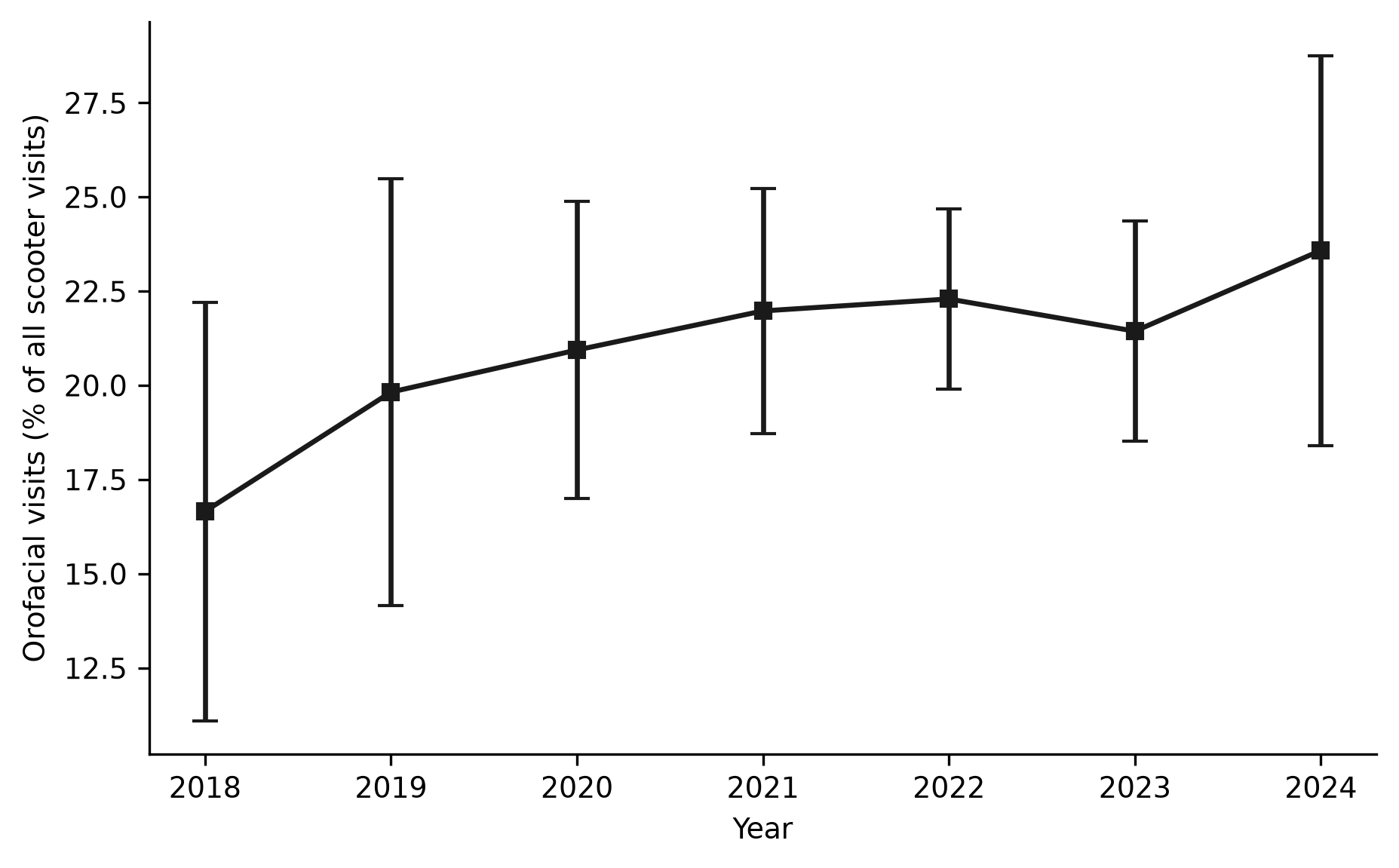
Figure 2. Percentage of powered-scooter emergency department visits involving the face or mouth, United States, 2018-2024.
Note: Error bars indicate 95% confidence intervals. Source: Own elaboration from U.S. Consumer Product Safety Commission NEISS data, 2018-2024.Characteristic | Unweighted n | National estimate N | Percent (95% CI) |
|---|---|---|---|
0-17 | 509 | 13951 | 17.4 (11.4-23.3) |
18-34 | 975 | 36265 | 45.1 (40.9-49.3) |
35-54 | 551 | 21139 | 26.3 (22.9-29.7) |
55+ | 216 | 9016 | 11.2 (9.7-12.8) |
Male | 1501 | 52832 | 65.7 (60.4-71.0) |
Female | 748 | 27479 | 34.3 (29.0-39.6) |
Hospitalized | 202 | 7337 | 9.1 (6.7-11.6) |
Dental injury | 244 | 8026 | 10.0 (8.3-11.7) |
Note: CI = confidence interval. N = national estimate based on NEISS statistical weights. Age groups in years. Source: Own elaboration from U.S. Consumer Product Safety Commission NEISS data, 2018-2024.
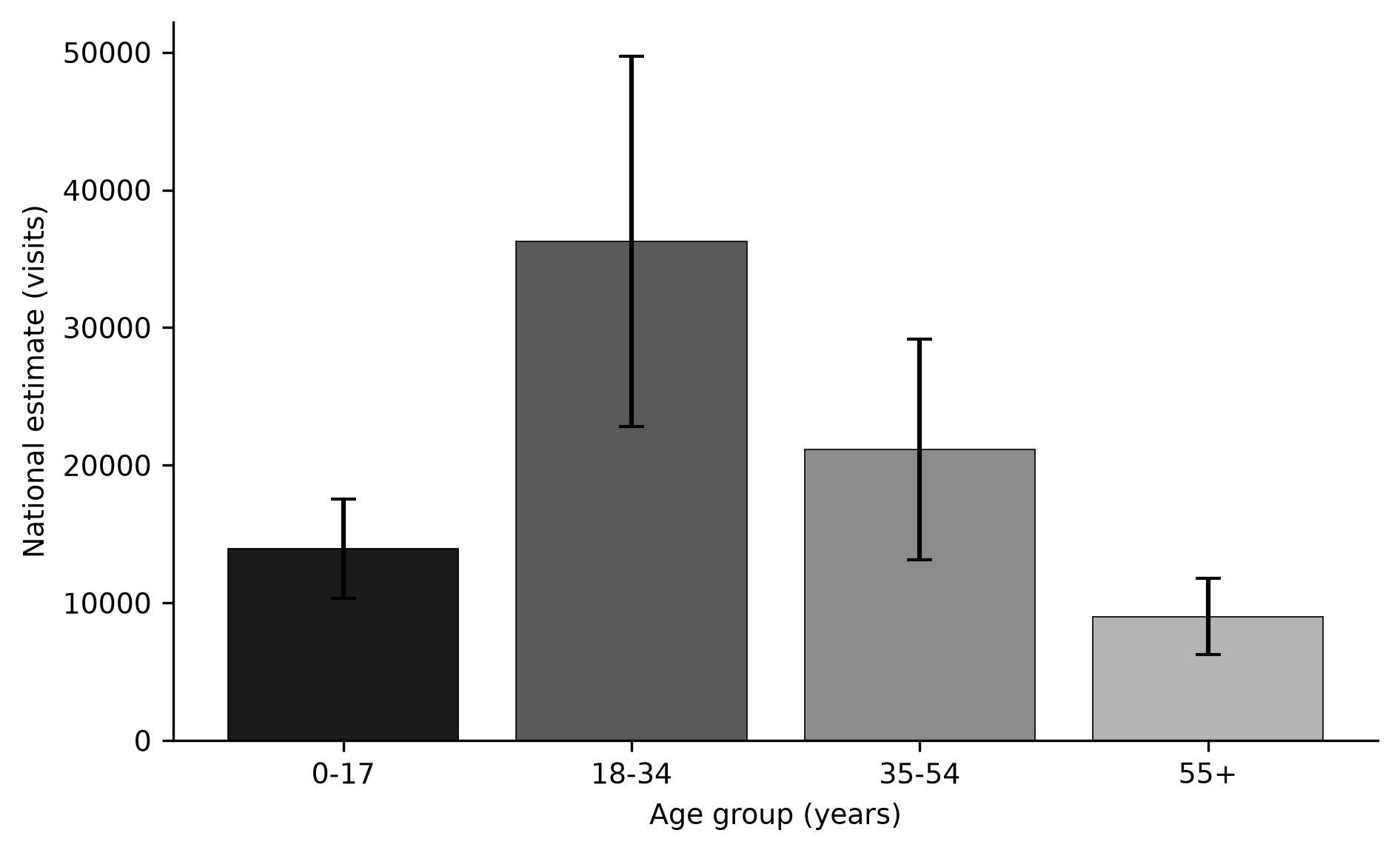
Figure 3. Age distribution of powered-scooter orofacial injuries, United States, 2018-2024.
Note: Error bars indicate 95% confidence intervals. Source: Own elaboration from U.S. Consumer Product Safety Commission NEISS data, 2018-2024.Age group | 2018 | 2019 | 2020 | 2021 | 2022 | 2023 | 2024 |
|---|---|---|---|---|---|---|---|
0-17 | 1044 | 691 | 1028 | 1569 | 2060 | 2390 | 5168 |
18-34 | 1046 | 3064 | 2553 | 5358 | 5441 | 6505 | 12298 |
35-54 | 633 | 1594 | 1495 | 2604 | 3829 | 3339 | 7647 |
55+ | 56 | 833 | 1008 | 1562 | 1403 | 1429 | 2726 |
Note: N = national estimate based on NEISS statistical weights. Age groups in years. Source: Own elaboration from U.S. Consumer Product Safety Commission NEISS data, 2018-2024.
Diagnosis | Unweighted n | National estimate N | 95% CI | Percent (95% CI) |
|---|---|---|---|---|
Fracture | 597 | 21713 | 12658-30768 | 27.0 (22.5-31.5) |
Laceration | 1043 | 36967 | 24978-48957 | 46.0 (44.1-47.9) |
Contusion/abrasion | 878 | 31262 | 22413-40111 | 38.9 (33.7-44.1) |
Internal organ injury | 417 | 14894 | 10923-18865 | 18.5 (15.0-22.0) |
Dental injury | 244 | 8026 | 4979-11073 | 10.0 (8.3-11.7) |
Concussion | 83 | 2819 | 1779-3859 | 3.5 (2.3-4.7) |
Other/not stated | 60 | 2267 | 1452-3082 | 2.8 (2.0-3.6) |
Note: CI = confidence interval. N = national estimate based on NEISS statistical weights. Percentages may exceed 100 because a case can receive more than one diagnosis. Source: Own elaboration from U.S. Consumer Product Safety Commission NEISS data, 2018-2024.
Case definition | 2018 N | 2024 N | Change 2018-2024 % |
|---|---|---|---|
Primary | 2779 | 27838 | 901.8 |
S1 code-only | 4426 | 27974 | 532.0 |
S2 narrative-expanded | 2922 | 29736 | 917.5 |
Note: N = national estimate based on NEISS statistical weights. Source: Own elaboration from U.S. Consumer Product Safety Commission NEISS data, 2018-2024.
DISCUSSION
The principal finding of this study is that the national burden of orofacial injuries associated with powered scooters grew approximately tenfold in United States emergency departments between 2018 and 2024, faster than the growth of powered-scooter visits overall, and that adults aged 18-34 years bore nearly half of that burden. The direction and magnitude of the increase are consistent with the national rise in e-scooter injuries described for earlier periods by Farley et al.(4) and Namiri et al.,(5) and with more recent national analyses of motor-vehicle-related and rental scooter injuries.(16-18) The present estimates extend those reports in three ways: they isolate the face and mouth from the head, they cover the complete post-launch period through 2024, and they show that the orofacial share of all scooter visits increased rather than remaining constant, which indicates that the growth in orofacial injuries was not simply proportional to the growth in scooter use. Previous national studies either ended before the product-code change or began after it, whereas the present series bridges the two coding eras with a single, explicit case definition. This distinction is analytically important because it rules out the simple explanation that more scooter use alone explains the rising orofacial caseload and directs attention toward factors that specifically increase the risk of facial impact. The increase also spans the years before and after the pandemic, which suggests that it reflects the durable adoption of the device rather than a transient disruption of travel patterns. The present point estimates are of the same order as the facial-injury volumes implied by earlier national head-and-neck studies, which is reassuring given the different case definitions and periods used in those reports.(7,8)
The age distribution identified adults aged 18-34 years as the most affected group, a pattern that matches the demographics of shared scooter ridership and of e-scooter injury cohorts in the United States and Europe.(2,5,19,20) Children and adolescents accounted for a smaller but non-negligible share, consistent with pediatric e-scooter series that report facial and craniofacial involvement among younger riders.(21-23) The pediatric proportion is nonetheless large in absolute terms; because children have limited legal access to rental fleets in most jurisdictions, this suggests that privately owned devices and adult rentals used by minors contribute materially to the burden. The male predominance observed here agrees with virtually all published e-scooter injury studies.(2,18) The hospitalization proportion is broadly consistent with national analyses of admission risk after scooter trauma.(24) The finding that nearly half of all orofacial injuries occurred in adults aged 18-34 years has direct implications for prevention, because this group is also the most frequent user of shared fleets.(3) By contrast, injuries from nonmotorized scooters, which predominantly affect children, have followed a different and flatter trajectory, indicating that the powered devices carry a distinct epidemiology.(25)
For the craniofacial literature, the findings are concordant in direction but differ in scale and anatomical scope. Single-center and multicenter series from Finland, Italy, Switzerland, Germany, the United Kingdom, Slovakia and Korea reported that maxillofacial and dental injuries are frequent outcomes of e-scooter accidents.(10,19,20,26-30) Those studies generally describe proportions of facial injuries within a single trauma center or a short window, whereas the present design provides national, weighted estimates with quantified uncertainty, and it does so with the face and mouth treated as a distinct outcome rather than as a subcategory of head injury. Some multicenter work suggests that e-scooter trauma produces facial fractures of greater severity than other transport mechanisms, a pattern that would magnify the clinical consequences of the rising volumes observed here.(31) Differences in the proportion of orofacial involvement across studies likely reflect variation in case definitions, in the availability and regulation of rental fleets, and in helmet legislation.(32,33) Studies that compared e-scooter with bicycle facial trauma found more severe or more frequent midface involvement after e-scooter accidents,(12,20,34) and a national comparison of electric and conventional scooters and bicycles likewise indicated a distinct injury profile for electric devices.(35) European centers operate under stricter helmet mandates in several jurisdictions, and their reported facial injury proportions are generally lower than single-center estimates from the United States, a difference consistent with a protective effect of head and face protection rather than with a lower intrinsic risk of the device.(19,20,27) The United Kingdom experience is instructive because e-scooter trials were introduced city by city; series from Oxford and Birmingham documented a rapid accumulation of facial and oral injuries once rental fleets began operating, paralleling the national pattern observed here.(28,29)
Dental injuries deserve separate emphasis. In the present data they accounted for one in ten orofacial visits, and this proportion is almost certainly conservative because NEISS records only injuries treated in hospital emergency departments, whereas most dental trauma is managed in dental offices and therefore never enters the surveillance system. Direct comparisons are scarce: Kim et al.(10) found that dental and craniofacial injuries were a leading consequence of stand-up e-scooter accidents in Korea, and Aydin et al.(12) reported that dentoalveolar trauma was more frequent after e-scooter than after bicycle accidents in a German urban setting. Taken together with the mechanisms described in the dental trauma literature,(13) these observations indicate that scooter crashes should be regarded as a growing and largely preventable cause of dental trauma, and that dental screening should be part of the initial assessment of any rider who has sustained a facial impact.
The exclusion of the eyeball and ear from the present outcome is a deliberate boundary rather than an oversight. National estimates for eye and orbital injuries from e-scooters and hoverboards have risen in parallel with the pattern described here,(36) which suggests that the orofacial estimates capture only part of a broader craniofacial syndrome and that surveillance definitions should eventually align across these adjacent anatomical regions so that prevention can address the face as a whole.
The mechanisms recorded in NEISS narratives, together with prior biomechanical and epidemiological work, suggest that e-scooter crashes produce orofacial injury chiefly through forward falls in which riders strike the face and mouth on the ground or on street furniture.(2,37) The standing posture places the head forward during deceleration, and the low rates of helmet use documented among e-scooter riders leave the face and teeth unprotected, which plausibly increases the transfer of energy to the orofacial region.(3,33) Vehicle design contributes as well: small wheels and an upright handlebar make e-scooters unstable over curbs, cracks and uneven pavement, and at the moment of impact the rider's hands are usually occupied with steering rather than protecting the face.(37) Night riding and riding against the direction of traffic are additional circumstances documented in crash studies, and both increase the likelihood of an unexpected fall with facial impact.(37) Alcohol and drug involvement, which are common in e-scooter injuries and are associated with more severe craniomaxillofacial trauma, may also concentrate injuries in the orofacial region.(38,39) Younger riders may additionally be less likely to perceive the risk and to use protective equipment, which would reinforce the age gradient observed here.(3) The dominance of the 18-34 age group is therefore best explained by exposure rather than by age-specific fragility: young adults ride more, ride faster and ride under the influence more often, and these behaviors concentrate crashes and facial impacts in that group.(37,39) The mechanisms of dental injury, chiefly direct impact with tooth fracture or avulsion, mirror those described for other collision sports and conveyances.(13)
The product-code change from 5042 to 5022 in 2020 does not explain the observed rise. The sensitivity analyses showed increases of more than sixfold under code-only and narrative-expanded definitions, and the primary definition produced an intermediate percentage increase. The temporary plateau in 2020 is consistent with reduced shared micromobility use during the first year of the COVID-19 pandemic, after which growth resumed. The agreement among the three definitions also matters for future surveillance: as long as the narrative fields remain available, retrospective harmonization across the 2020 transition remains feasible, and the choice of definition changes the level but not the direction of the trend. Because the case definition and its robustness are transparent, the trend estimates can be compared directly with studies that used only the later code or that relied on narrative text.
The main strengths are the nationally representative, design-based estimates; the seven-year post-launch window; the separation of the face and mouth from the head; the explicit handling of the product-code transition with two sensitivity analyses; and the reporting of confidence intervals for every estimate, including proportions obtained with a linearized ratio estimator. These features address the principal criticism of earlier craniofacial studies, namely that small or short samples cannot support national inference.
From a service perspective, the rising volume has two consequences. Emergency departments and maxillofacial units must be prepared to manage a growing number of facial lacerations and fractures that require specialist repair, and dental services should expect an increase in avulsed and fractured teeth in otherwise healthy young adults. Because ED records capture only the acute visit, the full restorative burden falls on dental services that are not represented in the surveillance system, so linking ED and dental records, or adding dental injury to trauma registries, would close this gap.
The tenfold growth in orofacial injuries, and their concentration in young adults, support preventive action at three levels: helmet use with face protection and consideration of mouthguards for high-risk riders, age-appropriate restrictions and speed controls for rental fleets, and public education on the orofacial consequences of e-scooter crashes. Policy evaluation should treat orofacial injury as a measurable and sensitive outcome, because it is common, clinically serious and directly linked to the absence of facial protection. Dental and maxillofacial services should anticipate a rising caseload of scooter-related trauma, and clinicians treating a scooter injury should examine the dentition even when the presenting complaint is elsewhere in the face. Educational campaigns aimed at young adult riders should emphasize that a helmet protects the head but not the teeth, and that full-face protection is the only equipment that reduces orofacial impact in a forward fall. Finally, because the underlying data are updated annually and are freely available, orofacial injury from micromobility devices could be tracked prospectively as a sentinel indicator of the safety of these vehicles, allowing the effect of future regulation to be evaluated in near real time. Such monitoring would give dental and maxillofacial societies an evidence base for advocacy that is currently available only in retrospect.
Stydy limitations
NEISS counts ED visits rather than riders or exposure, so the estimates are counts and not risk rates; studies that link ED visits to ridership data would quantify per-trip risk and should be encouraged.(17) The rising counts therefore reflect a combination of more riders and any change in the risk per rider, and the present design cannot separate the two without external exposure data.
The case definition for 2018-2019 depends on narrative keywords because code 5042 also captured hoverboards; misclassification is possible, although the sensitivity analyses bounded its influence, and the direction of any residual misclassification is likely toward undercounting because some powered scooters recorded under the legacy code without an explicit keyword may have been removed, which would make the reported tenfold increase conservative.
The face and mouth codes exclude adjacent structures such as the ear, eyeball and neck, so the true craniofacial burden is larger than the orofacial estimates reported here, and broader anatomical definitions are warranted.
NEISS does not capture injuries treated outside the ED, and most dental trauma treated in dental offices or by general practitioners is invisible to the system, so the dental estimates are conservative. Fifth, helmet and protective-equipment status is not systematically coded, although automated extraction from narratives is emerging and could refine prevention research.(36)
Estimates for the smallest subgroups, and for 2024 given its wider design variance, should be interpreted with caution. The 2024 file is also the most recently released, and its estimates are subject to revision if CPSC reweights the annual sample in subsequent data releases. A further consideration is generalizability: the estimates describe the United States, where rental fleets, infrastructure and regulation differ from European and Asian settings, so the absolute volumes should not be transferred to other countries even though the direction of the trend is consistent internationally.(27,30)
The face and mouth outcome also relies on the coder's assignment of body part, and some soft-tissue injuries of the lips or cheeks may be coded elsewhere; validation against chart review in a subset of hospitals would quantify this source of error.
CONCLUSIONS
Orofacial injuries associated with powered scooters increased approximately tenfold in United States emergency departments between 2018 and 2024, with an annual percent change of about one third and a rise in the orofacial share of all scooter visits. Adults aged 18-34 years were the most affected age group and contributed nearly half of all orofacial injuries, followed by adults aged 35-54 years. Dental injuries represented one in ten orofacial visits and about one in eleven required hospitalization. The trend was robust to alternative definitions of the powered-scooter case across the 2020 product-code change.
References
- 1 Boglietti S, Barabino B, Maternini G. Survey on e-Powered Micro Personal Mobility Vehicles: Exploring Current Issues towards Future Developments. Sustainability. 2021;13(7):3692. doi: 10.3390/su13073692
- 2 Toofany M, Mohsenian S, Shum LK, Chan H, Brubacher JR. Injury patterns and circumstances associated with electric scooter collisions: a scoping review. Inj Prev. 2021;27(5):490-499. doi: 10.1136/injuryprev-2020-044085
- 3 Sexton EGP, Harmon KJ, Sanders RL, Shah NR, Bryson M, Brown CT, et al. Shared e-scooter rider safety behaviour and injury outcomes: a review of studies in the United States. Transport Reviews. 2023;43(6):1263-1285. doi: 10.1080/01441647.2023.2219838
- 4 Farley KX, Aizpuru M, Wilson JM, Daly CA, Xerogeanes J, Gottschalk MB, et al. Estimated Incidence of Electric Scooter Injuries in the US From 2014 to 2019. JAMA Netw Open. 2020;3(8):e2014500. doi: 10.1001/jamanetworkopen.2020.14500
- 5 Namiri NK, Lui H, Tangney T, Allen IE, Cohen AJ, Breyer BN. Electric Scooter Injuries and Hospital Admissions in the United States, 2014-2018. JAMA Surg. 2020;155(4):357. doi: 10.1001/jamasurg.2019.5423
- 6 Maniaci A, Lentini M, Vaira L, Lavalle S, Ronsivalle S, Rubulotta FM, et al. The Global Burden of Maxillofacial Trauma in Critical Care: A Narrative Review of Epidemiology, Prevention, Economics, and Outcomes. Medicina. 2025;61(5):915. doi: 10.3390/medicina61050915
- 7 Kappagantu A, Yaremchuk K, Tam S. Head and Neck Injuries and Electronic Scooter Use in the United States. The Laryngoscope. 2021;131(11):E2784-E2789. doi: 10.1002/lary.29620
- 8 Trapp LP, Sukumar N, Cristel RT, Yu J. Head and Neck Injuries among Powered Scooter Users between 2010 and 2019. Facial Plast Surg. 2024;40(05):640-647. doi: 10.1055/a-2222-8961
- 9 Trivedi B, Kesterke MJ, Bhattacharjee R, Weber W, Mynar K, Reddy LV. Craniofacial Injuries Seen With the Introduction of Bicycle-Share Electric Scooters in an Urban Setting. Journal of Oral and Maxillofacial Surgery. 2019;77(11):2292-2297. doi: 10.1016/j.joms.2019.07.014
- 10 Kim M, Lee S, Ko DR, Kim D, Huh J, Kim J. Craniofacial and dental injuries associated with stand‐up electric scooters. Dental Traumatology. 2021;37(2):229-233. doi: 10.1111/edt.12620
- 11 Goh EZ, Beech N, Johnson NR. E-Scooters and Craniofacial Trauma: A Systematic Review. Craniomaxillofacial Trauma & Reconstruction. 2023;16(3):245-253. doi: 10.1177/19433875221118790
- 12 Aydin A, Schunk J, Giese M, Schuck O, Dudde F. Comparison of Dentoalveolar Trauma Patterns Between E-Scooter and Bicycle Accidents in a German Urban Area: A Retrospective Study. Dentistry Journal. 2025;13(9):409. doi: 10.3390/dj13090409
- 13 Liang L, Chuang S. Mechanisms of dental injuries in basketball, United States, 2003–2022. Dental Traumatology. 2024;40(2):144-151. doi: 10.1111/edt.12894
- 14 U.S. Consumer Product Safety Commission. National Electronic Injury Surveillance System (NEISS) injury data, 2018-2024 [Internet]. 2025. Available from: https://web.archive.org/web/20251228110356/https://www.cpsc.gov/Research--Statistics/NEISS-Injury-Data
- 15 U.S. Consumer Product Safety Commission. NEISS coding manual, January 2024 [Internet]. 2024. Available from: https://www.cpsc.gov/s3fs-public/January-2024-NEISS-CPSC-only-Coding-Manual_0.pdf?VersionId=NLhRZ_tVM1LszuXQLlTvDxj9.ub27ULd
- 16 Neuroth LM, Humphries KD, Wing JJ, Smith GA, Zhu M. Motor vehicle-related electric scooter injuries in the US: A descriptive analysis of NEISS data. The American Journal of Emergency Medicine. 2022;55:1-5. doi: 10.1016/j.ajem.2022.02.004
- 17 Williams C, Bitter C, Lorber S, Overfelt C, Zehfus H, Spangler A, et al. Incidence of Emergency Department Visits for Electric Rental Scooters Using Detailed Ridership Data. WestJEM. 2022;23(2):174-182. doi: 10.5811/westjem.2021.6.51101
- 18 Nemeh C, Schmoke N, Sheikh F. Analysis of Traumatic Electric Scooter Injuries and Prevention. Curr Trauma Rep. 2025;11(1):6. doi: 10.1007/s40719-024-00275-x
- 19 Salzano G, Maffia F, Vaira LA, Fusco R, Albanese M, Crimi S, et al. The Impact of Standing Electric Scooters on Maxillofacial Fractures: An Italian Multi-Centric Epidemiological Study. JCM. 2024;13(17):5195. doi: 10.3390/jcm13175195
- 20 Dudde F, Revend L, Revend D, Schuck O, Giese M. Facial Trauma in E‐Scooter vs. Bicycle Accidents: A Retrospective Comparative Analysis in a Metropolitan Setting. Dental Traumatology. 2025;41(6):641-648. doi: 10.1111/edt.13074
- 21 Cohen LL, Geller JS, Yang BW, Allegra PR, Dodds SD. Pediatric injuries related to electric scooter use: a national database review. J Pediatr Orthop B. 2022;31(2):e241-e245. doi: 10.1097/bpb.0000000000000879
- 22 Abu-Kishk A, Kozer E, Berkowiz RB, Ben-Ari M, Abu-Kishk I. Electric scooter related injuries among children: a single institutional experience. BMC Pediatr. 2025;25(1):787. doi: 10.1186/s12887-025-06181-8
- 23 Hirsch S, Wang T, Mann S. Impact of modern recreational conveyances on rates of pediatric craniofacial fractures. Laryngoscope Investig Oto. 2024;9(3):e1269. doi: 10.1002/lio2.1269
- 24 Navarro SM, Vakayil VR, Solaiman RH, Keil EJ, Cohen MW, Spartz EJ, et al. Risk of hospital admission related to scooter trauma injuries: a national emergency room database study. BMC Emerg Med. 2022;22(1):150. doi: 10.1186/s12873-022-00711-8
- 25 Tuckel P. Injuries from nonmotorized scooters treated in emergency departments in the United States, 2005–2020. The American Journal of Emergency Medicine. 2022;54:30-35. doi: 10.1016/j.ajem.2022.01.042
- 26 Oksanen E, Turunen A, Thorén H. Assessment of Craniomaxillofacial Injuries After Electric Scooter Accidents in Turku, Finland, in 2019. Journal of Oral and Maxillofacial Surgery. 2020;78(12):2273-2278. doi: 10.1016/j.joms.2020.05.038
- 27 Bracher AI, Klingler S, Koba S, Jakob DA, Exadaktylos A, Klukowska-Rötzler J, et al. Trauma Characteristics Associated with E-Scooter Accidents in Switzerland—A Case Series Study. IJERPH. 2023;20(5):4233. doi: 10.3390/ijerph20054233
- 28 Dhar P, Jones J. Electric scooter-related oral and maxillofacial injuries in Oxfordshire. British Journal of Oral and Maxillofacial Surgery. 2024;62(9):826-830. doi: 10.1016/j.bjoms.2024.07.009
- 29 Sritharan R, Blore C, Arya R, McMillan K. E-scooter-related facial injuries: a one-year review following implementation of a citywide trial. Br Dent J. 2023;234(2):102-105. doi: 10.1038/s41415-023-5459-8
- 30 Janickova M, Czako L, Borza B, Simko K, Kalmanova S, Juricek R, et al. Maxillofacial Injuries Associated with Electric Scooter Accidents: A Multicenter 6-Year Analysis. Bratisl Med J. 2025;127(1):350-359. doi: 10.1007/s44411-025-00407-y
- 31 Boschetti CE, Montella E, Magliulo R, Molo E, Canet López E, Guida D, et al. New generation vehicles: the impact of electric scooter trauma on the severity of facial fractures assessed by FISS score. A multicentre study. British Journal of Oral and Maxillofacial Surgery. 2024;62(7):626-631. doi: 10.1016/j.bjoms.2024.05.007
- 32 Watson N, Droder B, Mitchell G, Hacking C. Head, face and neck injury patterns for electric scooter accidents identified on computed tomography scanning: Does legislative change enforcing safer riding practices have an impact on morbidity for significant head, face and neck trauma?. J Med Imag Rad Onc. 2024;68(7):796-804. doi: 10.1111/1754-9485.13788
- 33 Hamzani Y, Bar Hai D, Cohen N, Drescher MJ, Chaushu G, Yahya BH. The impact of helmet use on oral and maxillofacial injuries associated with electric-powered bikes or powered scooter: a retrospective cross-sectional study. Head Face Med. 2021;17(1):36. doi: 10.1186/s13005-021-00288-w
- 34 van der Zaag PD, Rozema R, Poos HPAM, Kleinbergen JYJ, van Minnen B, Reininga IHF, et al. Maxillofacial Fractures in Electric and Conventional Bicycle-Related Accidents. Journal of Oral and Maxillofacial Surgery. 2022;80(8):1361-1370. doi: 10.1016/j.joms.2022.03.020
- 35 Fernandez AN, Li KD, Patel HV, Allen IE, Ghaffar U, Hakam N, et al. Injuries With Electric vs Conventional Scooters and Bicycles. JAMA Netw Open. 2024;7(7):e2424131. doi: 10.1001/jamanetworkopen.2024.24131
- 36 Ruan M, Meer E, Kaur G, Namiri N, Ashraf D, Winn B, et al. Eye and Orbit Injuries Caused by Electric Scooters and Hoverboards in the United States. OPTH. 2024;Volume 18:809-816. doi: 10.2147/opth.s452750
- 37 Tian D, Ryan AD, Craig CM, Sievert K, Morris NL. Characteristics and Risk Factors for Electric Scooter-Related Crashes and Injury Crashes among Scooter Riders: A Two-Phase Survey Study. IJERPH. 2022;19(16):10129. doi: 10.3390/ijerph191610129
- 38 Shiffler K, Mancini K, Wilson M, Huang A, Mejia E, Yip FK. Intoxication is a Significant Risk Factor for Severe Craniomaxillofacial Injuries in Standing Electric Scooter Accidents. Journal of Oral and Maxillofacial Surgery. 2021;79(5):1084-1090. doi: 10.1016/j.joms.2020.09.026
- 39 Namiri NK, Lee AW, Amend GM, Vargo J, Breyer BN. Impact of alcohol and drug use on bicycle and electric scooter injuries and hospital admissions in the United States. Trauma. 2023;25(1):53-61. doi: 10.1177/14604086211044353
Declarations
Funding
No financing
Conflict of interest
None
Authorship contributions
Drafting – original draft: Maria Fernanda Escalante Freitez.
Writing–review and editing: Maria Fernanda Escalante Freitez.