

Abstract
Introduction: Early childhood caries is the most prevalent chronic disease of childhood, and minimally invasive fluoride agents are increasingly used to arrest cavitated lesions without the need for sedation or general anesthesia. Methods: This systematic review followed the PRISMA 2020 statement and searched PubMed, OpenAlex and Crossref for comparative studies published between 2015 and 2023 that compared 38% silver diamine fluoride with 5% sodium fluoride varnish for arresting carious lesions in children with early childhood caries. Risk of bias was assessed with RoB 2 and ROBINS-I, and the results were synthesized narratively. Results: Five studies with 609 children were included, comprising four randomized trials and one prospective comparative study. For cavitated dentine lesions, silver diamine fluoride arrested more lesions than fluoride varnish, with arrest rates of 60.3% versus 50.0% in advanced lesions in one trial and 86.7% versus 13.3% in another, and lower failure rates at 12 months in two further trials. For enamel lesions the two agents were comparable, with 18-month arrest rates of 59.1% and 58.8%. Conclusions: Silver diamine fluoride appears superior to sodium fluoride varnish for arresting cavitated dentine lesions, whereas the two agents perform comparably on enamel lesions. The evidence is limited by the small number of studies and heterogeneous outcome definitions.
Keywords
silver diamine fluoride, dental caries, caries arrest, tooth, deciduous, child, preschool, fluorides, topical
INTRODUCTION
Early childhood caries is the most prevalent chronic disease of childhood and one of the most common unmet treatment needs in young children.(1) Untreated caries in the primary dentition affects a large proportion of preschool children worldwide and is concentrated in socially disadvantaged populations, where access to conventional restorative care is limited.(2) Untreated lesions cause pain and infection, impair feeding and speech, and reduce the quality of life of the child and the family.(2) The prevalence rises steeply between one and five years of age, and although the disease is largely preventable, a cavitated lesion rarely reverses once it is established. Because carious lesions progress rapidly in the primary dentition, treatment in very young children frequently requires sedation or general anesthesia, which carries risks and considerable cost.(3) The disease therefore poses a double problem: a biological one, because cavitated lesions rarely arrest without intervention, and a health-system one, because the children with the greatest need are often the least able to receive conventional operative care. This burden has driven a shift toward non-operative strategies that arrest cavitated lesions rather than restore them surgically, and current guidance places early intervention to interrupt the caries process at the centre of childhood caries control.(4,5)
Two professionally applied fluoride agents dominate this non-operative approach. Sodium fluoride varnish at 5% delivers 22,600 ppm of fluoride, is simple and inexpensive to apply, and has a long record of preventing caries in children and adolescents.(6) The varnish prolongs contact between fluoride and the tooth surface, and it is typically reapplied every three to six months in caries-active children.(6) Silver diamine fluoride at 38% combines a high fluoride concentration with silver ions, which inhibit cariogenic bacteria, inactivate matrix metalloproteinases and promote the remineralization of demineralized dentine.(7,8) Clinical trials and systematic reviews have documented that silver diamine fluoride arrests cavitated dentine lesions at rates generally between 65% and 91%,(9) and professionally applied fluorides also arrest and remineralise carious lesions in the primary dentition.(10) Systematic reviews of silver diamine fluoride in the primary dentition have likewise reported arresting as well as preventive effects.(11) The principal drawback of silver diamine fluoride is the black staining of arrested lesions, which can reduce parental acceptance and must be weighed against its effectiveness.(12)
Several systematic reviews have addressed the comparison between these two agents, but their conclusions are discordant and their evidence bases have aged. A meta-analysis published in 2019 found silver diamine fluoride superior to sodium fluoride for arresting dentine caries in children,(13) whereas an umbrella review concluded that the comparative evidence was limited by small samples, short follow-up and heterogeneous outcome measures.(14) A network meta-analysis of non-restorative treatments ranked silver and fluoride strategies together without isolating the direct head-to-head comparison.(15) The American Dental Association guideline recommends silver diamine fluoride for cavitated lesions on the basis of this literature, but it judged the direct comparison with fluoride varnish to be of low certainty.(16) Trials published after these syntheses have reported conflicting results. Because most of the earlier syntheses were completed before 2021, they could not include the trials published in the last years of the window, which are precisely the studies that test the comparison in larger samples and with longer follow-up. The narrow question of whether 38% silver diamine fluoride arrests more carious lesions than 5% sodium fluoride varnish in children with early childhood caries therefore remains unresolved.(17)
The objective of this systematic review was to determine whether, in children with early childhood caries, the application of 38% silver diamine fluoride arrests a greater proportion of carious lesions than 5% sodium fluoride varnish, and to appraise the risk of bias and the certainty of the evidence that supports either agent.(18) The review also compared the two agents separately for enamel and for dentine lesions, because the two strata respond differently to fluoride.
METHODS
Protocol and registration
This review followed the Preferred Reporting Items for Systematic Reviews and Meta-Analyses 2020 statement.(19)
Eligibility criteria
Eligible studies were randomized or non-randomized comparative clinical studies conducted in children with early childhood caries that compared the topical application of 38% silver diamine fluoride with 5% sodium fluoride varnish and reported caries arrest, lesion failure or lesion progression in primary teeth as an outcome. In PICOS terms, the population was children with cavitated or non-cavitated carious lesions in the primary dentition; the intervention was topical 38% silver diamine fluoride; the comparison was topical 5% sodium fluoride varnish; the outcome was the arrest of carious lesions expressed as a proportion of arrested lesions or, inversely, as lesion failure or progression; and the eligible study designs were randomized and non-randomized comparative studies. The intervention and the comparison were limited to the two named agents, alone or with the adjuncts described by the authors, and studies in which both arms received silver diamine fluoride were excluded because they cannot answer the head-to-head question. Studies that compared either agent against a placebo, against no treatment or against a different fluoride were not eligible, because they do not isolate the head-to-head contrast. Studies published between 2015 and 2023 were considered, in line with the bibliographic window of the journal. Reviews, protocols, conference abstracts, in vitro studies and single-arm studies were excluded. No language filter was applied at the search stage, but full-text assessment was limited to reports retrievable in open access, because the review was designed to be reproducible without institutional subscriptions. The 2015 lower bound was chosen to keep the evidence base contemporary, and the 2023 upper bound follows the bibliographic window of the journal volume.
Information sources and search
PubMed, OpenAlex and Crossref were searched for records published between 2015 and 2023. The search combined terms for silver diamine fluoride, sodium fluoride varnish, caries arrest and children. The complete PubMed strategy was: ("silver diamine fluoride" OR "diamine silver fluoride" OR "silver diammine fluoride") AND ("fluoride varnish" OR "sodium fluoride varnish" OR "NaF varnish") AND (caries OR "dental caries") AND (arrest OR arresting OR "arrested lesions" OR "caries arrest"). The same strategy, adapted to the query syntax of each interface, was run in OpenAlex and Crossref. The three sources were chosen to combine a biomedical database, an open scholarly index and a citation registry, which increases the coverage of records indexed under different vocabularies. Duplicate records were removed by matching title, authors and year. No additional records were sought from reference lists or from grey literature, and the search was not limited by language or by study design at the retrieval stage. The OpenAlex and Crossref queries were built from the same concept blocks, with the Boolean operators adjusted to each interface, and no field restrictions were applied beyond the publication-year filter. The searches were not restricted to English, although every retrieved full text that met the eligibility criteria was written in English.
Study selection
Records were deduplicated and screened by title and abstract, and the full text of potentially eligible reports was retrieved when available in open access. Selection was performed by a single reviewer assisted by an automated language model, and every inclusion and exclusion decision was checked against the eligibility criteria; no independent duplicate screening was performed. Uncertainties were resolved in favour of full-text assessment, so that any record whose eligibility could not be settled from the abstract alone was carried forward. A report was excluded at the full-text stage when both study arms received silver diamine fluoride rather than fluoride varnish, because such a design cannot answer the head-to-head question. The single excluded report compared two schedules of the same silver agent, and it was therefore ineligible regardless of its findings. The automated language model proposed inclusion and exclusion labels, and the reviewer accepted or rejected each proposal after comparing the record against the eligibility criteria; the model was not allowed to make final decisions on its own.
Data extraction
For each included study the following were extracted into a structured form: first author and year, country, design, registration, population, sample size, intervention and comparison, follow-up, outcome definition, and the arrest or failure estimate for each group with its statistical test and, where reported, its numerator and denominator. Lesion severity was recorded as reported by the authors, using the International Caries Detection and Assessment System where the source applied it.(20) The definition of arrest or failure was transcribed verbatim in each case, because the included studies did not use a single shared definition. When arrest and failure estimates were reported for subgroups as well as for the whole sample, the subgroup values were extracted separately so that the review could preserve the lesion-severity distinction. Each datum was recorded with its location in the source document, and extraction was checked against the retrieved full text before the result was entered into the summary tables.
Risk of bias assessment
Risk of bias of the randomized trials was assessed with the revised Cochrane tool for randomized trials across its five standard domains.(21) The first domain addresses the randomization process, including sequence generation and allocation concealment; the second addresses deviations from the intended interventions; the third addresses missing outcome data; the fourth addresses measurement of the outcome, in particular blinding of the assessor; and the fifth addresses selection of the reported result. The single non-randomized study was assessed with the ROBINS-I tool across its domains, from confounding and selection of participants to classification of interventions, deviations, missing data, measurement of outcomes and selection of the reported result.(22) For the non-randomized study, particular attention was paid to confounding by indication, because consecutive allocation can place children with different prognoses in different arms. Judgements were based only on information reported in the retrieved full texts, and a domain was rated as raising some concerns whenever the relevant information was not reported. No judgement was upgraded or downgraded on the basis of information outside the retrieved document. The overall judgement followed the tool algorithm: a trial was rated at low risk only when all five domains were low, at some concerns when at least one domain raised concerns, and at high risk when at least one domain was high or several domains raised concerns.
Synthesis
Results were synthesized narratively and organized by lesion severity, separating dentine from enamel lesions because the biological substrate and the expected mechanism of action of the two agents differ. The included studies measured the outcome at different time points, on different lesion types and with incompatible definitions, some reporting arrest and others failure, so a quantitative meta-analysis was not performed because a pooled estimate would have been clinically uninterpretable.(23) The planned subgroup distinction between dentine and enamel lesions was retained as the organizing principle of the narrative synthesis, and the direction of effect within each stratum was compared study by study. Risk of reporting bias could not be formally assessed because fewer than ten studies were included, and selective reporting within trials could not be checked against their protocols in the trials that lacked registration. Because no meta-analysis was performed, no sensitivity analyses or subgroup meta-analyses were conducted; the robustness of the finding was instead assessed by checking whether the direction of effect was the same in the randomized trials and in the non-randomized study. Heterogeneity was described rather than quantified, and a formal certainty-of-evidence assessment such as GRADE was not carried out because no pooled effect estimate was produced. The certainty of the evidence is appraised qualitatively in the discussion, together with the specific limitations that condition it.
RESULTS
Study selection
The searches identified 507 records, and 298 duplicate records were removed, leaving 209 records screened by title and abstract. Of these, 196 were excluded because they did not compare the two agents of interest, did not address early childhood caries, or were not comparative clinical studies. Full texts were sought for 13 reports, and 7 could not be retrieved because their full texts were not available in open access. Of the 6 reports assessed for eligibility, one was excluded because both study arms received silver diamine fluoride, and 5 studies were included in the review. The flow of records through screening and eligibility is shown in (Figure 1).
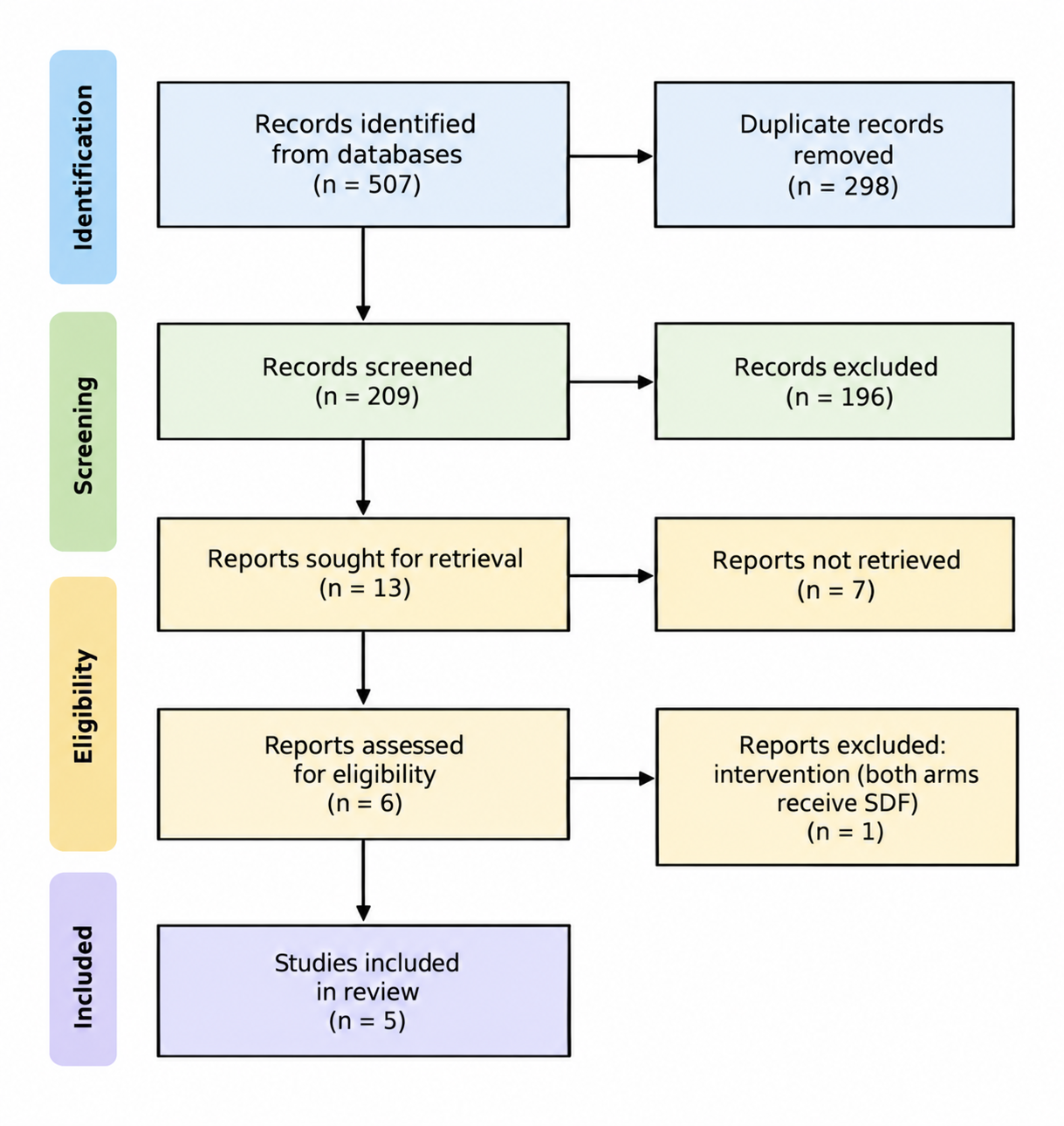
Figure 1. PRISMA 2020 flow diagram of study selection.
Note: Records were identified in PubMed, OpenAlex and Crossref and screened against the eligibility criteria. Source: Elaborated by the authors according to the PRISMA 2020 statement.Characteristics of the included studies
The five included studies comprised four randomized clinical trials and one prospective comparative study, published between 2021 and 2023 and conducted in Egypt, Thailand and Lithuania. They enrolled 609 children in total, with sample sizes that ranged from 30 to 290 participants, and follow-up ranged from three to eighteen months. The characteristics of the studies are summarized in (Table 1).
The largest trial, by Phonghanyudh and colleagues, was carried out in nineteen public child development centres in a non-fluoridated area of Chiang Mai, Thailand. It randomized 290 children aged one to three years, with a mean age of 36.8 months, to semiannual applications of 38% silver diamine fluoride (Topamine) or 5% sodium fluoride varnish (Duraphat). The analysis included 1974 carious enamel surfaces, and 244 of the 290 children were re-examined at eighteen months, giving a retention of 84.2%. Arrest was defined as an enamel lesion that did not progress to dentine, and the analysis was by intention to treat.(24)
The trial by Yassin and colleagues allocated 165 children aged up to four years with 949 active lesions in rural nurseries around Alexandria, Egypt, to a single application of 38% silver diamine fluoride (Advantage Arrest) or 5% sodium fluoride varnish (Alpha-Pro White Varnish). The varnish arm additionally received two sessions of maternal motivational interviewing, at baseline and at three months, and arrest was measured at six months using the ICDAS lesion activity assessment on lesions with an ICDAS code of three or more.(25)
Two smaller Egyptian trials from the same research group each enrolled 62 children. The trial by Rehim and colleagues treated 255 carious primary teeth and reapplied the assigned agent every six months, recording postoperative pain, new caries and failure of the treated teeth at three, six, nine and twelve months.(26) The trial by Salamoon and colleagues treated 298 carious primary teeth, with 175 teeth in the silver diamine fluoride group and 123 in the varnish group, and recorded discoloration and failure at the same follow-up visits.(27)
The prospective comparative study by Abudrya and colleagues assigned thirty children aged two to five years, with a mean age of 3.67 years, consecutively rather than randomly to 38% silver diamine fluoride combined with potassium iodide (Riva Star) or to 5% sodium fluoride varnish (Duraphat). The children had hypersensitive carious lesions with visible dentine, and arrest and hypersensitivity were assessed at three months.(28)
Study | Country | Design | Sample | Intervention | Comparison | Follow-up |
|---|---|---|---|---|---|---|
Yassin 2023 | Egypt | RCT | 165 children, 949 lesions | Single application of 38% SDF | Single application of 5% NaF varnish plus maternal motivational interviewing | 6 mo |
Phonghanyudh 2022 | Thailand | RCT | 290 children, 1974 surfaces | Semiannual 38% SDF | Semiannual 5% NaF varnish | 18 mo |
Rehim 2021 | Egypt | RCT | 62 children, 255 teeth | 38% SDF, reapplied every 6 mo | 5% NaF varnish, reapplied every 6 mo | 12 mo |
Salamoon 2021 | Egypt | RCT | 62 children, 298 teeth | 38% SDF | 5% NaF varnish | 12 mo |
Abudrya 2023 | Lithuania | Prospective comparative | 30 children | 38% SDF plus potassium iodide | 5% NaF varnish | 3 mo |
Note: SDF = silver diamine fluoride; NaF = sodium fluoride; ICDAS = International Caries Detection and Assessment System; RCT = randomized clinical trial; mo = months. Source: Elaborated by the authors from the data extracted from each included study.
Risk of bias
The trial by Phonghanyudh was judged at low risk of bias because randomization was stratified by caries experience and concealed in sealed envelopes, the examiner was blinded to group allocation and showed high intra-examiner reliability, the trial was registered prospectively, the intention-to-treat analysis preserved the randomized groups, and the dropout rate was low and balanced between groups.(24) The trials by Yassin, Rehim and Salamoon were rated as raising some concerns. Yassin used a trial-independent person for randomization but reported no blinding of outcome assessment, so the assessor could in principle have known the allocation when judging lesion activity, and the registration was retrospective.(25) Rehim and Salamoon did not describe the sequence generation, the allocation concealment or the blinding of the outcome assessor in enough detail for a confident judgement, and neither trial reported prospective registration.(26,27) The prospective comparative study by Abudrya was judged at serious risk of bias because allocation was consecutive rather than randomized, the study design left open the possibility of confounding, and the three-month follow-up is too short to capture the stability of arrest.(28) Across the randomized trials, measurement of the outcome was the domain that raised concerns most consistently, because three trials did not describe whether the assessor was blinded to the allocated agent. The risk-of-bias judgements are summarized in (Table 2).
Study | Tool | Overall judgement | Main concerns |
|---|---|---|---|
Yassin 2023 | RoB 2 | Some concerns | Retrospective registration; blinding of outcome assessment not clearly reported |
Phonghanyudh 2022 | RoB 2 | Low | None identified |
Rehim 2021 | RoB 2 | Some concerns | Randomization method and blinding not reported |
Salamoon 2021 | RoB 2 | Some concerns | Randomization method and blinding not reported |
Abudrya 2023 | ROBINS-I | Serious | Non-randomized consecutive allocation; 3-month follow-up |
Note: RoB 2 = revised Cochrane risk-of-bias tool for randomized trials; ROBINS-I = risk of bias in non-randomized studies of interventions. Source: Elaborated by the authors from the assessment of each included study.
Caries arrest outcomes
The five studies reported the outcome in two incompatible directions: three measured arrest and two measured failure, and the lesion stratum differed between studies. The results are therefore presented by stratum and by direction rather than pooled, and they are summarized in (Table 3).
For cavitated dentine lesions, silver diamine fluoride arrested more lesions than sodium fluoride varnish in every study that separated this stratum. In the trial by Yassin, the overall arrest rate was 63.7% for silver diamine fluoride and 58.1% for fluoride varnish, a difference that did not reach statistical significance. When the lesions were divided by severity, the two agents remained similar for moderate lesions, at 72.9% and 69.6%, but silver diamine fluoride arrested a significantly higher proportion of advanced lesions, at 60.3% versus 50.0%.(25) The corresponding multilevel regression estimated that lesions treated with silver diamine fluoride were 1.56 times more likely to be arrested than those treated with fluoride varnish.(25)
The comparative study by Abudrya reported the largest contrast, with arrest in 13 of 15 treated teeth after silver diamine fluoride with potassium iodide and 2 of 15 after fluoride varnish, corresponding to 86.7% and 13.3%.(28) This study also observed a larger reduction in hypersensitivity in the silver diamine fluoride group, although the small sample and the non-randomized allocation limit the weight that this estimate can carry.
The two Egyptian trials measured failure rather than arrest, and failure at twelve months was lower with silver diamine fluoride in both. In the trial by Rehim, failure of the treated teeth was 2.6% with silver diamine fluoride and 8.5% with fluoride varnish, and postoperative pain and new caries followed the same direction, both being significantly more frequent in the varnish group after nine and twelve months.(26) In the trial by Salamoon, failure was 0% with silver diamine fluoride and 4% with fluoride varnish at twelve months, with the difference statistically significant at six and twelve months.(27)
For enamel lesions the two agents performed comparably. The trial by Phonghanyudh reported eighteen-month arrest rates of 59.1% for silver diamine fluoride and 58.8% for fluoride varnish, with a transient advantage for silver diamine fluoride at six and twelve months that disappeared by eighteen months.(24) Arrest was consistently higher for non-cavitated enamel lesions than for cavitated enamel lesions in that trial regardless of group, with the chance of arrest for non-cavitated lesions about 2.9 times that of cavitated lesions.(24)
Across the five studies no systemic adverse effects were reported with either agent. The largest trial also reported that parental satisfaction with the dental appearance of the children did not differ between the groups at eighteen months despite the staining associated with silver diamine fluoride.(24) The only repeatedly described drawback of silver diamine fluoride was the black discoloration of treated lesions, which was documented in the two Egyptian trials and increased through follow-up in the silver diamine fluoride group, reaching 95.4% of treated lesions by twelve months in the trial by Salamoon.(27)
Study | Time | Outcome | SDF group | NaF group | Difference |
|---|---|---|---|---|---|
Yassin 2023 | 6 mo | Overall arrest | 63.7% | 58.1% | p = 0.08 |
Yassin 2023 | 6 mo | Arrest in advanced lesions (ICDAS 5-6) | 60.3% | 50.0% | p = 0.01 |
Phonghanyudh 2022 | 18 mo | Arrest of enamel lesions | 59.1% | 58.8% | p = 0.873 |
Rehim 2021 | 12 mo | Failure of treated teeth | 2.6% | 8.5% | significant, SDF lower |
Salamoon 2021 | 12 mo | Failure of treated teeth | 0% | 4% | significant, SDF lower |
Abudrya 2023 | 3 mo | Arrest of dentine lesions (ICDAS 5) | 86.7% (13/15) | 13.3% (2/15) | p < 0.001 |
Note: SDF = silver diamine fluoride; NaF = sodium fluoride; ICDAS = International Caries Detection and Assessment System; mo = months. Source: Elaborated by the authors from the results reported in each included study.
DISCUSSION
The main finding of this review is that 38% silver diamine fluoride arrests cavitated dentine lesions more effectively than 5% sodium fluoride varnish, whereas the two agents are comparable for enamel lesions. This pattern was consistent across the five included studies despite differences in design, population, outcome definition and follow-up, and it answers the narrow clinical question posed at the outset. Separating enamel from dentine strata, rather than pooling a single overall estimate, is what allows this conclusion, because an overall arrest rate would have averaged away the one stratum in which the agents genuinely differ.
The superiority of silver diamine fluoride for dentine lesions agrees with the landmark trials that preceded the inclusion window. The 18-month results of the trial by Duangthip reported arrest rates of 40% for annual silver diamine fluoride, 35% for weekly silver diamine fluoride and 27% for weekly fluoride varnish, and the 30-month follow-up confirmed that annual silver diamine fluoride arrested more cavitated lesions than fluoride varnish.(29,30) The trial by Mabangkhru in children aged one to three years reported arrest rates of 35.7% for silver diamine fluoride and 20.9% for fluoride varnish at 12 months, with an odds ratio of 2.04 favouring silver diamine fluoride.(31) The split-mouth trial by Mani Prakash reported 12-month arrest rates of 77% for silver diamine fluoride and 42% for fluoride varnish in primary molars.(32) The same direction was reported as early as 2002 in Chinese preschool children, in the first head-to-head comparison of these two agents.(33) These agreements suggest that the additional antibacterial action of silver ions, which fluoride alone lacks, is decisive once caries has reached dentine.(13)
The finding for enamel lesions is equally informative. Phonghanyudh observed no difference between the agents at 18 months, and the early advantage of silver diamine fluoride at 6 and 12 months disappeared once lesions were followed long enough.(24) This is consistent with the mechanism proposed for silver diamine fluoride: silver ions act mainly on cariogenic bacteria within dentine, whereas fluoride alone is sufficient to inhibit demineralization and promote remineralization of enamel.(7) Laboratory evidence supports this distinction, showing that silver diamine fluoride precipitates fluorohydroxyapatite and silver phosphate on the lesion surface, while its antibacterial effect depends on contact with dentine.(34,35) From a clinical standpoint, a child with predominantly enamel lesions therefore gains little from choosing silver diamine fluoride over varnish, and the varnish may be preferred to avoid staining.
The consistency of the pattern across settings is a further strength of the interpretation. The five studies were conducted on three continents, in fluoridated and non-fluoridated communities, and in both high-risk nursery populations and clinic populations, yet the direction of the dentine finding and the null enamel finding did not vary by setting. This stability suggests that the biological distinction between dentine and enamel, rather than any local feature of care delivery, is what drives the different performance of the two agents. At the same time, three of the five studies came from two research groups in a single country, so the geographic spread should not be overstated.
Discrepancies with other trials are explained by the comparator rather than by a failure of the intervention. The trial by Milgrom compared silver diamine fluoride with a placebo and cannot inform the head-to-head question.(36) The trials by Gao compared silver diamine fluoride with silver nitrate followed by fluoride varnish, a different silver-based combination, and their results therefore do not bear on the comparison with fluoride varnish alone.(37,38) These distinctions matter because reviews that pool all silver-containing strategies together can obscure the specific comparison that clinicians actually face when choosing between the two fluoride agents.(15)
The present synthesis also refines what the earlier reviews concluded. Trieu reported a favourable estimate for silver diamine fluoride over sodium fluoride for dentine caries, and the direction of the present narrative agrees with that estimate, but the finding here cautions against transplanting it to enamel lesions.(13) The umbrella review by Seifo identified exactly the limitations that this review encountered in practice: small samples, short follow-up and heterogeneous outcome measures.(14) The network meta-analysis by Urquhart reached a similar rank ordering of non-restorative treatments but did not isolate the head-to-head comparison, which is the comparison this review was designed to answer.(15)
Several contextual features of the included studies may affect the size of the observed difference. Yassin added motivational interviewing to the varnish arm, which could have narrowed the gap between the groups and understated the advantage of silver diamine fluoride.(25) Phonghanyudh was conducted in a non-fluoridated area, where the absence of background fluoride might be expected to show the full effect of both agents.(24) Abudrya combined silver diamine fluoride with potassium iodide, an adjunct intended to reduce staining that may also modify the handling and contact of the agent.(28) These design choices explain part of the variability in the reported arrest and failure rates, and they should be read as sources of clinical heterogeneity rather than as errors.
The magnitude of the dentine advantage varied with the severity of the lesion and with the study design. In the largest trial that separated dentine strata, the absolute advantage of silver diamine fluoride in advanced lesions was 10.3 percentage points, whereas moderate lesions showed no meaningful difference, which suggests that the benefit of silver diamine fluoride becomes more visible as the lesion extends deeper into dentine.(25) The non-randomized study reported a much larger gap of 73.4 percentage points, but that estimate is the least reliable because of the consecutive allocation and the short follow-up.(28) The two failure-based trials showed a smaller absolute difference of a few percentage points, which is expected when the outcome is the rare event of failure rather than the common event of arrest.(26,27) Taken together, the advantage of silver diamine fluoride for dentine lesions is consistent in direction but modest and imprecisely estimated, and it is larger in advanced than in moderate lesions.
A further interpretive point is the direction in which the outcome was expressed. Arrest and failure are complementary only when the same denominator and the same threshold are used, and the two measures emphasize different clinical messages. Arrest describes how many lesions were stabilized, whereas failure describes how many went on to pain, infection or loss; the two failure-based trials therefore provide complementary evidence that silver diamine fluoride also reduces the downstream events that matter most to the child.(26,27) Reporting both measures in future trials would make the two literatures easier to reconcile.
Application frequency also differed across the studies and deserves attention. Yassin used a single application and still found a significant advantage for silver diamine fluoride in advanced lesions at six months, whereas the two Egyptian trials reapplied the agents every six months and the Thai trial applied them semiannually.(24,25) This spread suggests that even a single application of silver diamine fluoride can arrest advanced dentine lesions in the short term, although the durability of a single application beyond six months remains untested in this set of studies. The frequency with which each agent needs to be reapplied is a practical consideration for programs, because it determines the cost and the burden of repeated visits.
The included studies were also clinically heterogeneous in their outcome measurement. The two Egyptian trials measured failure rather than arrest, the prospective study added potassium iodide to the silver diamine fluoride arm, and follow-up ranged from three to eighteen months. This heterogeneity is the reason a pooled estimate was not calculated, and it limits the precision of any single summary figure.(23) The consistency of the direction of effect across these heterogeneous designs, however, argues that the finding for dentine lesions is robust rather than an artefact of a single setting.
This review has several strengths. It addresses a narrow, clinically defined question with explicit eligibility criteria, it searched three independent bibliographic sources, and it restricted the risk-of-bias judgements to information actually reported in the retrieved full texts. The search window and the eligibility criteria were also specified in advance, which limits the room for post hoc decisions about which studies to include. The outcome was extracted with its exact numerator and denominator wherever these were reported, which reduces the risk of transcription error in the summary tables.
Its limitations are equally specific and each carries a recommendation. First, only five studies met the eligibility criteria, which is below the target of ten for a systematic review; the certainty of the evidence is consequently limited by imprecision, and the conclusions should be read as provisional. This limitation could be overcome by additional head-to-head randomized trials with longer follow-up and registered protocols. Second, several potentially relevant reports could not be retrieved in open access and were therefore excluded at the full-text stage; this is a limitation of the review process rather than of the underlying evidence, and institutional or open-access reporting of those trials would allow a future update to incorporate them. Third, the studies measured the outcome in different directions, arrest in some and failure in others, and classified lesion severity with different criteria; adopting a common core outcome set for caries arrest would improve comparability across trials. Fourth, screening was performed by a single reviewer assisted by an automated language model rather than by two independent reviewers, which increases the risk of selection error; independent duplicate screening is recommended for an update. Fifth, two of the four randomized trials originated from the same research group, which may over-represent a single setting in the synthesis; evidence from other centres and populations would test the generalizability of the finding. Finally, the small number of studies prevented a formal certainty-of-evidence assessment, so the qualitative appraisal offered here cannot substitute for a GRADE evaluation.
An important clinical distinction is between prevention and arrest. Sodium fluoride varnish has a large and well-established evidence base for preventing new lesions, whereas the present question concerns the arrest of lesions that already exist.(6) Silver diamine fluoride has been studied principally for arrest, and its preventive role, although reported in the primary dentition, is less established.(11) The two agents are therefore best understood as complementary rather than competing: a program could apply fluoride varnish broadly for prevention and reserve silver diamine fluoride for children who already have cavitated lesions. This framing is consistent with the guideline position that recommends silver diamine fluoride specifically for cavitated lesions while retaining fluoride varnish as a preventive measure.(16)
The adverse-effect profile also conditions the acceptability of each agent. The retrieved trials reported no systemic adverse effects for either agent, which is consistent with the safety data accumulated in older cohorts of preschool children treated with silver diamine fluoride.(39) The local consequence of silver diamine fluoride is the dark staining of arrested lesions, and the trial by Salamoon documented black discoloration in almost all treated lesions by twelve months, whereas the varnish group showed little or no staining.(27) Parental acceptance of this staining varies across cultures and is generally higher when the alternative is sedation or general anesthesia, but it should be discussed with caregivers before treatment.(40,41)
The practical implication is straightforward. For a child with cavitated dentine lesions, 38% silver diamine fluoride is the more effective non-invasive option and should be preferred when the black staining of arrested lesions is acceptable to the family.(40,41) For enamel lesions, 5% sodium fluoride varnish offers comparable arrest without staining and remains a reasonable first choice.(16) These recommendations align with global guidance that positions silver diamine fluoride as an essential medicine for caries control while acknowledging the aesthetic trade-off.(18) The safety profile of silver diamine fluoride in preschool children is reassuring, with no systemic adverse effects reported in the retrieved trials and only the expected local discoloration.(39)
For public health and school-based programs, the findings support a two-track approach in which fluoride varnish is applied as a preventive measure and silver diamine fluoride is offered to children with frank cavitation, particularly where referral for operative care is impractical. The main caveat is that the superiority of silver diamine fluoride for dentine lesions rests on five studies, none of which was large enough to estimate the effect with precision.
Overall, the certainty of the evidence is low to very low. The randomized trials provide a consistent direction for dentine lesions, but the imprecision introduced by the small total sample, the risk of bias in three of the four trials and the indirectness of measuring failure instead of arrest all reduce confidence in any single estimate. The enamel conclusion rests on a single well-conducted trial, which is reassuring for internal validity but leaves that estimate vulnerable to chance and to context.
For research, the field would benefit from trials that measure arrest and failure at the same time points on the same lesion strata, that report numerators and denominators for every comparison, and that separate enamel from dentine lesions in the analysis. Standardizing the outcome would allow the direct pooled estimate that this review could not produce and would move the evidence from a consistent direction of effect to a quantified effect size. A common core outcome set for caries arrest, agreed across pediatric dentistry trialists, would remove the main obstacle to meta-analysis, namely the split between arrest and failure as the primary measure, and could specify the lesion severity strata, the assessment time points and the definition of a stable arrested lesion. Future trials should also register their protocols prospectively and describe the randomization and blinding procedures in enough detail to permit a confident risk-of-bias judgement.
CONCLUSIONS
In children with early childhood caries, 38% silver diamine fluoride arrested a greater proportion of cavitated dentine lesions than 5% sodium fluoride varnish, whereas the two agents arrested a similar proportion of enamel lesions. The direction of the dentine finding was consistent across the five included studies, but its certainty is limited by the small number of studies, by heterogeneous outcome definitions and by the risk of bias in most of the included evidence. The choice between the two agents therefore depends as much on the lesion type and on the family's preferences regarding staining as on the average difference in arrest. Until head-to-head trials with standardized outcomes and longer follow-up are available, the decision should weigh the greater dentine arrest achieved with silver diamine fluoride against its black staining, which the fluoride varnish avoids. The present evidence is sufficient to guide the choice of agent by lesion type, but not to quantify the size of the benefit with confidence.
References
- 1 Kassebaum NJ, Bernabé E, Dahiya M, Bhandari B, Murray CJL, Marcenes W. Global Burden of Untreated Caries. J Dent Res. 2015;94(5):650-658. doi: 10.1177/0022034515573272
- 2 Tinanoff N, Baez RJ, Diaz Guillory C, Donly KJ, Feldens CA, McGrath C, et al. Early childhood caries epidemiology, aetiology, risk assessment, societal burden, management, education, and policy: Global perspective. Int J Paed Dentistry. 2019;29(3):238-248. doi: 10.1111/ipd.12484
- 3 Chen K, Gao S, Duangthip D, Lo E, Chu C. Managing Early Childhood Caries for Young Children in China. Healthcare. 2018;6(1):11. doi: 10.3390/healthcare6010011
- 4 Schmoeckel J, Gorseta K, Splieth CH, Juric H. How to Intervene in the Caries Process: Early Childhood Caries – A Systematic Review. Caries Res. 2020;54(2):102-112. doi: 10.1159/000504335
- 5 Splieth CH, Banerjee A, Bottenberg P, Breschi L, Campus G, Ekstrand KR, et al. How to Intervene in the Caries Process in Children: A Joint ORCA and EFCD Expert Delphi Consensus Statement. Caries Res. 2020;54(4):297-305. doi: 10.1159/000507692
- 6 Marinho VC, Worthington HV, Walsh T, Clarkson JE. Fluoride varnishes for preventing dental caries in children and adolescents. Cochrane Database of Systematic Reviews. 2013;2014(2). doi: 10.1002/14651858.cd002279.pub2
- 7 Zhao IS, Gao SS, Hiraishi N, Burrow MF, Duangthip D, Mei ML, et al. Mechanisms of silver diamine fluoride on arresting caries: a literature review. International Dental Journal. 2018;68(2):67-76. doi: 10.1111/idj.12320
- 8 Botelho MG, Lou Y, Darvell BW. Antibacterial Effect of Silver Diamine Fluoride on Cariogenic Organisms. The Journal of Contemporary Dental Practice. 2018;19(5):591-598. doi: 10.5005/jp-journals-10024-2304
- 9 Gao SS, Zhao IS, Hiraishi N, Duangthip D, Mei ML, Lo ECM, et al. Clinical Trials of Silver Diamine Fluoride in Arresting Caries among Children. JDR Clinical & Translational Research. 2016;1(3):201-210. doi: 10.1177/2380084416661474
- 10 Gao SS, Zhang S, Mei ML, Lo ECM, Chu CH. Caries remineralisation and arresting effect in children by professionally applied fluoride treatment – a systematic review. BMC Oral Health. 2016;16(1):12. doi: 10.1186/s12903-016-0171-6
- 11 Oliveira BH, Rajendra A, Veitz-Keenan A, Niederman R. The Effect of Silver Diamine Fluoride in Preventing Caries in the Primary Dentition: A Systematic Review and Meta-Analysis. Caries Res. 2019;53(1):24-32. doi: 10.1159/000488686
- 12 Burgess JO, Vaghela PM. Silver Diamine Fluoride: A Successful Anticarious Solution with Limits. Adv Dent Res. 2018;29(1):131-134. doi: 10.1177/0022034517740123
- 13 Trieu A, Mohamed A, Lynch E. Silver diamine fluoride versus sodium fluoride for arresting dentine caries in children: a systematic review and meta-analysis. Sci Rep. 2019;9(1):2115. doi: 10.1038/s41598-019-38569-9
- 14 Seifo N, Cassie H, Radford JR, Innes NPT. Silver diamine fluoride for managing carious lesions: an umbrella review. BMC Oral Health. 2019;19(1):145. doi: 10.1186/s12903-019-0830-5
- 15 Urquhart O, Tampi MP, Pilcher L, Slayton RL, Araujo MWB, Fontana M, et al. Nonrestorative Treatments for Caries: Systematic Review and Network Meta-analysis. J Dent Res. 2019;98(1):14-26. doi: 10.1177/0022034518800014
- 16 Slayton RL, Urquhart O, Araujo MWB, Fontana M, Guzmán-Armstrong S, Nascimento MM, et al. Evidence-based clinical practice guideline on nonrestorative treatments for carious lesions. The Journal of the American Dental Association. 2018;149(10):837-849.e19. doi: 10.1016/j.adaj.2018.07.002
- 17 Hafiz Z, Allam R, Almazyad B, Bedaiwi A, Alotaibi A, Almubrad A. Effectiveness of Silver Diamine Fluoride in Arresting Caries in Primary and Early Mixed Dentition: A Systematic Review. Children. 2022;9(9):1289. doi: 10.3390/children9091289
- 18 Gao SS, Amarquaye G, Arrow P, Bansal K, Bedi R, Campus G, et al. Global Oral Health Policies and Guidelines: Using Silver Diamine Fluoride for Caries Control. Front Oral Health. 2021;2:685557. doi: 10.3389/froh.2021.685557
- 19 Page MJ, McKenzie JE, Bossuyt PM, Boutron I, Hoffmann TC, Mulrow CD, et al. The PRISMA 2020 statement: an updated guideline for reporting systematic reviews. BMJ. 2021:n71. doi: 10.1136/bmj.n71
- 20 Ismail AI, Sohn W, Tellez M, Amaya A, Sen A, Hasson H, et al. The International Caries Detection and Assessment System (ICDAS): an integrated system for measuring dental caries. Comm Dent Oral Epid. 2007;35(3):170-178. doi: 10.1111/j.1600-0528.2007.00347.x
- 21 Sterne JAC, Savović J, Page MJ, Elbers RG, Blencowe NS, Boutron I, et al. RoB 2: a revised tool for assessing risk of bias in randomised trials. BMJ. 2019:l4898. doi: 10.1136/bmj.l4898
- 22 Sterne JA, Hernán MA, Reeves BC, Savović J, Berkman ND, Viswanathan M, et al. ROBINS-I: a tool for assessing risk of bias in non-randomised studies of interventions. BMJ. 2016:i4919. doi: 10.1136/bmj.i4919
- 23 Higgins JPT, Thompson SG, Deeks JJ, Altman DG. Measuring inconsistency in meta-analyses. BMJ. 2003;327(7414):557-560. doi: 10.1136/bmj.327.7414.557
- 24 Phonghanyudh A, Duangthip D, Mabangkhru S, Jirarattanasopha V. Is Silver Diamine Fluoride Effective in Arresting Enamel Caries? A Randomized Clinical Trial. IJERPH. 2022;19(15):8992. doi: 10.3390/ijerph19158992
- 25 Yassin R, Amer H, Tantawi ME. Effectiveness of silver diamine fluoride versus sodium fluoride varnish combined with mother’s motivational interviewing for arresting early childhood caries: a randomized clinical trial. BMC Oral Health. 2023;23(1):710. doi: 10.1186/s12903-023-03456-3
- 26 Abdel Rehim YM, Waly NG, Abdelgawad F, Elmasry ES. Pain, New Caries and Failure of Carious Primary Teeth after Application of Silver Diamine Fluoride Versus Sodium Fluoride Varnish: A Randomized Clinical Trial. IJPHRD. 2021;12(3):544-553. doi: 10.37506/ijphrd.v12i3.16124
- 27 Salamoon MA, Waly NG, Elmasry ES, Abdelgawad F. Effect of Discoloration of Silver Diamine Fluoride versus Sodium Fluoride Varnish in Treatment of Carious Primary Teeth: ARandomized Clinical Trial. IJPHRD. 2021. doi: 10.37506/ijphrd.v12i4.16542
- 28 Abudrya M, Splieth CH, Mourad MS, Santamaría RM. Efficacy of Different Fluoride Therapies on Hypersensitive Carious Lesions in Primary Teeth. Medicina. 2023;59(11):2042. doi: 10.3390/medicina59112042
- 29 Duangthip D, Chu CH, Lo ECM. A randomized clinical trial on arresting dentine caries in preschool children by topical fluorides—18 month results. Journal of Dentistry. 2016;44:57-63. doi: 10.1016/j.jdent.2015.05.006
- 30 Duangthip D, Wong MCM, Chu CH, Lo ECM. Caries arrest by topical fluorides in preschool children: 30-month results. Journal of Dentistry. 2018;70:74-79. doi: 10.1016/j.jdent.2017.12.013
- 31 Mabangkhru S, Duangthip D, Chu CH, Phonghanyudh A, Jirarattanasopha V. A randomized clinical trial to arrest dentin caries in young children using silver diamine fluoride. Journal of Dentistry. 2020;99:103375. doi: 10.1016/j.jdent.2020.103375
- 32 Prakash DKM, Vinay C, Uloopi K, RojaRamya KS, Penmatsa C, Chandana N. Evaluation of caries arresting potential of silver diamine fluoride and sodium fluoride varnish in primary molars: A randomized controlled trial. J Indian Soc Pedod Prev Dent. 2022;40(4):377-382. doi: 10.4103/jisppd.jisppd_239_22
- 33 Chu CH, Lo ECM, Lin HC. Effectiveness of Silver Diamine Fluoride and Sodium Fluoride Varnish in Arresting Dentin Caries in Chinese Pre-school Children. Journal of Dental Research. 2002;81(11):767-770. doi: 10.1177/154405910208101109
- 34 Mei ML, Nudelman F, Marzec B, Walker JM, Lo ECM, Walls AW, et al. Formation of Fluorohydroxyapatite with Silver Diamine Fluoride. J Dent Res. 2017;96(10):1122-1128. doi: 10.1177/0022034517709738
- 35 Yu OY, Zhao IS, Mei ML, Lo ECM, Chu CH. Caries-arresting effects of silver diamine fluoride and sodium fluoride on dentine caries lesions. Journal of Dentistry. 2018;78:65-71. doi: 10.1016/j.jdent.2018.08.007
- 36 Milgrom P, Horst JA, Ludwig S, Rothen M, Chaffee BW, Lyalina S, et al. Topical silver diamine fluoride for dental caries arrest in preschool children: A randomized controlled trial and microbiological analysis of caries associated microbes and resistance gene expression. Journal of Dentistry. 2018;68:72-78. doi: 10.1016/j.jdent.2017.08.015
- 37 Gao SS, Duangthip D, Wong MCM, Lo ECM, Chu CH. Randomized Trial of Silver Nitrate with Sodium Fluoride for Caries Arrest. JDR Clinical & Translational Research. 2019;4(2):126-134. doi: 10.1177/2380084418818482
- 38 Gao SS, Chen KJ, Duangthip D, Wong MCM, Lo ECM, Chu CH. Arresting early childhood caries using silver and fluoride products – A randomised trial. Journal of Dentistry. 2020;103:103522. doi: 10.1016/j.jdent.2020.103522
- 39 Duangthip D, Fung MHT, Wong MCM, Chu CH, Lo ECM. Adverse Effects of Silver Diamine Fluoride Treatment among Preschool Children. J Dent Res. 2018;97(4):395-401. doi: 10.1177/0022034517746678
- 40 Crystal YO, Janal MN, Hamilton DS, Niederman R. Parental perceptions and acceptance of silver diamine fluoride staining. The Journal of the American Dental Association. 2017;148(7):510-518.e4. doi: 10.1016/j.adaj.2017.03.013
- 41 Sabbagh H, Othman M, Khogeer L, Al-harbi H, Al harthi A, Abdulgader Yaseen Abdulgader A. Parental acceptance of silver Diamine fluoride application on primary dentition: a systematic review and meta-analysis. BMC Oral Health. 2020;20(1):227. doi: 10.1186/s12903-020-01195-3
Declarations
Funding
No financing
Conflict of interest
None
Authorship contributions
Drafting – original draft: Yivelin Fernandez Queija, Ernesto Learsys Campello Trujillo.
Writing–review and editing: Yivelin Fernandez Queija, Ernesto Learsys Campello Trujillo.